


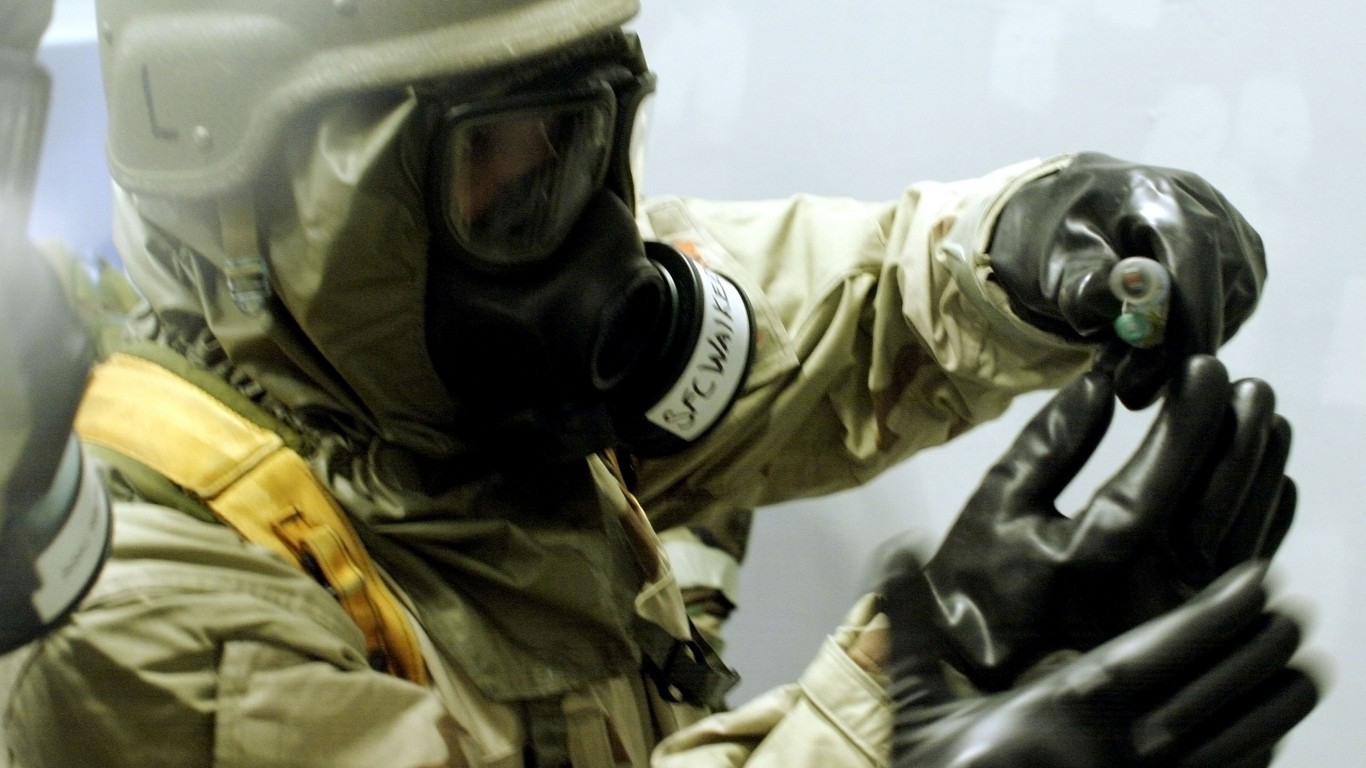
Chemical weapons are widely thought to be relegated to a dark chapter in modern warfare. They were used during multiple conflicts, from World War I to much more recent attacks. Due to the horrific nature of these substances, chemical weapons have been outlawed by international agreements and condemned by much of the world. Yet allegations of use in recent times have raised uncomfortable questions about whether these weapons are truly a thing of the past. Advances in chemistry and evolving geopolitical tensions have kept the issue from disappearing entirely.
The possibility of a chemical weapons comeback isn’t just a military concern; it’s also a political, ethical, and humanitarian one. Even limited use can have devastating consequences for troops, as well as civilians. They can also have long-term impacts on environments and public health. This article examines whether chemical weapons could realistically reemerge in modern conflict. We cover what factors might enable their return, and why understanding this threat is important today.
This post was updated on January 9, 2026 to provide an overview on the history of chemical weapons.
Why We’re Covering This
Chemical weapons are despised due to causing immense human suffering. Understanding the threat these weapons pose can help prevent their spread and use. In addition, understanding which countries could potentially develop chemical weapons helps in assessing risks and where to allocate resources for national defense.
What are Chemical Weapons?
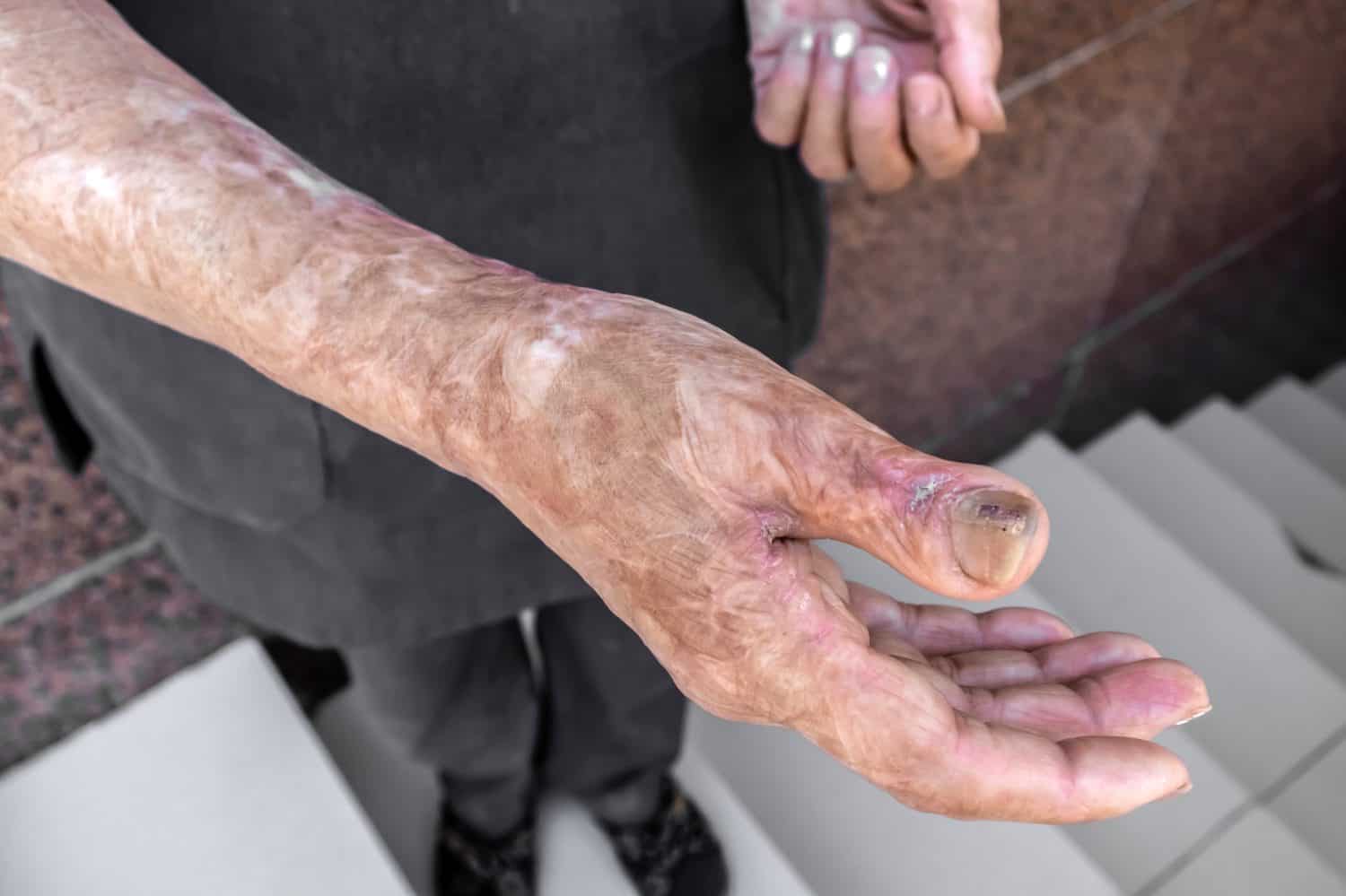
A chemical weapon is a device intended to kill or injure people by disbursing toxic chemicals. They are considered weapons of mass destruction, along with nuclear or biological weapons, because they are intended to inflict large numbers of casualties. Chemical weapons injure by irritating the eyes and lungs, creating blisters and burning the skin, causing internal bleeding, blindness, vomiting, convulsions, paralysis, confusion, loss of consciousness, or death.
Mild Chemical Weapons
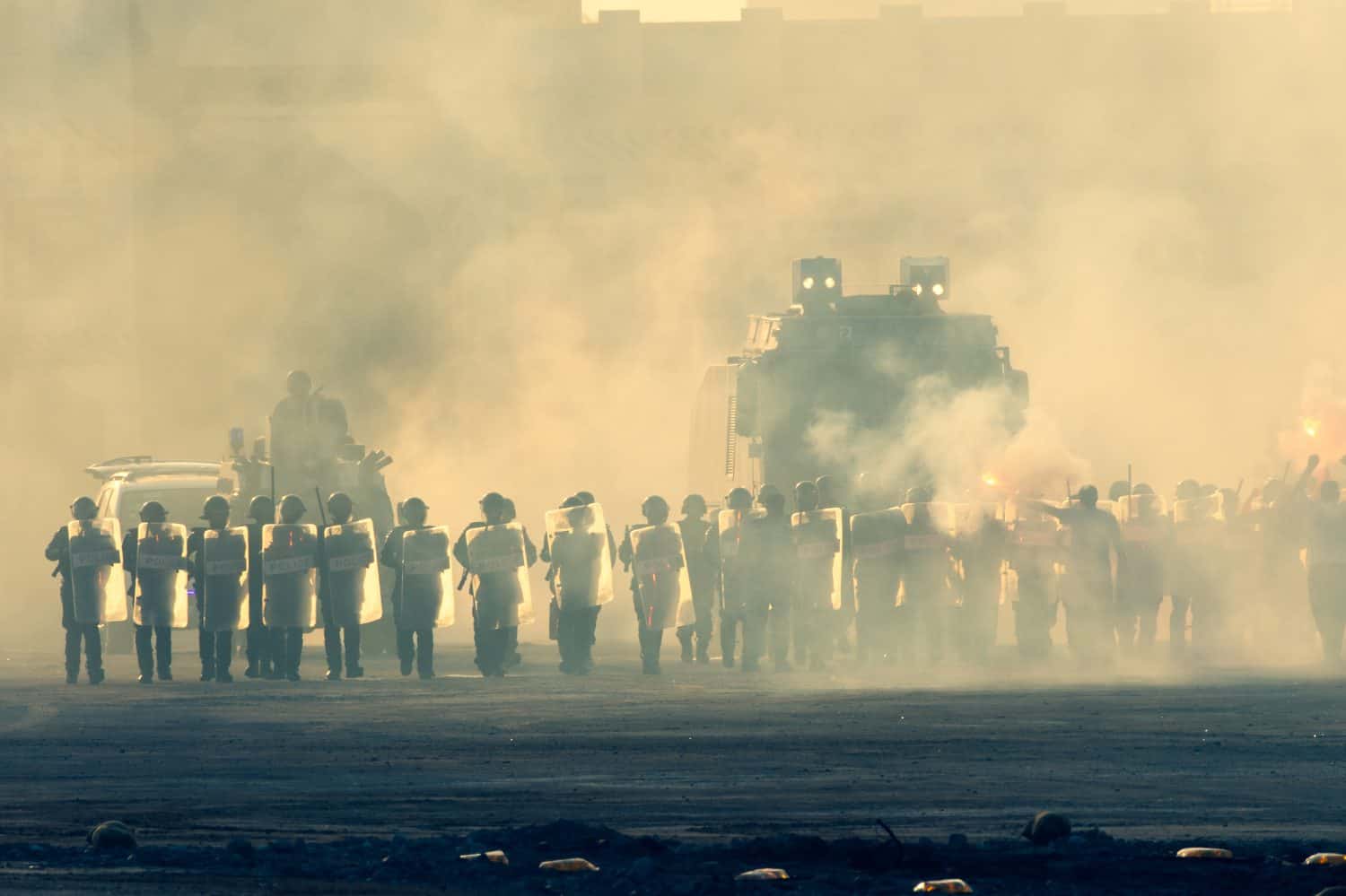
Mild versions of chemical weapons are legal around the world. These include things like tear gas, mace, and even pepper spray that are used in larger quantities by riot police for crowd control and in small quantities in hand-held canisters for individual self-defense. If they are used on a large scale in a military conflict, this would be considered an illegal use of chemical weapons in warfare.
Militarized Chemical Weapons
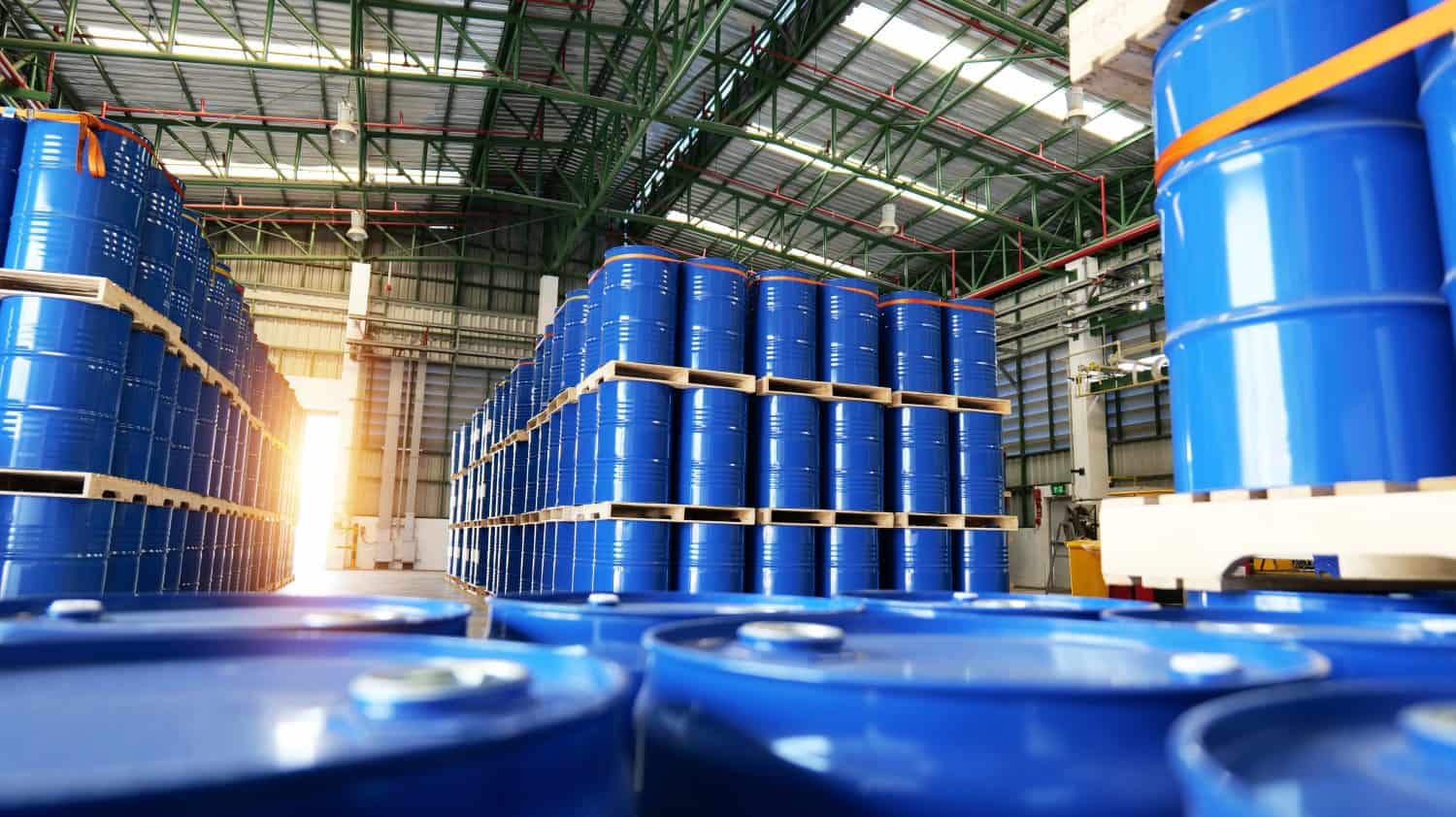
These are some of the chemicals that have been weaponized and their effects. Some can kill quickly from as little as a drop on the skin.
- Chloropicrin: irritation to the eyes, skin, and lungs, loss of consciousness.
- Cyclosarin: muscular and respiratory problems, confusion, loss of consciousness.
- Lewisite: blindness, respiratory problems, blisters, vomiting.
- Methylphosphonothioic acid (VX): convulsions, respiratory failure, paralysis, loss of consciousness.
- Nitrogen mustard: blisters, internal bleeding, eye irritation, cough.
- Phosgene oxime: respiratory irritation, eye and skin pain.
- Sarin: muscular and respiratory problems, convulsions, confusion, loss of consciousness.
- Soman: muscular and respiratory problems, convulsions, paralysis, loss of consciousness.
- Sulfur mustard (Yperite): blisters and burns, blindness, vomiting, shock
- Tabun: muscular and respiratory problems, convulsions, paralysis, loss of consciousness.
Chemical Weapons in Battle
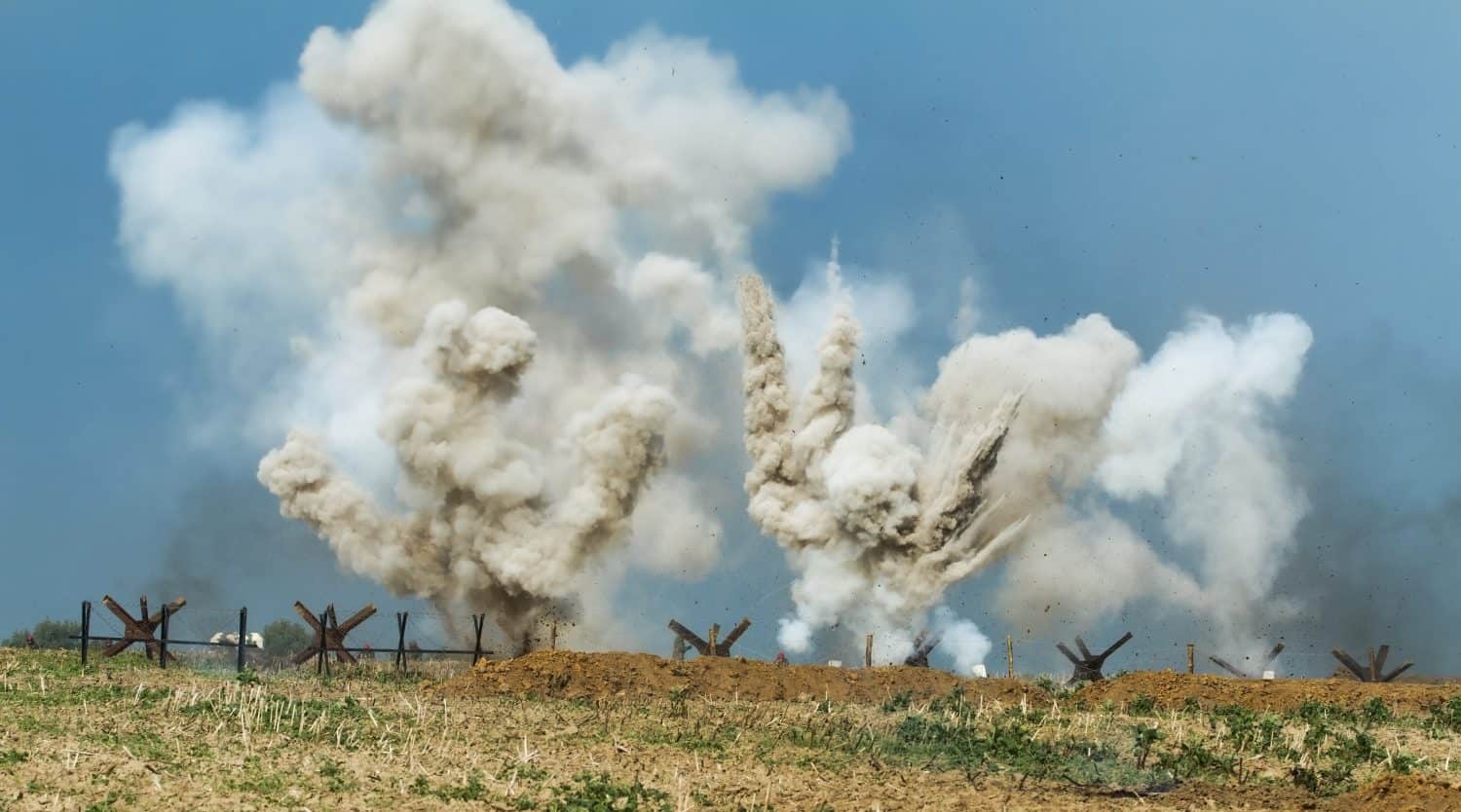
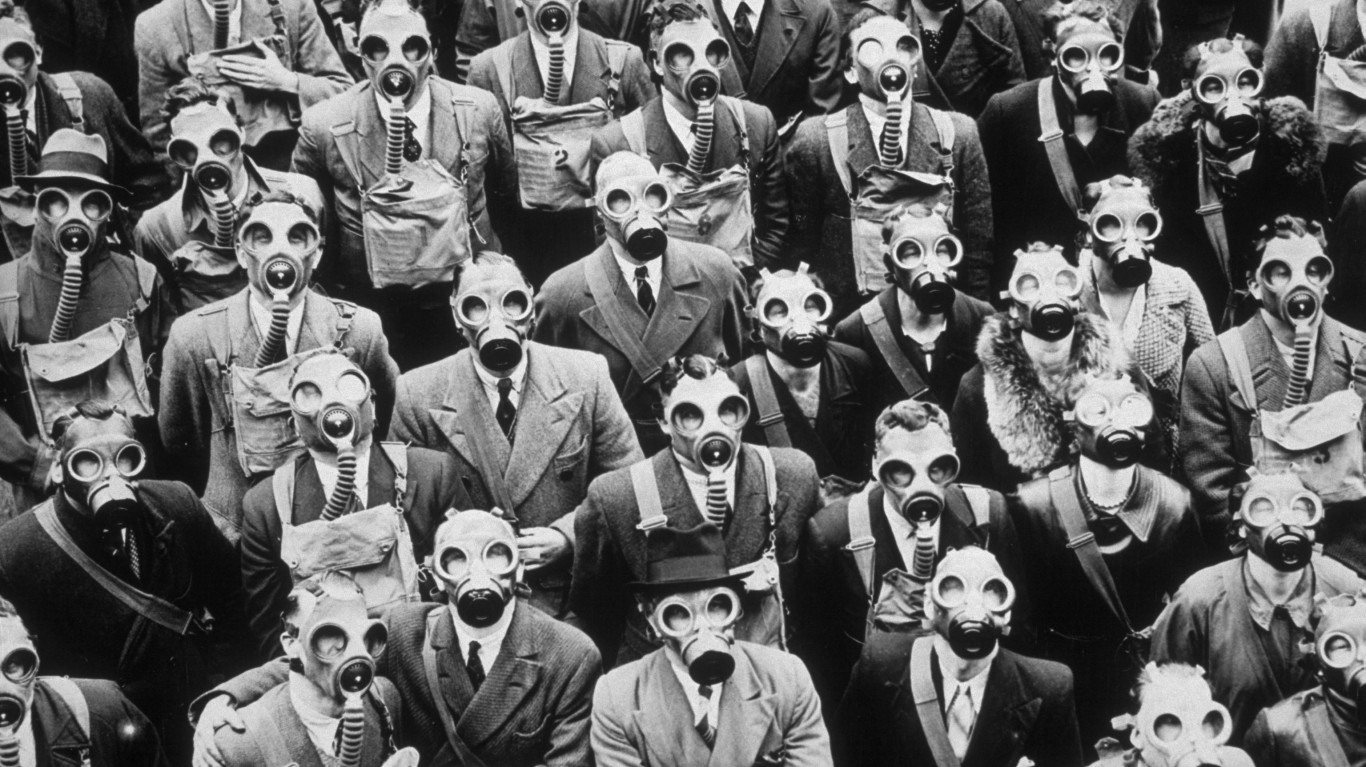
Germany was the first country to use chemical weapons, firing 150 tons of chlorine gas at French troops in Belgium in 1915. The Allies began weaponizing chemicals as well after this. By the end of the war, about 1.3 million people were victims of chemical warfare, many sustaining lifelong disabilities. About 100,000 people died soon after being exposed to toxic agents. Chemical weapons were not used on the battlefield in World War II, but Germany used them to commit mass murder during the Holocaust. In modern times, Iraq and Syria were both notorious for their use of chemical weapons against their own people. The United Nations estimates that chemical weapons have caused more than 1 million casualties globally since World War I.
What Military Strategy Could Chemical Weapons Serve?
As weapons of mass destruction, chemical weapons could potentially serve some of the same functions as nuclear weapons in a country’s military strategy. These include:
- Deterrence: the threatened use of chemical weapons could prevent a country from being attacked by an enemy or force them to make peace. Countries without nuclear capacities could use the threat of chemical weapons to potentially deter attacks by nuclear power.
- Retaliation: they might be used to retaliate against a country that used chemical, nuclear, or biological weapons against a chemically-armed country.
- Mass Casualties: in a situation where a country faces a much stronger or more numerous foe, chemical weapons could help even the playing field by neutralizing large numbers of troops.
Chemical weapons have not been decisive in previous conflicts, however, and have just brought international condemnation and sanctions down on countries that use them. Moreover, unlike technologically more complex nuclear or biological technologies, any country with an adequate industrial base can produce toxic chemicals that could be weaponized. Therefore, any battlefield advantage of using them would be short-lived.
The Geneva Protocol

After soldiers began returning home from World War I with terrible injuries, there was a great public outcry against chemical weapons, leading to the Geneva Protocol, a 1925 treaty that banned the use of chemical weapons. Not all countries signed it, however, and even those that did continued producing chemical weapons and reserved the right to retaliate with them against countries that attacked with toxic chemicals first.
The Chemical Weapons Convention
The Chemical Weapons Convention is a 1993 treaty signed by 190 countries that required the destruction of all chemical weapons by 2012. These eight countries declared that they had chemical weapons stockpiles and agreed to destroy them under the supervision of international monitors:
- Albania
- India
- Iraq
- Libya
- Russia
- Syria
- United States
- An anonymous country; probably South Korea
The Only Country With Known Chemical Weapons
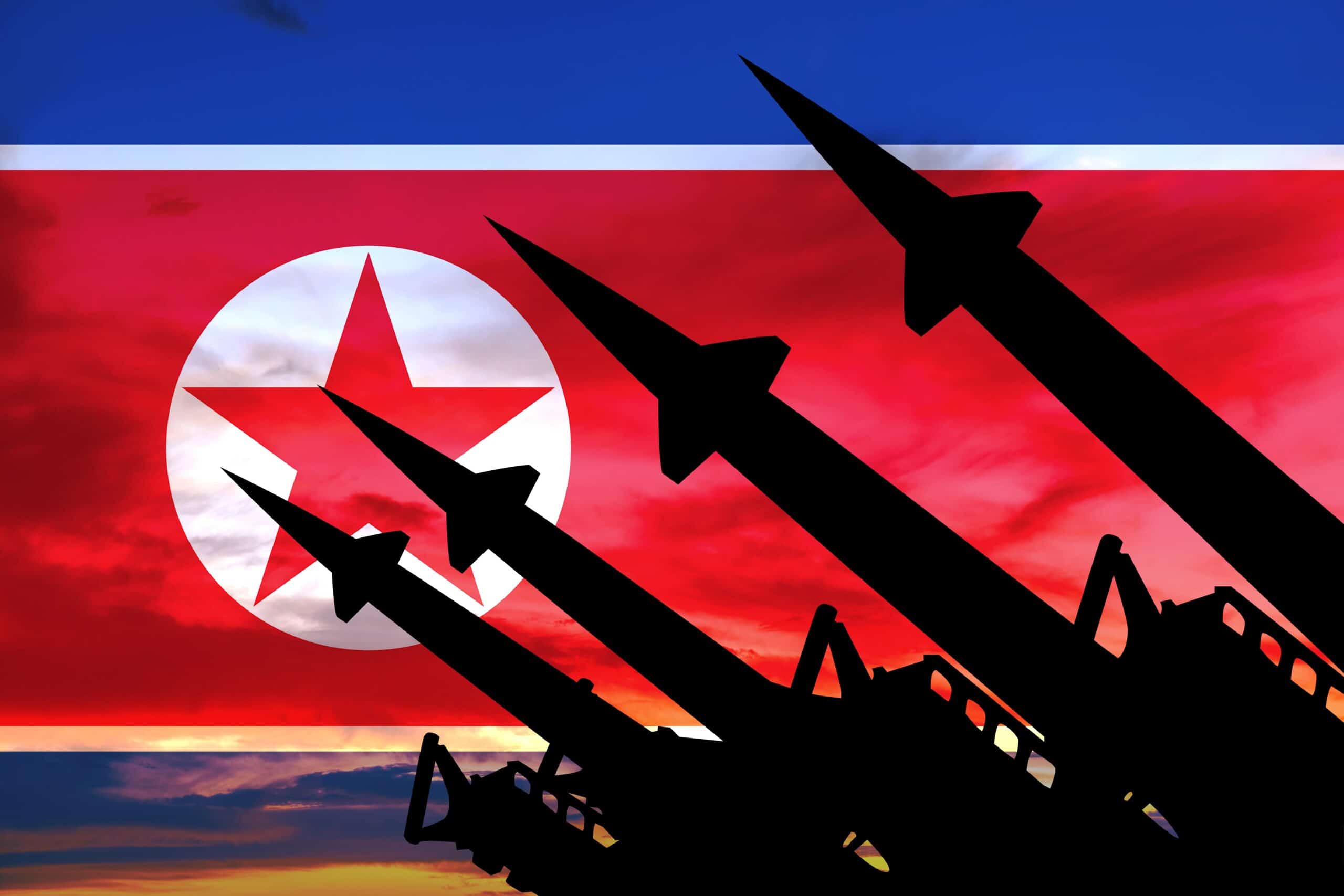
As of 2023, North Korea was the only country known to still have chemical weapons. Military analysts believe this hostile country has 2,500-5,000 metric tonnes of chemical weapons, including mustard, phosgene, and nerve agents. They are also suspected of having biological weapons such as anthrax, smallpox, and cholera. They have about 50 nuclear weapons and can produce 6 to 7 more every year. Their ballistic missiles have the range to strike anywhere on Earth except South America.
Countries That Could Have Chemical Weapons
In addition to North Korea, three other countries are not yet fully part of the Chemical Weapons Convention treaty. Israel has signed the treaty but its parliament has not ratified it. Egypt and South Sudan have not signed it yet.
Moreover, these 14 countries all declared a total of 97 chemical weapons production facilities that have now been deactivated or converted to civilian use. Of course, it is possible that converted or destroyed facilities could be converted back again or rebuilt. The significance of this list is not to say these countries are still producing chemical weapons, but that they have the proven technical capability to do so.
- Bosnia and Herzegovina
- China
- France
- India
- Iran
- Iraq
- Japan
- Libya
- Russia
- Serbia
- Syria
- United Kingdom
- United States









 Top Gaining Stocks
 Top Losing Stocks