


On June 19, 2024, Russia and North Korea signed a mutual defense pact. The treaty represents a significant shift in relations between Moscow and Pyongyang. Historically, relations between the two states have not always been harmonious. With the ongoing conflict in Ukraine dominated by artillery, Russia needs all the help it can get to source munitions. Similarly, North Korea desperately needs oil and gas. Two things Russia has in relative abundance. This article will examine the historical context of the treaty, the key terms, and future implications.
This post was updated on September 7, 2025 to clarify which aspects of the new agreement are similar to the 1962 treaty,
Why This Matters
The mutual defense pact between Russia and North Korea is reminiscent of the 1961 treaty between the Soviet Union and North Korea. The 2024 agreement’s Article 4 has similar wording to the mid-century agreement (obligating aid if attacked) but lacks the same ironclad guarantee. The treaty could have an impact on the outcome of the war in Ukraine, as well as future developments in the Indo-Pacific region.
Historical Background
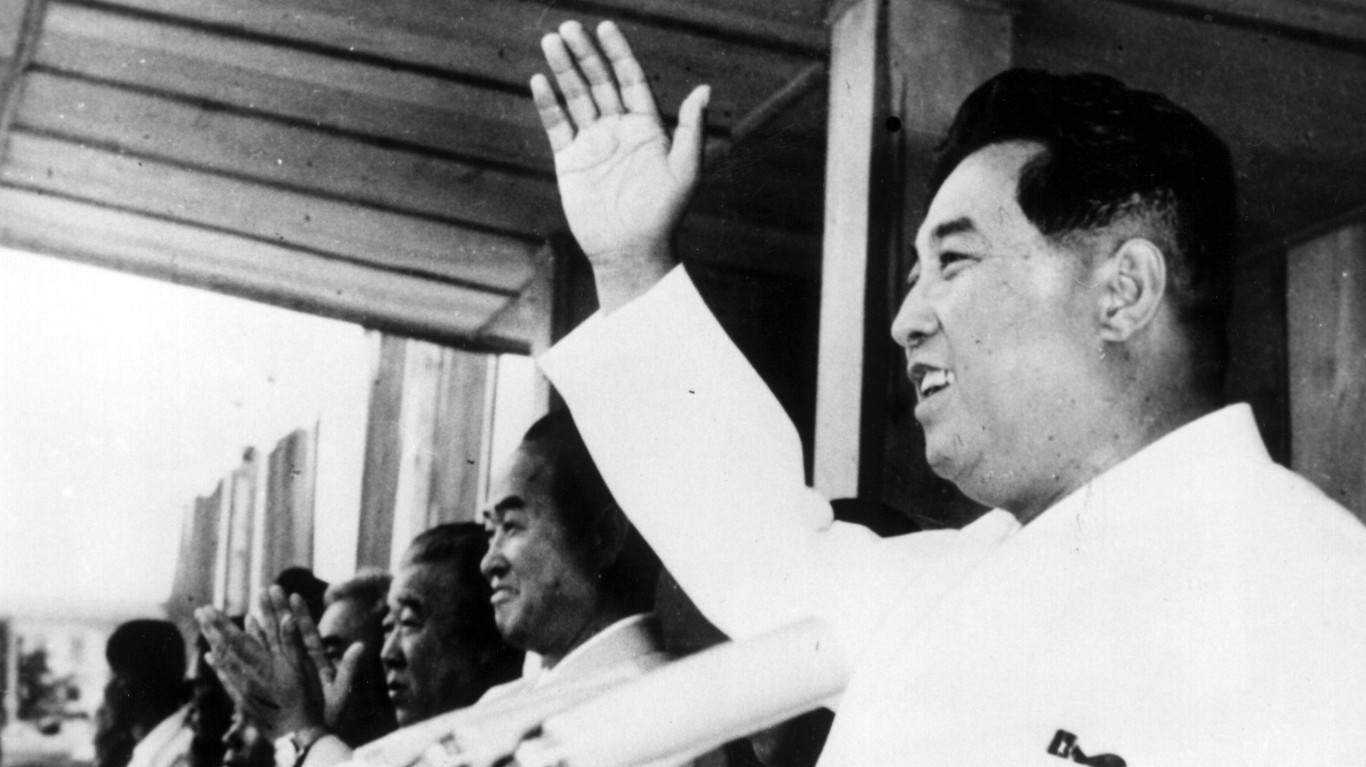
In August 1945, Joseph Stalin made good on his pledge to enter the Pacific Theater of World War Two. The Red Army easily defeated the beleaguered Japanese forces in Manchuria in a short but decisive campaign that helped close the Second World War. The Soviet Union installed Kim Il-sung as the leader of North Korea.
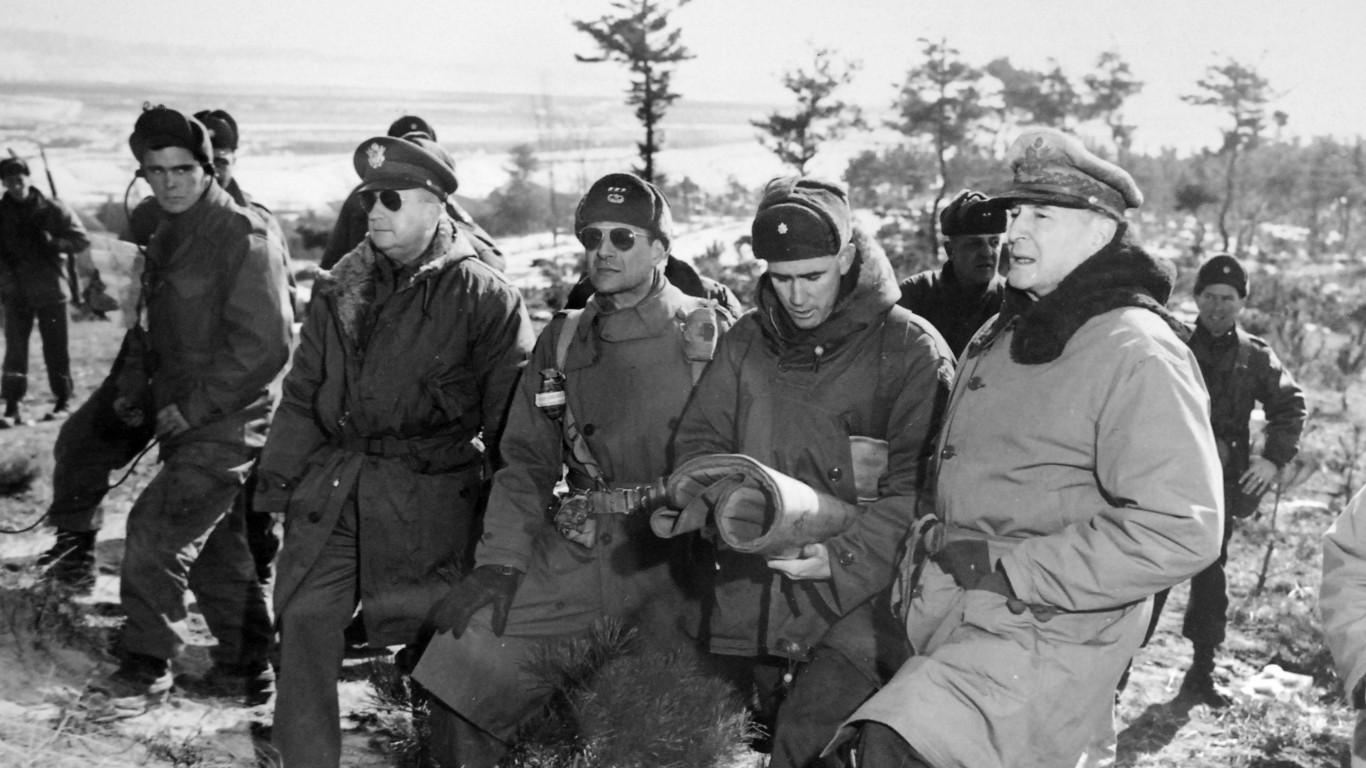
In 1950, Kim Il-sung launched a surprise attack on South Korea and almost swept the peninsula before allied forces intervened. The conflict is technically still going on but there has been no serious action since the 1953 armistice. After the Korean War, North Korea used the breakdown of Sino-Soviet relations to its advantage by playing off each side against one another. By the 1980s, Pyongyang was increasingly isolated on the world stage. After the collapse of the Soviet Union, Boris Yeltsin’s Russia favored improved relations with South Korea, leaving China its only de facto ally.
Modern History
When Vladimir Putin came to power, he reestablished ties with North Korea in 2000 though Moscow backed sanctions against Kim Jong-il’s regime. Russia also took part in discussions to denuclearize North Korea, but the talks ultimately failed in 2009.
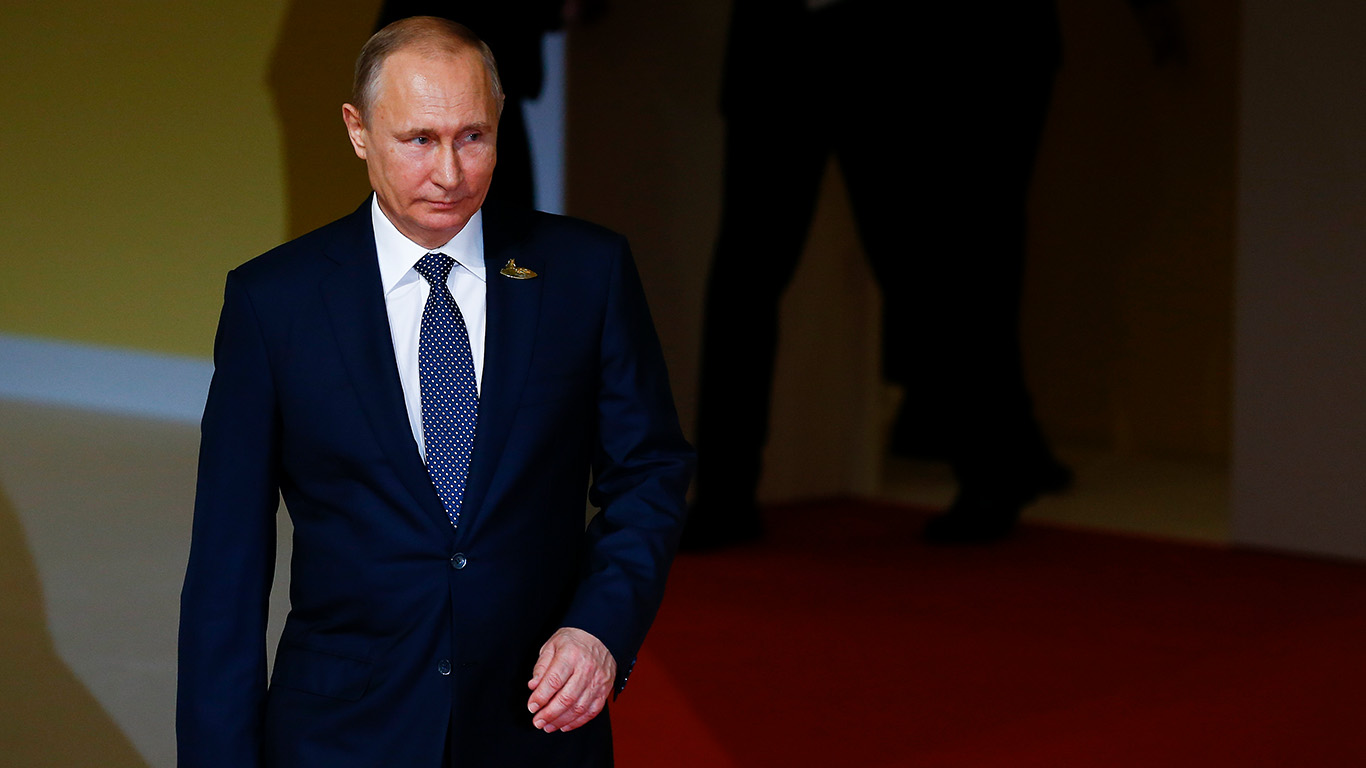
In 2019, Vladimir Putin and Kim Jong-un met for the first time in Vladivostok, though little came from that meeting, it did pave the way for warmer relations between Moscow and Pyongyang. North Korea was one of just a handful of states to vote against a UN resolution condemning the Russian invasion of Ukraine in 2022. Additionally, North Korea sold artillery shells to Russia, though both countries deny it. After another summit between Kim and Putin in 2023, the Russian leader made a first visit to North Korea in June 2024 to finalize the details of the mutual defense pact.
Terms of the Deal
Russia did not publicize the precise details of the June 2024 treaty. However, the wording is similar to that used in an early 1961 pact between the Soviet Union and North Korea. Of particular interest is Article 1 of the treaty:
The Contracting Parties declare that they will continue to participate in all international action designed to safeguard peace and security in the Far East and throughout the world and will contribute to the realization of these lofty aims. Should either of the Contracting Parties suffer armed attack by any State or coalition of States and thus find itself in a state of war, the other Contracting Party shall immediately extend military and other assistance with all the means at its disposal.
The deal suggests North Korea’s clandestine support of Russia’s war effort will be brought out in the open. The North Korean arms industry isn’t exactly cutting-edge but as it’s based on Soviet-era technology, Russia is the perfect customer. Ultimately, the dynamic between the two countries is one of mutual desperation. North Korea will gain technological assistance for its military and sorely needed supplies (possibly of oil and gas), while Russia will gain necessary arms.
Reactions
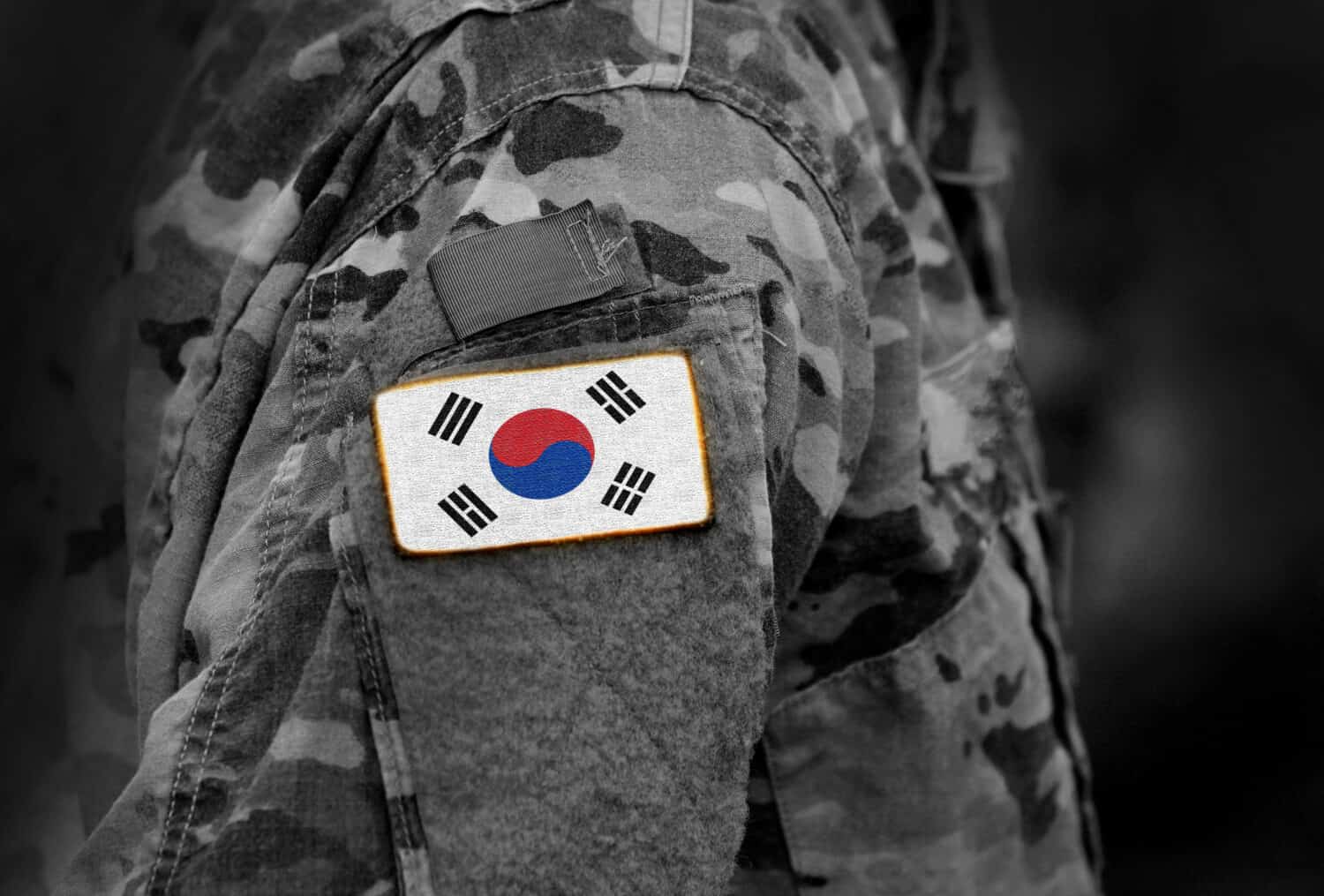
The treaty complicates American strategic partnerships in the Indo-Pacific region. The United States has a trilateral security agreement with Japan and South Korea. The United States is also a part of AUKUS along with the United Kingdom and Australia. South Korea and Japan have already held talks about joining AUKUS. Russia’s treaty could lead to an expansion of AUKUS.
The United States, Japan, and South Korea expressed “grave concern” over the terms of the deal. South Korea moved further by revising its policy of not directly providing military aid to Ukraine. The office of South Korea’s President, Yoon Suk Yeol, pointed out the absurdity of two states with a history of aggression against their neighbors signing a defensive treaty. Since May 2024, mudslinging at the 38th parallel has taken a literal turn. North Korea has launched over a thousand trash-filled balloons toward Seoul. South Korean residents sent back contraband and propaganda leaflets in return.
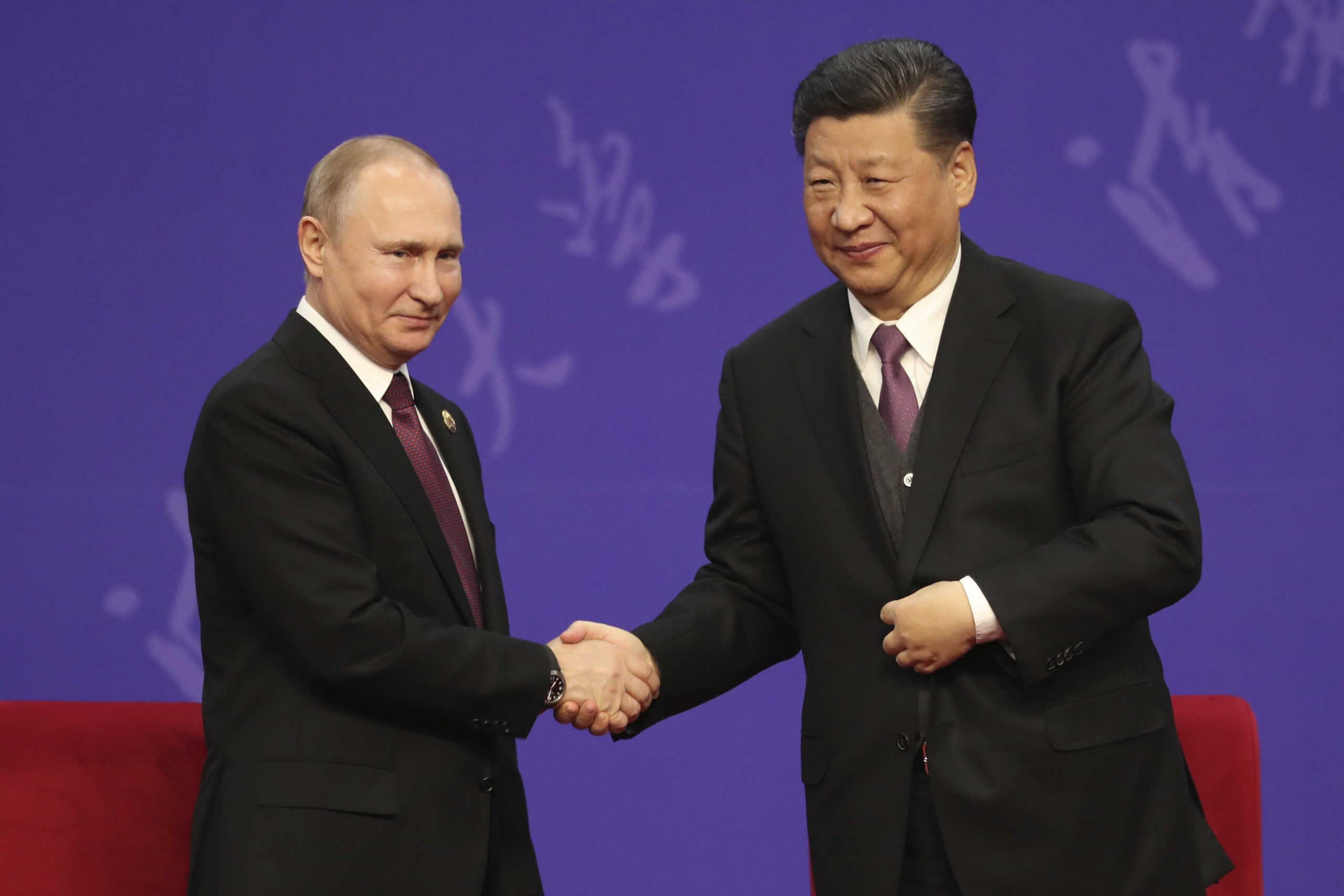
China’s response to the pact has been muted. While broadly supportive of moves against American hegemony, Beijing needs stability in the region for its own plans to come to fruition. China seeks a more flexible foreign policy free of entanglements to increase Beijing’s influence on the global stage, the pact between North Korea and Russia threatens this. A trilateral agreement between China, North Korea, and Russia remains unlikely but the pact could force Beijing down a path it does not wish to traverse.
Future Implications
In the immediate short-term, the pact between Moscow and Pyongyang probably won’t have a noticeable impact on the war in Ukraine. North Korea will continue to provide the shells Russia needs in Ukraine and Russia will help North Korea develop its long-range missiles. However, there are some scenarios where the treaty could have an enormous impact.
The wording is key, it states that if either state comes under attack, the other will come to its aid. Russia currently holds territory Ukraine wants to take back. Would a Ukrainian counteroffensive to retake Crimea and the Donbas trigger that clause? Similarly, if Western weapons are used offensively in Russian territory, would that count as an attack? Perhaps.
For North Korea, intervention would give its huge army badly needed combat experience that could give it the edge over its southern neighbor in the future. For Russia, it would solve the problem of replenishing ranks diminished by mounting losses.
Another, even more serious scenario concerns a different potential conflict: China’s long-term ambition to take Taiwan. The People’s Liberation Army is expected to have the means to invade Taiwan by 2027. Whether Xi Jinping will order the risky venture remains to be seen. However, if an invasion is launched and North Korea is inadvertently drawn into the war, Russia could in turn be compelled to come to Pyongyang’s aid. This would turn a regional disaster into a global catastrophe.
Conclusion
While the pact between Russia and North Korea is a cause for alarm for the US and its allies, it is unlikely to change much in the short term. Pyongyang will continue to sell the huge quantities of artillery shells and missiles Moscow needs. Russia is outfiring Ukraine 5-to-1 to grind down Kyiv’s resistance. With American aid stalling and Europe struggling to make up the difference, the continued flow of munitions from a friendly neighbor could prove decisive.
Depending on how the treaty is interpreted, it could eventually lead to North Korean troops in Ukraine. However, while the treaty allows for assistance if attacked, sending troops to fight in Ukraine is not currently supported by evidence and would be an extreme escalation. The pact also adds another layer of danger to an already tense situation in East Asia. China’s ambitions for Taiwan are hardly a secret but the pact between North Korea and Russia complicates those plans. In the worst-case scenario, a conflict could soon spiral out of control. Conversely, some creative diplomacy by the United States could drive a wedge between Beijing and Moscow. It’s happened before after all.










 Top Gaining Stocks
 Top Losing Stocks