



Deciding whether to focus on paying off your mortgage or boosting your retirement fund depends on several factors, including the interest rate on your mortgage and the potential returns on your investments.
Key Points from 24/7 Wall St.:
- One of the main factors is your mortgage interest rate compared to yield rate on investments.
- Your peace of mind should not be taken lightly when thinking about debt; you are not a robot!
- At 55, there is still time to pave the way for your retirement, but the runway is getting short.
Let’s take a look at a scenario of someone who’s 55 years old and is trying to balance the desire to be debt-free vs continuing to save for retirement.
1. Interest Rate on Your Mortgage:
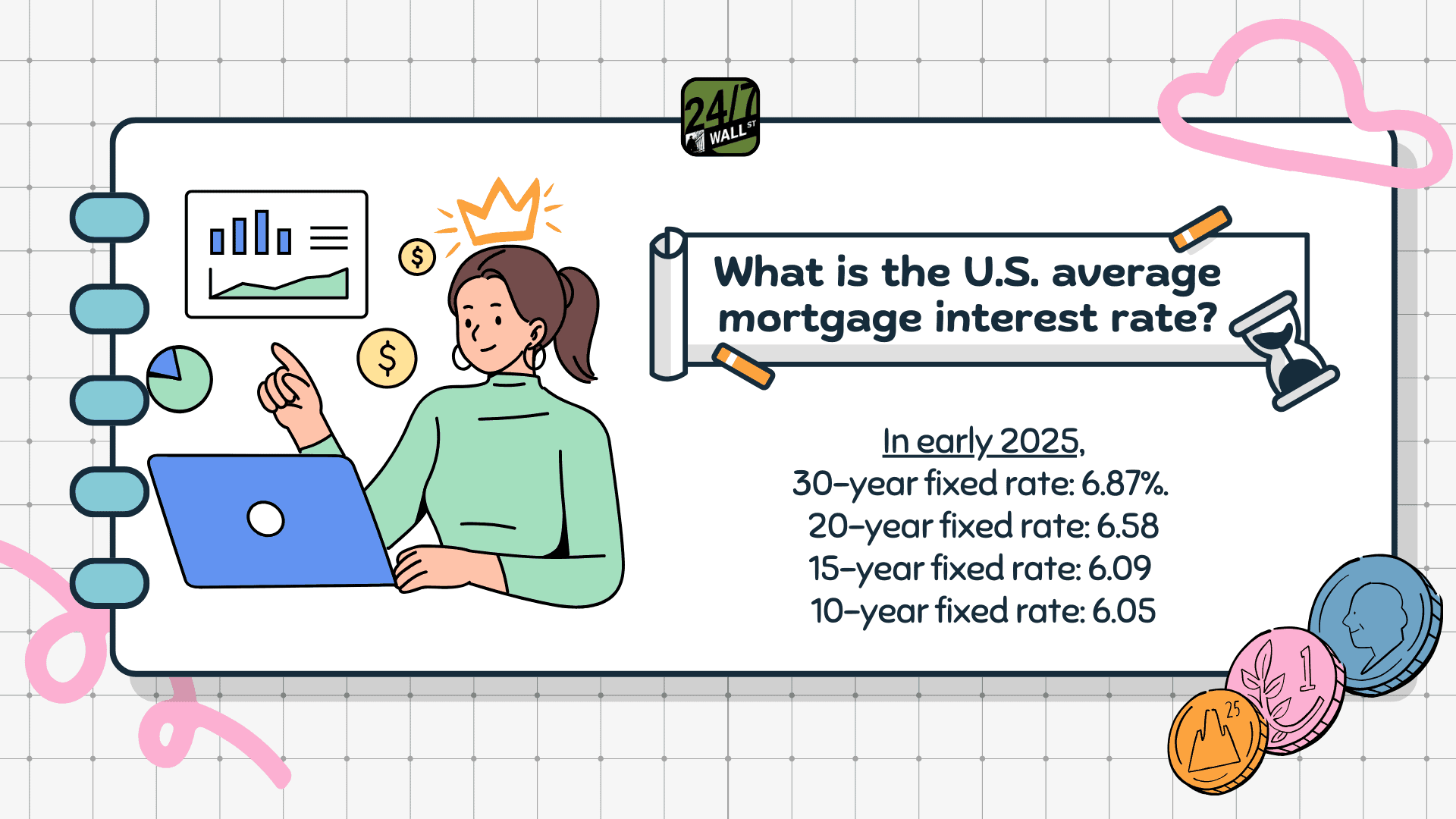
The interest rate on your mortgage is crucial in this decision.
If your mortgage interest rate is relatively low, say 3-4%, it might make more financial sense to invest your savings elsewhere, particularly in a retirement fund, where you could potentially earn a higher return.
High-yield savings accounts, for example, currently offer interest rates in the 4-5% range, which may allow your savings to grow more effectively than the cost of your mortgage debt.
2. Comparison to Investment Returns:
Historically, the stock market has returned an average of about 7-8% annually after inflation. By contributing to your retirement fund, particularly if you have a 401(k) with employer matching, you might receive an even higher effective return.
If your mortgage interest rate is lower than these potential returns, you could benefit more from boosting your retirement savings than from paying off your mortgage early.
3. Retirement Timeline and Goals:
At 55, you’re approaching retirement, and it’s essential to ensure that your retirement savings will support your lifestyle. If you are underfunded for retirement, prioritizing contributions to your retirement accounts could be critical.
Additionally, contributing to tax-advantaged accounts like a 401(k) or IRA may provide immediate tax benefits, further enhancing your financial situation.
4. Psychological Comfort and Risk Tolerance:
Some people find peace of mind in being debt-free, particularly as they approach retirement.
If having a mortgage in retirement concerns you, paying it off early could be the right choice for your mental well-being, even if it’s not the optimal financial decision.
Conclusion:
If your mortgage interest rate is low, you may benefit more from investing your savings in retirement accounts where you could earn higher returns. However, if you’re more concerned with reducing debt before retirement or if your mortgage interest rate is higher than what you can earn through investments, focusing on paying off the mortgage could be a better path.
Balancing these factors with your risk tolerance and retirement goals will guide you to the best decision.














 Top Gaining Stocks
 Top Losing Stocks