


One of the biggest questions anyone with a mortgage can and will ask themselves at some point is whether they should pay it off early. This might involve making larger payments to pay the balance faster or paying off the mortgage in one fell swoop if you have the cash available.
The challenge is that if you ask 10 financial advisors about the benefits of paying your mortgage early, you’ll likely get 10 different answers. The reality is that there is a lot to consider, but there is also a pretty sound strategy for maintaining a mortgage, which is regarded as “good debt.”
10. Peace of Mind

This is a tough one, as everyone hopes to live debt-free. However, good debt (mortgage and car payments) versus bad debt (credit cards) must be considered part of any peace of mind philosophy. Of course, this one is highly dependent on personal financial goals, but having money in your bank account that you can access right away is a hard thing to ignore.
Make Regular Payments

Instead of paying off your mortgage early, find peace of mind with plenty of cash on hand. The hope is that focusing more on the cash you have on hand will help you find the path toward investing in a strong retirement lifestyle, which is arguably more important than paying off any mortgage.
9. Prepayment Penalties

This doesn’t apply to everyone, as it’s primarily applicable during the first five years of a loan. However, if you try to pay off your mortgage too soon, you could be subject to penalties amounting to as much as 2% of the outstanding loan balance.
Don’t Prepay
The most important thing is to read over the terms of your mortgage agreement to see what penalties exist if you try to prepay the balance too soon. If you did want to do this with a $300,000 outstanding mortgage balance, you’d likely be paying an extra $6,000 in penalties.
8. High-Interest Debt
A big red flag for paying off your mortgage early might mean that you are not paying off other high-interest debt that might exist in your life. This is most likely credit card debt, where interest rates between 15% and 29% are not uncommon. Even with a smaller balance, you’re losing more money to interest with a credit card than a mortgage.
Pay Off Debt First
In this case, your financial strategy should always be to pay off the high-interest debt first. If you have $10,000 in credit card debt with a 20% interest rate versus a $200,000 mortgage at 4%, you save $2,000 annually by first paying off the credit card debt.
7. Liquid Money

One of the biggest things to consider when paying off your mortgage is that even if you do so, you still can’t quickly access the home equity you have. Unfortunately, home equity is essentially held captive until a home is sold. Yes, you can borrow against it, but this takes time, which you don’t have in an emergency.
Maintain Your Liquidity

Instead of spending money paying off your mortgage, invest in the stock market, where you can become liquid within 24 hours. The same goes for a high-yield savings account, where you can access money in a day or two. This will be especially important if you need quick access to cash.
6. Emergency Fund

It shouldn’t be surprising that in today’s world, especially in today’s job market, you should focus on building up an emergency fund before worrying about your mortgage payoff. The last thing you want to do is pay off your mortgage and then lose your job or be saddled with a giant medical bill that leaves you with limited free cash every month.
Emergencies Happen
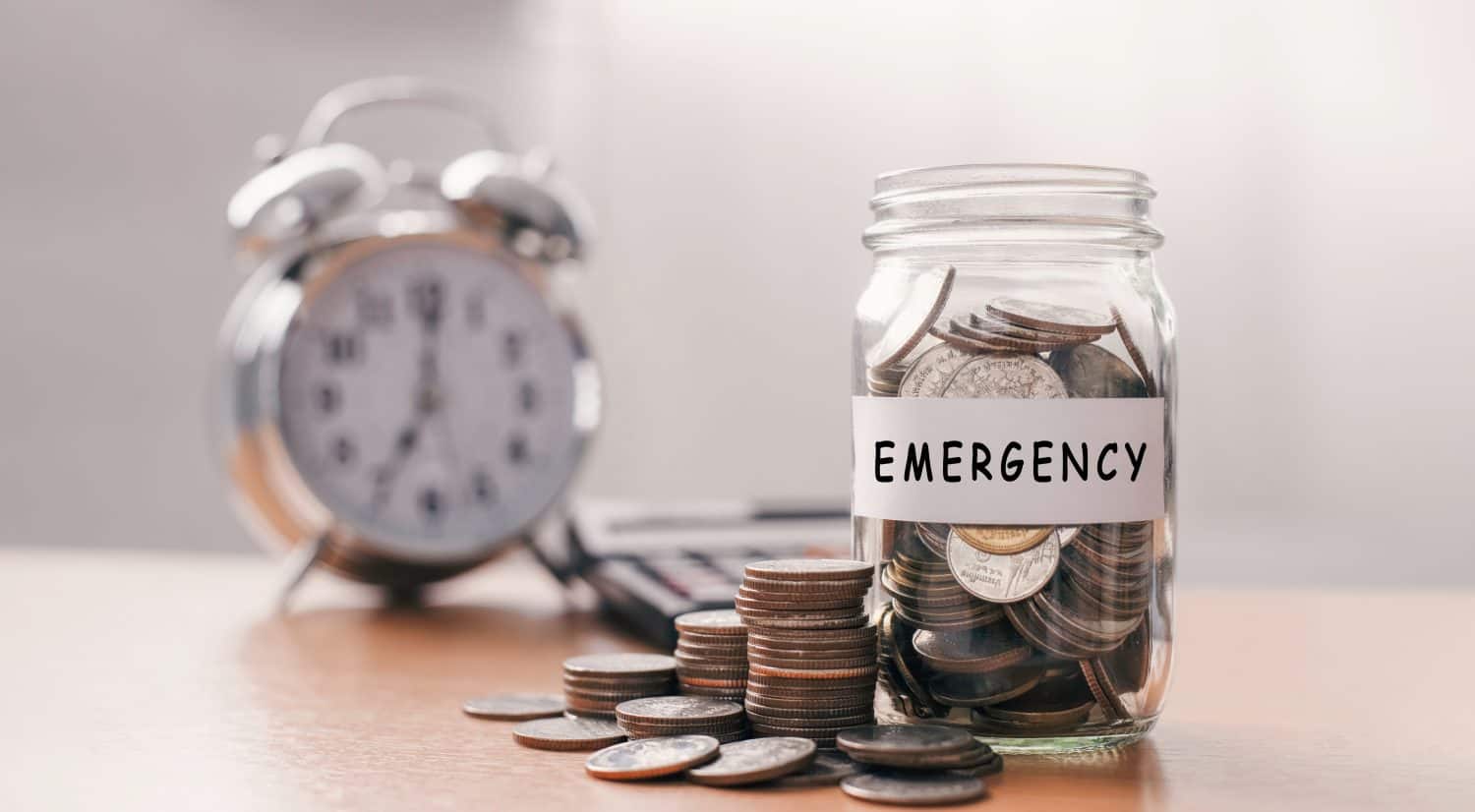
Building up an emergency fund doesn’t mean you can’t pay off your mortgage in the future, but you don’t have to pay it off now. The idea is to have between 6-12 months of savings available in case of emergency, so this might mean just making your standard mortgage payment instead of adding $100 every month.
5. Inflation Debt

This is a unique one that most people don’t consider, and that’s okay because it’s not even one I would typically think. However, inflation speaks to the “erosion” of the “real value of debt” over time. More specifically, if inflation averages 2% annually, your $1,500 payment today would feel more like $1,230 in 10 years, but your costs remain the same, so it feels like you are spending less.
Inflation Benefits

In some strange way, inflation benefits you, especially if it’s a period of higher inflation, as the value of your debt decreases the same 2% every year. In other words, accountants would say that keeping your mortgage can, in some admittedly confusing way, be advantageous in maintaining and continuing to pay.
4. Opportunity Cost

This reason is similar to many others on this list, but you must consider what else you could do with any money you use to pay off a mortgage. This goes beyond stock market investments and returns, but paying off a mortgage could mean less money going into a 529 college fund.
Tough Choices
If you have an extra $500 monthly in disposable income, you could put this money toward your mortgage as an additional payment. Alternatively, depositing this money into a college fund could give you $6,000 of cash every year or $60,000 after 10 years.
3. Diversifying Investments
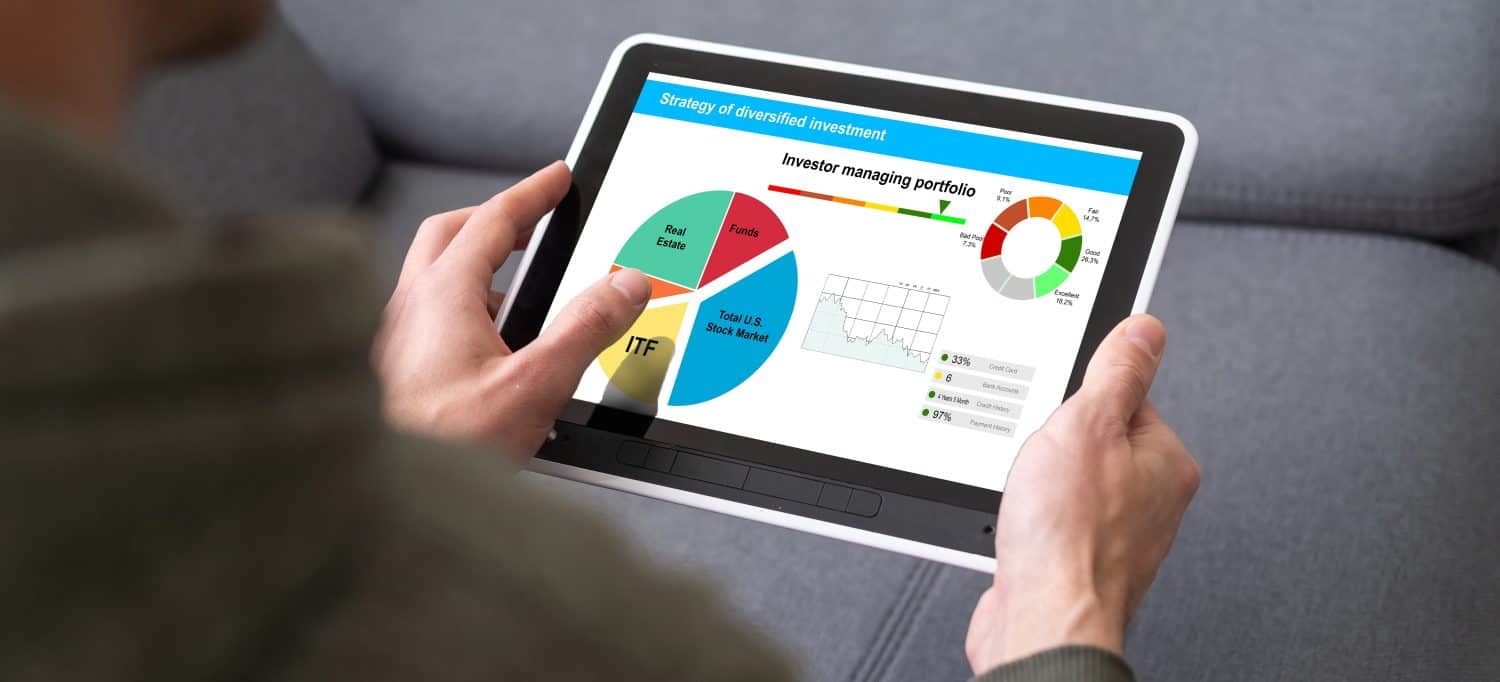
When you pay off your mortgage early, especially in one lump sum, you are now putting a ton of money into your home and reducing the available cash to invest elsewhere. This means that you are very exposed to any fluctuations in the real estate market, which isn’t a good place to be.
Strategically Diversify
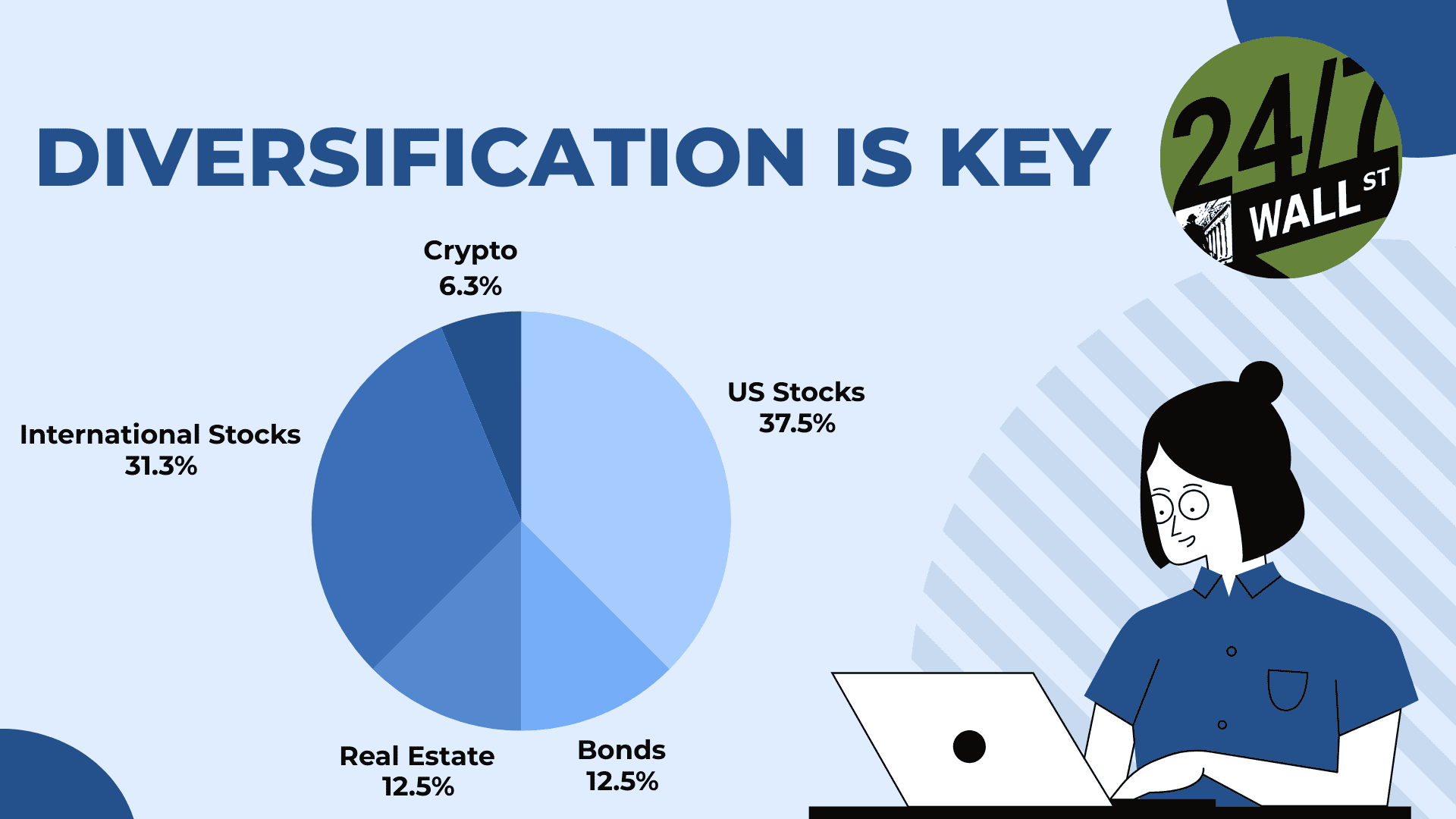
Investment-wise, the best thing you can do is diversify your portfolio between stocks, bonds, and real estate. Consider being 60% invested in stocks with another 30% in bonds, leaving just 10% of alternative investments available, including any liquidity or equity you might have in your home.
2. Low Interest Rates
This is very specific, as one of the reasons you might want to consider maintaining a mortgage is based solely on your interest rate. If you have a 30-year fixed-rate mortgage at 4%, this will be almost 6% lower than the average stock market return from the S&P 500 at 10%.
Interest Rate Impact

Suppose you have a $300,000 mortgage at 3% and compare this against a potential $1,000 monthly savings investment in a 7% diversified portfolio. Over time, the latter could accrue close to $400,000 in 20 years, vastly outweighing any benefits you might save by paying off your interest.
1. Tax Deductions
One of the biggest reasons to keep a mortgage is the idea of a tax deduction, at least according to CPAs everywhere. As I have had this conversation with my accountant, I know it’s specific to the individual. Still, the mortgage interest deduction continues to be one of the more prominent tax benefits homeowners can take advantage of today.
The Tax Impact

In 2025, you can deduct interest on up to $750,000 worth of mortgage debt if you are married filing jointly or $375,000 if you are married filing separately. As a result, let’s say, for example, that you are in the 24% tax bracket and paid $10,000 in mortgage interest in 2024. You can now claim a savings of $2,400 on your taxes as a deduction against your earnings.












 Top Gaining Stocks
 Top Losing Stocks