



Issues of sexuality have universally plagued marriages since time immemorial. For better or worse, contemporary culture has created a greater openness towards discussion and understanding of deep-seated issues that some partners may have. However, the realization of future incompatibility can justify grounds for divorce, which inevitably leads to a division of marital assets. When there is an absence of rancor and children are involved, the decisions on such matters can be even more difficult, as the divide is much greater than the black-and-white adversarial turf divorce lawyers prefer.
“Considering Amicable Divorce – But I Make 4X More Than Him”

Conflicted sexuality issues can add to the emotional turmoil of a propsective divorce, with financial and child custody issues then becoming a means of retaliation for feelings of betrayal.
A Reddit poster seeking guidance for a similar situation was trying to solicit suggestions on how to financially plan for a possible divorce. Interestingly, she finds herself in the opposite position of the majority of women facing a potential divorce:
- She and her husband still love each other, and she considers him an excellent father to their kids. She does not want a divorce, but is resigned to the possibility of one in the future.
- They are both seeing therapists individually, as well as a marriage counselor together.
- The husband’s conflicts over his sexuality has led her to realize that a romantic relationship is probably no longer in the cards going forward.
- If they do decide to get divorced, she expects it to be amicable, and still wants him involved in raising their kids.
- Their combined net worth is $4.5 million net worth, but she earns 4X more than he does.
- They were pursuing a F.I.R.E. (financial independence, retire early) strategy, and the $4.5 million accumulated to date represented
- She wants to plan for separating marriage assets so that there is a clear protocol from where they can part ways financially without generating animosity.
- While she does not disclose which state laws would apply, she acknowledges that the current $4.5 million they have built together will be deemed community property. However, she has a $500,000 inheritance anticipated in a few years, which she does not feel she should have to share post-divorce, which can become messier if the divorce is postponed.
- She is exploring a postnuptial agreement and other options.
Assessing Options From An Adversarial Perspective

With 40% of marriages resulting in divorce, the adversarial perspective has become the default position from divorce attorneys.
The often-quoted claim, “half of all marriages end in divorce” has been proven to be statistically inaccurate, although the actual 40% number is still quite high. Therefore, the adversarial perspective is often a default, encouraged by divorce lawyers eager to do battle. As a result, there are financial and political advantages to these suggested approaches from Reddit responders for the caller to consider:
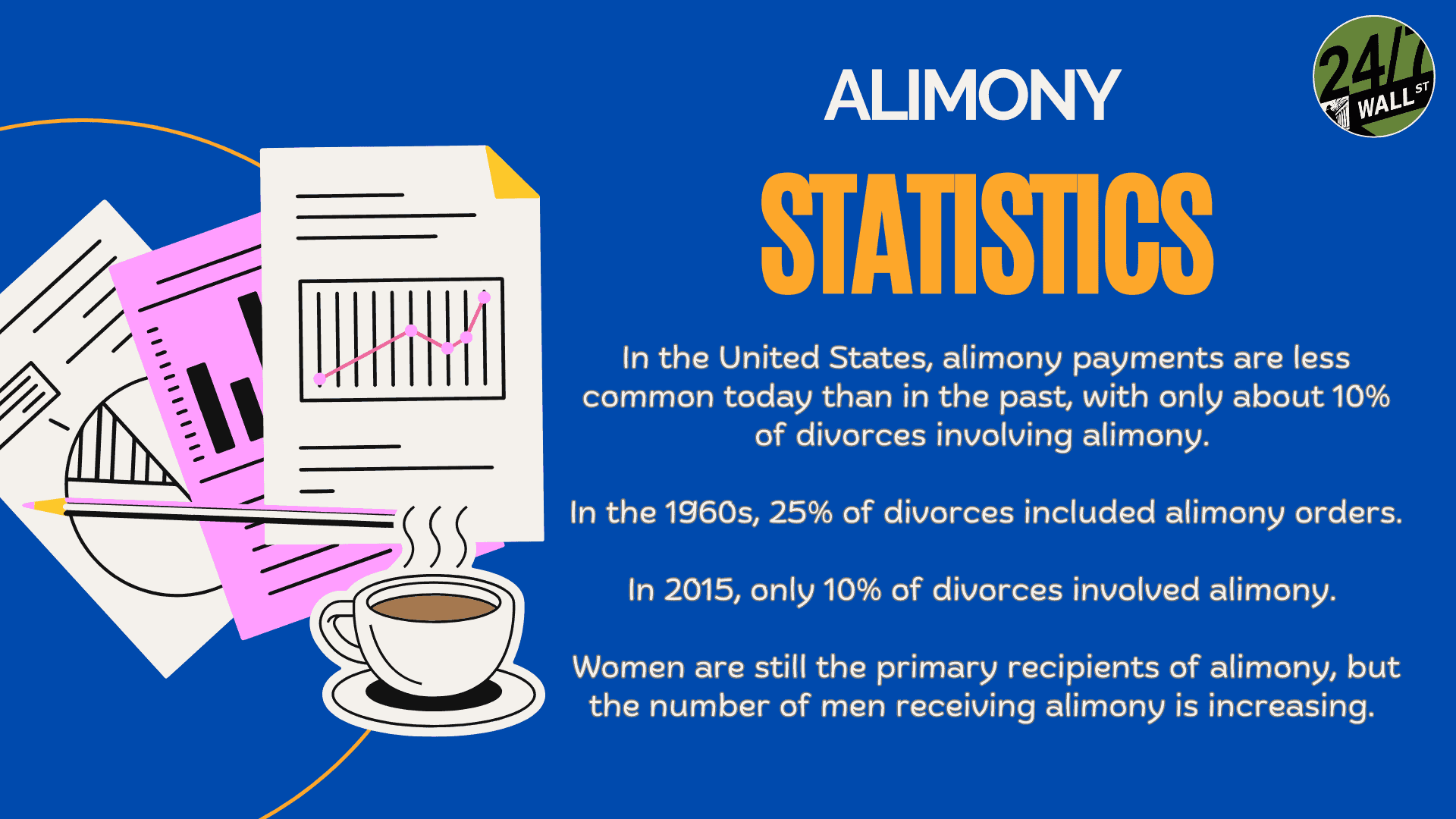
- Custody Rights: If the kids will remain living with her, then her odds of having to pay alimony and child support are drastically reduced.
- Postnuptial Agreement: This can be helpful in expediting a divorce if all of the financial issues are settled in advance in a postnuptial agreement. However, if lawyers get involved with any of the negotiations, the relationship can go from amicable to adversarial in a heartbeat.
- Divorce Immediately: Another scenario that could probably lead to the relationship growing hostile, especially with ambivalence on her part.
- Separation, Including Finances: This avenue offers a contingency in the case of a resolution to remain married, which can be perceived as more conciliatory.
The universal advice concerning the inheritance is to make sure no joint assets or accounts ever come within a mile of the inheritance, and even then, a trust or some other structure might be wise to utilize to further protect it in the case of community property laws prevailing in their state. Additionally, she acknowledges that it would probably take her about 5-7 years to replace the $2.25 million she would anticipate losing in a divorce.
The Third Way

The best advice perspective assessed the benefits of being generous vs. being stingy when approaching a divorce in order to ease the time and emotional toll that an adversarial approach would entail.
Perhaps the wisest advice came from one respondent who assessed the emotional toll that a split will also entail and her desire to remain amicable and jointly involved with raising their children. His advice was a bifurcation on the decision:
- Be Generous.
- Be Stingy.
Essentially, the advice was to weigh the time, stress, tears, rancor and arguments when dealing with lawyers to maximize taking as much as she could legally demand, vs. being generous. Making a reasonably fair agreement for perhaps just splitting the nest egg down the middle, could ease tensions and allow both sides to call it a day. As she is the primary breadwinner, her ability to make back the half that she would relinquish to him would be worth the price for her to be able to move on, and on friendly terms without the associated headaches.














 Top Gaining Stocks
 Top Losing Stocks