



Did you know the majority of Americans are living paycheck to paycheck? If you’re one of the lucky ones who have managed to put away any amount of savings for an emergency or for retirement, you probably live with no small amount of anxiety that something will happen to it or that it isn’t growing as fast as you’d like.
High-yield savings accounts are a relatively new addition to the banking and financial industry, making their rise with the introduction of the internet. But how can you find the right account for you, and should you switch if all your money is already saved somewhere else? Here is what the experts say all Americans with more than $10k saved should do immediately.
Background on High-Yield Savings Accounts

The growth of a savings account.
Traditionally, banks pay a small amount of interest on the funds deposited with them. The rest of the profit earned using your money goes to pay for physical buildings, wages, advertising, and fat CEO paychecks.
High-yield savings accounts were initially offered by online-only banks, allowing them to pay higher interest rates because they didn’t have to pay for physical locations or as many people. They quickly exploded in popularity and as other banks noticed customers leaving them for the better high-yield accounts, they started offering their own high-yield savings accounts as well.
Today, most institutions offer high-yield savings in some form or another, though most of these accounts force users to go without many of the benefits that other accounts at the same company include like 24/7 phone assistance, in-person banking, and other features.
The Benefits of High-Yield Savings Accounts
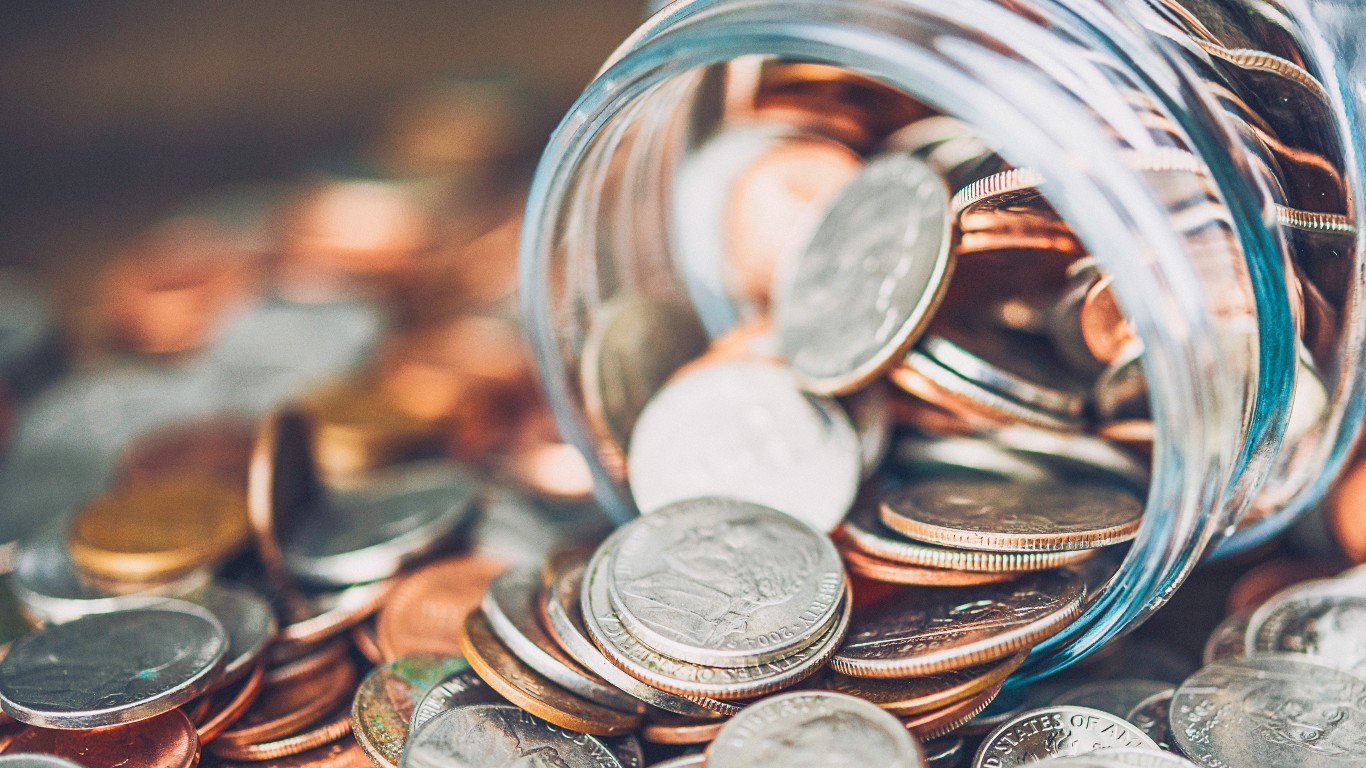
A jar with money inside.
Not all high-yield savings accounts are created equal, and there are a few tips you can use to find the right account for you.
First, interest rates aren’t everything. The return on savings accounts is so low, that a difference in a tenth of a percentage won’t make much of a difference. So, spending hours trying to decide between two accounts that offer almost the same rates isn’t as productive as comparing other features and benefits those accounts offer. All high-yield savings accounts are going to outperform your normal savings or checking account. The best ones we’ve seen have been between 3.5% and 5% APY, look for something in that range.
Second, there are dozens of reputable institutions that compile lists of the best high-interest savings accounts based on different criteria. The trick to using these lists is to find how these companies are ranking the accounts, which of the banks are financing these companies or websites, look at the date the list was created, and decide which of the features or benefits of an account you find most important. We recommend looking at Trustpilot for certified ratings and visiting the app store on your iPhone or other device to read the real experiences of real people, not paid reviewers.
Third, some of the sign-up bonuses for high-interest savings accounts can be very generous, but don’t let them blind you from the overall quality of the account after the intro period. Some initial benefits can include a sign-up bonus, a higher interest rate immediately after creating (and funding) your account, a referral bonus, or something else. Some of the most generous sign-up bonuses we’ve seen have been $300 when you set up a direct deposit to your account.
Should You Transfer to a HYSA Now?

Signing up for a HYSA.
Yes. If you have money in an existing savings account that you don’t plan on using for a long time and aren’t earning a high interest rate, then you have nothing to lose by transferring it to a new high-yield savings account. You can sign up for a new account for free in the time it took you to read this article and earn around nine times as much in interest on money that is just sitting there.
The great thing about checking and savings accounts is that they are usually pretty well-regulated, and you can always close and open another account if you’re not happy.












 Top Gaining Stocks
 Top Losing Stocks