



People who are paid high salaries or given large amounts of money should not experience money problems, and they should have no issue saving money for retirement, but there are a handful of reasons why that might not be the case.
Unfortunately, in America, there is a “normal” amount of money we should have in our retirement accounts at every stage of our lives, creating a financial goal for everyone despite their background, history, or lifestyle. We don’t care for our sick or elderly, so your enjoyment of your retirement is based just as much on luck as it is on arbitrary financial rules.
If you earn $500,000 per year, this is how much you should have saved for retirement by the time you are 40 years old.
How Much You Should Have Saved
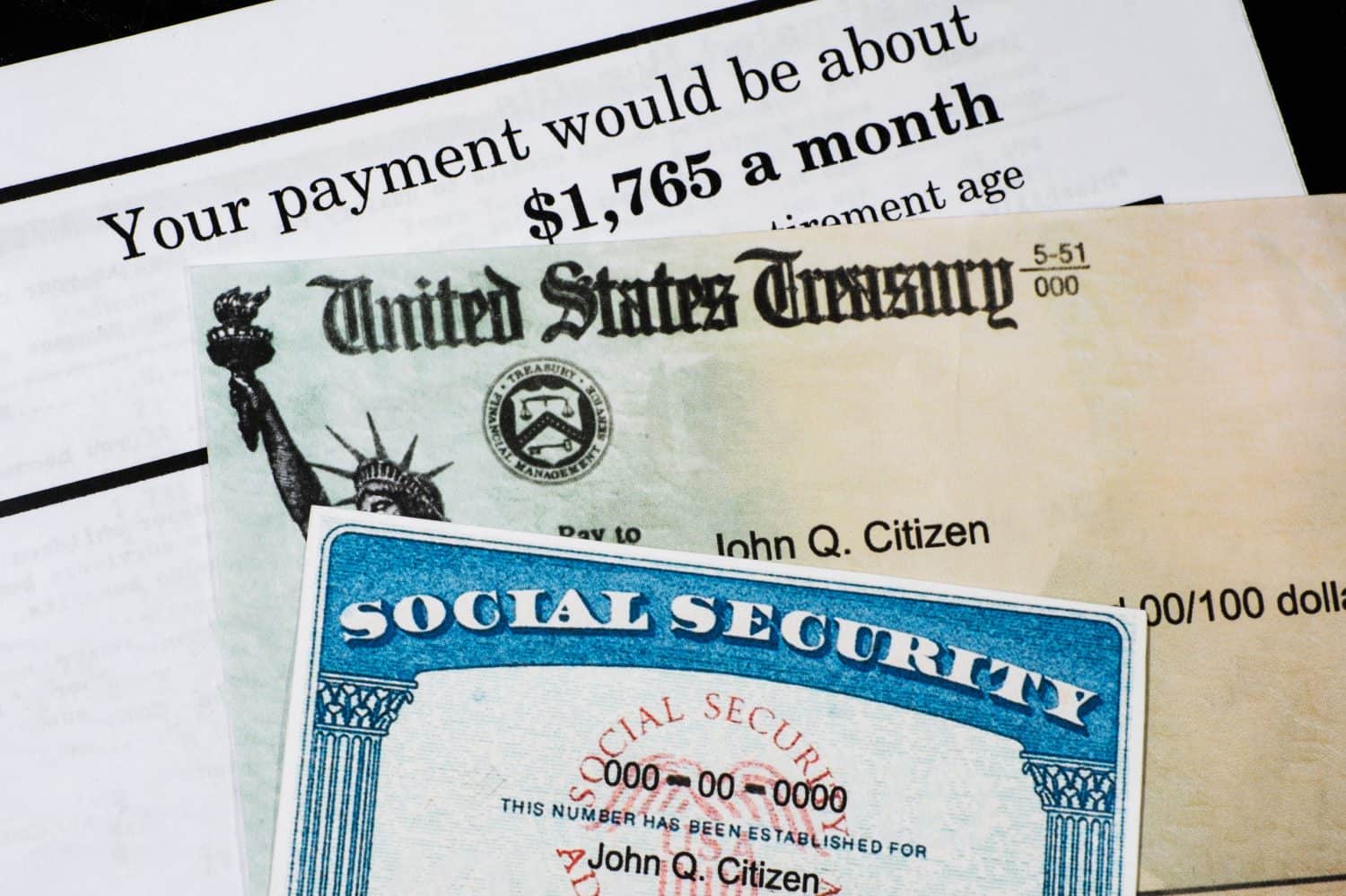
Social Security payments.
The numbers in this article are based on many assumptions. Everyone’s financial situation is different. In this case, we assume a household joint gross income of $500,000 with average family expenses. We estimate a 15% pre-tax retirement contribution from regular wages, an effective tax rate of 28%, and a conservative annual return on portfolio investments of 6% before retirement and 5% after retirement age. We also assume the family will begin receiving Social Security payments at age 65. We have adjusted for regular inflation and have accounted for reasonable market volatility.
That being said, a family in this situation should have around $2.34 million saved for retirement by the time they are 45 if they want to maintain their current level of spending.
What to do if You Are Behind
Saving money for retirement.
If you’re earning at least $500,000, you should have absolutely no problem saving enough money to retire at many different levels of yearly spending. You already earn more money in a single year than most people in the world will ever see in their entire life, but there are a couple of things that can prevent you from doing so.
First is something called lifestyle creep. As our income increases, we tend to also increase our spending on things we don’t really need. We might have a perfectly functioning car, home, and appliances, but feel the need to get more expensive versions simply because we can. We eat out more, go on more expensive vacations, and so on. By preventing lifestyle creep we can maintain a lower yearly spending level that will be more easily maintainable during retirement.
Second, is image maintenance, or “keeping up with the joneses”. This is related to the first point but instead of spending money on things we want but don’t need, we spend money on things we neither want nor need simply because we have begun to spend our time in circles with people who also have a lot more money than common sense. Don’t give in to peer pressure or cultural pressure to appear you are someone you aren’t or don’t want to be.
Those are the two biggest factors in saving enough money, and they will have a far greater impact than any savings contributions. If you can get those two behaviors under control, then make sure you are maximizing your yearly retirement contributions and taking advantage of any employer-sponsored benefits or contribution matches.
How to Accelerate Your Position
Money sitting in a bank account actually drops in value as the years pass, and the same is true of any account or investment that isn’t earning a return that at least matches the annual inflation rate.
In order to speed up the growth of your savings, do some quick calculations to determine how much you need for a six-month emergency fund, keep that amount in a savings or checking account, and invest the rest into some kind of index, mutual fund, bonds, or other stable and safe investment option. Obviously, the riskier the investment, the more money you can make or lose, the choice is up to you on how risky you want to be, and the closer you get to retirement, the less risky your investments should become, narrowing the margin of error gradually until retirement day.














 Top Gaining Stocks
 Top Losing Stocks