



Can you trust the websites and tools that project your retirement savings into the future? How accurate can those predictions be? How can these tools take so many unknown factors into account and give an accurate prediction of your retirement? If you’ve wondered this, you are not alone.
One person thought that the online predictions for his retirement were too high, or too aggressive. They took their questions to the people in the r/personalfinance community to see if they could offer any insight into what he was seeing. This is what they said.
Please keep in mind that all the comments in the original thread, and in this article, are opinions, and are not legal financial advice. You should always speak to an expert before making any big financial decision.
The Question

Saving for retirement.
The author of the original post says that they are 29 years old with around $45,000 in their 401(k) account. Since they opened the account in 2018, they have seen a 9% return. They currently make $83,000 per year and the company matches 100% up to 4%. They currently contribute 10% to the account.
However, when looking at different calculators and tools online, they estimate they will have between $4 and $4.5 million by the time they turn 65, which they think seems way too high based on current contributions. They don’t have any information to say otherwise and don’t know how they could prove if the numbers are reliable or not.
The Community Response
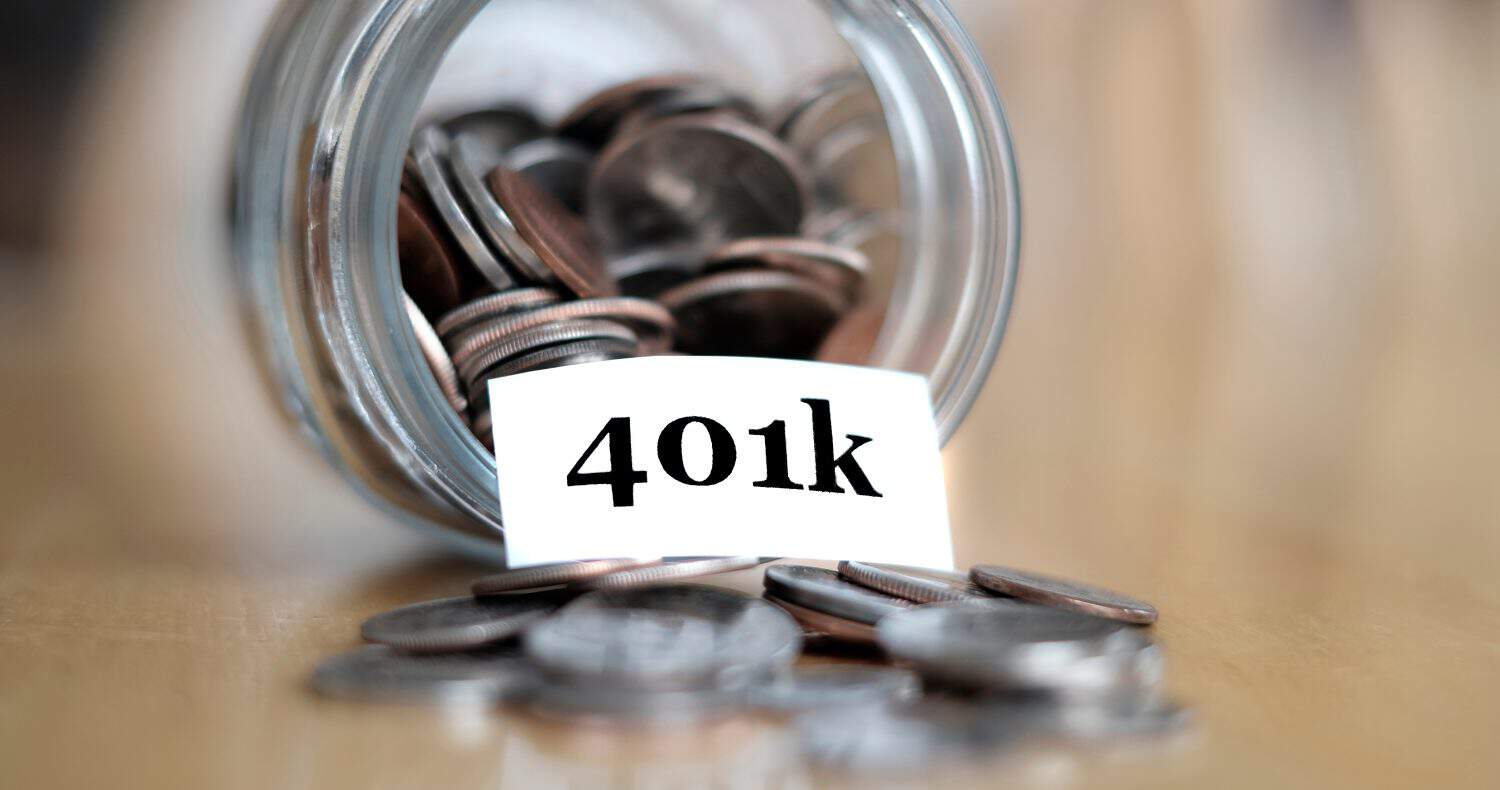
A photo of retirement savings.
Most of the people who responded agreed that the numbers could be accurate, but there are a couple of things the author needs to keep in mind.
First, these are projections based on today’s numbers and historical precedent. They will not take into account any major event that might take place that can affect the account. However, as your retirement date grows closer, the window of uncertainty will narrow until it becomes a near-perfect projection immediately preceding retirement.
Second, online tools typically don’t account for inflation, and what that does to your spending power in the future. All the projections are going to reflect your savings in today’s dollars, which means that even if the projection is accurate, you will not have nearly as much spending power as you do today. If you manage to save up the $4 million that the tool projects, it will not buy you the same amount of goods in 40 years, so it is not an accurate reflection of your savings.
Third, the tool assumes the author will keep the same level of earnings and contribution throughout their entire life. This is almost never the case for anybody. People get fired, promoted, or experience other big life changes that can impact their retirement contributions. Even a small thing like a company changing its matching policy can have huge consequences further down the line.
In the end, most of the people who responded said that the online calculators do a good enough job of giving a ballpark estimate of what your retirement fund will look like, but don’t rely on it for any kind of pinpoint accuracy. Keep an eye on your retirement from time to time, but besides maximizing your contributions, there isn’t much you can do to make it grow much faster.














 Top Gaining Stocks
 Top Losing Stocks