


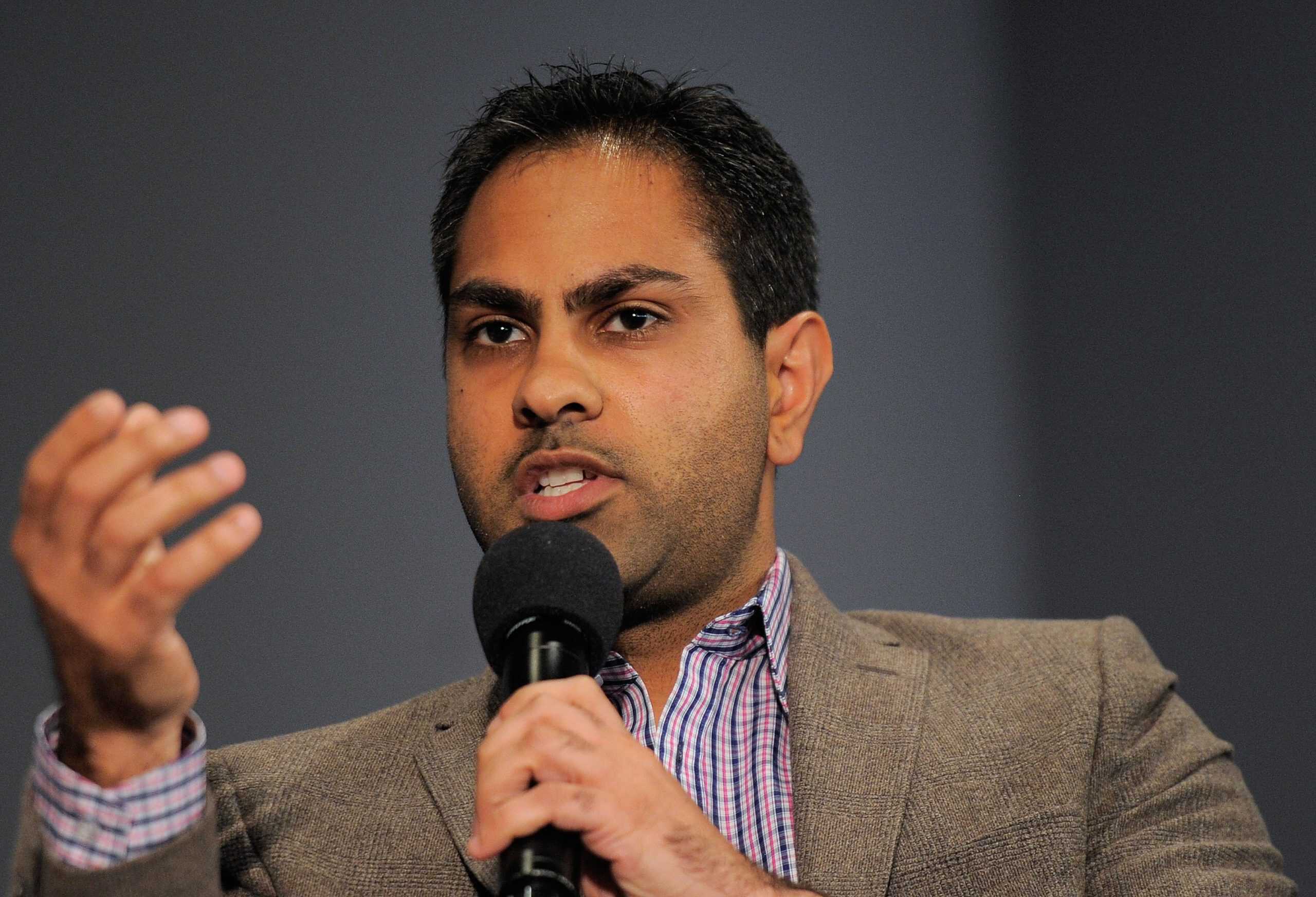
Ramit Sethi is a NY Times bestselling author, a podcaster, and the host of the Netflix series, I Will Teach You To Be Rich, which was taken from his 1 million copies sold book of the same title. While much of Sethi’s practical money management advice is echoed by a number of other financial advice speakers and authors, Sethi’s approach is somewhat different. Both his Master’s and Bachelor’s degrees from Stanford include Psychology as a minor or co-major component. The psychological aspects of his advice likely stems from this academic training.
Ramit Sethi’s 4-Way Take Home Pay Split

Ramit Sethi advises 4 general areas for handling one’s take-home pay to build savings and wealth, stay out of debt, and not feel guilty for occasional splurges.
With a widespread media presence, Ramit Sethi frequently shows up on social media with snippets of his advice culled from his longer format programs and guest appearances. On one video segment, Sethi was citing his advice on personal take home pay money management. In 53 seconds, he quickly listed a four (4) way division of money allocation for one’s monthly paycheck. The suggestion combines a disciplined approach while acknowledging the temptation faced by everyone for instant gratification.
- Fixed Costs – Sethi categorizes fixed costs as mortgage payments, rent, groceries, utilities, phone bills, wifi, medical prescriptions, and other regular recurring expenses. By and large, personal fixed costs are necessary and essential, and should take up 50-60% of one’s take home pay.
- Savings – An emergency fund, money intended for a down payment on a home or a car, and general liquid cash accumulating interest in a savings account all qualify for this category. Sethi advises allocating 5-10% for savings.
- Investments – Sethi indicates setting aside 5-10% for investment is fine, but the more that one can afford, the better, since investments are where true wealth is built.
- Guilt-Free Spending – Here is where Ramit Sethi may depart from some of his peers like Suze Orman or Dave Ramsey. Sethi devotes a surprising 20-35% range for what he describes as “guilt free spending”. As examples, he cites going out for cocktails in New York, buying a nice shirt, going out for dinner with friends, seeing a concert, etc.
Observations and Analysis

Ramit Sethi’s Stanford psychology training informs his knowlege of human nature and is integrated into staying on track with his money management advice.
Sethi’s psychology background clearly appears at work in his “guilt-free spending” category. The discipline required to stick to a difficult regimen, whether it be a diet, an exercise program, or a money management routine, can become difficult for even the most dedicated-minded to successfully maintain. By wisely suggesting percentage ranges rather than a set number, there is an implicit flexibility to the money management program that allows each participant to feel more empowered in the decision-making process over following someone else’s rules.
Temptations to eat, vegetate in front of the TV or phone, or spend in ways that break discipline are omnipresent. The internal rationalization of “just this one” leads to backsliding, that, more often than not, results in failure.
By acknowledging human nature and the instant gratification component embedded in our DNA, Ramit Sethi’s suggestion to set aside a percentage of “mad money” allows for one to feed these pangs to break discipline in controlled segments while sticking with the core goals of saving, investment, and staying out of debt. While attaining the end objective might take longer, the odds of getting there will be improved over a total backslide and quitting altogether out of discouragement. Hence, he adds the “guilt-free” tag, so that one can psychologically justify indulging while sticking to the program.














 Top Gaining Stocks
 Top Losing Stocks