



Baby boomers have the highest household net worth of any U.S. generation. While baby boomers worked hard to accumulate their wealth, younger generations believe part of it was due to good timing. It’s also a common assertion that baby boomers have ruined the housing market for younger generations.
The argument is that boomers are staying in their homes longer and aren’t downsizing like previous generations. This combination has resulted in a lower housing supply and higher prices for younger buyers.
While this claim and general complaints against boomers ring loudly, is it really justified? A deeper analysis suggests that other issues are in play.
Housing Supply Is a Key Factor
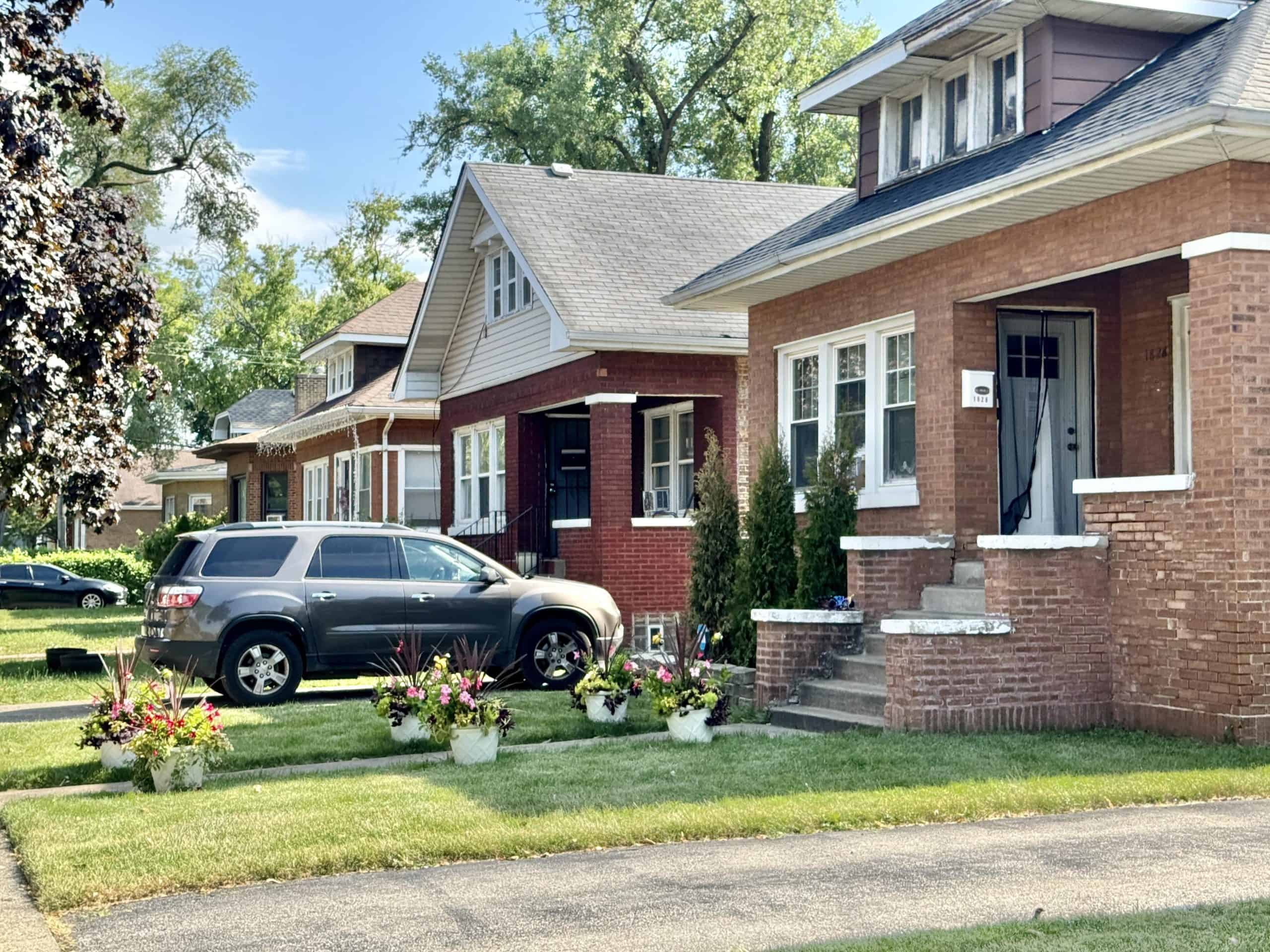
In 1980, the median income was $21,020, while the median housing price was $68,000. Meanwhile, the median income has jumped to $80,610 for a household, while the average house now costs $419,200. Some people will use this information to criticize boomers, but it actually validates them if we look at the housing supply.
First, let’s talk about what we already know. The U.S. hasn’t been producing enough homes for people. Since 2010, the nation has averaged 1.1 million new homes each year, but that’s not enough to keep up with population growth. The housing shortage gets worse each year, further escalating the problem.
The population was much smaller in 1980, so 1.1 million homes per year would have been more acceptable at the time. However, that’s not what happened. The United States built 18.5 million housing units from 1975 to 1979, and most of the homes in the country were built during that time. That comes to 3.7 million houses per year.
Regulatory laws and a significant shortage of housing construction workers in the United States are two key differences from the 1970s to today. Getting closer to producing 3.7 million homes per year can bring housing prices down, and fewer regulations can help with that.
Interest Rates
Interest rates are another reason why housing prices have skyrocketed in recent years. The United States has enjoyed low interest rates since the Great Recession, compared to the much higher rates in 1980. Higher interest rates suppress house values but also result in higher monthly mortgage payments.
Raising interest rates now would result in lower housing prices, but it would also contribute to more expensive mortgage payments. Higher interest rates are best for people who are already sitting on a lot of cash, but they hurt people who need to finance or refinance a home. Most businesses also get more defensive when interest rates go up.
Inflation
Inflation is another big factor that has contributed to rising housing prices. Ever since the United States removed itself from the gold standard, inflation has been steadily rising over the years. Back when the U.S. was on the gold standard, it was possible to experience years of deflation that kept housing prices down. Deflation has its own flaws, but gradual runaway inflation has made homes unattainable for many people.
The Department of Government Efficiency is arguably the best solution to tackle inflation. Reviewing government spending and trimming the fat is guaranteed to reduce inflation. We only get inflation when there is an increase in the amount of U.S. dollars in circulation. We can only get more U.S. dollars in circulation if the government has to print more money for any reason, such as to cover its excessive spending that exceeds revenue. That’s why we experienced 40-year high inflation after the government printed trillions of dollars during the lockdown.
Inflation is a silent tax that has made real estate less affordable for many people. Wages have not kept up with inflation, further escalating the issue. That’s not because of boomers.











 Top Gaining Stocks
 Top Losing Stocks