


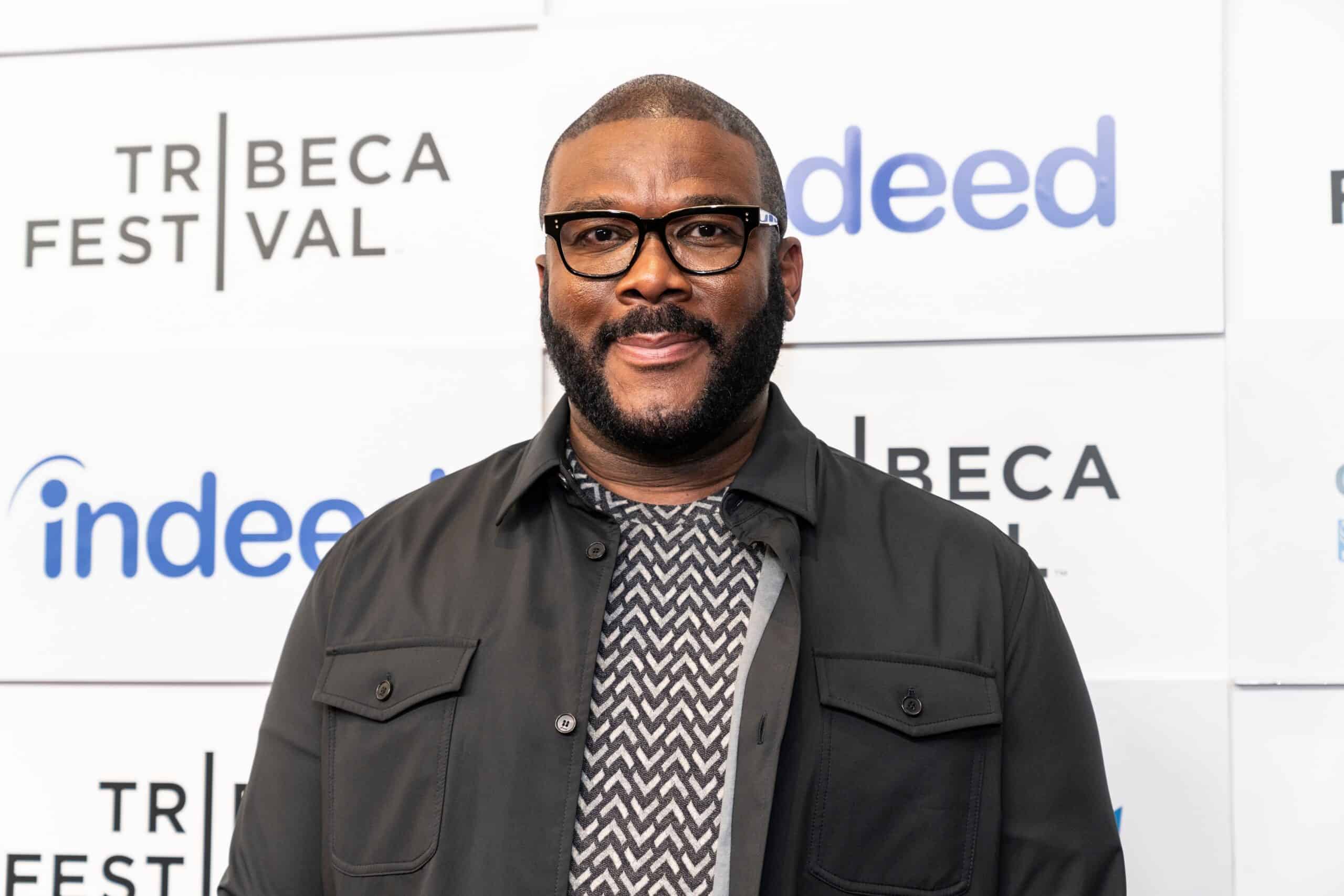
Crossdressing characters has been a source of comedy throughout the history of entertainment, and examples can be cited throughout Ming and Qing Dynasty Peking Opera, the works of England’s William Shakespeare (As You Like It), television characters like Milton Berle’s skits and Max Klinger on M*A*S*H*, and even today, with RuPaul and Eddie Izzard. However, the most commercially successful crossdressing character is Tyler Perry’s Medea. Based on a composite of outspoken African-American grandmothers. Perry’s Medea 13 films (with a 14th scheduled for release in 2025) have cumulatively grossed over $667 million at the box office.
Tyler Perry’s financial clout from the Medea franchise has allowed him the financial independence and wherewithal to entrepreneurially create his own Atlanta-based film productions studio, and create numerous other commercially viable and critically acclaimed films and tv series, including Precious (2009), Why Did I Get Married? (2007), Tyler Perry’s House of Payne, and The Haves and Have Nots, among others.
Unlike some of his contemporaries, who have been in bigger Hollywood productions but have not been able to achieve his level of economic and creative autonomy, Tyler Perry has boiled the difference down to his emphasis on ownership.
“Ownership is everything. Own your ideas, own your journey.”

Tyler Perry’s Medea films have grossed over $667 million at the box-office and have helped him build a vertically integrated media empire.
Tyler Perry’s scarred childhood and hard scrabble beginnings growing up in Louisiana shaped his strong self-sufficiency mindset. Starting as a writer and then using his one savings to finance early theatrical projects and musicals, concertedly fine-tuning his work to become popular with African-American audiences, and creating sufficient ticket sales to finance his first Medea film, Diary of a Mad Black Woman (2005).
Perry repeatedly returns to how his views on ownership shape his success in interviews, and some of his other quotes include:
“Ownership Changes Everything” and “Never Despise Small Beginnings”.
Perry is a firm believer in the transformative power of ownership. The profound impact of owning one’s own creative output and business will make a huge impact on one’s life and career. Citing his own life, ownership is an essential core of his personal growth and success.
The practical applications of this credo in his career are illustrated as follows:
- Business Strategy: By creating Tyler Perry Studios in Atlanta, he has contributed greatly to making Atlanta an alternative tax credit production hub city, which creates a domino effect boost on employment and other support businesses. Other popular shows like The Walking Dead are set in Georgia for this very reason. Perry’s 330 acre studio is currently one of the largest in the US.
- Entrepreneurism: Using his own years in developing his Medea character, Perry is a staunch advocate for entrepreneurs to believe in their own vision, to persevere, to not be ashamed of where they are starting from, and to keep going, ignoring the naysayers.
- As A Long Term Strategy: Ownership provides a steady stream of income. In the case of his Medea films, Perry receives producer, writer, and actor residuals and royalties from ancillary markets, such as DVD sales, video streaming, cable tv, and others, as well as merchandising. As owner of Tyler Perry Studios, he earns money from other productions renting his facilities, such as the $1.3 billion blockbuster, Black Panther, and many others, in which Perry personally has no active involvement.
From a broader perspective, Perry’s philosophy on the importance of ownership extends to what he is able to do beyond pure business, such as:
- Ownership as a Catalyst for Change: Instead of waiting for permission or seeking validation from others, individuals should strive to become owners of their own creative endeavors, businesses, and industries to control their own destinies.
- Ownership Creates Opportunities:
By owning studios, projects, and content, Perry believes that individuals can create opportunities for themselves and their communities. This includes generating jobs, fostering creativity, and empowering others to pursue their dreams. His independence has allowed him to help further the careers of other African Americans and to serve as a means for providing a platform to voice his own views about his Christian faith, family, and interpersonal relationships.
Ownership Lessons

Tyler Perry’s notions of ownership and entrepreneurship can be applied to many other industries for individuals to empower themselves.
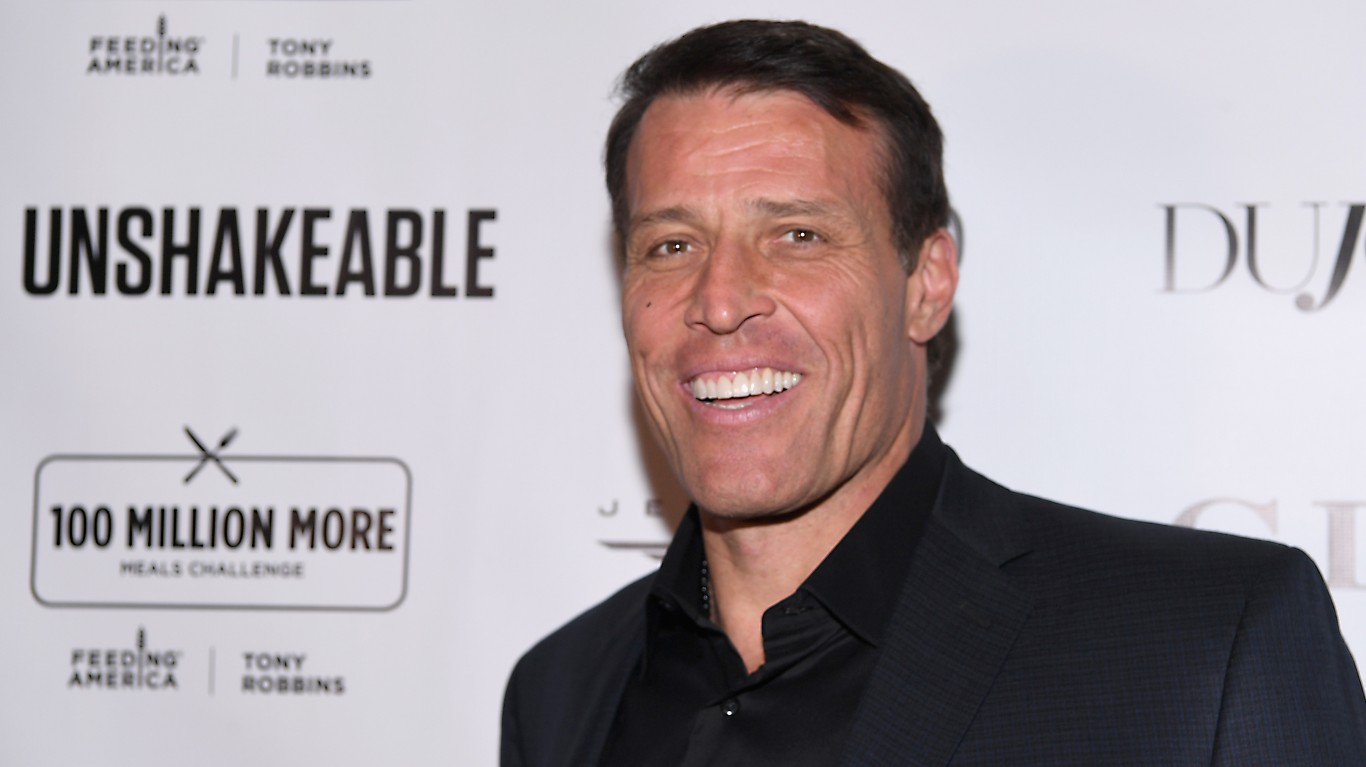
Tyler Perry’s notions on ownership have resonance for people in other walks of life. For example, the act of buying shares of a stock is, in essence, a step towards ownership. This is something that Tony Robbins also advocates. Ownership, whether it be in stocks, real estate, private business, or other asset classes and even at an incremental level, is one of the key avenues towards building wealth.
Additionally, the notion of side hustles are another form of ownership. The idea of forming one’s own business, whatever the service or product, follows the same principles that Perry espouses. Whether one decides to ramp it up to a full time occupation or to only sustain it for a fixed period of time, it is another way for individuals to take a step towards controlling their own destinies.








 Top Gaining Stocks
 Top Losing Stocks