


Financing a car usually goes something like this: You sign a loan, put some money down, and make payments every month until your loan balance is whittled down to $0.
You might also choose to refinance your auto loan along the way. But in that case, you’re still paying down your new loan balance until you’re debt-free.
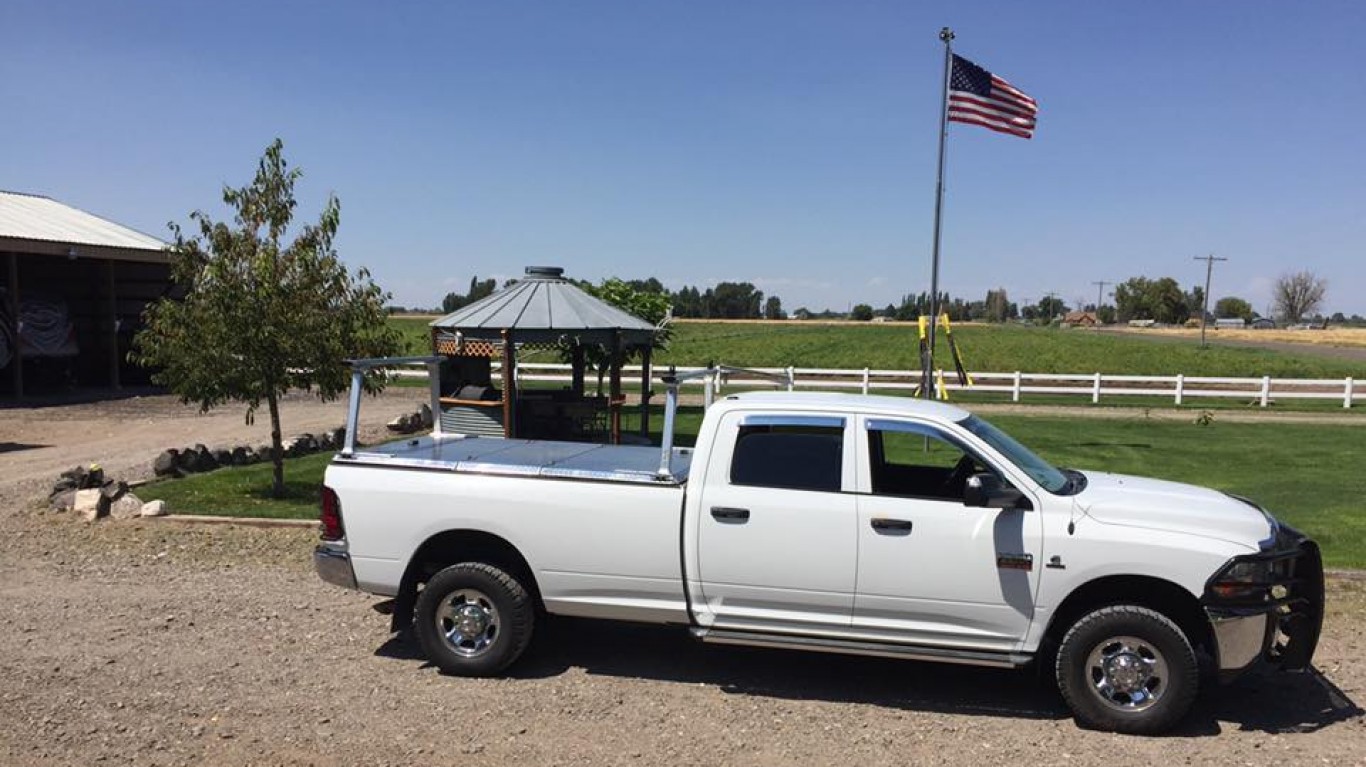
In this Reddit post, we have a bit of a different situation. The poster bought a truck and financed it through a credit union. But that credit union recently got bought out by a different company.
The poster was notified of next steps once that happened, including how to log into their new loan account. When they did that, they saw the same accounts that existed with the previous credit union — an unused savings account, a checking account, and a credit card with a $0 balance.
The poster then received a letter from the previous credit union that was bought. Inside it was the title to their truck along with a letter that congratulated them on paying off their loan.
There was no lien noted on the title. And the documentation indicated that the poster had paid off their loan in full and now owned their truck outright.
But here’s the problem — they didn’t pay their loan in full. Not even close. They borrowed about $16,000 and still owe another $7,000. So they’re not sure what to do from both a legal and ethical standpoint.
This is definitely an interesting situation. But the poster should not assume that they’re off the hook with regard to that debt.
Don’t make assumptions
It’s easy enough for the poster to assume that they got lucky and won’t have to pay the remainder of their auto loan. But what happened most likely boiled down to an error in documentation.
Things like this can happen when financial institutions are bought or loans are transferred from one institution to the other. But the fact of the matter is that the debt still exists. So the poster may want to keep paying it to avoid problems.
If the poster isn’t sure where to send payments, they should contact the new credit union and ask. This also shows that they’re making an effort to pay their loan. In fact, they should document all contact with the new credit union to avoid potentially getting hit with late fees in the event of a delay.
Of course, another thing the poster could do is not pay and wait to get a bill. But if they’re going to do that, they should take the equivalent of their auto loan payment each month and put that money into a dedicated savings account.
There’s a good chance someone is going to ask for that money eventually. So rather than spend it, the poster needs to save it. But this way, they can potentially earn some interest on that money while the credit union figures things out.
Don’t blow off debt
There are a number of different ways this situation could shake out. Since the poster now has the title to their truck but still owes money on their loan, the loan may be considered unsecured. This means that if the poster stops paying, they may not lose their vehicle — but they could still potentially be sued over the unpaid amount.
Plus, not paying a loan could cause a lot of credit score damage. That could make it harder for the poster to get another loan when they need one. So all told, the poster should not blow off this debt or assume they won’t have to pay it.
Should the burden be on the poster to figure out the next steps? Well, that’s debatable. It’s not their fault their credit union was bought, and that some paperwork may have gotten messed up along the way.
But usually, companies don’t forgive $7,000 in debt just like that. So the poster’s best bet is to assume that someone is going to come after that money eventually. It’s a matter of whether they want to be proactive or sit back and wait to be asked to pay.












 Top Gaining Stocks
 Top Losing Stocks