



Are you paying higher insurance premiums than ever before? Are your rates increasing by more each year? You’re not alone, and you’re not wrong. The average insurance cost for cars in 2024 was 33% higher than they were in 2021, far beyond inflation.
Insurance companies, especially auto insurance, are increasing their rates. But what is driving this increase, and is there anything you can do about it? We conducted our own research into why every insurance company is increasing its insurance rates and premiums and narrowed it down to the most common reasons. Please keep in mind, of course, that your own driving and lifestyle can impact your rates more than some or all of these factors.
#1 Broken Supply Chains and Shortages

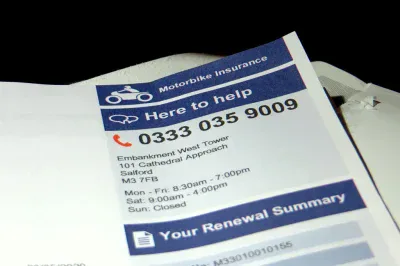
A car insurance policy.
The COVID-19 pandemic and subsequent recession disrupted the global supply chain more than anyone could have predicted. Companies went out of business, and distributors and customers had to shift, relocate, and downsize their operations in order to adapt. These changes necessarily made the end product, cars, and car parts, more expensive, which means they are more expensive to fix or repair if they get in an accident.
Those changes persist today and any attempt to return to the way things were before the pandemic have been hindered by political instability and the schizophrenic fascism of the Trump administration.
#2 Increase in the Theft of Vehicles and Car Parts
A car insurance policy.
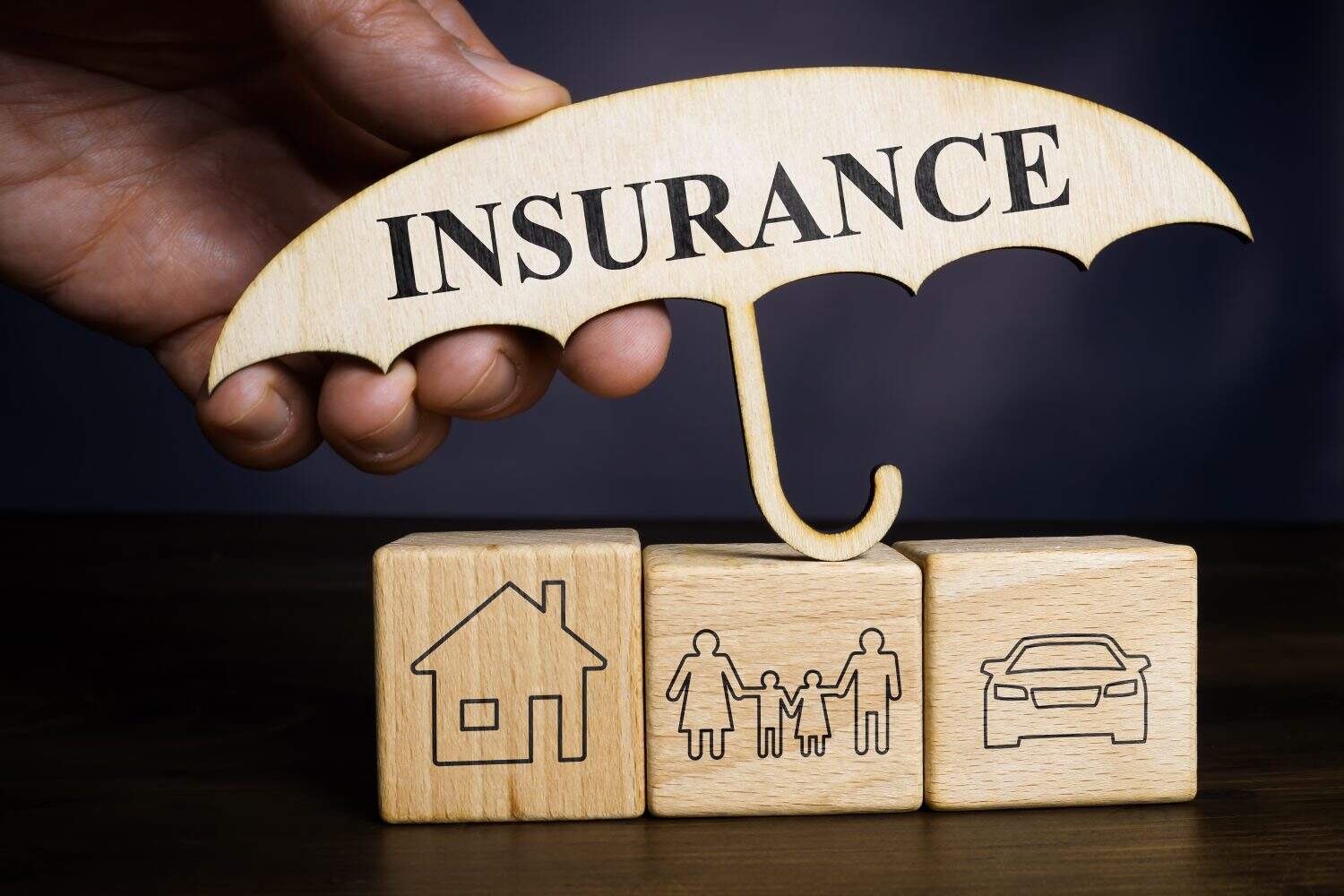
While violent crime has been falling for years in the United States, car thefts and burglaries have been increasing. When insurance companies are having to pay to cover lost or damaged cars more often, they will want to recoup those expenses in some way, and the easiest way to do that is through higher insurance premiums, especially in cities where car thefts are more likely.
#3 Climate Change
Flooded cars in a natural disaster.
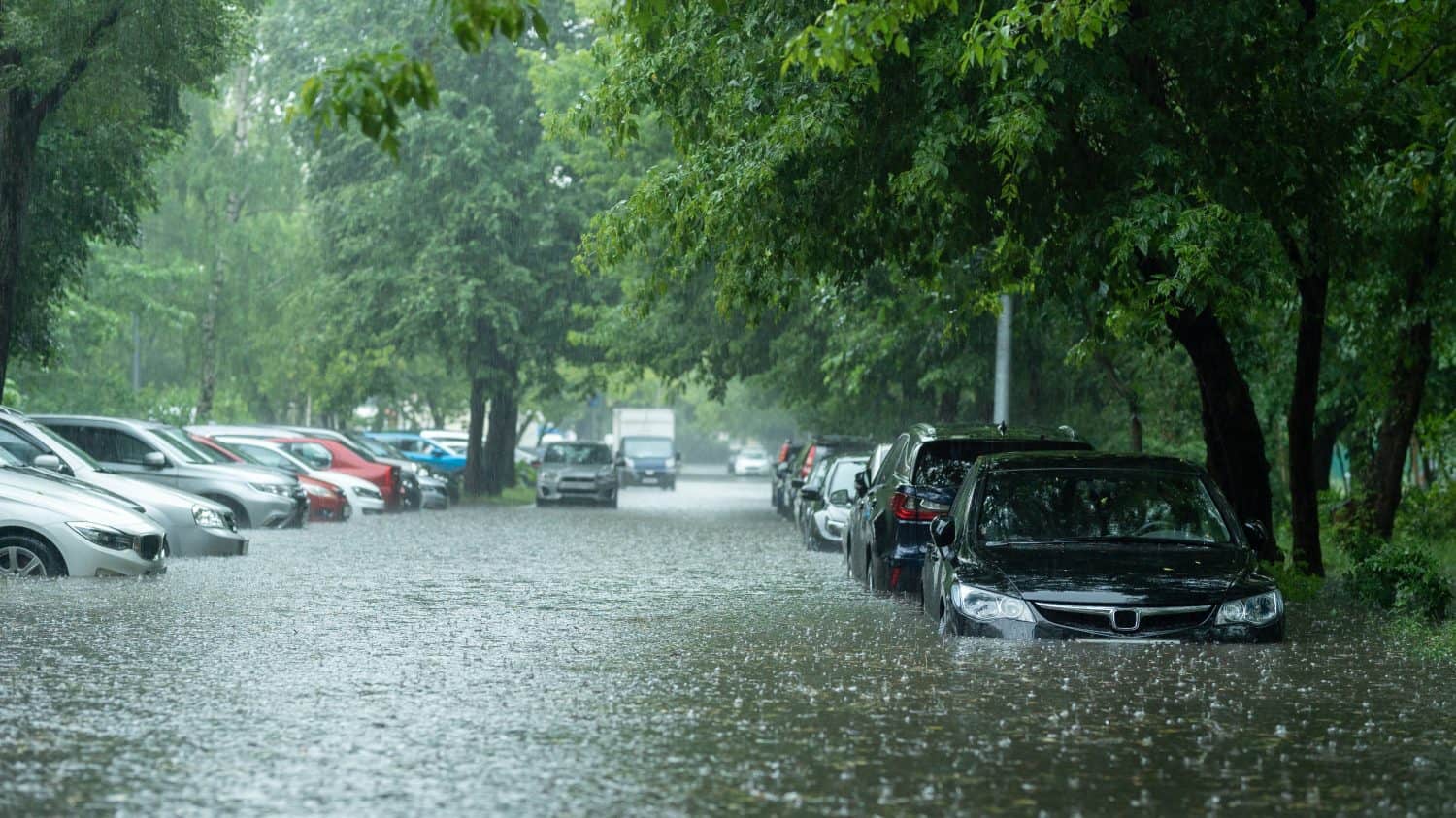
Climate change has directly caused an increase in the number and severity of natural disasters. This includes forest fires, hurricanes, droughts, floods, and more. This means more insurance claims. Insurance companies can connect the dots between climate change and their drastic increase in expenses covering accidents, so they have increased their rates to compensate. This is why we saw huge increases in fire insurance premiums after the L.A. fires and cancellation of flood insurance policies for people living in Florida
#4 Insurance Companies Socialize the Cost
A car insurance policy and its premiums.
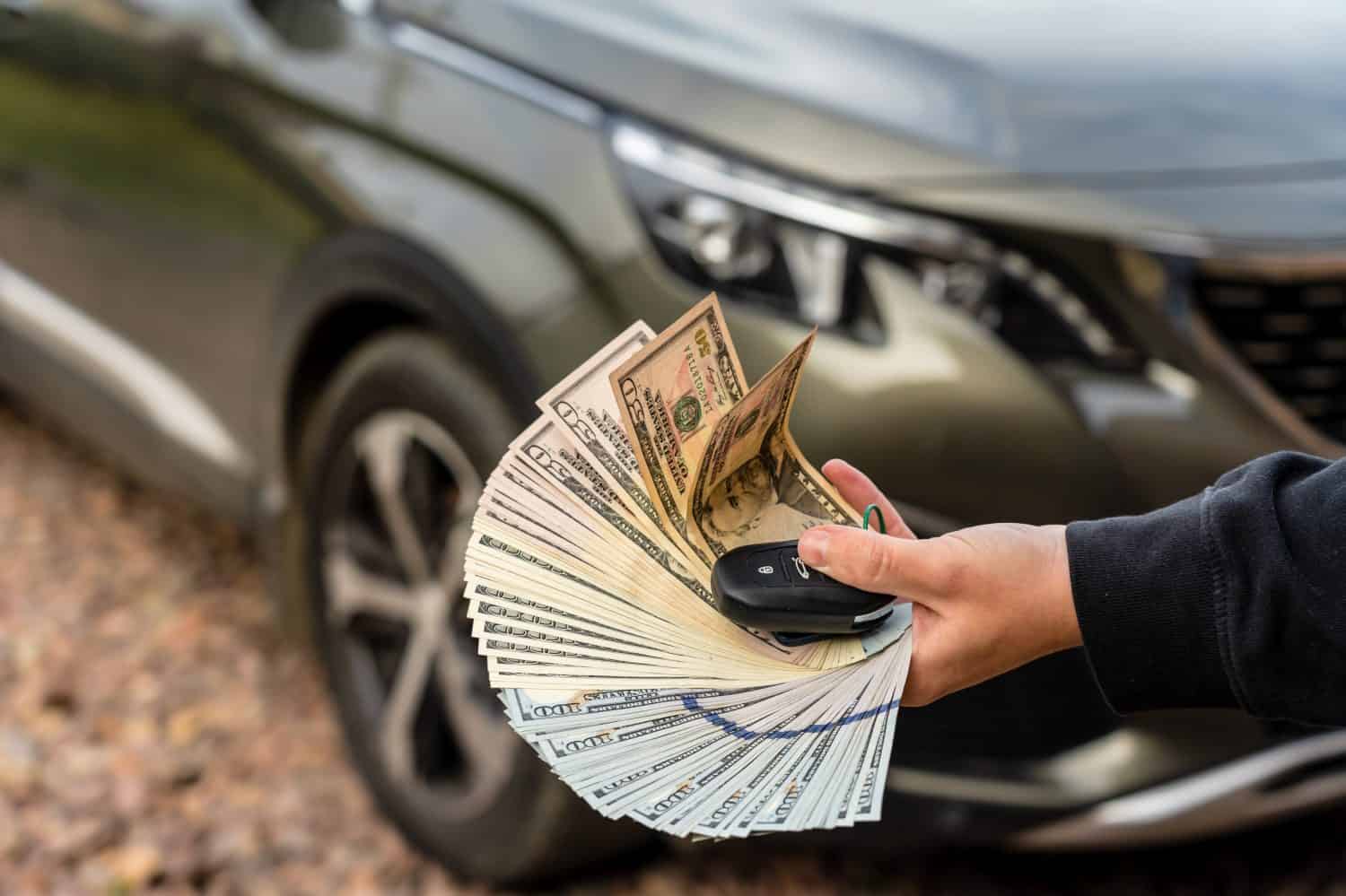
Of course, insurance companies don’t limit their cost increases to those who live in more dangerous areas. In order to make the cost increases more palatable and less noticeable, they spread the cost of more expensive cars and more dangerous areas across all of their customers. As cars get more expensive in general, you will see your premiums increase even if you don’t buy a new car yourself.
#5 Electric Vehicle Adoption

A car insurance policy.
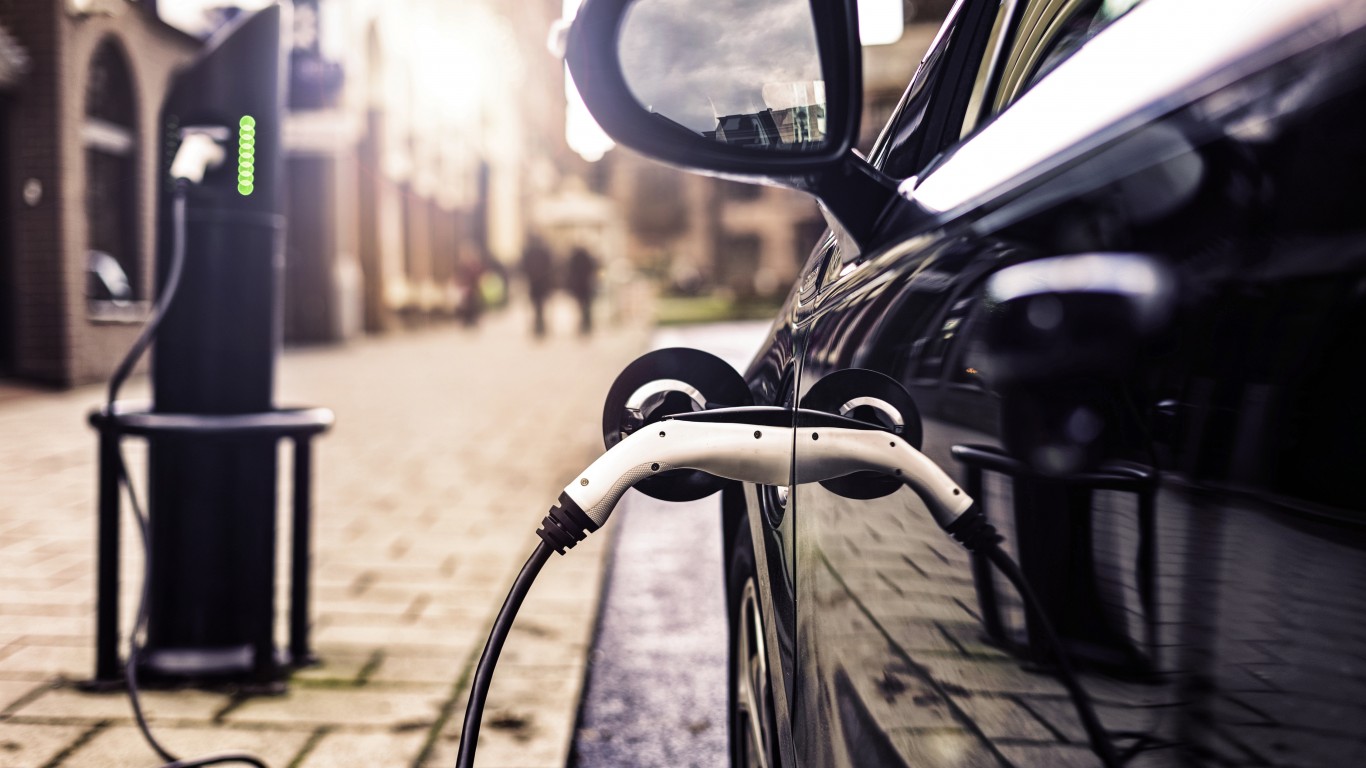
Electric vehicles are more expensive to repair and replace than combustion cars, especially since most of them include high-tech features beyond the electric engine. Since the shops that can repair these cars and their technology are not as common as regular auto shops, they can be more expensive or backed up for many days. This means that the insurance company has to pay for a rental car for longer periods of time as well, increasing the premiums.
#6 Inflation

A car insurance policy.
The rise in costs attributed to inflation is actually a combination of typical inflation and something now known as greedflation. The United States has seen regular inflation for decades, which increased in the last few years due to the huge injection of money into the economy by the government to help end the recession caused, in part, by the COVID-19 pandemic. However, inflation alone can’t account for the high increase in prices for everything.
As experts looked into the drivers of cost increases, they expected to see the prices of everything rise by proportionate amounts (the prices of each component going up means the end product is also more expensive), but this is not what they saw. What they saw was that a majority of the price increases were created by the company itself, and not caused by the increased price of supply or component parts. Essentially, it was companies taking advantage of high inflation to gouge their customers for even more money. The insurance industry is no different.
What Can You Do?

Looking at a car insurance policy.
Since car insurance is required if you want to operate a vehicle in America, and since our society is entirely dependent on cars to function, there is only so much you can do.
- Shop around and compare rates. Insurance companies expect you to forget about your policy, allowing them to increase it gradually over time. At the same time, they offer discounted rates for new customers. Take advantage of this by switching companies every so often.
- Get monitoring software. Some insurance companies offer a discount if you track your driving habits and prove you are a safe driver. There are a variety of ways to do this, so contact your insurance company to see if they offer this discount.
- Drive safely and defensively. The best way to avoid expensive insurance increases is to avoid accidents. New policies take your driving history into account, so there’s no better time to start being safe than today.
- Buy cheaper cars and buy less often. There is no real need to buy the newest and most expensive vehicle. If you drive a cheaper car, your policy will also be cheaper.
- Live in a walkable city. Walkable neighborhoods make driving obsolete and you can save thousands of dollars a year by living in a city where you can work, shop, live, and have fun all without needing a car.









 Top Gaining Stocks
 Top Losing Stocks