


Ever seen someone homeless and thought, “McDonald’s is always hiring. Why don’t they just get a job and work their way up like everyone else?” One self-made millionaire was so convinced that anyone willing to hustle could succeed, he tried to prove it—by starting from scratch and attempting to build a million-dollar business in just one year. The results were not what he expected.

The Million-Dollar Comeback Challenge

In July 2020, Mike Black, a YouTuber and millionaire entrepreneur, launched what he called the Million Dollar Comeback Challenge. His goal? Voluntarily become homeless and prove that with nothing but grit and resourcefulness, anyone could earn $1 million in a year. Having started his first business at 16 and grown it to seven figures, Mike wanted to inspire those who had lost everything during the pandemic by showing them what was possible.
Starting Parameters

To level the playing field a bit, Mike gave up his car, house, and bank accounts. He didn’t contact family, use his business connections, or start another tech company (his area of expertise). All he kept were the clothes on his back and his phone. With that, he set out to build a million-dollar business from nothing in under 12 months.
A Place to Live

At first, reality hit hard. Finding food and shelter proved more difficult than he expected. After sleeping on the streets for a few days and experiencing real hunger, and even refused water by strangers at one point, Mike posted on Craigslist offering labor in exchange for a place to stay. That led to an opportunity to sleep in an RV while he worked toward something better.
Financial Foundations
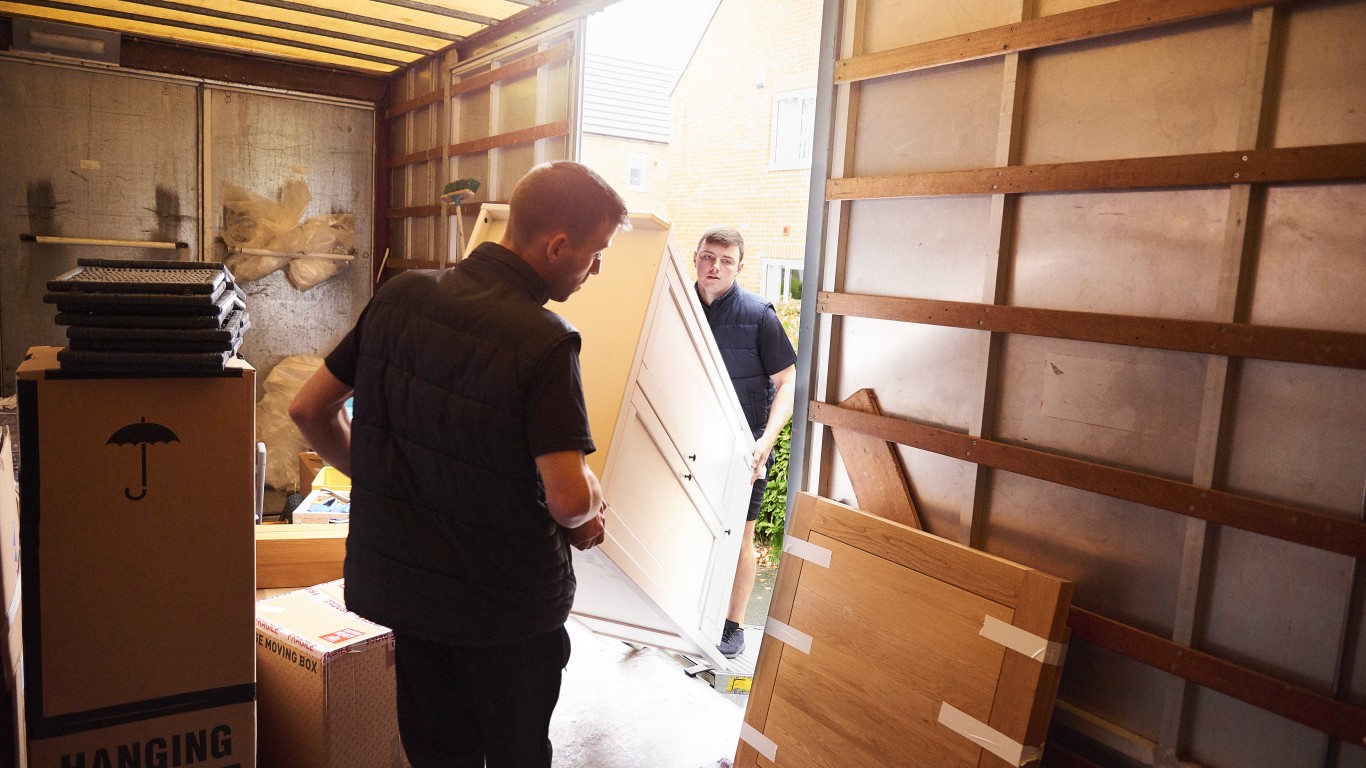
Mike began hustling on Craigslist, helping people move and flip furniture. He took on telemarketing gigs and food delivery jobs, saving every penny. After a week, he had enough to buy a used computer. Within two weeks, he found shared office space. Within a month, he was renting his own apartment.
About to Take Off?

By month three, Mike had launched a coffee brand, with proceeds going to animal shelters. Online, he shared that he was pitching social media services to major tech companies. From the outside, it looked like he might actually hit the million-dollar mark.
Life Happened

Then, everything shifted. Mike’s father was diagnosed with stage 4 cancer. Around the same time, Mike himself developed two autoimmune diseases and a hip tumor. The pain and emotional toll were immense. He ended the challenge two months early, having earned $64,000. Even though he didn’t meet his goal, he showed that it was possible for someone starting with the knowledge and resources he had to achieve a middle class income in a year of health-breaking, intensely focused work. Mike said the experience gave him a whole new level of empathy for people who are truly struggling.
The Critics

The experiment drew praise from some—but also a storm of criticism. Many pointed out that he still had major advantages: access to a smartphone, technical know-how, education, health (at first), youth, and no issues with addiction or mental health. He also didn’t face any social barriers due to race or gender, and importantly—he always knew this was temporary. At any point he could walk out of that difficult life and right back into affluence, which is what he ultimately did. That psychological safety net alone separates his experience from true poverty.
Situational vs. Generational Poverty

Mike’s journey more accurately reflected what a middle-class person might experience after losing everything. It didn’t prove that anyone could earn $64,000 from nothing in a year—it proved that a wealthy, high-functioning individual could.
In contrast, those born into generational poverty often rely on social networks and survival systems foreign to the middle and upper class. Shared knowledge, bartering resources, and community-based support are often the only safety net they have. Those can function adequately for a long time for some people. In other cases they fall through, sometimes as a result of the types of catastrophic illnesses Mike and his dad endured.
Missed Connections

Ironically, Mike’s lack of access to the poverty-based networks people in the neighborhood know likely held him back. Instead of finding shelters or pantries early on, he slept outside and went hungry. Those with long-term experience in poverty often know where the safest places are to get food, sleep, or help—and that knowledge takes time and connection to build. It’s also possible he made some decisions, like renting office space and a separate place to live, that may not have been strictly necessary for internet-based work.
Takeaways for Helping the Poor

Mike’s experiment—despite its flaws—offers real insight:
-
Escaping poverty is harder than it looks, even with big advantages.
-
Health (yours or a loved one’s) can derail everything.
-
Technology, education, and creativity are major tools of modern success.
-
To help people in poverty, we must understand how their survival systems work, not just try to replace them with middle-class solutions.
A Grateful Perspective

Hard work matters. Grit matters. But many who succeed underestimate the role of privilege, luck, and circumstance in their story. Everyone has to play the hand they’re dealt—and sometimes, playing a bad hand well takes more skill than winning with a good one.












 Top Gaining Stocks
 Top Losing Stocks