


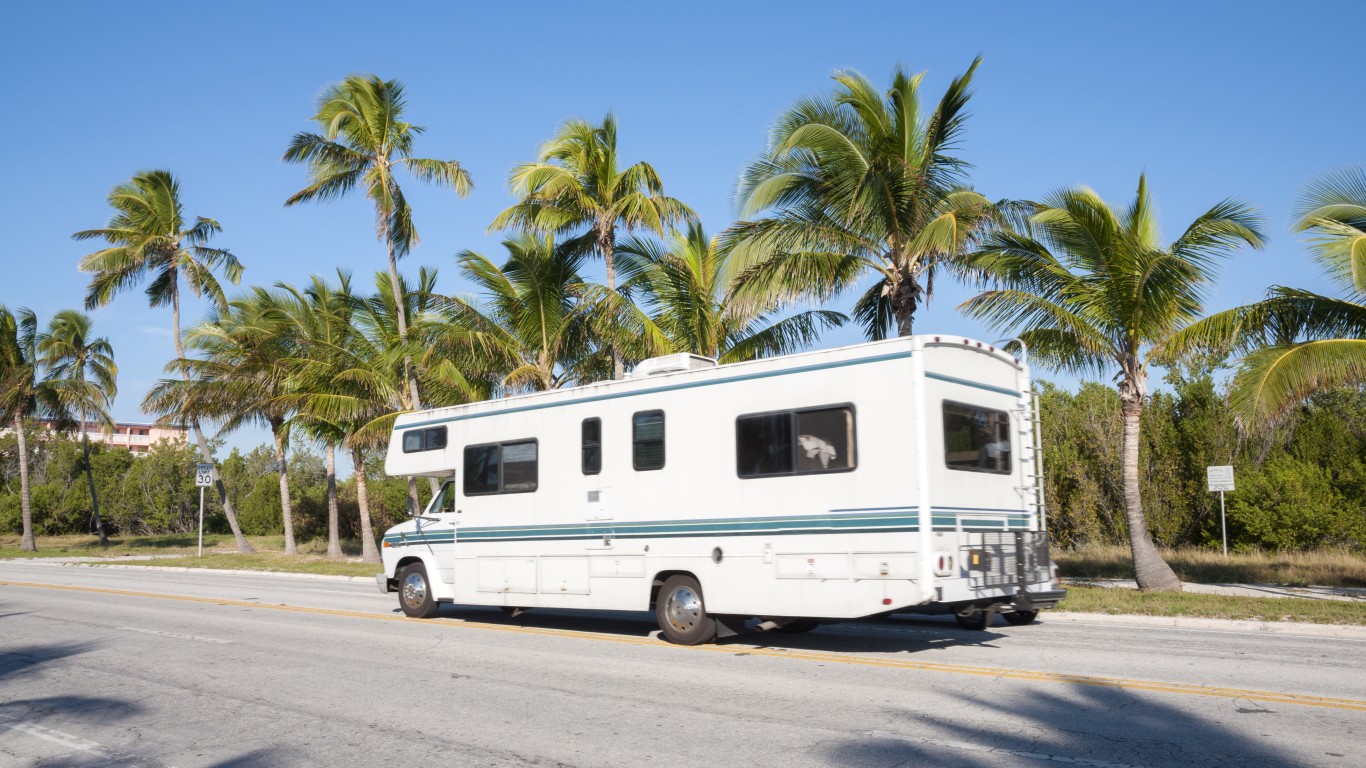
Lifestyles, dreams, and ambitions are going to differ from person to person, sometimes greatly. Some retirement plans and lifestyle choices seem absurd to some, while others find them smart. And, of course, the difference in opinions on a certain lifestyle shift, such as living in a financed RV, can lead to some pretty strong disagreements about plans.
For those open to pursuing an uncommon, mobile kind of off-the-grid lifestyle, the key is ensuring that it’s a sustainable solution and one that will allow the nest egg to hold up for life. And, of course, it’d be nice if such a nest egg could grow amid one’s retirement.
For this Reddit user, who’s looking to finance an RV to live rent-free, they’re willing to go into a bit of debt so that they won’t have to keep paying thousands of dollars a month on rent. Indeed, the upfront costs are hefty, but over time, this individual may do well once they pass their breakeven point.
While financing an RV may not sit well with their brother, I do think that such a move could make sense, provided the individual understands the type of lifestyle they’re getting into and all the phantom (unexpected and hidden) costs that come with living in a mobile home. As with most major financial decisions, one should crunch all the right numbers, prep for worst-case scenarios, and take time to consider all the pros and cons of shifting gears from renting to owning an RV.
The RV life isn’t for everyone. For those who’ve never embraced a nomadic lifestyle, it may not be the right move.
On paper, living in an RV and travelling the continental U.S. sounds like a dream. Heck, many retirees who’ve never had the opportunity to travel in their careers think getting an RV is a good idea to make up for lost time. Of course, the RV life isn’t for everyone. And some can get pretty sick of life on the road really fast. The last thing one wants to do is commit to a lifestyle by taking out a considerable amount of debt, only to find out it’s not for them while having to sell their pricey, depreciating asset at a lofty loss.
In any case, renting an RV for some period of time (let’s say a few weeks) seems like a prudent first step before signing any dotted lines with a dream RV one hopes to purchase. After a few days, the small space may not seem like all too big a deal. However, over a few weeks or months, one may find that not having enough space is starting to become a bit of a dealbreaker.
In any case, testing out the waters is a wise move for someone who’s serious about escaping high rent by taking the plunge into the RV lifestyle.
Crunch the numbers and bring on a financial advisor.
Next up, running the numbers by a financial advisor seems prudent. It’s not just the sticker price of an RV that one will need to account for, but gas, parking, maintenance, and utilities (many RV lifers install solar panels on their rooftops).
Of course, if one is renting a pricey two-bedroom unit in the big city, such monthly expenses should pale in comparison to the rent one would have paid. Either way, it doesn’t hurt to crunch the numbers to ensure that financing and all other costs are in a manageable spot, while leaving ample liquidity for other necessities. And, of course, depreciation on the RV should be factored in, especially if one is looking at a lengthy loan term.
While financing an RV seems like it’d be the better long-term financial decision, one must account for every expense (depreciation included) and actually commit to living in the RV, even if challenges present themselves. At the end of the day, living in an RV isn’t everyone’s cup of tea. It can be a smart way to escape high rent, but it may or may not be the best way to go over the long haul, especially if one isn’t accustomed to RV living.
While the brother of this prospective RV lifer is right to have his fair share of concerns, I do think that it’s unfair to dub the move as a terrible idea, especially if all the numbers have been crunched (think financing terms, and other costs) and the individual in question is more than willing to commit to the RV lifestyle for the long run despite its shortcomings. Just because going to the RV route isn’t right for most doesn’t mean it isn’t right for everyone. In fact, it can be a rewarding experience for those with an appetite for travel.















 Top Gaining Stocks
 Top Losing Stocks