


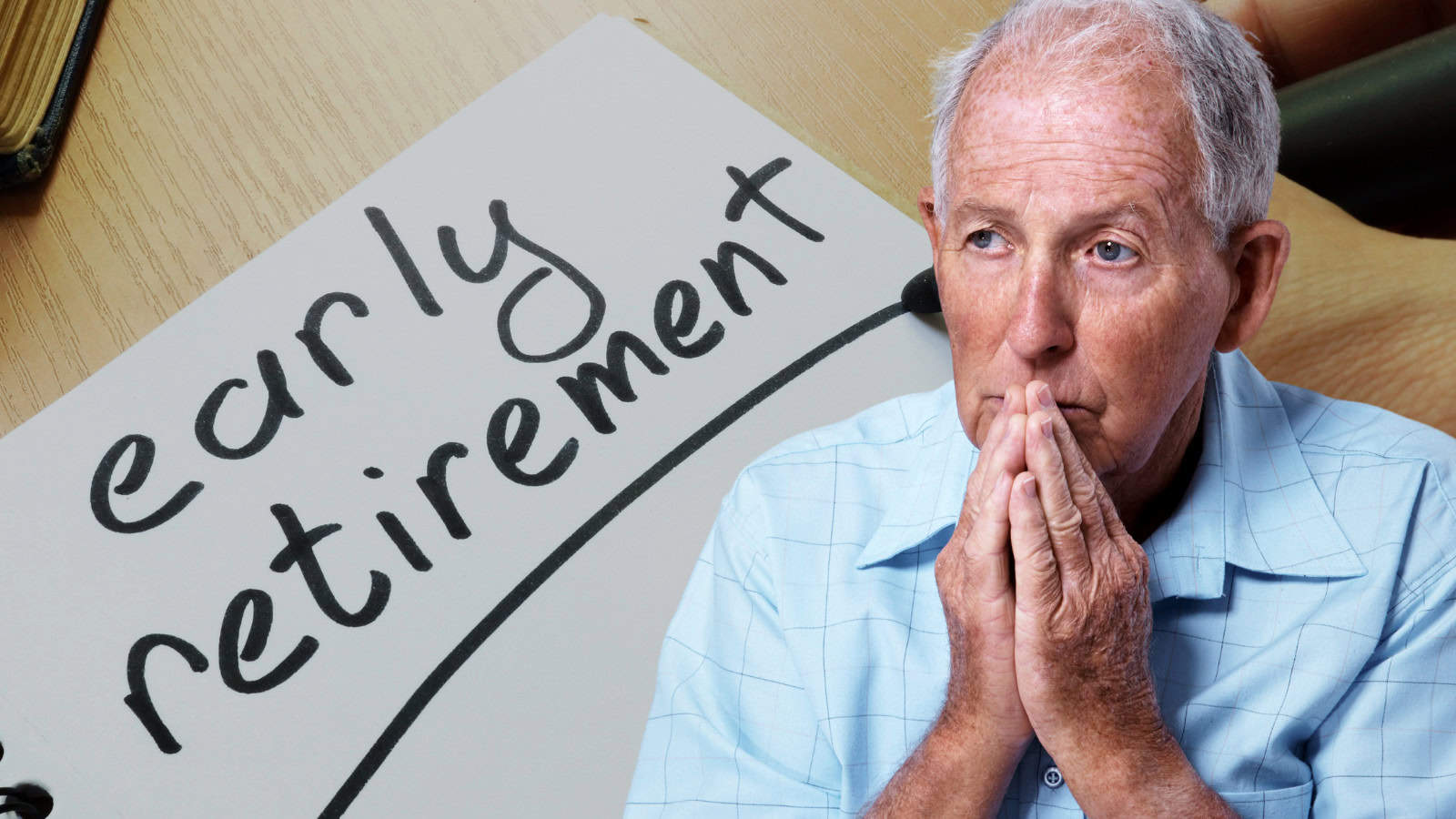
There are benefits to being able to retire ahead of your peers. Retiring early could mean getting to enjoy hobbies and travel while your health is still strong. It could also mean maintaining better mental and physical health by eliminating the strain of a daily job.
If your goal is to retire early, you need to start saving and investing at a young age. And to do that, you have to make sure to keep your spending in check.
The problem is that a lot of people don’t recognize the importance of prioritizing savings. But if you learn to think differently, it could be your ticket to success.
In fact, famed investing legend Warren Buffett once said, “Do not save what is left after spending, but spend what is left after saving.” And if you adopt a similar philosophy, you could set yourself up for the early retirement you want.
Here are some specific steps to take if early retirement is a goal of yours and you’re looking to control your spending accordingly.
1. Always pay yourself first
A lot of people take the attitude that they’ll collect a paycheck, cover their bills, and save what’s left. But as Buffett says, if you want to meet your financial goals, you need to save first and spend later.
To that end, it’s smart to set up automatic savings so you’re paying yourself first every month. Start with an emergency fund, which you may need to cover unplanned bills in the near term and avoid debt.
Once you have about three to six months of living expenses in a savings account for emergencies, move on to retirement savings. Figure out if you’ll be using an IRA, 401(k), taxable brokerage account, or combination. From there, set up automatic contributions so that money lands in whatever account(s) you have earmarked for retirement.
If you arrange for $500 a month to land in your IRA and another $300 a month to land in your brokerage account, that’s $800 you won’t have a chance to spend. In the course of a year, you’ll be socking away almost $10,000 for retirement. Do that repeatedly and invest wisely, and you could be on your way to an early workforce exit.
2. Focus on keeping your largest expenses as low as possible
A good way to make sure you have plenty of money for long-term savings is to keep your largest monthly expenses low. That also gives you room to cover unplanned bills and spend money on fun opportunities that may pop up, like travel.
For many people, housing is their largest expense and transportation is their second-largest. If you buy a home that’s not at the top of your budget and get on board with driving a more basic car that gets you where you need to go, you can potentially free up thousands of dollars each year for retirement savings.
3. Learn to spend money mindfully
Some people might tell you that if you want to retire early, you need to control your fun spending and limit it substantially. That’s not necessarily true, nor is it an enjoyable way to live.
What you should do, though, is learn to spend your money mindfully. Rather than automatically give into impulse buys, take the time to contemplate each unplanned purchase.
When you’re faced with an unplanned expense, ask yourself:
- Is this really worth the money?
- What else could I be doing with this money?
- Will this purchase really enhance my life?
Sometimes, you may find that the purchase is worth making. Other times, you may decide to skip it. Ideally, you’ll learn to strike a balance so you’re treating yourself some of the time, but staying focused on your long-term savings goals a lot of the time.















 Top Gaining Stocks
 Top Losing Stocks