



It can be nerve-wracking to jump into the stock market waters with the number of issues weighing heavily on investors’ minds. With market valuations getting a tad too lofty for some (including the great Oracle of Omaha, it seems) and question marks surrounding Trump tariffs and the potential inflationary impact they’ll have on the American economy, it can be a somewhat uneasy time to invest new money right here.
The last thing a new investor with a sizeable sum wants to do is put themselves in an investment that could keep them up at night.
Not everybody will have the courage to stay invested for the long haul, especially once volatility or a bear market emerges. However, by taking no risks and staying in cash, you’ll struggle to grow your wealth and will be pushed backward by inflation.
Investing can be pretty scary at most times, given the horrid headlines that can and likely will come in regularly. And while you can’t change your risk tolerance (at least over the near term), I think there are ways that investors can season themselves over time that allow them to invest with less fear.
Now, one could always jump off the deep end and own stocks despite their fears of a potential market crash. However, I believe that personal finance guru Suze Orman has the best advice for new investors who are scared to put their money to work in markets.
Easing into stocks gradually is a smart move for new investors, according to Orman.
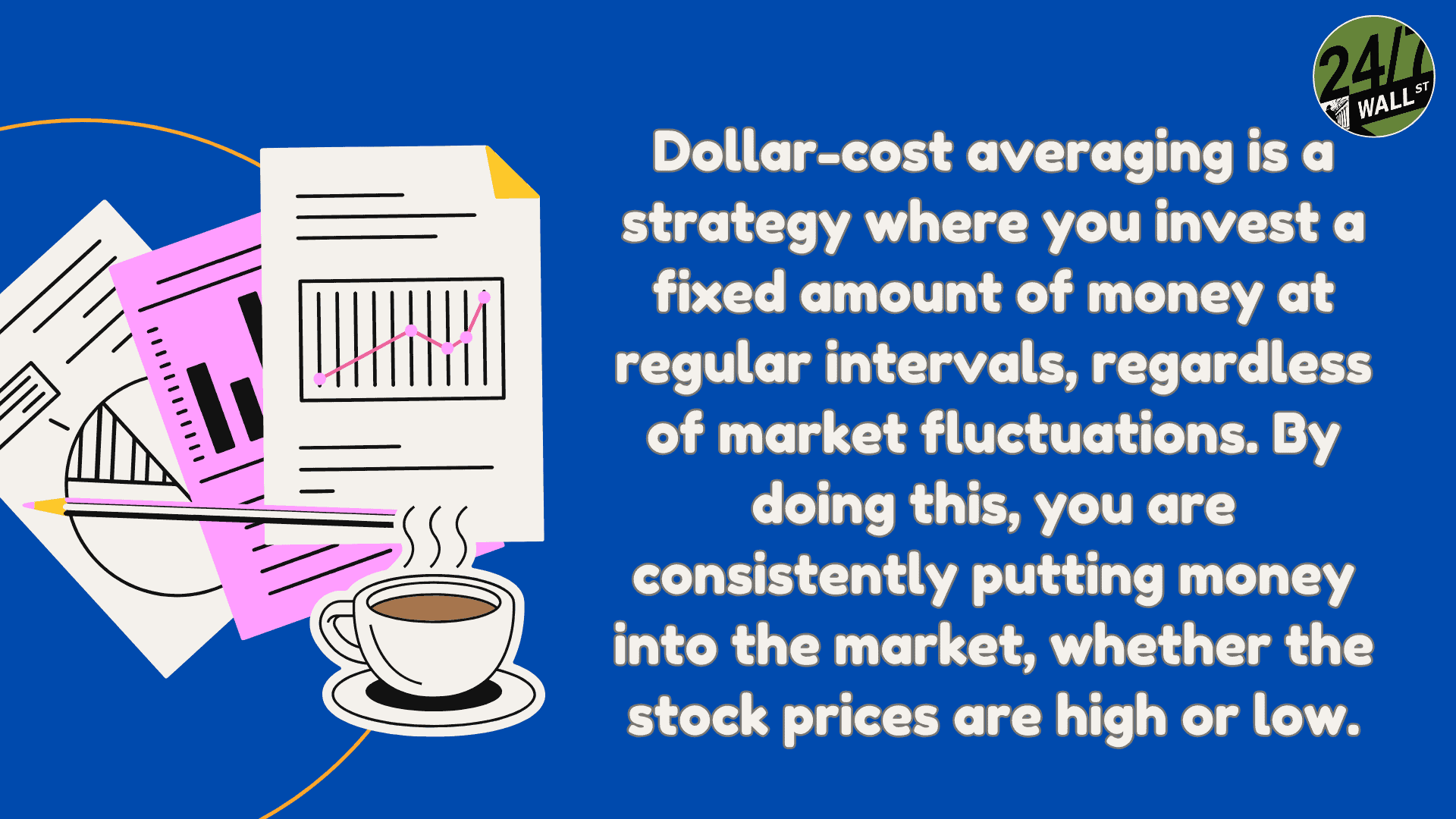
Orman believes that gradually trickling small portions of cash into stocks could help investors get used to market volatility. In essence, such market newcomers can get used to the turbulence by wading into the shallow end of the stock market waters. Indeed, I couldn’t agree more with Suze: dollar-cost averaging is a powerful tool, especially for nervous new investors.
Let’s say you have $100,000 that you could invest in stocks today. Instead of putting it all to work in stocks or exchange-traded funds (ETFs) at a single point in time, you could invest $1,000-5,000 every X number of weeks or months. That way, you’ll gain the feeling of what it’s like to be an investor in stocks. You’ll grow used to the bumps in the road and perhaps shed your fear of investing over the long run.
Indeed, stock market crashes are going to happen. The key is not being put in a spot where you’d panic sell. By preparing well ahead of time for such declines, you can know exactly what to do when others around you become increasingly fearful.
To make things even easier for new investors, Orman recommends dividend-paying stocks and index funds or ETFs. Such dividend payers can help comfort investors when the market hits increasingly rocky terrain.
The bottom line
Orman is spot-on when she suggests a nervous prospective investor ease their way into markets by dollar-cost averaging. Combined with dividend-paying securities and a longer-term horizon, I do believe such an approach is the best way for easily startled investors to overcome their fears and get started.
Perhaps in a few years, one will be so used to market volatility that they’d be more willing to invest larger sums into stocks. Get a feel for what it’s like to own stocks; then, perhaps you’ll shed your fear of stock volatility over the next couple of years. Also, getting assistance from a financial adviser can help you become even more comfortable starting you investing journey.











 Top Gaining Stocks
 Top Losing Stocks