


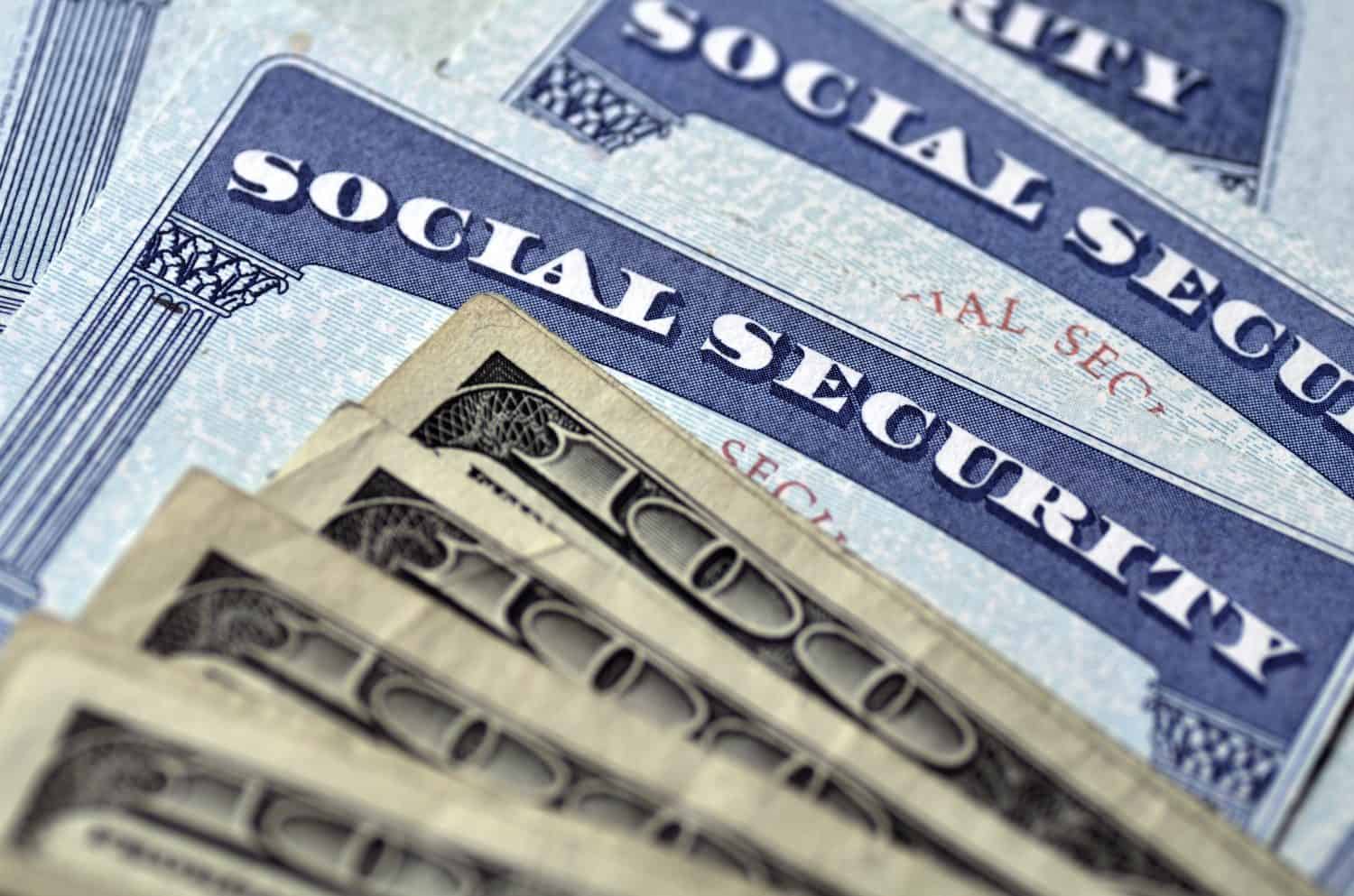
If there’s one thing seniors on Social Security have long griped about, and understandably so, it’s the fact that benefits can be taxable. Considering that the way to qualify for Social Security is to pay taxes on wages for many years, it’s easy to see why that particular tax bill stings.
To be clear, not all Social Security recipients pay taxes on their benefits. Those taxes hinge on what’s called provisional income.
In a nutshell, low earners and seniors who get all of their retirement income from Social Security generally don’t have their benefits taxed. But moderate earners often see the federal government take a bite out of their Social Security checks.
Or at least that used to be the case.
Last year, the One Big Beautiful Bill Act (OBBBA) was signed into law, and it included a number of big tax changes. One change is a new $6,000 senior tax deduction available for filers ages 65 and up.
The new senior tax deduction effectively gets rid of Social Security taxes for most beneficiaries 65 and older. But that tax break also comes at a cost.
An unwanted consequence
One big misconception about the OBBBA is that it got rid of taxes on Social Security for good. It didn’t.
What it did was create a $6,000 tax deduction that seniors 65 and older can claim. The deduction starts to phase out at upper-moderate income levels, which means that many retirees can claim it. And in light of this tax break, most Social Security recipients are now exempt from having their benefits taxed.
However, higher earners are still likely to owe taxes on those benefits. And the new deduction expires after the 2028 tax year. So the reprieve is really only temporary, and it doesn’t apply to everyone.
Still, the new tax break might seem like a win. But here’s why it isn’t necessarily something to celebrate.
Social Security is facing a funding shortfall that could force the program to implement benefit cuts in the near future. While Social Security gets most of its revenue from payroll taxes, taxed benefits help fund the program, too.
Now that there’s a new senior tax deduction, revenue flowing into the Social Security trust funds is being reduced. As a result, those trust funds are expected to run out of money sooner.
The Congressional Budget Office (CBO) recently moved Social Security’s insolvency date up to 2032, which is one year sooner than what the program’s Trustees projected last year. The Trustees put out that number prior to the signing of the OBBBA, though. The CBO’s number accounts for recent changes and is therefore likely to be more accurate.
It pays to brace for benefit cuts
While lawmakers have options at their disposal to prevent Social Security cuts, the fact of the matter is that things don’t look great for benefits.
Social Security was already in trouble before the new $6,000 senior tax deduction was introduced. Now, it’s looking at an even more dire cash crunch.
This doesn’t mean benefit cuts are a given. But the clock is ticking down for lawmakers to come up with a solution. And so far, there’s been no concrete movement toward preventing benefit cuts — just ideas being tossed around.
As such, it’s a good idea for current and future retirees to prepare for Social Security cuts. For workers, that means boosting savings. For retirees, it means rethinking spending and looking at ways to generate more income to make up for smaller Social Security checks. And the time to start doing these things is now.











 Top Gaining Stocks
 Top Losing Stocks