


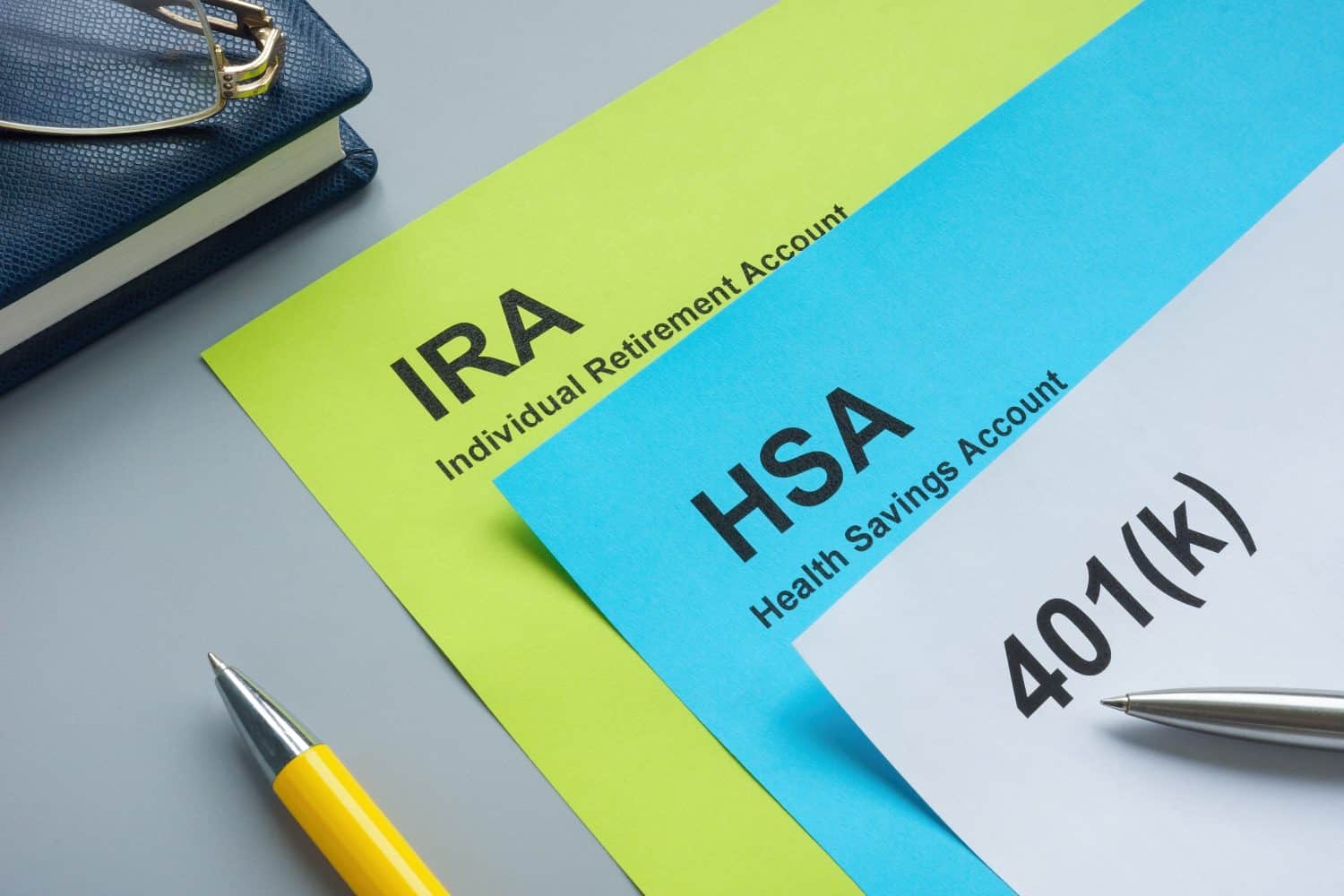
A 45-year-old physician earning $400,000 walks into open enrollment with the usual reflex: max the 401(k), grab the match, move on. The math says pause. Before another dollar goes into the 401(k) beyond the employer match, the high-deductible health plan paired with a Health Savings Account deserves the next contribution, and most plan documents will not flag this. A long-running thread on the White Coat Investor forum captures the same conclusion: fund the HSA ahead of the 403(b), pay current healthcare costs out of pocket, and stockpile the receipts.
Three Layers of Tax Shelter, Stacked
A traditional 401(k) is taxed once on the way out. A Roth 401(k) is taxed once on the way in. The HSA, used correctly, is taxed zero times: contributions are deductible, growth is tax-free, and qualified medical withdrawals are tax-free. There is also no required minimum distribution at any age, so the balance can compound past 73 untouched.
For a household in the 24% federal bracket, the 2026 family contribution limit of $8,750 produces roughly $2,500 in combined federal and state tax savings in year one, before any investment growth. The $1,000 catch-up kicks in at age 55, stacking on top of the family limit for another decade.
The 20-Year Math, in Dollars You Can Verify
Assume the physician maxes the family limit every year from 45 to 65 and earns 7% inside the account, a reasonable long-run return on a balanced equity portfolio. The base stream of $8,750 a year for 20 years compounds to roughly $358,710. Layer in the catch-up contributions in the back half, and the account lands near $372,500 at age 65.
That headline figure understates the real value. With CPI at 330.3 and climbing 1.1% in a single month and Core PCE at 129.28, every dollar paid from the HSA in retirement is a dollar that never ran through ordinary-income tax. In a 24% bracket, that is a 24% haircut avoided on the way out, plus state tax in most jurisdictions.
The Receipt-Stockpile Move
The advanced play is simple. Pay current medical bills, copays, prescriptions, LASIK, orthodontia, out of pocket from taxable cash. File the receipts. The HSA stays fully invested. The IRS places no time limit on reimbursement, so a documented expense from age 46 can be reimbursed tax-free at age 70. The account effectively becomes a Roth IRA collateralized by a folder of medical receipts, with the added benefit that the receipts give permanent tax-free access regardless of future law changes.
What Changes at 65
After 65, the HSA quietly converts. Withdrawals for non-medical purposes are taxed as ordinary income, exactly like a traditional 401(k), and the 20% penalty for non-medical use disappears. The receipt stack still works on top of that: every documented medical expense from prior decades can be reimbursed tax-free, indefinitely. The result is two spending buckets in one account, an ordinary-income bucket and a tax-free medical bucket, with the saver choosing each year which one to tap based on tax bracket and IRMAA exposure.
Medicare enrollment ends new HSA contributions, so the funding window closes for most physicians at 65. The balance itself keeps compounding.
Three Moves for the Physician at 45
You don’t have to make millions of strategic financial moves to solidify your future. These are the three actions physicians and other professionals can use.
- Confirm the health plan is a true IRS-defined HDHP and open the HSA at a custodian that allows low-cost index investing rather than parking the balance in a cash sweep.
- Fund the family limit of $8,750 for 2026 before increasing 401(k) deferrals beyond the match. The contribution order is: 401(k) to the match, HSA to the limit, backdoor Roth, then back to the 401(k).
- Build the receipt system on day one. A dedicated folder, a spreadsheet logging date, provider, and amount, and scanned PDFs of every explanation of benefits and pharmacy receipt. The system is the strategy.
For high earners pulling down something close to the $68,617 per-capita disposable income figure several times over, the HSA receipts also become a tax-rate arbitrage tool in retirement. Reimburse from the HSA in years when ordinary-income brackets push into the 32% range or trigger Medicare premium surcharges. A fee-only advisor can model the sequence. Households with at least $500,000 invested often benefit from a fee-only fiduciary who can run the bracket-management math year by year.
















 Top Gaining Stocks
 Top Losing Stocks