



Owning rental property can be a great income stream, but getting started isn’t easy. The Retire SMART Podcast recently offered tips for first-time landlords.
Step 1: Buy the starter home like it is your first rental
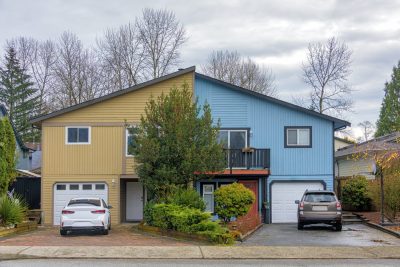
“If you’ve never had a rental property, [and] if you’re buying your first house, buy it knowing you’d be willing to rent it in 5 to 7 years,” the podcast host advised. Think of your first home as “an investment property” rather than a forever home. Live in it long enough to build equity, then you can “step out of it and you automatically have your first rental.”
A primary-residence mortgage carries a lower rate and smaller down payment than an investment-property loan. Living there for the lender’s required occupancy period lets you finance on owner-occupant terms, then convert it to a rental once your income climbs and you can buy the house you really want. The host says he has helped several employees buy their first home using exactly this approach.
One caller flagged a potential trap. Have your attorney check with the covenants in the area because some homeowner associations (HOAs) prohibit rentals outright. Some coops also prohibit rentals or restrict the time you’re allowed to rent your unit.
Step 2: The right to assign the contract
Real estate contracts are “written in whose favor?,” the host asked. “Whoever’s presenting the contract, typically the seller.” He suggested every offer include “the right to assign the contract.” That clause gives you “an out built in … I wanna be able to walk away from that contract if I choose to.”
Working with his developer brother on condos in Florida’s Panhandle, the host has sometimes flipped properties before he “ever had to close.” Sign at $300,000, watch the market value increase to $350,000 before closing, assign the contract, and pocket the spread. You never took title and never funded the loan.
Step 3: Set up an LLC
Many first-time rental owners fail to protect themselves legally. A tenant slips and falls, needs neurological surgery, and “there’s a million-dollar medical expense coming” with attorneys aiming at the property owner, the host said.
Setting up a limited liability company (LLC) offers protection. The host calls his attorney the day the offer is accepted: “I just put an offer in, it was accepted, got the right to assign. I need an LLC for, you know, 123 Any Street.” He names every entity after the property’s street address to “make it easy to remember why I created the LLC years later.”
Step 4: Avoid the due-on-sale trap
Most mortgages contain a “due-on-sale clause” meaning “if you transfer that out of your own name into a thing like an LLC, the bank, if they become aware of it, can say, guess what? You owe us that full balance in 30 days.” The host saw it happen in Florida during the Great Recession.
It is pretty rare, but the rate gap raises the odds. The host described older loans around 2.5% to 3.5% versus current rates typically at 6% to 6.5%. A bank holding a low-rate note has every incentive to call it and re-lend at higher yields. With local banks, “you can just talk to the loan officer and work it out with them. And as long as they’re getting their payments, they’re usually OK with it.” With national mortgage servicers, “it’s hard to get a person on the phone” and you are taking a real risk.
Setting up an LLC from the beginning is the best way to avoid this issue. Set the structure up before closing, or pay a much higher price to fix it later.












 Top Gaining Stocks
 Top Losing Stocks