


The way to earn Social Security benefits in retirement is to work and pay into the system via payroll taxes. For this reason, the taxation of benefits is a sore spot for many seniors, and understandably so.
The One Big Beautiful Bill Act introduced a new $6,000 senior tax deduction. Thanks to that tax break, the majority of Social Security recipients no longer have to pay federal taxes on their monthly benefits.
To be clear, federal taxes on benefits did not go away. But the $6,000 deduction, which is set to expire in 2028, lets many seniors off the hook temporarily.
However, there are still a number of states that impose their own taxes on Social Security benefits. And it’s important to know which states tax Social Security in the course of planning for your retirement.
The states that still tax Social Security
The list of states imposing taxes on Social Security benefits used to be longer. In recent years, a few states have dropped off that list. Most recently, West Virginia phased out its tax on benefits.
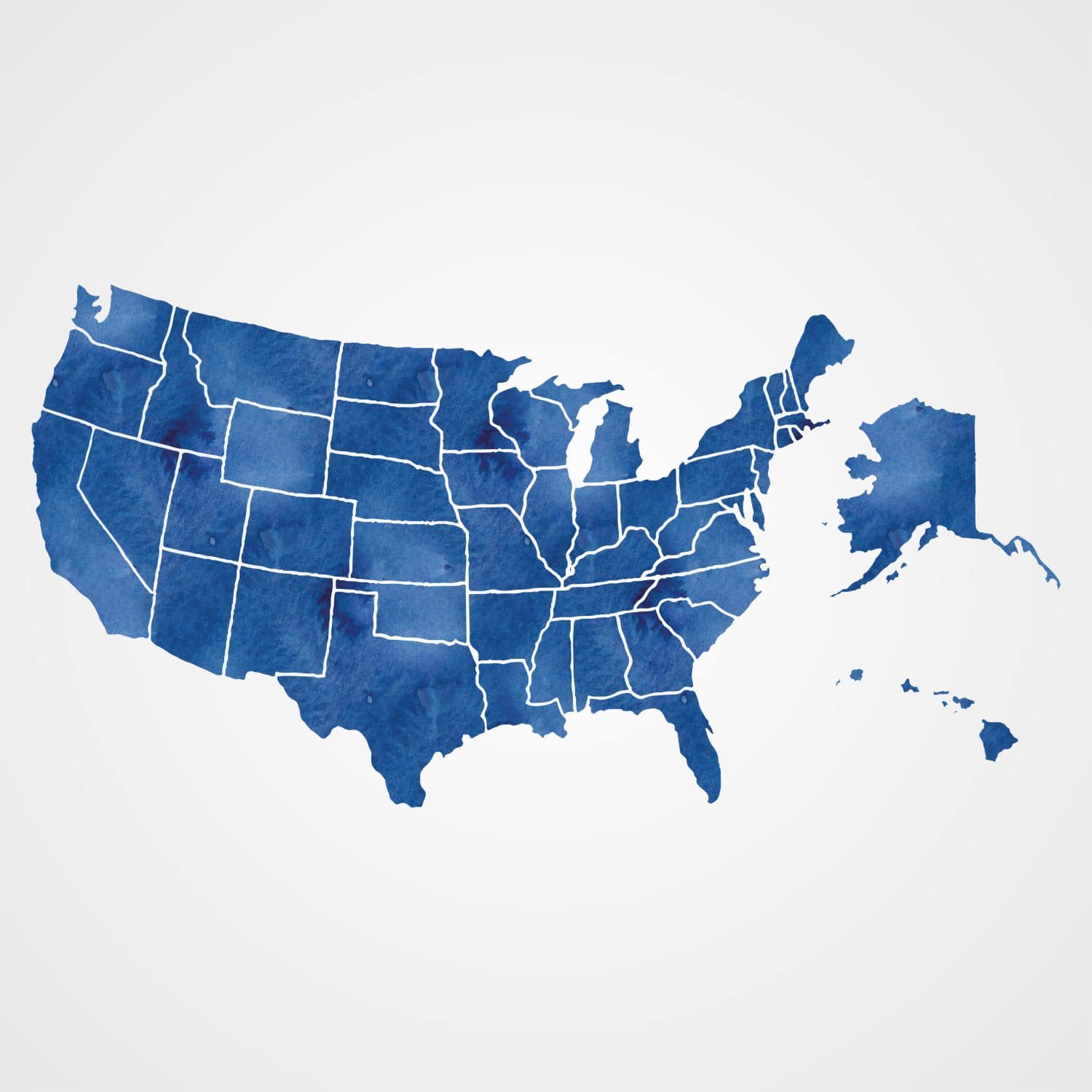
However, the following eight states still tax Social Security:
- Colorado
- Connecticut
- Minnesota
- Montana
- New Mexico
- Rhode Island
- Utah
- Vermont
However, just because you live in one of these states does not guarantee that you’ll be taxed on your benefits. Moderate and lower earners are often eligible for exemptions. But higher earners may still end up having their benefits taxed at the state level.
What to do if your state taxes Social Security benefits
If you don’t like the idea of having to pay state taxes on your Social Security benefits, you may be inclined to relocate before claiming them. But before you make plans to uproot your life, it’s worth taking a pause.
First of all, you may not even have to pay state taxes on your benefits, depending on your projected income. It’s worth looking at your state’s exemption limits before making any decisions.
Secondly, it’s important to compare the cost of living in your state to other states.
New Mexico, for example, has an overall cost of living that’s 11.6% lower than the national average, according to Best Places. If you’re subject to taxes on your Social Security in New Mexico but you move to a more expensive state, what you save in one regard, you might spend in the form of higher property taxes and overall costs.
Also, don’t discount the importance of hanging onto your social network in retirement. Relocating could mean having to start over. It could also mean losing your support system at a time when you’re physically vulnerable and need help getting to medical appointments or maintaining a home.
Now that said, some of the states above are expensive ones to retire in. Vermont, for example, taxes retirement income and has a state tax rate that goes as high as 8.75% for higher earners.
Minnesota, meanwhile, also taxes retirement income and has a state tax as high as 9.85% for higher earners. Swapping a tax rate that high for a lower one or, better yet, no state income tax, may be a smart move.
The point, though, is to think and research before you move.
It’s one thing to relocate because the cost of living in your state of residence is high overall. But don’t rush to move simply because your state happens to impose taxes on Social Security. You may not even have to pay that tax, or it could be worth paying for other reasons.












 Top Gaining Stocks
 Top Losing Stocks