


The Ottoman Empire was one of the largest and longest-lived empires in southeastern Europe and the Middle East. It can only really be compared to the Roman Empire, which it replaced when it conquered Constantinople in 1453. It ruled all or part of at least 37 countries and left a lasting cultural impact on each one.
24/7 Wall St. Insights
- The Ottoman Empire ruled the Balkans, the Mediterranean coast of Africa, and most of the Middle East.
- The collapse of the empire happened over a long period of time and was complete at the end of World War I.
- Check out: 2 Dividend Legends To Hold Forever and Discover “The Next NVIDIA
Ottoman History
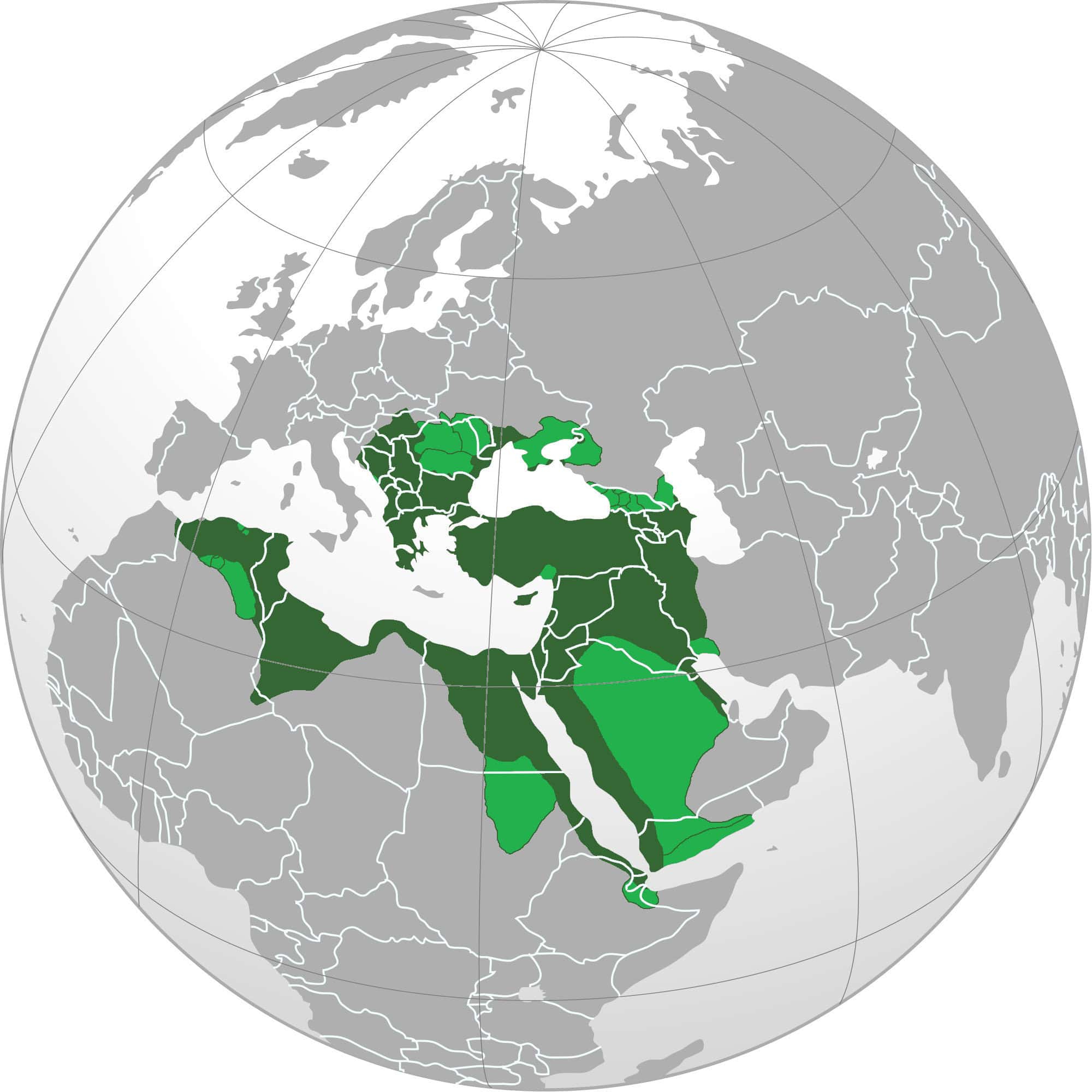
The Ottoman Empire was founded in 1299. It achieved its greatest military victory in 1453 with the conquest of Constantinople. This ended the thousand-year history of the Eastern Roman Empire and spread Islam and the Turkish culture from in formerly Christian-ruled lands. The Ottomans chose to join the wrong side of World War I and paid the price of being stripped of all their land except Turkey itself. Nevertheless, the cultural impact of Ottoman rule has lingered in its former subject countries to this day, as we’ll show you next in a list of all the countries the Ottomans ruled in whole or in part.
1. Albania
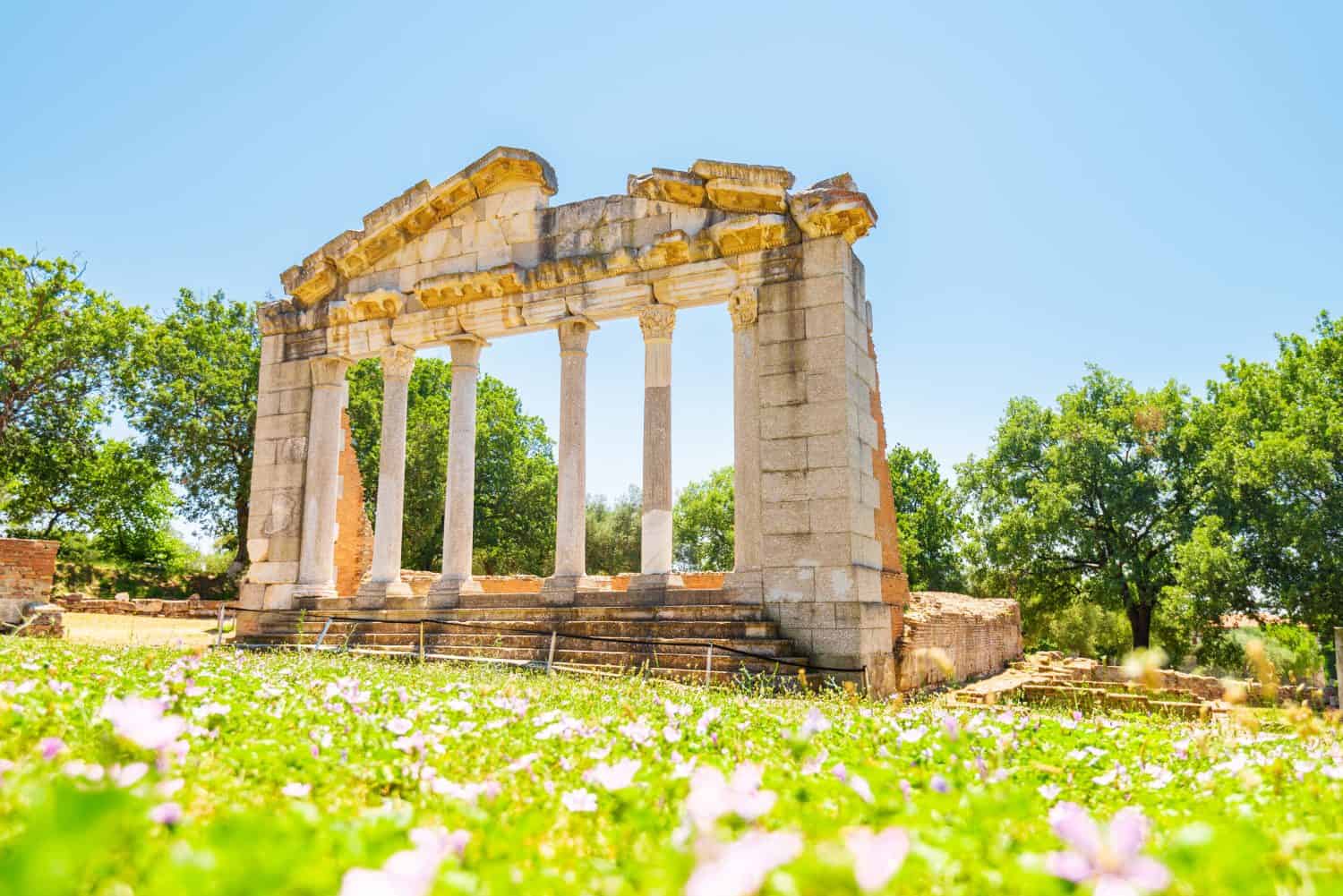
The Ottomans ruled all of Albania and their influence is still seen in the fact that Islam is the most prevalent religion in the country.
2. Algeria
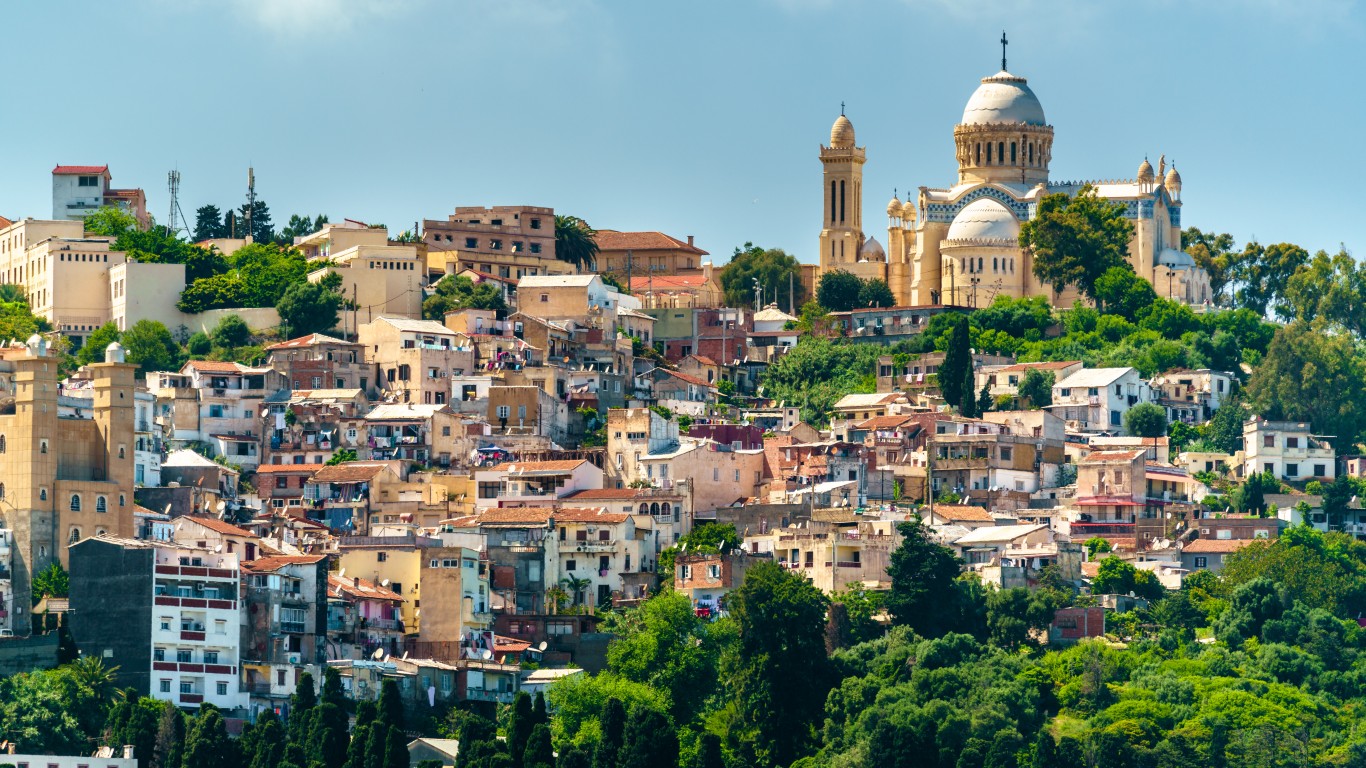
The Mediterranean coast was part of the empire. Historic buildings in the casbah in Algiers recall Ottoman cultural influence.
3. Armenia
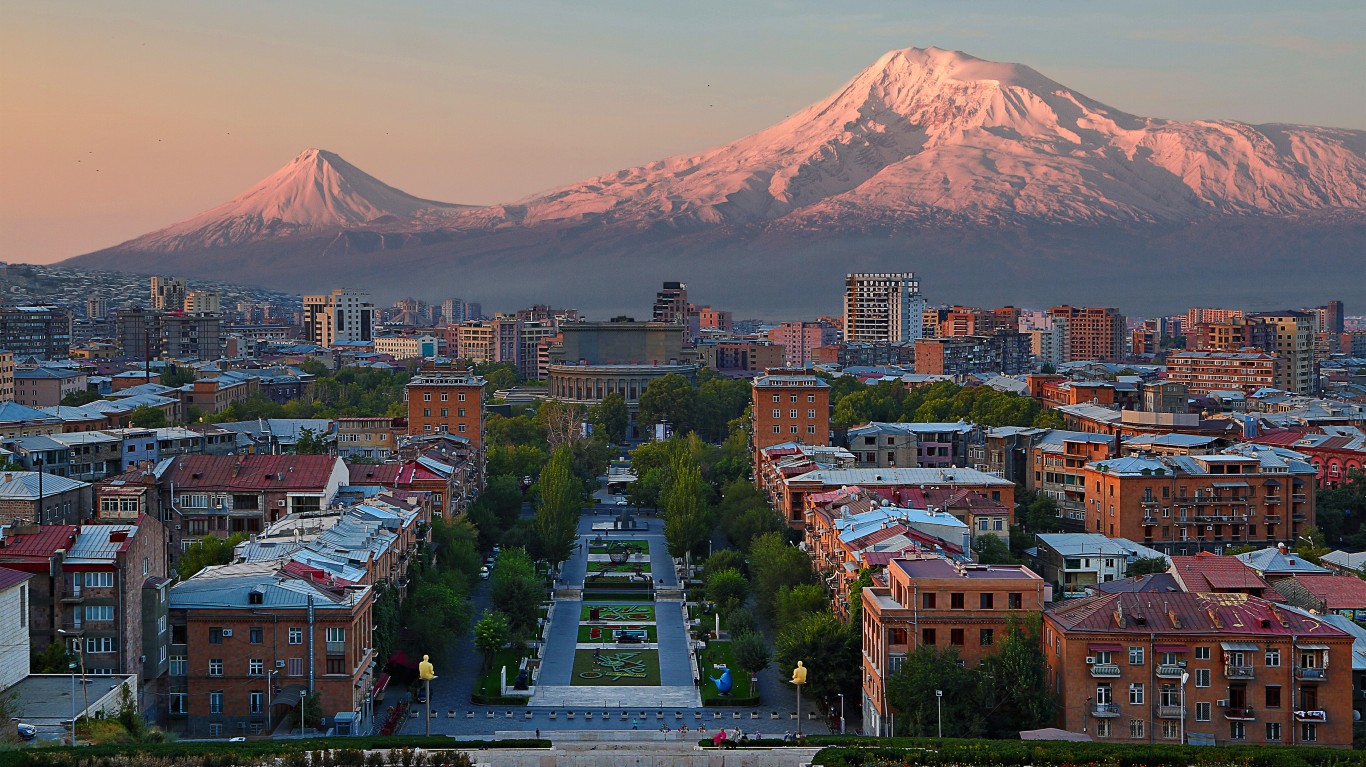
Armenia’s history with the Ottoman Turks is tragic. Near the end of World War I and in the years immediately following, over 1 million Armenians were deliberately killed. This horror left lasting bitterness between the two ethnic groups.
4. Azerbaijan
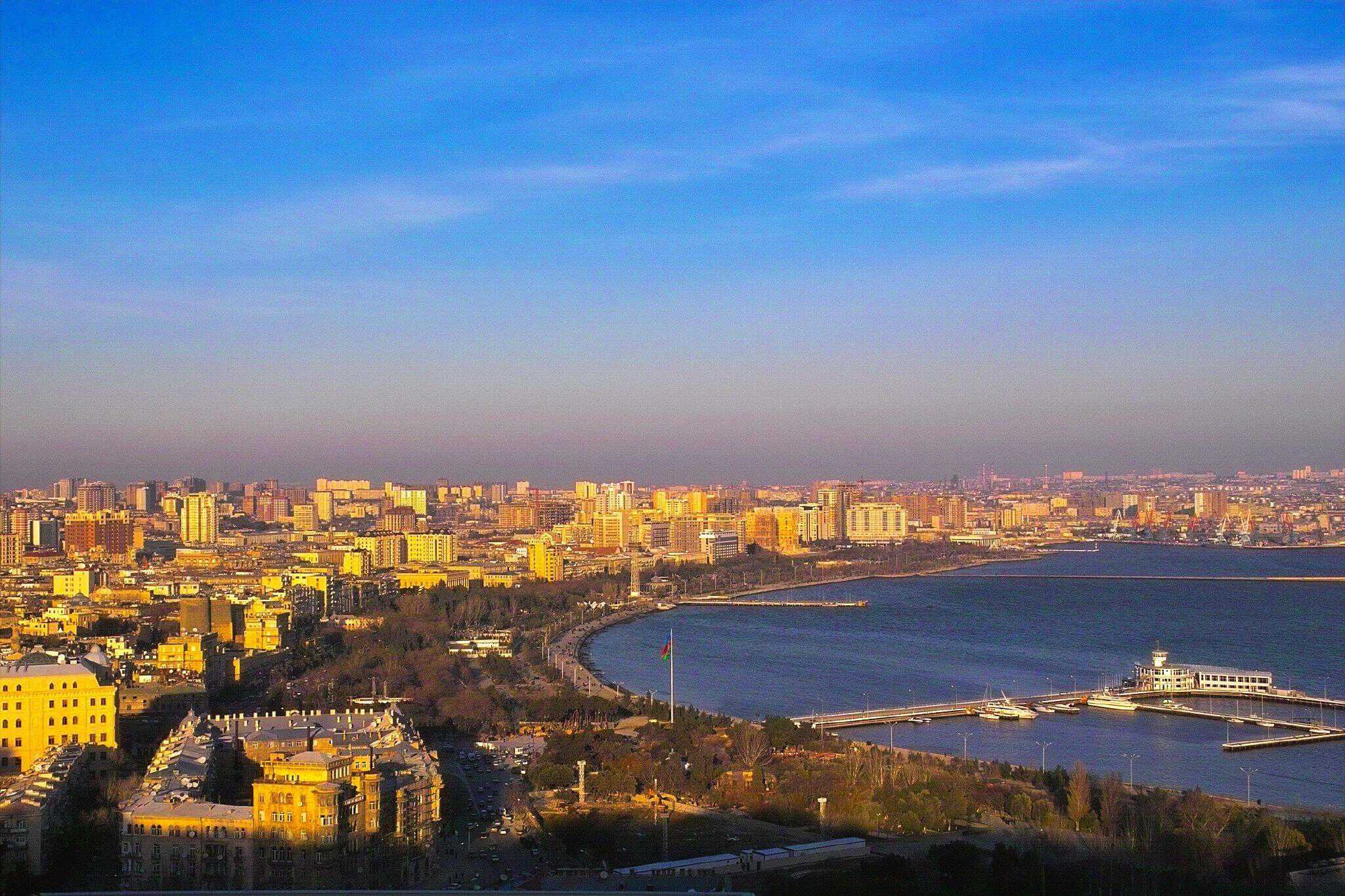
Azerbaijani cultural celebrations like Novruz and their distinctive styles of music and dance reflect Turkish influence.
5. Bosnia & Herzegovina
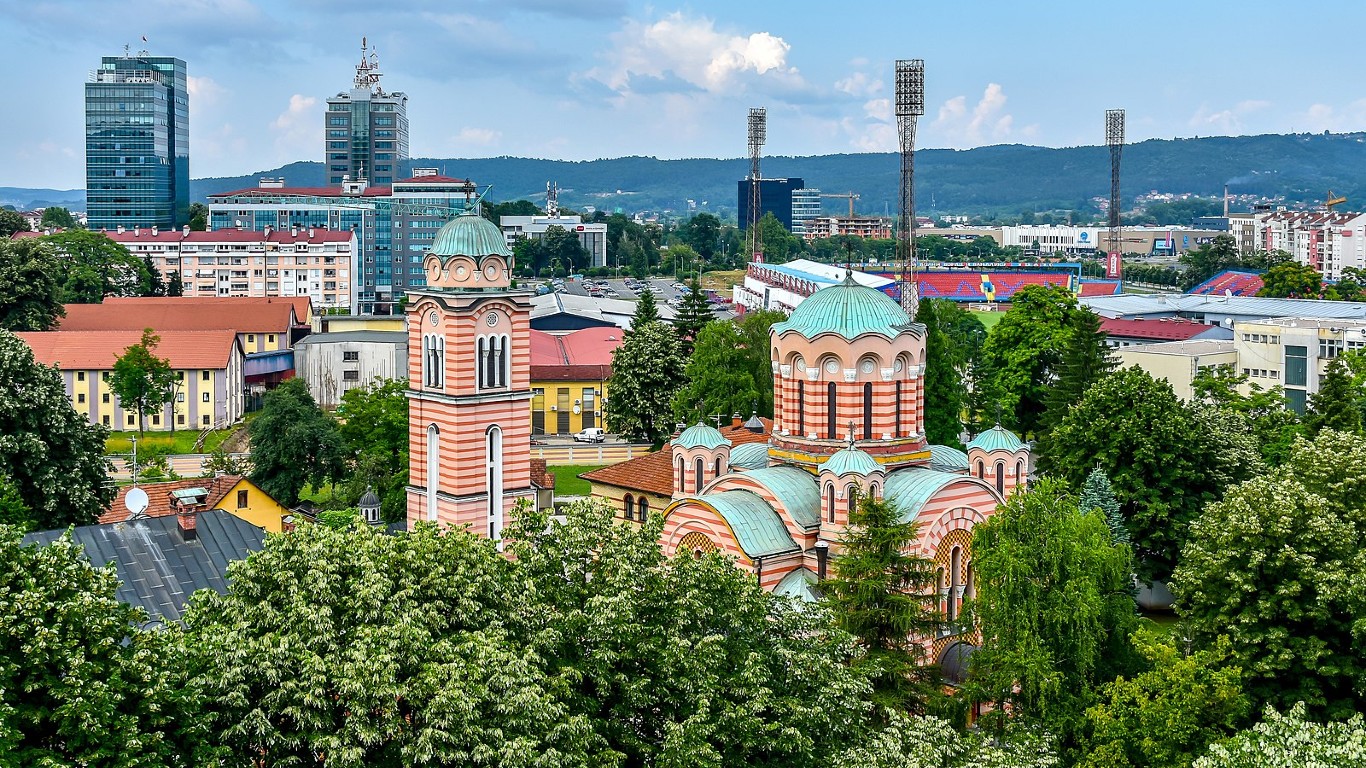
Bosnia’s ethnically mixed population includes millions of Muslims. The landscape is dotted with Ottoman-style mosques.
6. Bulgaria
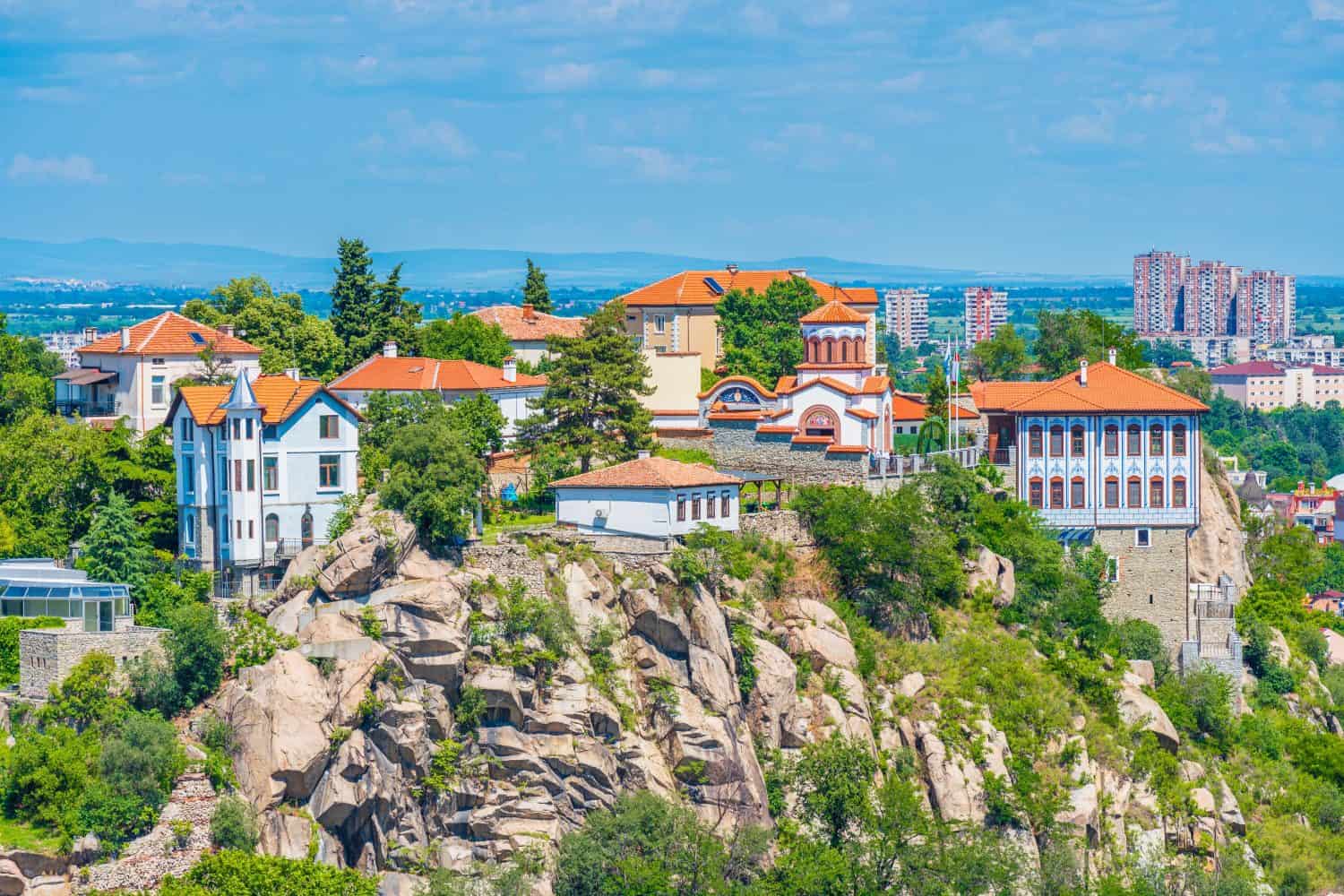
Bulgarian favorite foods like kebabche and yogurt originated in Ottoman culture.
7. Croatia
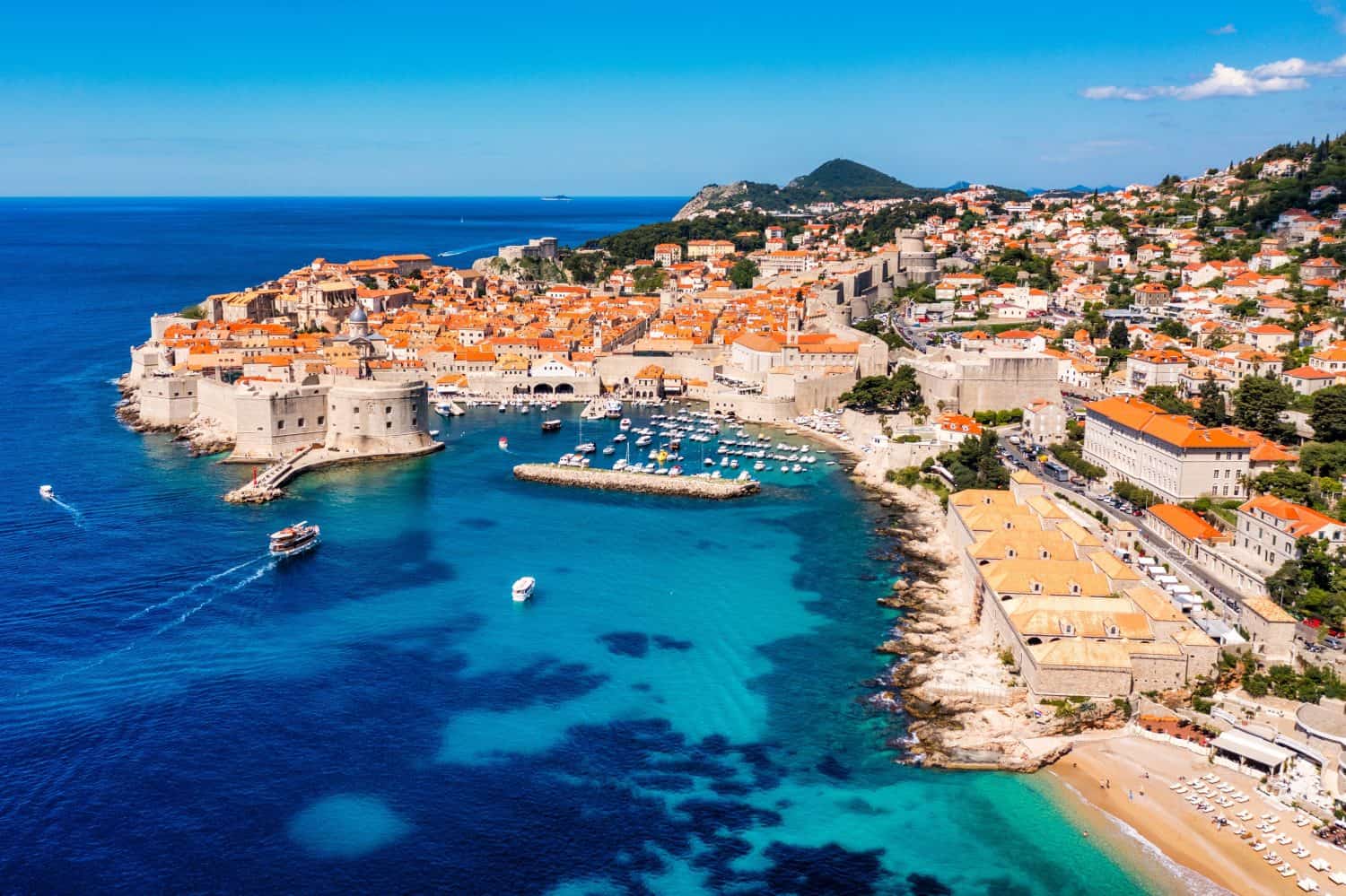
Most of Croatia’s coast on the Adriatic Sea and a large chunk of the northeastern part of the country was under Ottoman control. Ćevapi is a popular local dish that originated in Turkish kebabs.
8. Cyprus
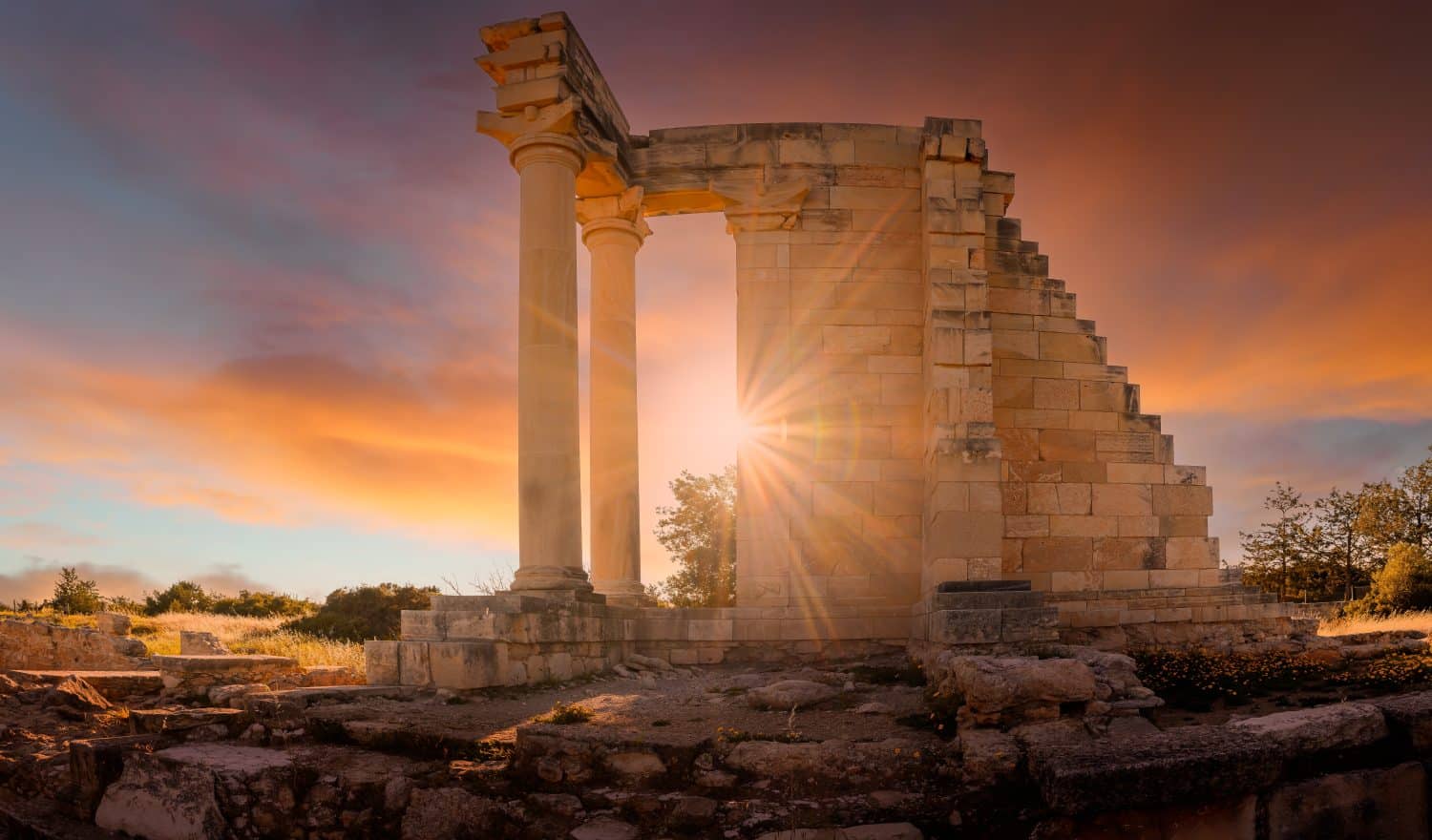
The Selimiye mosque in Nicosia is a cultural landmark that was constructed during the Ottoman period.
9. Djibouti
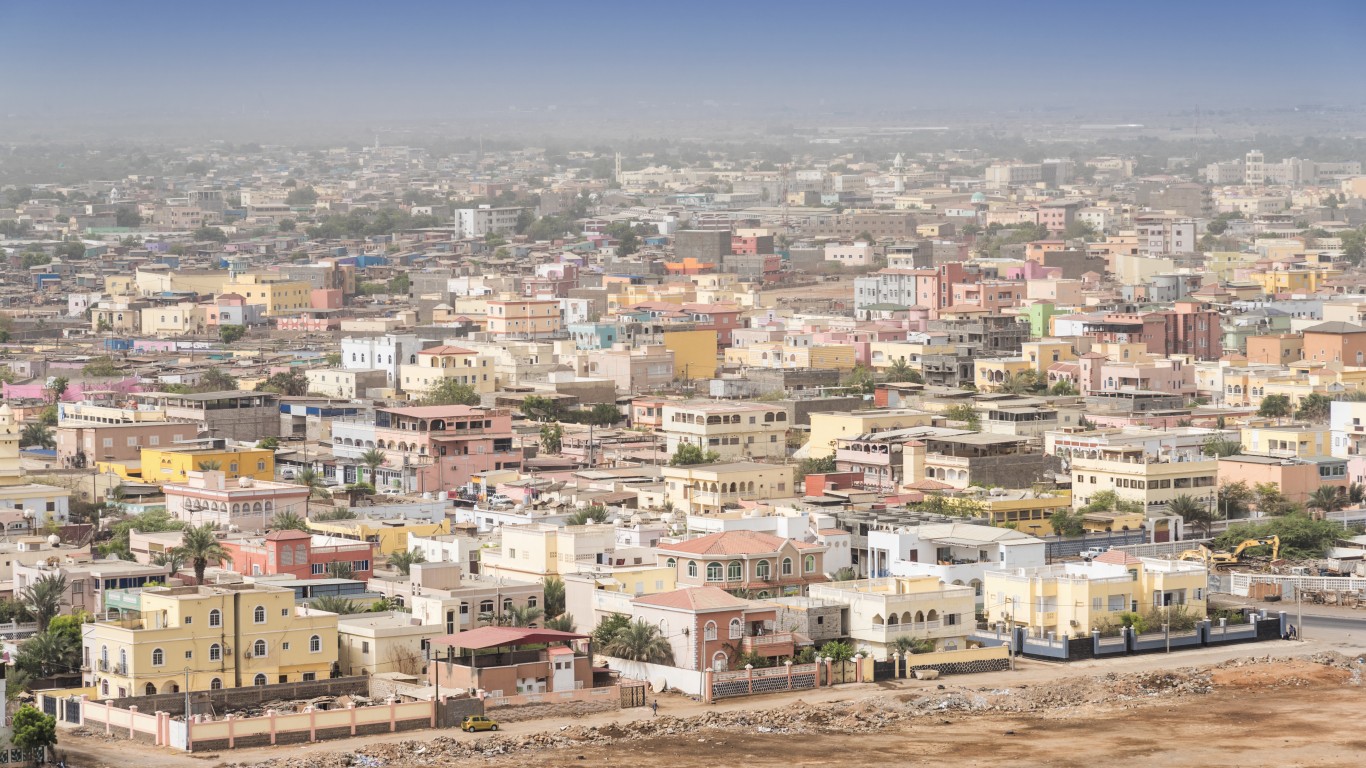
This country has fortifications and other structures built during the period of Turkish rule.
10. Egypt
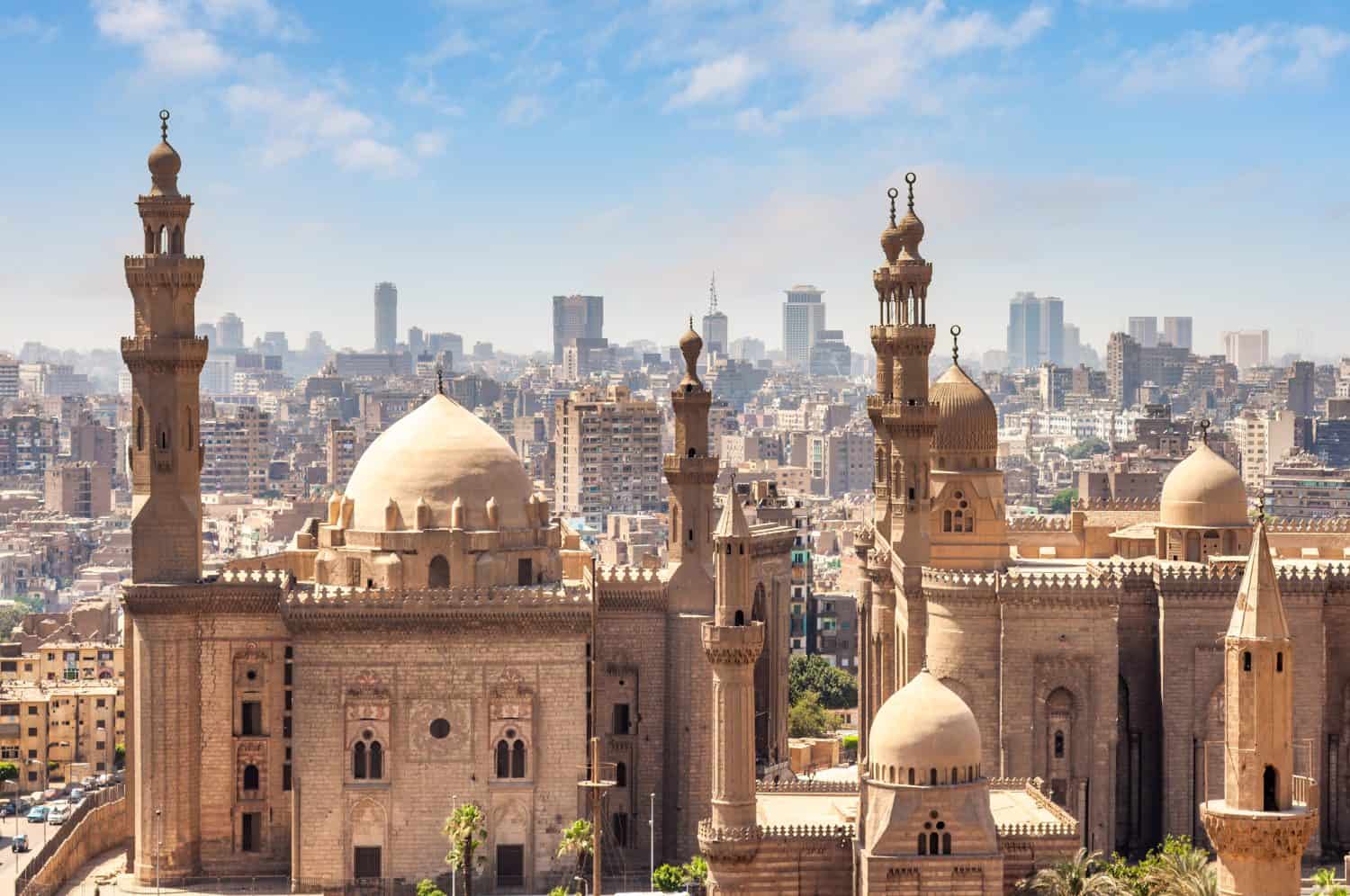
The Ottomans brought Persian and Turkish cultural influences that fused with local Egyptian traditions, making an impact on the visual arts, music, and calligraphy.
11. Eritrea
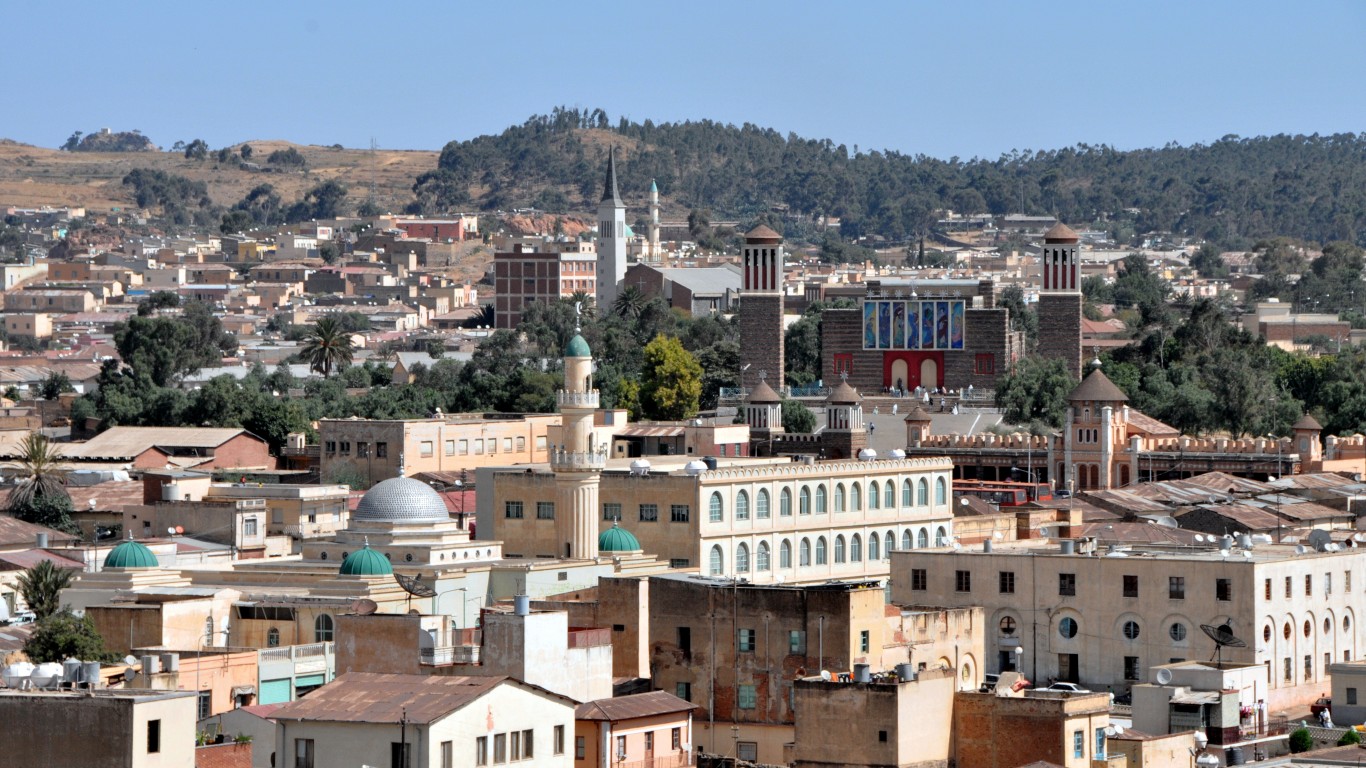
Many of the buildings in the port city of Massawa retain characteristic Ottoman architecture, like arched doorways and ornate stone carving and lattice work.
12. Georgia
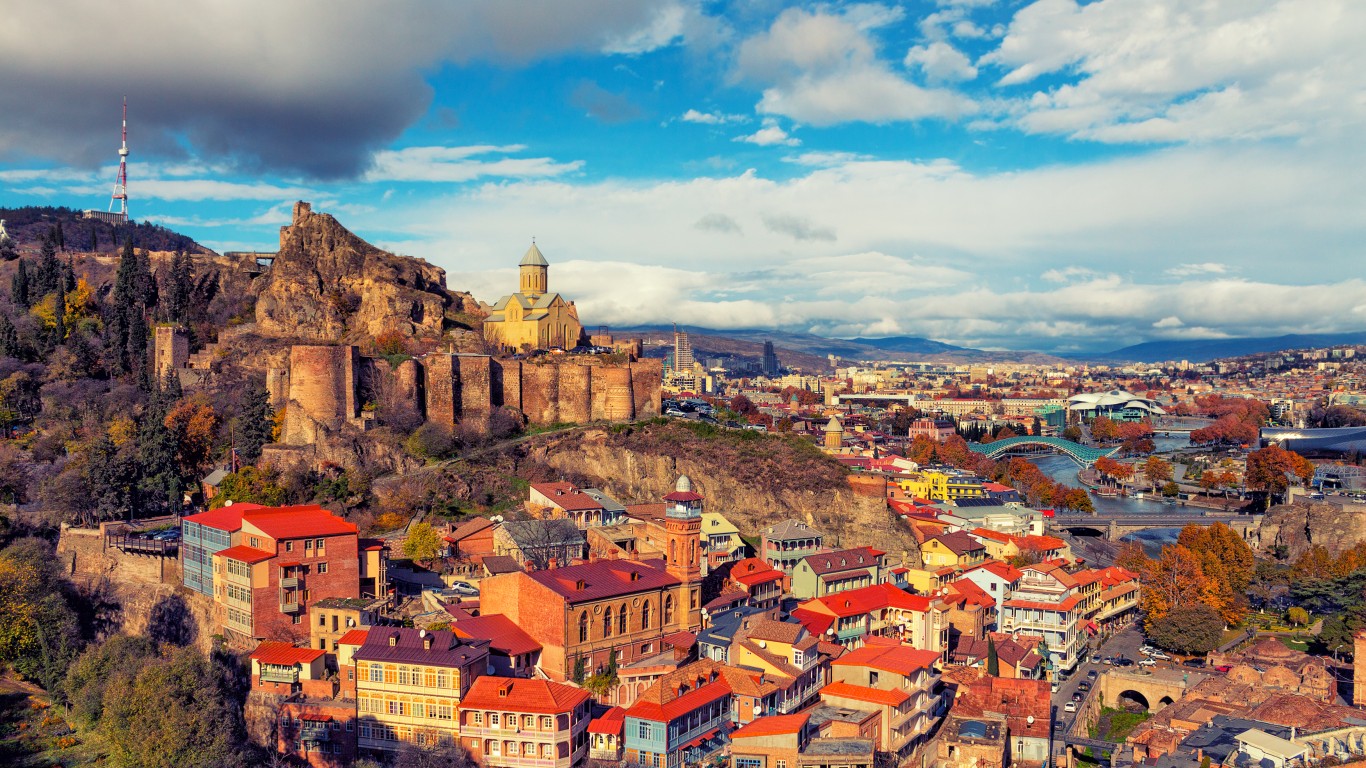
The distinctive Georgian cuisine includes strong Turkish influences, such as the way meat is prepared and the types of spices used.
13. Greece
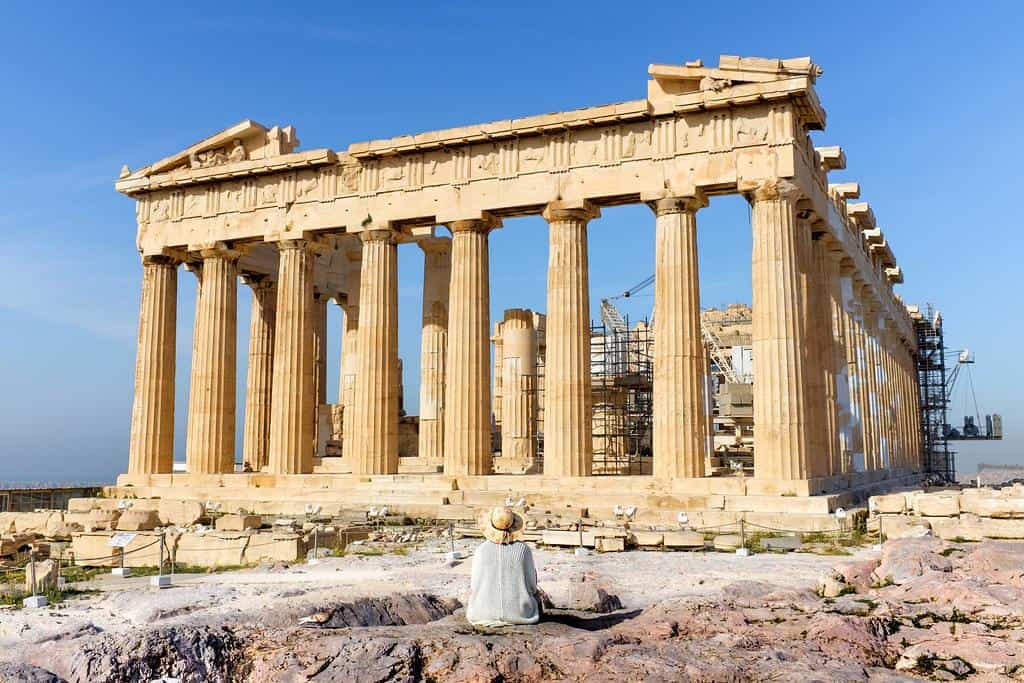
Folk songs and dances like rembetiko as well as popular foods like Turkish coffee and baklava have been influenced or borrowed from Turkish culture.
14. Hungary
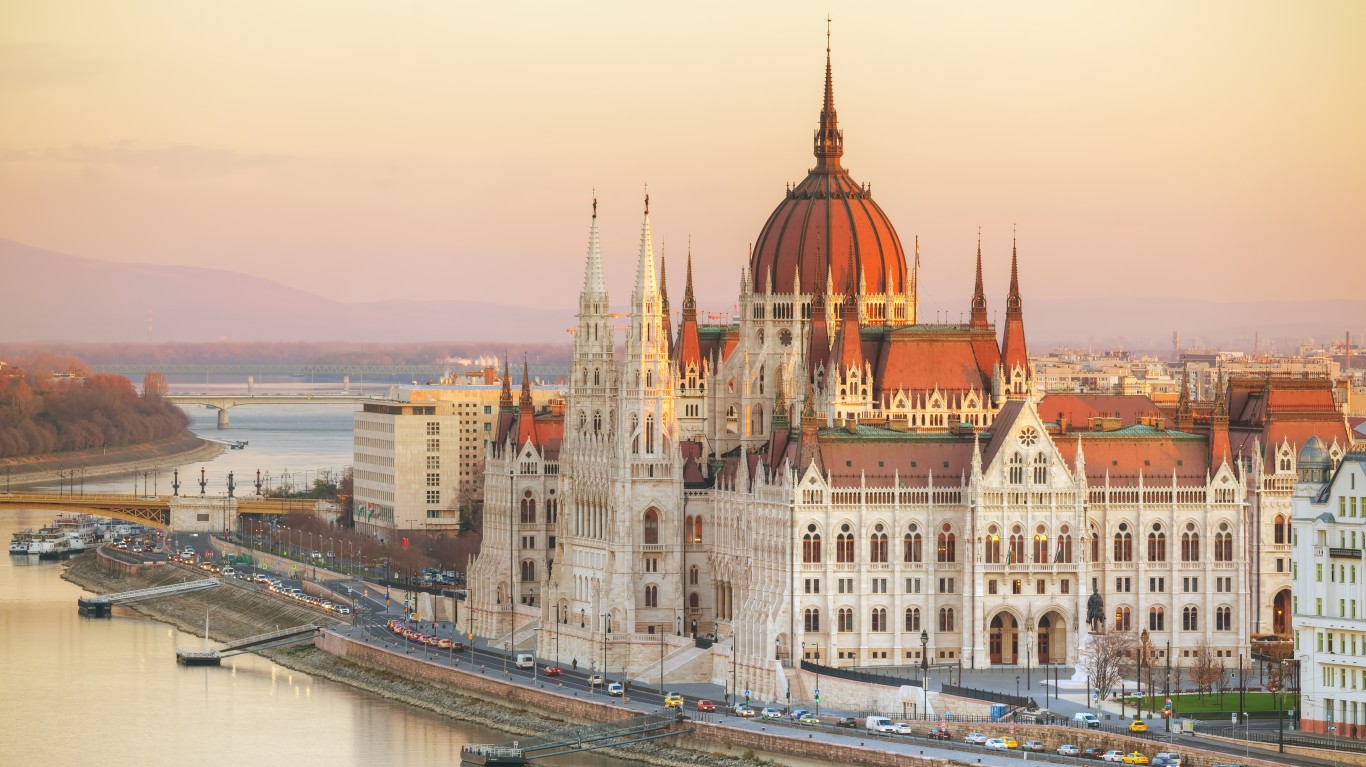
The hammam, or Turkish bath, is a cultural feature the Hungarians readily adopted. Some of the thermal baths built during the Ottoman occupation are still active and quite popular today.
15. Iran
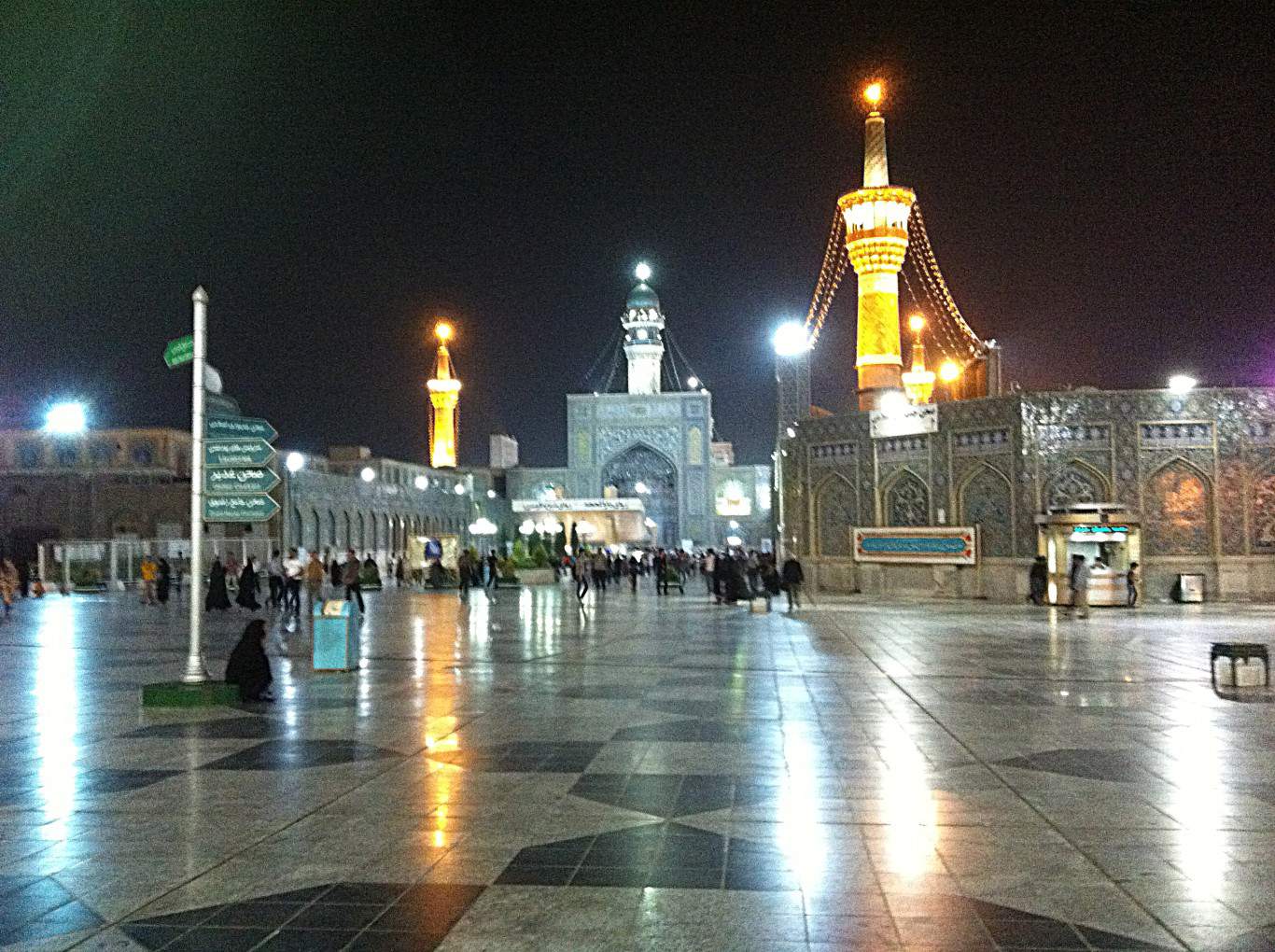
A good deal of Turkish vocabulary has crept into the Persian language and literature. The cultural influence went both directions, as Persia is an ancient civilization with a rich and diverse culture.
16. Iraq
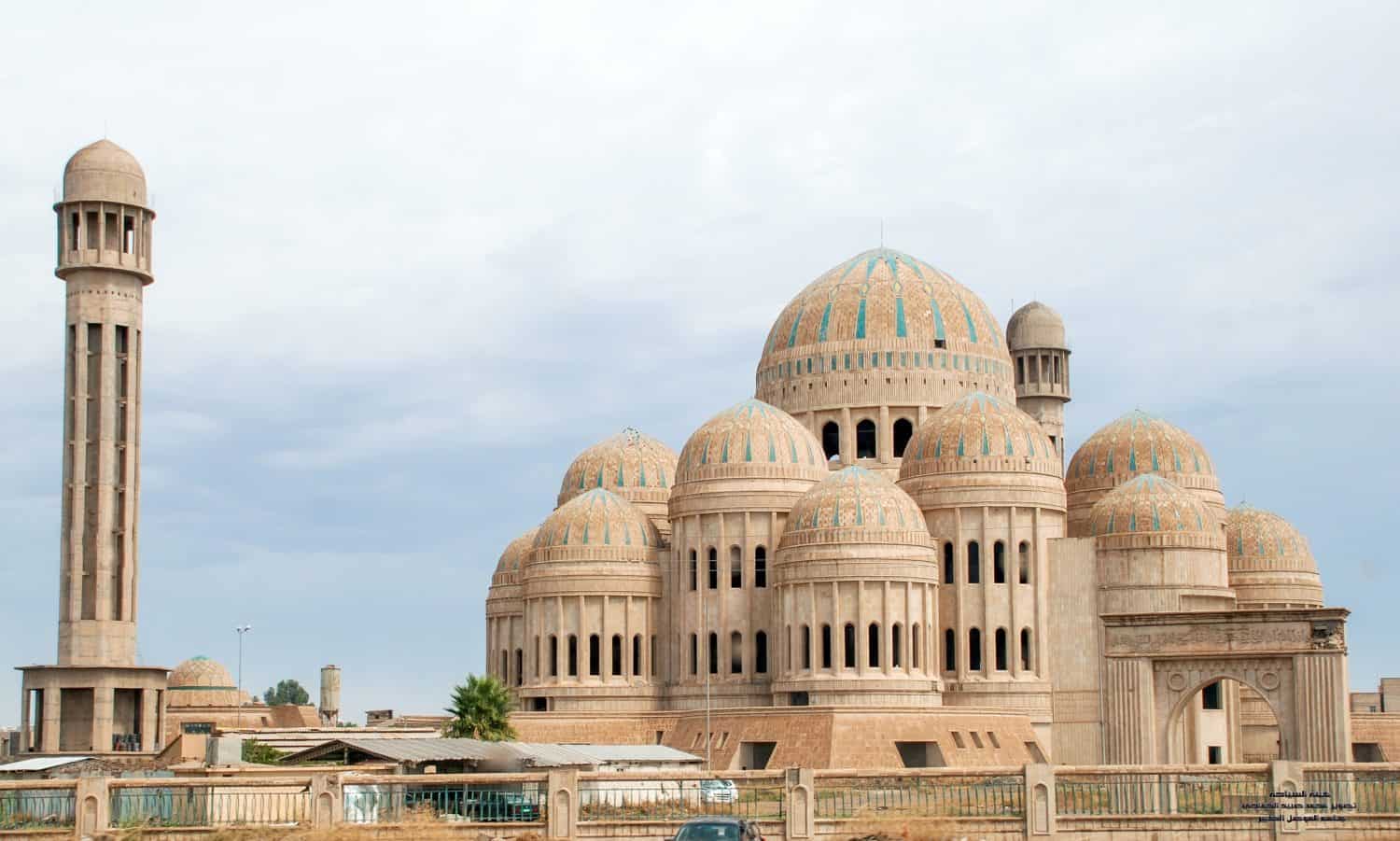
Mosques and administrative buildings still reflect strong Turkish influence in Iraq that has mixed with local cultural elements in an interesting fusion.
17. Israel/Palestine
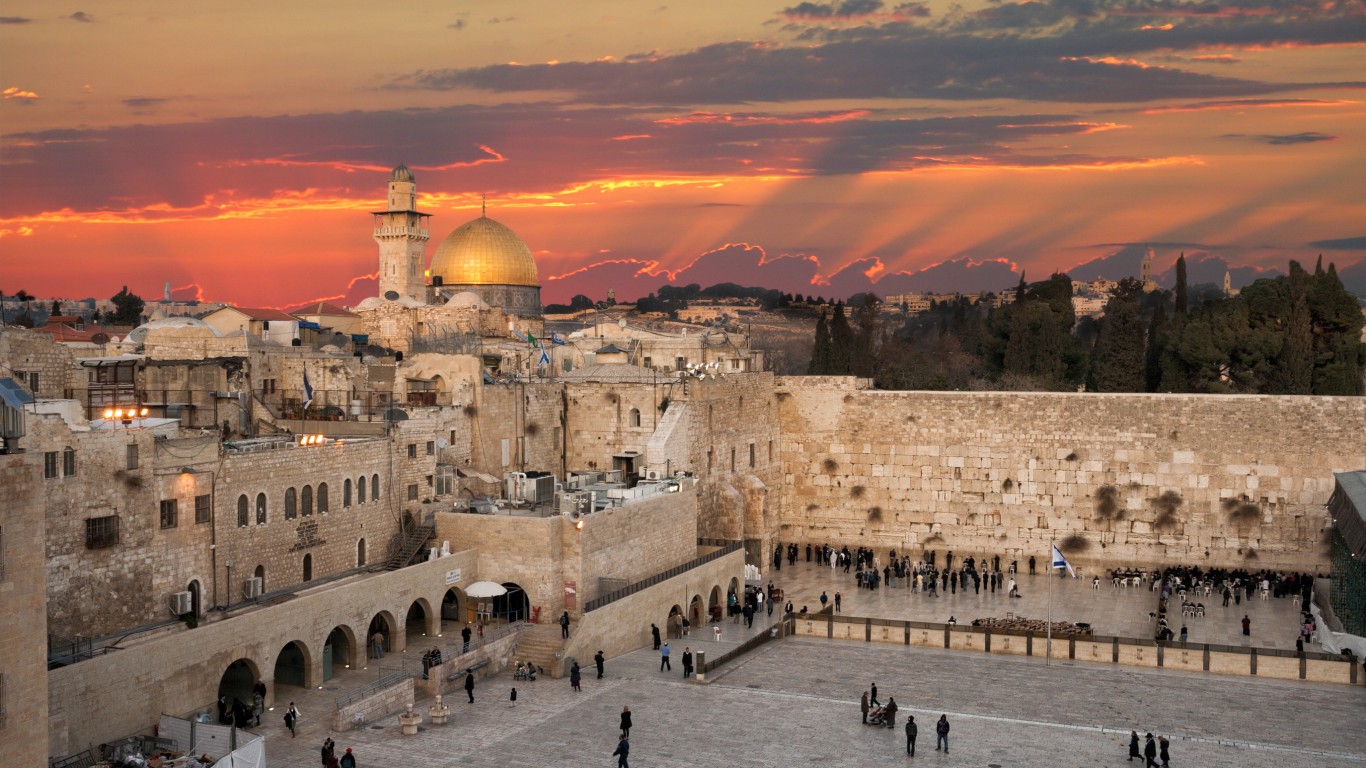
Marc Lavry and Paul Ben-Haim are examples of 20th century composers who have used Turkish rhythms and other musical elements in their music.
18. Jordan
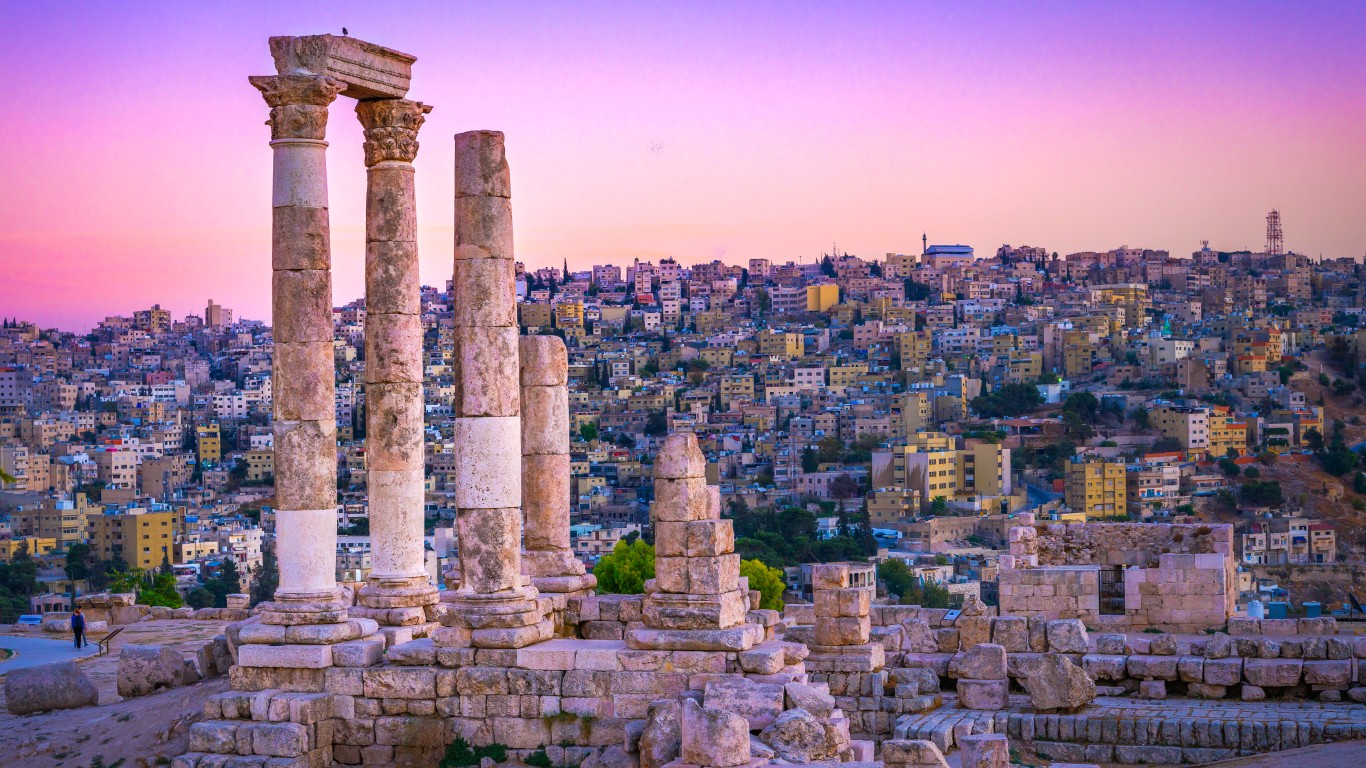
An example of the contemporary importance of Turkish culture in Jordan is the Turkish language program at the University of Jordan, one of only four B.A. language programs there.
19. Kosovo
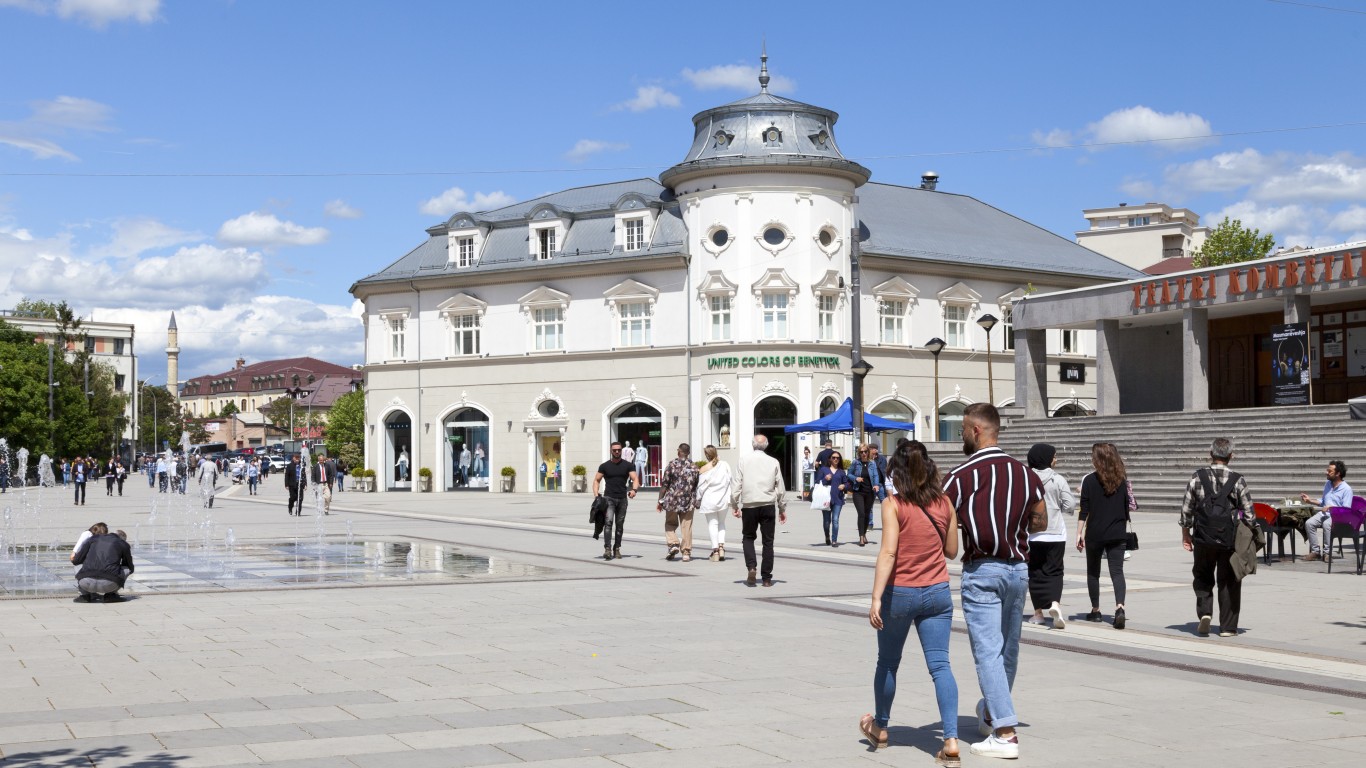
Kosovo is 95% Muslim. The local religious practices and celebrations include elements that were introduced from Turkish culture.
20. Kuwait
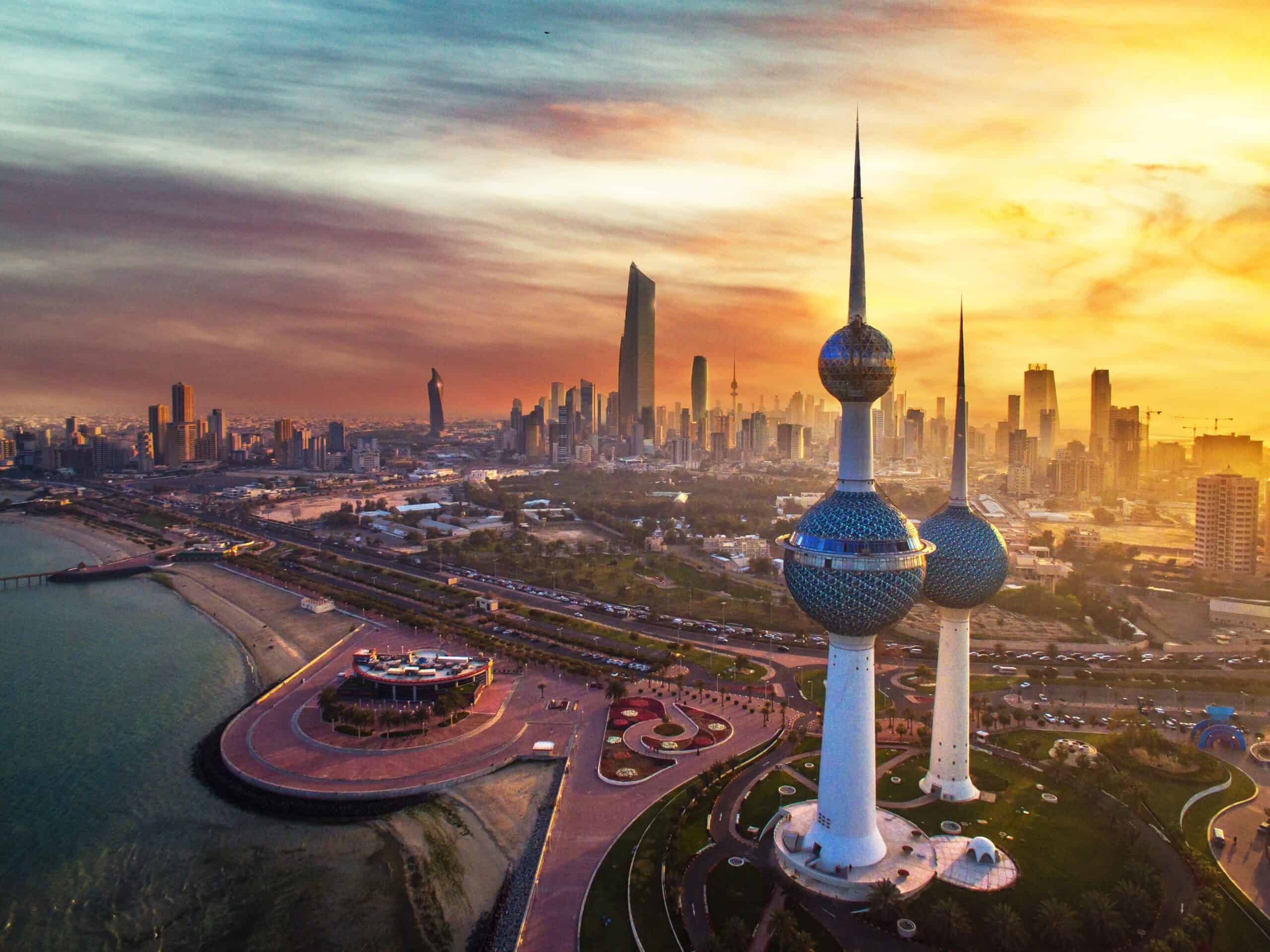
The Ottoman Turks ruled Kuwait as a vassal state but still had great influence over the cultural development of the region. Clothing, social norms, governance, art, architecture, and music were all areas of cultural exchange and fusion.
21. Lebanon
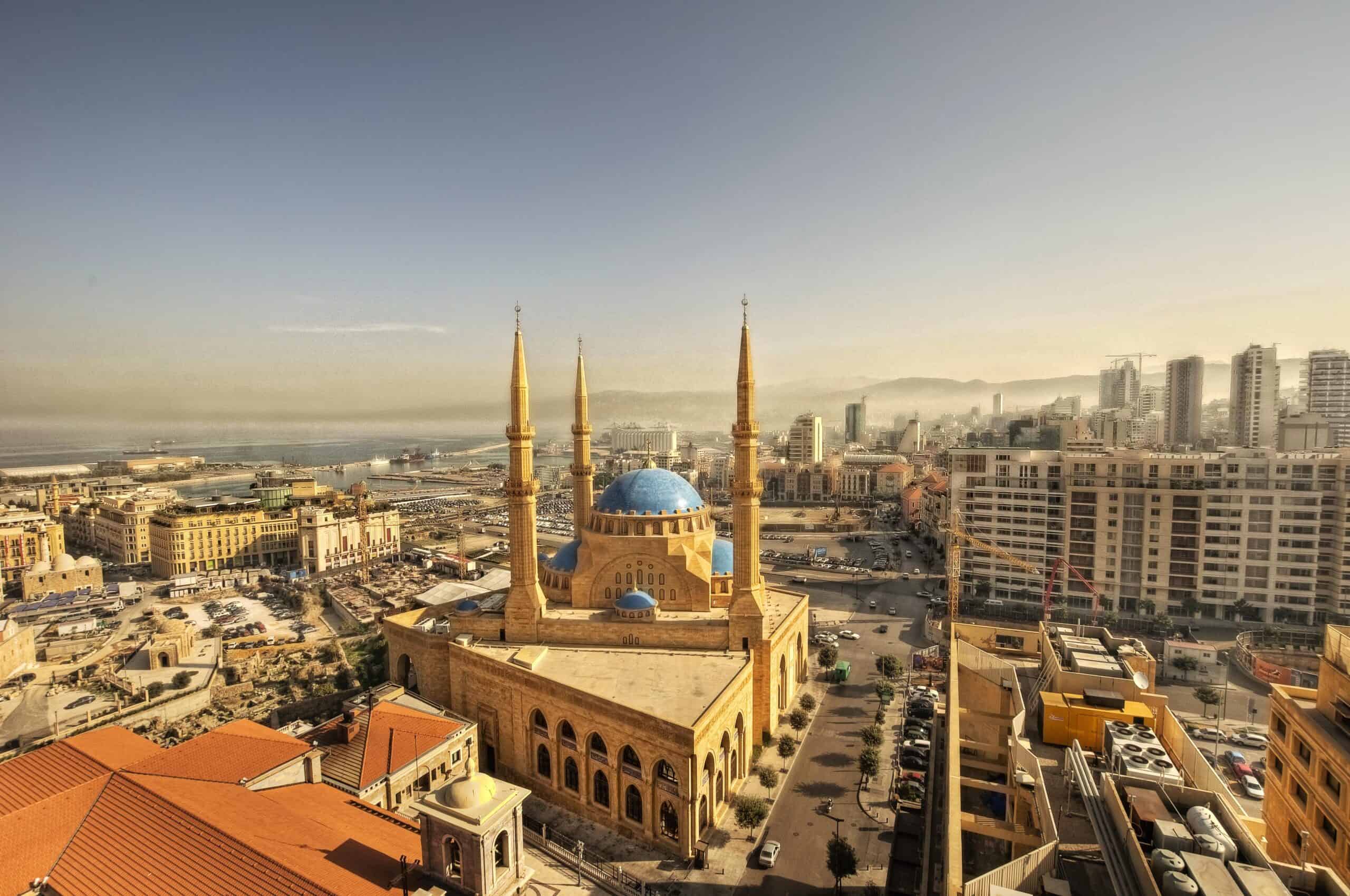
A highly significant Ottoman influence in Lebanon was the millet system that allowed different religious communities self-government under Ottoman authority. This helped establish a level of religious tolerance that has enabled Lebanon to hold together despite having various Christian and Islamic factions that could have easily fought with one another.
22. Libya
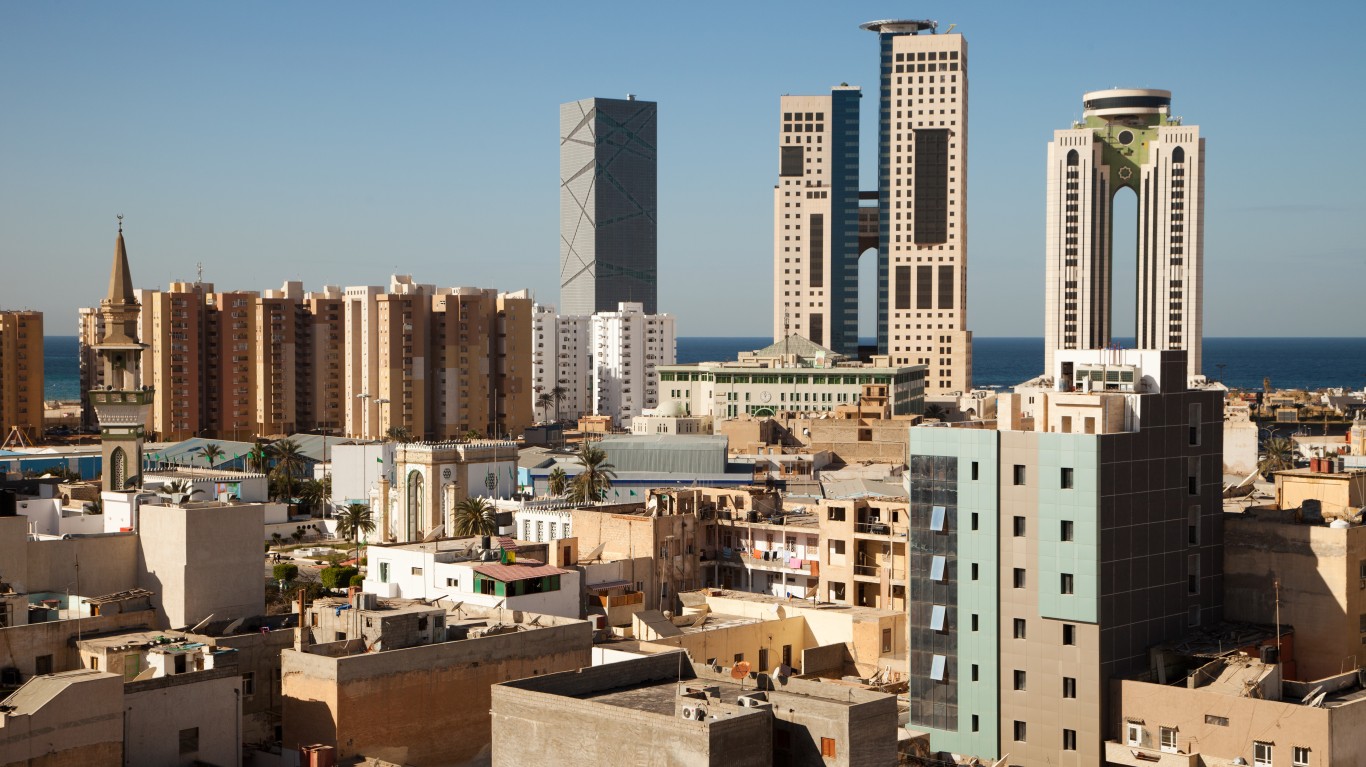
The Sanusiya movement int he 19th century developed under Ottoman rule and helped unite Libyan tribes and create more of a sense of national identity.
23. Moldova
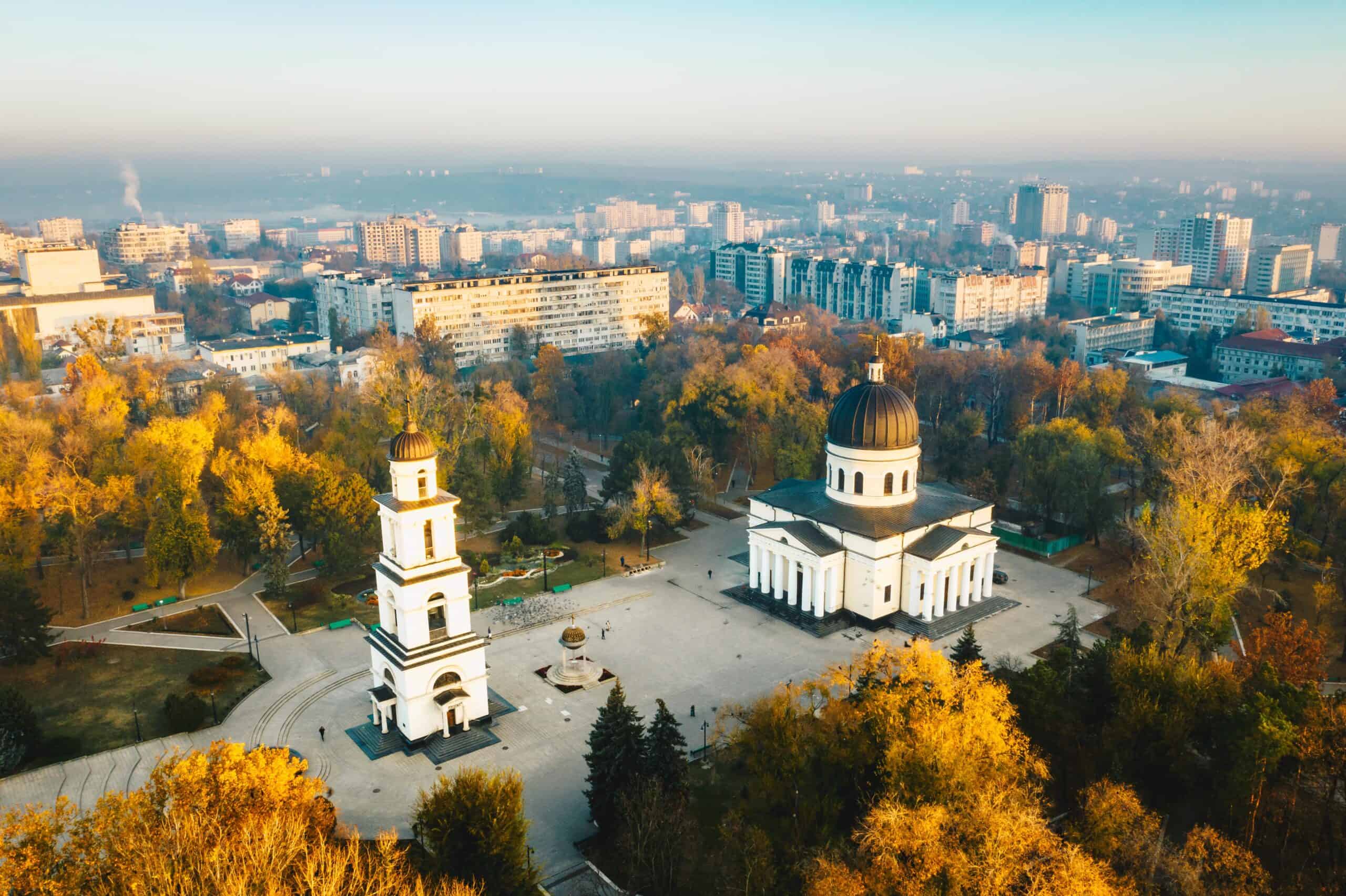
Turkish musical instruments like the kemence have been adopted into Moldovan culture, influencing music and dance.
24. Montenegro
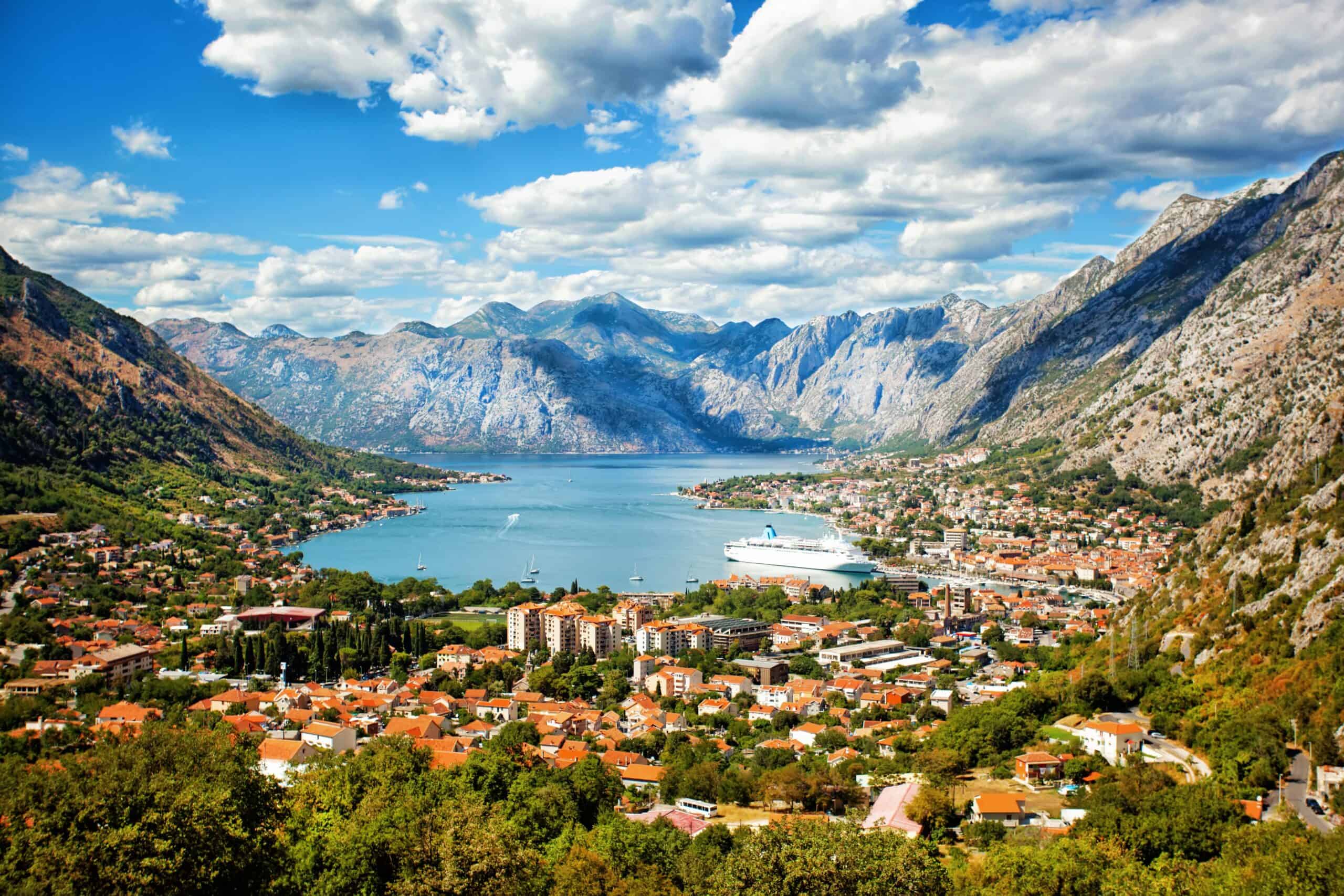
Islam is a strong element of Montenegro’s culture. The high value placed on individual and family honor is another part of the lasting Ottoman influence there.
25. North Maced0nia
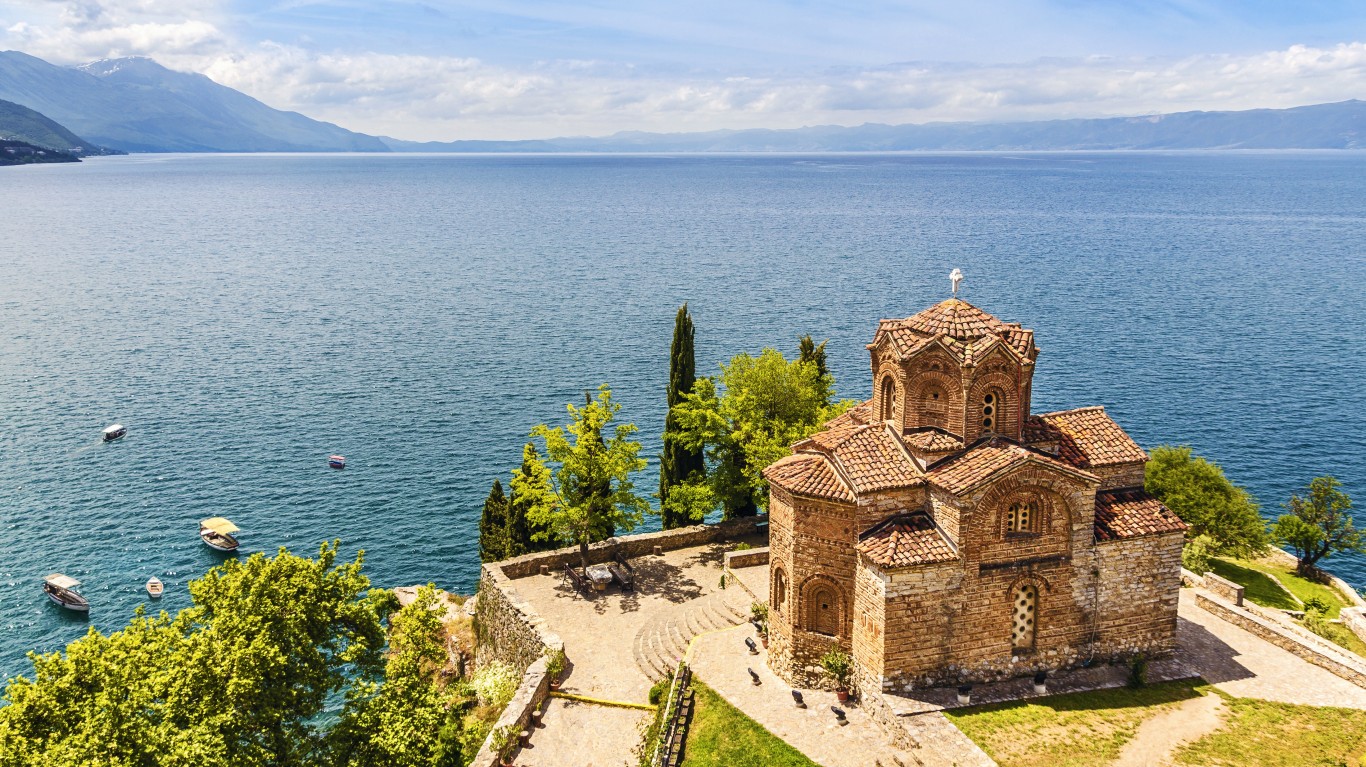
Folk dancing and traditional textile patterns, dyeing, and weaving reflect the Turkish heritage of this country.
26. Romania
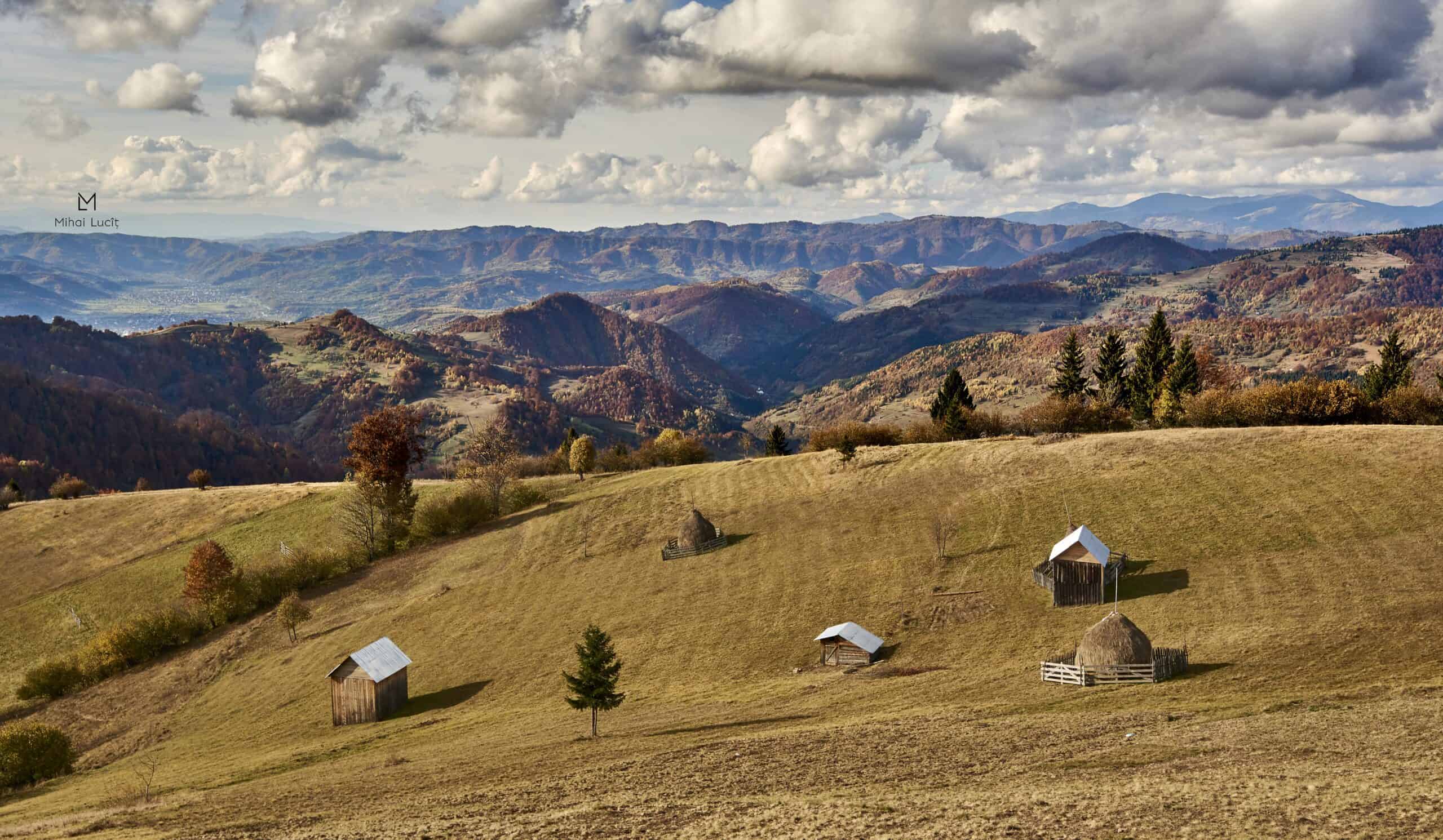
Romanian poetry, particularly in the 19th century, drew a great deal of inspiration from Ottoman literature.
27. Russia
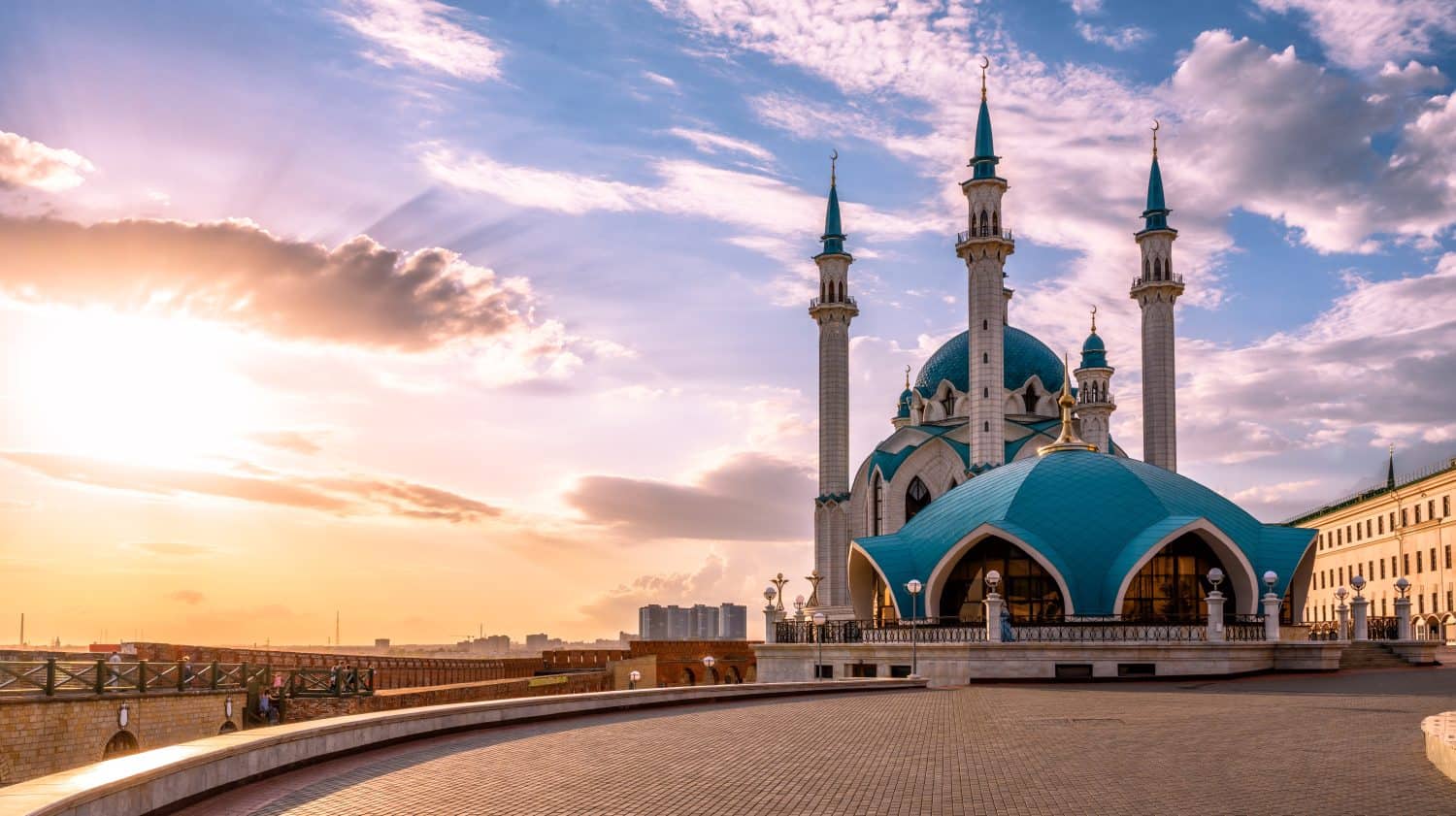
Only small parts of southern Russia on the Black and Caspian Seas were ruled by the Ottomans. The Russian Cossacks were significantly influenced by them, though. Folk art and woven designs also show Turkish elements.
28. Saudi Arabia
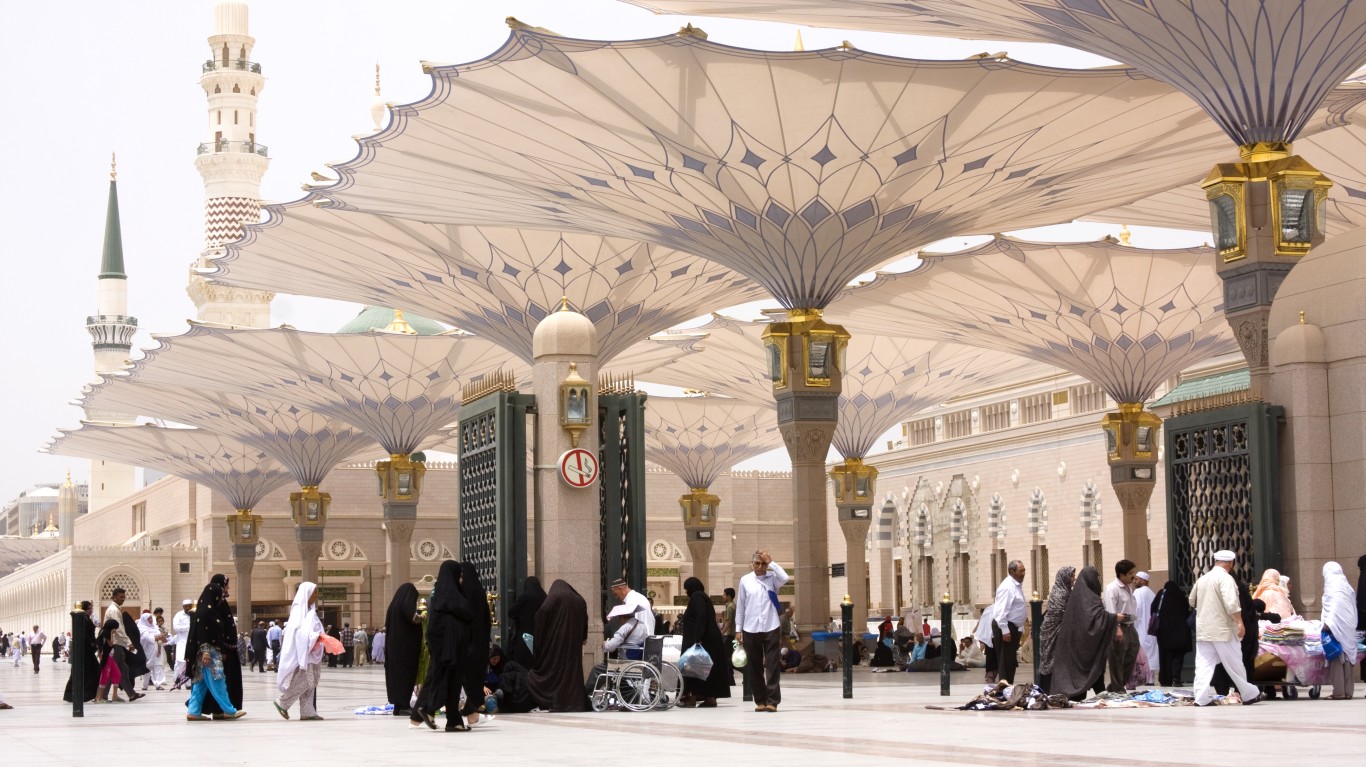
The Ottomans did two things in Saudi Arabia that were beneficial in the long run. They provided more organization and planning for the annual Hajj pilgrimage, and they set up Islamic schools that significantly raised the educational level in the Arabian Peninsula.
29. Serbia
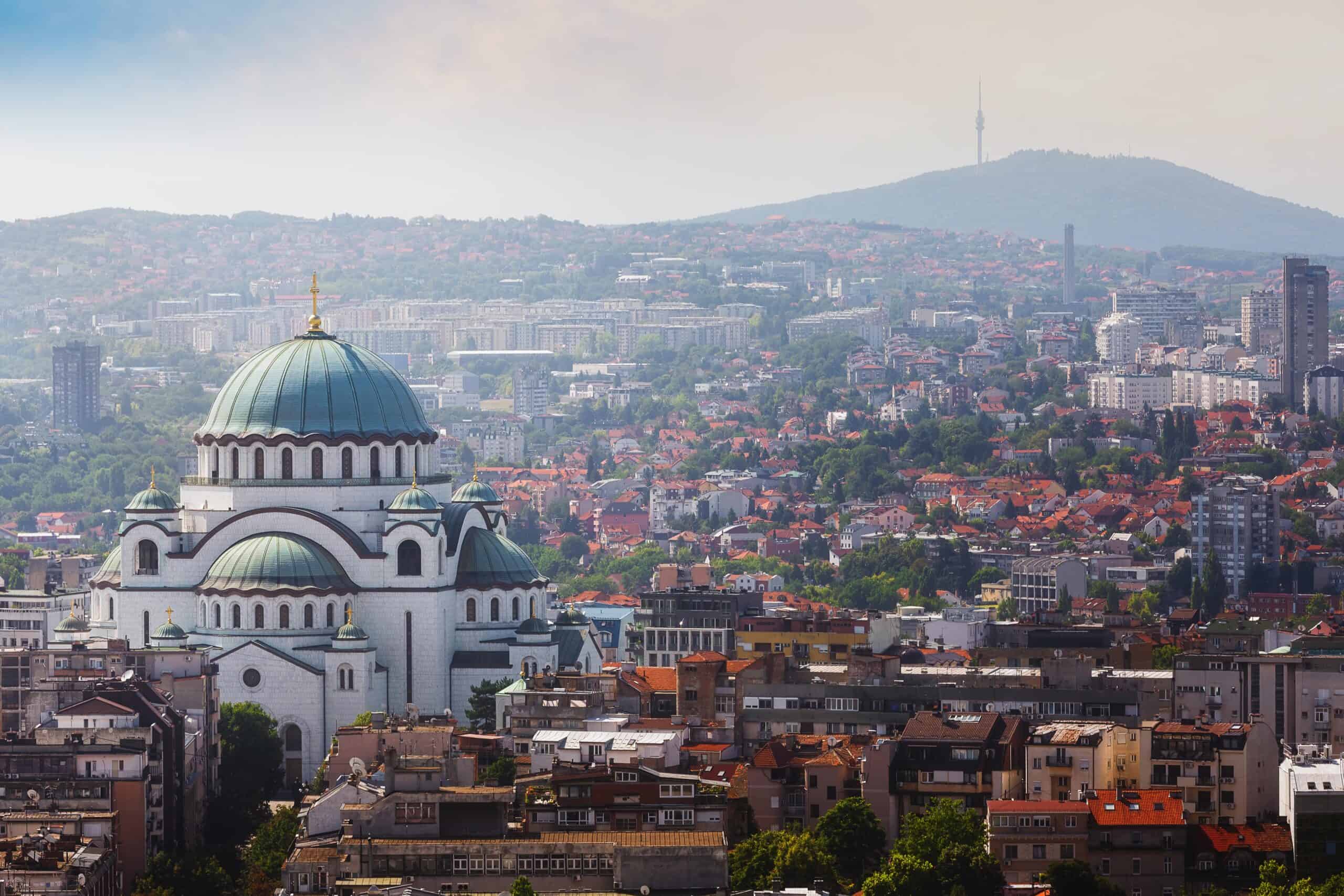
The Serbian language is most closely related to Russian, Bulgarian, and other Slavic languages, but it also has a good many Turkish loanwords, particularly in areas related to administration and the military.
30. Slovakia (southern border areas).
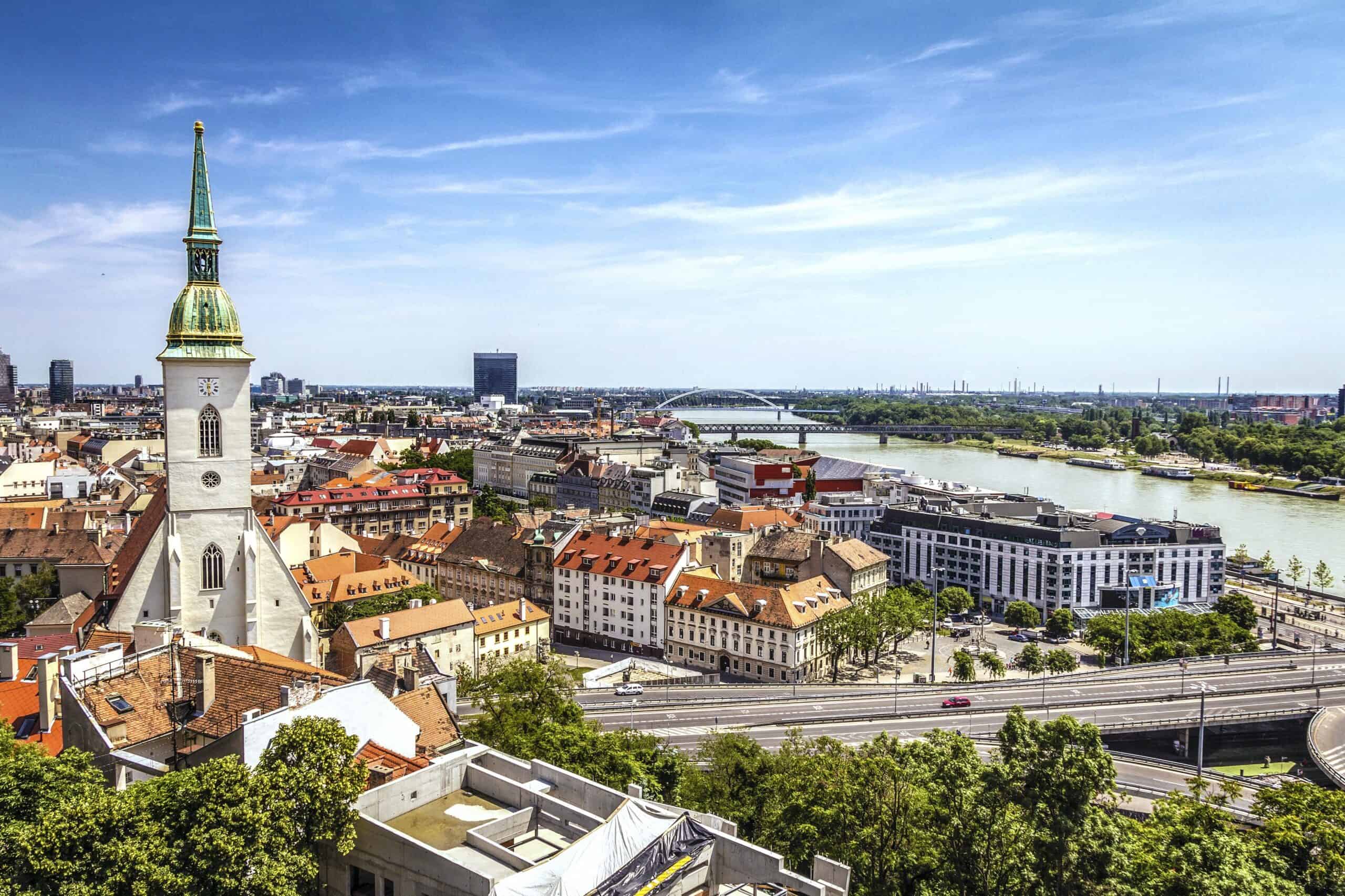
Only small areas of Slovakia in the southern border areas were under direct Ottoman rule, but the whole country experienced the cultural influence of their enormous neighbor. An interesting areas where this can be seen is in Turkish characters and themes in Slovakian folklore.
31. Somalia

While the Turks directly controlled only a small part of modern Somalia in the border area near Djibouti, they traded extensively with each other. Art, poetry, and handicrafts are some areas where hints of Turkish influence linger.
32. Sudan
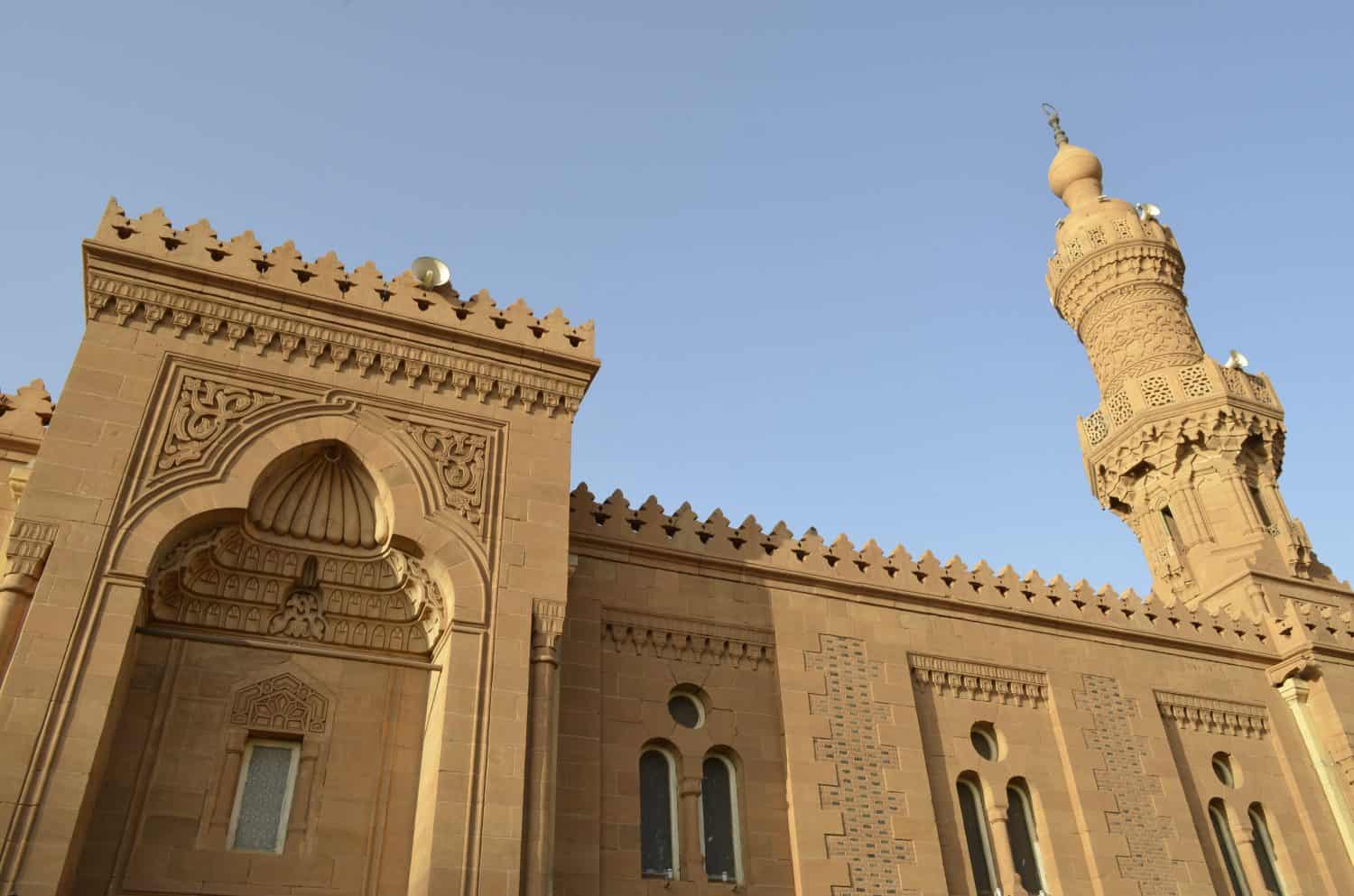
Ottoman military organization and strategies influenced how the Sudanese later managed their own defense and refined through decades of civil war.
33. Syria
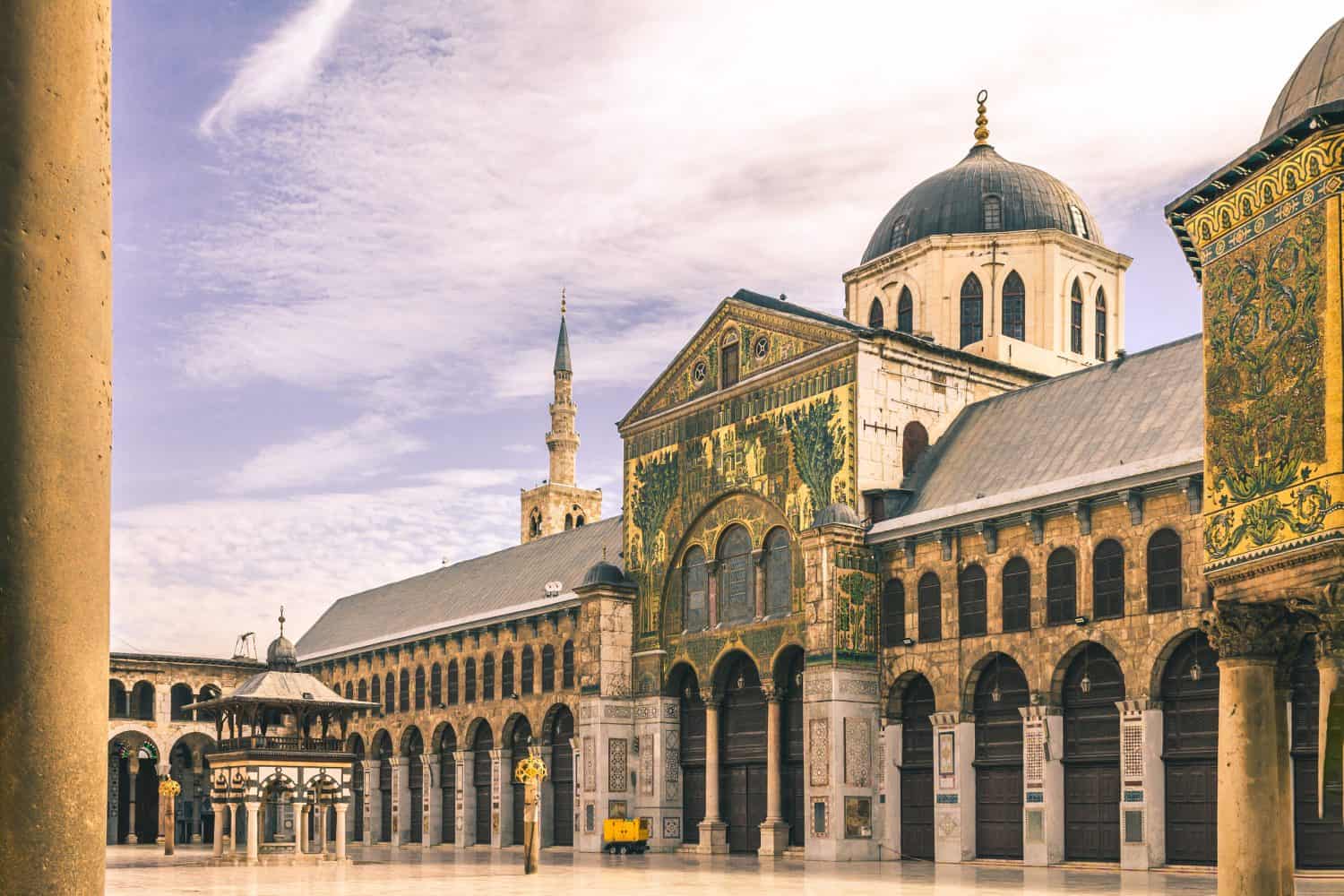
Islamic education and literature in Syria are areas where the Ottomans had a particularly strong and lasting influence.
34. Tunisia
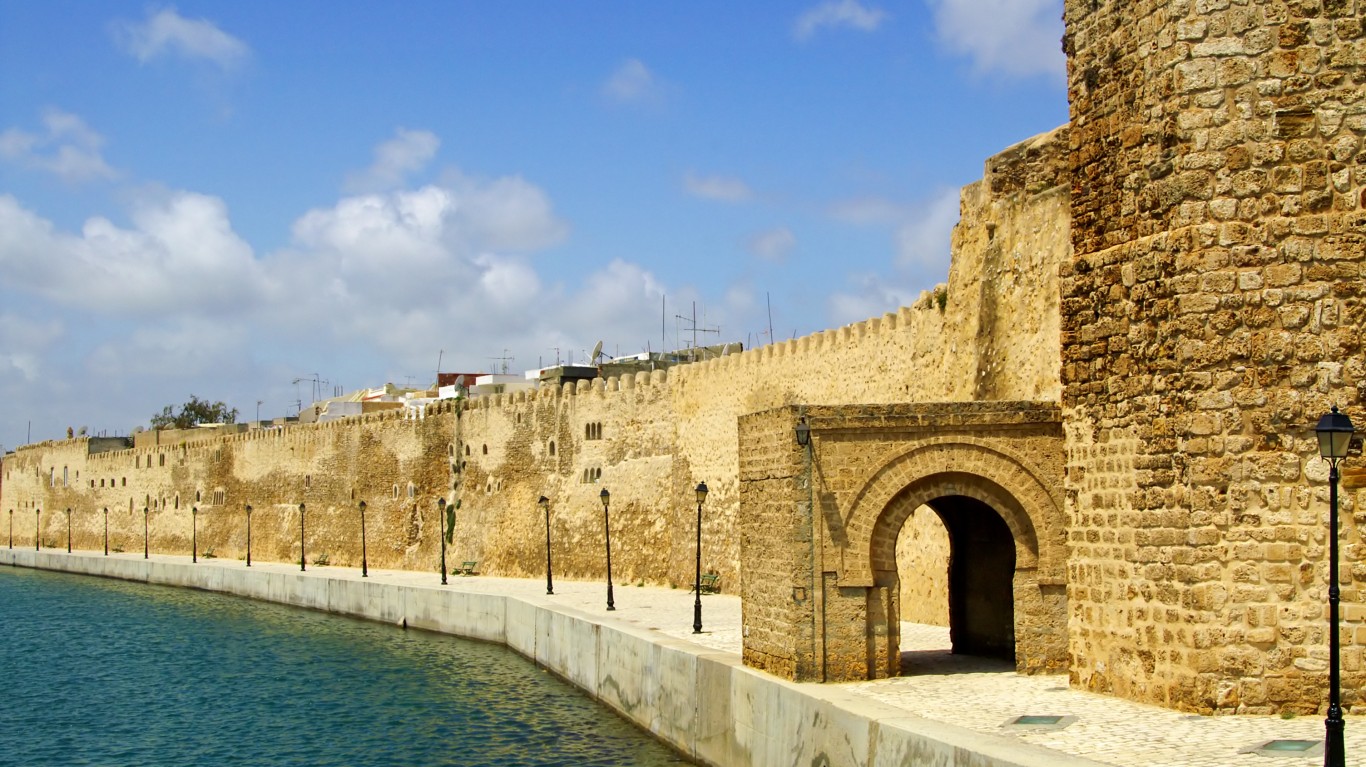
The Kouloughlis are an ethnically mixed population who are descended from Turkish administrators and military leaders and North African women. They still live in Tunisia and impact the country’s contemporary culture and politics.
35. Turkey
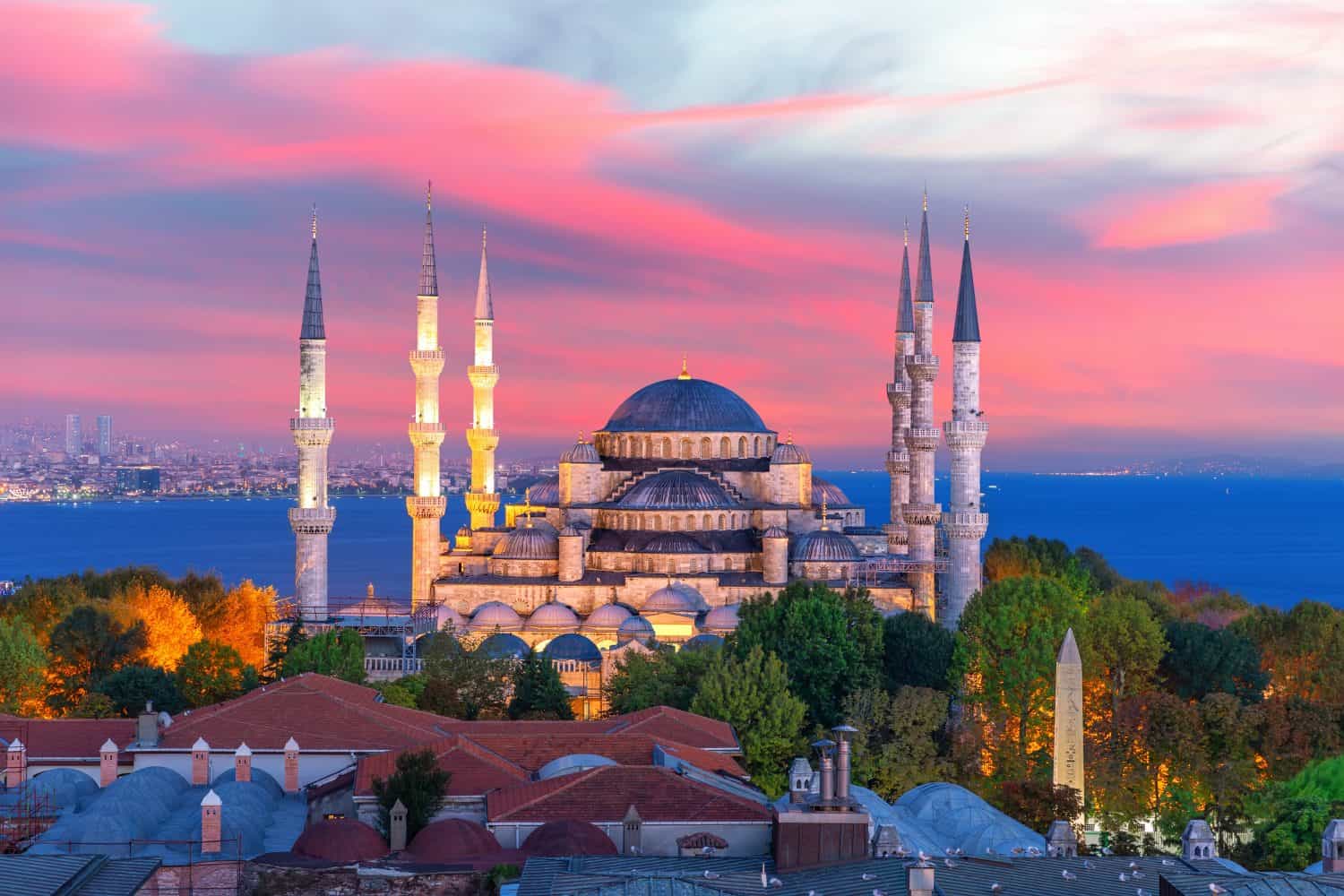
Turkey today is what remains of the Ottoman Empire. That period of time, often seen as the country’s glory days, continues to influence all areas of Turkish culture today.
36. Ukraine
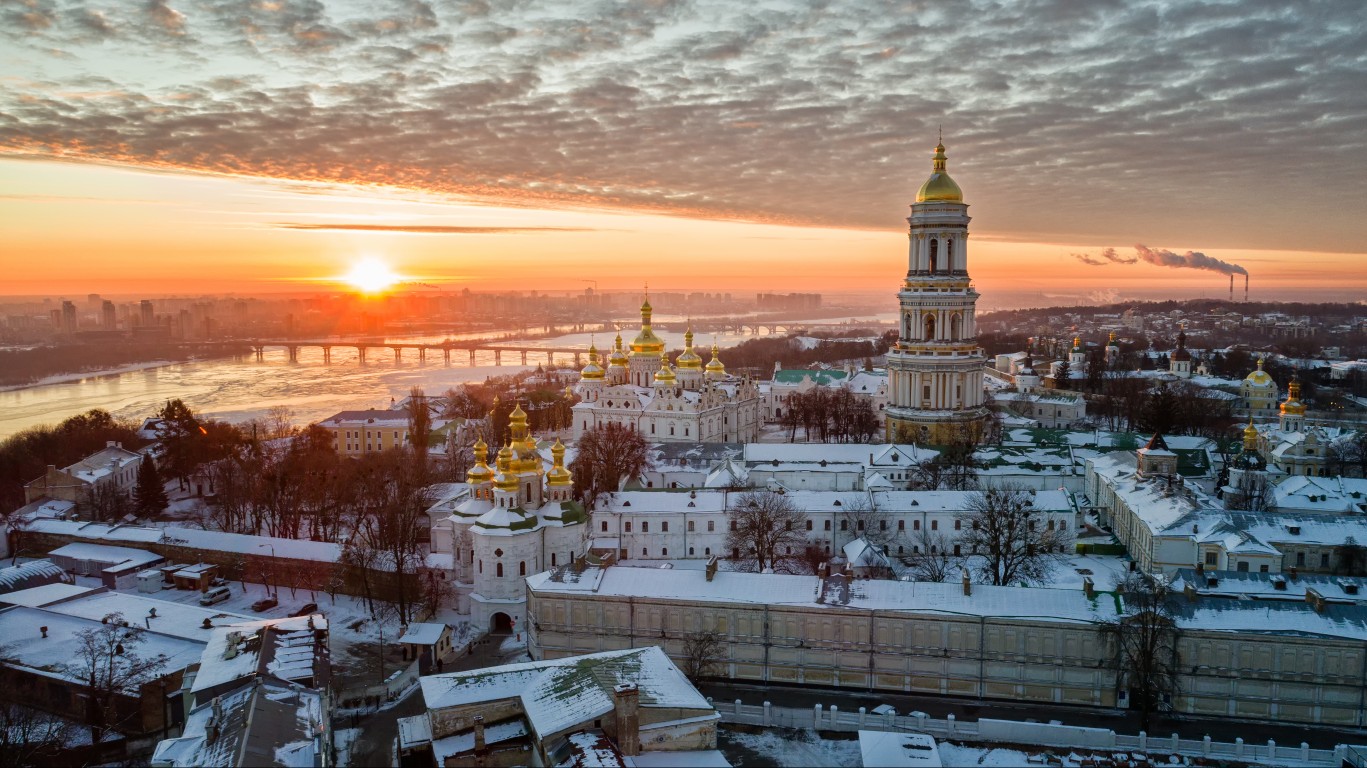
Ottoman influence is especially evident in Crimea, which was the region under their rule longer than other areas of Ukraine. The Ottomans allowed the Crimean Tatars to govern themselves as a vassal state. Their capital, Bakchysarai, includes architecture from the period of Turkish influence.
37. Yemen
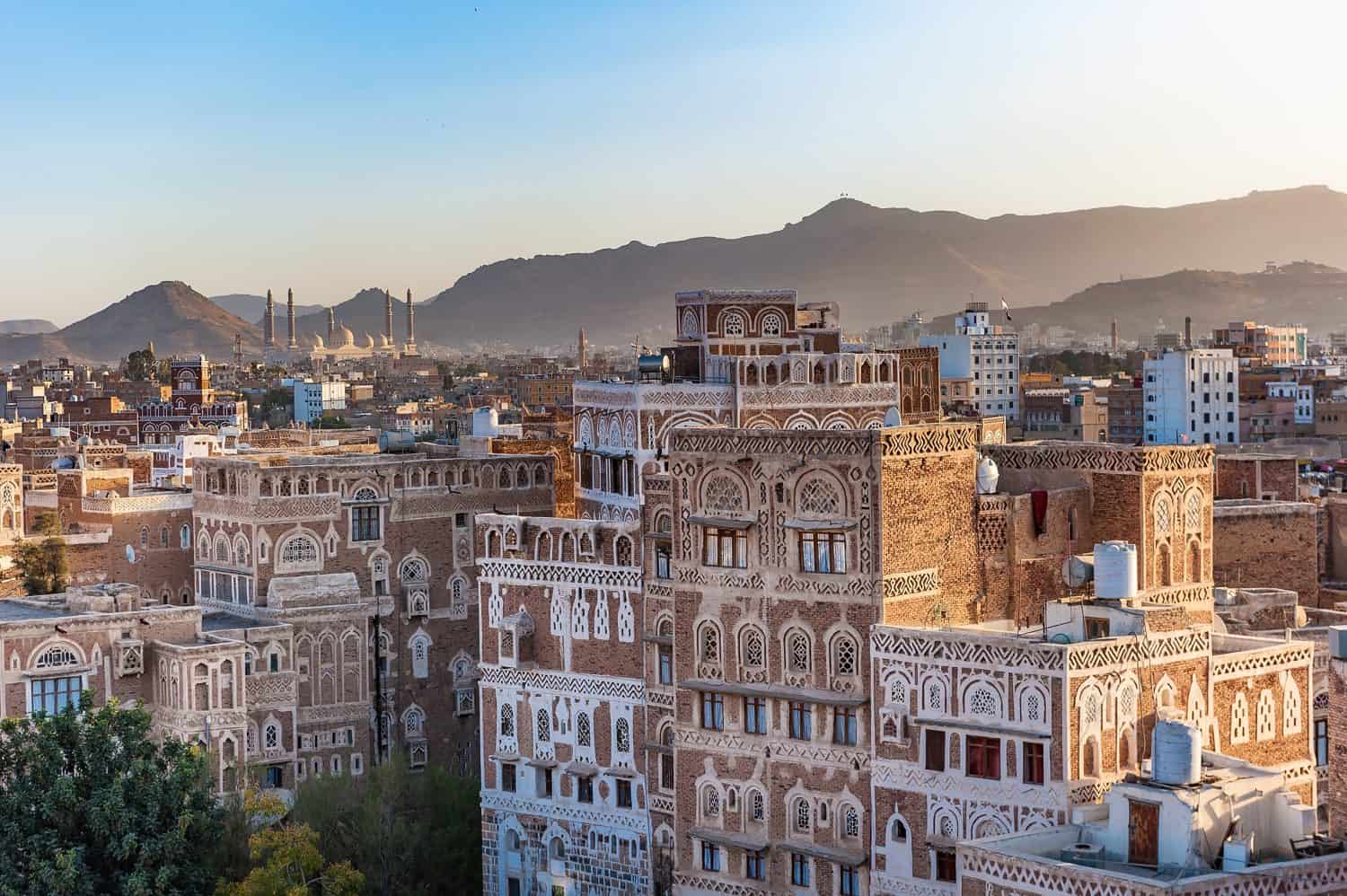
Ottoman rule influenced the traditional administrative structures and practices in Yemen, such as new tax structures, that still have echoes in contemporary governance.






 Top Gaining Stocks
 Top Losing Stocks