


24/7 Wall St. Insights
- The empire of Alexander the Great ruled from Egypt to India.
- The countries of that region still show some Greek influence in their art, architecture, languages, and other cultural elements.
- Also: Discover “The Next NVIDIA
Alexander the Great, born in 356 BCE in the ancient kingdom of Macedon, is one of history’s most recognized military leaders and conquerors. Taking the throne at just 20 years old after the assassination of his father, King Philip II, Alexander quickly made plans to expand his empire. Over the course of just 13 years, he led his armies across Asia Minor, Egypt, Persia, and into parts of India, building one of the largest empires the world had ever seen. His success during battles like Issus and Gaugamela showed both strong tactical ability and his tendency to inspire intense loyalty among his soldiers.
Beyond his military achievements, Alexander is responsible for a cultural legacy that shaped the ancient world. He founded numerous cities that became places of trade, education, and the spread of Greek culture (a process now known as Hellenization). By blending Eastern and Western cultures, he transformed the regions he conquered. Although he died at the relatively young age of 32 under mysterious circumstances, Alexander’s influence continued for centuries, affecting military strategy, rule, and the evolution of ideas across continents.
This post was updated on November 24, 2025 to include a brief history of Alexander the Great, how he transformed the ancient world, and why he became legendary.
How Alexander Became a Legend
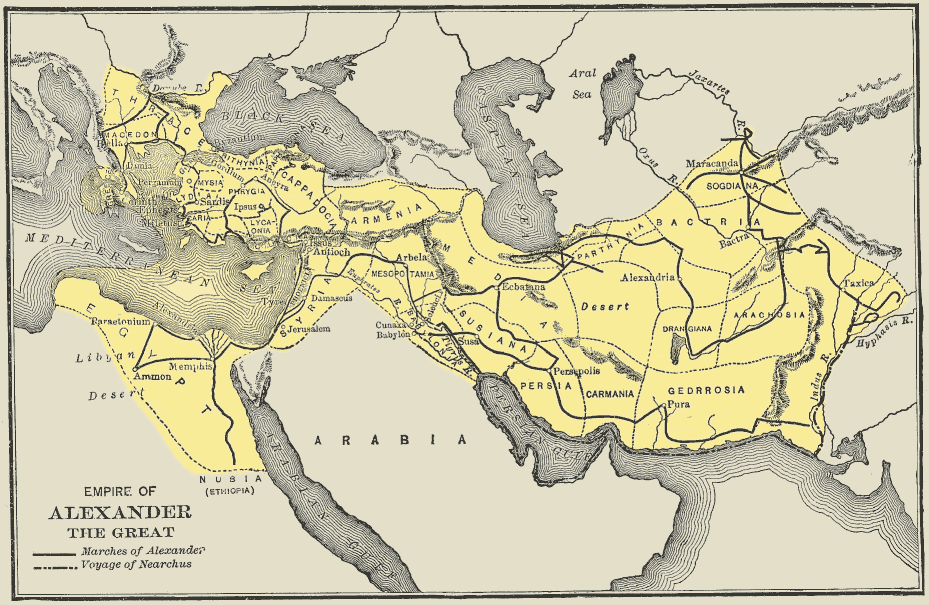
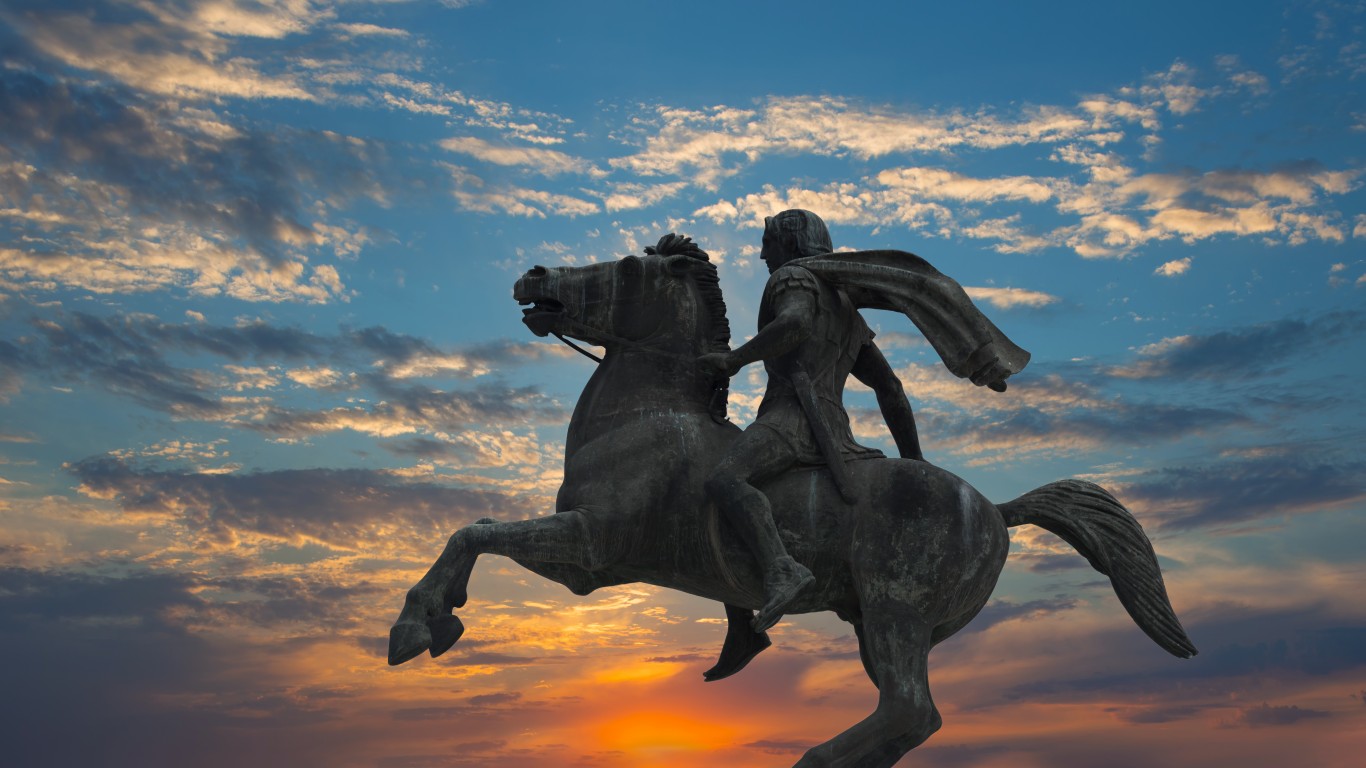
Alexander the Great reached legendary status because he achieved what few leaders in history ever have: by his early thirties, he had conquered an empire spanning from Greece to Egypt and even into Asia. He essentially altered the world through military brilliance, ambition, and strategy. His undefeated record in battle, bold choices, and goal of uniting cultures led him to become an almost mythical figure. He is remembered for his power, as well as the lasting civilizations and cities his actions inspired.
1. Afghanistan
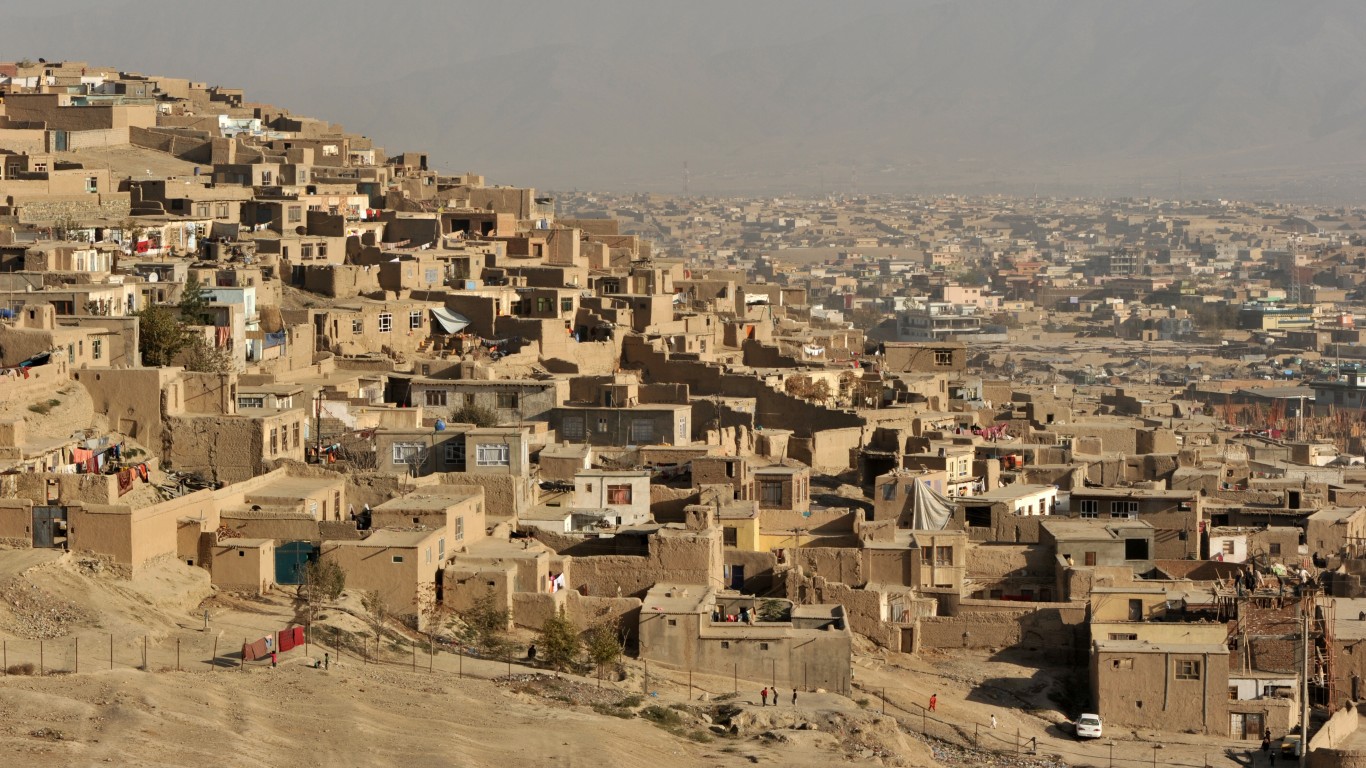
The Greek conquerors built cities like Balkh and Al-Khanum with Hellenistic architectural influences. Greek was the language of administration and it influenced the dialects of local languages.
2. Albania
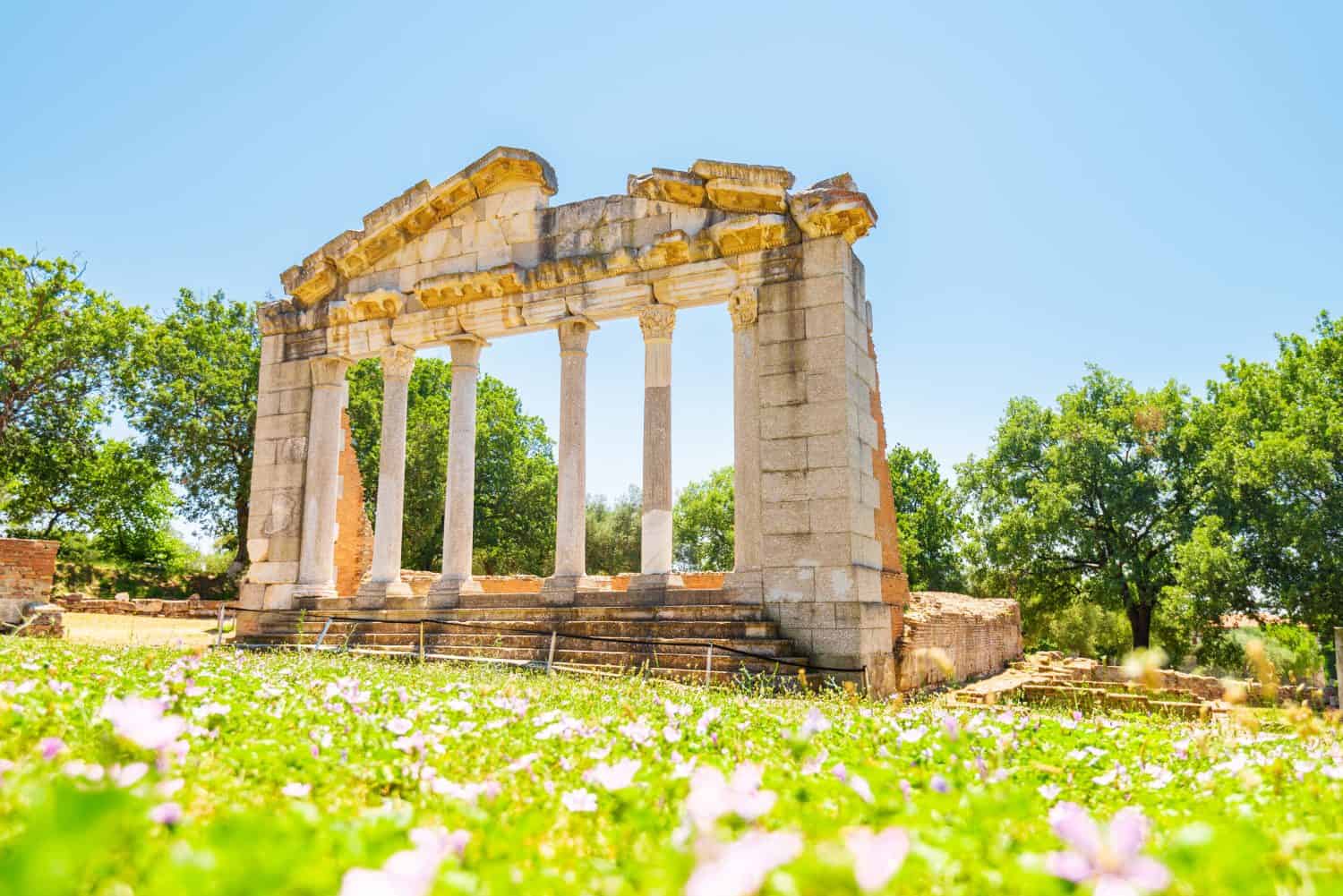
The southern part of what is today Albania was included in the Macedonian conquests. Greek is still spoken by a minority of people in the area.
3. Bulgaria
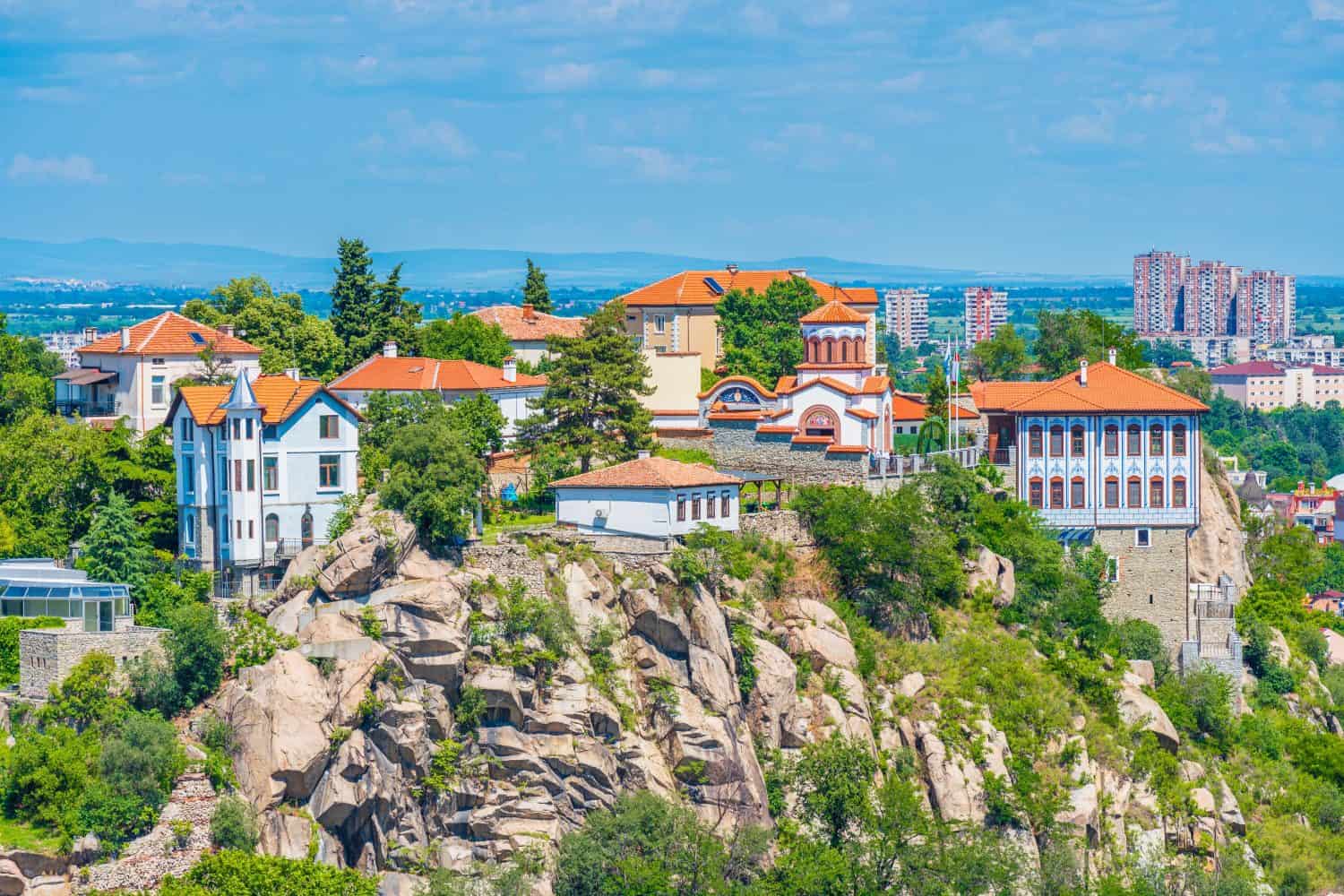
Bulgaria was heavily influenced by Greek rule. An example of this influence is in ancient tombs found there that were constructed and decorated in Greek fashion.
4. Cyprus
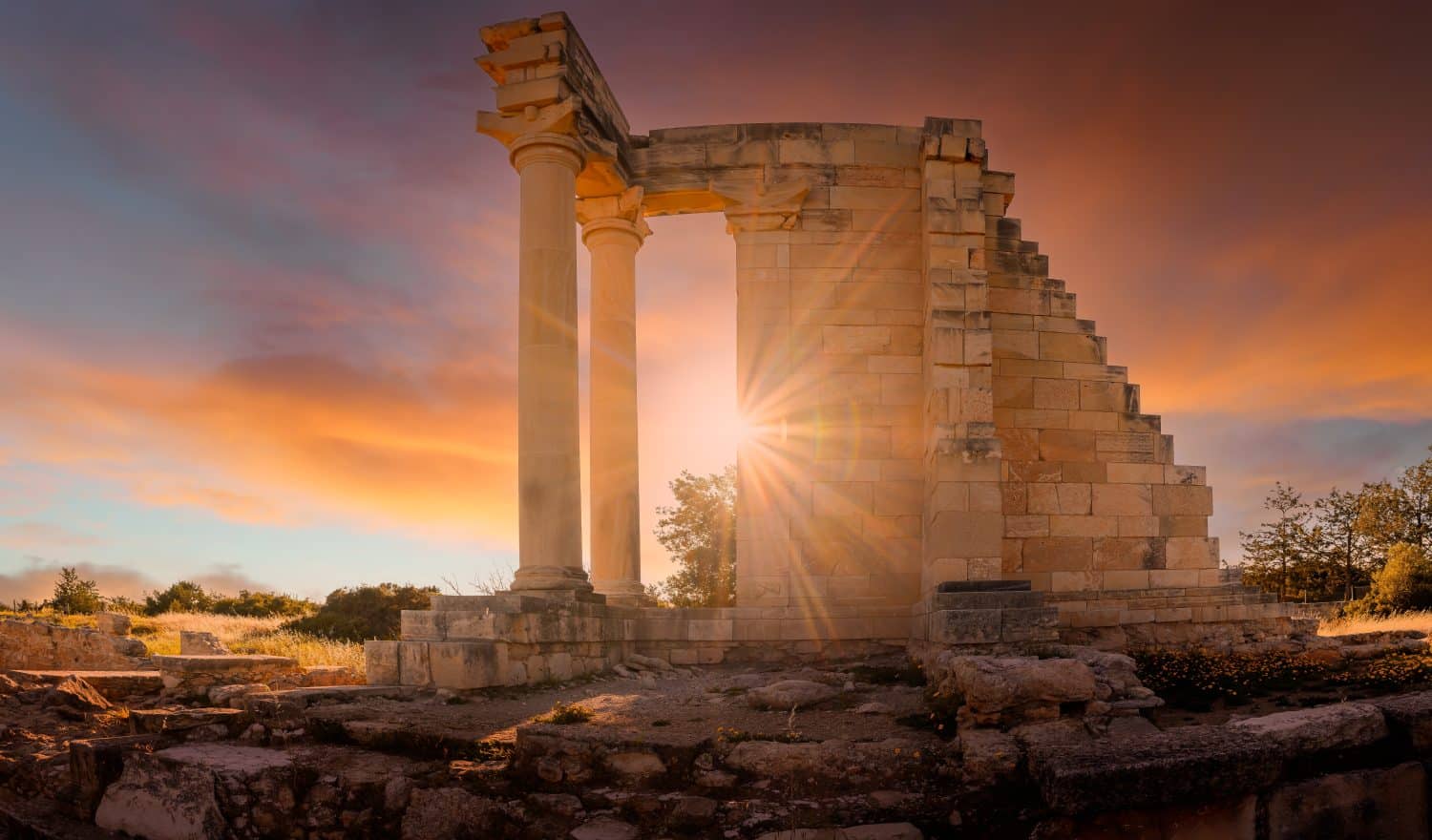
Cyprus today is contested between the Turkish and Greek populations. It was thoroughly Hellenistic after Alexander swept through the region, though. It was an early center of Christianity, having had more than one visit by the apostle Paul and his associates.
5. Egypt
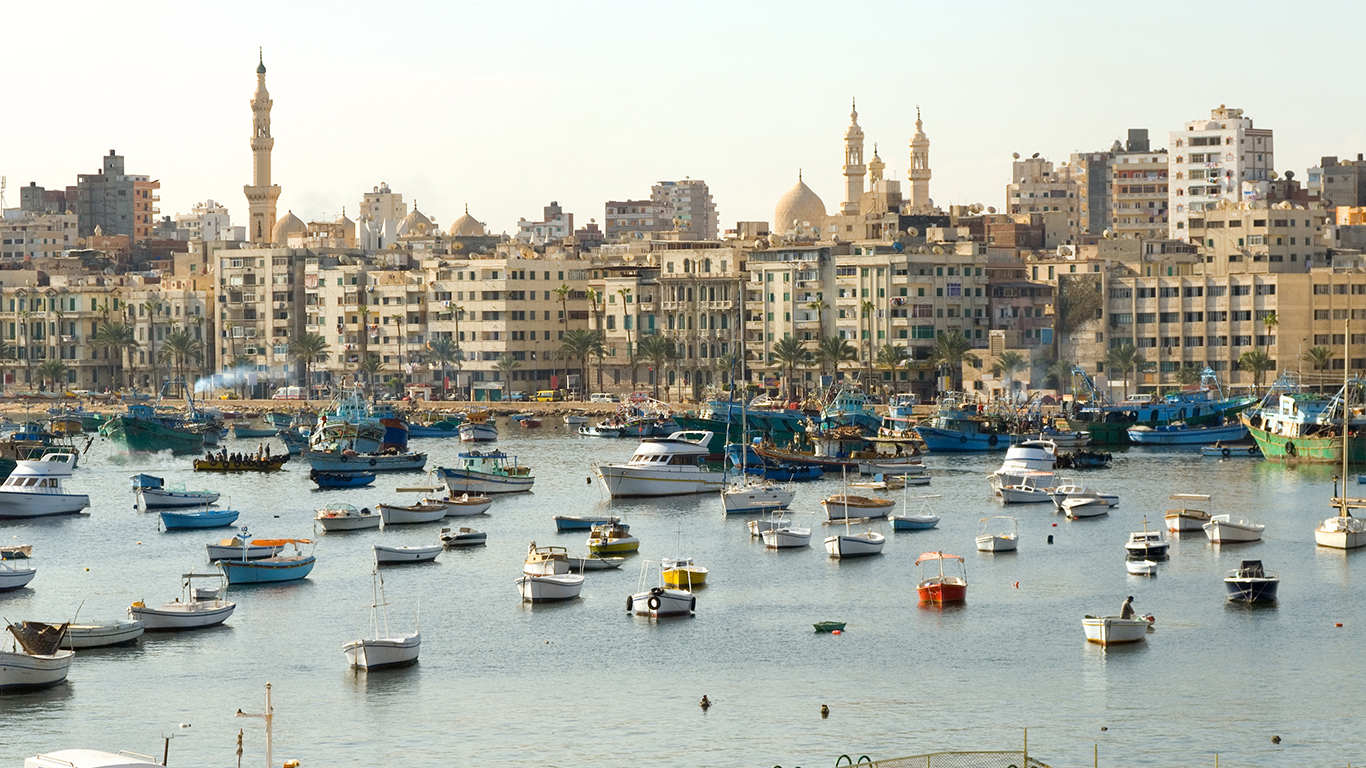
One of the best examples of Alexander’s impact on Egypt was in the founding of the port city of Alexandria, which once had the finest library in the world. The city had a policy of requiring all ships that came into port to surrender any books they had on board to be copied by scholars for the library before being returned to their owners.
6. Greece
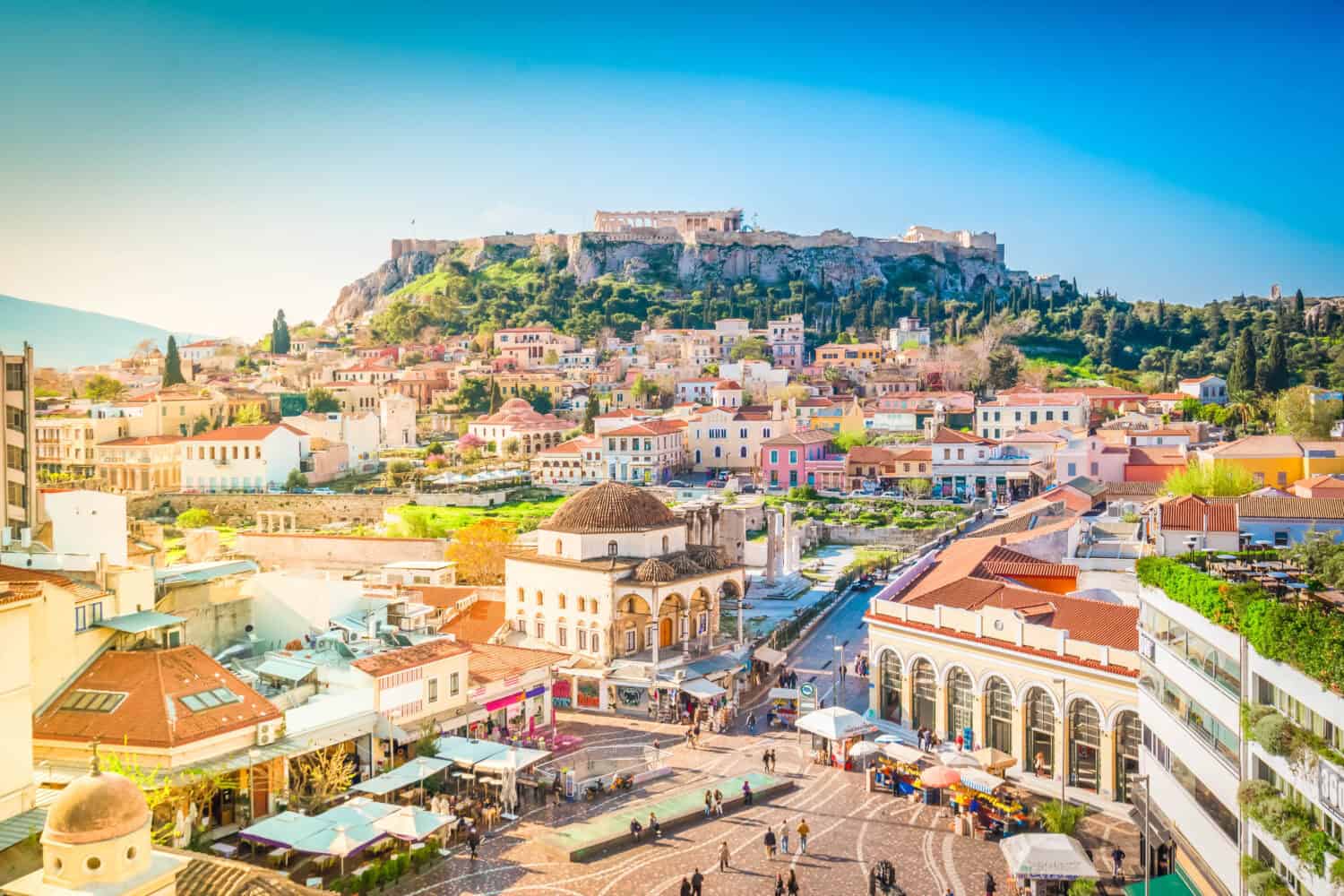
Alexander succeeded in uniting Greece and spreading its culture and language across the region, so that it became the language of trade, education, and administration and its religious and philosophical ideas decisively impacted surrounding cultures.
7. India
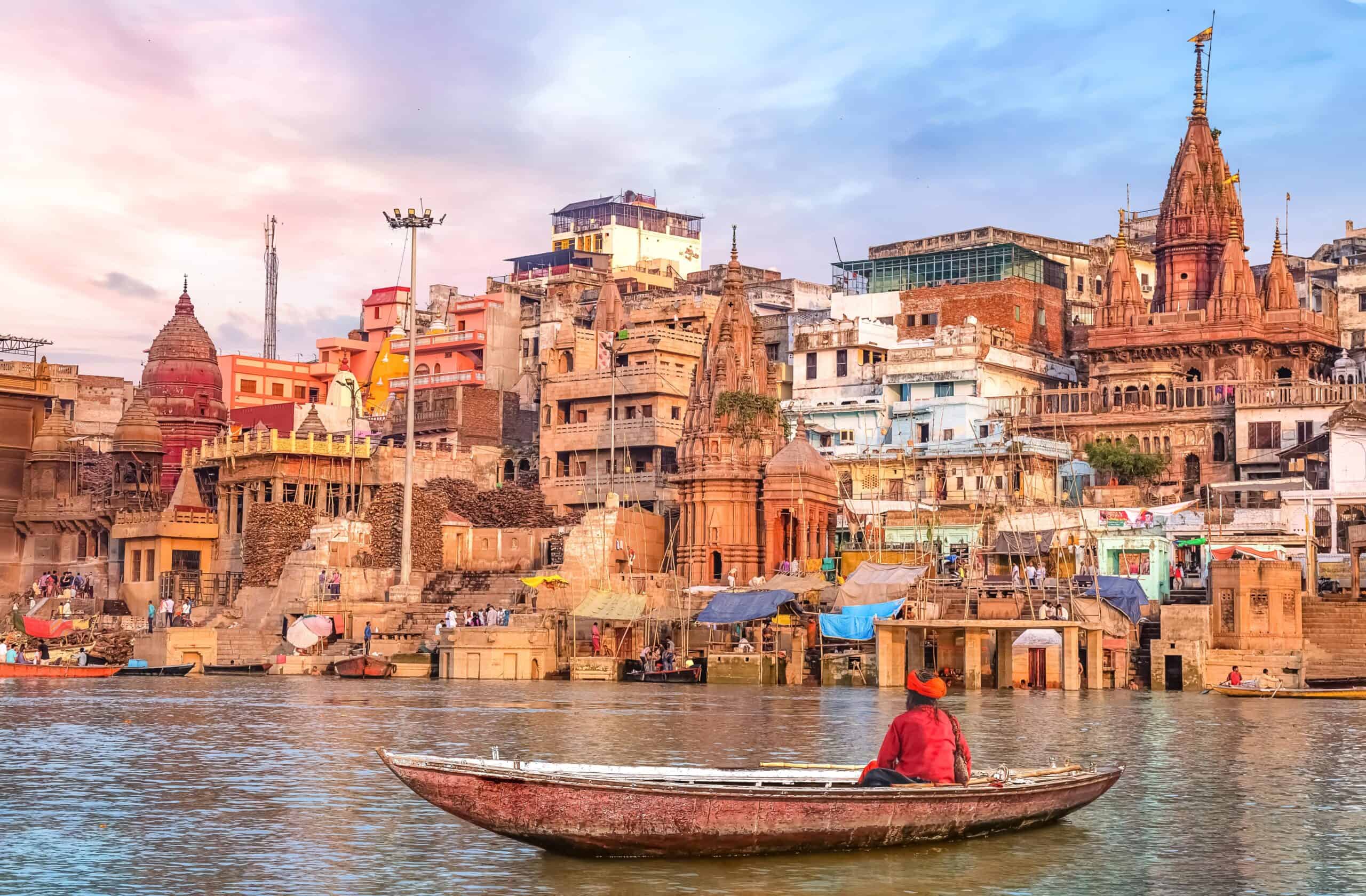
By the time the Greek armies reached India, the men were exhausted and homesick and faced strong opposition from Indian armies armed with war elephants. Alexander was forced to turn around and let his men go home, having penetrated only a small portion of what is today on the Indian side of the India-Pakistan border. Greek influence extended well into the subcontinent in the years to come, however.
8. Iran
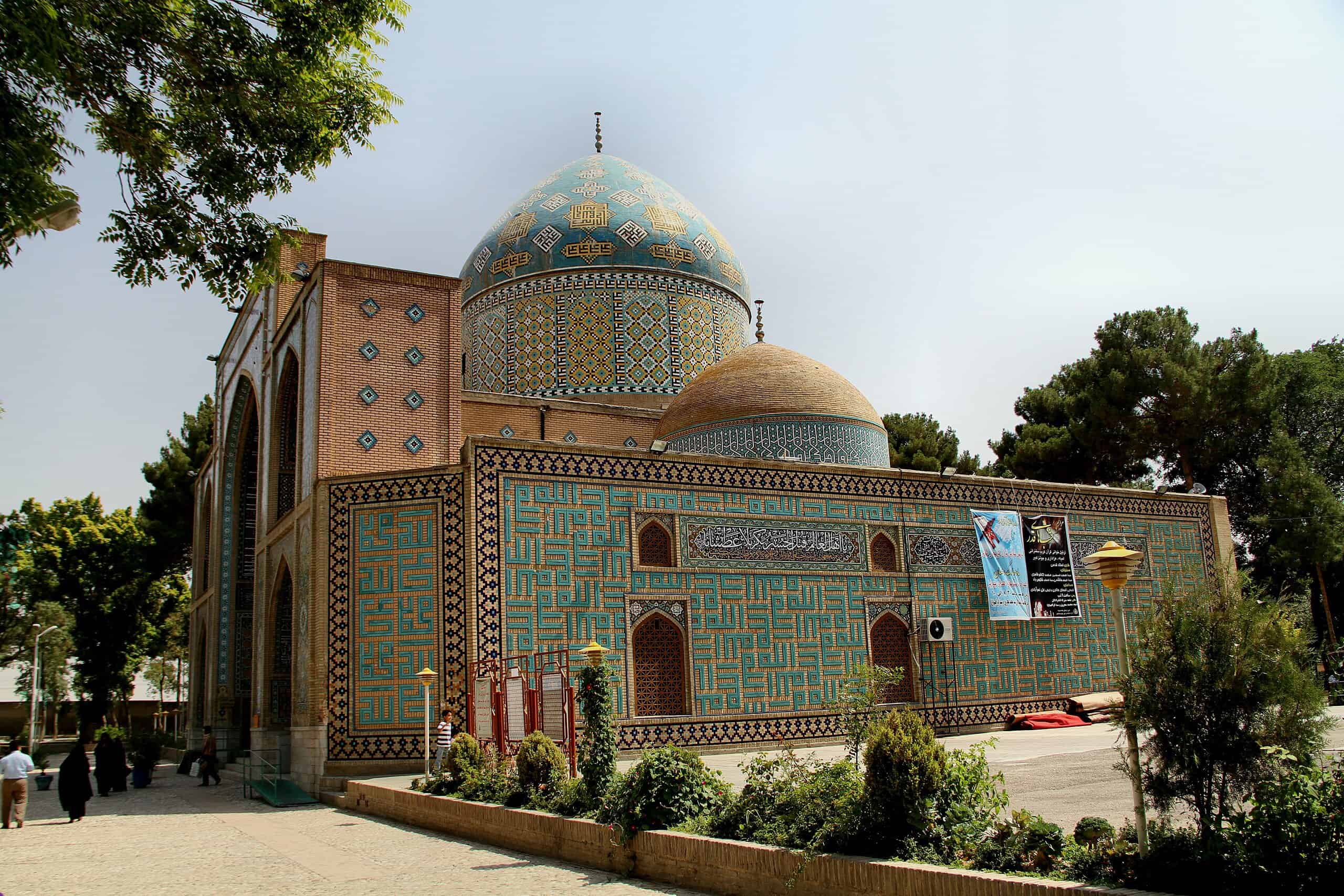
After Alexander’s death, Persia became part of the Seleucid Greek empire and developed a distinctive artistic and architectural fusion that helped enrich the culture that became modern Iran.
9. Iraq
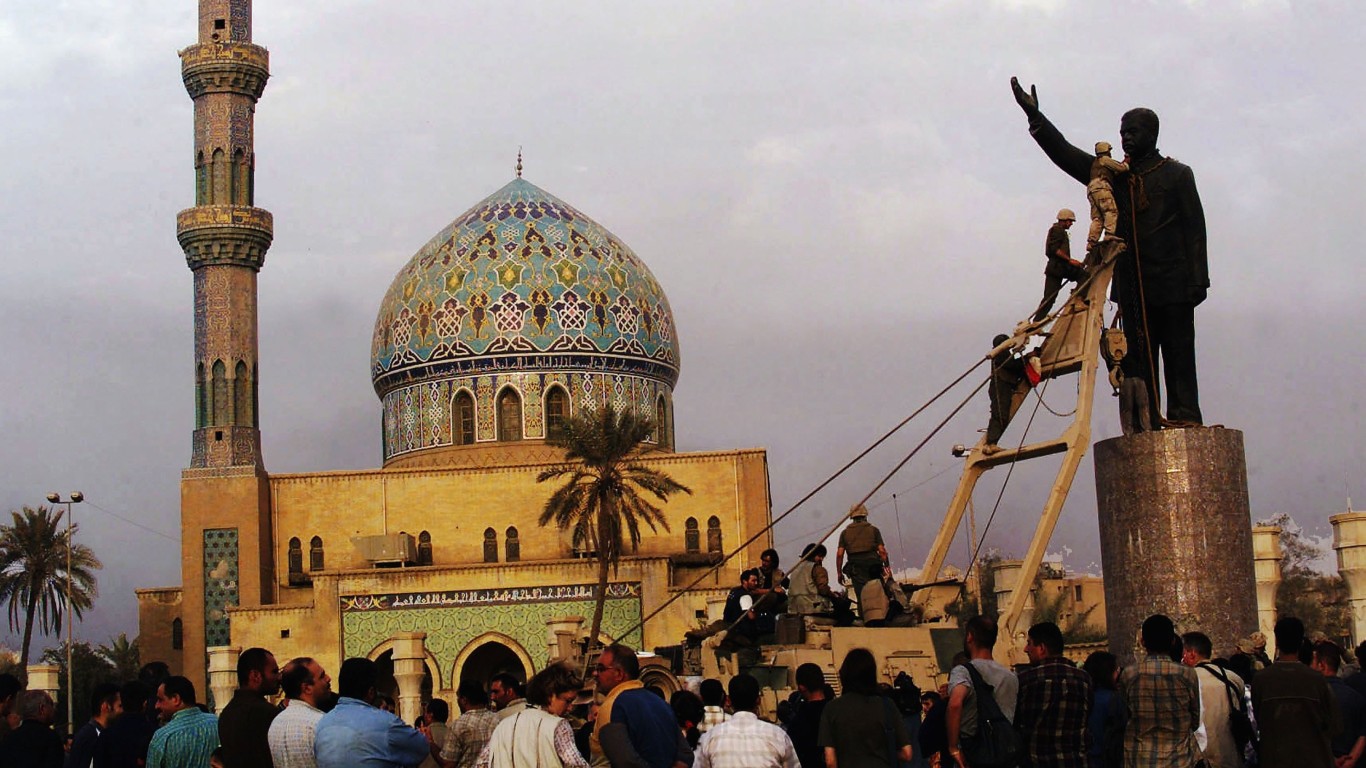
Iraq, known in antiquity as Mesopotamia, had a succession of powerful empires and was the great prize of the Fertile Crescent. Greek academics built upon the knowledge already established by the Babylonians, Persians, and other predecessors and expanded the knowledge of astronomy, mathematics, and other fields of study.
10. Israel / Palestine
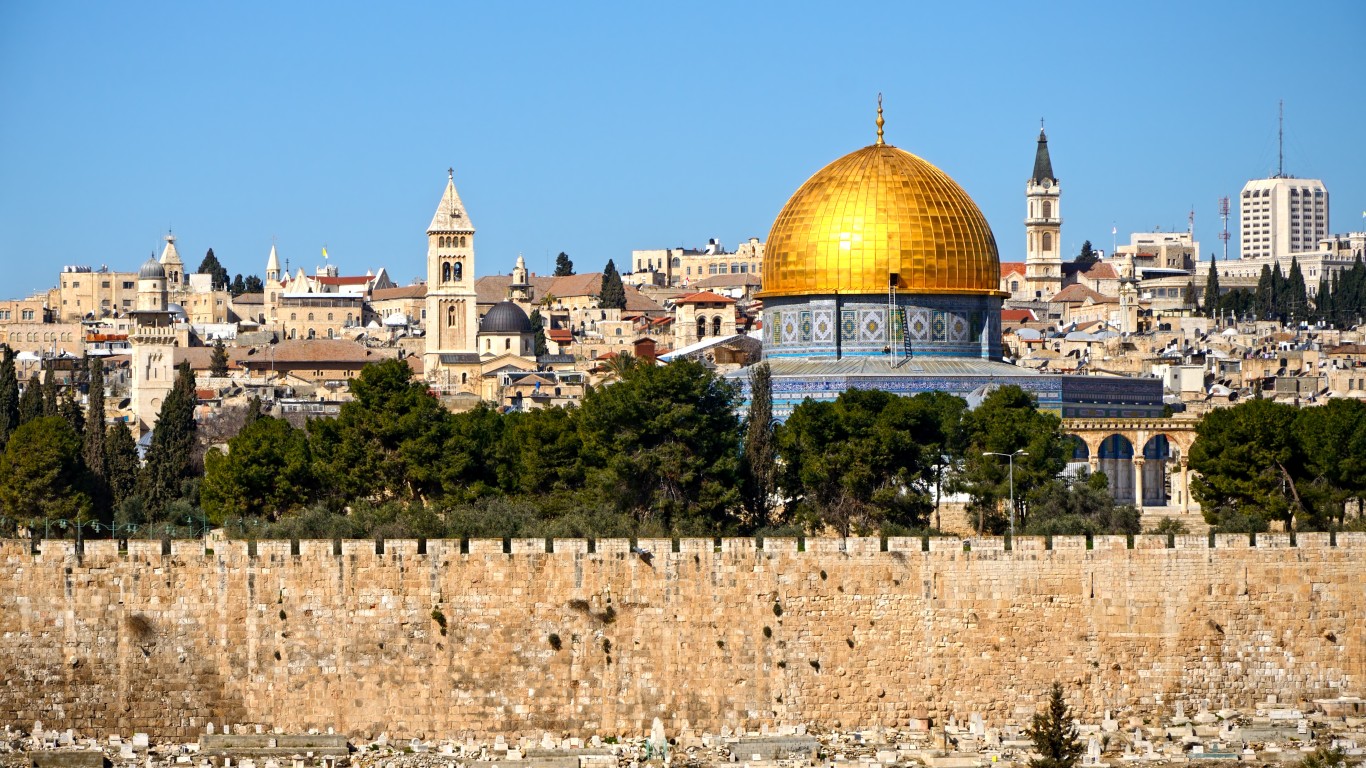
Hellenistic rule of Israel / Palestine was harsh under the Seleucid Empire. Emperor Antiochus IV Epiphanes was particularly cruel in his efforts to suppress Judaism and Hellenize the country by force. Greek persecution led to the Maccabean revolt and a period of independence for Israel before the Romans arrived. The most significant and enduring Greek influence was in the fact that most of the Christian scriptures were composed in Greek, giving the language, philosophies, and thought patterns a strong influence in the development of Western religion and culture in general.
11. Jordan
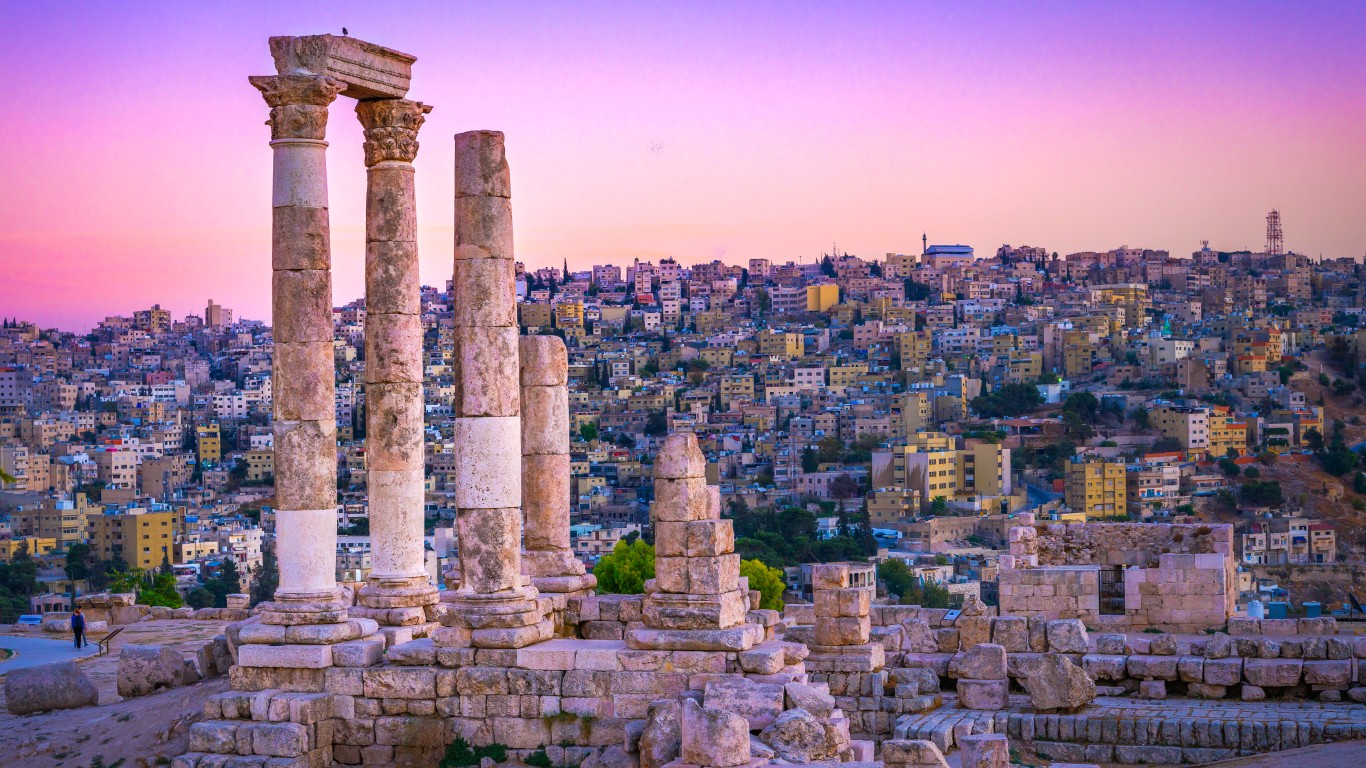
Jordan was the location of some of the cities of the Decapolis, a group of 10 Hellenistic cities near the eastern border of the Roman empire. The Bible reports that Jesus did some of his miracles in this region.
12. Kazakhstan
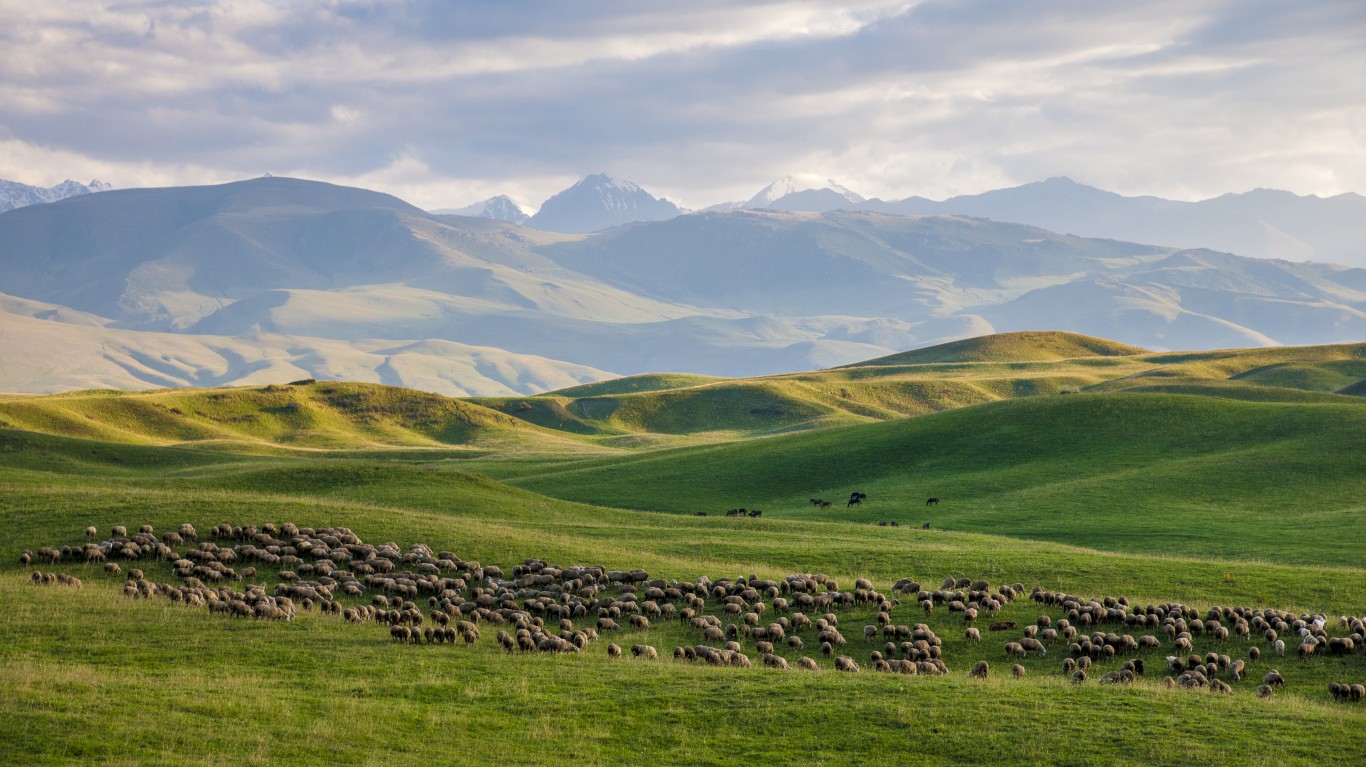
A small part of the southern extremity of Kazakhstan was part of Alexander’s conquests. This region benefited from increased trade along the Silk Road by the unification of so many countries along its route.
13. Kyrgyzstan
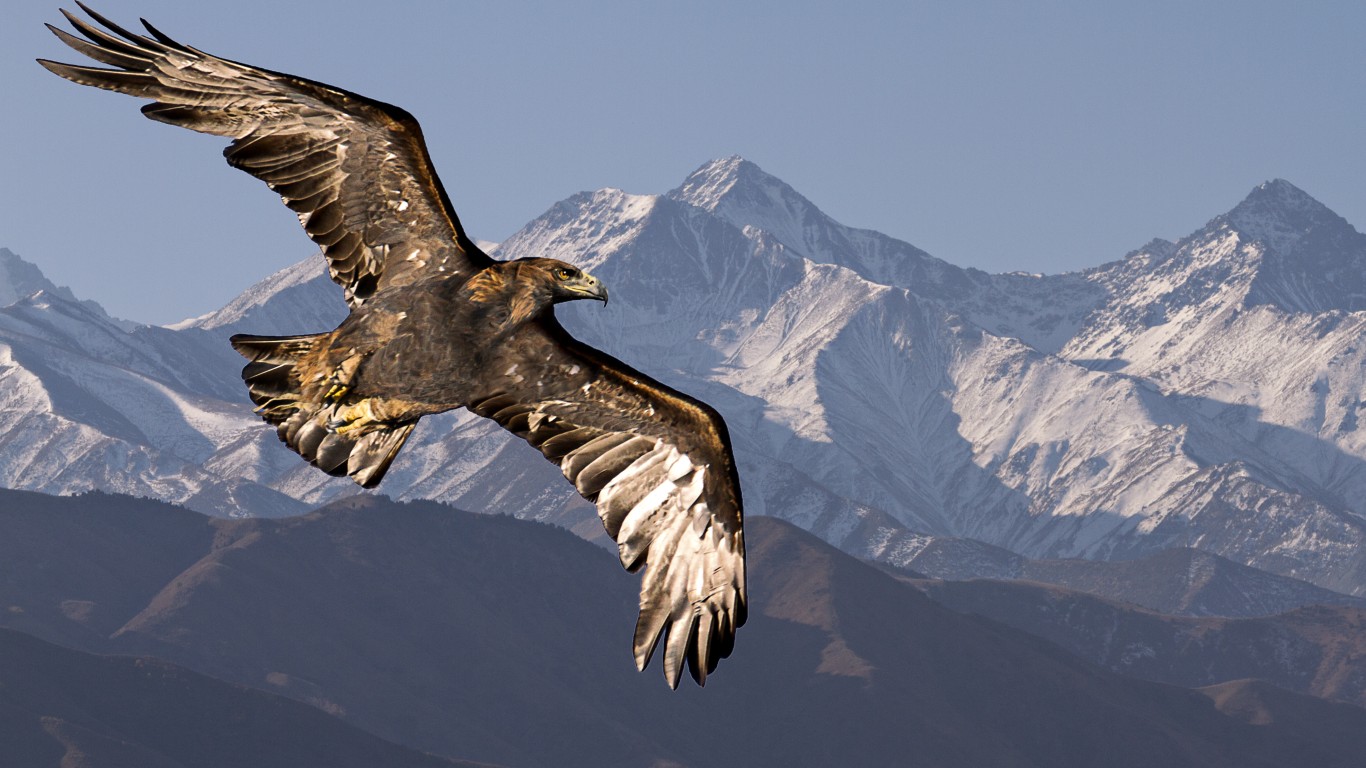
Remote and mountainous, this country is situated on the Western slopes of the Tien Shan mountains that form China’s border. This was as far as Alexander cared to go in this difficult terrain.
14. Lebanon
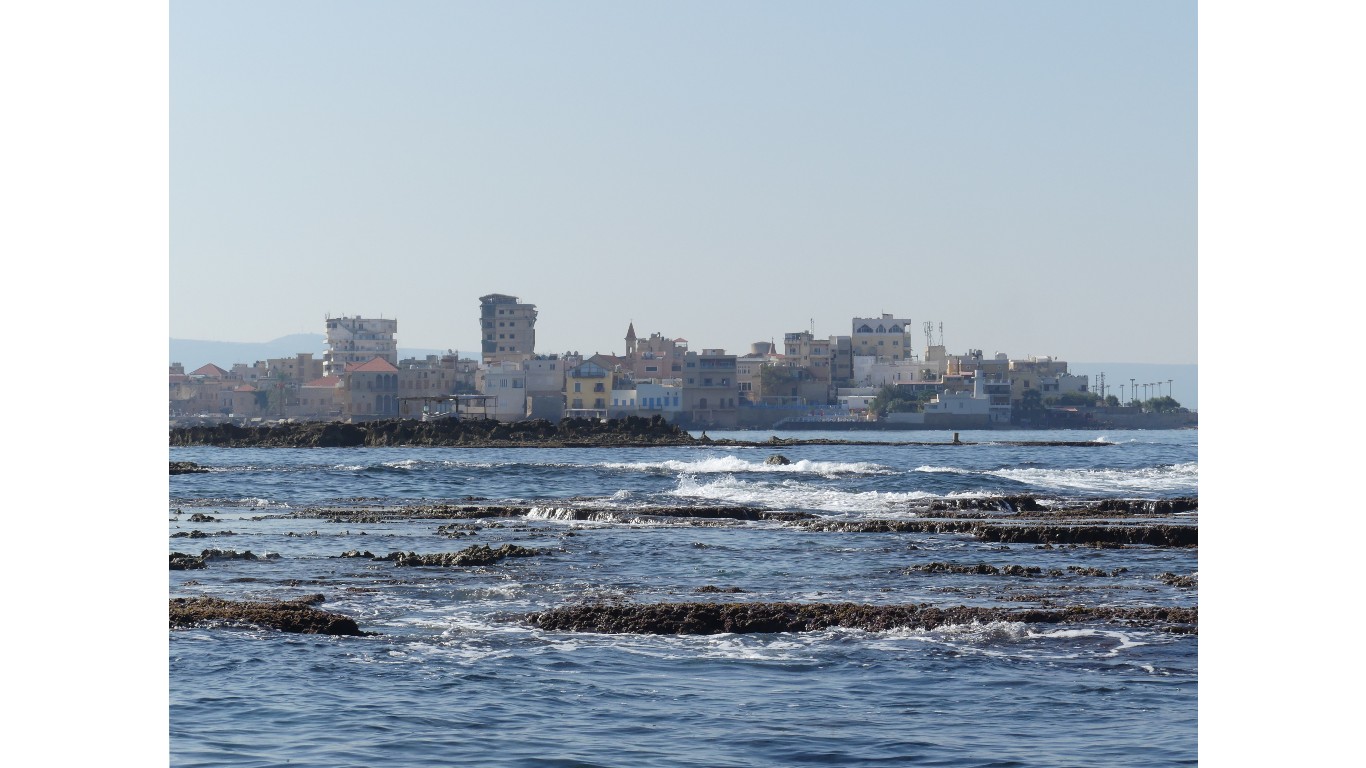
Tyre, an ancient Phoenician city, was on an an island nearly a mile offshore. Rather than trying to conquer it with an amphibious landing, Alexander directed his troops to build a land bridge to it so siege weapons could be brought up to the walls. The plan was successful, and natural sedimentation has shored up Alexander’s causeway so that the city is still connected to the mainland by a peninsula today.
15. North Macedonia
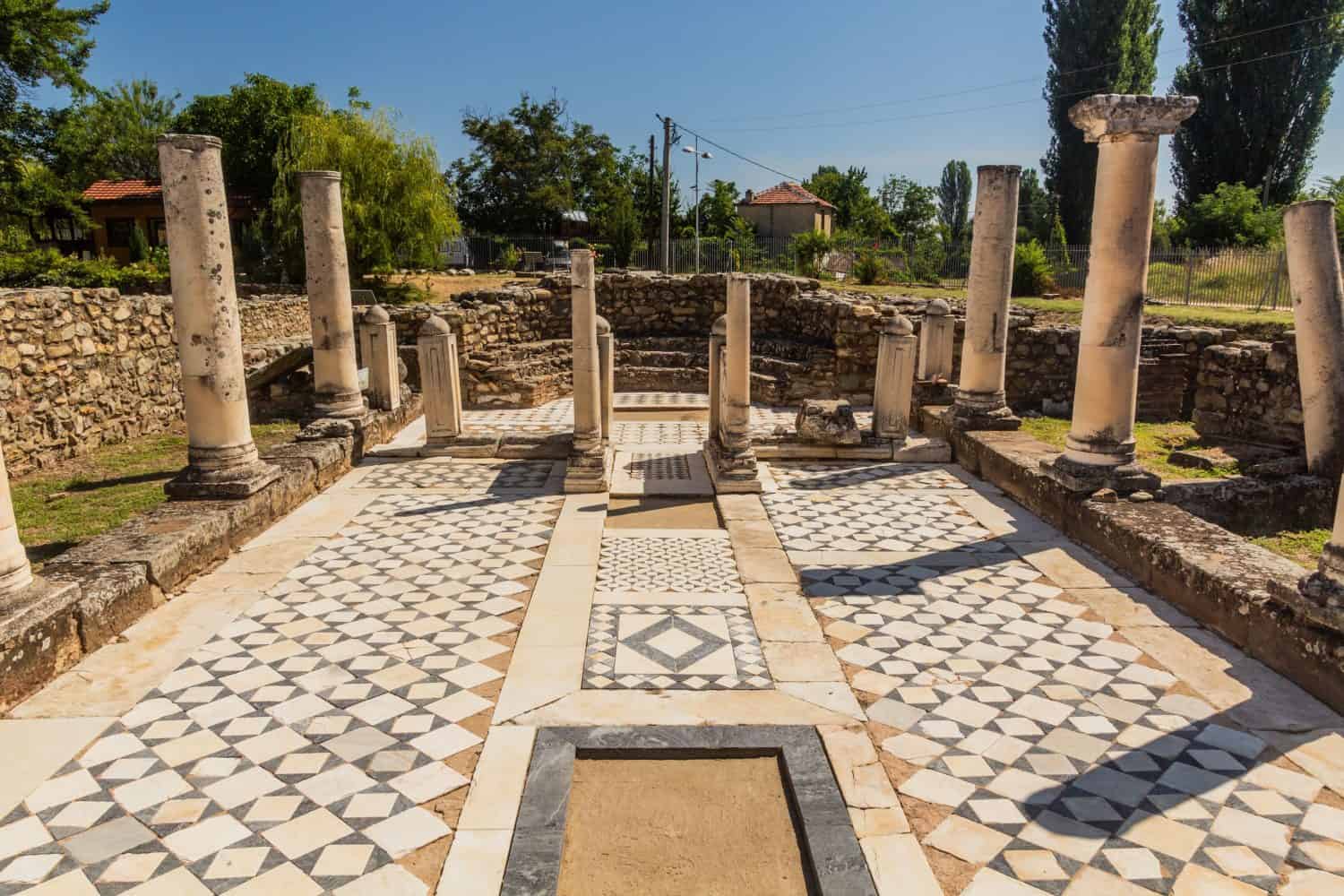
This was part of the original Macedonian kingdom where Alexander began his rule. When Macedonia became independent from Yugoslavia in 1991, Greece contested its name because it did not want the new country to try to claim modern Greece’s northern territories that were once part of ancient Macedonia. After years of dispute, the name “North Macedonia” was agreed upon as an acceptable solution.
16. Pakistan
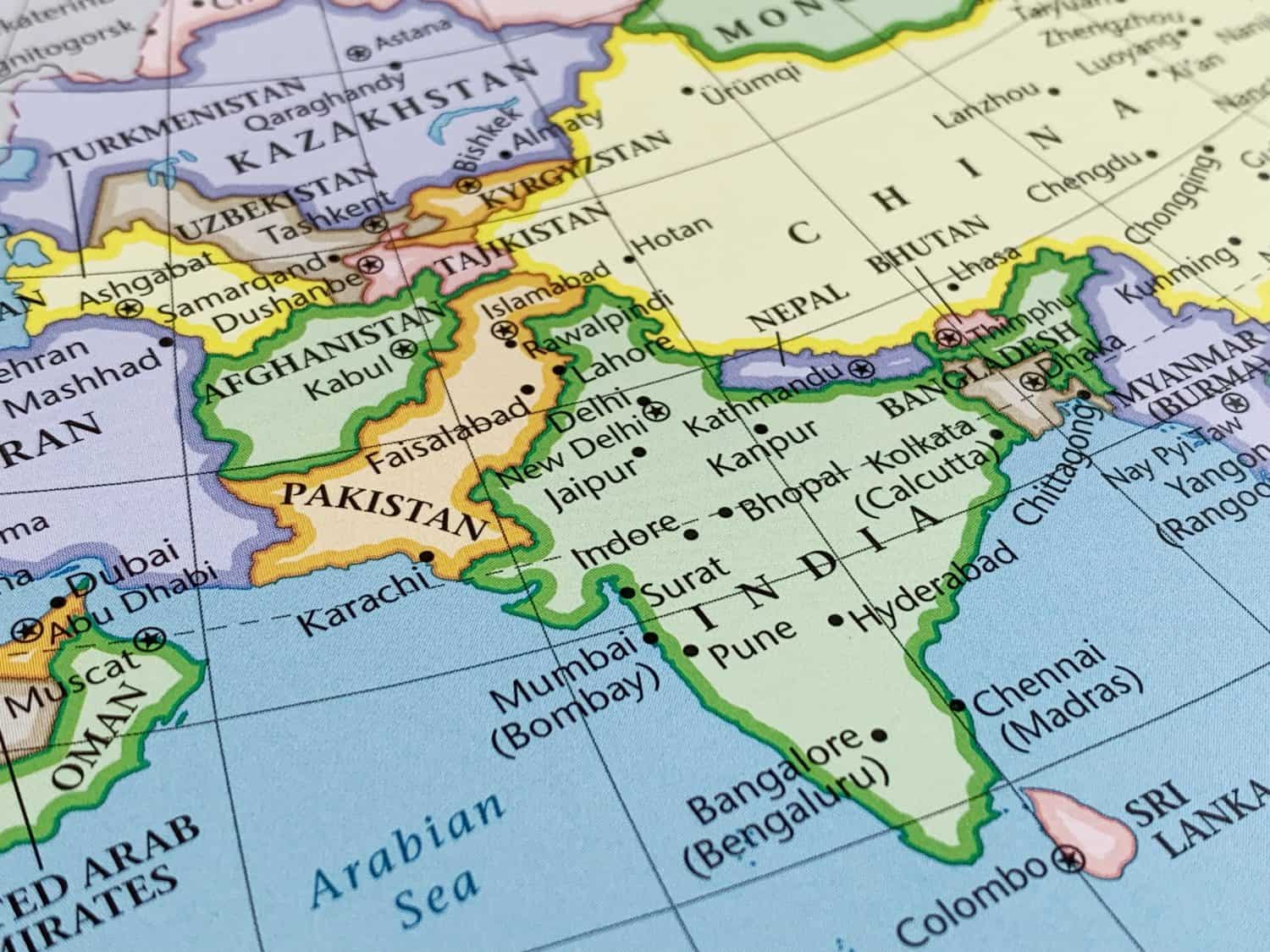
When historians say that Alexander took over part of India, what they’re really talking about is what is today Pakistan. India and Pakistan were not divided until 1947 when British colonial rule ended. Alexander’s armies crossed the Indus river and took over the areas just to the east of it. This gave them control of most of the territory of modern Pakistan. There, the Greek and Indian cultures fused in interesting ways that had a lasting impact on traditional Indian artistic and architectural styles and created an interplay between the very different religious and philosophical systems of the two civilizations.
17. Syria
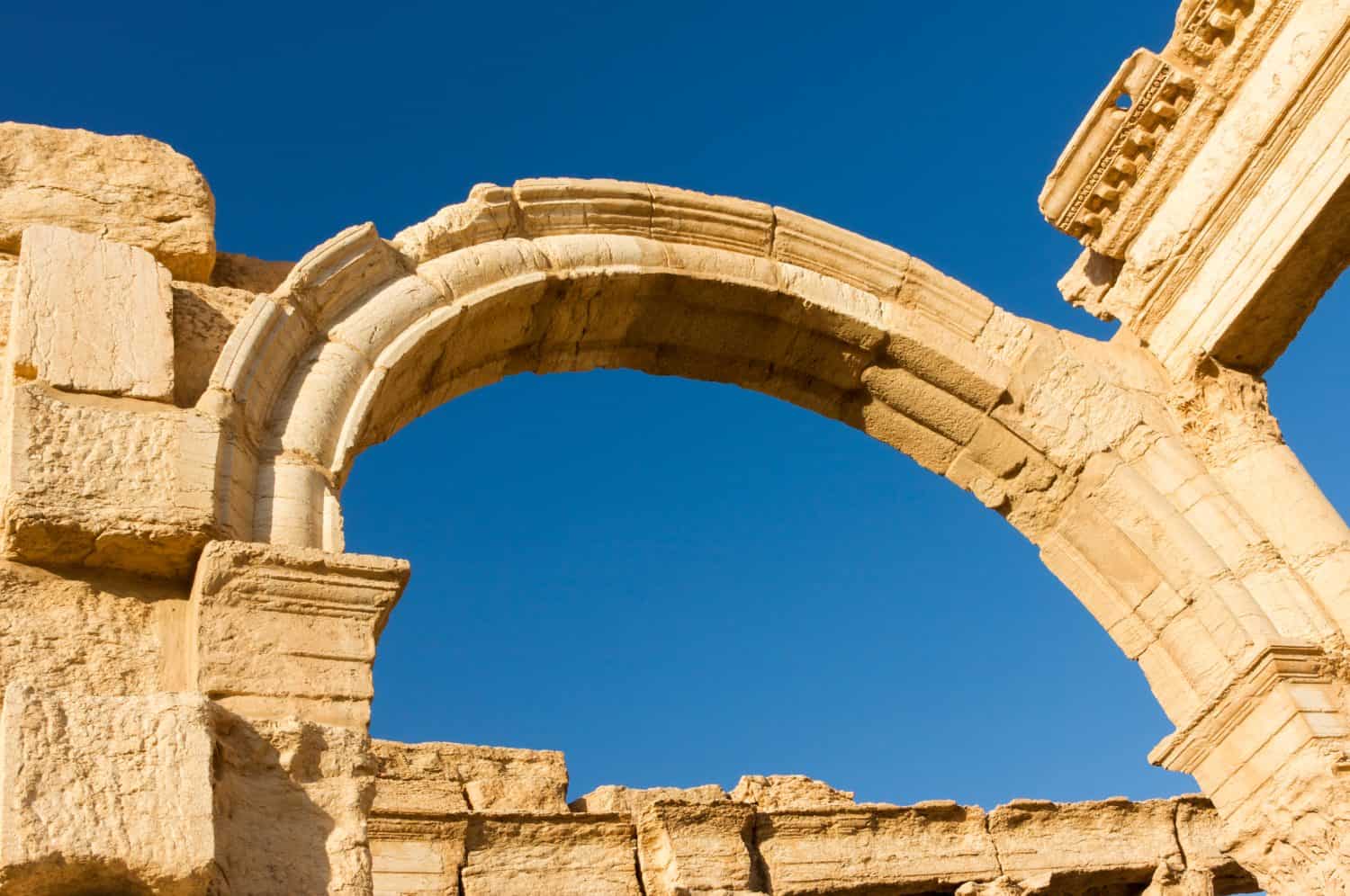
Antioch was a part of Syria in ancient times and was a major center of Hellenistic influence. It also became a center for the Greek-speaking eastern part of the Christian Church, especially as it was the church that trained and sent out the Apostle Paul on his famous missionary journeys.
18. Tajikistan
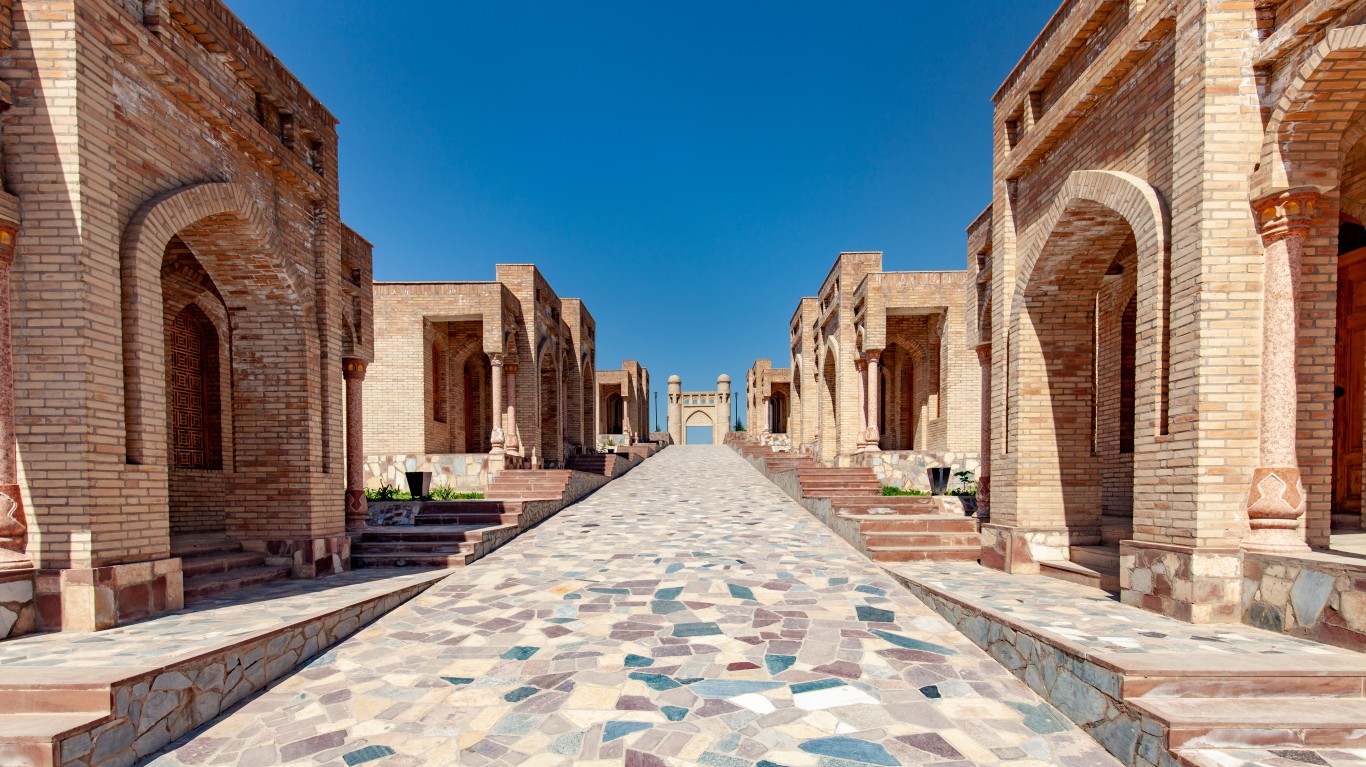
Located just north of what is today Afghanistan, this remote, mountainous region to this day speaks a language similar to Farsi, spoken in Iran. Both languages have some Greek loanwords. Art, architecture, and coinage were other areas of Greek influence.
19. Turkey
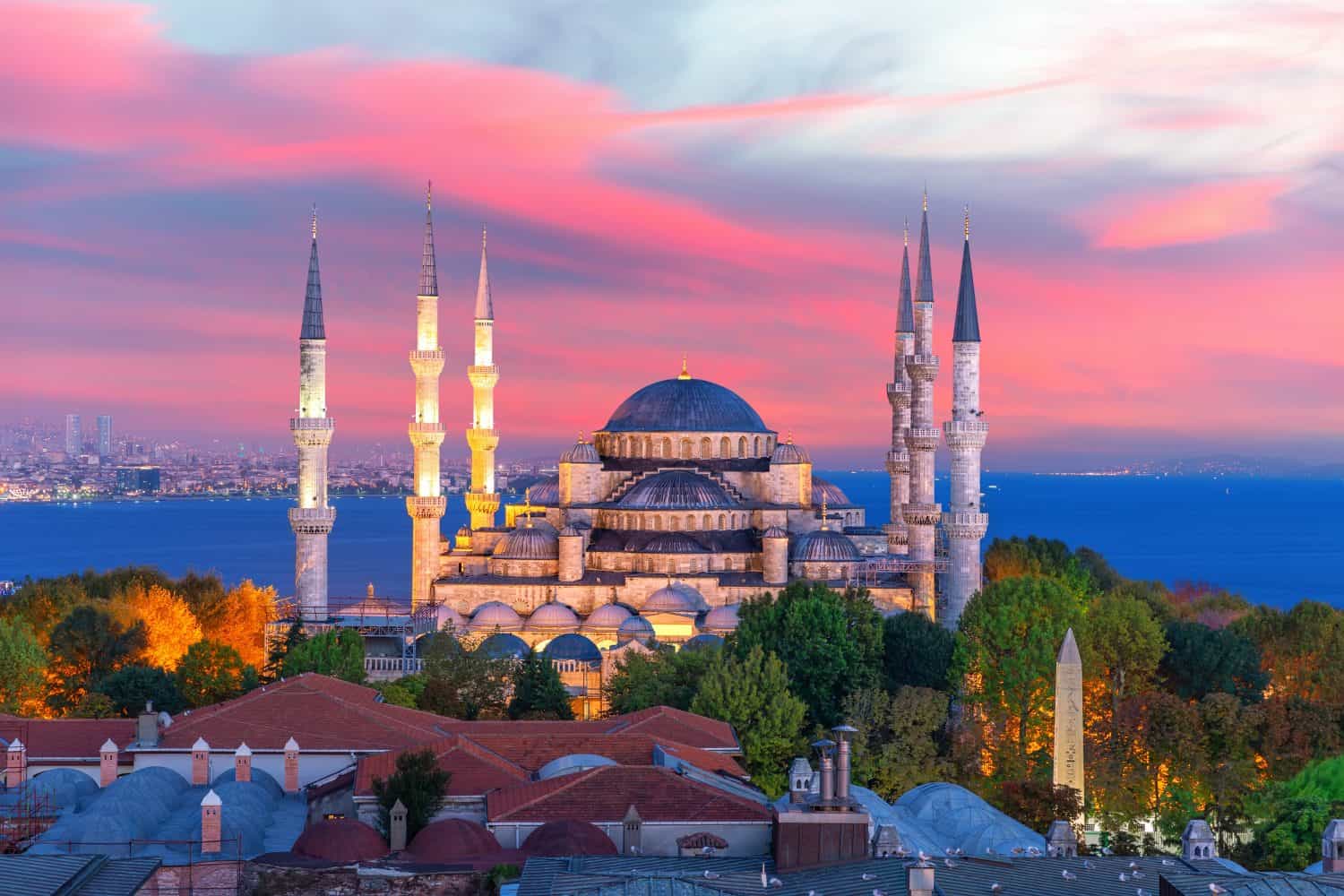
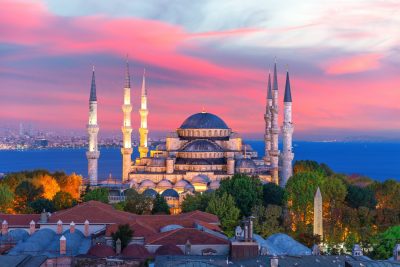
What is today Turkey was one of the first areas outside of Greece proper that Alexander conquered. The Aegean and Mediterranean coasts of the country had many Greek settlements that he retook from Persian control. Modern Istanbul, Turkey, was a Greco-Roman city built at the time of Roman Emperor Constantine that became the capital of their empire and the center of the Eastern (Greeek) Orthodox Church.
20. Turkmenistan
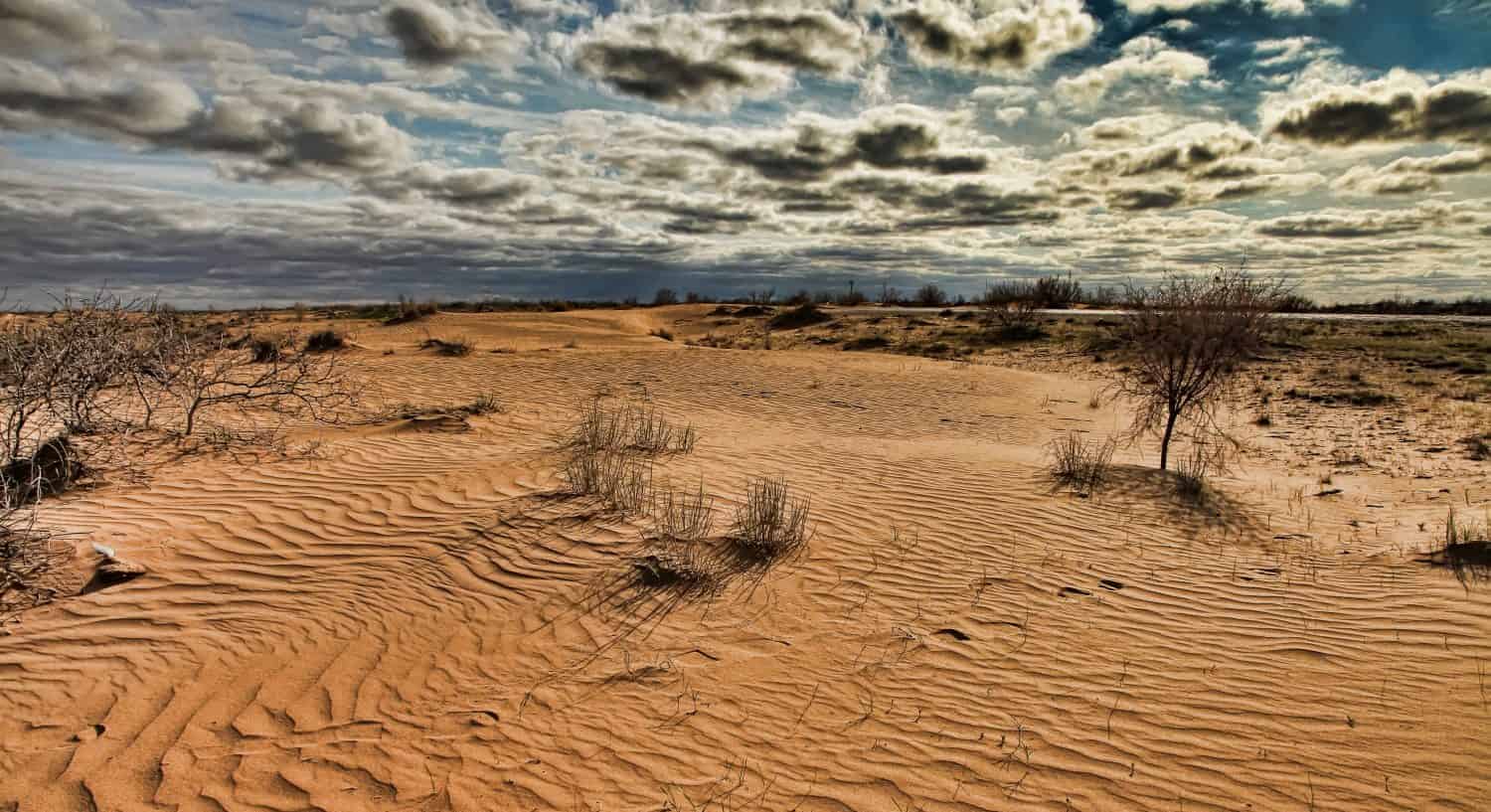
Much of what is today Turkmenistan is covered by the desolate Karakum desert. This was the northern extent of Alexander’s rule when he conquered the Persian Empire. The ancient city of Merv, now ruined, was a major center of Hellenistic cultural influence in the country and a trading hub on the Silk Road between China and Europe.







 Top Gaining Stocks
 Top Losing Stocks