


Over the years, the U.S. government has paid out millions of dollars in high-profile cases, usually in cases where an individual’s rights were violated or they were harmed. One big lawsuit was paid out at the end of President Trump’s first term after nearly discrimination complaints from federal job applicants and workers, and cost the government $70 million. These cases were filed with the Equal Employment Opportunity Commission.
The government has dozens of departments that work with states to make sure laws are followed. If necessary, federal law supersedes state law. With such a large group, they are at risk for frequent lawsuits, as it’s highly unlikely all laws are enforced when many federal agencies are unstaffed and underfunded. It often becomes a cyclical issue, as the problems exist because there aren’t enough people to enforce them, but there’s not enough money to hire new people because the lawsuits cost the government so much money. We’ve explored just a few of the lawsuits the government has faced that cost them millions of dollars.
California Women’s Prison

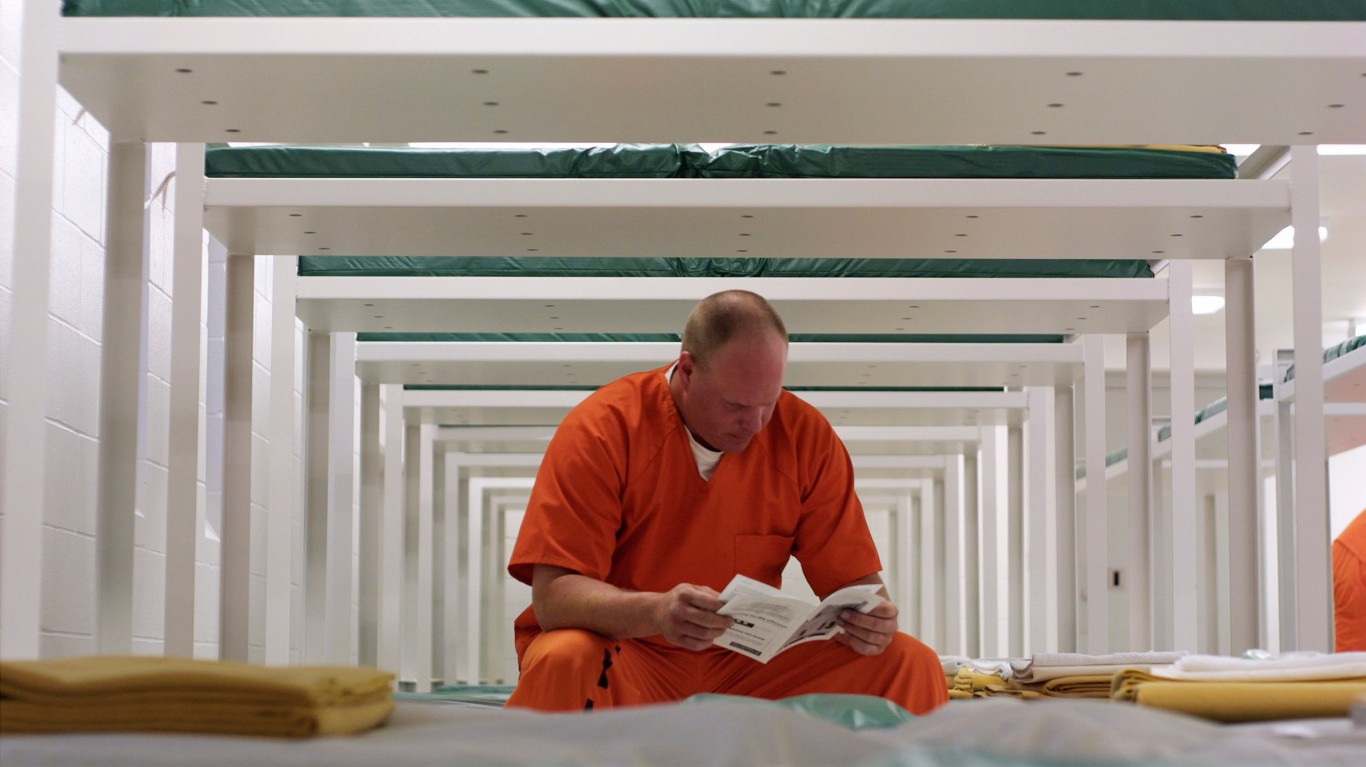
At a Federal Correction Institution in California, 103 women sued the government due to rampant staff and inmate sexual misconduct. The prison has since been shut down, but the Justice Department paid approximately $1.1 million to each woman involved in the claim. An investigation done by the Associated Press uncovered a culture of cover-ups and abuse, and Congress forced the Bureau of Prisons to fix the problems. In addition to the settlement, eight employees were charged and are now serving sentences.
Tuskegee Syphilis Study

This is one of the most famous lawsuits in American history and a dark stain on the country’s enforcement of civil rights for all. The case was settled in 1973 after it was discovered that the Public Health Service had studied the effects of syphilis in men. White men were treated, while Black men were left untreated, even after a simple cure like penicillin was discovered. The study took place for 40 years and killed 128 people. Patients’ wives and children were also infected with syphilis during the process. The government paid out $10 million in damages and developed the Office for Human Research Protection. The victims’ families didn’t receive a formal apology until 1997 when then-President Clinton issued one.
Flint Water Crisis

This is an ongoing issue. After a decade of lawsuits and protests, residents of Flint, Michigan, still struggle to find access to clean water. The water crisis began when the residents discovered that local water sources were contaminated by lead, so they sued the federal government. In 2021, the government settled for $626.25 million, and residents of Flint can claim their portion at any time. There is no time limit. The water crisis is still unsettled, so the state and government face ongoing scrutiny about this lawsuit.
Japanese-American Interment
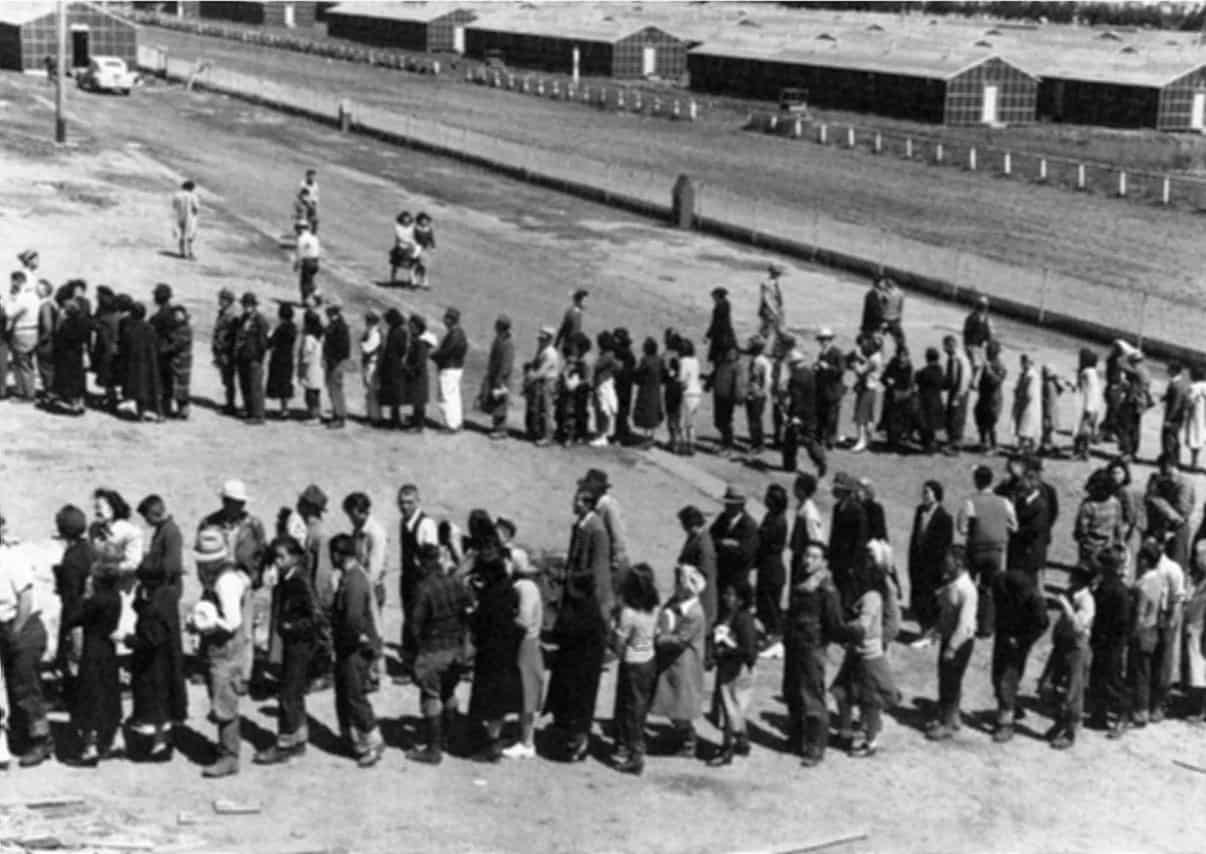
During World War II, after the Japanese attacked Pearl Harbor, then-President Harry Truman reacted in panic by rounding up Japanese immigrants and imprisoning them in internment camps through Executive Order 9066. In 1988, Congress passed the Civil Liberties Act to apologize, acknowledge, and compensate those who were rounded up. Survivors also sued the American government for property loss and imprisonment, and in the late 80s, each surviving victim received $20,000.
Agent Orange Lawsuits

Filed in 1979, the Agent Orange Product Liability Litigation represented a group of Vietnam veterans and their family members. In 1984, the lawsuit was finally settled, and the seven companies that made Agent Orange paid out $180 in compensation. While this wasn’t a direct hit to the government, veterans were exposed to Agent Orange in Thai Air Force Bases, the Korean Demilitarized Zone, and Vietnam. The chemicals were extremely harmful and led to diseases like Parkinson’s, Hodgkin’s, hypothyroidism, bladder cancer, and chronic B-cell leukemias, to name a few. The chemical was made by seven different companies, and the lawsuit led to the Agent Orange Settlement Fund, which still functions today, and the expansion of VA health care and benefits for those who were exposed.
The 9/11 Compensation Fund

This is a lawsuit that’s ongoing as first responders and victims continue to struggle with the health effects of the attack, even 22 years later. The original fund was created in 2001 and operated through 2004. The fund was then reopened by then-President Obama in 2011 as the James Zadroga 9/11 Health and Compensation Act of 2010. In 2019, then-President Trump signed a law that expanded the VCF’s claim filing date to October of 2090, ensuring that victims don’t have to fight every time the fund expires. While exact numbers aren’t available, it’s believed that the government paid more than $7 billion. This included $25,000 for a death claim, $100,000 for the spouse, and another $100,000 for each dependent. Those with physical injuries or illnesses receive $250,000 but can receive more or less depending on special circumstances.










 Top Gaining Stocks
 Top Losing Stocks