


The United States began issuing Social Security numbers (SSNs) in November 1936. A unique nine-digit number is assigned to every U.S. citizen. SSNs are also assigned to permanent residents and eligible nonimmigrant workers within the United States. (And, since we’re on the subject, here is our super helpful guide to understanding Social Security today, with all benefits and strategies explained.)
The original purpose of SSNs was to enable the Social Security Administration (SSA) to track individual accounts, but these numbers have since become a widely accepted form of identification used by employers, medical providers, schools, government agencies, and so forth.
Each social security number is divided into three parts. The first three digits are the area number, the middle two are the group number, and the last four are the serial number. So, using this configuration, the format of a SSN is AAA-GG-SSSS.
Assigning Area Numbers
The system of assigning SSNs has changed over the years.
Originally, the area number represented the location of the Social Security office that issued a specific Social Security card. However, starting in 1973, the SSA began using the ZIP Code on an application to assign the area number. This practice remained in effect until June 25, 2011, when the SSA adopted a new randomization method designed to “protect the integrity of the SSN” and “extend the longevity of the nine-digit SSN nationwide.”
For those born in the U.S. between 1973 and June 2011, the first three numbers of their SSNs were assigned to the ZIP Code found on their Social Security application. Usually (but not always), that ZIP Code corresponded with the place of their birth. So, in most cases, you can tell where a person was born by the first three digits of their SSN.
Here are the area numbers assigned to all 50 U.S. states, the District of Columbia, and U.S. territories during this 38-year period. The states and territories are arranged in ascending order according to their original area numbers. As the nation’s population grew, the original area numbers for some states were exhausted and new area numbers were assigned. This is why 16 states and one territory have nonconsecutive area numbers.
Note: There are overlapping numbers between North Carolina and West Virginia, as well as the U.S. Virgin Islands and Puerto Rico. Oh, and here’s a fun fact: the area number “666” was never issued.
24/7 Wall St. used information from the Social Security Administration for this story.
1. New Hampshire
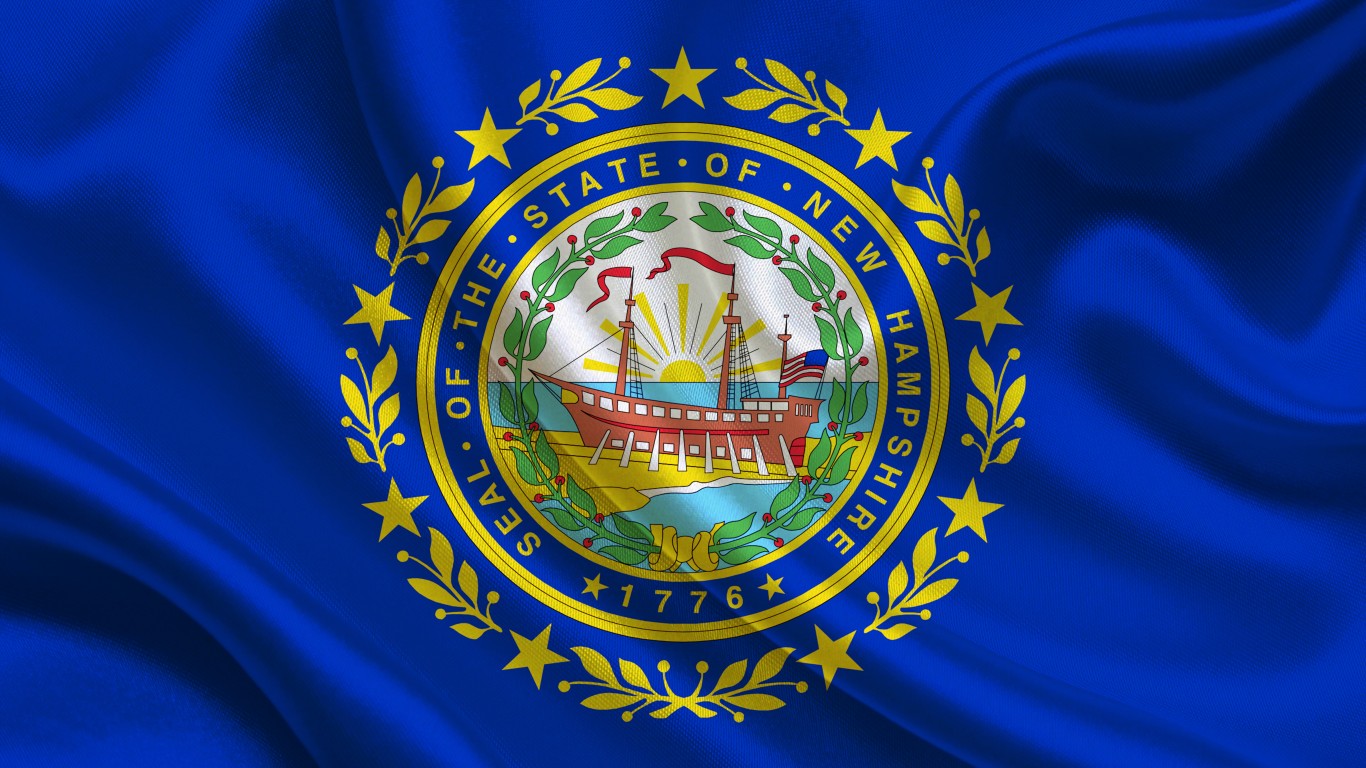
New Hampshire was assigned the first area numbers.
- Social Security Area Numbers: 001-003
2. Maine
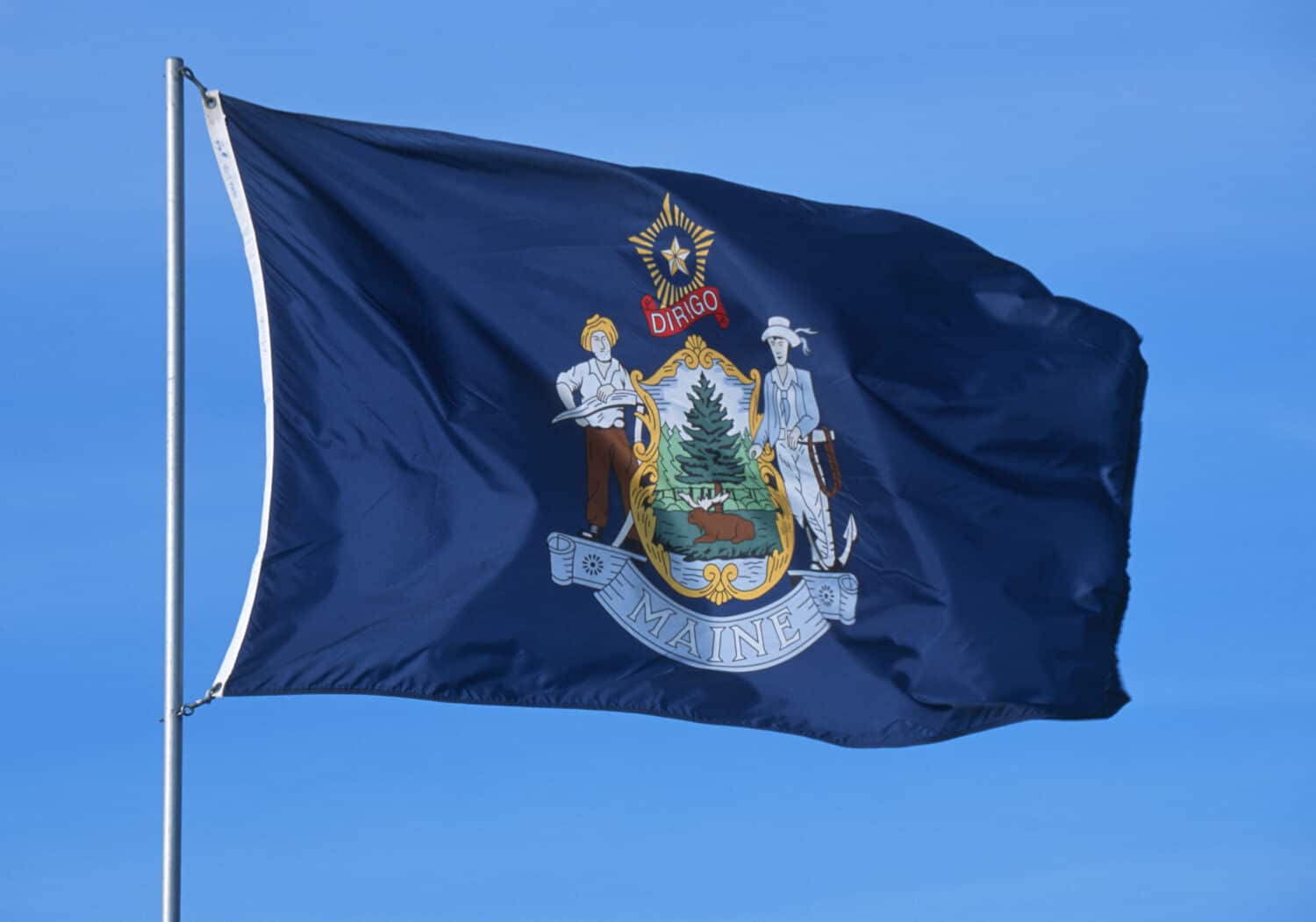
Maine was given four area numbers.
- Social Security Area Numbers: 004-007
3. Vermont
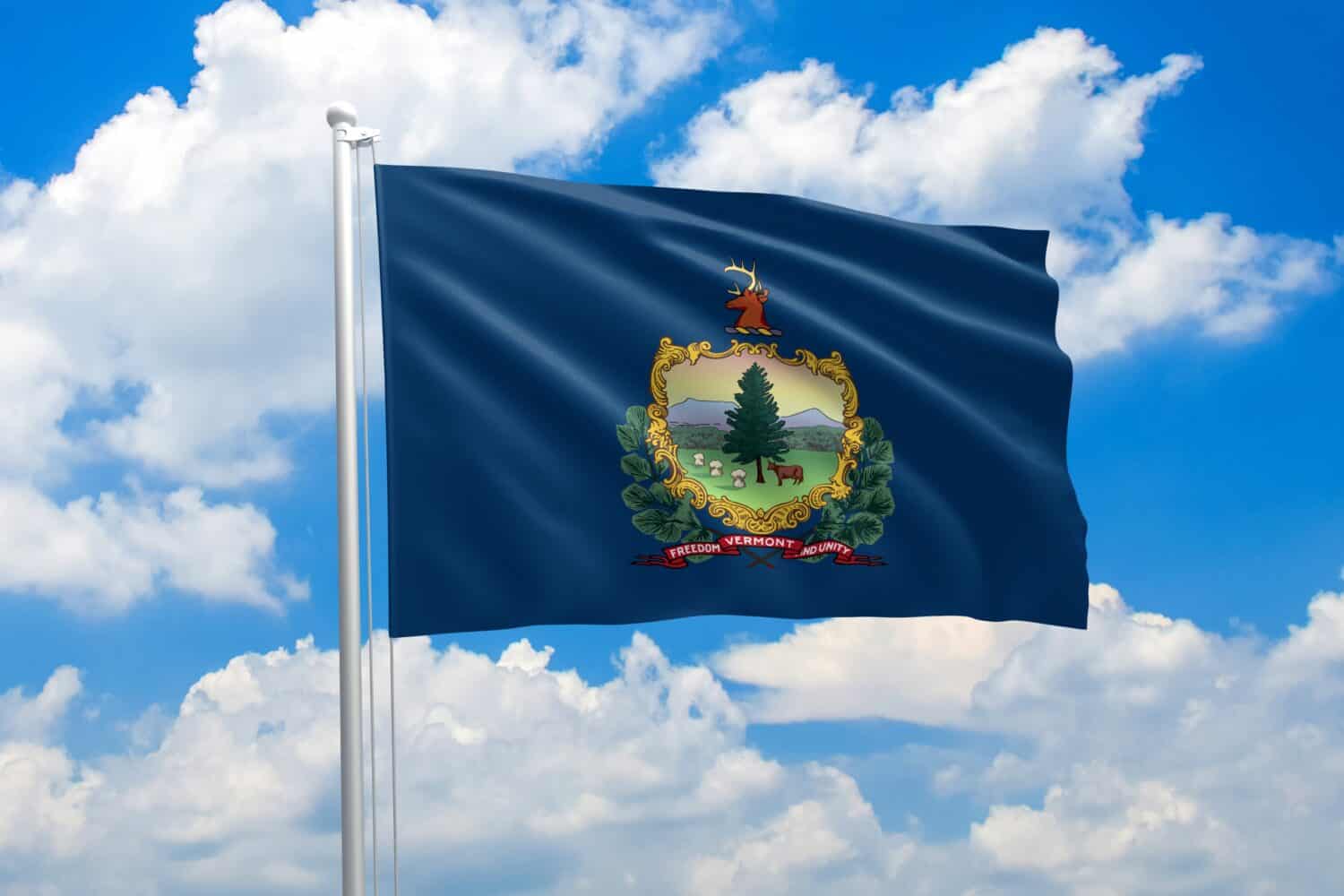
Vermont was assigned two area numbers.
- Social Security Area Numbers: 008-009
4. Massachusetts
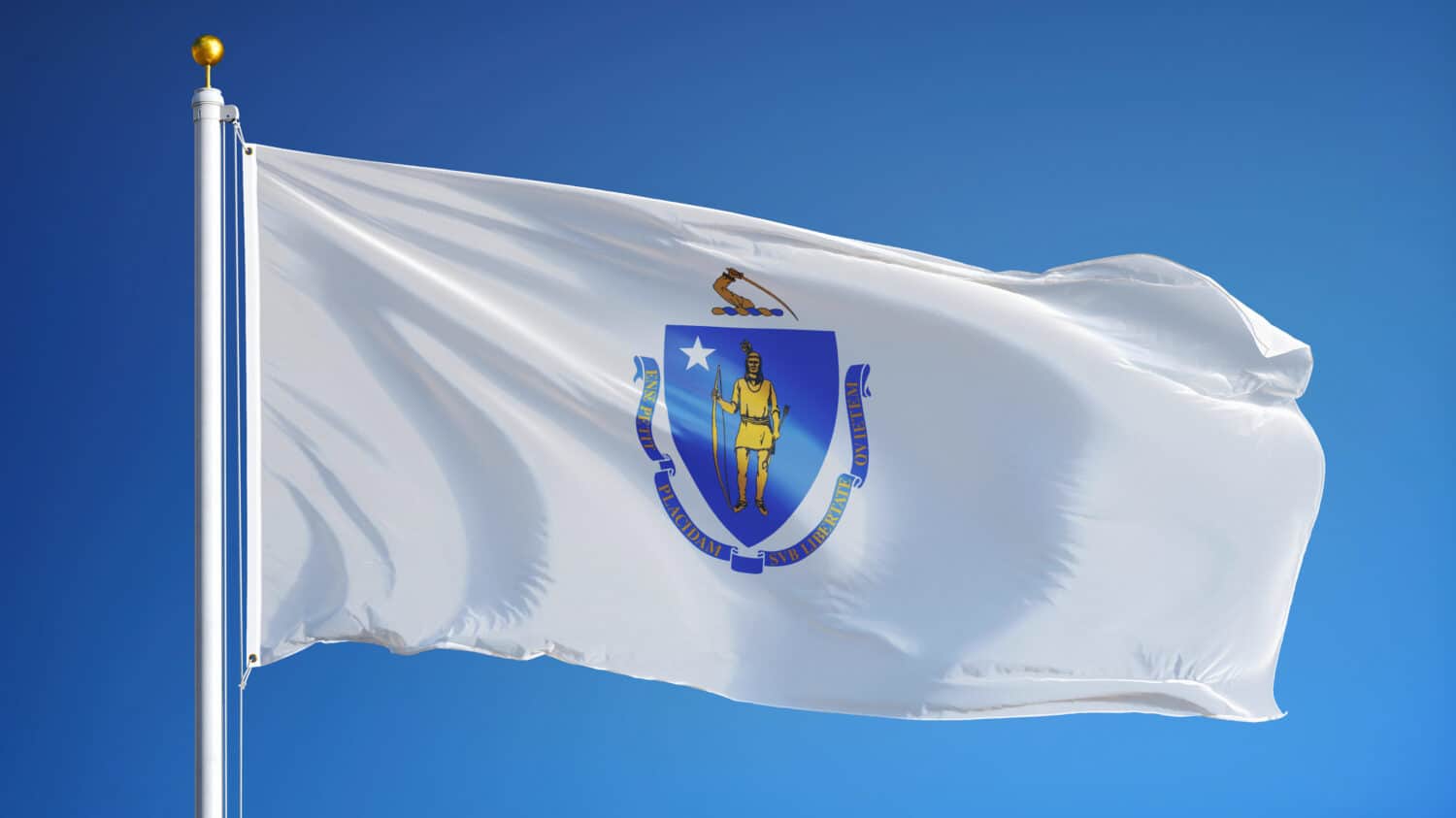
Massachusetts was assigned more area numbers than any other New England state.
- Social Security Area Numbers: 010-034
5. Rhode Island

Rhode Island had five area numbers.
- Social Security Area Numbers: 035-039
6. Connecticut
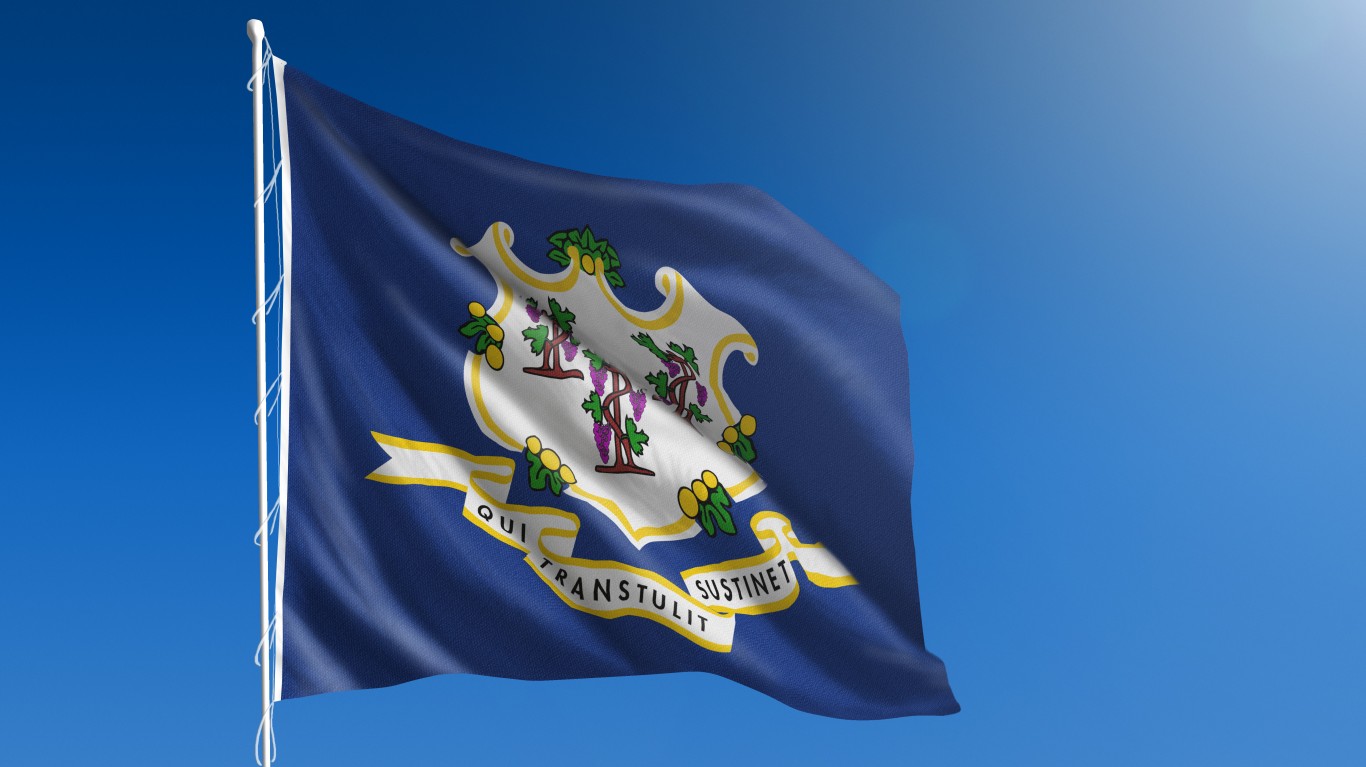
Connecticut was assigned ten area numbers.
- Social Security Area Numbers: 040-049
7. New York
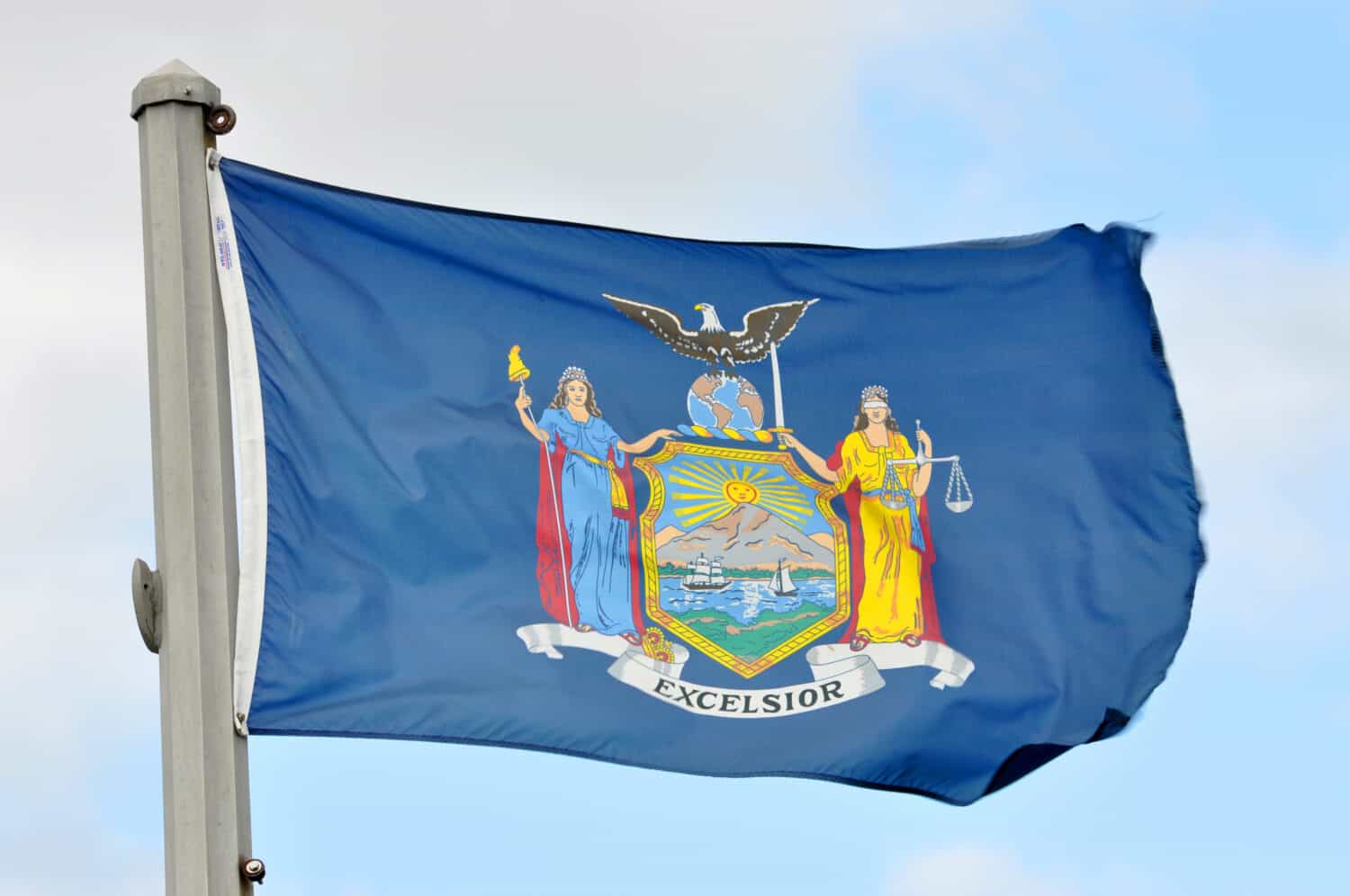
New York was given one of the biggest original allotments of area numbers.
- Social Security Area Numbers: 050-134
8. New Jersey
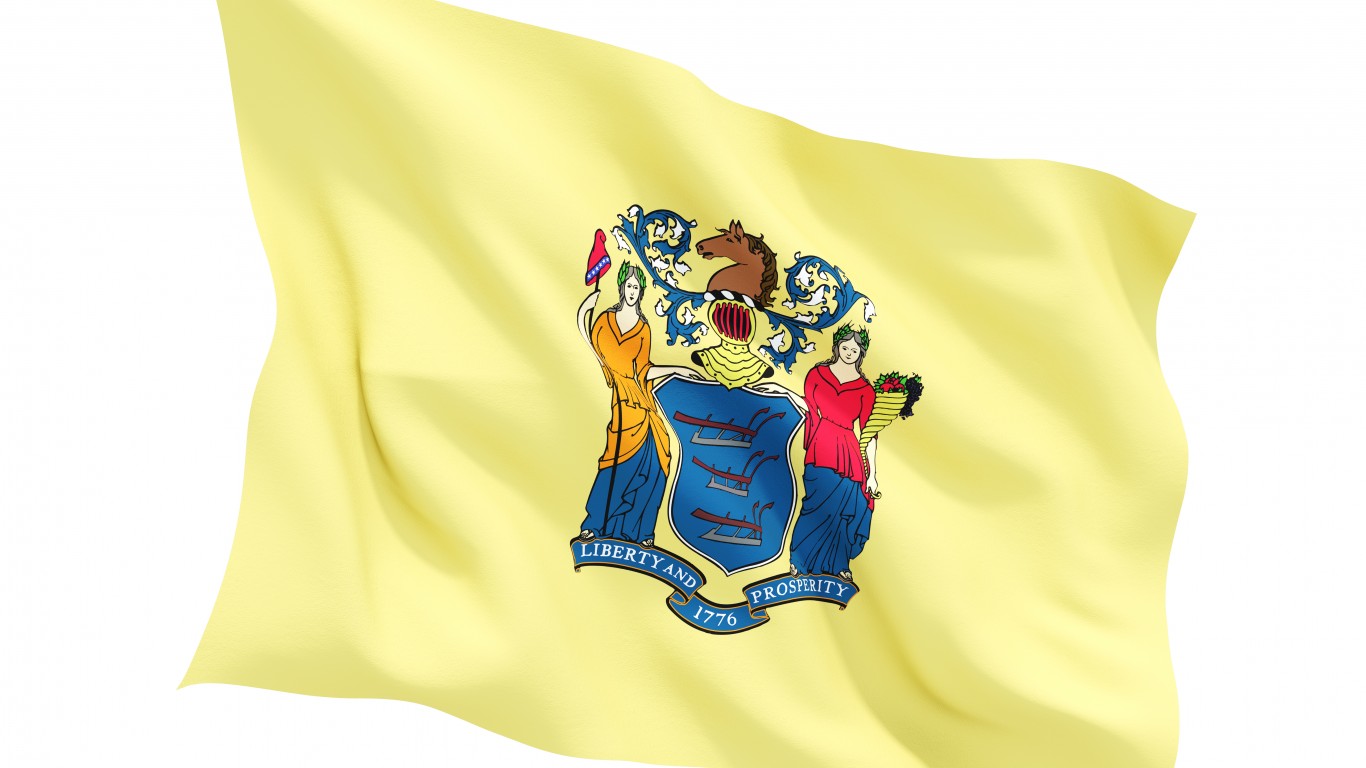
New Jersey has the highest population density in the nation, so it is no surprise that the state was given a large allotment of area numbers.
- Social Security Area Numbers: 135-158
9. Pennsylvania
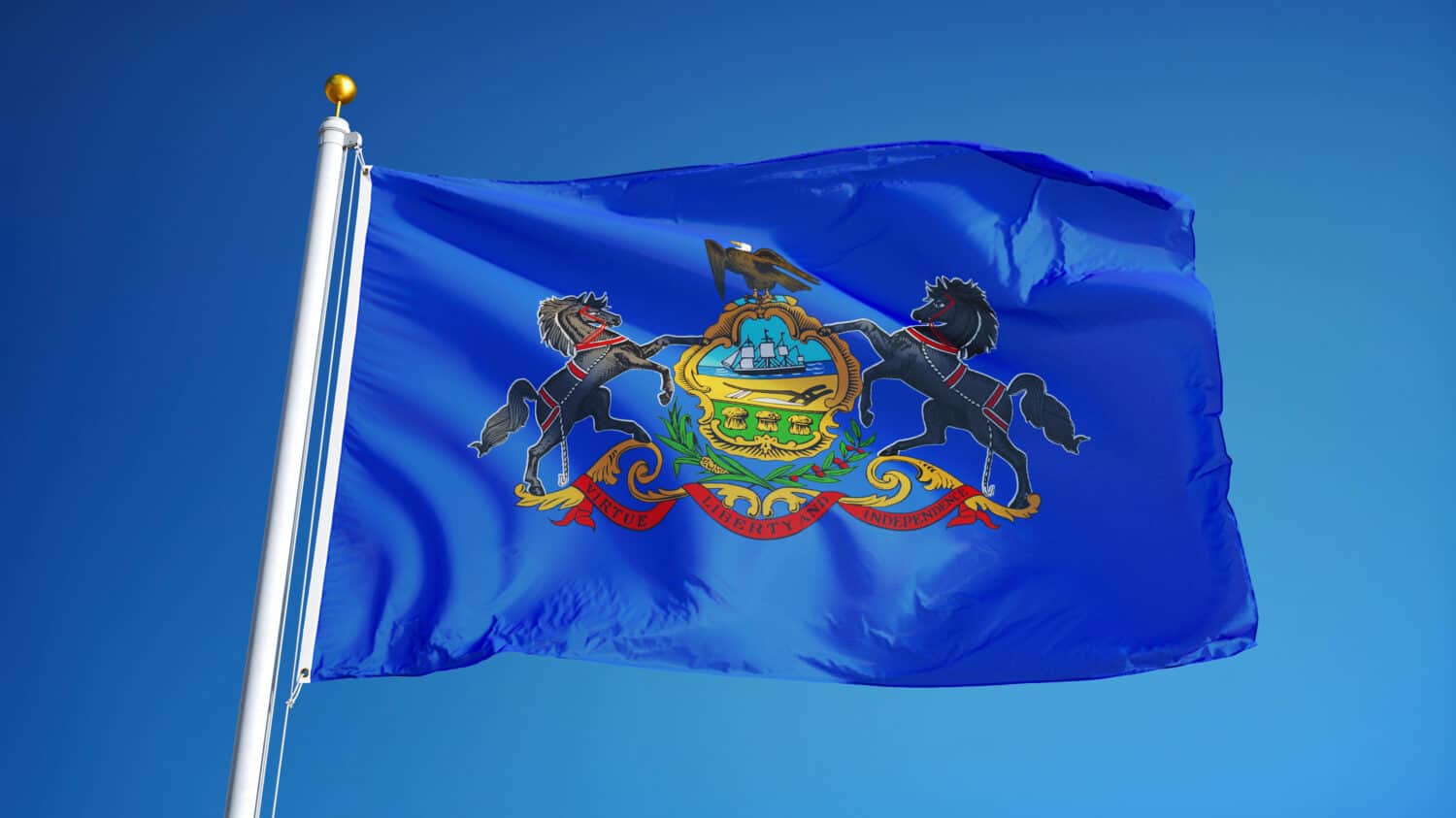
The Keystone State’s area numbers broke into the 200s.
- Social Security Area Numbers: 159-211
10. Maryland
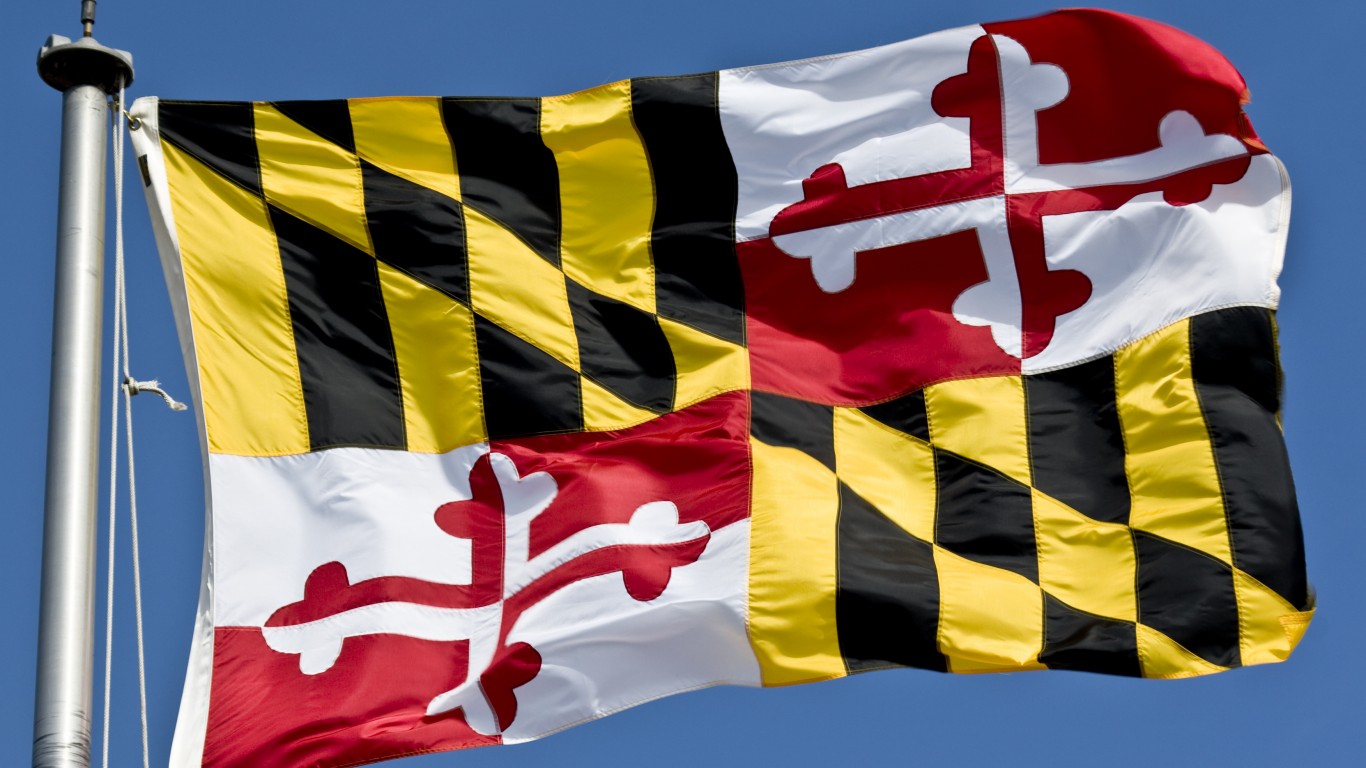
Maryland was assigned nine area numbers.
- Social Security Area Numbers: 212-220
11. Delaware
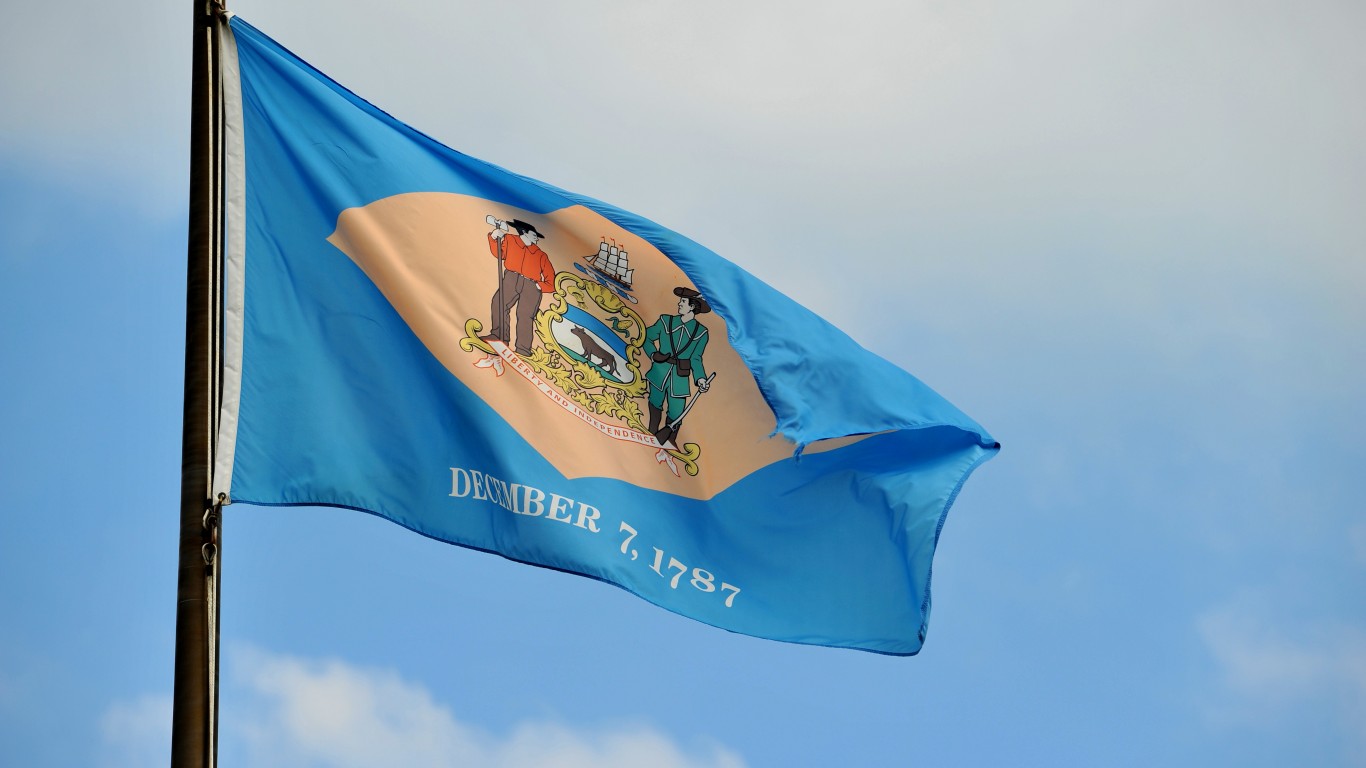
The tiny state of Delaware was assigned two area numbers.
- Social Security Area Numbers: 221-222
12. Virginia
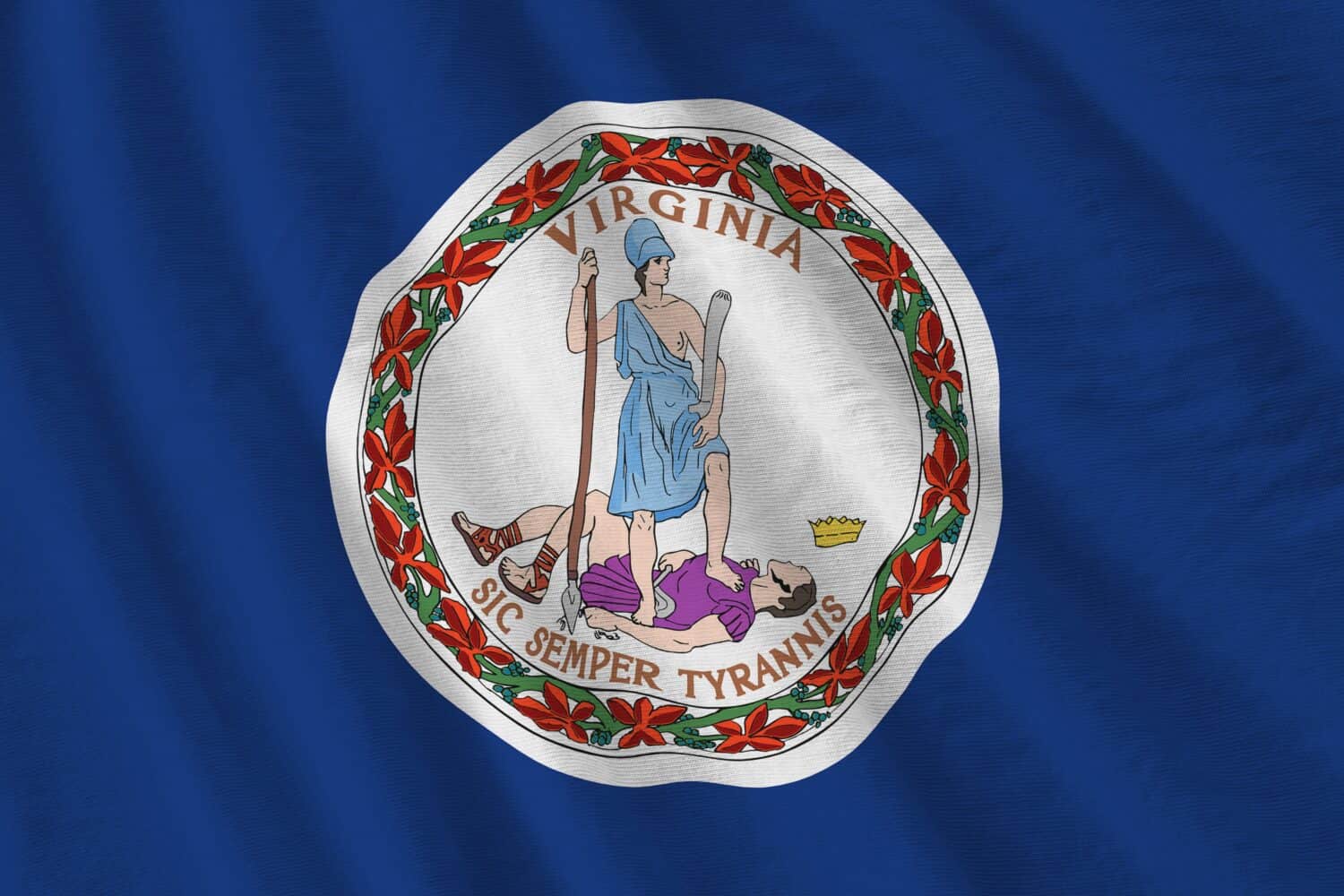
Virginia’s growth necessitated a second allotment of area numbers.
- Social Security Area Numbers: 223-231, 691-699
13. West Virginia
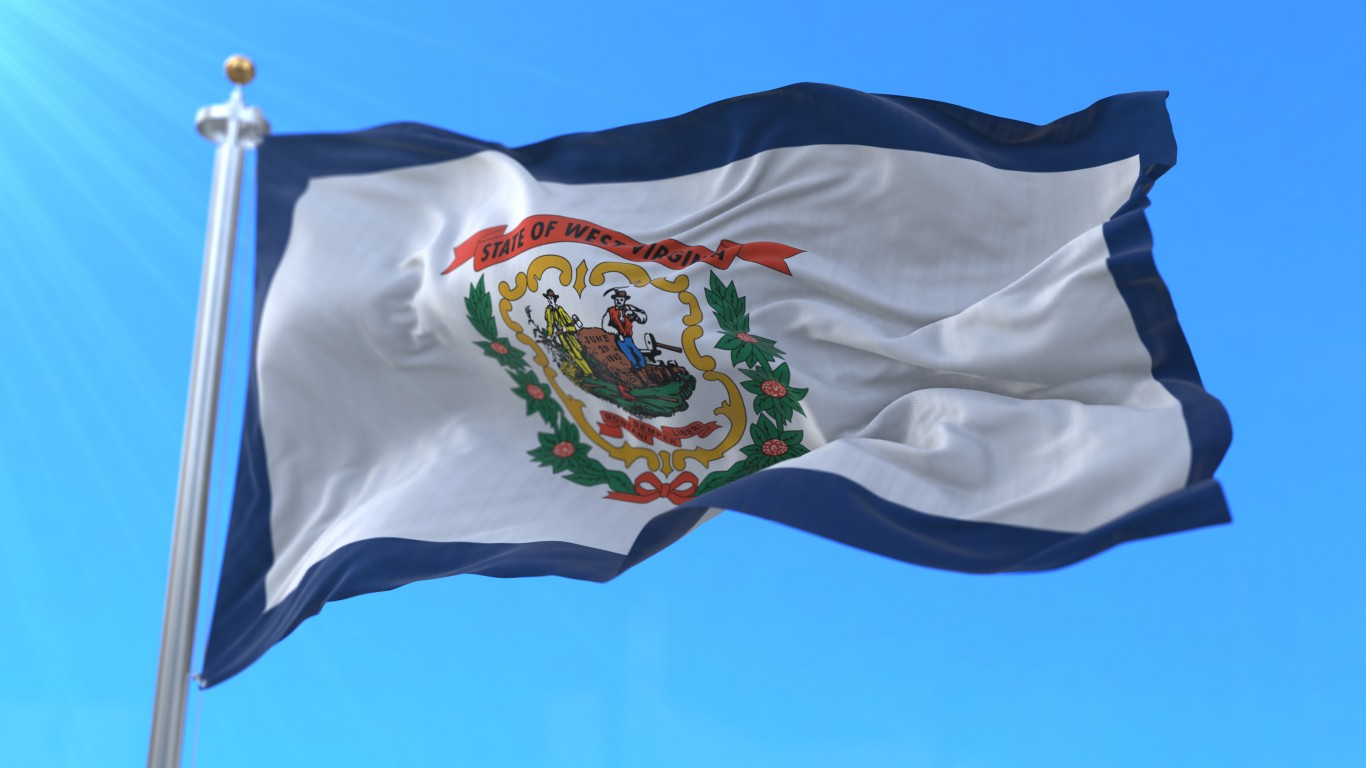
The crossover of area number 232 between West Virginia and North Carolina can be confusing.
- Social Security Area Numbers: 232 (except group number 30) -236
14. North Carolina

North Carolina required additional area numbers as it grew.
- Social Security Area Numbers: 232 (group number 30), 237-246, 681-690
15. South Carolina
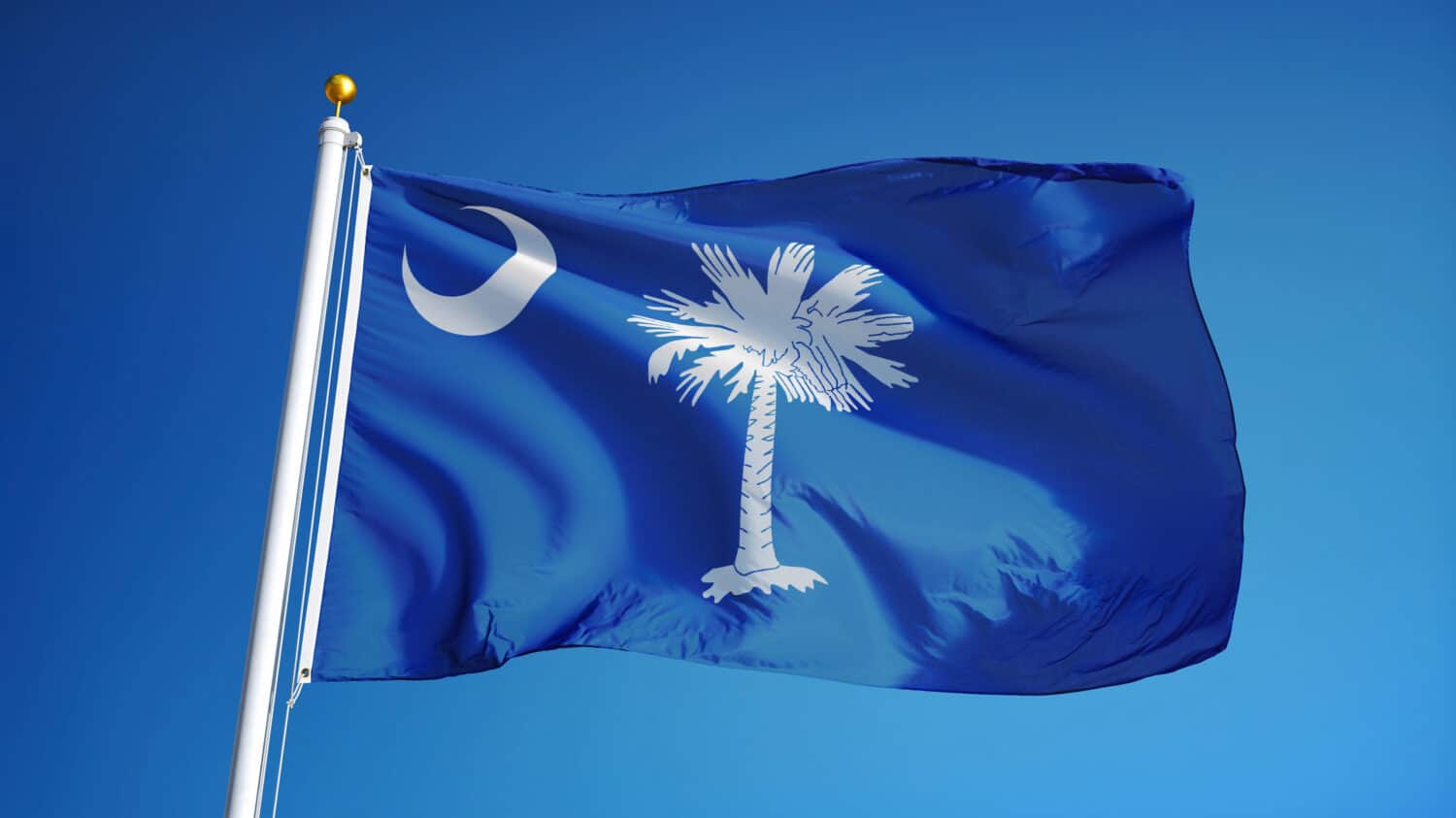
The Palmetto State also needed a new batch of area numbers.
- Social Security Area Numbers: 247-251, 654-658
16. Georgia

Georgia’s growth demanded more area numbers.
- Social Security Area Numbers: 252-260, 667-675
17. Florida
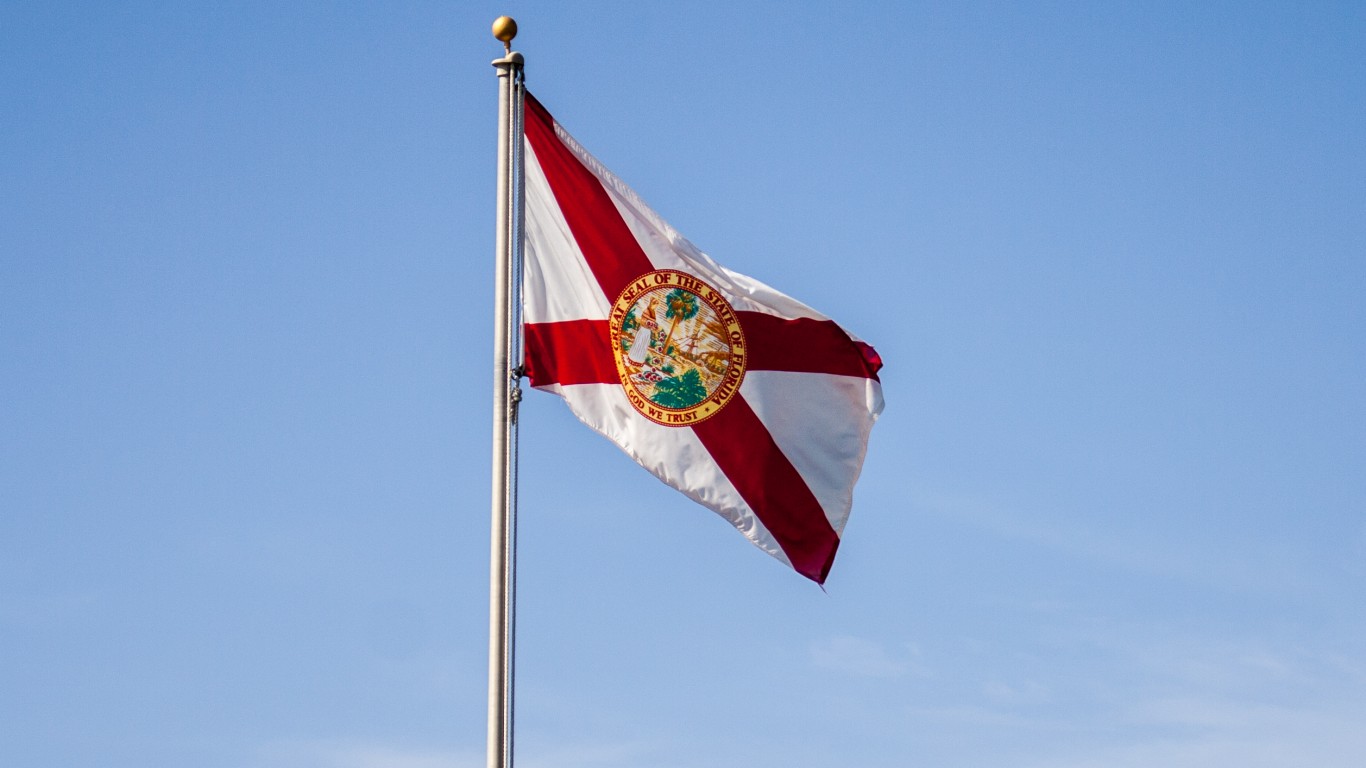
The SSA kept adding numbers as Florida kept growing.
- Social Security Area Numbers: 261-267, 589-595, 766-772
18. Ohio
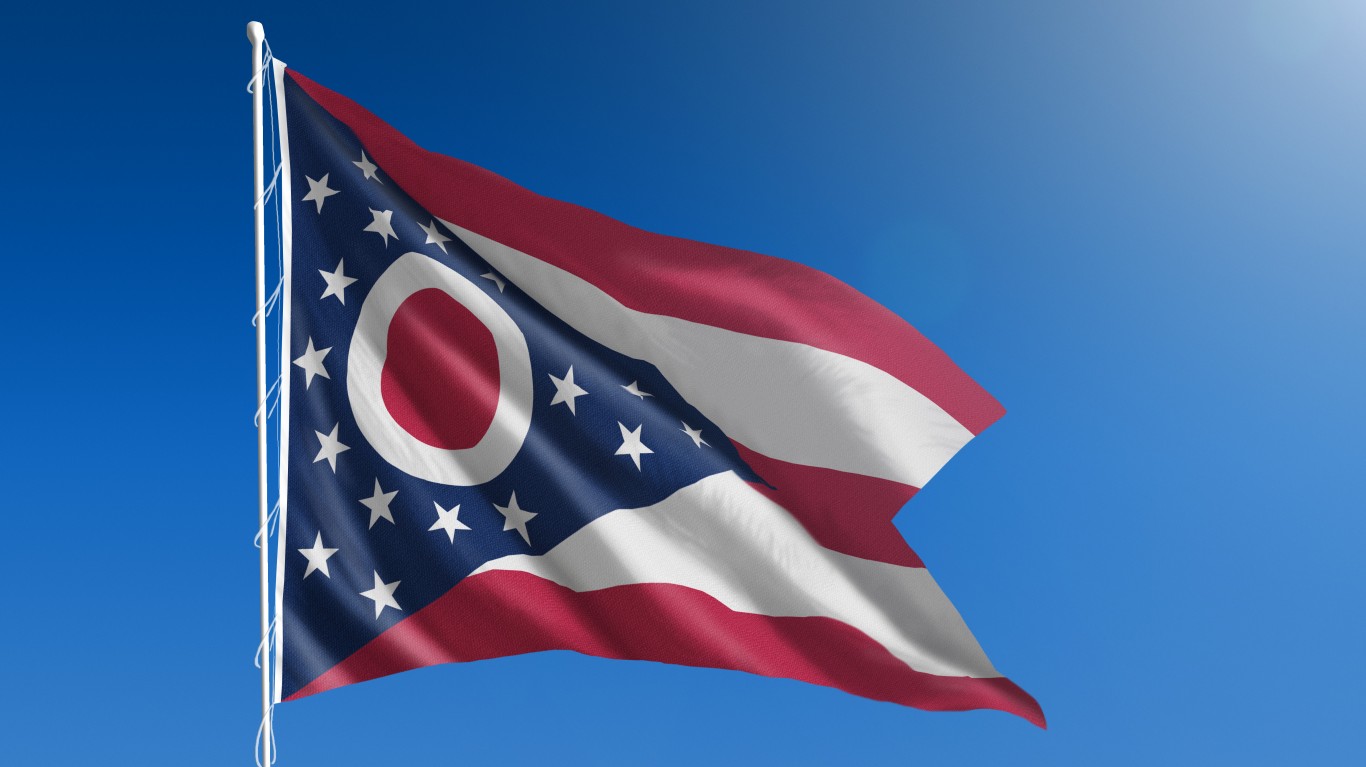
The Buckeye State broke into the 300s for area numbers.
- Social Security Area Numbers: 268-302
19. Indiana
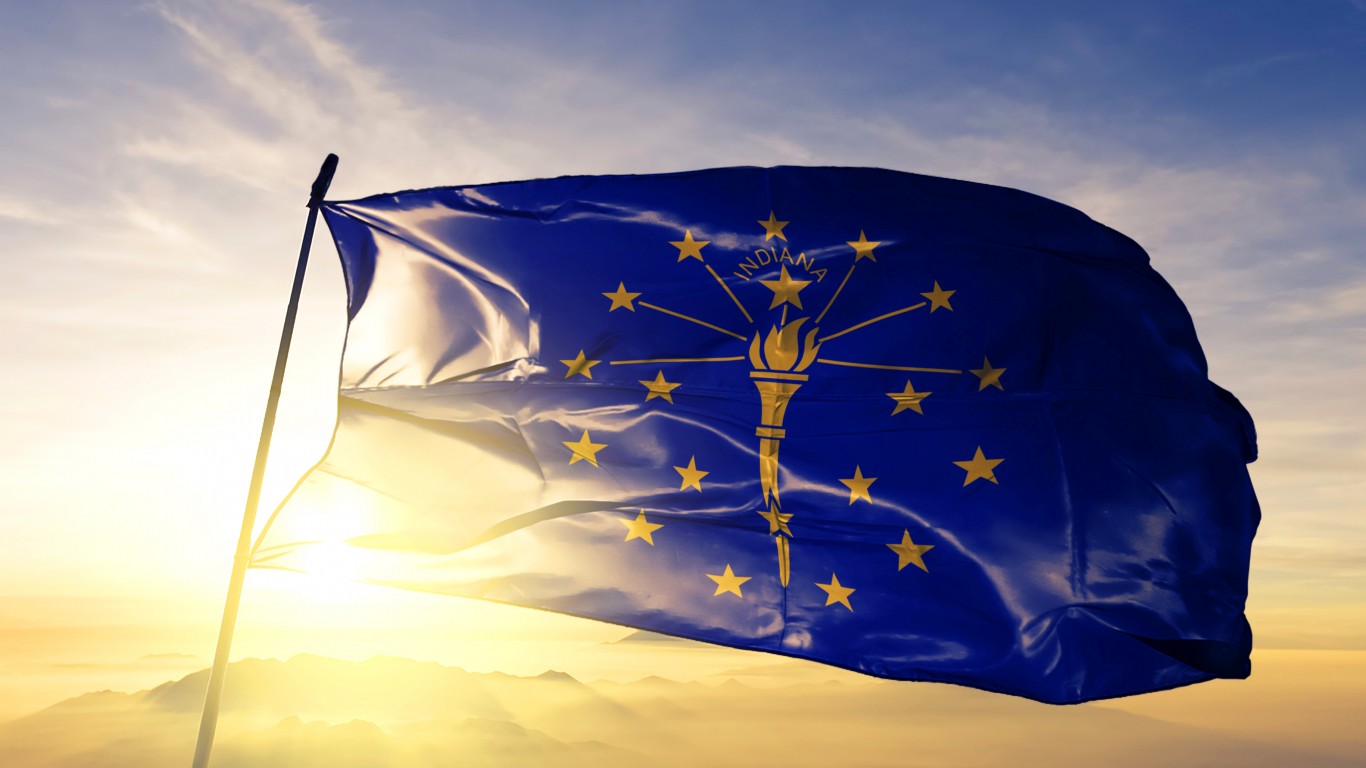
Indiana was assigned 15 area numbers.
- Social Security Area Numbers: 303-317
20. Illinois
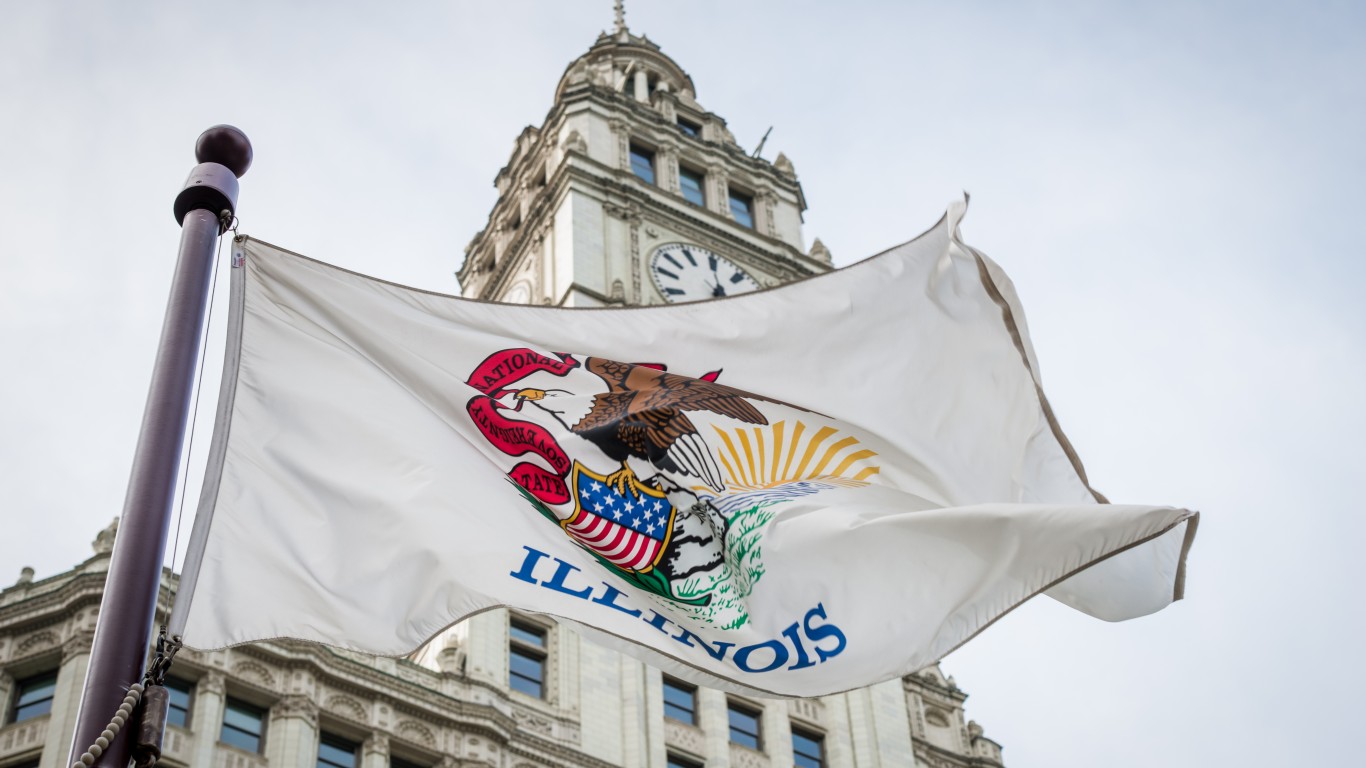
Illinois houses one of the nation’s largest cities, so it was assigned a large allotment of area numbers.
- Social Security Area Numbers: 318-361
21. Michigan

Michigan was assigned 25 area numbers.
- Social Security Area Numbers: 362-386
22. Wisconsin
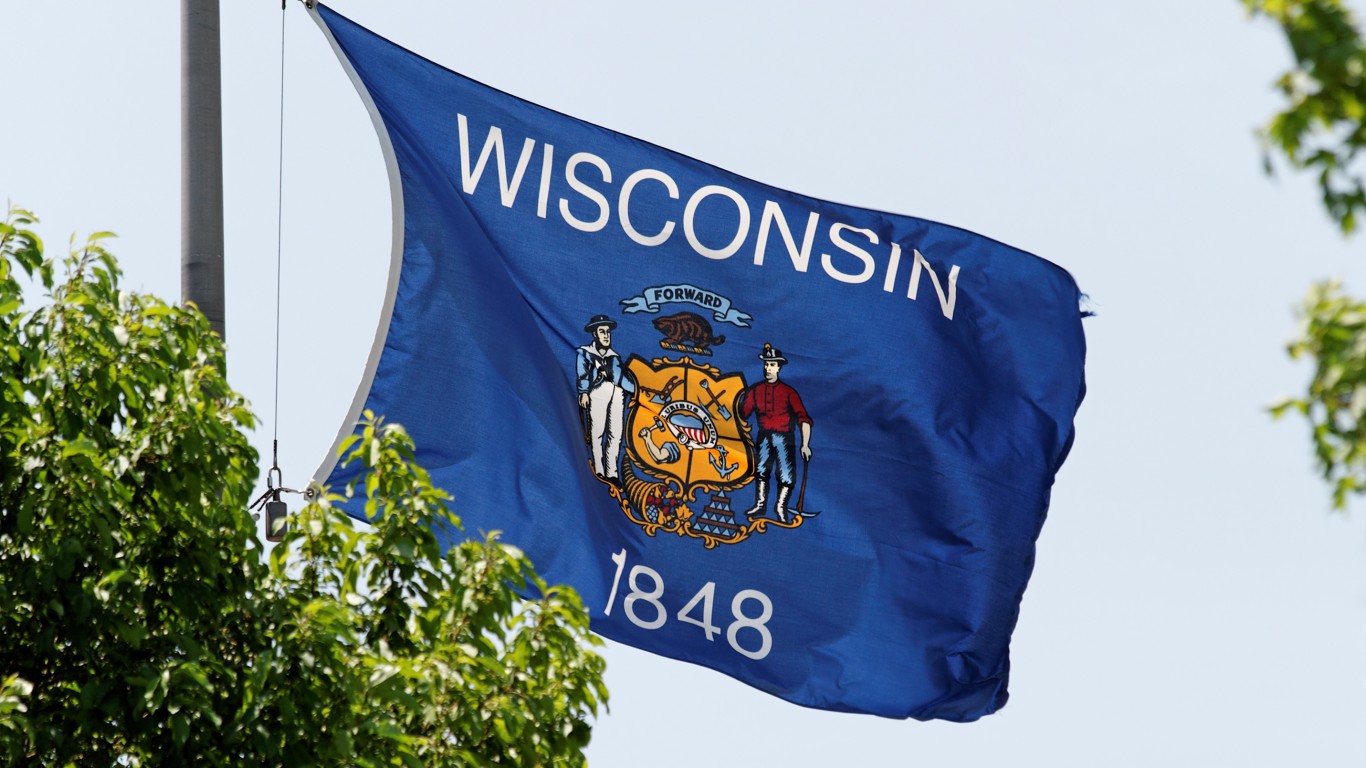
Wisconsin finished up the 300s among area numbers.
- Social Security Area Numbers: 387-399
23. Kentucky
Kentucky received eight area numbers.
- Social Security Area Numbers: 400-407
24. Tennessee

Tennessee’s growth required the assignment of additional area numbers.
- Social Security Area Numbers: 408-415, 756-763
25. Alabama
Alabama was assigned nine area numbers.
- Social Security Area Numbers: 416-424
26. Mississippi

Mississippi required two additional allotments of area numbers as its population grew.
- Social Security Area Numbers: 425-428, 587-588, 752-755
27. Arkansas

The original four area numbers did not account for Arkansas’ growth, so four more were added.
- Social Security Area Numbers: 429-432, 676-679
28. Louisiana

Louisiana received two different allotments of area numbers.
- Social Security Area Numbers: 433-439, 659-665
29. Oklahoma
Oklahoma was assigned nine area numbers
- Social Security Area Numbers: 440-448
30. Texas
Texas is the second-most populous state in the nation, so it is no surprise that it required additional area numbers.
- Social Security Area Numbers: 449-467, 627-645
31. Minnesota
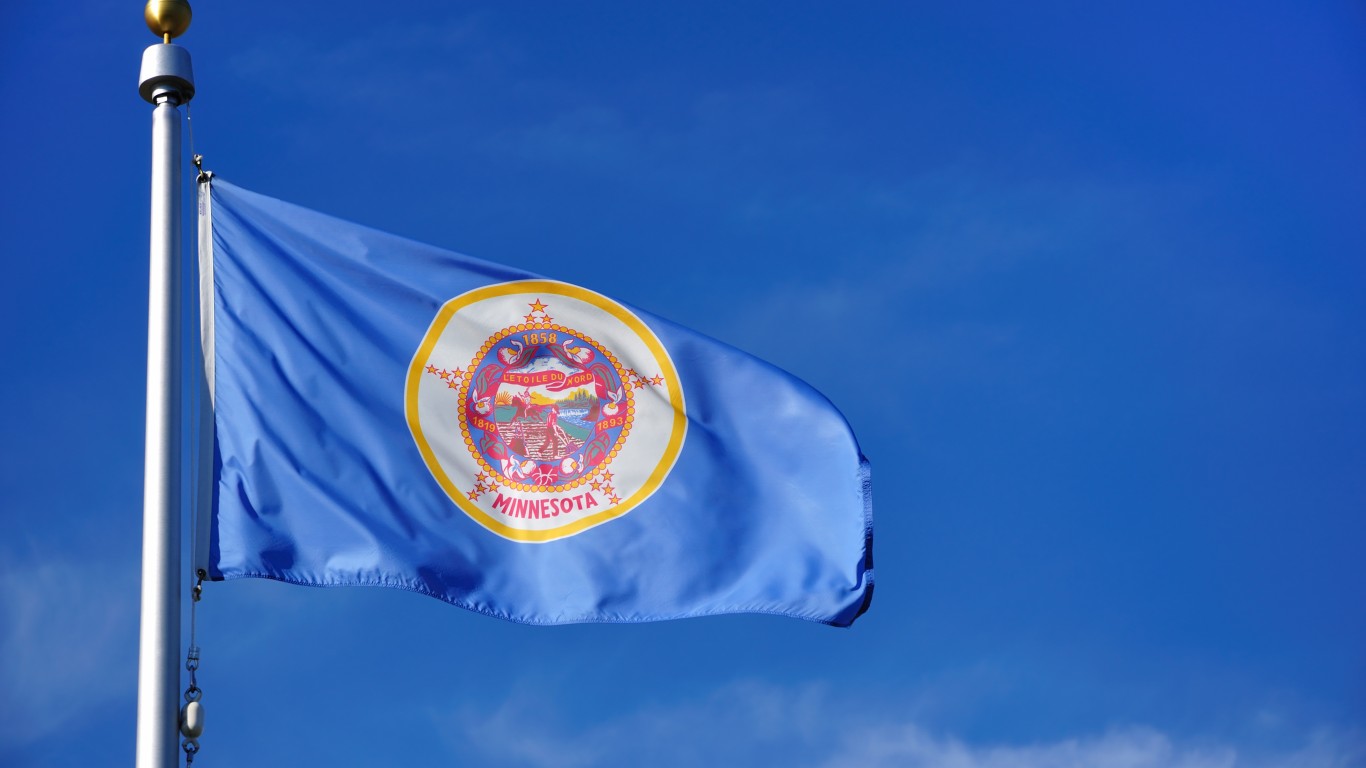
Minnesota received ten area numbers.
- Social Security Area Numbers: 468-477
32. Iowa
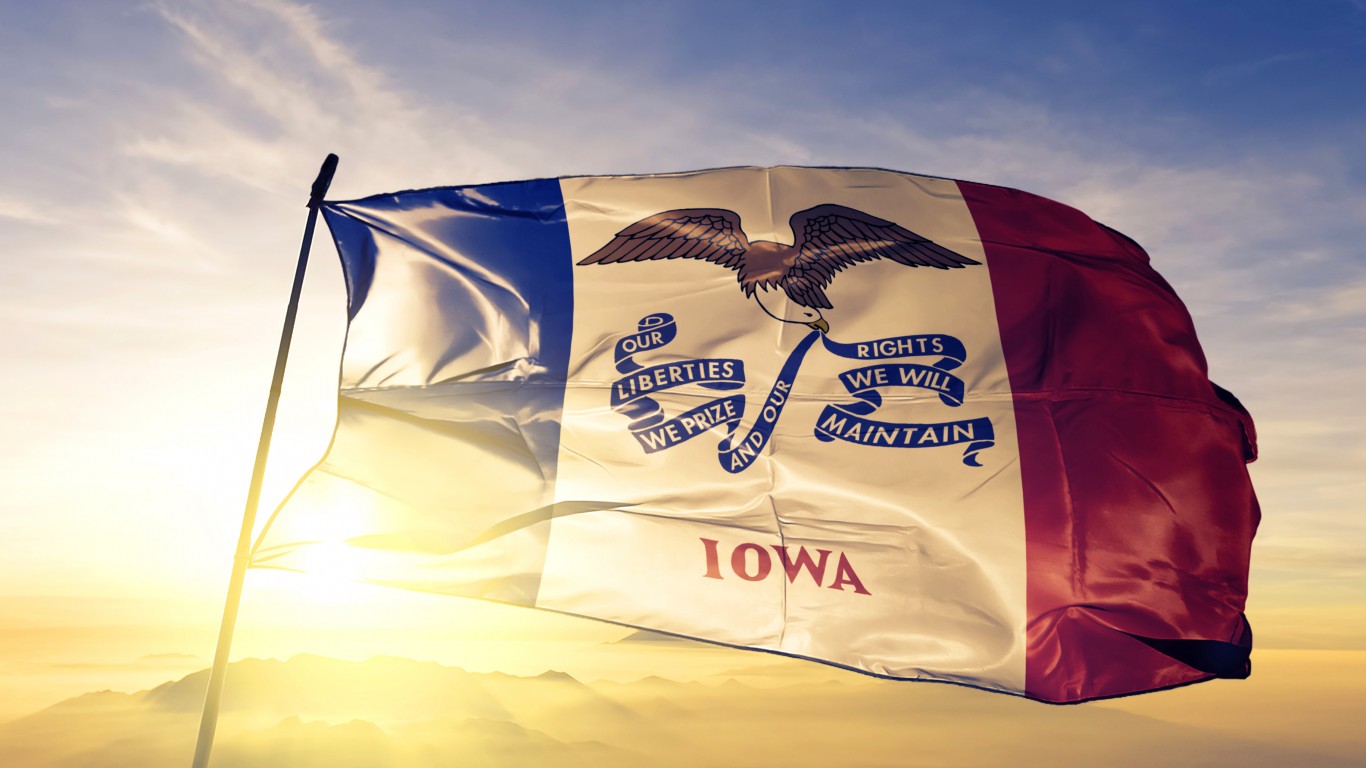
The Hawkeye State was assigned eight area numbers.
- Social Security Area Numbers: 478-485
33. Missouri
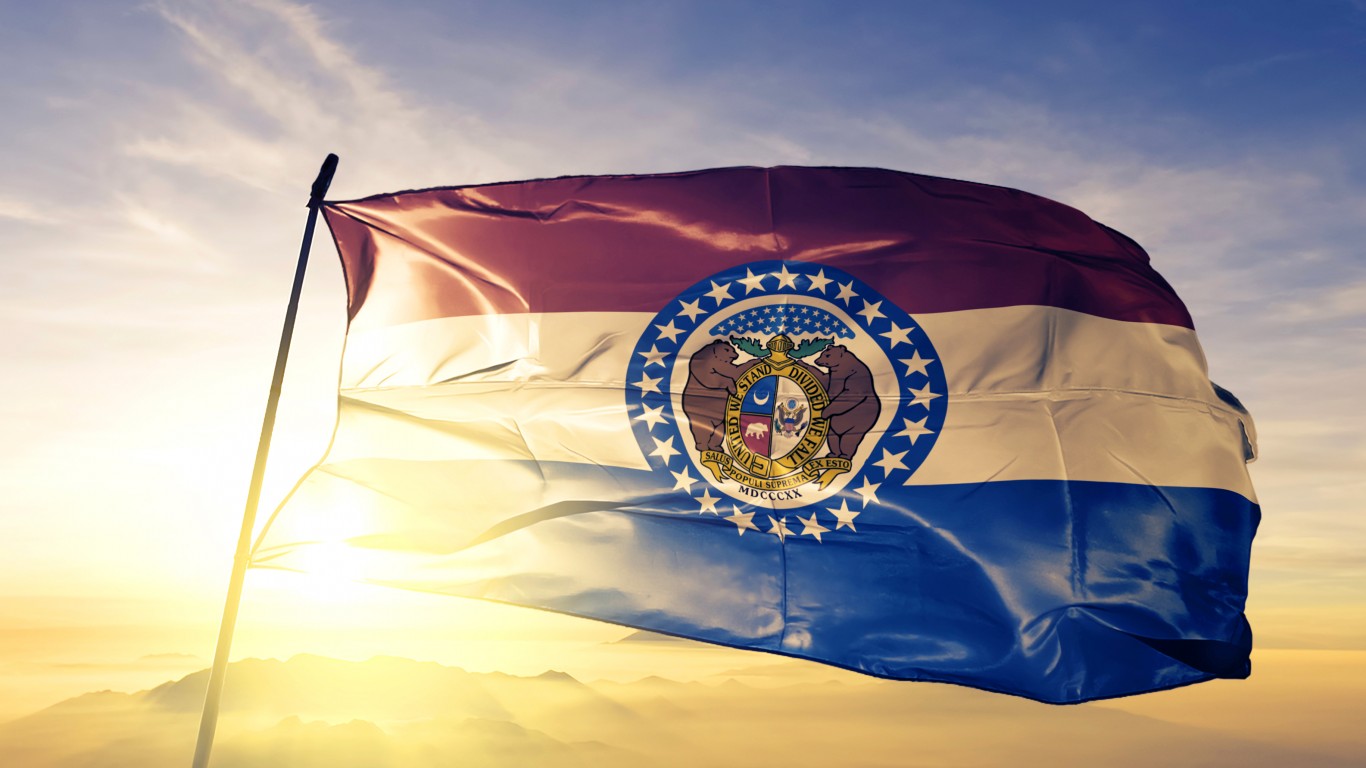
Missouri opened the 500s among area numbers.
- Social Security Area Numbers: 486-500
34. North Dakota
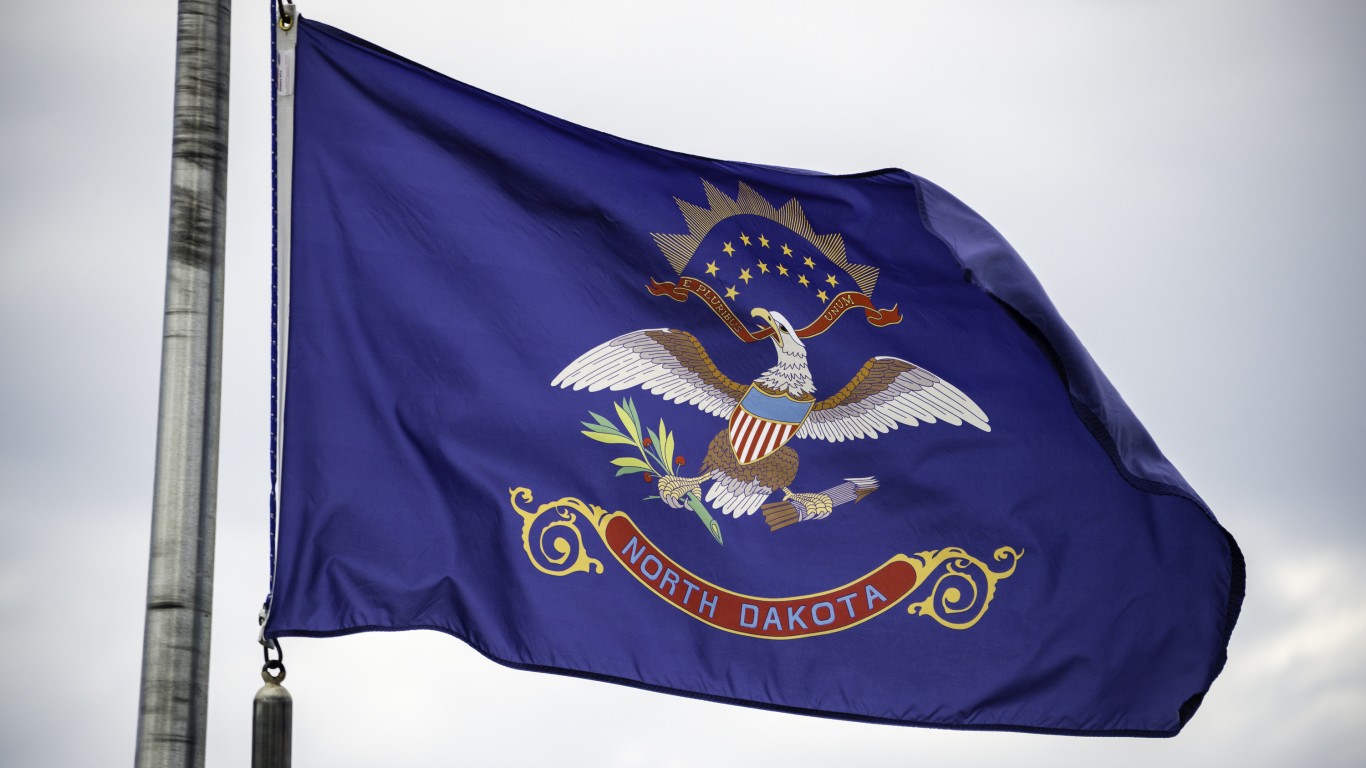
Sparsely populated North Dakota was assigned two area numbers.
- Social Security Area Numbers: 501-502
35. South Dakota
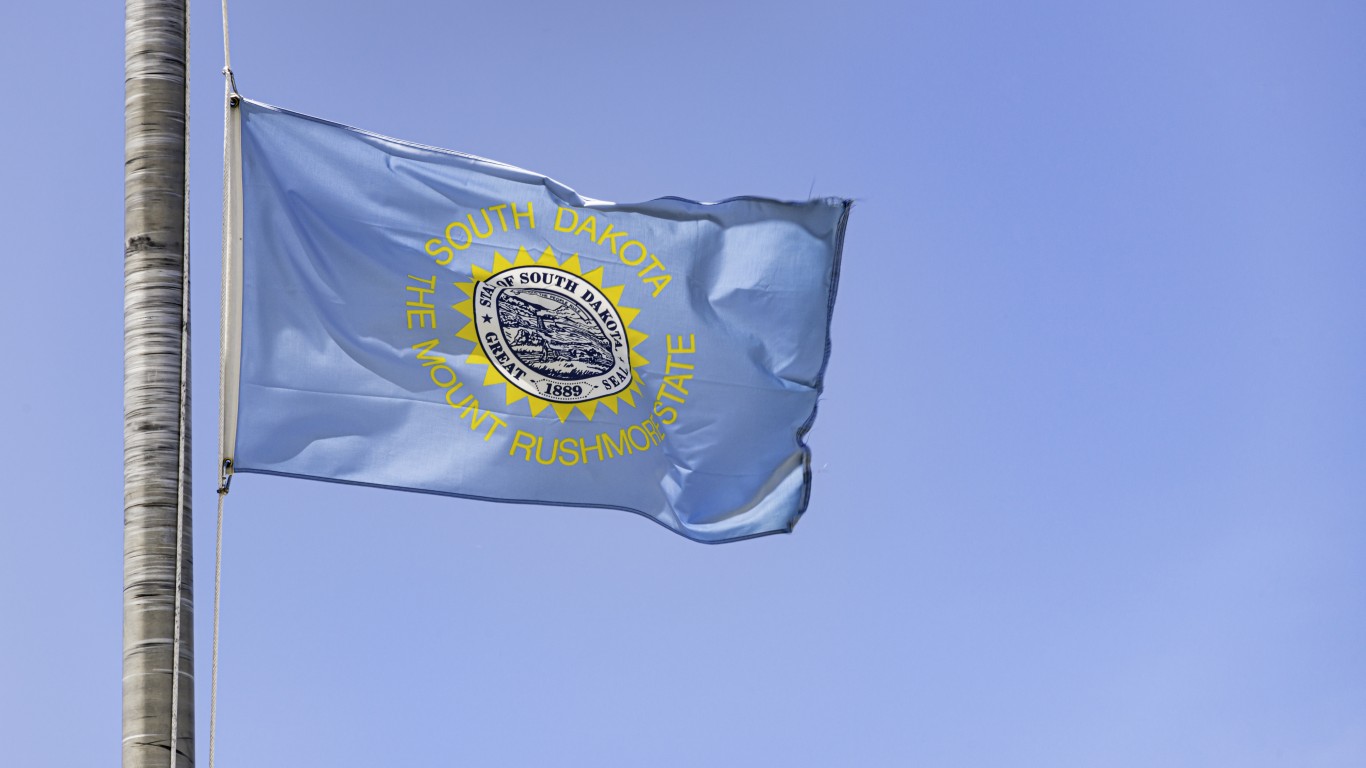
Like its neighbor to the north, South Dakota was also allotted two area numbers.
- Social Security Area Numbers: 503-504
36. Nebraska
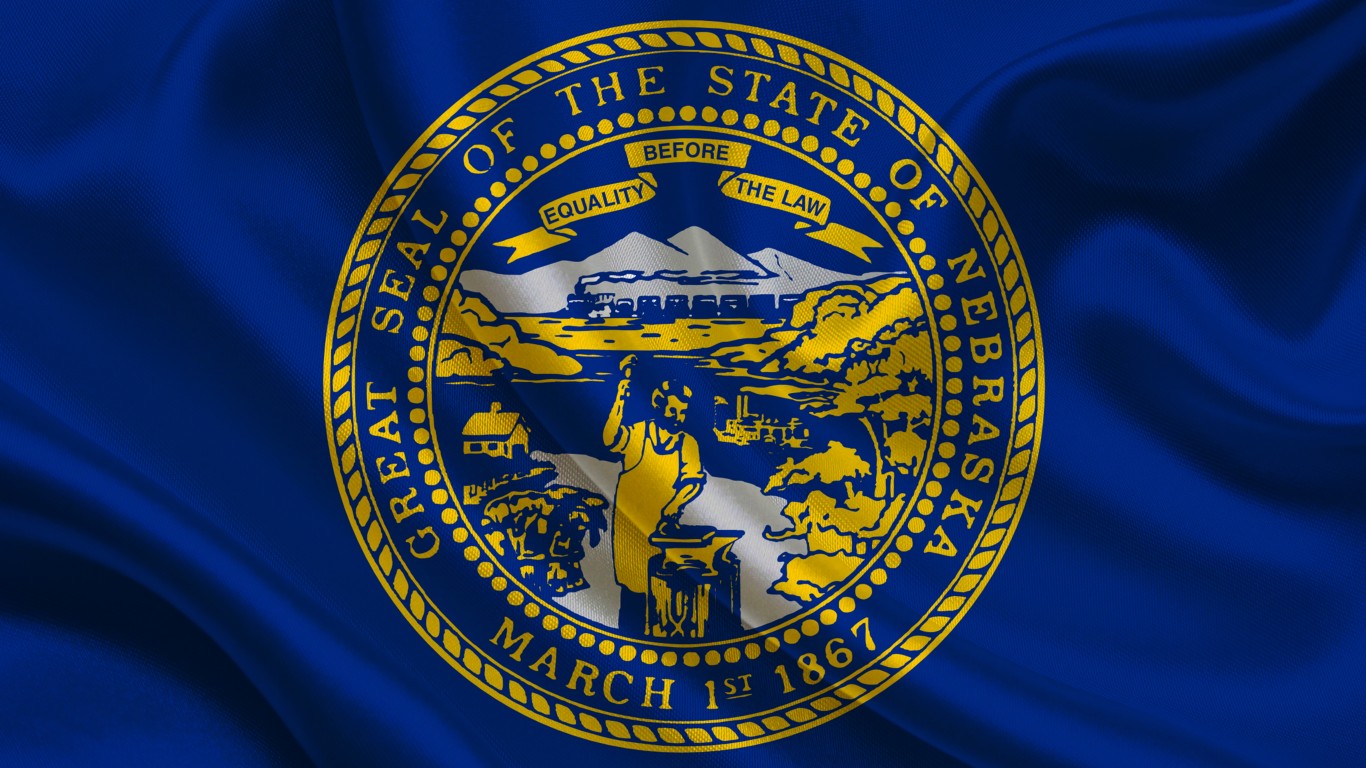
The Cornhusker State was assigned four area numbers.
- Social Security Area Numbers: 505-508
37. Kansas
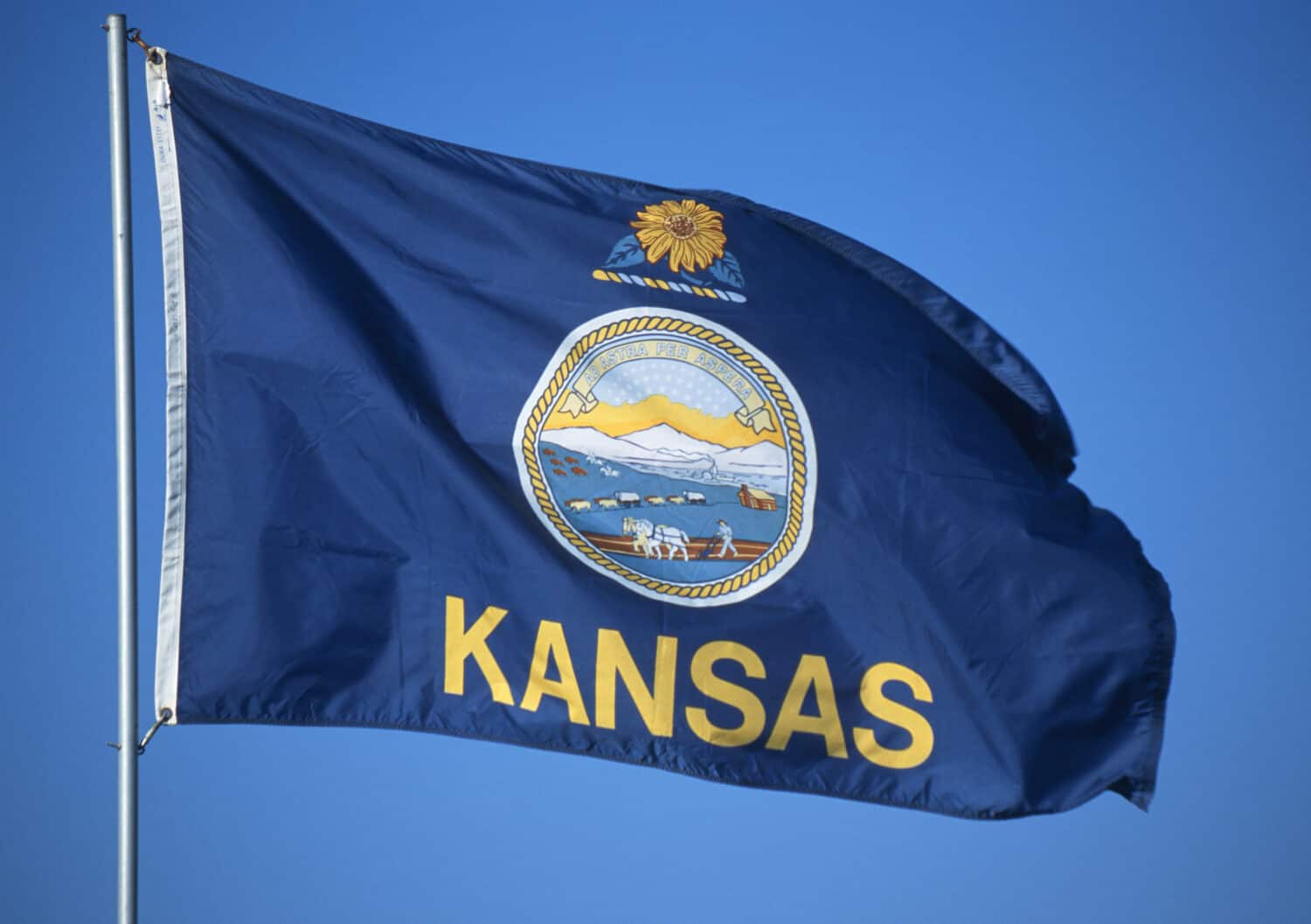
The Sunflower State was given seven area numbers.
- Social Security Area Numbers: 509-515
38. Montana

Montana is the fourth-largest state by area, but its small population only garnered two area numbers.
- Social Security Area Numbers: 516-517
39. Idaho
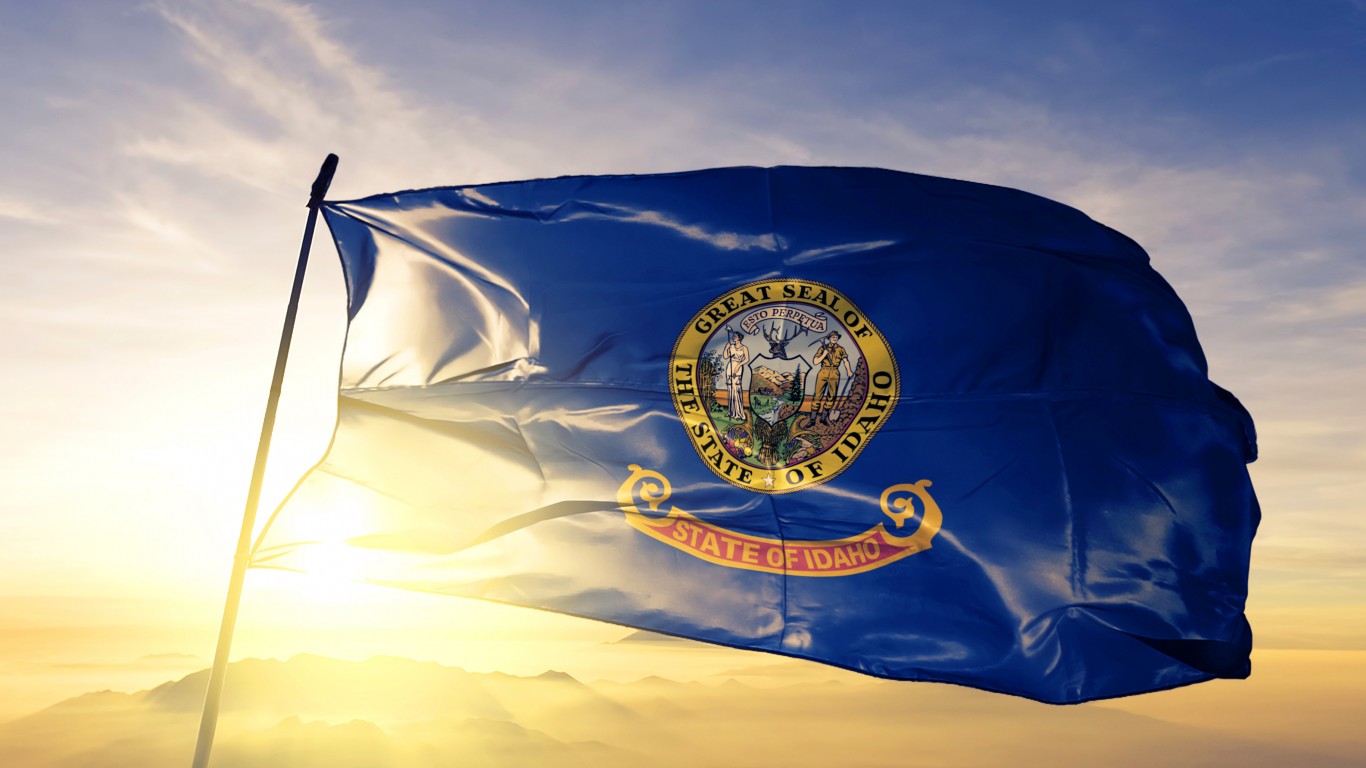
The Gem State was assigned two area numbers.
- Social Security Area Numbers: 518-519
40. Wyoming

As the least populous state in the nation, Wyoming was only assigned one area number.
- Social Security Area Number: 520
41. Colorado
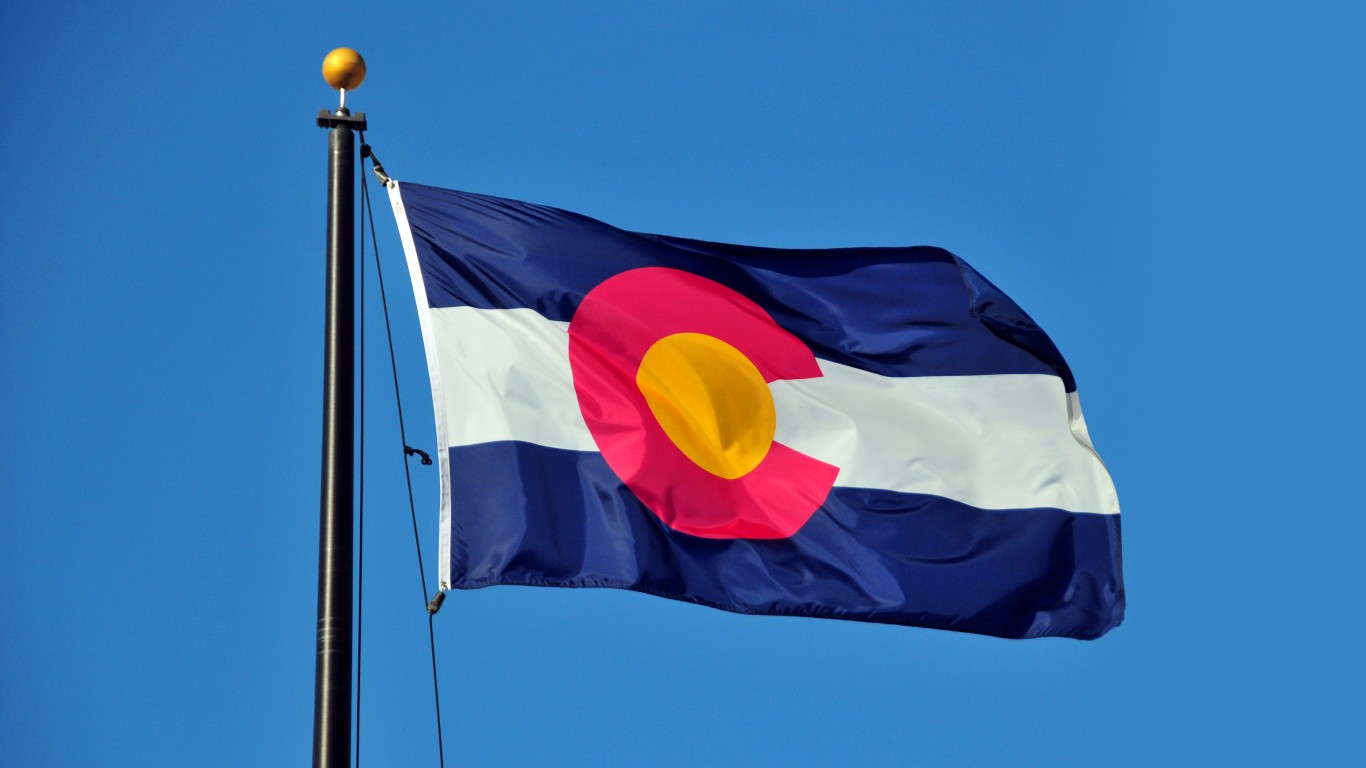
Colorado’s growth required additional area numbers.
- Social Security Area Numbers: 521-524, 650-653
42. New Mexico
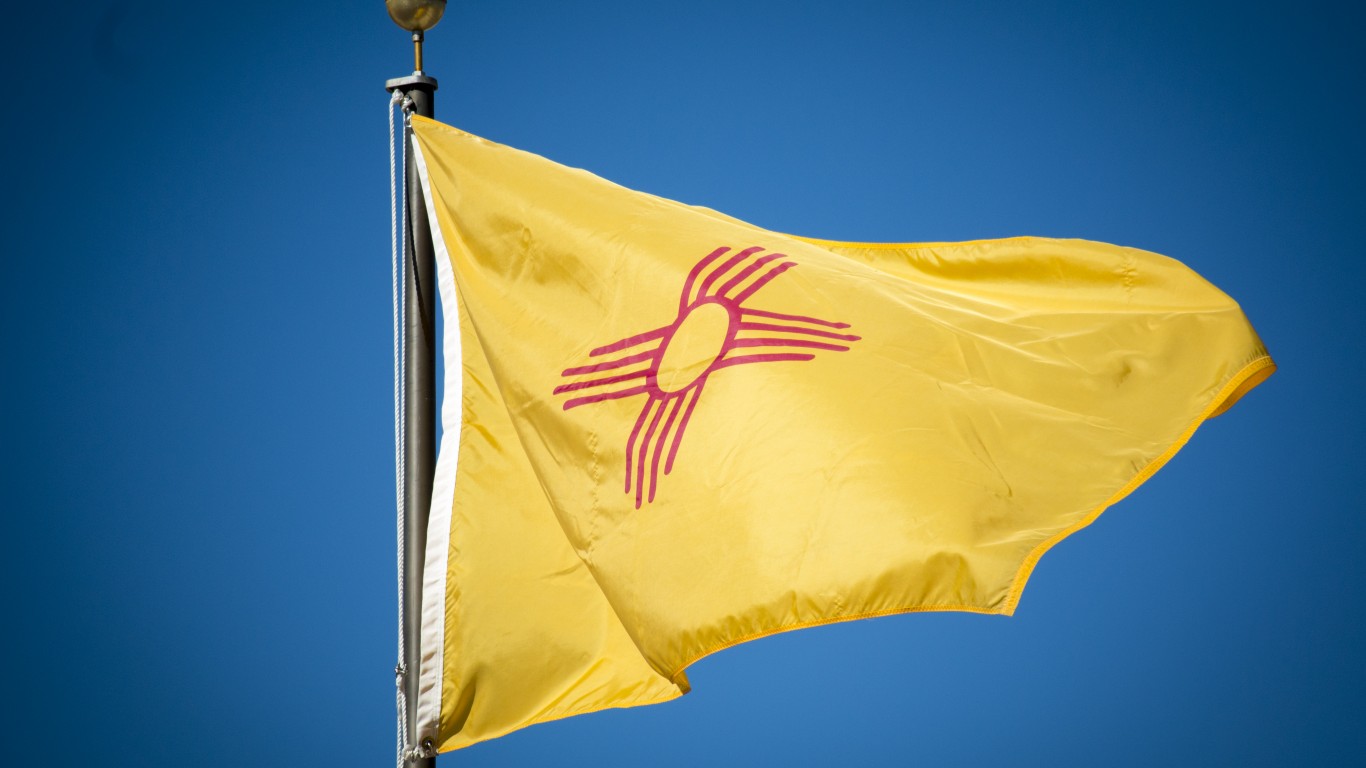
New Mexico was originally assigned only one area number, but that would not be enough.
- Social Security Area Numbers: 525, 585, 648-649
43. Arizona

Arizona’s continued growth required multiple assignments of new area numbers.
- Social Security Area Numbers: 526-527, 600-601, 764-765
44. Utah
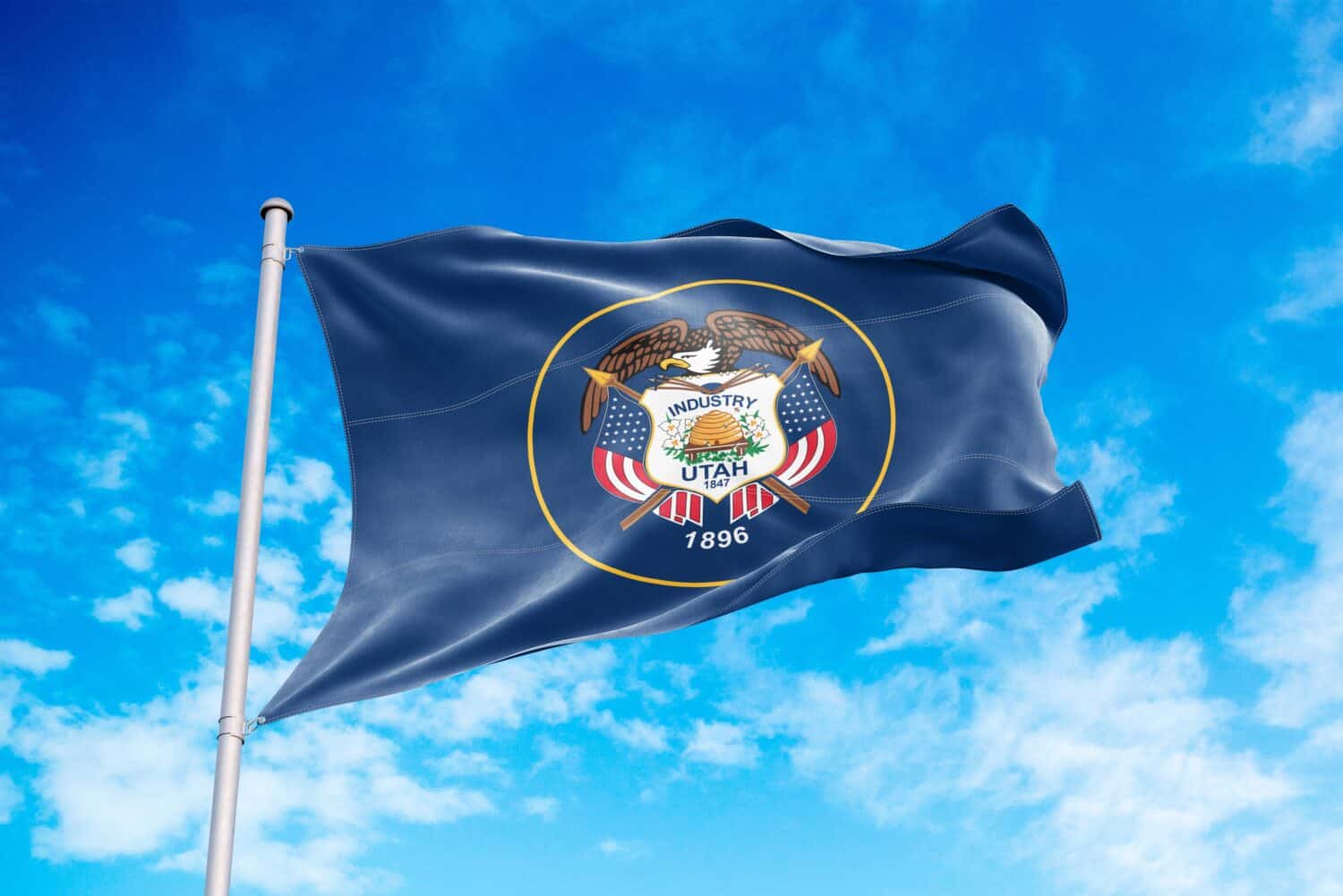
Utah’s original allotment of two area numbers proved insufficient.
- Social Security Area Numbers: 528-529, 646-647
45. Nevada

Nevada required an additional area number, mostly due to the growth of the Las Vegas metro area.
- Social Security Area Numbers: 530, 680
46. Washington State
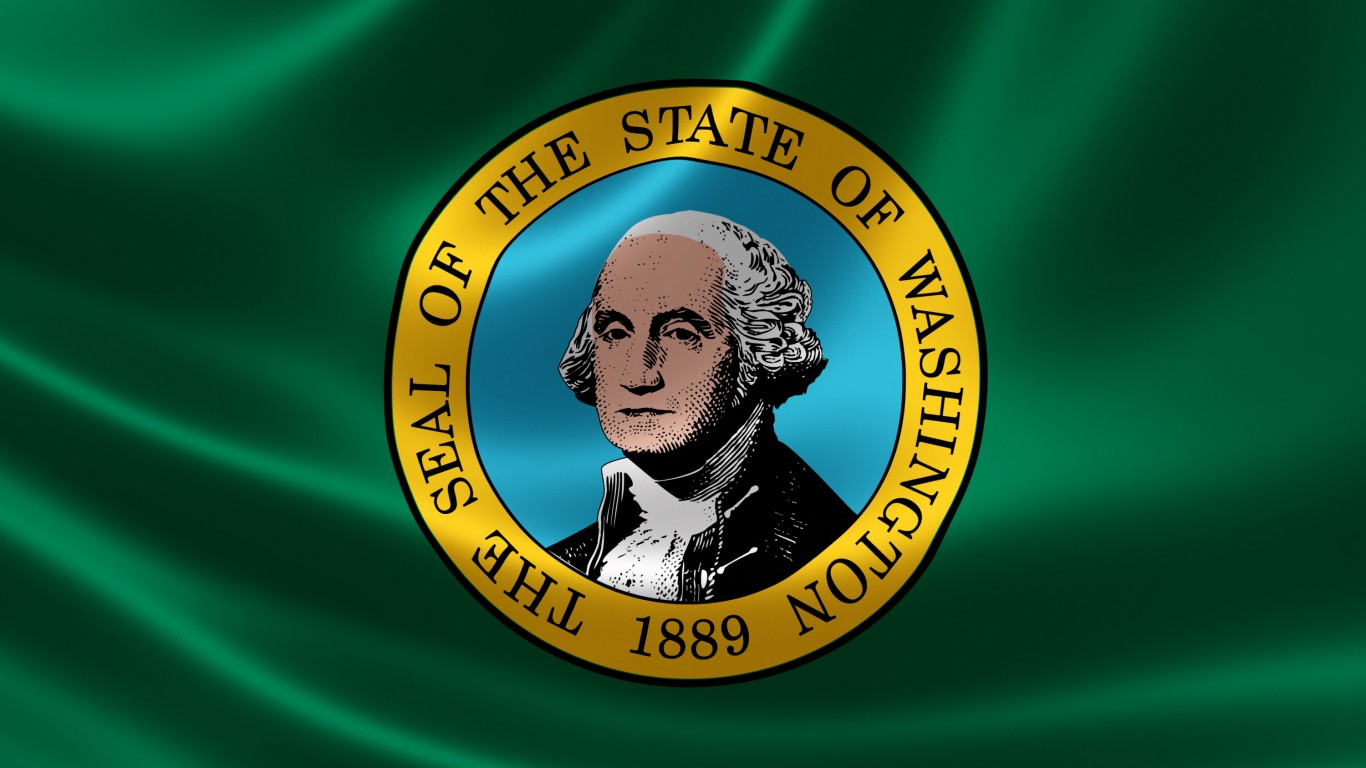
The Evergreen State was assigned nine area numbers.
- Social Security Area Numbers: 531-539
47. Oregon
The SSA assigned five area numbers to Oregon.
- Social Security Area Numbers: 540-544
48. California

California’s many area numbers reflect its status as the nation’s most populous state.
- Social Security Area Numbers: 545-573, 602-626
49. Alaska

Alaska is the largest state in the nation by land mass, but only one area number was needed to cover its entire population.
- Social Security Area Number: 574
50. Hawaii

The growth of the Aloha State demanded additional area numbers.
- Social Security Area Numbers: 575-576, 750-751
51. District of Columbia

Washington, D.C. was assigned three area numbers.
- Social Security Area Numbers: 577-579
52. U.S. Virgin Islands
The. U.S. Virgin Islands were assigned one area number by the SSA.
- Social Security Area Number: 580
53. Puerto Rico
The first set of five area numbers proved insufficient for Puerto Rico’s growth.
- Social Security Area Numbers: 580-584, 596-599
54. Pacific Ocean Territories

The U.S. Pacific Territories, including Guam, received one area number.
- Social Security Area Numbers: 586













 Top Gaining Stocks
 Top Losing Stocks