



24/7 Insights
- Hand gestures are generally very accepted in the United States.
- Unfortunately, hand gestures don’t mean the same thing around the world.
- In many cases, hand gestures can be interpreted as rude and aggressive.
- Also: 2 Dividend Legends to Hold Forever
One of the best things about having the opportunity to travel and see the world is understanding all of the cultural aspects of somewhere you have never been. While it’s okay to get swallowed into our little American bubble, the rest of the world has its own way of life with food, clothes, music, dance, and even less notable things like hand gestures.
It’s important to remember that such hand gestures that might be acceptable or at least understood here in the United States could mean something entirely different around the world. There’s a better-than-good chance that something acceptable here at home could be potentially rude or embarrassing elsewhere in the world.
12. Head Nod

A head nod and a thumbs up could land you in a fight overseas.
In the United States, shaking your head yes or no is an everyday action that’s rarely given a second thought. However, it’s reversed in Greece, so doing so could cause major confusion.
11. Pointing

Pointing could be interpreted as being very rude.
Using your index finger to point in the US is often regarded as just drawing attention to something. However, in Arab and Asian worlds, pointing at someone could be interpreted as overly aggressive.
10. Index Finger
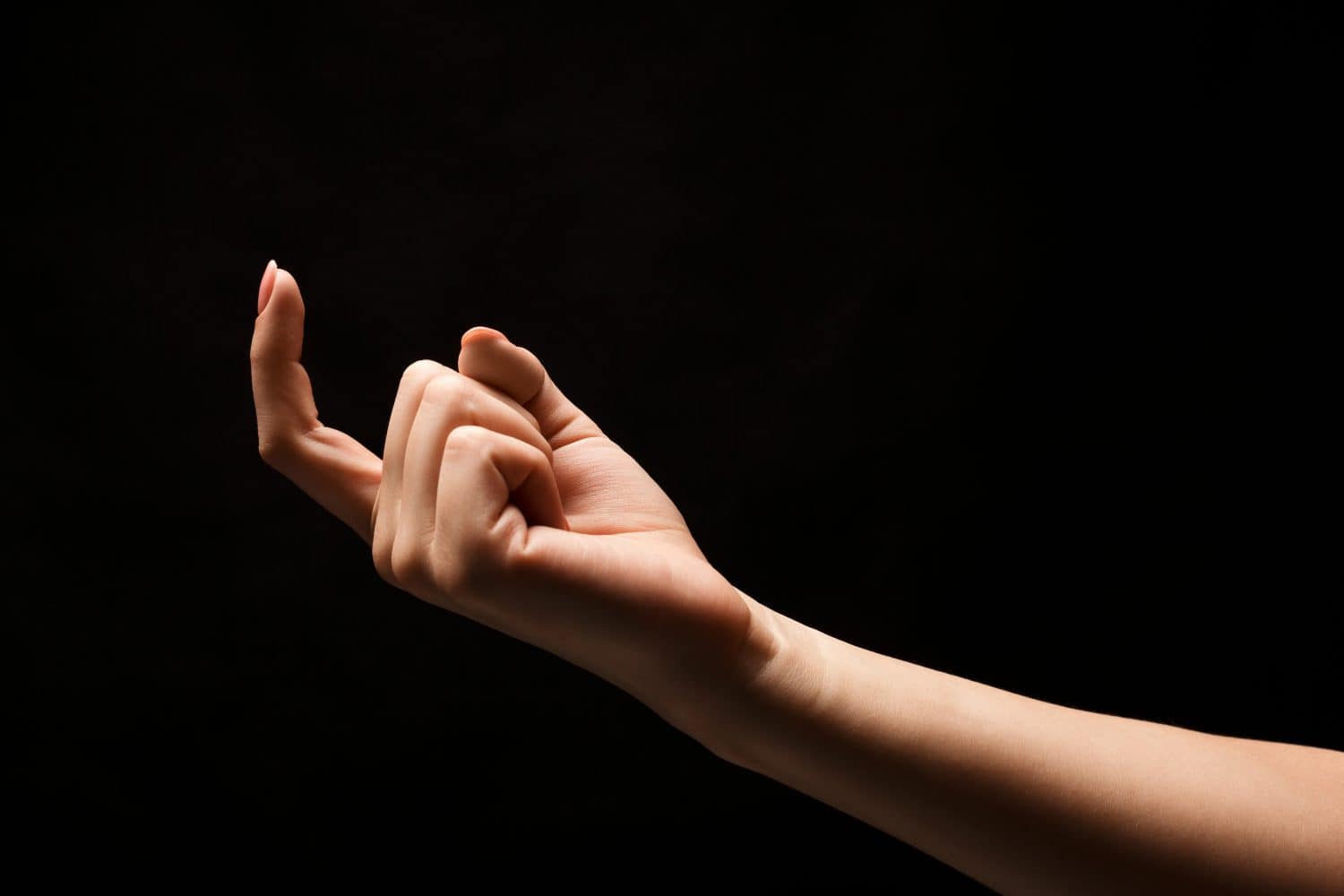
The “come here” gesture means something different in Latin America.
What is often considered a “come here” hand gesture in the United States means something quite different in Latin America. It’s interpreted as beckoning someone over like they are an animal.
9. Crossed Arms

Crossed arms are interpreted very poorly in Finland.
For many Americans, crossing their arms is simply an opportunity to do something with their arms. However, this gesture is rude in Finland and a sign of arrogance.
8. Thumb Flick

Thumb flicking with your teeth has a very dirty connotation.
Flicking your thumb from the back of your upper front teeth might be fairly meaningless in the US, but in India or Pakistan, it’s akin to saying the “f” word.
7. Chin Flick

A chin gesture could quickly be misinterpreted in some countries.
In ASL (American Sign Language), flicking your chin with your hand means you are saying “thank you.” However, in other countries like Italy and France, it could rudely mean “get lost” or “go away.”
6. Devil’s Horn
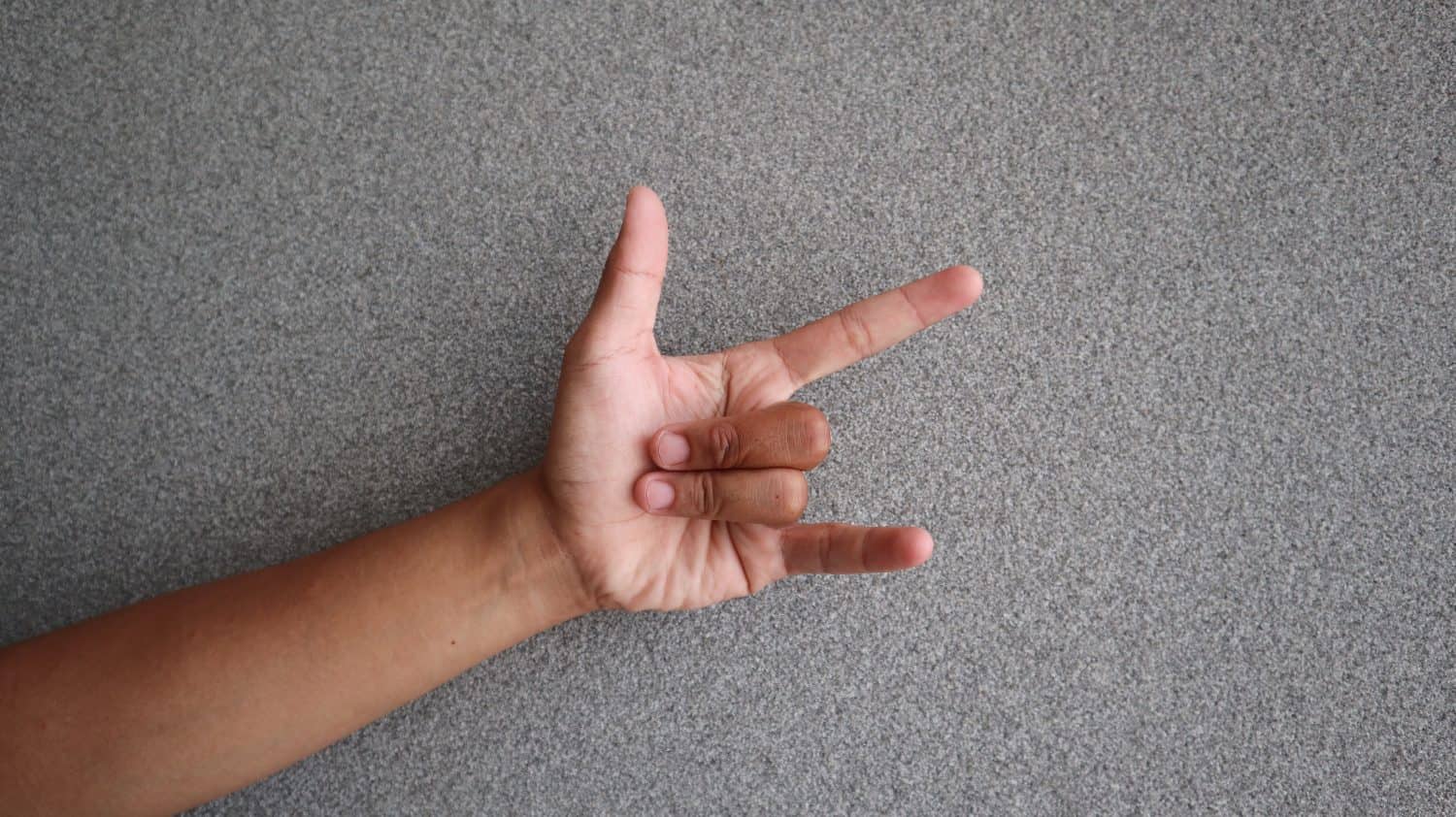
Using the devil’s horn gesture could be incredibly rude to other people.
This gesture might be greatly appreciated at University of Texas football games, but in Spain, Italy, Portugal, Brazil, and Colombia, it means your spouse could be having an affair.
5. Crossing Fingers
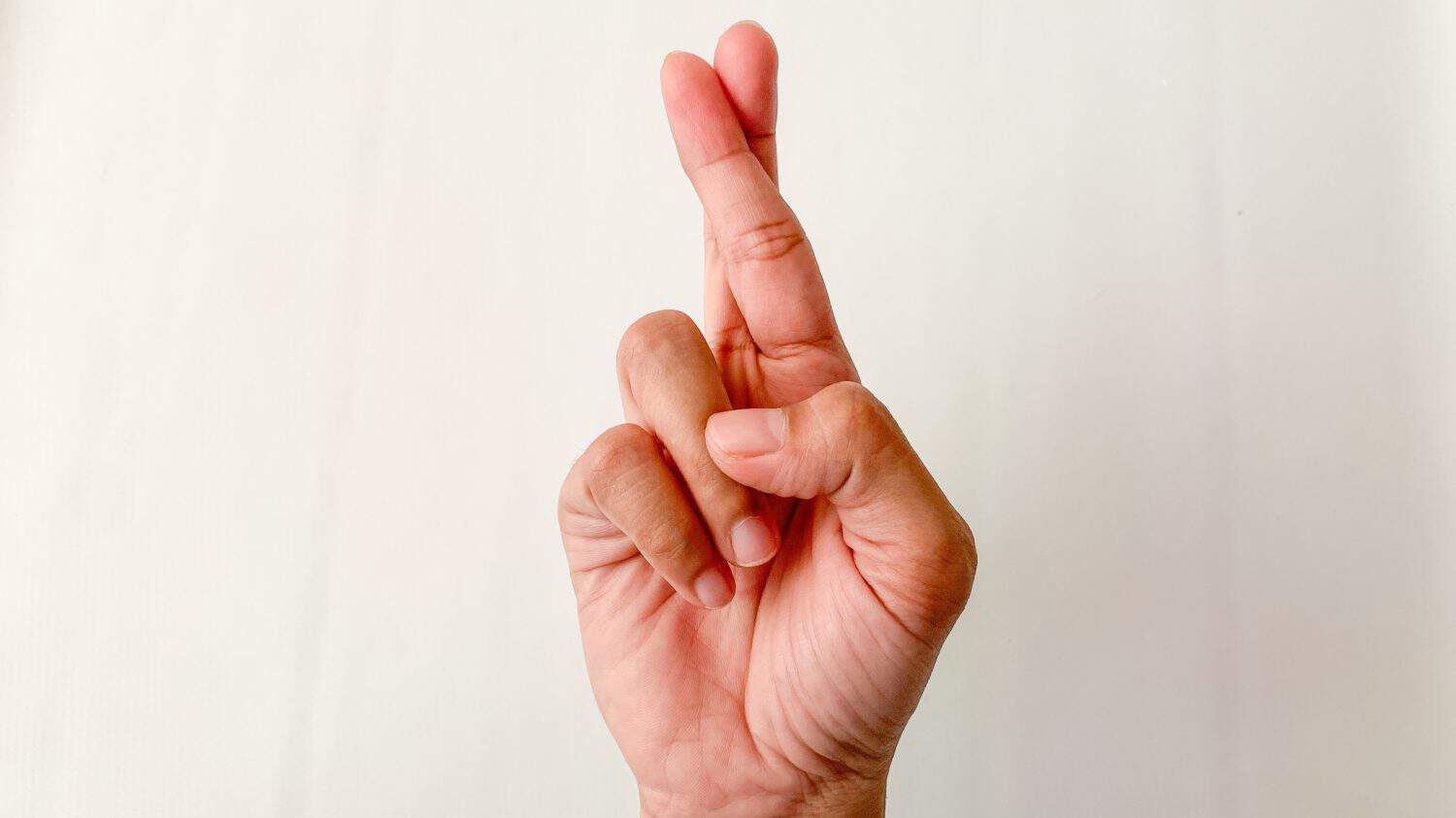
Vietnamese people see crossing their fingers as a major no-no.
While this is often related to thinking about good luck in the United States, the people of Vietnam view crossed fingers as an offensive sign of the female body and could get very upset.
4. Peace Sign

The backward peace sign can be easily misconstrued overseas.
A hand gesture of peace is common in the US, but if you make this sign with your palm facing you outside the US, it could be considered a gang sign in places like the United Kingdom.
3. Okay Sign

The “okay” gesture means something completely different outside the US.
Giving someone the “OK” sign is generally pretty benign in the States, but it could be misconstrued as giving someone the middle finger in Brazil, a lesson President Richard Nixon once learned.
2. Thumbs Up

Thumbs up doesn’t mean what you think it means overseas.
While the thumbs-up gesture may be best associated with Siskel and Ebert movie reviews, it’s also the equivalent of giving someone the middle finger in countries like Greece, Iran, Australia, and Nigeria.
1. Hands In Pockets

Hands in pockets can be interpreted as rude or uninterested.
What might seem completely harmless, like having your hands in your pockets, could be considered rude in countries like Japan, Germany, or the United Kingdom.















 Top Gaining Stocks
 Top Losing Stocks