


 Retail sales for January were better than expected, up 1%. Surprising news often leaves people addled. They look for some reason that the facts are different than were expected and often head off in the wrong direction. Retail sales did not fall because retailers are offering unprecedented discounts to keep people coming to their stores. The consumer may be at death’s door but he can still appreciate a bargain.
Stockholders seemed to have lost their grip on the obvious. Shares in companies like Macy’s (C) and Sears (SHLD) should not have gone up. Most retail stocks should have dropped like a rock when the numbers came out. Clearly, stores have no ability to both maintain prices and to keep foot traffic steady. They have had to sacrifice one for the other.
The farce of losing money on ever increasing sales and making it up on volume is not part of the lexicon of retail business criticism any more. Perhaps the concept became overused. It is, however, one of the most accurate descriptions of the dilemma at the root of the financial collapse which hit the retail industry in this recession. Inventory becomes a liability, not an asset, especially for stores which have borrowed to get the goods that they planned to sell.
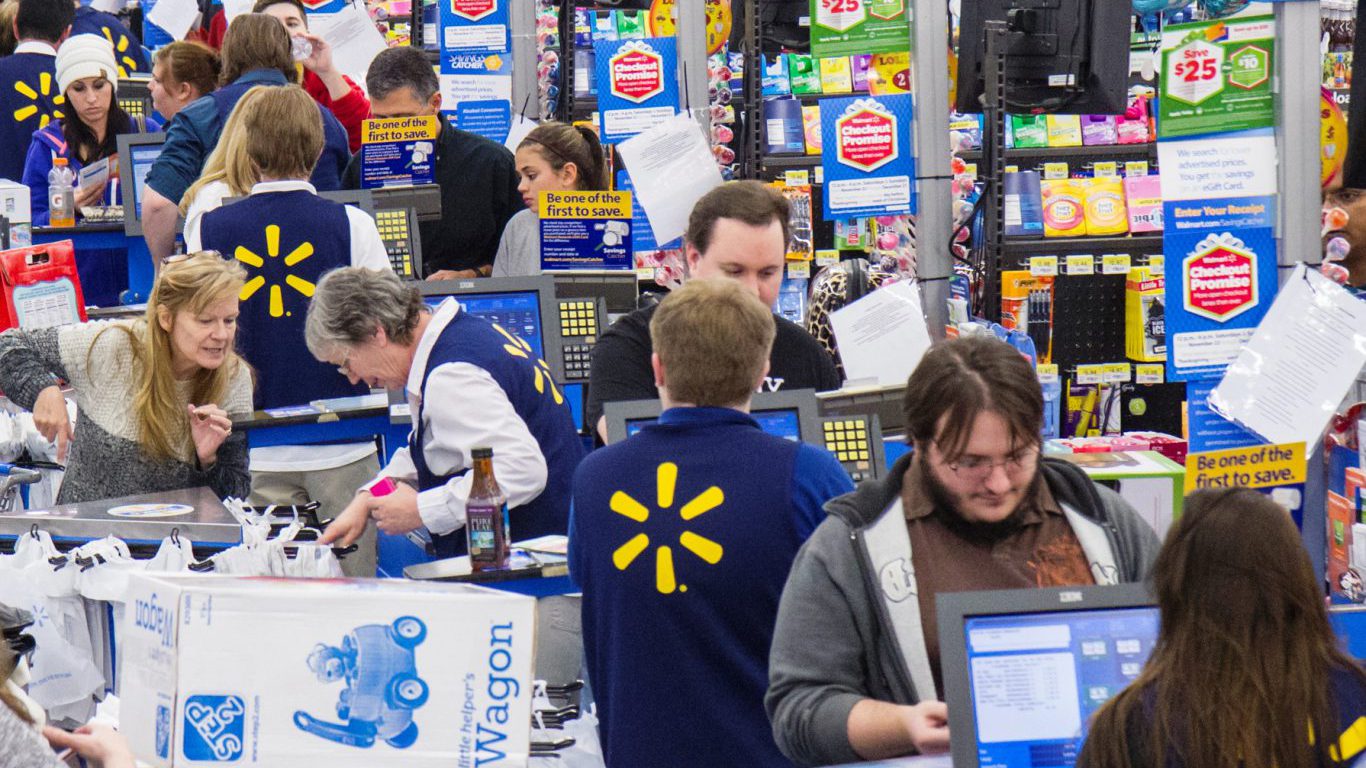
Deep discounting clears out inventory, which is ironic because many retail outlets cannot get the credit to replace it. Stores quickly run out of things to sell. Their merchandise has usually been sold at such a sharp markdown that there is no profit in it. Sometimes the sales actually account for huge losses. No matter what shoppers claim, wholesale can cost more than retail.
Retail establishments need government assistance as much or more than any other American industry. They will not get it. Bailing out stores is more complex than refinancing mortgages. There is no way to sift though the lot to see which firms are worth saving.
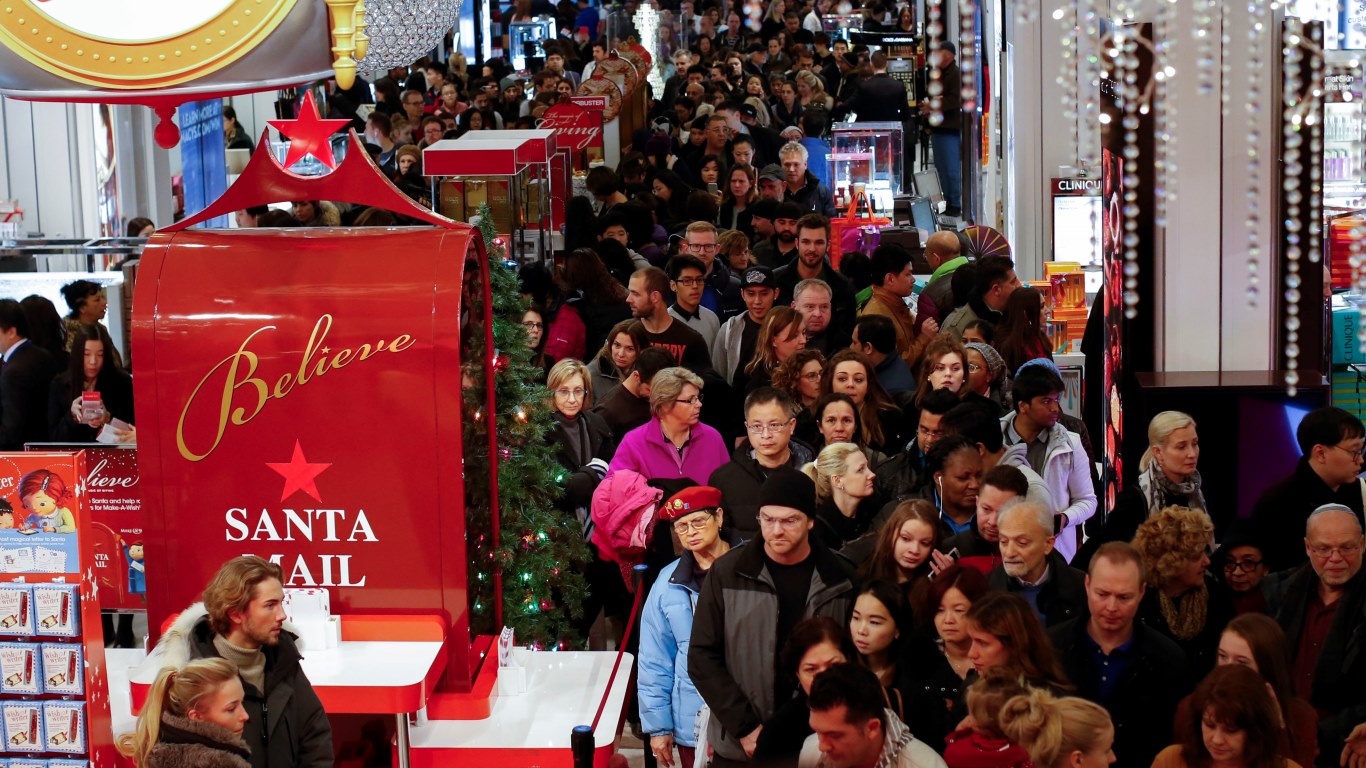
The swift turn in the economy which occurred in the fall did more to hurt the retail industry than can be imagined. It was just building inventories for the holiday season as the consumer left town. At the beginning of January, the choice was between empty stores or unreasonable discounts. Retailers took the unreasonable discount route and it has not helped them at all.
Douglas A. McIntyre






 Top Gaining Stocks
 Top Losing Stocks