


Last year, car sales in the United States were battered from March well into the late fall because of the COVID-19 pandemic. People stayed away from dealerships, because of both the disease and the financial uncertainty and unsettled job market. Toward the end of 2020, sales started to return to “normal,” particularly for some brands and models.
Demand for cars by brand and model varies widely. Manufacturers and dealers constantly work to balance inventory.
One primary measure of inventory is the average number of days it takes to sell an individual car once it reaches the dealer. Usually, this is 40 to 50 days. This means dealers have enough cars in inventory to meet customer demand, but not so may as to strain their physical facilities and raise their expenses.
The auto industry is headed toward a major inventory problem. Semiconductors used to make many vehicles are in short supply. The problem is so acute that some car companies expect their earnings to be undermined. The Washington Post reports that plants have had to slow or stop production and that Ford, General Motors, Honda, Toyota and Volkswagen, at the very least, have been affected.
[nativounit]
However, this is an unusual cause for inventory problems. Some car models may catch the public’s attention and sales spike higher than the manufacturer expected. Special discounts on an individual car can pull people to dealers and deplete inventory. Then dealers are left with unhappy potential customers, and manufacturers are left to decide if they should change factory production.
On the other hand, some cars have so little demand that dealers cannot clear their lots of them. These dealers are stuck with vehicles that they bought from manufacturers, only to see them sit in inventory for months, or as much as half a year.
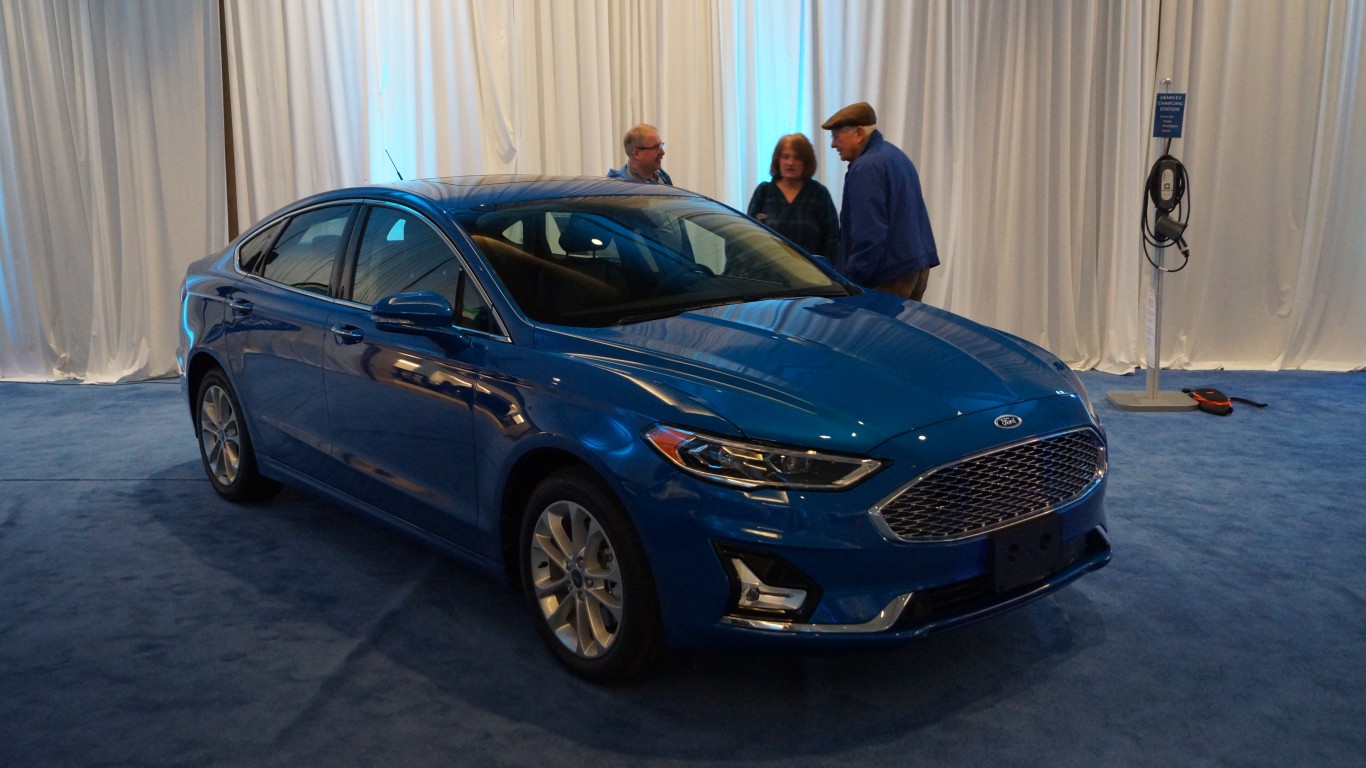
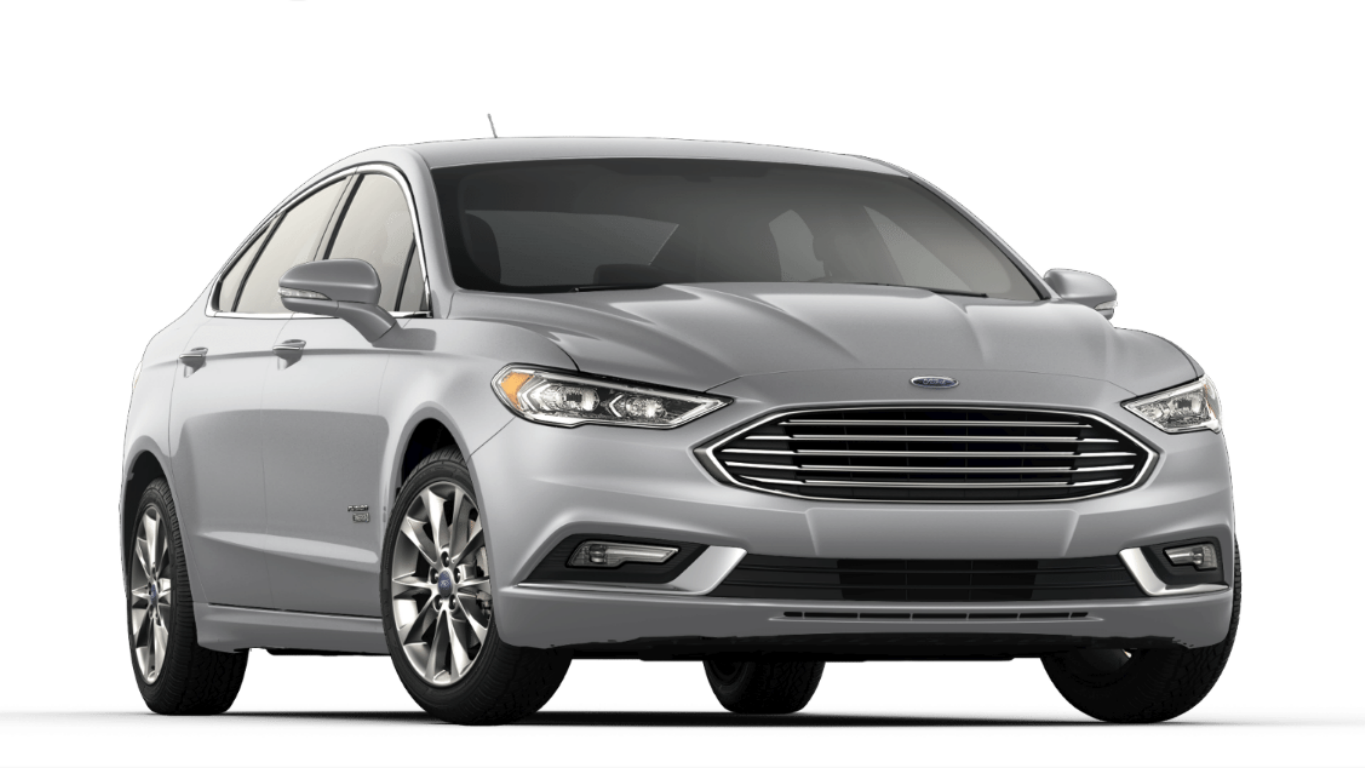
iSeeCars keeps monthly data on “days to sell” by vehicle as a means to determine the balance of supply and demand. The average number of days to sell across the industry in January was 46, which is within the normal range. However, the days to sell figure for a Ford Fusion Hybrid was 177. This sedan is built and sold by a company that is trying to exit the car business in the United States and focus on the sport utility vehicle, crossover and pickup markets. The Fusion was one of these holdovers. In fact, the second-slowest-selling car in America is the Fusion Hybrid at 174 days.
Here is how the firm gets its findings:
iSeeCars.com analyzed over 1.5 million new and used car sales (model years 2016-2020 for used cars) from March 2021. The number of days that each car was listed for sale on iSeeCars.com was aggregated at the model level, and the average days on market for each was mathematically modeled. Heavy-duty vehicles, models no longer in production prior to the 2021 model year, and low-volume models were excluded from further analysis.
The 20 Slowest-Selling Cars in America in March
| Vehicle | Average Days to Sell |
|---|---|
| Ford Fusion | 177.1 |
| Ford Fusion Hybrid | 173.7 |
| Dodge Grand Caravan | 150.1 |
| Honda Fit | 137.7 |
| Ford Ecosport | 107.2 |
| Honda Insight | 102.9 |
| Lincoln Nautilus | 100.1 |
| Chevrolet Trax | 98.6 |
| Dodge Journey | 95.5 |
| Mitsubishi Mirage | 95.4 |
| Infiniti QX60 | 95.2 |
| Kia Niro | 94.3 |
| Nissan Pathfinder | 87.5 |
| Honda Civic | 85.4 |
| Mitsubishi Outlander | 84.0 |
| Chrysler 300 | 81.5 |
| Ford Mustang | 81.3 |
| Nissan LEAF | 80.2 |
| Honda Odyssey | 79.8 |
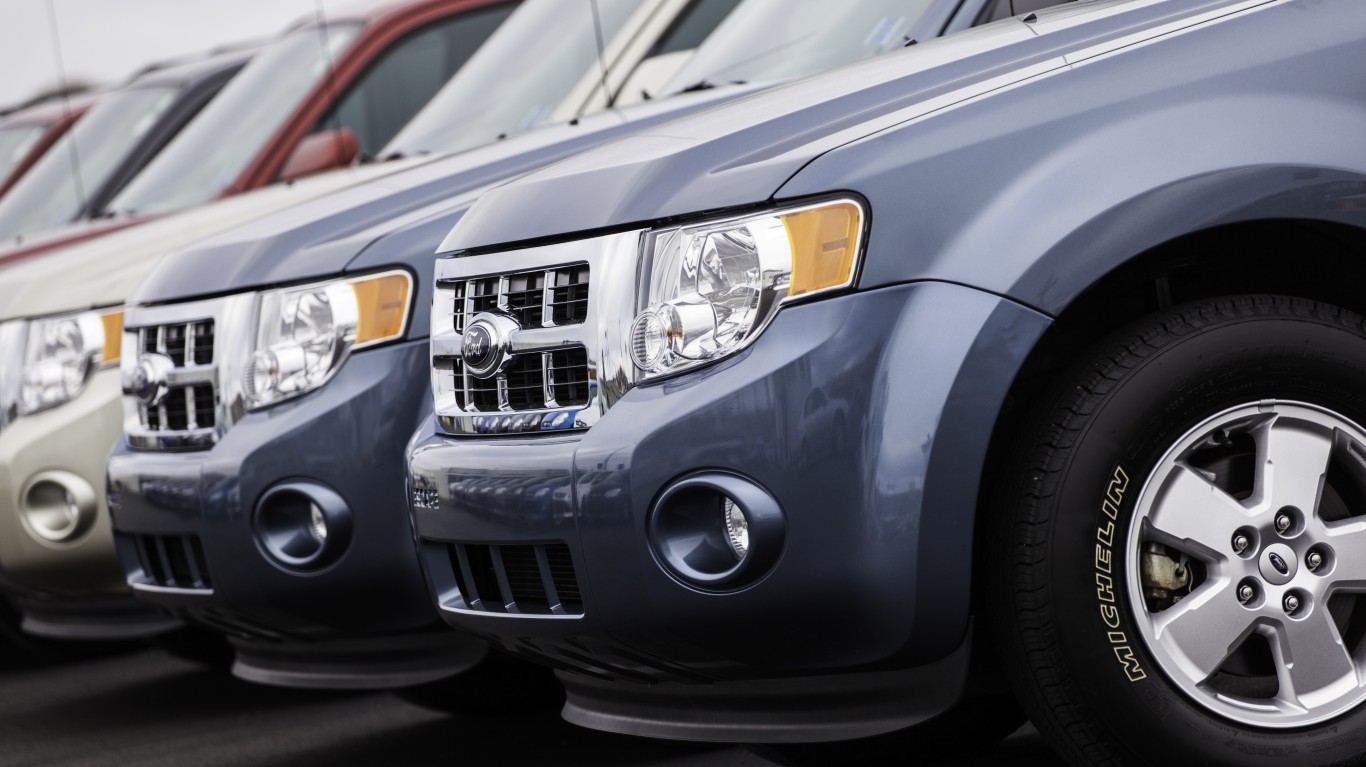
| Ford Escape | 79.0 |
Click here to see America’s fastest-selling car.
[wallst_email_signup]







 Top Gaining Stocks
 Top Losing Stocks