


 The Wall Street Journal reports that sales of Diet Coke in the US have passed those of Pepsi. Regular, sugary Coke holds the top spot. The Journal’s analysis of the situation largely supposes that Coke’s marketing effort is responsible. That may not be true at all. Diet Coke may taste better than Pepsi, and its has fewer calories, an important feature in an obese world.
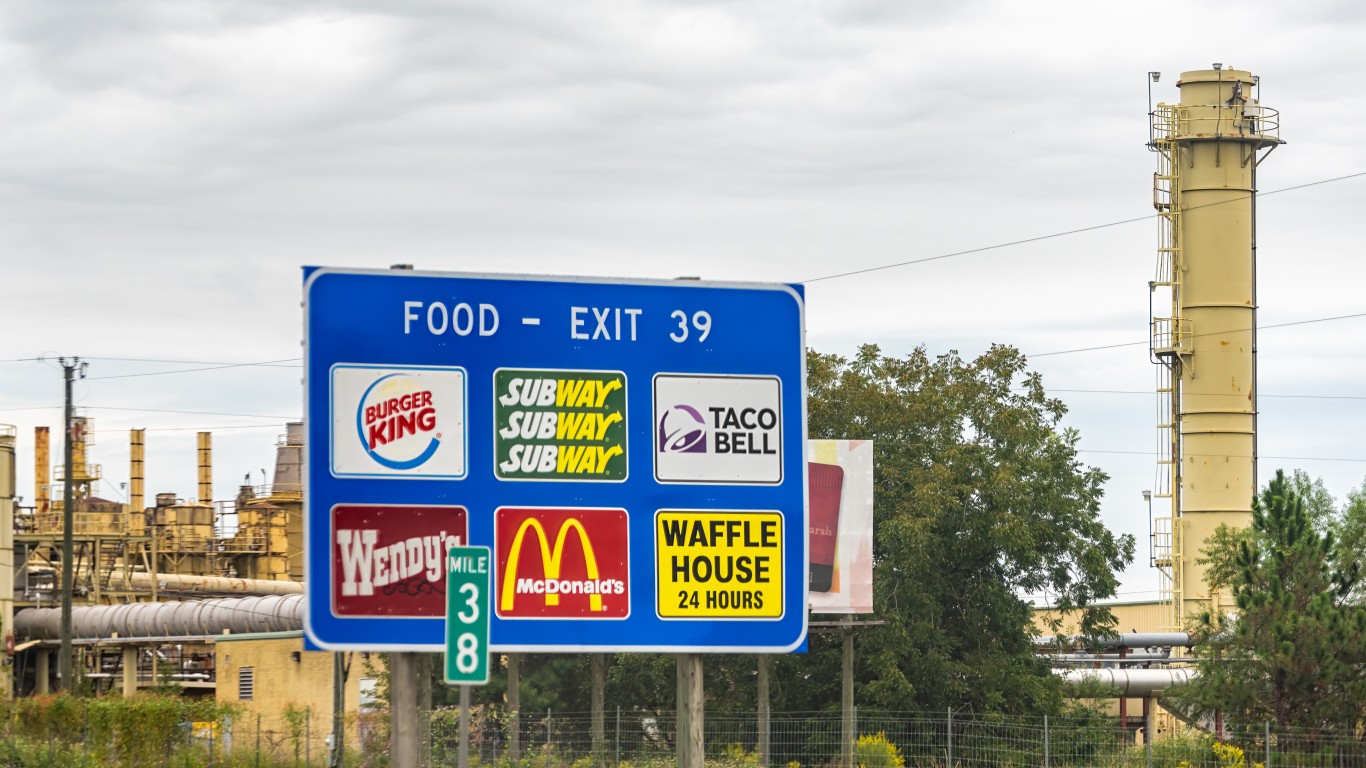
Many studies about product popularity focus on marketing expenditures over product preference. The reason McDonald’s (NYSE: MCD) is more successful that Burger King or Subway is because it has a larger advertising budget than its competitors and more locations. The store count argument has changed now that Subway has more outlets worldwide than McDonald’s, though the fast food giant still holds the top spot in sales.
McDonald’s has been able to take share at the bottom of the fast food market where it and Burger King fight over people who buy entire meals for $1. But, McDonald’s has also hurt the sales of Starbucks high-end coffee drinks. Very little is said about whether the McDonald’s coffee or hamburgers taste better. Therefore, McDonald’s must be the superior marketer among the firms in its industry, according to this theory.
The same argument about marketing money and prowess extends to other industries such as automobiles. Ford’s sales rose quickly relative to the US industry when GM and Chrysler filed Chapter 11. Ford remained independent and had the capital to aggressively market its new models and their fuel-efficient engines. GM (NYSE: GM) will not admit that Ford builds better cars and light trucks. Toyota argues that the massive recall of its cars last year was not the primary cause of its faltering sales. Ford could spend more money on promoting its products while Toyota had to spend marketing defending its.
It is convenient to say that marketing money is what drives product sales. Expenditures can be counted in dollars and cents. Evaluation of customer preferences and tastes are much more difficult to gauge. That leaves analysts with a quandary. What if a product’s quality or features are better than those of the competition mean? According to an analysis of Diet Coke’s success, very little.
Douglas A. McIntyre





 Top Gaining Stocks
 Top Losing Stocks