


 Many of the largest mall operators in the US have gone into default. The Wall Street Journal recently said that the problem is caused by the effects of the economy on small business owners and a rise in e-commerce.
The problem is going to get much worse, much sooner than expected. Bankruptcies at Borders and Blockbuster have already gutted some stores. The retail prospects of healthy companies like Best Buy (NYSE: BBY) are also failing sooner than expected.
Malls may have been hurt as much by big box retailers as anything else. Wal-Mart (NYSE: WMT) often builds its stores as standalone structures. The same is true with Costco (NASDAQ: COST) which recently said that last month’s same store-sales rose 13%.
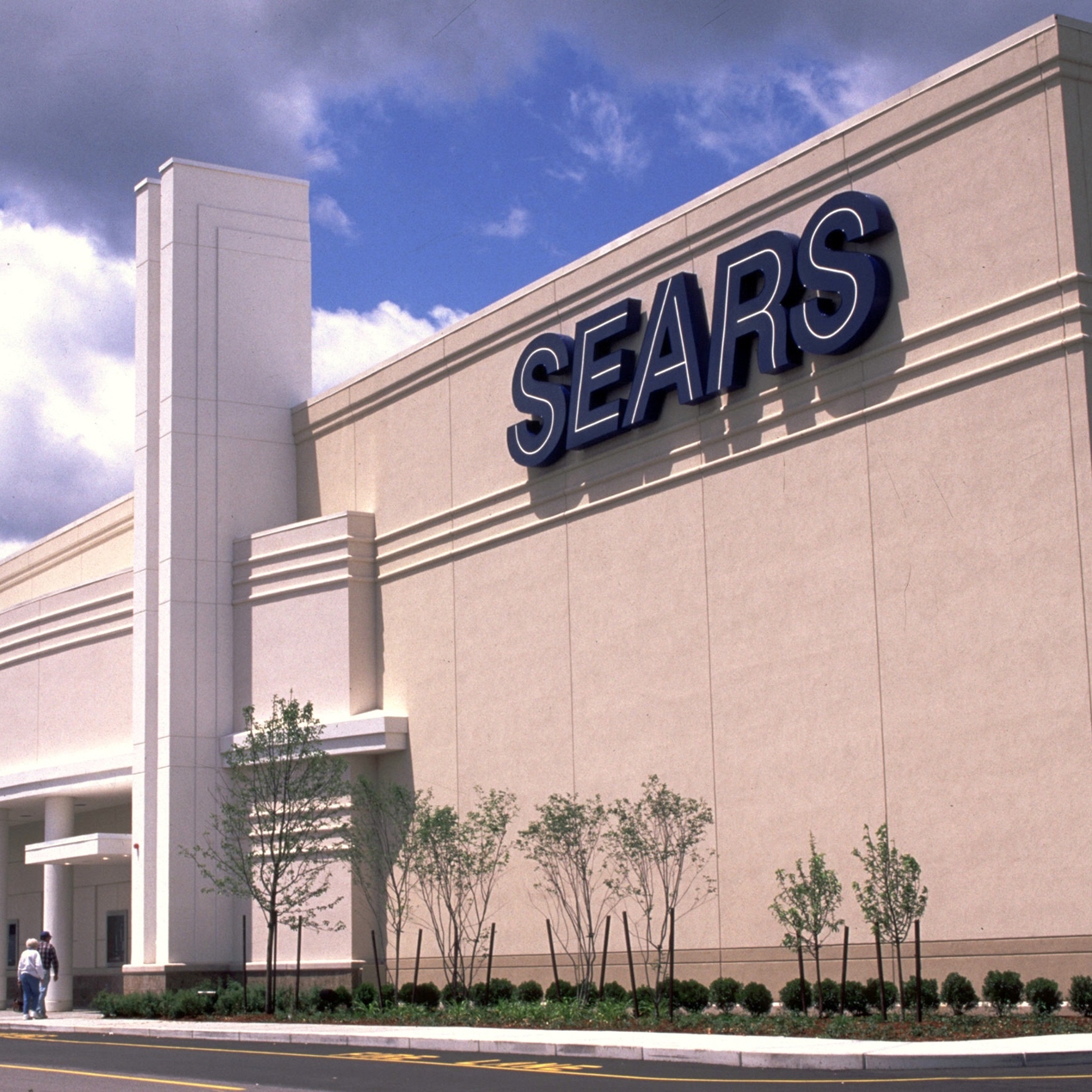
Amazon.com (NASDAQ: AMZN) has gotten much bigger, much faster than most bricks-and-mortar retailers expected. But, that is not the core of the malls’ problems. Small stores in malls have started to expand their e-commerce operations. They have begun to destroy their own businesses to save them. Amazon may have a large number of users, but so do Walmart.com and Target.com. These large retail operators have become the benchmark for smaller companies just as they were twenty years ago when Wal-Mart challenged Sears (NASDAQ: SHLD) and JC Penney (NYSE: JCP).
The trouble for the mall operator is that the little store is pushing its customers online. This store owner does not want a store. They want a website. It cuts their cost of doing business. It should improve his margins. Employees and real estate have become less and less necessary.
Douglas A. McIntyre







 Top Gaining Stocks
 Top Losing Stocks