Costco Dodges Economic Bullet

Photo of Douglas A. McIntyre
By Douglas A. McIntyre Published
This post may contain links from our sponsors and affiliates, and Flywheel Publishing may receive compensation for actions taken through them.

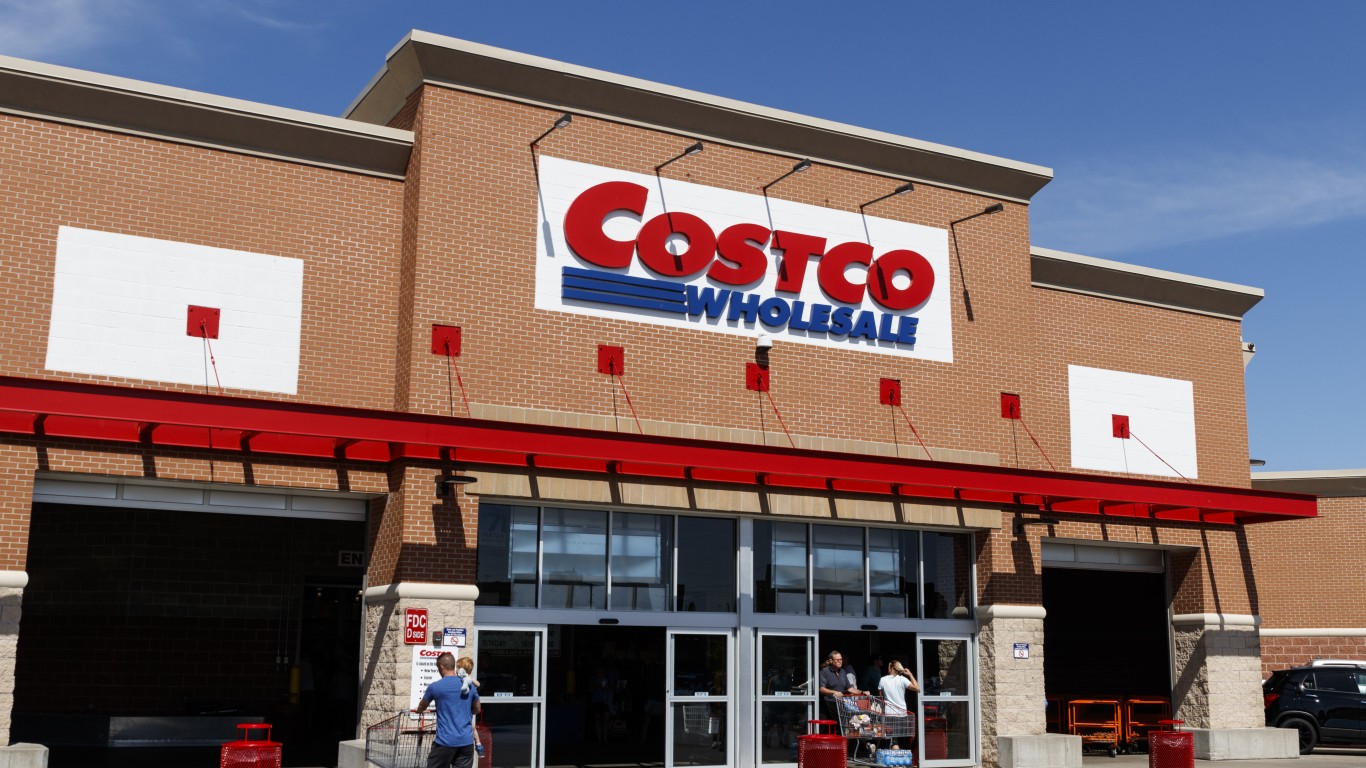
Costco Wholesale Corp.’s (NASDAQ: COST) annual sales run above $100 billion, more than twice J.C. Penney Co Inc.’s (NYSE: JCP) and Macy’s Inc.’s (NYSE: M) combined, and nearly 40% of those of mega-retailer Target Corp. (NYSE: TGT). Yet, its sales have not been dented by the current downturn or slowdown in sales at most of the nation’s largest retailers. Costco reported net sales of $9.35 billion for the month of January, the five weeks ended February 3, 2013, an increase of 7% from $8.74 billion during the similar period last year.

Costco may not have the perfect model for retail success, but it is close.

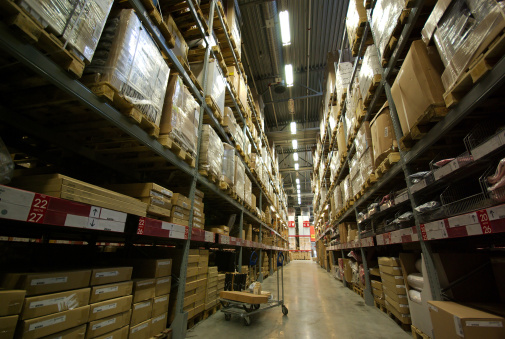
At the heart of Costco’s lack of vulnerability is its membership model — a kind of club exclusivity for the middle class. Its annual membership fees range from $55 to $110 a year. That is not much of a buy-in to shop its massive warehouses, whether the shopper is an individual or a company. Even Tiffany & Co. (NYSE: TIF) and other high-end retailers do not have a price of admission. Whether or not membership gives access to special value, it appears to create that illusion.

There also may be a belief among those who invest in Costco memberships that size matters. The average Costco location covers 143,000 square feet, much larger than the average Wal-Mart Stores Inc. (NYSE: WMT) location, which measures only 102,00 square feet. Does a Costco store contain more products at low prices because of its size. Probably not, but the size may create that impression.

The last and most important thing Costco offers customers is a satisfaction safety net, which covers almost any level of problems buyers have with products or memberships. All a member has to do is claim that a product or a membership does not measure up and Costco promises a refund — at 100% of the purchase price.

Costco has effectively made a promise to its shoppers — pay to be a member and that membership will be worth more than its weight in gold — even if gold is so expensive now as to be beyond most people’s reach.


Photo of Douglas A. McIntyre
About the Author Douglas A. McIntyre →

Douglas A. McIntyre is the co-founder, chief executive officer and editor in chief of 24/7 Wall St. and 24/7 Tempo. He has held these jobs since 2006.

McIntyre has written thousands of articles for 24/7 Wall St. He is an expert on corporate finance, the automotive industry, media companies and international finance. He has edited articles on national demographics, sports, personal income and travel.

His work has been quoted or mentioned in The New York Times, The Wall Street Journal, Los Angeles Times, The Washington Post, NBC News, Time, The New Yorker, HuffPost USA Today, Business Insider, Yahoo, AOL, MarketWatch, The Atlantic, Bloomberg, New York Post, Chicago Tribune, Forbes, The Guardian and many other major publications. McIntyre has been a guest on CNBC, the BBC and television and radio stations across the country.

A magna cum laude graduate of Harvard College, McIntyre also was president of The Harvard Advocate. Founded in 1866, the Advocate is the oldest college publication in the United States.

TheStreet.com, Comps.com and Edgar Online are some of the public companies for which McIntyre served on the board of directors. He was a Vicinity Corporation board member when the company was sold to Microsoft in 2002. He served on the audit committees of some of these companies.

McIntyre has been the CEO of FutureSource, a provider of trading terminals and news to commodities and futures traders. He was president of Switchboard, the online phone directory company. He served as chairman and CEO of On2 Technologies, the video compression company that provided video compression software for Adobe’s Flash. Google bought On2 in 2009.

Featured Reads

Our top personal finance-related articles today. Your wallet will thank you later.

Continue Reading

Top Gaining Stocks

CBOE Vol: 1,568,143
PSKY Vol: 12,285,993
STX Vol: 7,378,346
ORCL Vol: 26,317,675
DDOG Vol: 6,247,779

Top Losing Stocks

LKQ
LKQ Vol: 4,367,433
CLX Vol: 13,260,523
SYK Vol: 4,519,455
MHK Vol: 1,859,865
AMGN Vol: 3,818,618