


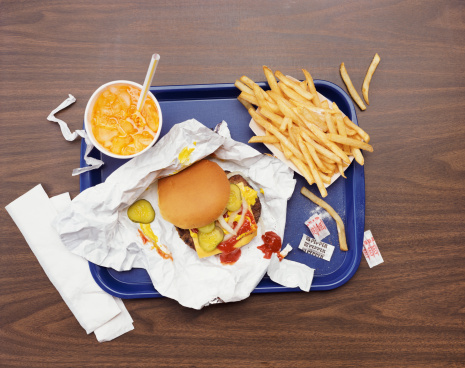
Wednesday’s protests have been organized by MoveOn.org and demonstrators are planning to present petitions signed by supporters at the MoveOn.org website to the restaurant operators.
Thursday’s demonstrations follow workers’ protests and walkouts in some 60 cities last July. The protests will hit not only McDonald’s, but are also directed at Burger King Worldwide Inc. (NYSE: BKW); Taco Bell, Pizza Hut and KFC stores owned by Yum! Brands Inc. (NYSE: YUM); Domino’s Pizza Inc. (NYSE: DPZ); Papa John’s; and Subway.
This week’s protests follow on job actions on Black Friday against Wal-Mart Stores In. (NYSE: WMT), with workers demanding an end to illegal retaliation from the company and more full-time jobs that pay a minimum of $25,000 a year (about $12.50 an hour). The organizers expected protests in more than 1,500 U.S. cities. More than 100 protesters were arrested in cities around the country.
The demand for higher wages from the fast-food and retail industries is getting some support from local and state governments around the country. Washington, D.C., city council members are preparing to vote on a minimum wage of $11.50 an hour, and New Jersey recently raised its minimum wage to $8.25. President Obama has backed legislation yet to be introduced in the Senate that would raise the federal minimum wage from $7.25 to $10.10, roughly equal to the inflation-adjusted minimum wage of $1.25 an hour in 1963. California, New York, Rhode Island and Connecticut have all raised their minimum wage rates in 2013.
Because most fast-food restaurants are franchised, an increase in wages hits franchise owners harder than it does the corporations that own the franchising rights. Franchisees of McDonald’s have complained recently that the company is shifting costs to them in order to keep its own profits up. If that is indeed the case, fast-food workers at the franchised stores are unlikely to see any increase in wages that cuts further into franchisee profits.





 Top Gaining Stocks
 Top Losing Stocks