


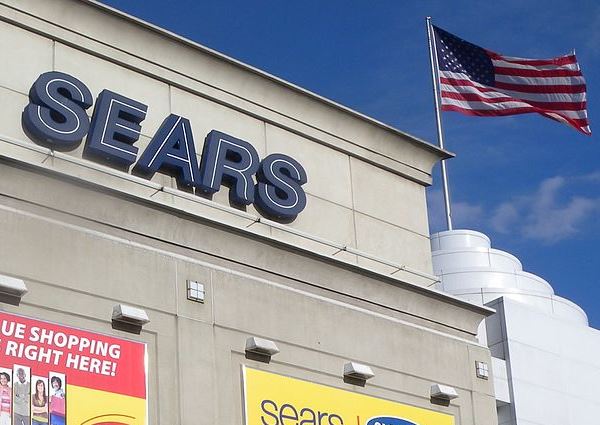
In a blog post Dennis lists five reasons for Sears to liquidate:
- The company has no value proposition and, thus, no reason for being.
- The competitive gap continues to widen.
- The company is only digging a deeper hole with further spending.
- The company’s leader is either a liar or delusional.
- Valuable assets are getting less valuable every day.
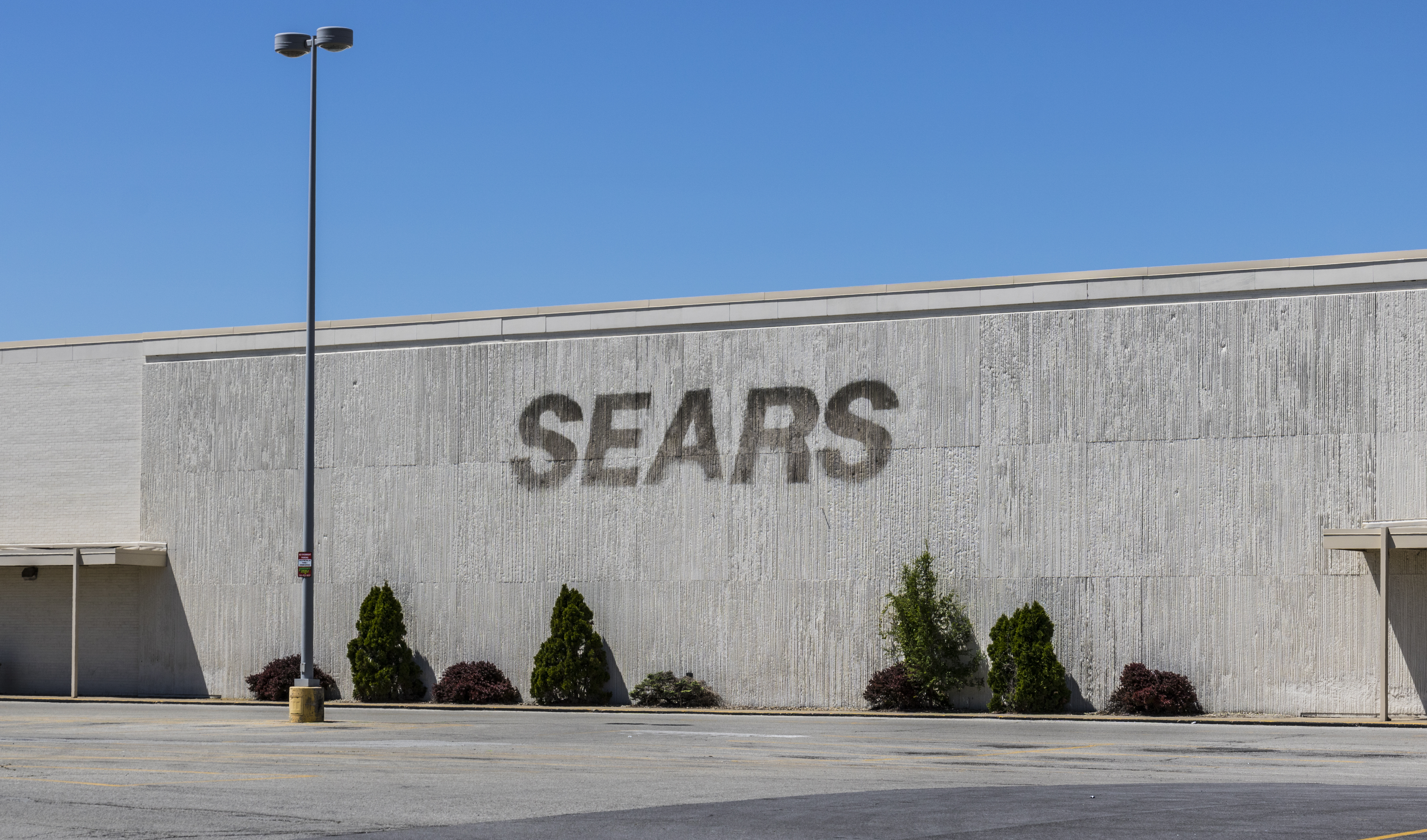
Sears has already dumped its Canadian stores, spun off its Hometown and Outlet stores and its Lands’ End business. That doesn’t leave much except a few solid brands (Craftsman, Diehard and Kenmore), the company’s Auto Center stores and all the other Sears and Kmart real estate holdings. Regarding the real estate holdings Dennis says:
Sears real estate is also cited as a major source of value, yet the real estate portfolio is a very mixed bag: some great properties in A malls, but lots of locations that are mostly liabilities. Regardless of how this all nets out, it is becoming increasingly clear that, on balance, mall-based commercial real estate has lots of supply, but relatively little demand for new tenancy. As retailers continue to prune and down-size their locations it is difficult, if not impossible, to make a case for Sears real estate value increasing over time.
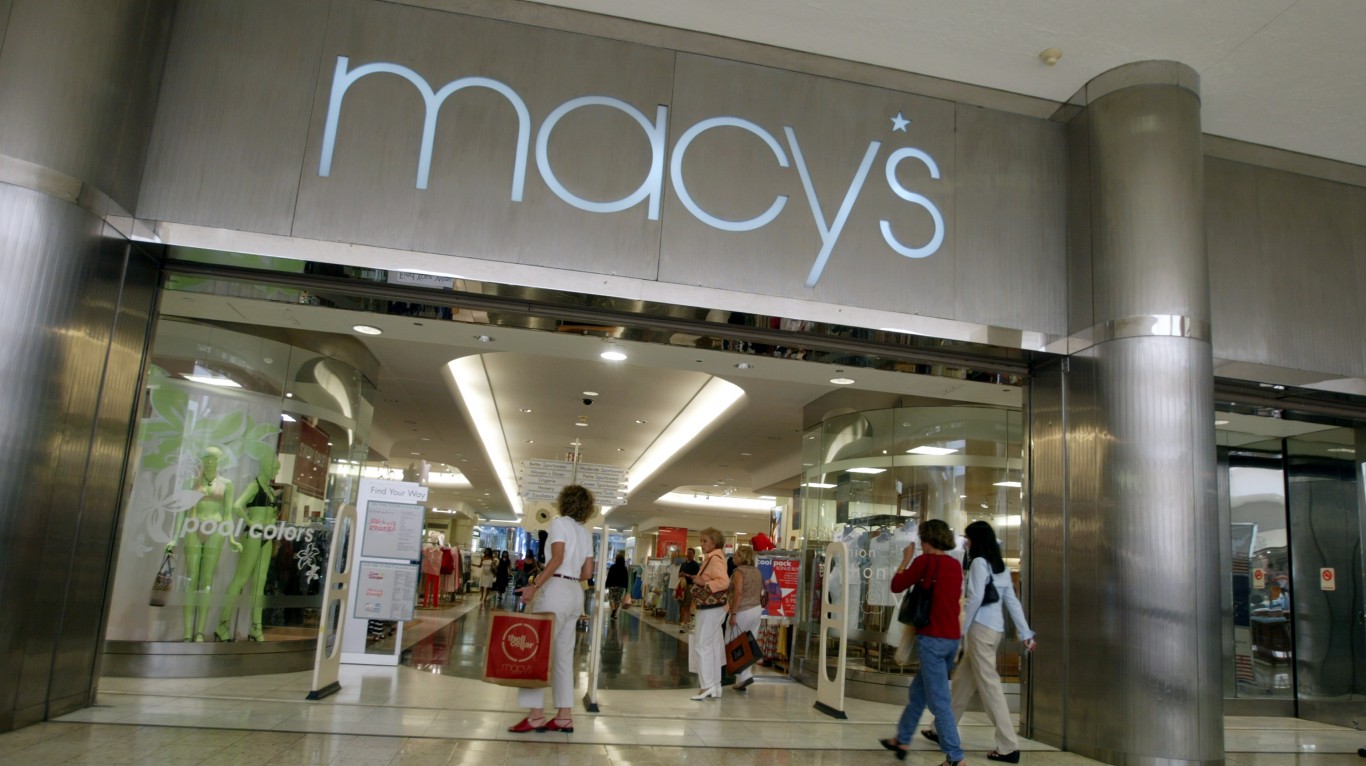
Dennis concludes that Sears has “zero chance of transforming itself into a viable retail entity.” It is pretty hard to argue with his conclusion, even though Sears price-to-sales ratio is what might be considered a very good 0.13. Sears posted sales for the trailing 12 months of $36.2 billion to prop up its share price. Macy’s Inc. (NYSE: M) posted trailing 12 month sales of $27.93 billion and a price-to-sales ratio of 0.75. The average price-to-sales ratio for general retail stores was 0.55 as of January. Would you rather hold Sears stock or Macy’s?
And speaking of weak retailers, J.C. Penney Co. Inc. (NYSE: JCP) sports a price-to-sales ratio of 0.24 on trailing 12 month sales of $11.86 billion. Even J.C. Penney gets more bang out of a revenue buck than does Sears, and that’s saying something.
Sears stock was up about 0.7% in late Tuesday morning trading, at $43.75 in a 52-week range of $31.26 to $67.50.
READ MORE: Will Q1 Results Reward J.C. Penney Bulls?









 Top Gaining Stocks
 Top Losing Stocks