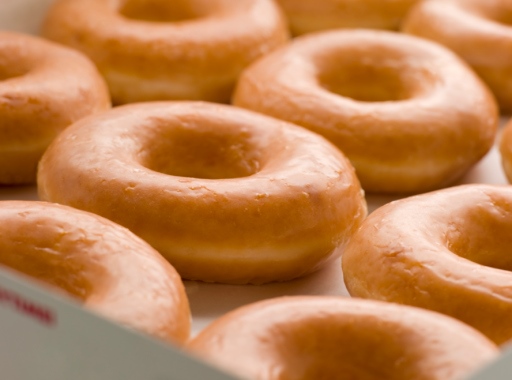
Why People Aren’t Buying Doughnuts Like They Used To

Photo of Douglas A. McIntyre
By Douglas A. McIntyre Published
This post may contain links from our sponsors and affiliates, and Flywheel Publishing may receive compensation for actions taken through them.

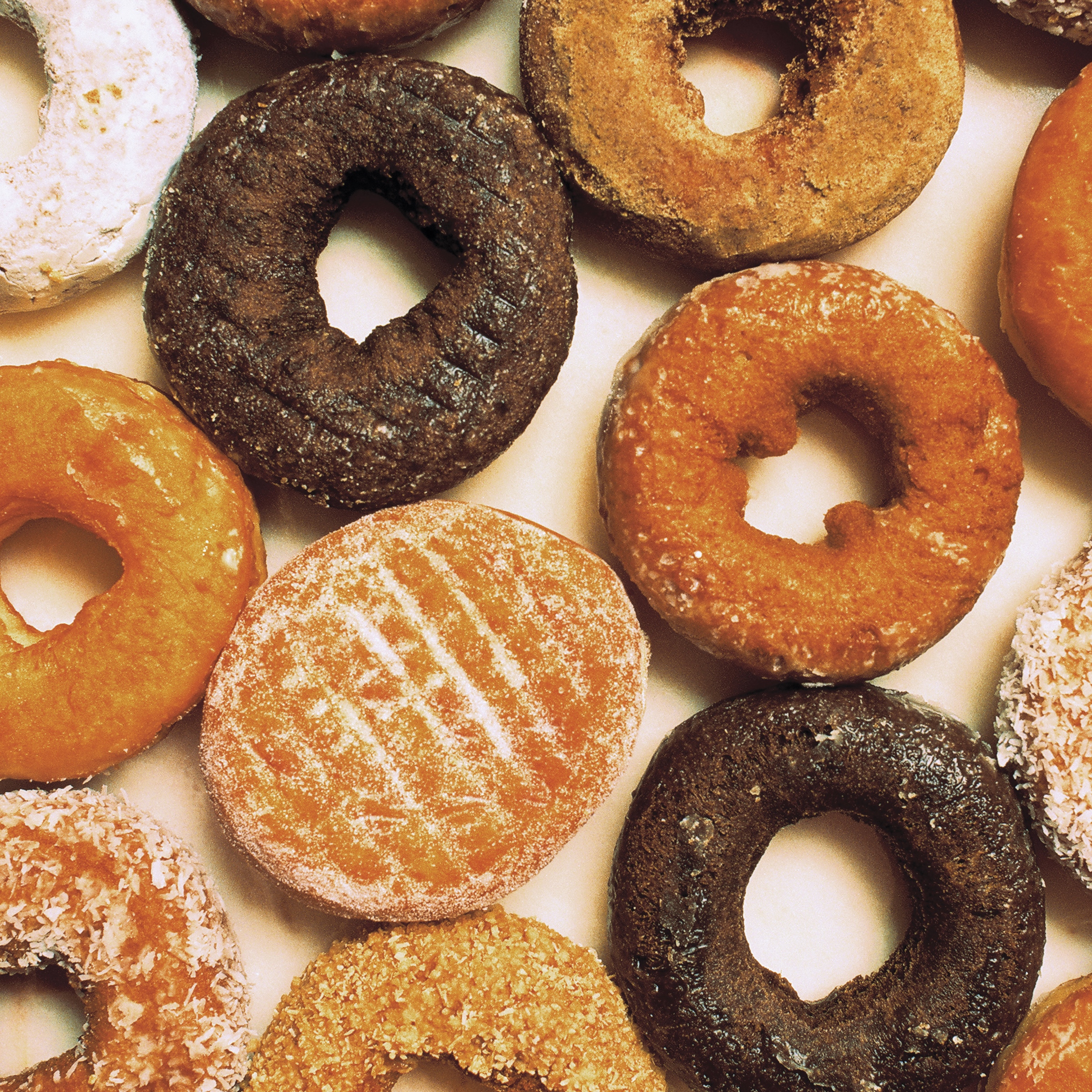
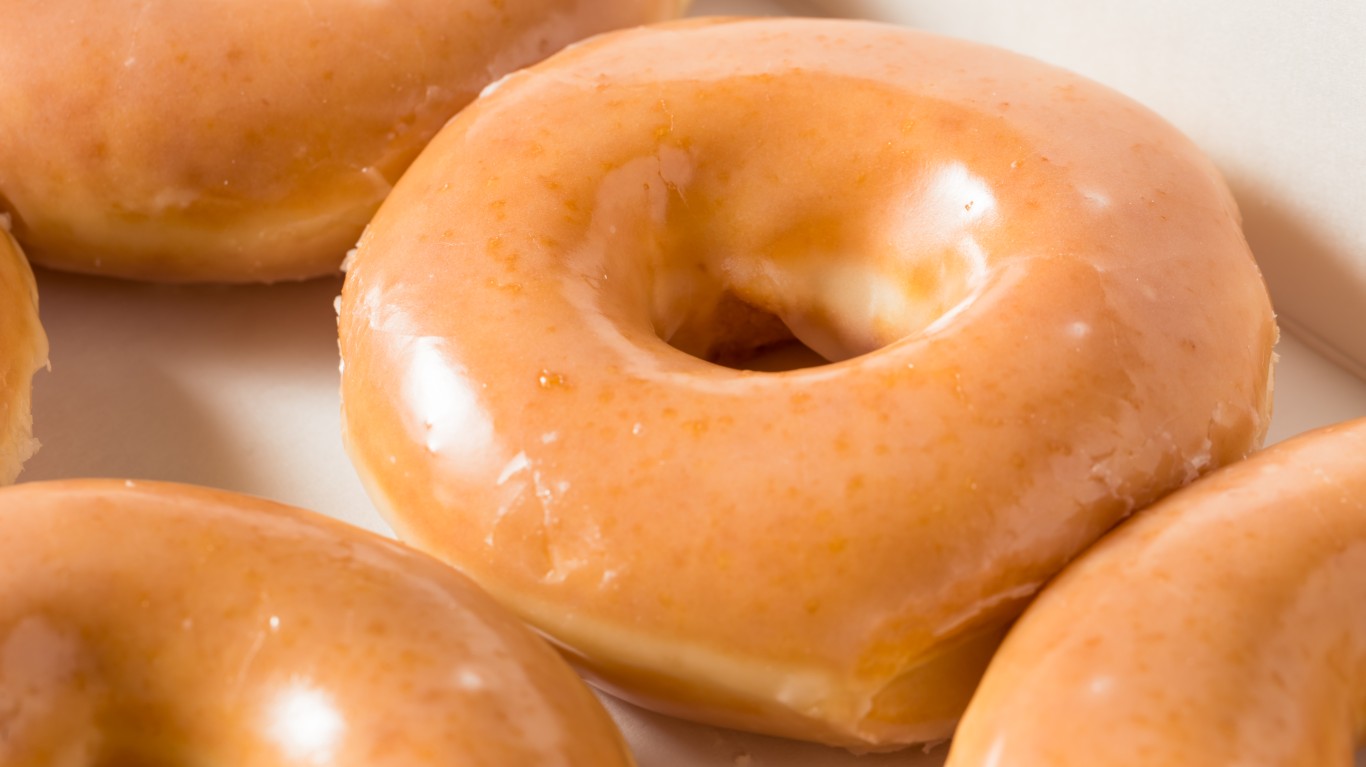
The doughnut business is in trouble. At least that is a conclusion that can be drawn from the earnings posted by Krispy Kreme Doughnuts Inc. (NYSE: KKD) and Wall Street’s subsequent reaction. Maybe a move toward healthier eating has hurt the chain. Or, maybe it was competition.

Krispy Kreme lowered its full-year guidance from a range of $0.73 to $0.79 to a range of $0.69 to $0.74.

The company announced:

For the first quarter ended May 4, 2014, revenues increased 0.8% to $121.6 million from $120.6 million. Excluding the effects of refranchising three stores in Kansas and Missouri and three stores in Dallas in February and July of 2013, respectively, revenues rose 2.1%.

Excluding some portion of results does not reflect the company’s health, so Krispy Kreme has no reason to do so, other than as an excuse for poor performance. Based on the earnings data, the company’s growth has withered to almost nothing. Investors expressed anxiety by dropping shares by 14%. That sell-off moved shares close to a 52-week low. What was once a very hot stock has underperformed the S&P 500 so far this year.

ALSO READ: Companies With the Least Valuable Workers

Like most public companies, Krispy Kreme did not admit it may have a long-term problem. Many other large chains sell doughnuts. First among these are Starbucks Corp. (NASDAQ: SBUX) and Dunkin’ Brands Group Inc. (NASDAQ: DNKN). And Dunkin’ earnings were also poor, a signal that the doughnut trade in general has weakened.

The other thing public companies rarely admit is when their entire customer market has started to turn against them. It may be that the pressure health care advocates have put on the public to eat better foods and wean themselves from fat and high calories has started to take hold. If so, Krispy Kreme is up against a trend it cannot reverse, at least on its own. And that puts long-term earnings in a great deal of jeopardy.

ALSO READ: America’s Most Damaged Brands

Photo of Douglas A. McIntyre
About the Author Douglas A. McIntyre →

Douglas A. McIntyre is the co-founder, chief executive officer and editor in chief of 24/7 Wall St. and 24/7 Tempo. He has held these jobs since 2006.

McIntyre has written thousands of articles for 24/7 Wall St. He is an expert on corporate finance, the automotive industry, media companies and international finance. He has edited articles on national demographics, sports, personal income and travel.

His work has been quoted or mentioned in The New York Times, The Wall Street Journal, Los Angeles Times, The Washington Post, NBC News, Time, The New Yorker, HuffPost USA Today, Business Insider, Yahoo, AOL, MarketWatch, The Atlantic, Bloomberg, New York Post, Chicago Tribune, Forbes, The Guardian and many other major publications. McIntyre has been a guest on CNBC, the BBC and television and radio stations across the country.

A magna cum laude graduate of Harvard College, McIntyre also was president of The Harvard Advocate. Founded in 1866, the Advocate is the oldest college publication in the United States.

TheStreet.com, Comps.com and Edgar Online are some of the public companies for which McIntyre served on the board of directors. He was a Vicinity Corporation board member when the company was sold to Microsoft in 2002. He served on the audit committees of some of these companies.

McIntyre has been the CEO of FutureSource, a provider of trading terminals and news to commodities and futures traders. He was president of Switchboard, the online phone directory company. He served as chairman and CEO of On2 Technologies, the video compression company that provided video compression software for Adobe’s Flash. Google bought On2 in 2009.

Featured Reads

Our top personal finance-related articles today. Your wallet will thank you later.

Continue Reading

Top Gaining Stocks

CBOE Vol: 1,568,143
PSKY Vol: 12,285,993
STX Vol: 7,378,346
ORCL Vol: 26,317,675
DDOG Vol: 6,247,779

Top Losing Stocks

LKQ
LKQ Vol: 4,367,433
CLX Vol: 13,260,523
SYK Vol: 4,519,455
MHK Vol: 1,859,865
AMGN Vol: 3,818,618