


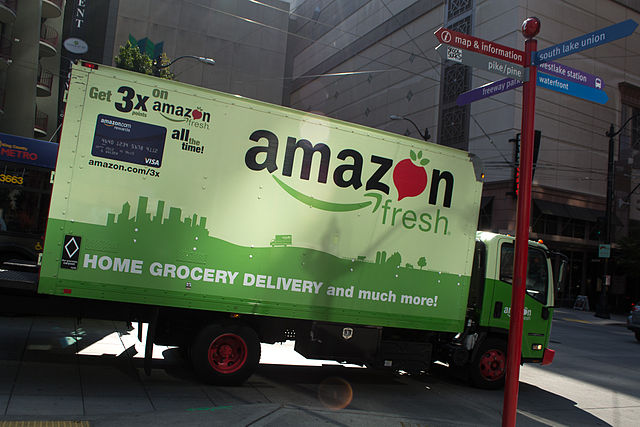
Whenever a big company tries to do this, one concern is always how its current suppliers will react. The main reason for going the private-label route is to fatten up margins, and that goal is not lost on brand-name suppliers. Marketing and branding costs essentially disappear and the private-label goods are carried along under the primary brand’s umbrella.
The grocery business has been transformed by private labeling of food products, and grocery stores still carry brand name products alongside their private-label goods. The average cost savings offered by a private-label brand is around 28%, according to a report at The Wall Street Journal, certainly enough to attract cost-conscious shoppers.
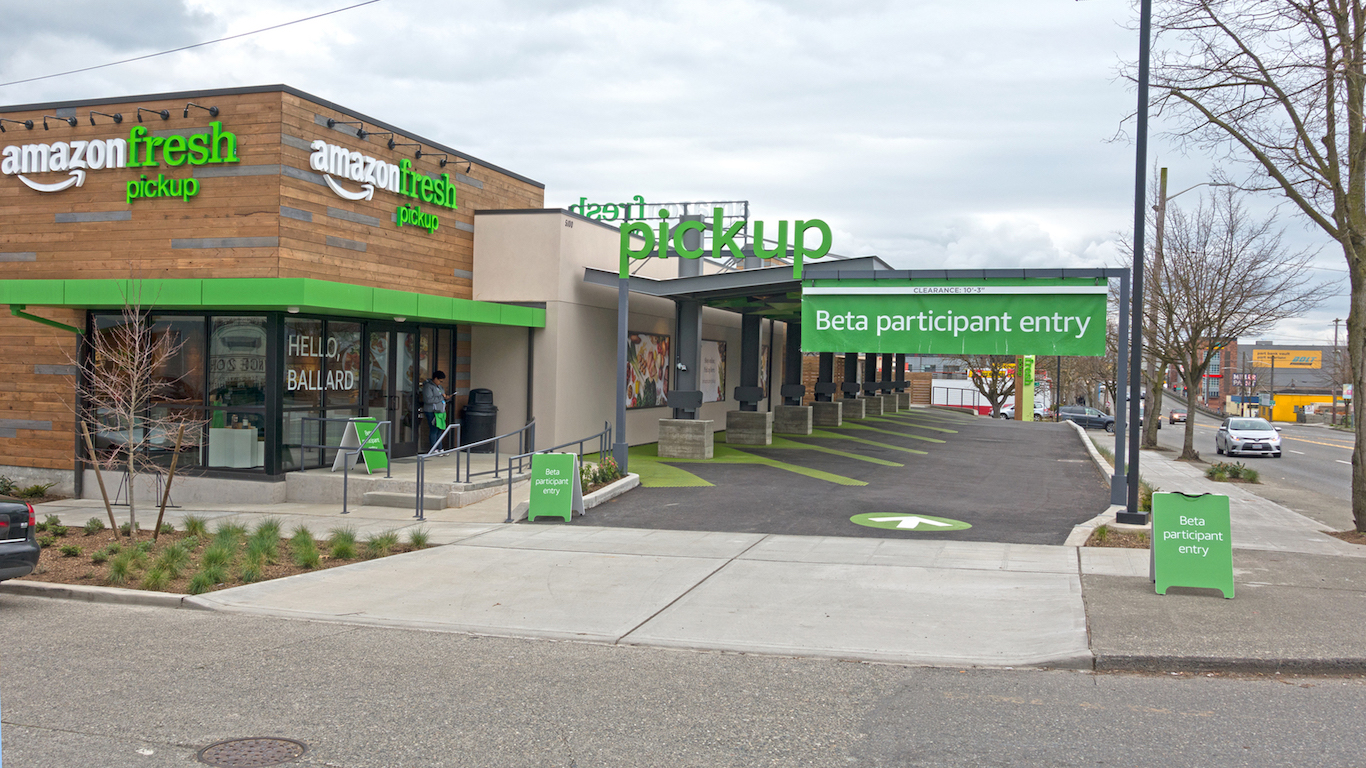
While the lower-cost grocery items may sell well in a brick-and-mortar store, Amazon’s Prime delivery service costs $99 a year, and one may wonder whether a Prime subscriber is truly cost conscious. The company’s AmazonFresh service is even pricier at $299 a year.
ALSO READ: 10 Stocks to Own for the Next Decade
Another consideration is whether Amazon can become something more than an occasional convenience store. Will it be able to sell enough of its private-label food to keep its costs under control? The brick-and-mortar stores have volume on their side, where Amazon’s private label may have more of a boutique feel.
It is difficult to see Amazon’s foray into labeling its own food items as a big short-term threat to either grocery store labels or brand names. But Amazon has proven time and again that it is willing to absorb losses for a long time if it believes it can ultimately succeed. The company’s genius is that it defines success differently, and it has managed to convince consumers and investors that it knows what it is doing.






 Top Gaining Stocks
 Top Losing Stocks