


The U.S. retail industry employs some 16 million Americans, a full 10% of the country’s working population. And contrary to popular belief, 71% are full-time employees.
New automation technologies could replace 6.0 million to 7.5 million of those jobs, threatening to reduce total U.S. retail worker numbers to less than the total number of jobs in the country’s manufacturing sector. Hardest hit will be cashiers, of whom 73% are women.
The data were released Thursday in a new report from the Investor Responsibility Research Center (IRRC) Institute conducted by Cornerstone Capital Group.
[nativounit]
The report, titled “Retail Automation: Stranded Workers? Opportunities and Risks for Labor and Automation,” identified two key structural factors driving retail automation:
- Growth in e-commerce, which now accounts for 8% of all U.S. retail sales. Amazon.com accounts for 43% of all those sales and the firm’s success is pressuring retailer profit margins as they fight to maintain market share and keep prices low to remain competitive.
- The recent focus on income inequality and the push for higher minimum wages are increasing wage pressure. As the U.S. labor market tightens, retailers need to pay more to keep workers and that conflicts with the need to keep prices low.
The report identifies 10 technologies that are changing retail as we have always known it:
Mobile devices. Customers use mobile apps to scan bar codes or take photos of a product in order to get more information or choices.
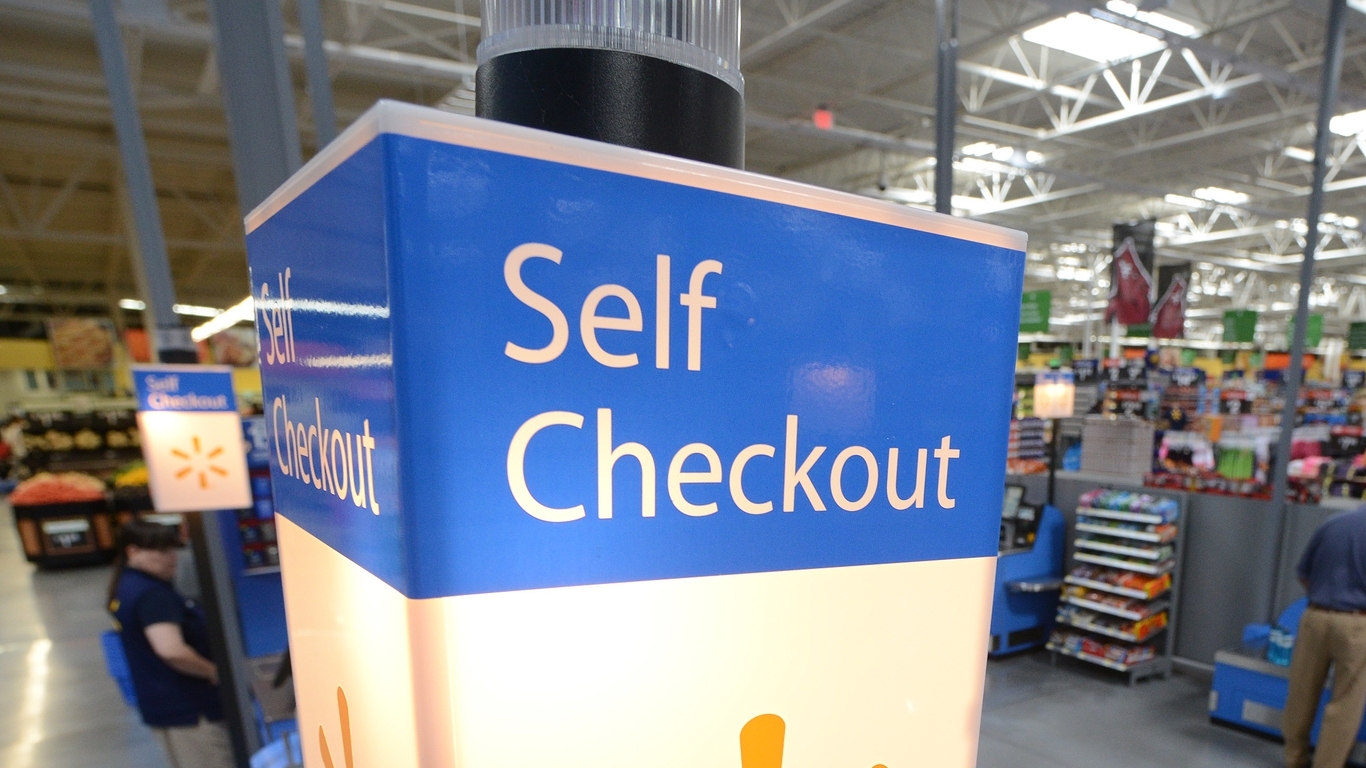
Self-checkout. Customers scan and finalize purchases at a terminal.
Digital kiosks. Touchscreens that allow customers to shop and order online.
Proximity beacons. Devices that pass along special store deals to customers.
Scheduling and task management solutions. Software programs to handle a variety of operational tasks.
RFID technology. Electronic tags that enhance inventory tracking and control.
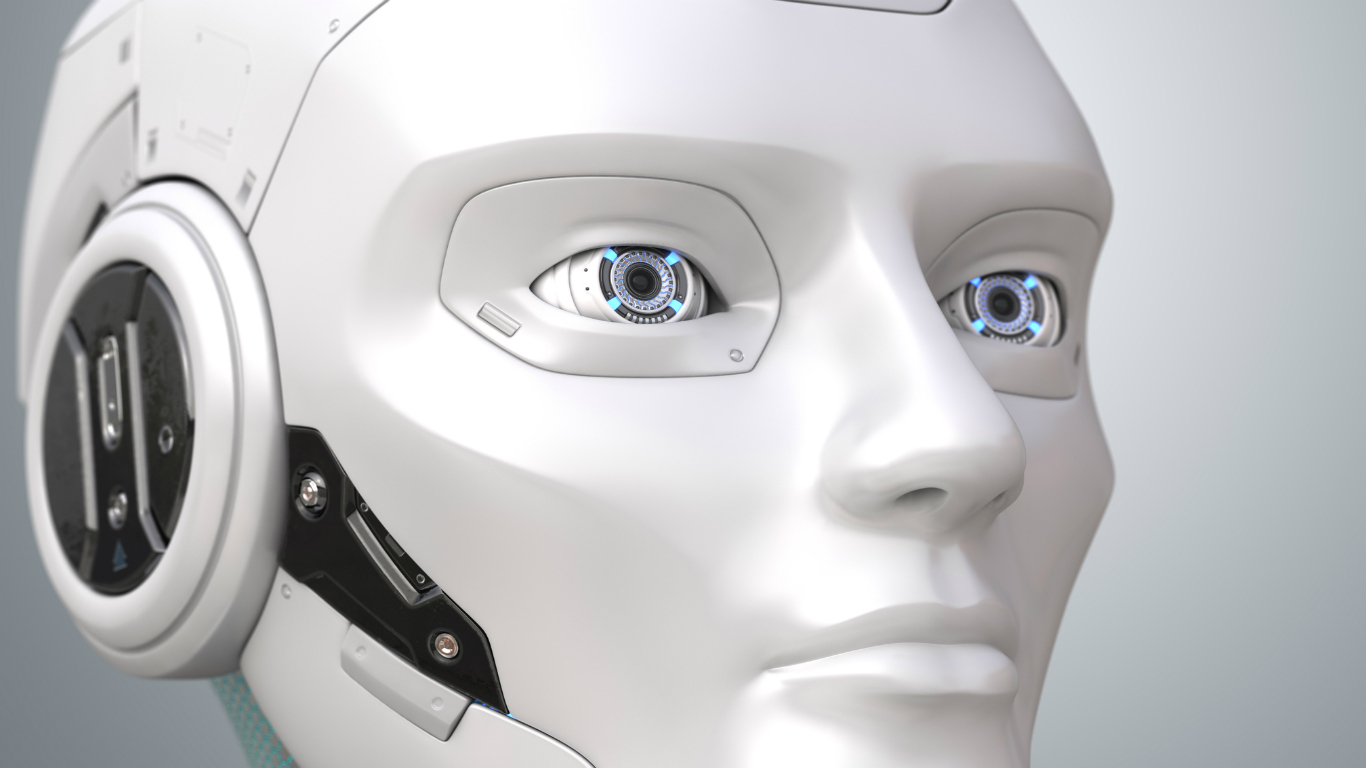
Autonomous robots. Smart robots that could fill a number of tasks, including helping customers or restocking shelves.
Smart price tags. Tags that can change prices essentially instantly in response to demand.
Sensor-based checkout. Customer purchases are scanned and billed automatically as they leave the store.
Smart shelves. These could detect when supplies are low and restocking is needed.
All these technologies are available now to one extent or another. As they become more sophisticated and capable, their use will increase because they are basically a one-time expense that doesn’t get sick or need vacations or go on strike.
The IRRC drew up its list by assessing the technologies of 30 major retailers, including Wal-Mart, Target, Costco, Home Depot and Macy’s. The report is available at the IRRC website.
[wallst_email_signup]









 Top Gaining Stocks
 Top Losing Stocks