



One of the features online e-commerce retailers like Amazon.com Inc. (NASDAQ: AMZN) have relied on to drive sales over the years was elimination of state sales taxes. As states have wised up to how much revenue they are losing, this benefit is disappearing.
One area where brick-and-mortar stores had an advantage is delivery time. Generally speaking, when a customer walked in and bought something, that same customer walked out with that item. E-commerce sites at best offered free standard shipping, which typically took several days for items to reach customers. Faster shipment methods added to the price and cut both the savings associated with buying online and the instant gratification of leaving the store with the goods under your arm.
Then Amazon introduced its Amazon Prime subscription service, offering free two-day delivery of most items ordered from the site. For an annual fee of $79 (now $99), free delivery times from Amazon were cut in half and, more important, customers seemed willing to live with that length of delay.
Where sales taxes were once the battlefield where traditional retail slugged it out with online stores, delivery options have now moved to the front lines. Traditional stores, both the big chains and the small businesses, have a variety of delivery options that they could offer, but the one where they may have the biggest edge is the one that has seen the least adoption so far.
[nativounit]
According to a report in eMarketer, a survey of retailers by the Boston Retail Group consultancy indicates that among the delivery options available to retailers the one that most have chosen to implement is “buy in-store, ship to home.” A full 62% have implemented this option, with about half saying it is working well and half saying it needs to be improved. Another 22% expect to implement this option within three years.
Same-day delivery has been implemented by just over a third of retailers (34%) and only 8% say it is working well.
The two options that drive foot traffic to the traditional retail stores are, not surprisingly, the favorites. Half of retailers have implemented “buy online, pick up in store” options and another 27% have implemented “reserve online, pick up in store” options.
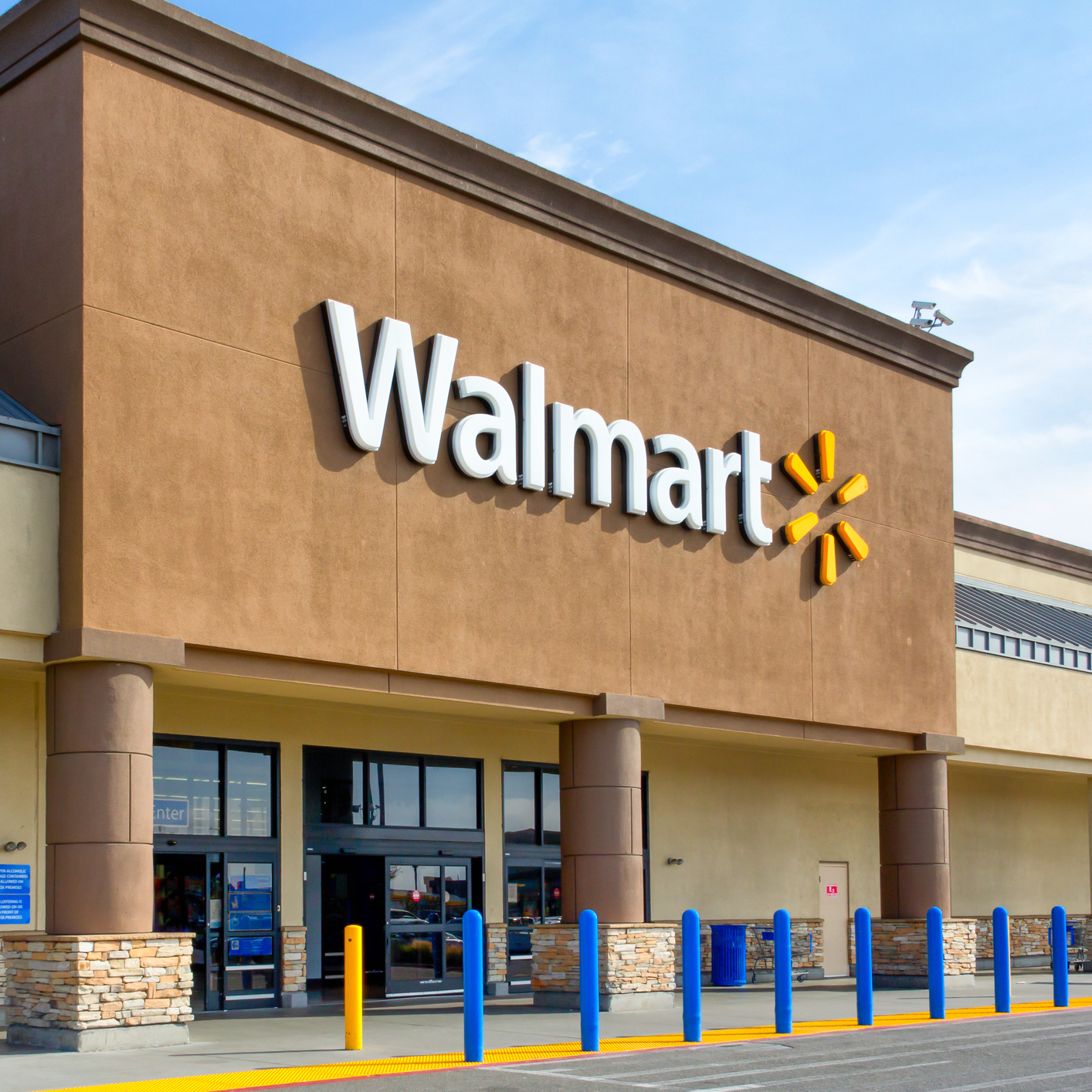
Wal-Mart Stores Inc. (NYSE: WMT), for example now offers a “Pickup Discount” on certain items that customers can buy online and pick up in the store. Wal-Mart also now offers free two-day delivery on orders totaling more than $35 and no annual membership fee is needed.
That move probably led to Amazon’s decision to cut its minimum order requirement for non-Prime subscribers from $49 first to $35 and then earlier this month to $25.
The message here is that delivery options are important to customers, and that means those options are worth fighting for. If the billions that Wal-Mart is investing in e-commerce haven’t yet threatened Amazon significantly, the e-commerce giant is paying attention to the world’s largest retailer and, occasionally, playing defense.
[wallst_email_signup]







 Top Gaining Stocks
 Top Losing Stocks