


In one of the first attempts to define obscenity, U.S. Supreme Court Justice Potter Stewart tried in 1964 to explain it, but the best he could do was, “I know it when I see it.” That definition has been refined and made more specific over the past 50 years and is still being refined.
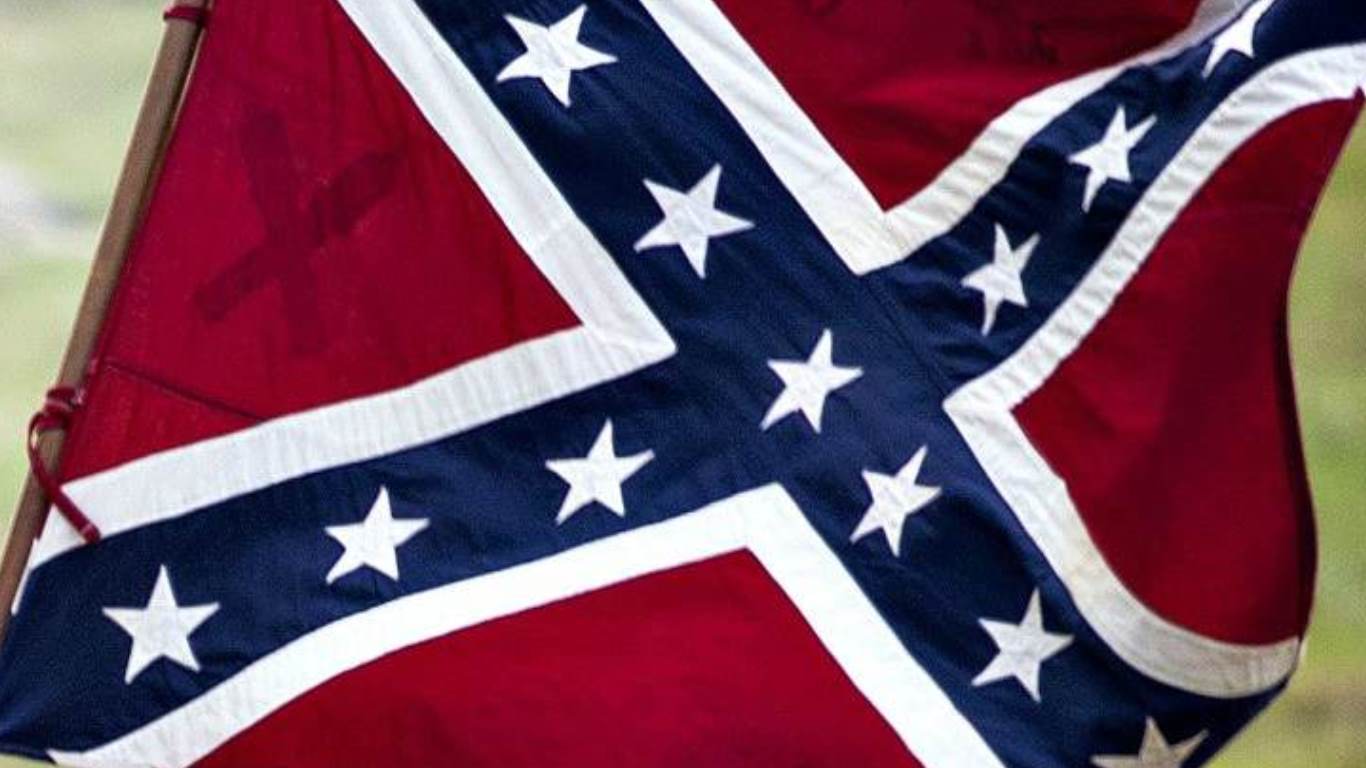
Hate speech has a similar if shorter, history along with a generally accepted legal definition that is easier to interpret: hate speech is a communication that has no meaning other than an expression of hatred for some group, especially in circumstances that are likely to provoke violence. Is selling Nazi paraphernalia itself hate speech? What about publishing books, e-books, and streaming media that promotes white supremacy, anti-Semitism, Islamophobia, and homophobia?
A new report entitled “Delivering Hate” from the Action Center on Race & the Economy (ACRE) and The Partnership for Working Families claims that Amazon.com Inc. (NASDAQ: AMZN) “has enabled hate organizations and ideologues to spread their ideas and generate resources to support their operations, and Amazon itself gets a cut of this revenue in turn.”
[nativounit]
Though we aren’t legal experts, if Amazon is “enabling” hate speech, as the report claims, it is likely that the company is not violating the letter of the law. But that may not be what matters.
What matters to the report’s authors is the spread of hateful ideas, and the financial support hate groups receive from sales made on Amazon’s platform. According to the report:
Amazon has a policy against “products that promote or glorify hatred, violence, racial, sexual or religious intolerance or promote organizations with such views” and reserves its right to remove any listing it deems inappropriate. Its Kindle Direct Publishing and CreateSpace businesses reserve the right to reject offensive content, while its web services division (AWS) forbids users from using AWS “to transmit, store, display, distribute or otherwise make available offensive content. Either Amazon does not find the materials outlined in this report offensive or otherwise contrary to its policies, or it does not consistently enforce its own policies.
Last week another mega-retailer, Walmart Inc. (NYSE: WMT) got into hot water with some customers for allowing third-party sales of shirts and other apparel calling for President Trump’s impeachment. The store quickly removed the items from its online marketplace to avoid a threatened boycott. The same items continue to for sale at Amazon.
Neither Amazon nor Walmart has been accused of selling the offensive items directly, but both have been accused of not adhering either to expressed policies or, in Walmart’s case, promoting a political agenda.
At the heart of these issues is a demand that companies take a stand on issues that consumers care about. The first recommendation of the ACRE report authors demands that “Amazon must take a clear public stand against hate movements and their ideologies and publicly pledge not to profit from hate.”
In a Wall Street Journal story last week, Walmart acknowledged that it has begun to engage on issues that it had always avoided in the past. The reason is simple: the company’s shoppers want it. Nearly three-quarters of Walmart shoppers want the company to take a position on important social issues, and 85% want the company to state its values clearly.
Are U.S. consumers really going to avoid shopping at Amazon or Walmart because Amazon doesn’t enforce a rather vague policy on hate speech and associated gear or because Walmart didn’t stop a third-party seller from offering a baby’s onesie with “Impeach 45” printed on it? Unlikely, at least in large numbers.
And does Amazon have a responsibility to do more to stop the spread of hate-speech? Legally, that’s arguable. In the real world, though, Amazon and other companies are being called on to walk the talk. And those calls are getting more demanding and louder.
[recirclink id=]
[wallst_email_signup]












 Top Gaining Stocks
 Top Losing Stocks