


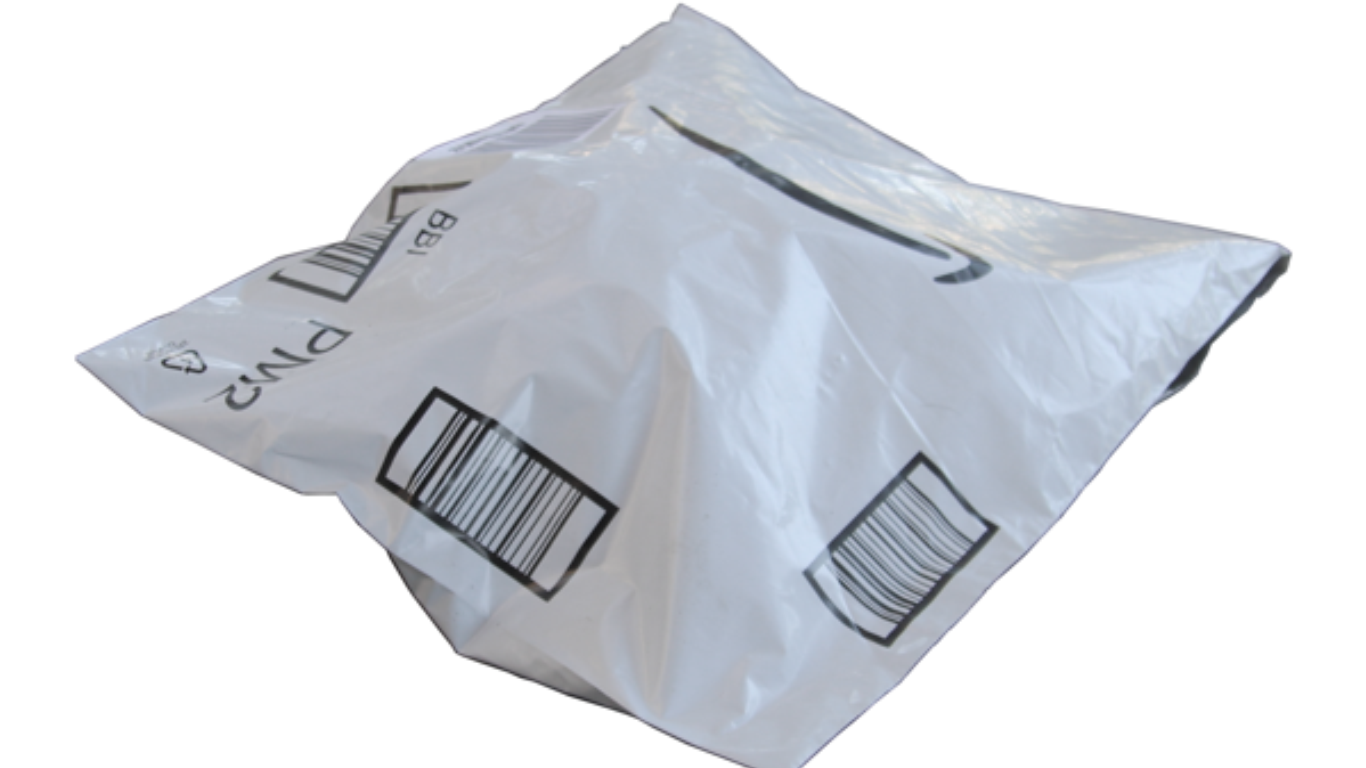
When Amazon.com Inc. (NASDAQ: AMZN | AMZN Price Prediction) sneezes, nearly every retailer at least gets the sniffles. This time the virus being passed around is packaging. Specifically, Amazon’s move to flexible plastic packaging for its shipments instead of cardboard boxes. The move has been underway for a while now and has generated diverse reactions.
The petrochemical industry is upbeat. According to a new Wood Mackenzie report on the plastic packaging industry, “Amazon is in a particularly powerful position to shape decisions on packaging preferences.”
That’s also the problem according to the U.S. recycling industry. The flexible packaging that Amazon uses is not recyclable in curbside recycling bins. The machinery is incapable of sorting the thin, lightweight plastic out of the recycling stream.
Opponents have a point. Flexible plastic packaging, including such items as shopping bags, bread bags and some food pouches, are not currently recyclable and end up in landfills. According to Resource Recycling Systems, 12 billion pounds of flexible plastic packaging is sent to U.S. landfills every year.
[nativounit]
What attracts Amazon and other shippers (Target is one) to the plastic alternative are its light weight, reduced consumption of energy and natural resources (wood) to manufacture, lower carbon dioxide emissions and fewer vehicles to deliver the goods because the packages are smaller and lighter.
According to Petrochemical Update, Amazon is also currently developing a cushioned mailer (typically a paper-polyethylene laminate) that is fully recyclable in paper recycling streams. Amazon commented only that after continually working to improve packaging options, it reduced global packaging waste by 20% in 2018.
Amazon also is tackling the sortability problem at a test site in Pennsylvania that can accept flexible plastics from a single-stream curbside recycling program. The new machinery detects and separates the flexible plastics from glass, paper, cardboard and metals, among other materials. How it will separate the flexible plastic packaging from a mailing label is not clear. Once the plant is fully operational (about two years away) it expects to produce 3,100 tons of recycled flexible plastic every year.
That’s 6.2 million pounds, only about 0.0052% of the tonnage of flexible plastics annually headed to U.S. landfills. Building more plants like this one may not be economically feasible, either, depending largely on the cost of feedstocks to petrochemical plants. If feedstock costs remain low and recycling costs remain high, landfills will soon need more space.
[recirclink id=534043]
[wallst_email_signup]










 Top Gaining Stocks
 Top Losing Stocks