


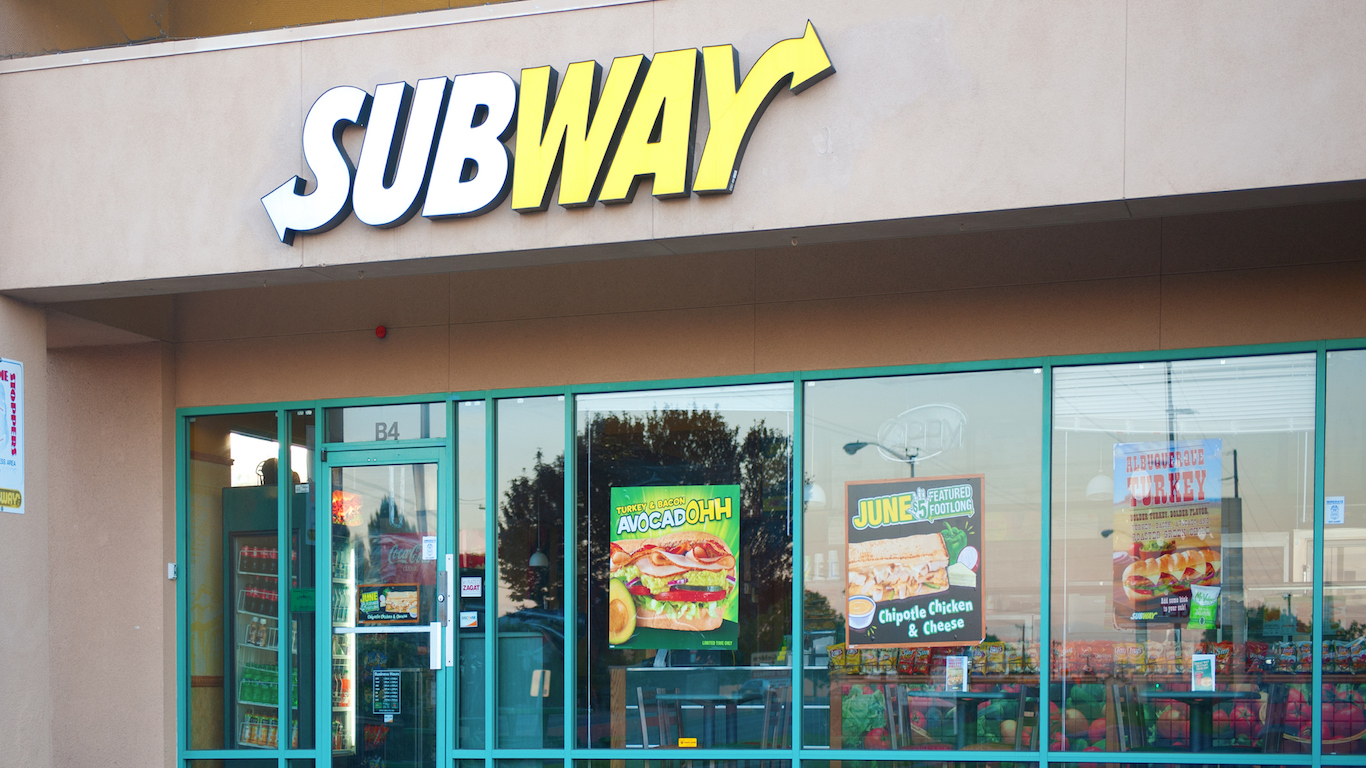
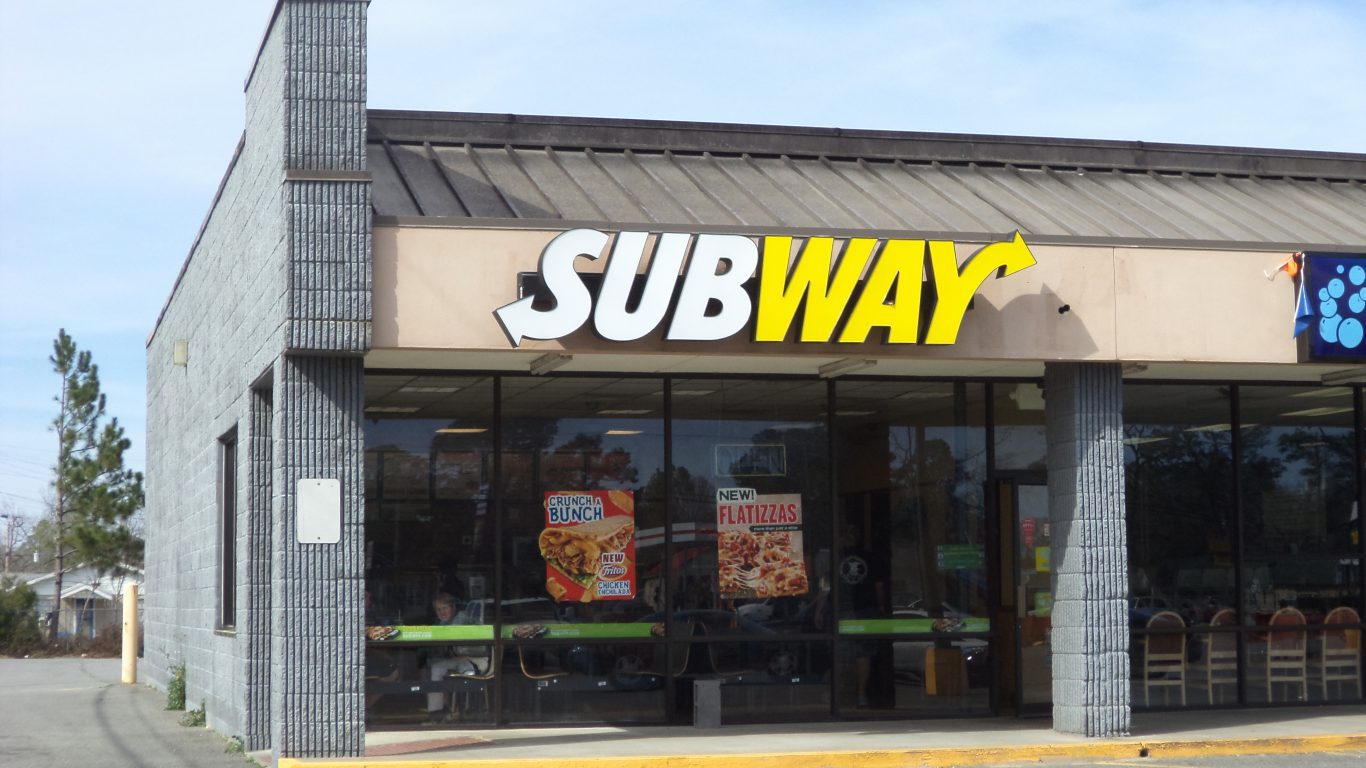
Subway, once the most successful fast-food company in America, has had some tough years as revenue has declined and the number of Subway locations has fallen. The tension between Subway and its franchisees flared recently over the length of their leases and what they consider inappropriate meddling in their businesses.
According to The New York Post, American’s largest fast-food chain, famous for the $5 footlong, has instituted a new policy requiring mom-and-pop franchisees who decline to renew their five-year leases to answer to a committee at Subway’s Milford, Conn., headquarters. Subway franchise agreements last 20 years but, until recently, franchisees claim they have been able to break these when their five-year leases are up.
One option franchisees appear to have is to sell their stores. This has become more difficult as thousands of Subway stores have closed in the past three years and its brand has become less attractive.
The New York Post reports that Subway makes owners who want to break their agreements fill out a one-page document. Some franchises believe the tension will cause potential fines against them and heavy pressure for them to keep stores, even if they lose money.
Other reports indicate that Subway plays hardball with its franchisees. The New York Times reported: “In 2018, Subway initiated the equivalent of 29 litigation actions (mostly arbitrations) per 1,000 franchisees, compared to 1.4 actions for McDonald’s, Dunkin’ Donuts, Pizza Hut, Burger King and Wendy’s combined, according to an analysis of the companies’ disclosure documents by John Gordon, a restaurant industry expert at Pacific Management Consulting Group.”
[nativounit]
Subway is a private company, but outside experts believe its sales peaked in 2011 to 2014 at $11.5 billion. Store count began to slide in 2014. The next year, its long-time spokesperson was jailed for having sex with a minor and distributing child pornography. The slide in Subway revenue continued. Subway has closed over 1,000 stores since 2016, and it currently has fewer than 24,000. It still has the largest store count of any fast-food chain in America though.
Subway’s growth days may be over. Part of the solution for operating in a world of shrinking sales may be to hold on to franchisees as long as possible, even if that means pressuring them to stay in stores they do not want.
For a look at fast-food menu calories, 24/7 Wall St. has put together an analysis of the most calorie-rich items sold by the big chains.
[recirclink id=591464]
[wallst_email_signup]





 Top Gaining Stocks
 Top Losing Stocks