


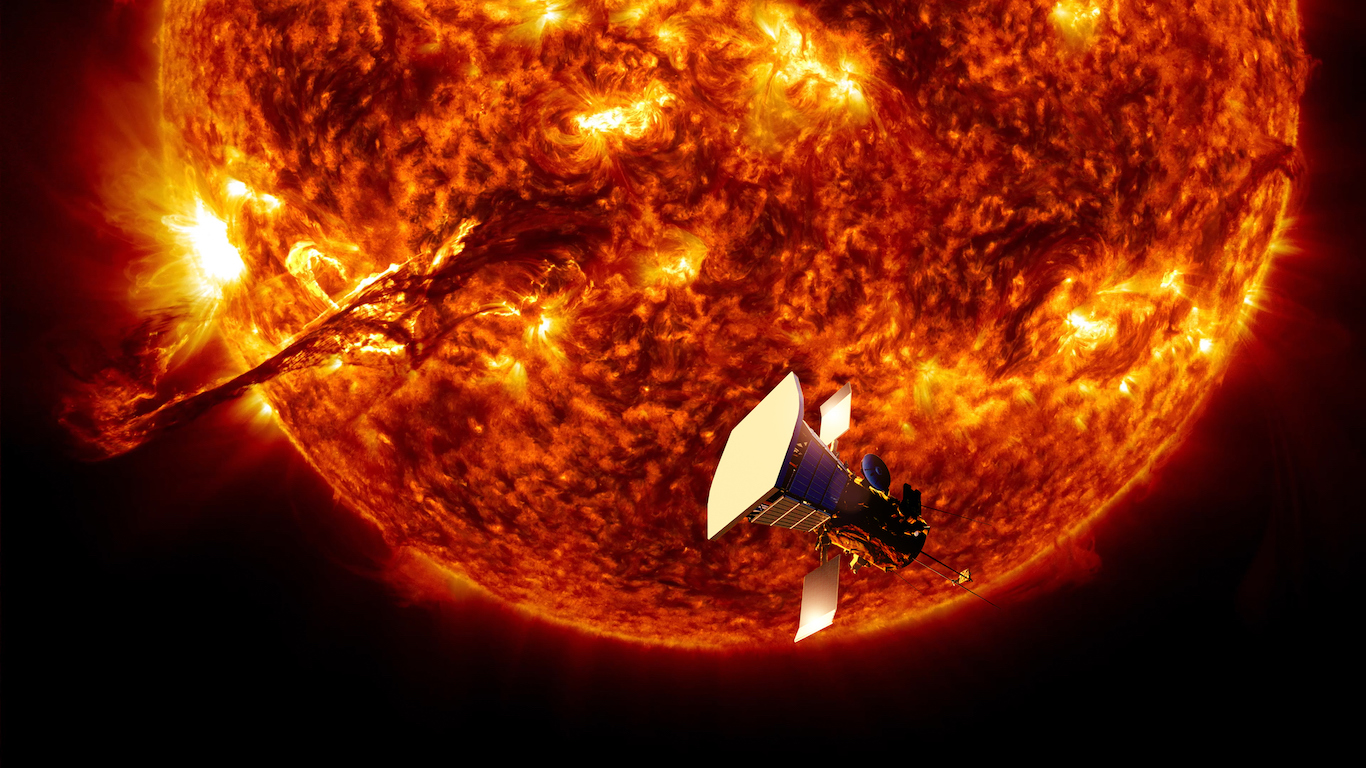
If you want to get to space, you have to go fast. If you want to stay in space, you have to go even faster. And if you want to explore around large celestial objects, like a sun, and still stay in space, you have to go really, really fast. The fastest object ever built by humans was designed to study our Sun, here’s how it works and why it was built.
#1 Parker Solar Probe
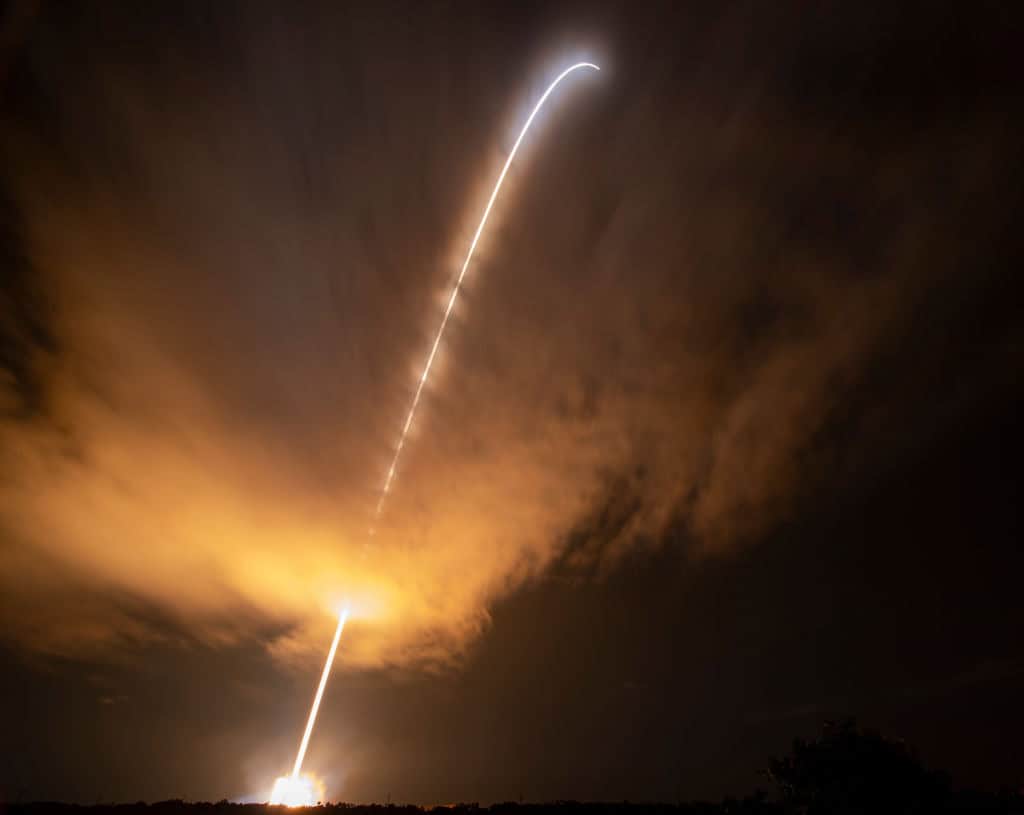
Parker Solar Probe.
The Parker Solar Probe was built and launched by NASA in 2018. It was designed to study the sun and pass through its outer corona. It has yet to reach its top speed.
#2 Probe Naming
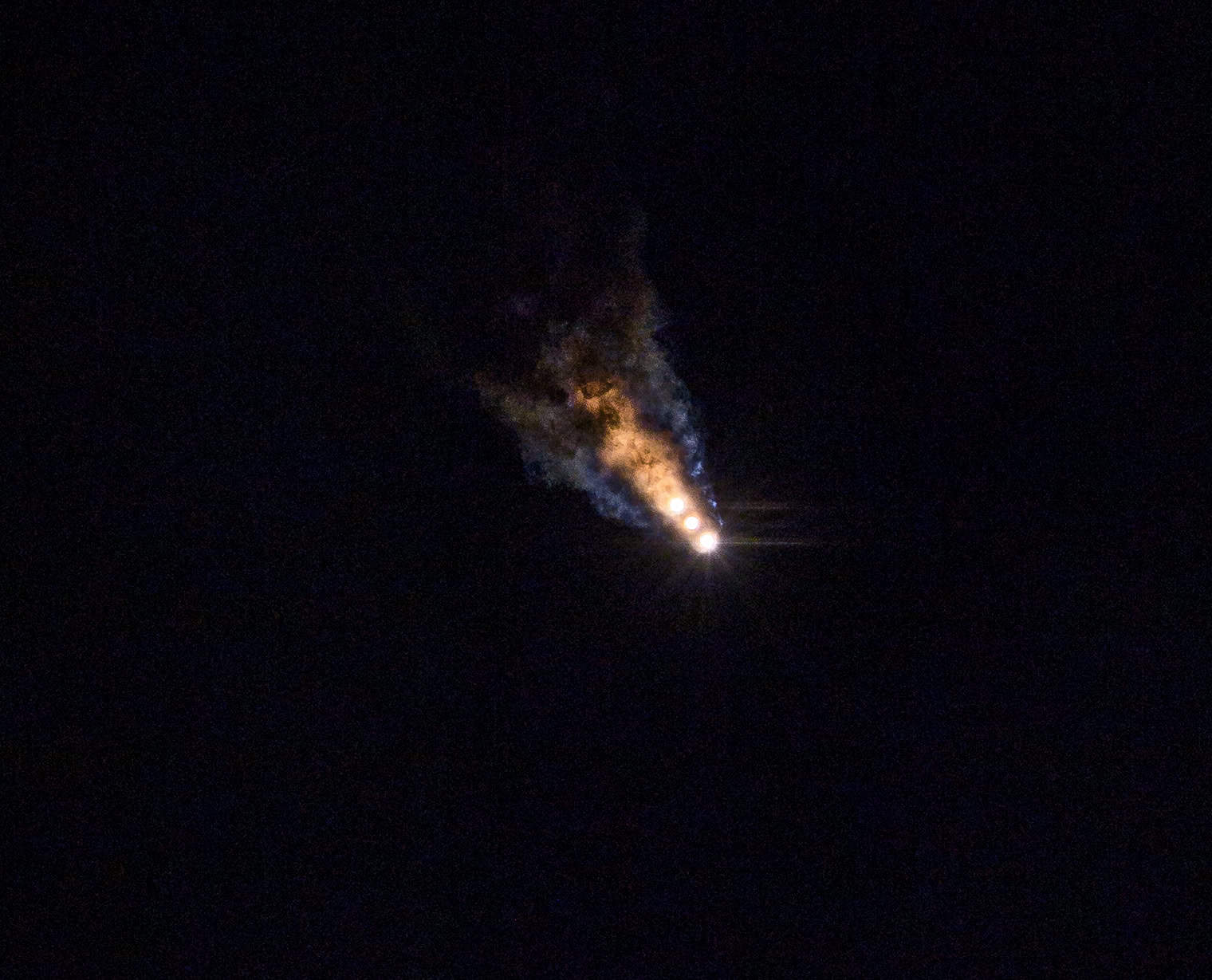
Parker Solar Probe.
The Parker Solar Probe was announced in 2009 and was designed by the Johns Hopkins University Applied Physics Laboratory. It is named after Eugene Newman Parker at the University of Chicago.
#3 Approach to the Sun
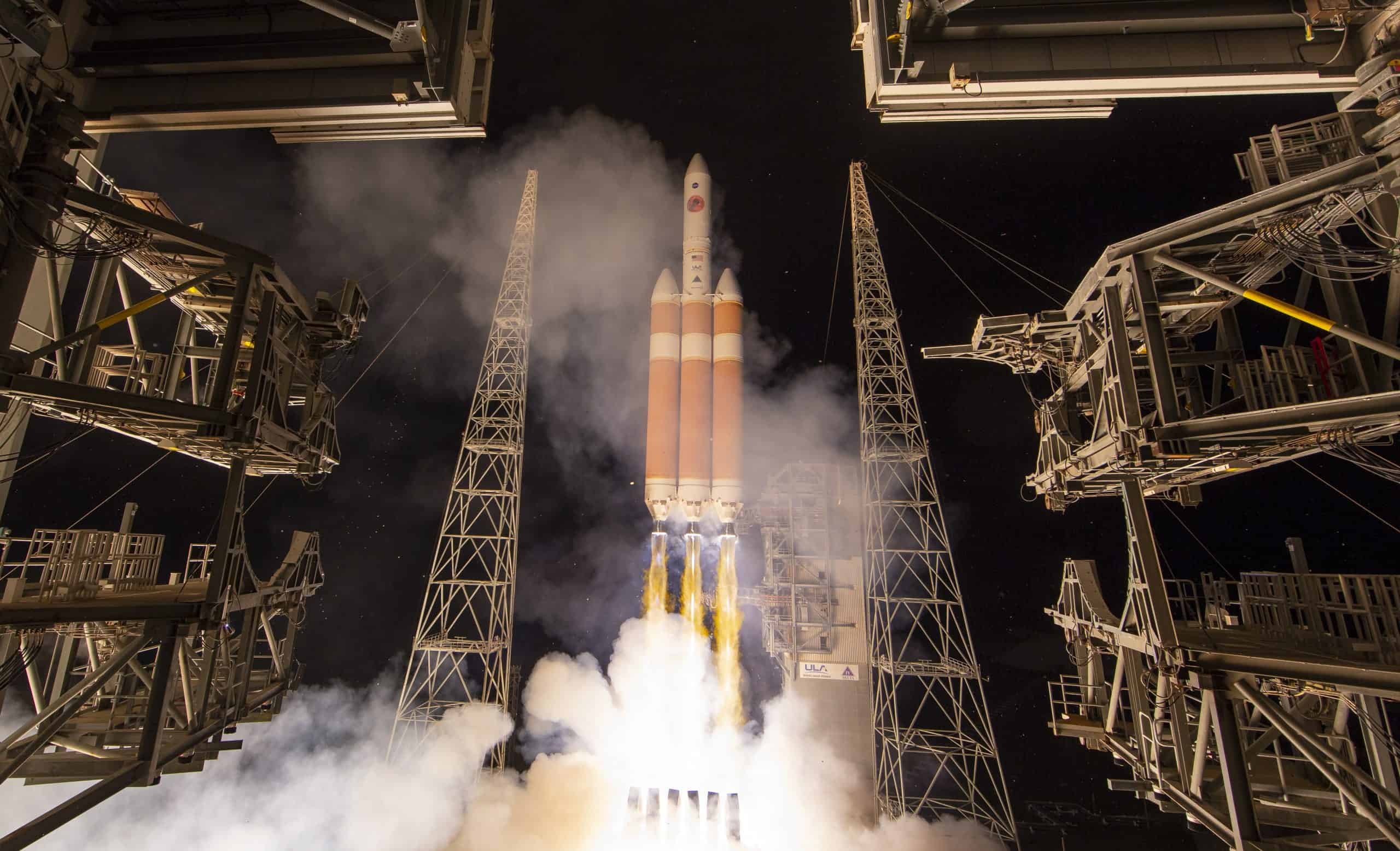
Parker Solar Probe.
The Parker Solar Probe became the closest man-made object to the sun in October 2018 when it came 4.51 million miles from the center of the sun. It will get even closer on a subsequent approach.
#4 Top Speed
Parker Solar Probe.
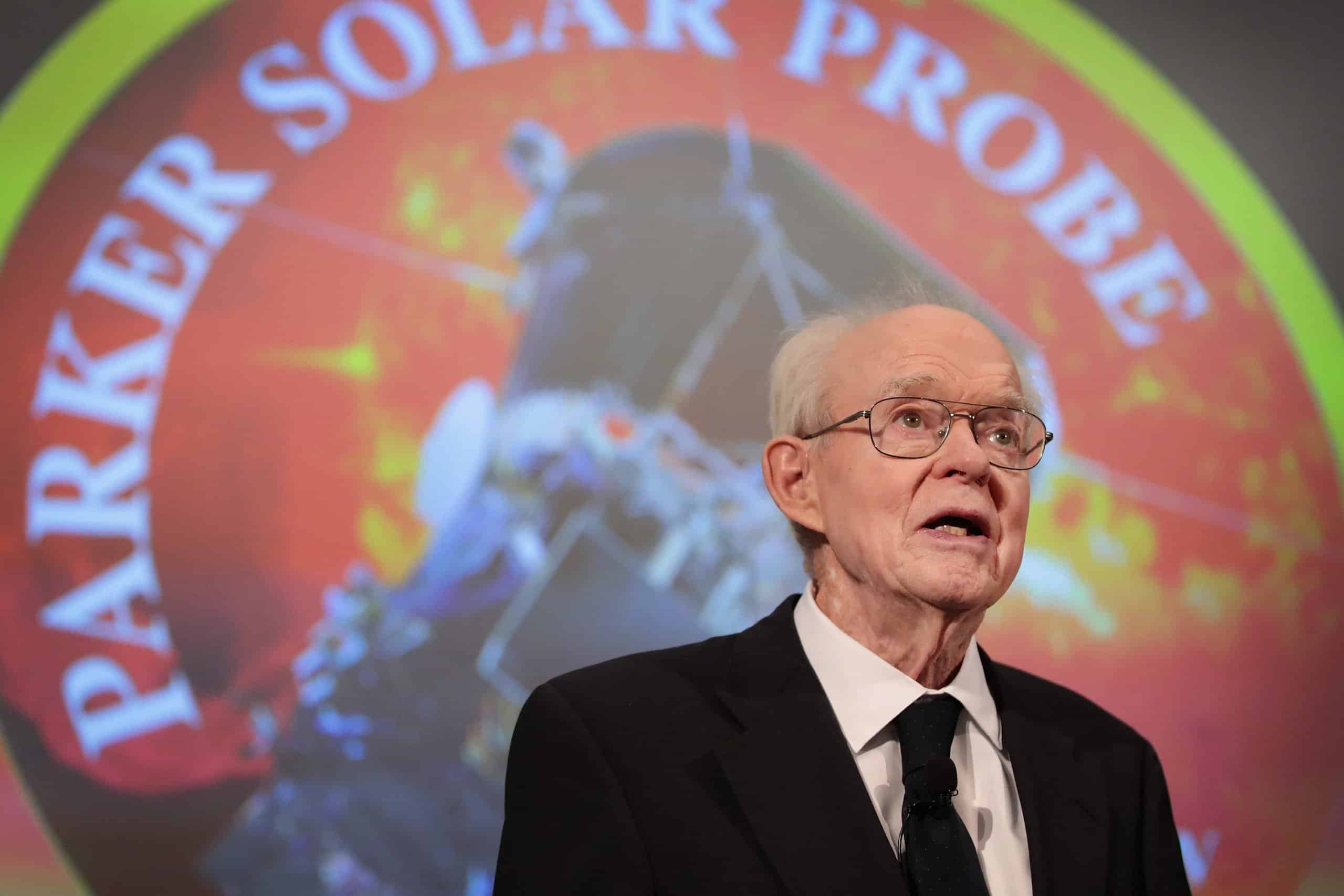
In 2025, when the probe makes its final approach to the sun, it will reach approximately 430,000 MPH (690,000 km/h), or around 192 kilometers per second, breaking its own record for being the fastest object ever built. This is around .064% the speed of light. In September of 2023, it reached a speed of 176.5 km/s, which is fast enough to fly from New York to Tokyo in around a minute.
#5 Mission Parameters
Parker Solar Probe.
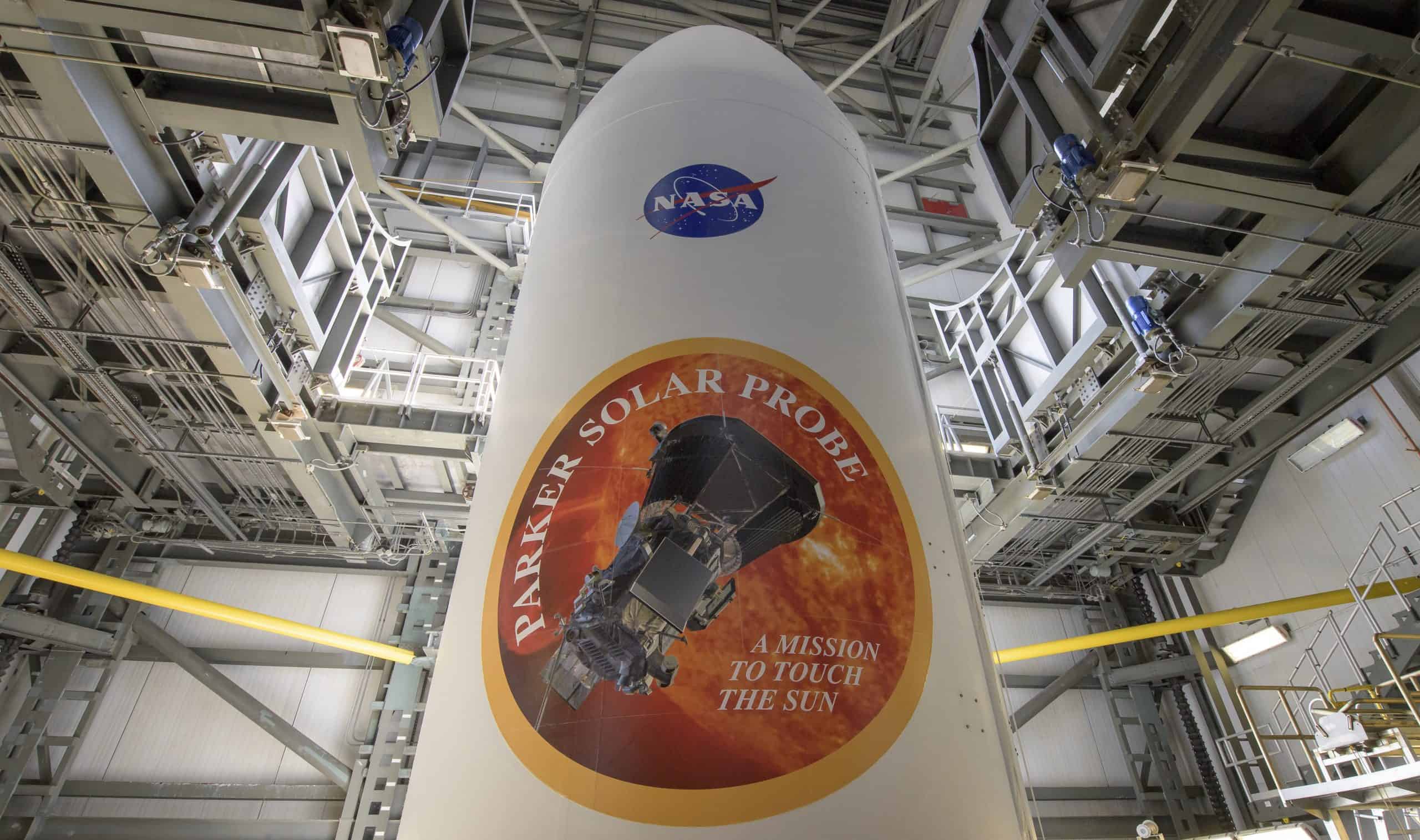
The Parker Solar Probe was built and launched to study the energy that sustains the solar corona and creates the solar winds, to understand the dynamics of the magnetic fields where the solar winds originate, and to study what solar mechanisms accelerate particles into the Solar System.
#6 Findings
Parker Solar Probe.
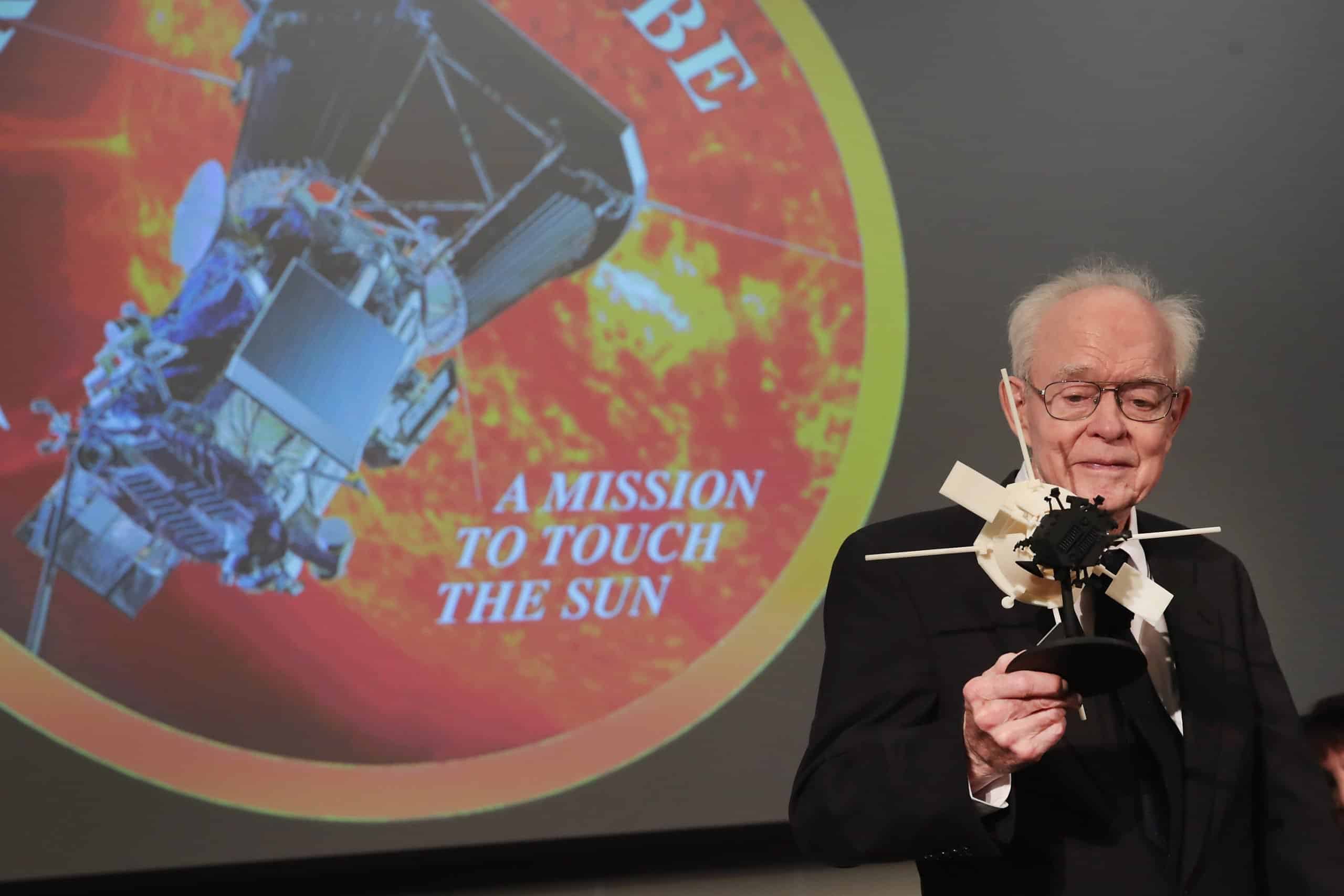
Four research papers were published in the first year alone covering the findings and discoveries made by the Parker Solar Probe, all of them discoveries about the corona behavior and solar particles. The probe also discovered 19 comets that graze the sun’s corona.
#7 Mission Design

The Sun.
Surprisingly, it is extremely difficult to send anything directly into the sun or even maintain a solar orbit due to the speeds involved and the complicated effect gravity has on everything. So, to have a successful mission, the Parker Solar Probe made several Venus flybys that would help slow it down in order to drop closer to the sun. The probe came within 1,500 miles of the surface of Venus on its first or seven flybys.
#8 Data Collection
The Sun.
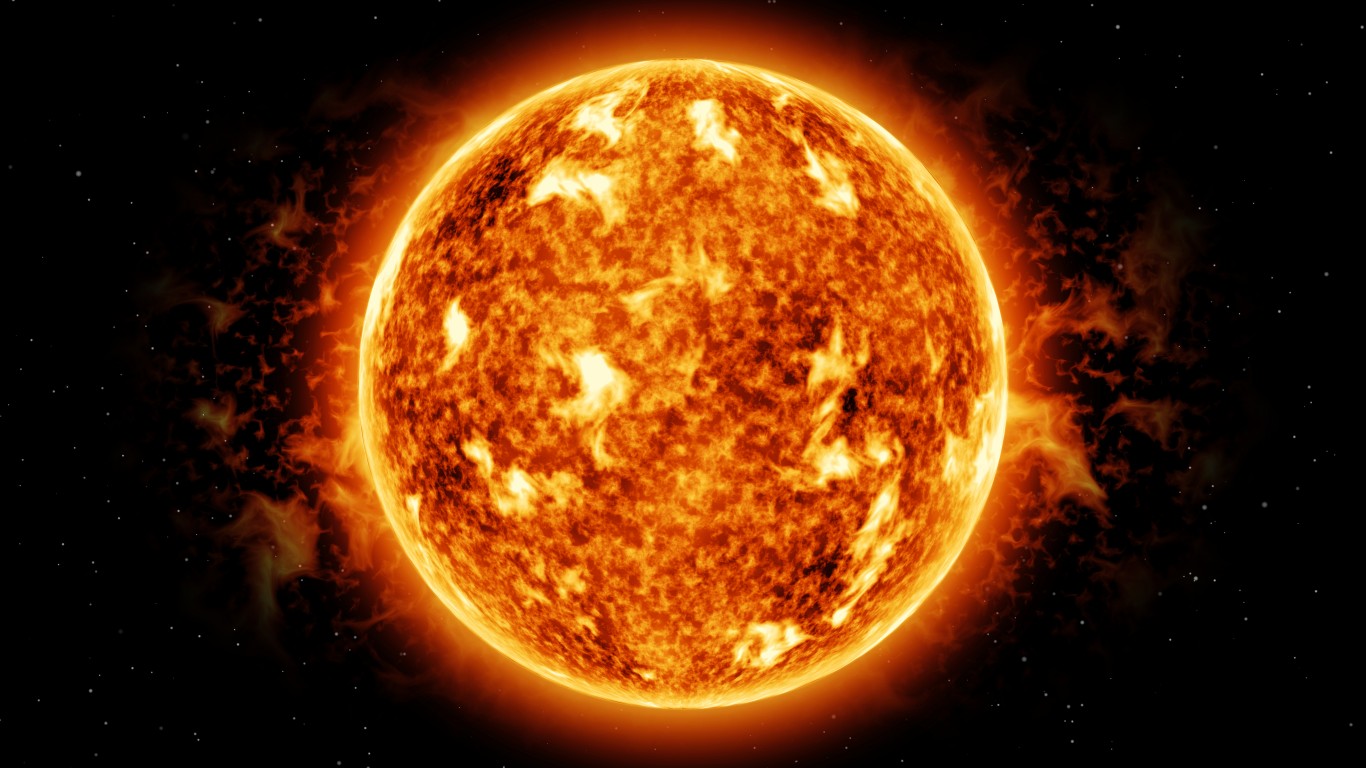
The Parker Solar Probe only collects data for a few days during its journey, and then transmits that data back to Earth. The probe is protected during its approach by a hexagonal solar shield. At its peak, solar radiation hitting the probe reaches around 650 kW per square meter. This is around 475 times more than what spacecraft receive in Earth’s orbit.
#9 Project Cost
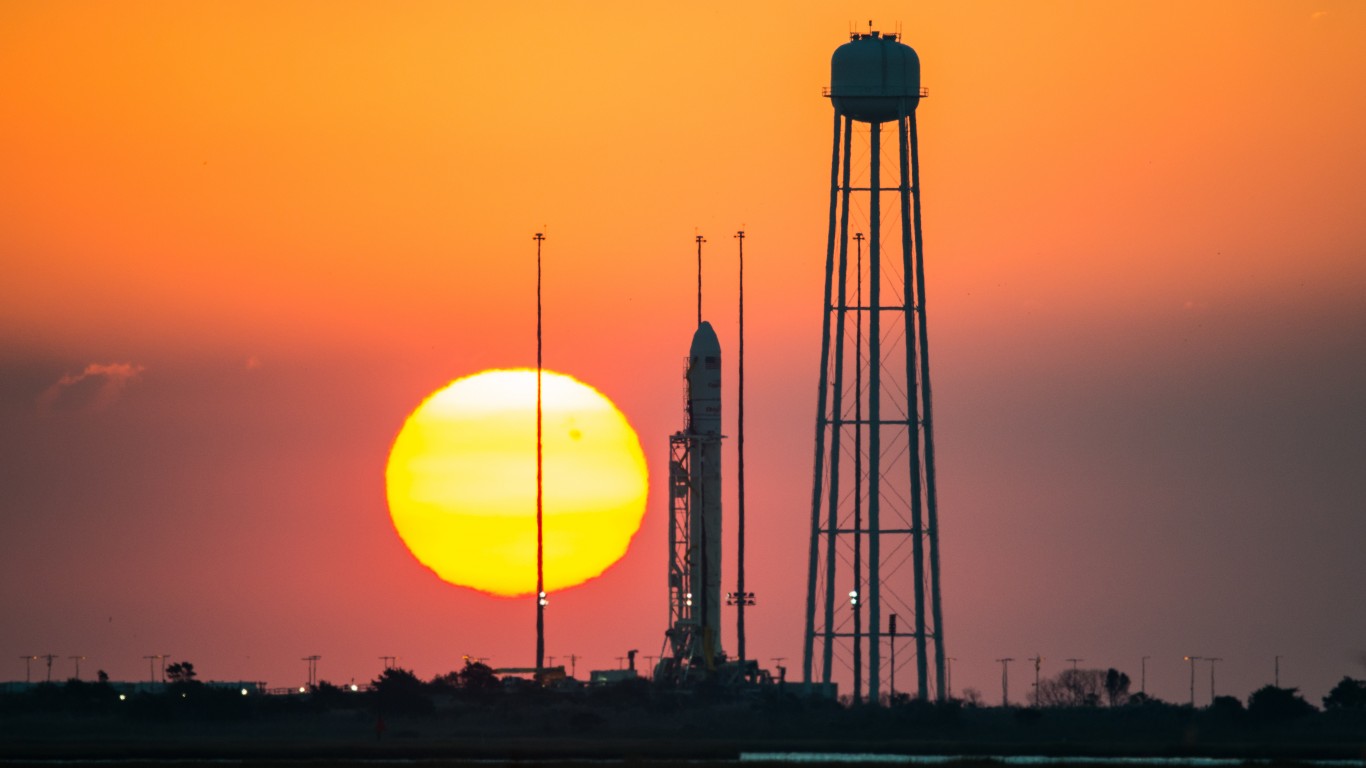
Rocket and Sun.
The Parker Solar Probe itself cost around $1.5 billion, not including the rest of the project costs, research, and launch into space. Because it needed to reach such incredible speeds, the probe was launched using a Delta IV Heavy launch vehicle, which is the largest of the Delta IV rockets and the third-largest capacity rocket in use before it was retired in 2024.
#10 Special Cargo
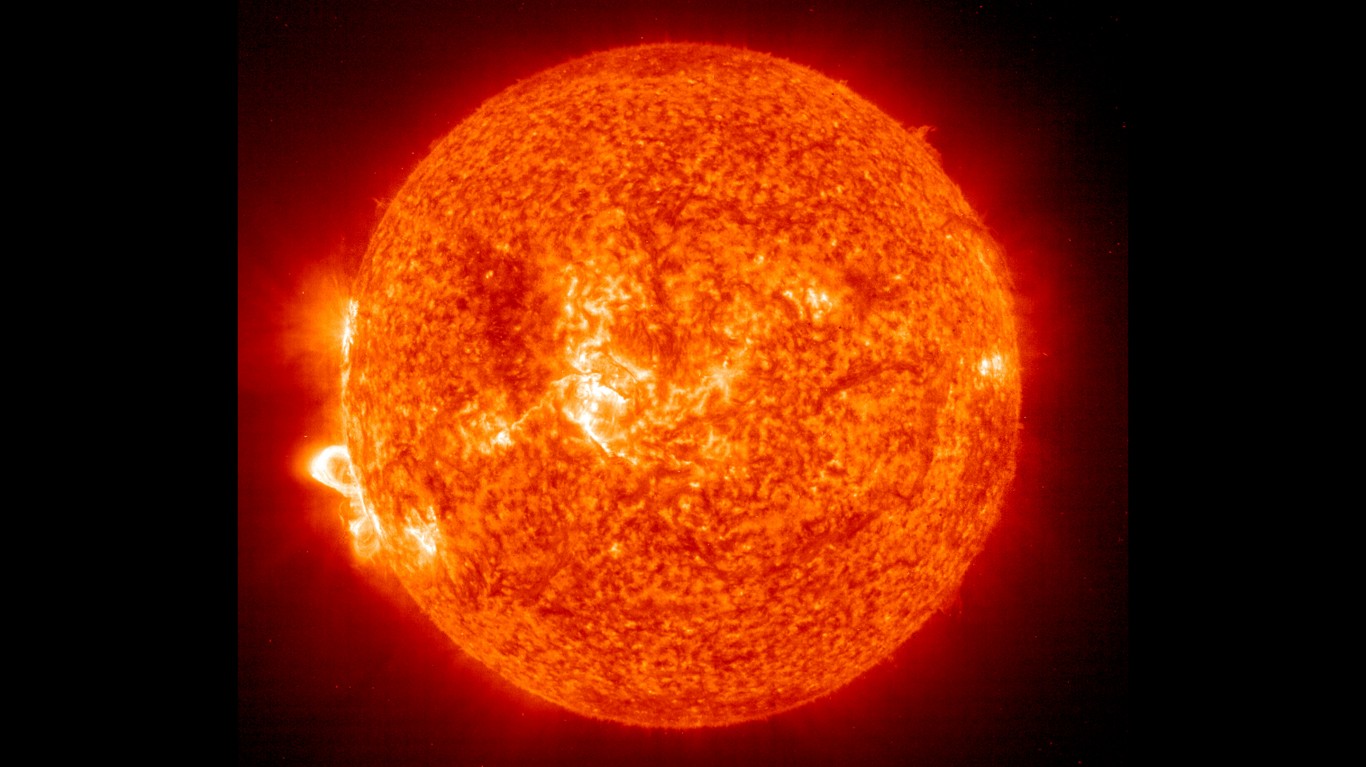
The Sun.
The Parker Solar Probe carries a memory card with names from over 1.1 million people, along with photos of Parker (the probe’s namesake) and a copy of his 1958 paper that predicted important things in solar physics.
#11 Destination

The Sun.
The probe’s destination is the solar corona, which is the topmost layer of a star’s atmosphere. It is extremely hot but not as bright as other parts of the atmosphere and filled with plasma cast off from solar filaments. It extends millions of miles into space around the star.






 Top Gaining Stocks
 Top Losing Stocks