


Americans owe a staggering $1.4 trillion in outstanding student loans, more than any other form of household debt after home mortgages. Indeed, a college education is one of the biggest investments many Americans will ever make. As as with most investments, there is no guarantee an expensive four-year degree will pay off financially.
[in-text-ad]
The likelihood of securing a job after graduation depends on several factors, including a number that are outside any individual’s control — namely, the strength of the economy and job market. Irrespective of such external factors, the difference between remaining unemployed after graduation and easily finding a solid job can depend heavily on the chosen field of study.
24/7 Wall St. reviewed data from the U.S. Census Bureau to identify the college majors with the lowest unemployment rates. While choosing a major is ultimately a personal decision largely based on one’s talents and interests, the likelihood of landing a job is a factor worth considering. Among four-year college graduates from some 160 college majors, unemployment rates go as low as less than half a percentage point — a fraction of the overall U.S. unemployment rate.
Encouragingly, the college majors with the lowest unemployment rates include some of the most popular majors.
Click here to see the college majors with the lowest unemployment.
Click here to see the college majors with the highest unemployment.
Click here to see our detailed findings and methodology.

25. Medical assisting services
> Unemployment: 2.1%
> Avg. salary: $48,718
> BA holders with a master’s degree: 23.5%
> BA holders in labor force: 73,840
[in-text-ad]

24. Teacher education: multiple levels
> Unemployment: 2.1%
> Avg. salary: $31,483
> BA holders with a master’s degree: 80.9%
> BA holders in labor force: 103,567
[recirclink id=443940]

23. General medical and health services
> Unemployment: 2.1%
> Avg. salary: $52,734
> BA holders with a master’s degree: 35.3%
> BA holders in labor force: 197,408

22. Art and music education
> Unemployment: 2.1%
> Avg. salary: $32,072
> BA holders with a master’s degree: 80.1%
> BA holders in labor force: 272,970
[in-text-ad-2]

21. Treatment therapy professions
> Unemployment: 2.1%
> Avg. salary: $55,997
> BA holders with a master’s degree: 46.7%
> BA holders in labor force: 396,181

20. General education
> Unemployment: 2.1%
> Avg. salary: $32,171
> BA holders with a master’s degree: 72.5%
> BA holders in labor force: 1,682,275
[in-text-ad]
19. Public policy
> Unemployment: 2.0%
> Avg. salary: $90,631
> BA holders with a master’s degree: 74.8%
> BA holders in labor force: 36,011
[recirclink id=443564]

18. Applied mathematics
> Unemployment: 2.0%
> Avg. salary: $94,897
> BA holders with a master’s degree: 66.0%
> BA holders in labor force: 38,349

17. Natural resources management
> Unemployment: 2.0%
> Avg. salary: $54,286
> BA holders with a master’s degree: 33.2%
> BA holders in labor force: 109,348
[in-text-ad-2]
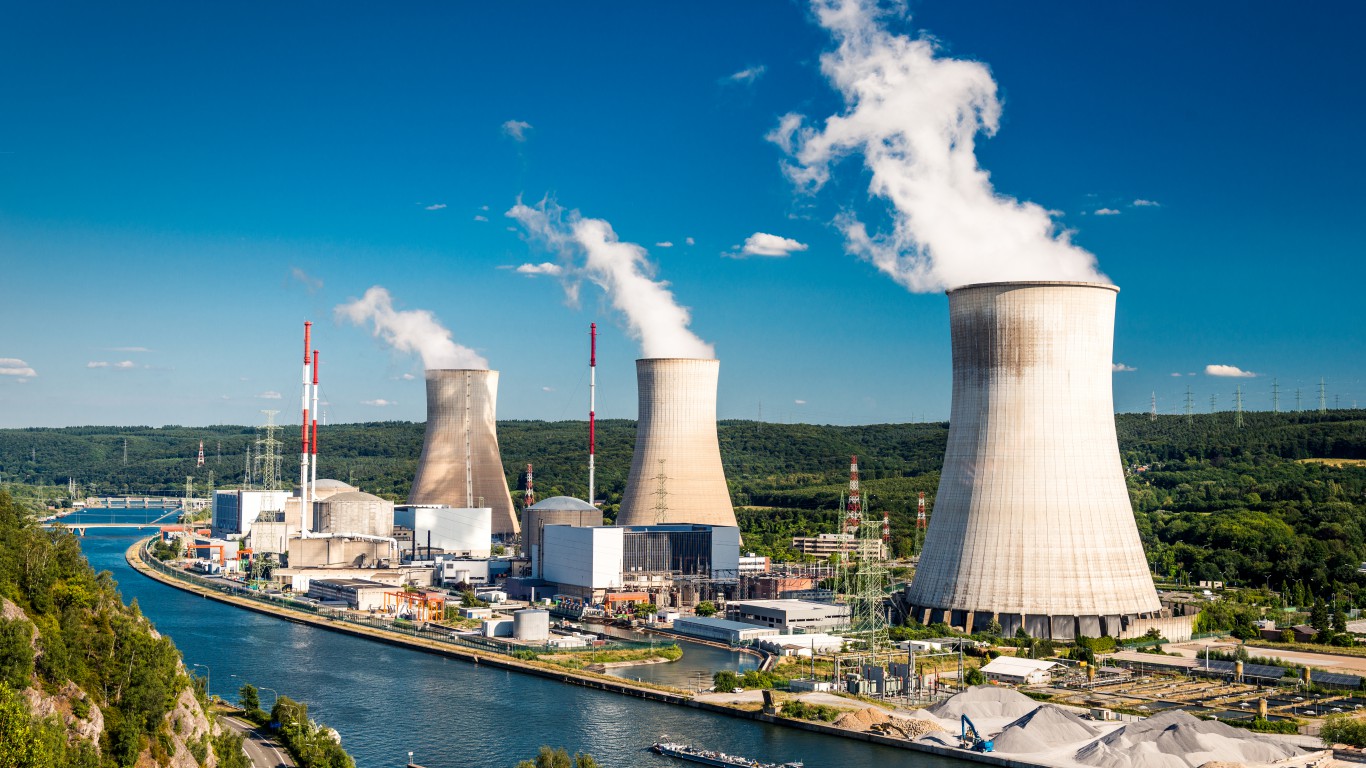
16. Nuclear engineering
> Unemployment: 1.9%
> Avg. salary: $93,194
> BA holders with a master’s degree: 63.8%
> BA holders in labor force: 17,648

15. Architectural engineering
> Unemployment: 1.9%
> Avg. salary: $72,185
> BA holders with a master’s degree: 34.8%
> BA holders in labor force: 20,333
[in-text-ad]

14. Special needs education
> Unemployment: 1.9%
> Avg. salary: $37,161
> BA holders with a master’s degree: 0.0%
> BA holders in labor force: 245,983
[recirclink id=443882]

13. Pharmacy pharmaceutical sciences and administration
> Unemployment: 1.8%
> Avg. salary: $79,375
> BA holders with a master’s degree: 31.2%
> BA holders in labor force: 274,333

12. Neuroscience
> Unemployment: 1.7%
> Avg. salary: $74,283
> BA holders with a master’s degree: 36.5%
> BA holders in labor force: 43,366
[in-text-ad-2]

11. Elementary education
> Unemployment: 1.7%
> Avg. salary: $27,112
> BA holders with a master’s degree: 71.8%
> BA holders in labor force: 1,372,855

10. Mathematics teacher education
> Unemployment: 1.6%
> Avg. salary: $35,245
> BA holders with a master’s degree: 99.8%
> BA holders in labor force: 97,744
[in-text-ad]

9. Agriculture production and management
> Unemployment: 1.6%
> Avg. salary: $67,107
> BA holders with a master’s degree: 14.6%
> BA holders in labor force: 103,154
[recirclink id=443620]

8. Nursing
> Unemployment: 1.6%
> Avg. salary: $54,263
> BA holders with a master’s degree: 24.5%
> BA holders in labor force: 2,198,061

7. Computer programming and data processing
> Unemployment: 1.5%
> Avg. salary: $51,762
> BA holders with a master’s degree: 17.5%
> BA holders in labor force: 29,575
[in-text-ad-2]

6. Genetics
> Unemployment: 1.4%
> Avg. salary: $80,497
> BA holders with a master’s degree: 75.4%
> BA holders in labor force: 17,774

5. Zoology
> Unemployment: 1.4%
> Avg. salary: $89,562
> BA holders with a master’s degree: 56.6%
> BA holders in labor force: 118,420
[in-text-ad]

4. Mechanical engineering related technologies
> Unemployment: 1.2%
> Avg. salary: $76,009
> BA holders with a master’s degree: 22.1%
> BA holders in labor force: 38,942
[recirclink id=443575]

3. General agriculture
> Unemployment: 1.2%
> Avg. salary: $48,540
> BA holders with a master’s degree: 23.1%
> BA holders in labor force: 129,593

2. Oceanography
> Unemployment: 0.8%
> Avg. salary: $56,147
> BA holders with a master’s degree: 53.0%
> BA holders in labor force: 14,299
[in-text-ad-2]
1. Agricultural economics
> Unemployment: 0.4%
> Avg. salary: $74,817
> BA holders with a master’s degree: 39.9%
> BA holders in labor force: 35,378
Detailed Findings
As an increasing share of borrowers default on their student loans and a debt crisis looms, an increasing number of Americans are also questioning the value of a college degree and whether the return is worth the investment.
Still, college educated Americans are far less likely than those with less than a four-year degree to find themselves out of a job. According to the U.S. Census Bureau’s American Community Survey, 31.3% of American adults have a bachelor’s degree, but make up just 17.0% of the unemployed population. To be sure, only six of the 160 college majors considered have a higher unemployment rate than the 5.9% rate calculated by the Census.
Many of the college majors with the lowest unemployment rates are in sectors that will predictably remain in steady demand, such as health care and education. Employment in health care in particular is projected to grow 18% from 2016 through 2026, far faster than the 7% average growth rate across all occupations.
For many college-educated Americans, a bachelor’s degree does not mark the end of their formal education. A considerable share of graduates in majors on this list go on to earn professional degrees or doctorates. Master’s degrees are the most common educational pursuit after undergraduate programs, as some 41.5% of American bachelor’s degree holders also have a masters. Of the majors on this list, 12 have a higher than typical master’s degree attainment rate.
Methodology
To determine the college majors with the lowest unemployment rates, 24/7 Wall St. reviewed data on employment status per undergraduate major from the Public Use Microdata Sample summary files of the U.S. Census Bureau’s 2016 American Community Survey. In the case of ties, majors with the larger total workforce were ranked higher. Data on earnings and educational attainment also came from the Census. Data on field of study and employment status are self reported by the survey’s respondents. To be included in the dataset, the respondents must have graduated and received a bachelor’s degree. While respondents were able to list the field of study for any bachelor’s degree they have received and may have listed multiple majors, only the first major listed was considered in this analysis. Majors noted as a miscellaneous subset of a more common field of study were excluded from our analysis.
The U.S. Census Bureau’s unemployment rate is distinct from, and can vary considerably from, the more commonly cited unemployment rate from the Bureau of Labor Statistics.















 Top Gaining Stocks
 Top Losing Stocks