


The world’s oceans, which are all really just one large body of water surrounding the continents, are in trouble. Humans have filled the sea with tons of plastic, caused the water temperature to increase, and extracted an unsustainable amount of creatures from the water.
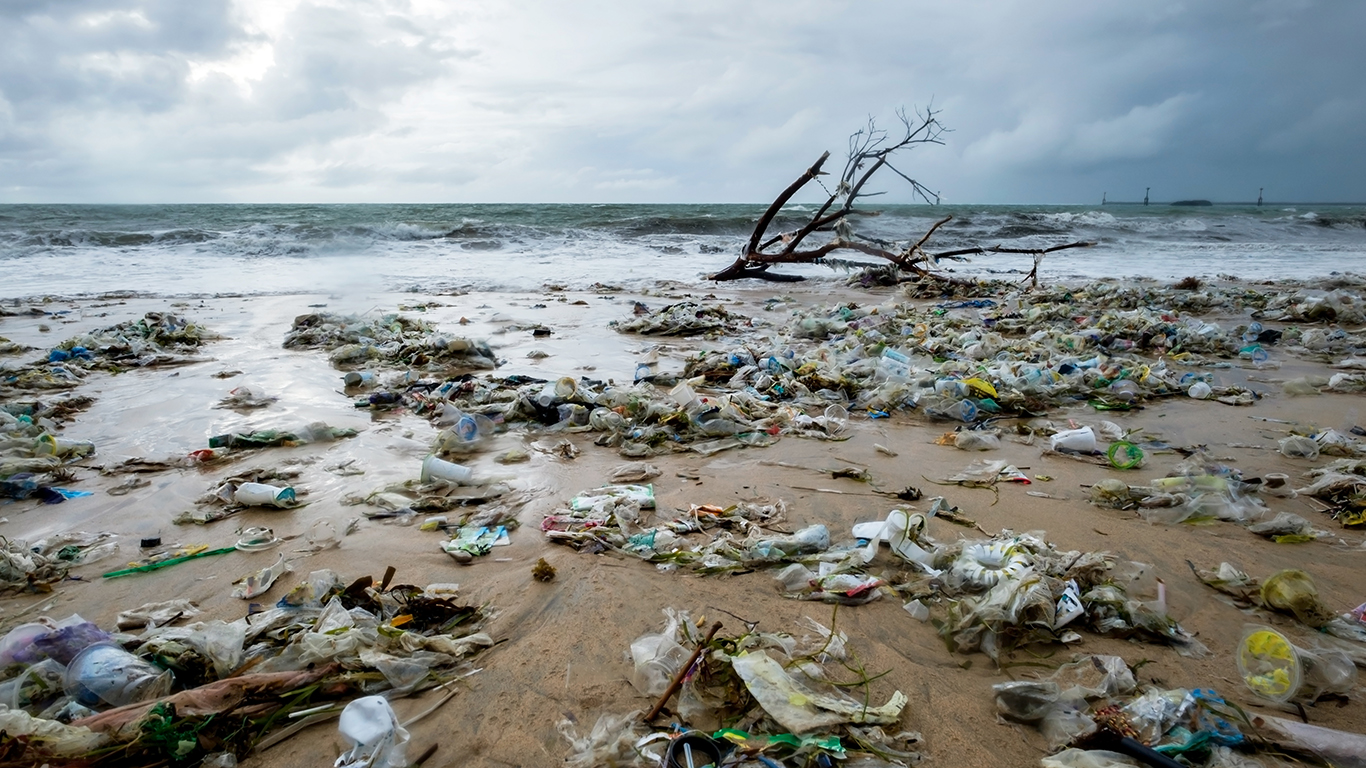
Pollution in the ocean is a well-known concern. There may be more than 500 million pounds of garbage on just the surface of the oceans — but that is just a fraction of the problem. The UN reported that land-based sources of contamination like agricultural run-off, pesticides, and untreated sewage account for the vast majority of marine pollution. A large share of this pollution is created by just a handful of corporations. Pollution is not just a surface level issue. Divers found a plastic bag and candy wrappers in shocking places such as at depths of nearly 7 miles below the waves.
This pollution kills well over a million birds and marine mammals annually, according to the UN — and this problem won’t be going away anytime soon. Plastic can take up to 1,000 years to degrade. Fortunately, there are some creative new solutions that allow people to use less plastic every day.
Pollution isn’t the only threat to marine life. Humans have gotten good enough at fishing that we are catching fish faster than they can reproduce, leading to shortages in some fish populations and harming the delicate oceanic ecosystems and endangering the food supply of billions of people. While some countries have enacted legislation to cut down on overfishing, many have not.
Besides fish, the ocean also provides for humanity by helping to regulate temperatures on land. But this effect is slowly decreasing as a result of climate change. Greenhouse gases have increased global temperatures, despite the fact that the ocean has absorbed about 93% of the effects of these greenhouse gases, according to a 2013 report from the Intergovernmental Panel on Climate Change. In addition to changing temperatures, climate change is acidifying the ocean, changing the habitat of all animals that live there. And this is just one of at least 20 disaster scenarios caused by climate change.
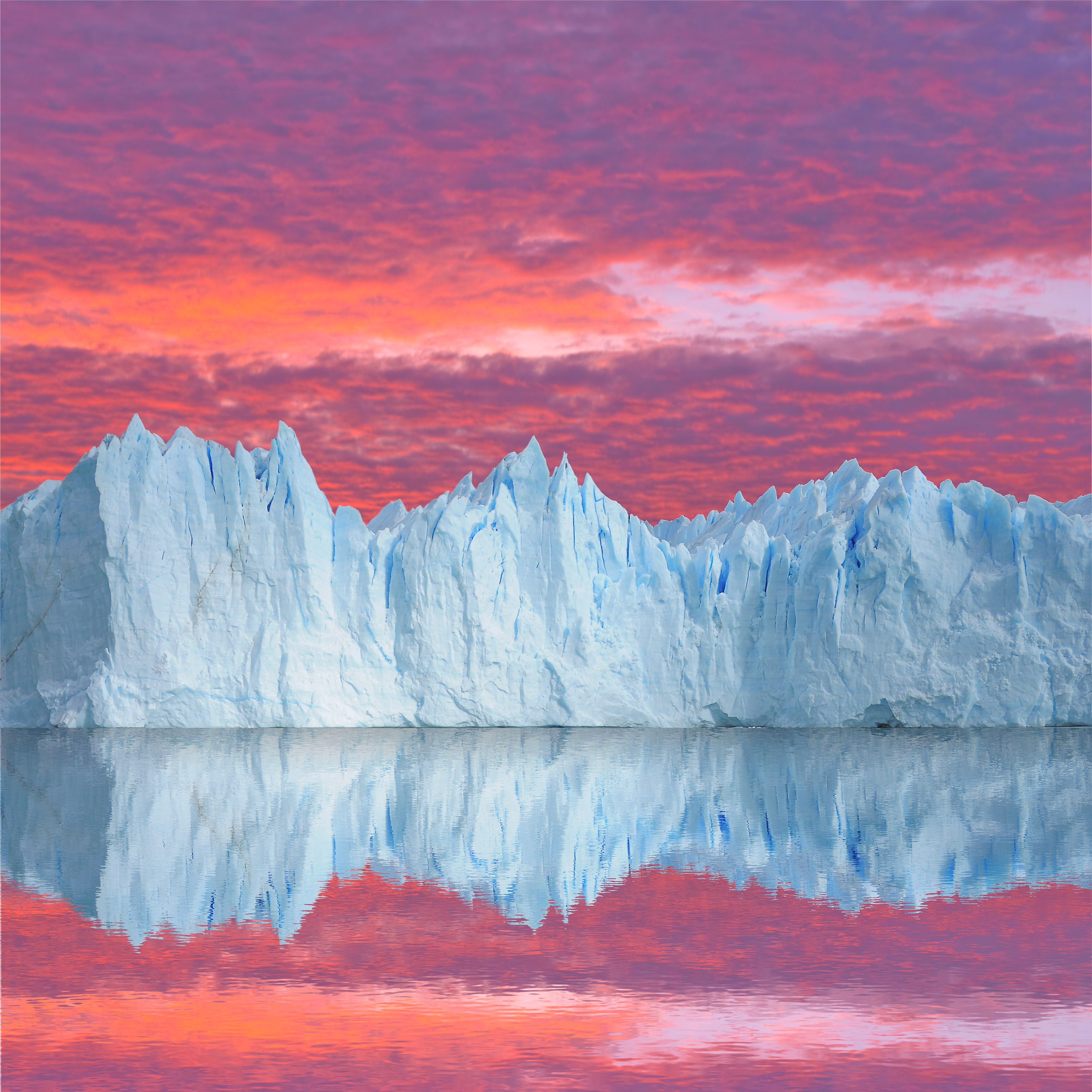
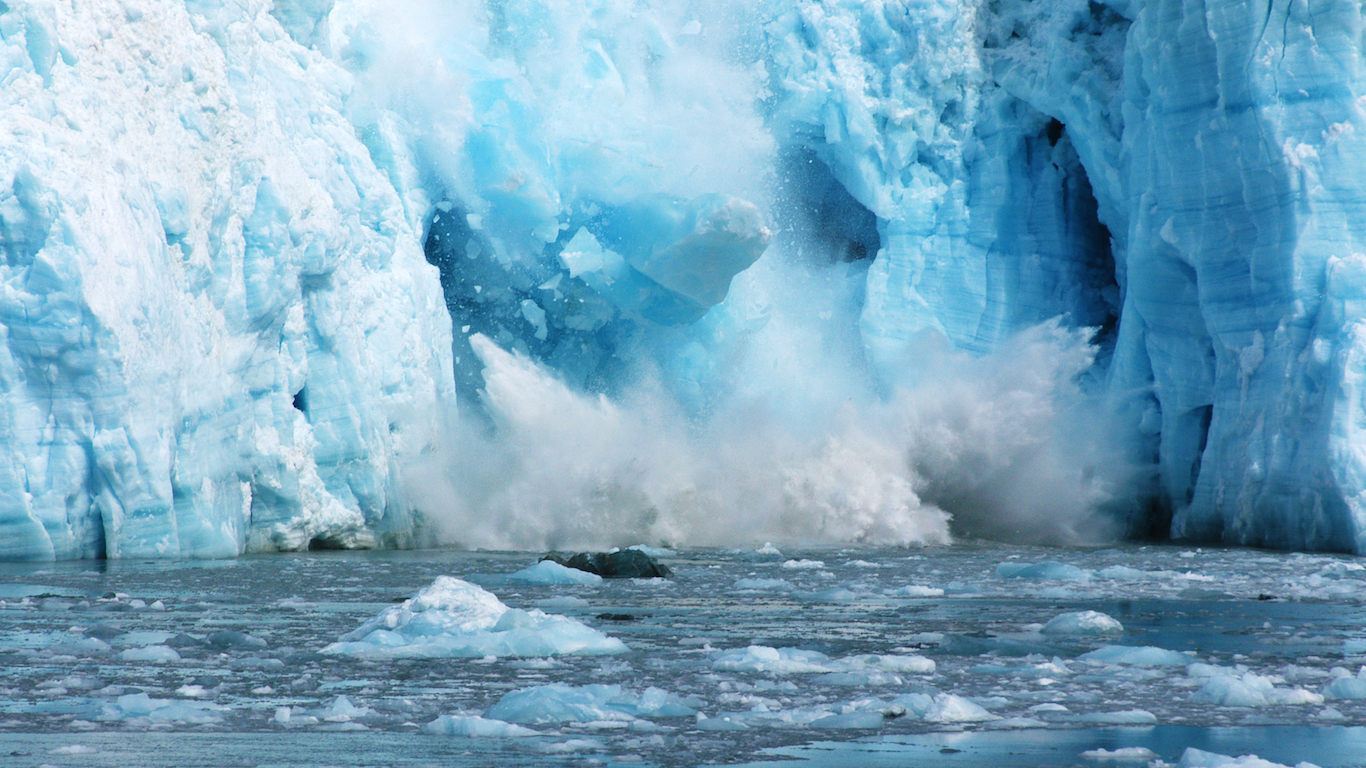
Warming oceans have caused ice shelves in the Antarctic to melt, contributing to sea level rise. With the ice in Greenland and Antarctica melting at record rates, scientists currently estimate sea levels could rise 2-7 feet by the end of the century, with some estimates even higher. Antarctica has about 90% of all ice in the world, enough to raise global sea levels by 200 feet, in theory. So should this warming and melting cycle continue, many American cities could soon be underwater.








 Top Gaining Stocks
 Top Losing Stocks