


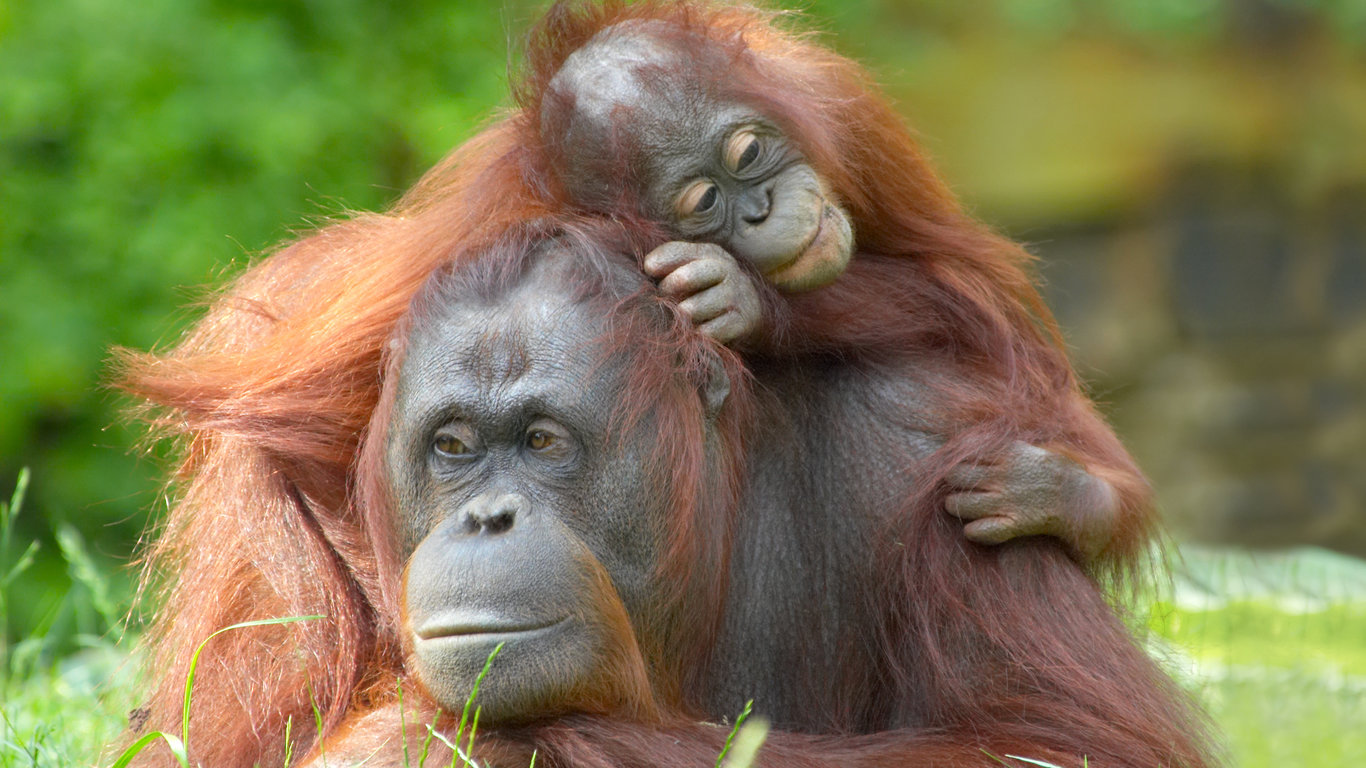
Orangutans, the world’s largest tree-climbing mammal and Asia’s only great ape, are in danger of extinction, and we are losing them fast.
Orangutans, which means “persons of the forest” in Malay, live primarily on the Indonesian islands of Borneo and Sumatra and inhabit the rainforest. Most of the animals prefer forests in river valleys or floodplains. There are three species of orangutans — the Bornean, Sumatran, and the Tapanuli. The latter species is the newest and was named in November 2017. It lives in North Sumatra.
All three orangutan species are critically endangered, according to the World Wildlife Federation. The Bornean orangutan population is estimated at 104,000, and there are 14,000 Sumatran great apes. There are just 800 Tapanuli orangutans, and they are the species most under threat.
The WWF estimates that there were 230,000 orangutans 100 years ago. The Orangutan Foundation International estimates that the great ape population has probably decreased by 50% in just the last decade. People hope orangutans won’t share the same fate as some animals that have become extinct. These are species that may have recently gone extinct.
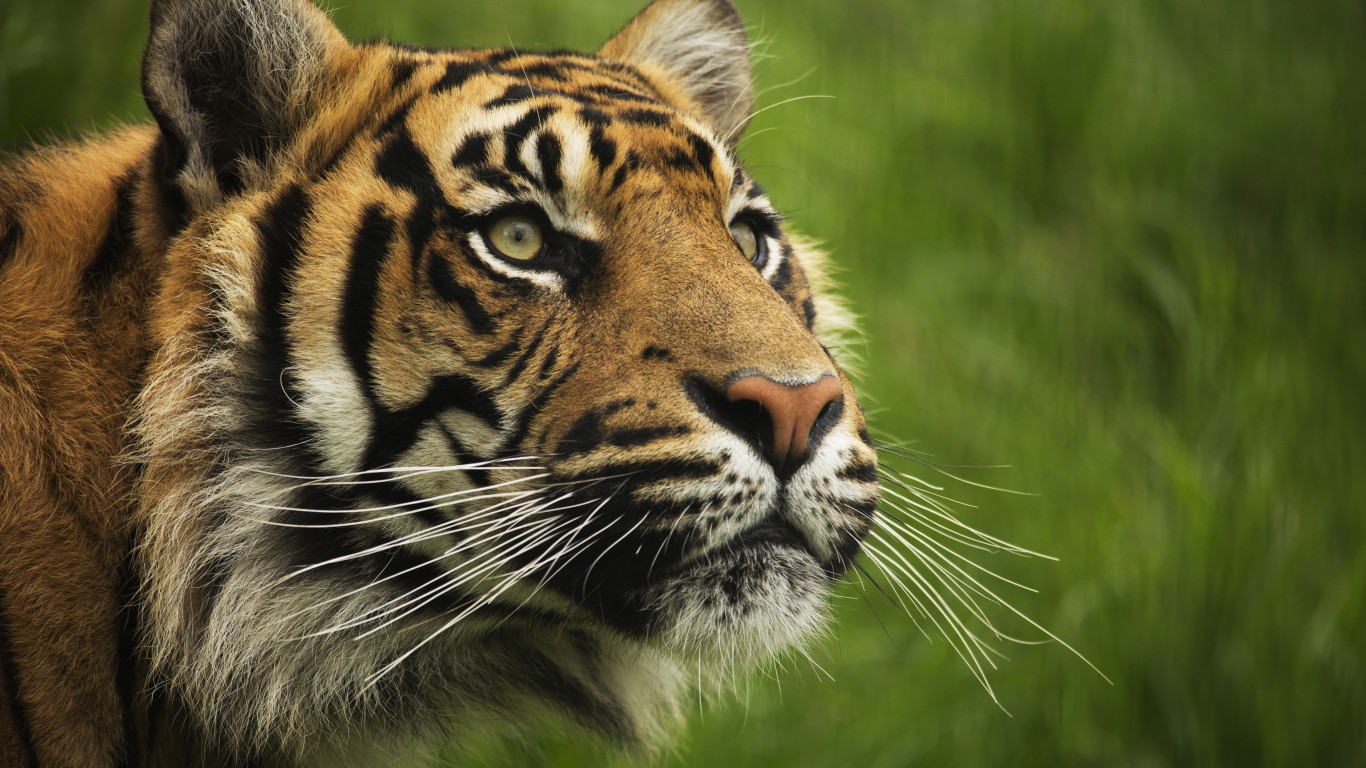
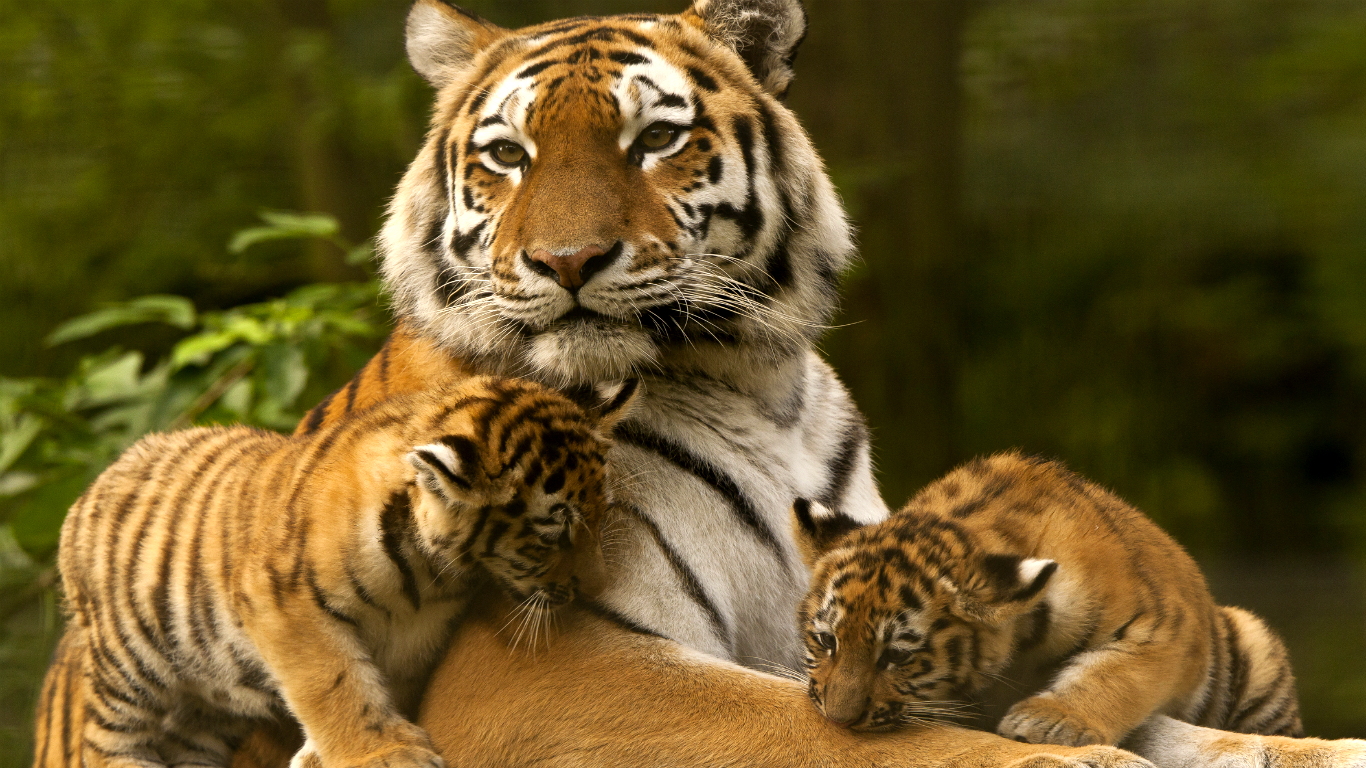
Orangutans play a vital role in nature. The shaggy red-haired, long-armed animals are the gardeners of the forest. They disperse seeds and preserve the health of the forest, which is critical for other animals, such as tigers, Asian elephants and Sumatran rhinos, all of whom are facing risks to their habitat. Orangutans spend most of their time in trees, sleeping in tree nests and eating fruit. Their long arms enable them to swing from tree to tree and they rarely walk.
Orangutans are vulnerable to what the World Wildlife Fund calls “excessive mortality.” The great ape can live up to 50 years in the wild and females can begin to reproduce as early as 10 years old. They give birth every five years or so. Sometimes the time between orangutan births can be as long as 10 years. When they do give birth, they usually have single babies. All of this combines to make a very low reproductive rate and limits the animal’s ability to recover from population declines from calamitous episodes like forest fires. One such fire about 20 years ago in the area of Kalimantan in Borneo lasted for six months and killed as many as 8,000 orangutans.
The threats to orangutans are familiar — habitat loss by deforestation, poaching, and illegal pet trade.
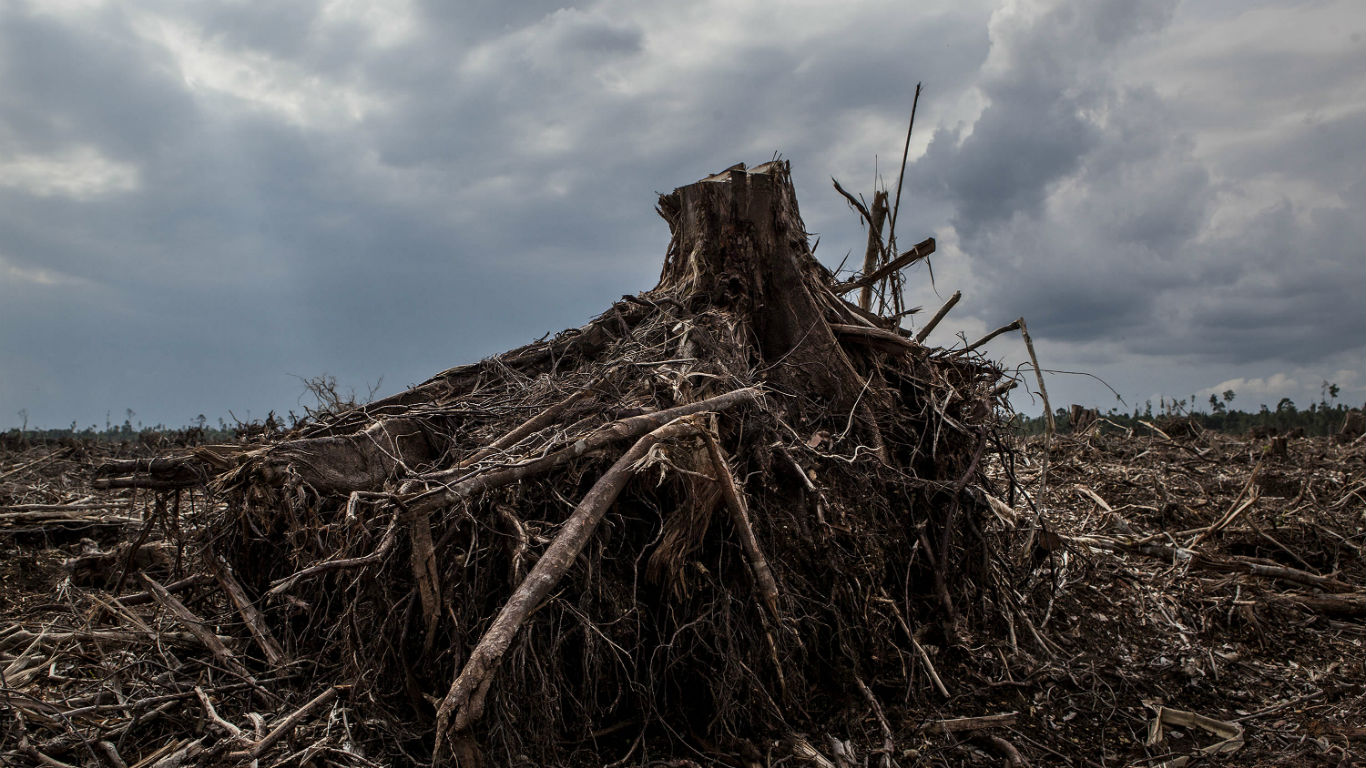
Loss of habitat poses the biggest threat to their existence. Massive areas of forest have been cleared for agriculture, housing, roads, mining, logging, and other human activities. Indonesia has become the fourth-most populous nation on Earth with more than 264 million people, and has several of the most densely populated cities on the planet.
Of particular risk to orangutans is the bulldozing of land for palm oil plantations. Palm oil is used in products such as lipstick and body lotion. According to the Orangutan Conservancy, demand for palm oil has tripled in the United States over the last five years. Indonesia, Malaysia, and Papua New Guinea produce about 85% of the world’s palm oil.
As humans encroach on orangutan habitats, many of the animals fall victim to poaching or are killed for raiding human food storage areas because their food sources have been denied to them. They can be hunted out of ignorance or because hunters are flouting laws that protect orangutans.
Young orangutans up to the age of seven are sought as pets and become targets of an illegal pet trade. To capture a young great ape, hunters usually have to kill the mother. Orangutans may be an exotic pet, but they grow quickly and become hard to handle. These are the most exotic animals people keep as pets.







 Top Gaining Stocks
 Top Losing Stocks