



[cnxvideo id=”888946″ placement=”ros”]
In light of the growing student-loan crisis, Americans appear more likely to think twice about going into debt to pay for a college education. College enrollment declined by nearly 300,000 in 2019, the eighth consecutive year enrollment dropped.
Still, for many of the Americans who attend college and graduate, education remains a sound investment. The typical American adult with a bachelor’s degree earns about 65% more than the typical adult with just a high school diploma.
A bachelor’s degree, however, is no guarantee of a high paying career. There are many jobs today that typically require a four-year college education yet pay lower or only slightly above the average annual wage across all occupations of $38,640. 24/7 Wall St. reviewed 2018 median annual wage data from the Bureau of Labor Statistics to identify the lowest paying jobs for college graduates.
Compensation is one of a number of considerations to take into account when choosing a job, and for many who go into the kinds of careers on this list, high pay is not likely a priority. These include service occupations, like social work and counseling, as well as creative fields, like sculpting or music composition.
For those who attend college with the goal of having a high-paying career, certain fields of study are more likely to pay off than others. The average annual earnings for some college majors is over four times higher than the average earnings of others. These are the highest and lowest-paying college majors in America.
While many high-paying jobs are only available to those with a bachelor’s degree or higher, well-paying careers are by no means exclusively limited to those with a four-year college education. There are dozens of jobs that require no more in the way of formal education than a high school diploma where the median wage is more than double some of the jobs on this list. These are the highest paying jobs you can get without a college degree.
Click here to see the worst paying jobs for college grads
Click here to read our methodology

41. Appraisers and assessors of real estate
> Median annual wage: $54,980
> Typical entry-level education: Bachelor’s degree
> Total employment: 80,800
> Projected employment change (2016-2026): +14.4%
[in-text-ad]

40. Camera operators, television, video, and motion picture
> Median annual wage: $54,570
> Typical entry-level education: Bachelor’s degree
> Total employment: 25,100
> Projected employment change (2016-2026): +7.0%
[recirclink id=521954]

39. Tax examiners and collectors, and revenue agents
> Median annual wage: $54,440
> Typical entry-level education: Bachelor’s degree
> Total employment: 62,100
> Projected employment change (2016-2026): +0.6%
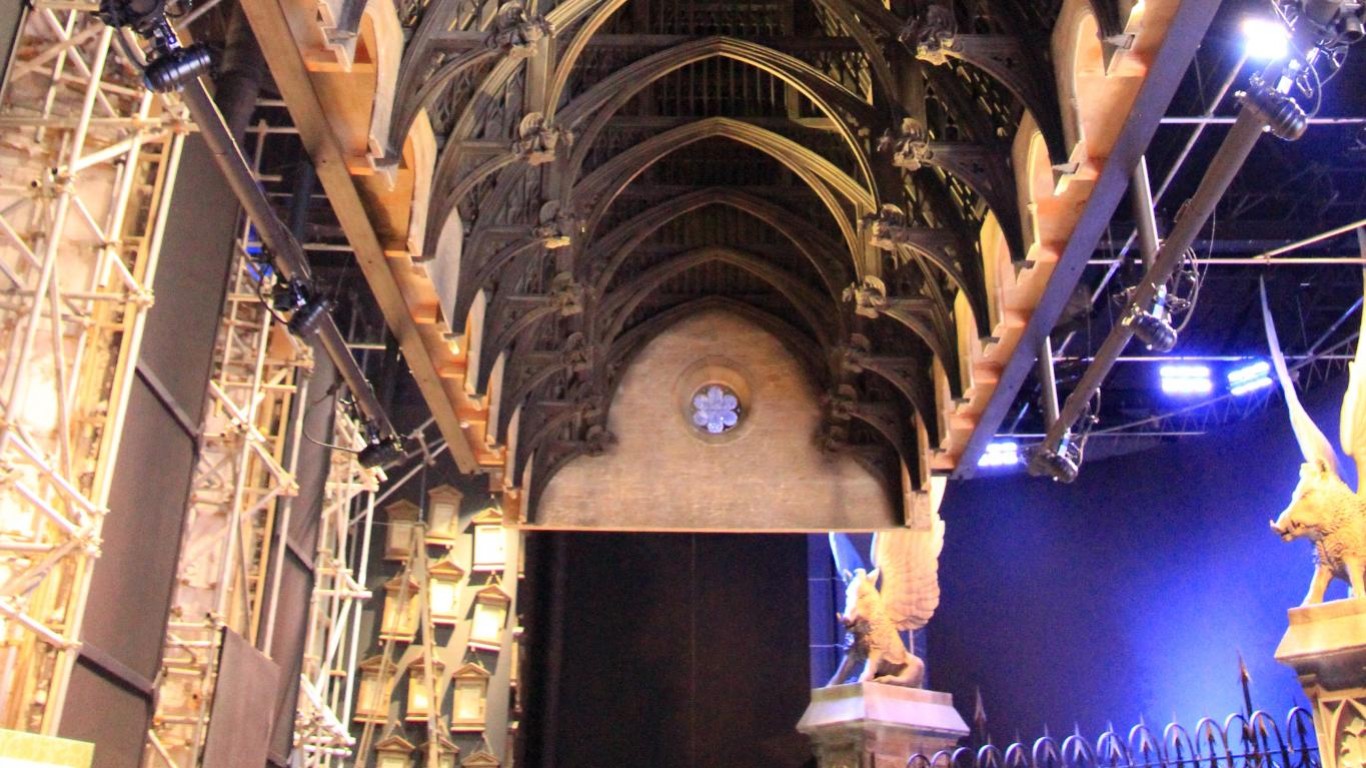
38. Set and exhibit designers
> Median annual wage: $54,270
> Typical entry-level education: Bachelor’s degree
> Total employment: 14,600
> Projected employment change (2016-2026): +10.3%
[in-text-ad-2]

37. Health educators
> Median annual wage: $54,220
> Typical entry-level education: Bachelor’s degree
> Total employment: 61,000
> Projected employment change (2016-2026): +14.5%

36. Curators
> Median annual wage: $53,780
> Typical entry-level education: Master’s degree
> Total employment: 12,400
> Projected employment change (2016-2026): +14.0%
[in-text-ad]

35. Adult basic and secondary education and literacy teachers and instructors
> Median annual wage: $53,630
> Typical entry-level education: Bachelor’s degree
> Total employment: 68,200
> Projected employment change (2016-2026): +5.1%
[recirclink id=562355]

34. Judicial law clerks
> Median annual wage: $53,540
> Typical entry-level education: Doctoral or professional degree
> Total employment: 14,000
> Projected employment change (2016-2026): +5.5%

33. Interior designers
> Median annual wage: $53,370
> Typical entry-level education: Bachelor’s degree
> Total employment: 66,500
> Projected employment change (2016-2026): +4.4%
[in-text-ad-2]

32. Vocational education teachers, postsecondary
> Median annual wage: $53,120
> Typical entry-level education: Bachelor’s degree
> Total employment: 128,000
> Projected employment change (2016-2026): +1.4%

31. Probation officers and correctional treatment specialists
> Median annual wage: $53,020
> Typical entry-level education: Bachelor’s degree
> Total employment: 91,300
> Projected employment change (2016-2026): +5.7%
[in-text-ad]

30. Archivists
> Median annual wage: $52,240
> Typical entry-level education: Master’s degree
> Total employment: 6,800
> Projected employment change (2016-2026): +14.3%
[recirclink id=563409]

29. Graphic designers
> Median annual wage: $50,370
> Typical entry-level education: Bachelor’s degree
> Total employment: 266,300
> Projected employment change (2016-2026): +4.2%

28. Marriage and family therapists
> Median annual wage: $50,090
> Typical entry-level education: Master’s degree
> Total employment: 41,500
> Projected employment change (2016-2026): +23.4%
[in-text-ad-2]

27. Interpreters and translators
> Median annual wage: $49,930
> Typical entry-level education: Bachelor’s degree
> Total employment: 68,200
> Projected employment change (2016-2026): +17.7%

26. Farm and home management advisors
> Median annual wage: $49,840
> Typical entry-level education: Master’s degree
> Total employment: 10,400
> Projected employment change (2016-2026): +7.5%
[in-text-ad]

25. Music directors and composers
> Median annual wage: $49,630
> Typical entry-level education: Bachelor’s degree
> Total employment: 74,800
> Projected employment change (2016-2026): +5.7%
[recirclink id=563385]

24. Audio-visual and multimedia collections specialists
> Median annual wage: $49,600
> Typical entry-level education: Bachelor’s degree
> Total employment: 11,300
> Projected employment change (2016-2026): +8.9%

23. Fine artists, including painters, sculptors, and illustrators
> Median annual wage: $49,380
> Typical entry-level education: Bachelor’s degree
> Total employment: 28,000
> Projected employment change (2016-2026): +6.6%
[in-text-ad-2]

22. Meeting, convention, and event planners
> Median annual wage: $49,370
> Typical entry-level education: Bachelor’s degree
> Total employment: 116,700
> Projected employment change (2016-2026): +10.9%

21. Exercise physiologists
> Median annual wage: $49,270
> Typical entry-level education: Bachelor’s degree
> Total employment: 15,100
> Projected employment change (2016-2026): +13.1%
[in-text-ad]

20. Clergy
> Median annual wage: $48,990
> Typical entry-level education: Bachelor’s degree
> Total employment: 243,900
> Projected employment change (2016-2026): +8.2%
[recirclink id=564590]

19. Statistical assistants
> Median annual wage: $48,330
> Typical entry-level education: Bachelor’s degree
> Total employment: 11,800
> Projected employment change (2016-2026): +9.2%

18. Education administrators, preschool and childcare center/program
> Median annual wage: $47,940
> Typical entry-level education: Bachelor’s degree
> Total employment: 61,800
> Projected employment change (2016-2026): +10.8%
[in-text-ad-2]

17. Recreational therapists
> Median annual wage: $47,860
> Typical entry-level education: Bachelor’s degree
> Total employment: 19,200
> Projected employment change (2016-2026): +6.5%

16. Athletic trainers
> Median annual wage: $47,510
> Typical entry-level education: Bachelor’s degree
> Total employment: 27,800
> Projected employment change (2016-2026): +22.8%
[in-text-ad]

15. Social science research assistants
> Median annual wage: $46,640
> Typical entry-level education: Bachelor’s degree
> Total employment: 34,000
> Projected employment change (2016-2026): +4.3%
[recirclink id=566282]

14. Child, family, and school social workers
> Median annual wage: $46,270
> Typical entry-level education: Bachelor’s degree
> Total employment: 317,600
> Projected employment change (2016-2026): +14.2%

13. Credit counselors
> Median annual wage: $45,180
> Typical entry-level education: Bachelor’s degree
> Total employment: 38,300
> Projected employment change (2016-2026): +13.8%
[in-text-ad-2]

12. Mental health and substance abuse social workers
> Median annual wage: $44,840
> Typical entry-level education: Master’s degree
> Total employment: 123,900
> Projected employment change (2016-2026): +19.3%

11. Biological technicians
> Median annual wage: $44,500
> Typical entry-level education: Bachelor’s degree
> Total employment: 82,100
> Projected employment change (2016-2026): +10.2%
[in-text-ad]

10. Agricultural inspectors
> Median annual wage: $44,140
> Typical entry-level education: Bachelor’s degree
> Total employment: 15,600
> Projected employment change (2016-2026): +4.6%
[recirclink id=570279]

9. Museum technicians and conservators
> Median annual wage: $43,020
> Typical entry-level education: Bachelor’s degree
> Total employment: 11,800
> Projected employment change (2016-2026): +12.4%

8. Reporters and correspondents
> Median annual wage: $41,260
> Typical entry-level education: Bachelor’s degree
> Total employment: 44,700
> Projected employment change (2016-2026): +10.0%
[in-text-ad-2]

7. Directors, religious activities and education
> Median annual wage: $40,810
> Typical entry-level education: Bachelor’s degree
> Total employment: 147,100
> Projected employment change (2016-2026): +7.1%

6. Proofreaders and copy markers
> Median annual wage: $39,140
> Typical entry-level education: Bachelor’s degree
> Total employment: 14,200
> Projected employment change (2016-2026): +1.7%
[in-text-ad]

5. Rehabilitation counselors
> Median annual wage: $35,630
> Typical entry-level education: Master’s degree
> Total employment: 119,300
> Projected employment change (2016-2026): +12.7%
[recirclink id=561552]

4. Coaches and scouts
> Median annual wage: $33,780
> Typical entry-level education: Bachelor’s degree
> Total employment: 276,100
> Projected employment change (2016-2026): +12.9%

3. Graduate teaching assistants
> Median annual wage: $33,700
> Typical entry-level education: Bachelor’s degree
> Total employment: 168,300
> Projected employment change (2016-2026): +7.7%
[in-text-ad-2]

2. Radio and television announcers
> Median annual wage: $33,220
> Typical entry-level education: Bachelor’s degree
> Total employment: 41,300
> Projected employment change (2016-2026): +11.6%

1. Legislators
> Median annual wage: $24,670
> Typical entry-level education: Bachelor’s degree
> Total employment: 55,500
> Projected employment change (2016-2026): +7.1%
Methodology
To identify the lowest paying jobs that typically require a college degree, 24/7 Wall St. reviewed the 2018 median annual wage for detailed occupations that require an entry level education of a bachelor’s degree or higher, with data from the 2016-2026 Employment Projections from the Bureau of Labor Statistics (BLS).
Data on educational attainment by detailed occupation came from the Employment Projections program’s detailed data tables. We excluded all non-specific occupation classifications used by the BLS from consideration, specifically those jobs labeled as “all other,” a catch-all designation.















 Top Gaining Stocks
 Top Losing Stocks