


Presumably, people who own cats pick ones that they believe have above average looks, at least compared to other cats. It begs the question of why people own ugly cats. Maybe “ugly” is in the eye of the beholder. Recently, a study ranked cats by looks. Several were graded as ugly — and the ugliest cat breed in the world is the Himalayan.
There are 600 million cats in the world. Just over 200 million have owners. The rest are strays. According to the American Veterinary Medical Association, nearly 32 million households in America have a cat. Cats probably started living with people around 3,700 years ago. (Americans love their pets. See the official pets and animals of every state.)
Cat owners can be particular about which breeds they own. Shorthair domestic cats are the most popular in America. Far fewer people in the U.S. own more exotic breeds, which include Persian and Bombay cats. The most beautiful cat breeds in the world, according to research, are the Norwegian forest, Russian blue, and Manx.
24/7 Tempo reviewed All About Cats’ research piece titled “Beautiful Cats: The Golden Ratio Reveals The Most Beautiful Cat Breeds.” The methodology used to identify the world’s ugliest cats and the most beautiful cats is idiosyncratic, so many cat owners will not agree with it.
The way that the study calculates cat beauty is by measuring the distance between different places on this cat’s face, including the eyes, nose, and mouth. Apparently, the same methodology is used to measure movie stars and celebrities. The ideal ratio is 1.62. According to Britannica, this measure originated with the ancient mathematician Euclid and involves a complex formula.
Two cat breeds scored 1.65, and one scored 1.59 — just 0.03 difference from the ideal ratio of 1.62. These are the Norwegian forest and Russian blue, and the Manx.
At the other end of the scale three cats were assigned high numbers — far greater than the ideal ratio. The ugliest cats are the Himalayan, with a difference of 56.87 from the ideal ratio of 1.62, the Peterbald with a difference of 18.16, and the Persian with a difference of 5.87. The Himalayan and Persian are related.
According to Pet Finder, “The Himalayan is a hybrid breed identical to the Persian, but distinguished by the points on the cats’ extremities (the facial mask, feet, ears, and tail) which results in a Persian-type cat with the coloring and deep blue eyes of the Siamese-patterned cat.” (These are the most common health problems in cats (and how they are treated).)
And Himalayan are expensive. A kitten can cost as much as $3,500. A word to the wise for cat owners — ugly can be expensive.
Click here to see the ugliest cat breeds in the world
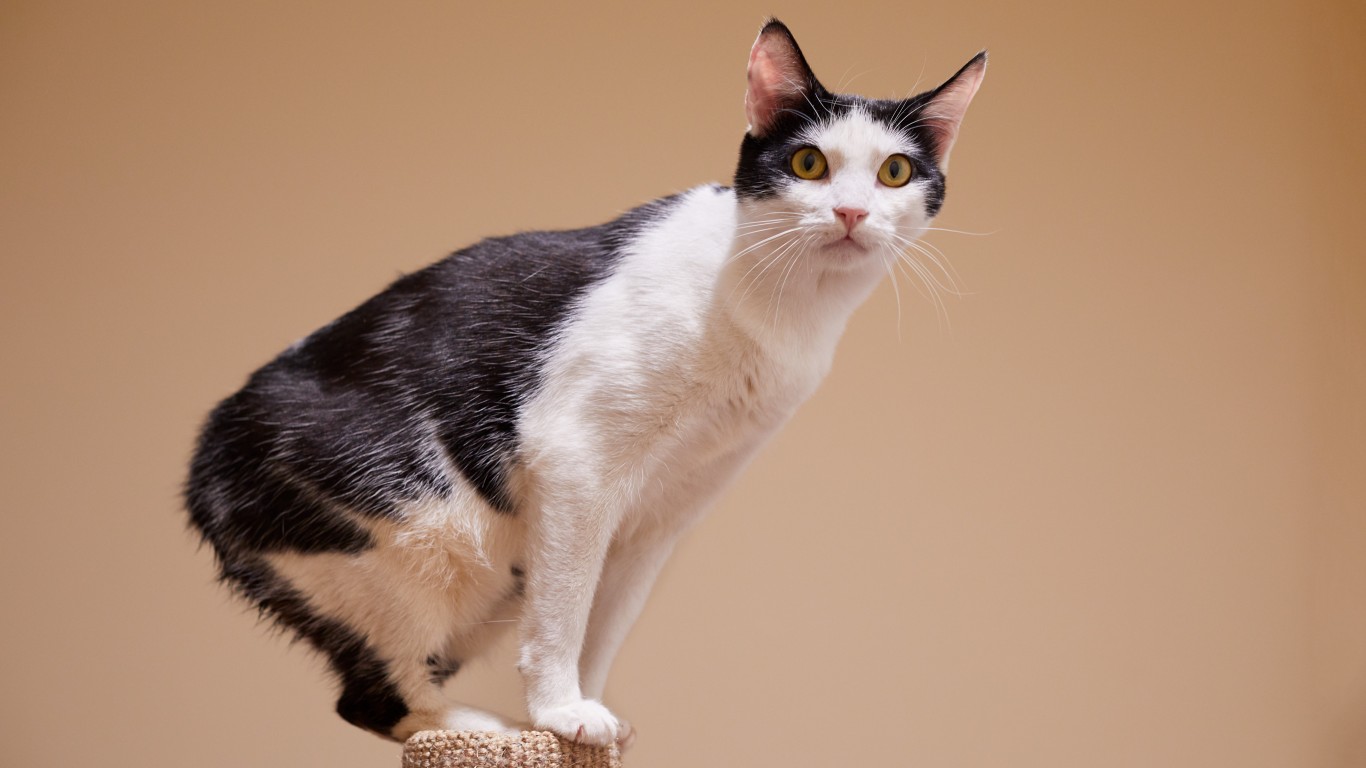
1. Manx
> Ratio: 1.59
> Difference from Golden Ratio: 0.03
[in-text-ad]
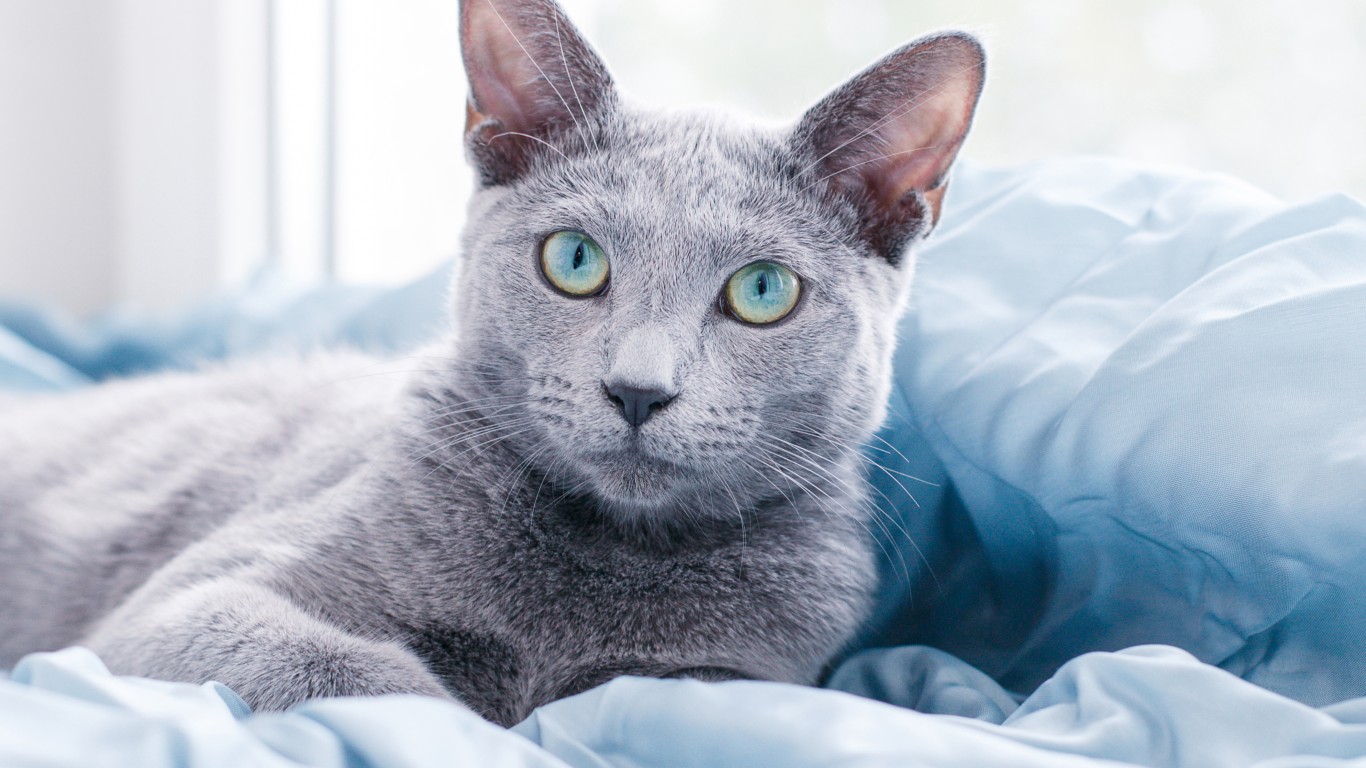
1. Russian Blue
> Ratio: 1.65
> Difference from Golden Ratio: 0.03
[recirclink id=977462]
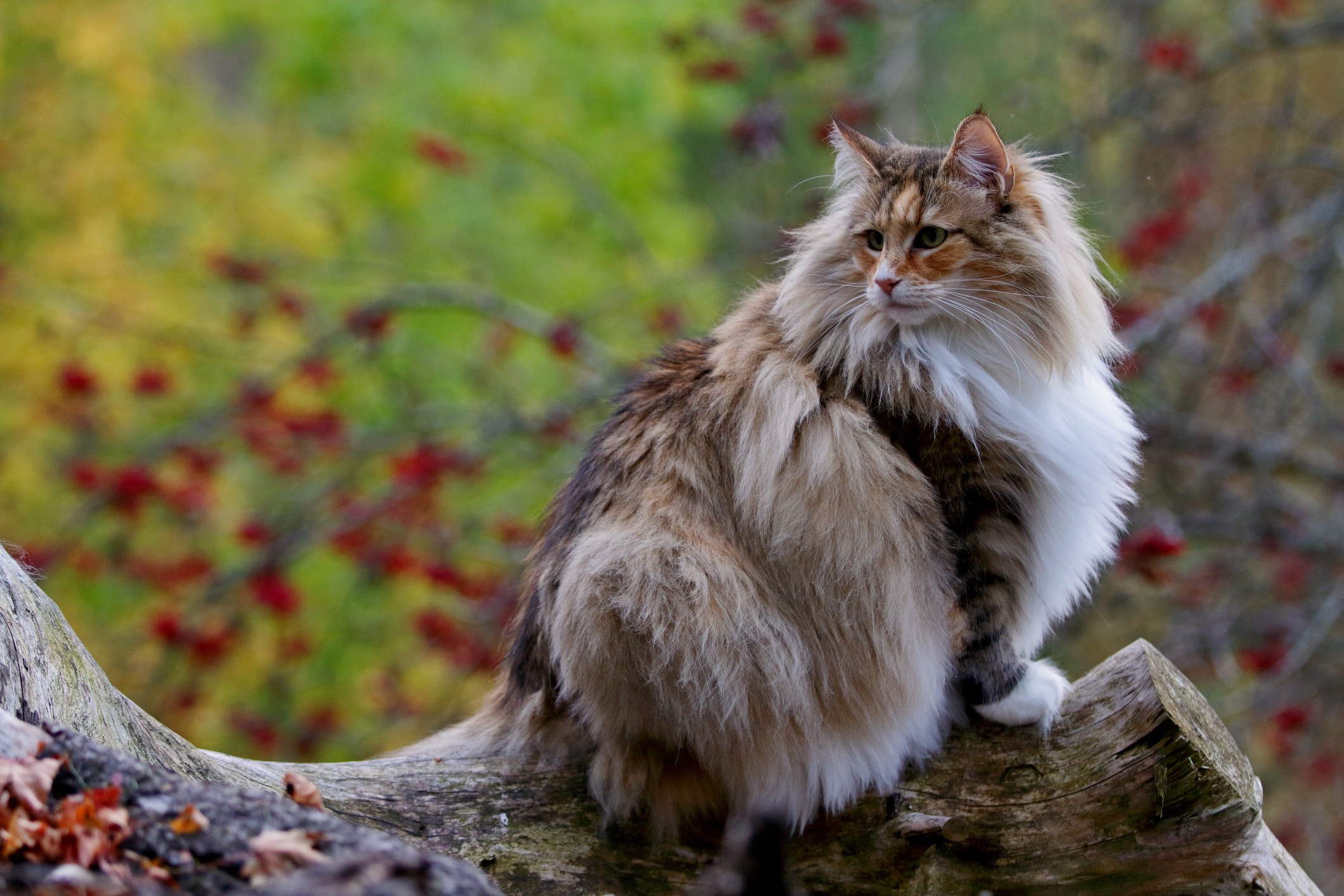
1. Norwegian Forest
> Ratio: 1.65
> Difference from Golden Ratio: 0.03

4. Siberian
> Ratio: 1.67
> Difference from Golden Ratio: 0.05
[in-text-ad-2]
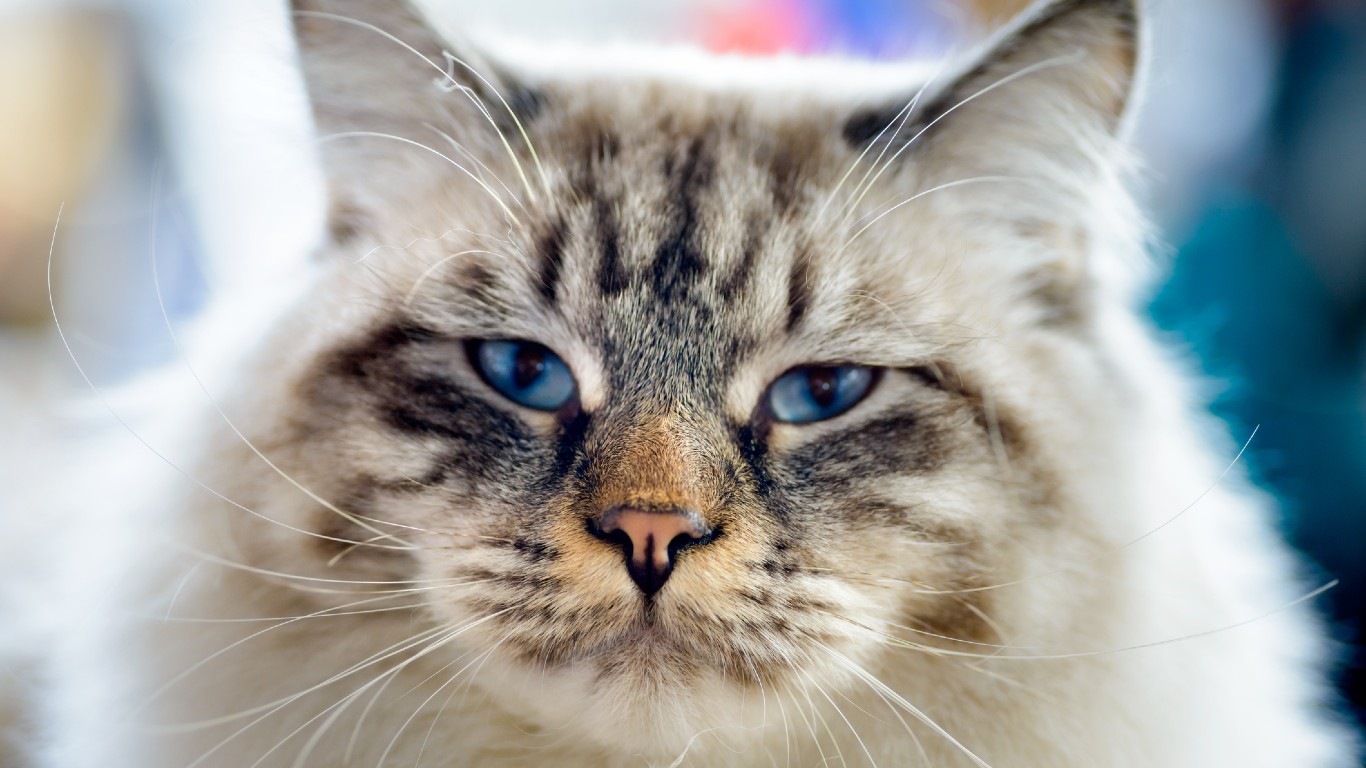
4. Ragamuffin
> Ratio: 1.67
> Difference from Golden Ratio: 0.05
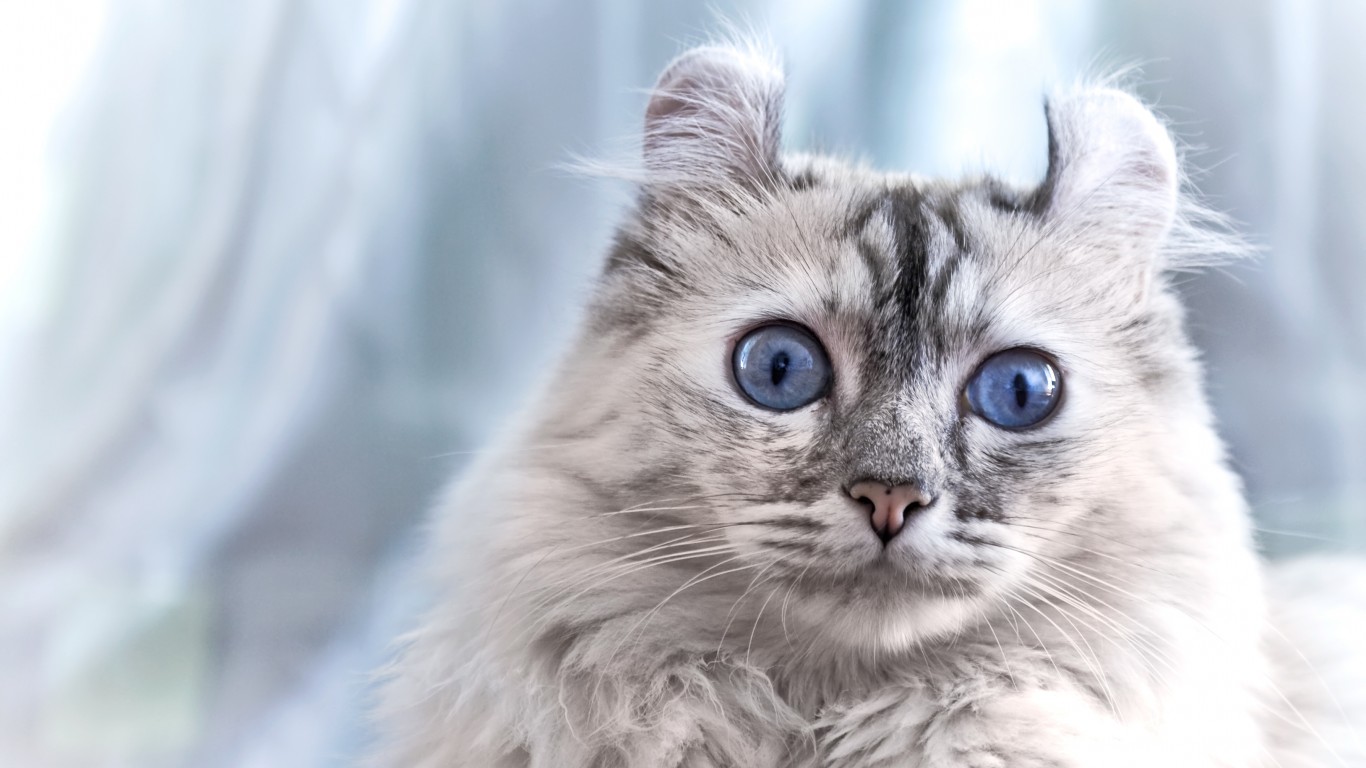
6. American Curl
> Ratio: 1.56
> Difference from Golden Ratio: 0.06
[in-text-ad]
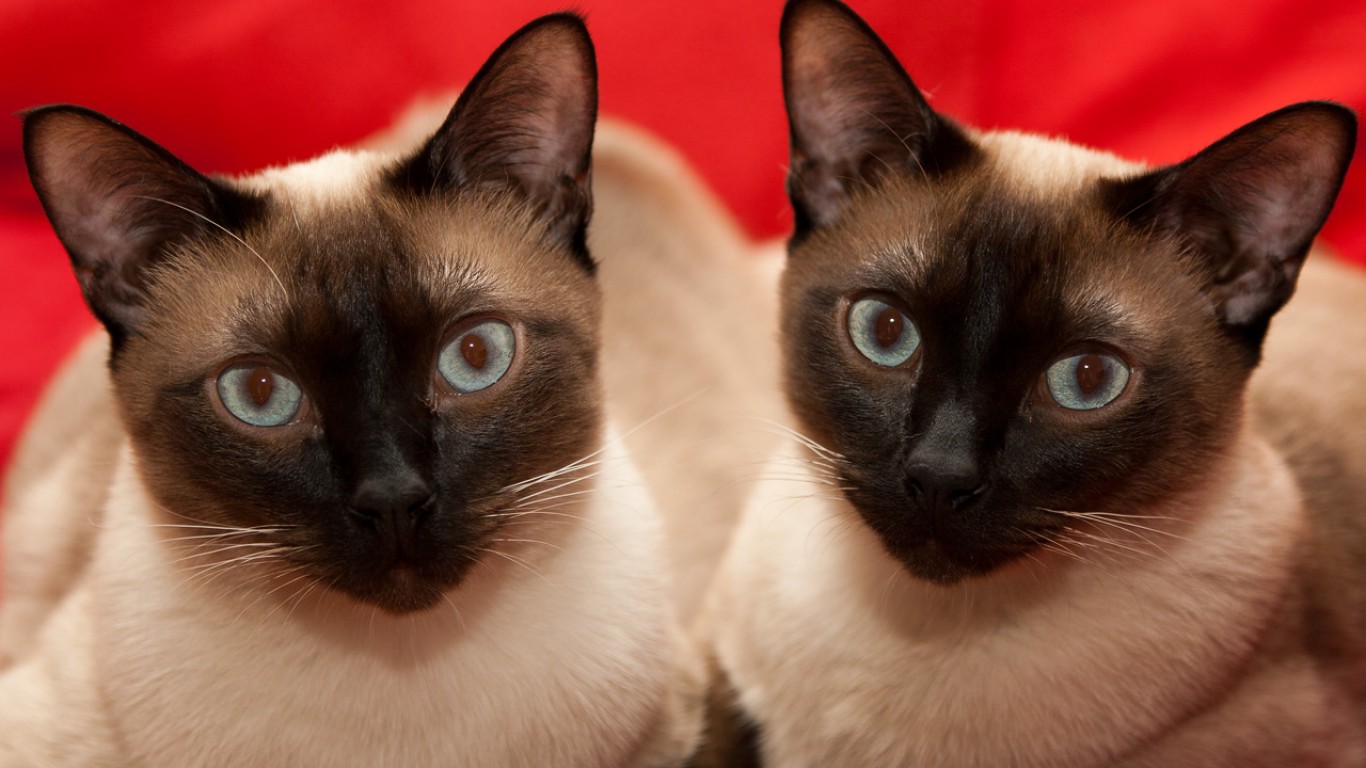
7. Siamese
> Ratio: 1.55
> Difference from Golden Ratio: 0.07
[recirclink id=912510]
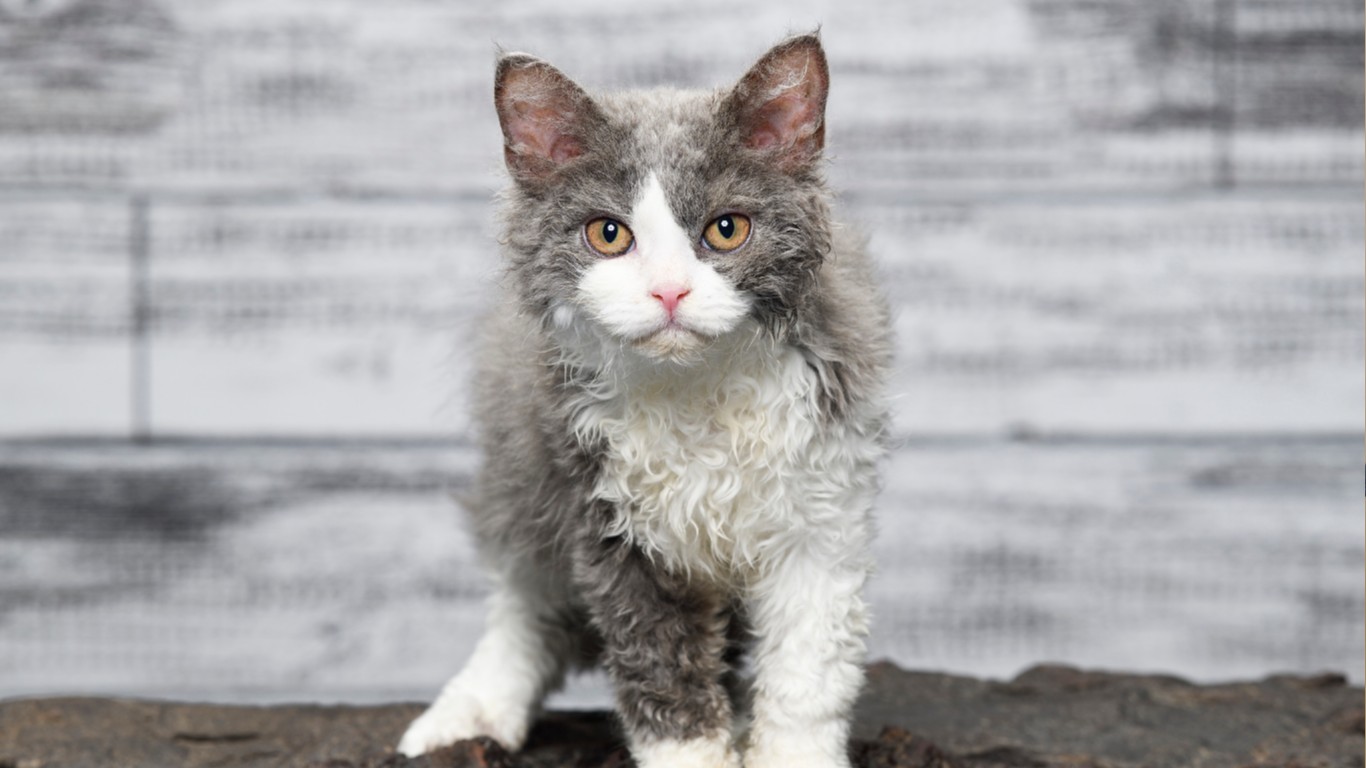
7. Selkirk Rex
> Ratio: 1.69
> Difference from Golden Ratio: 0.07

9. Maine Coon
> Ratio: 1.71
> Difference from Golden Ratio: 0.09
[in-text-ad-2]
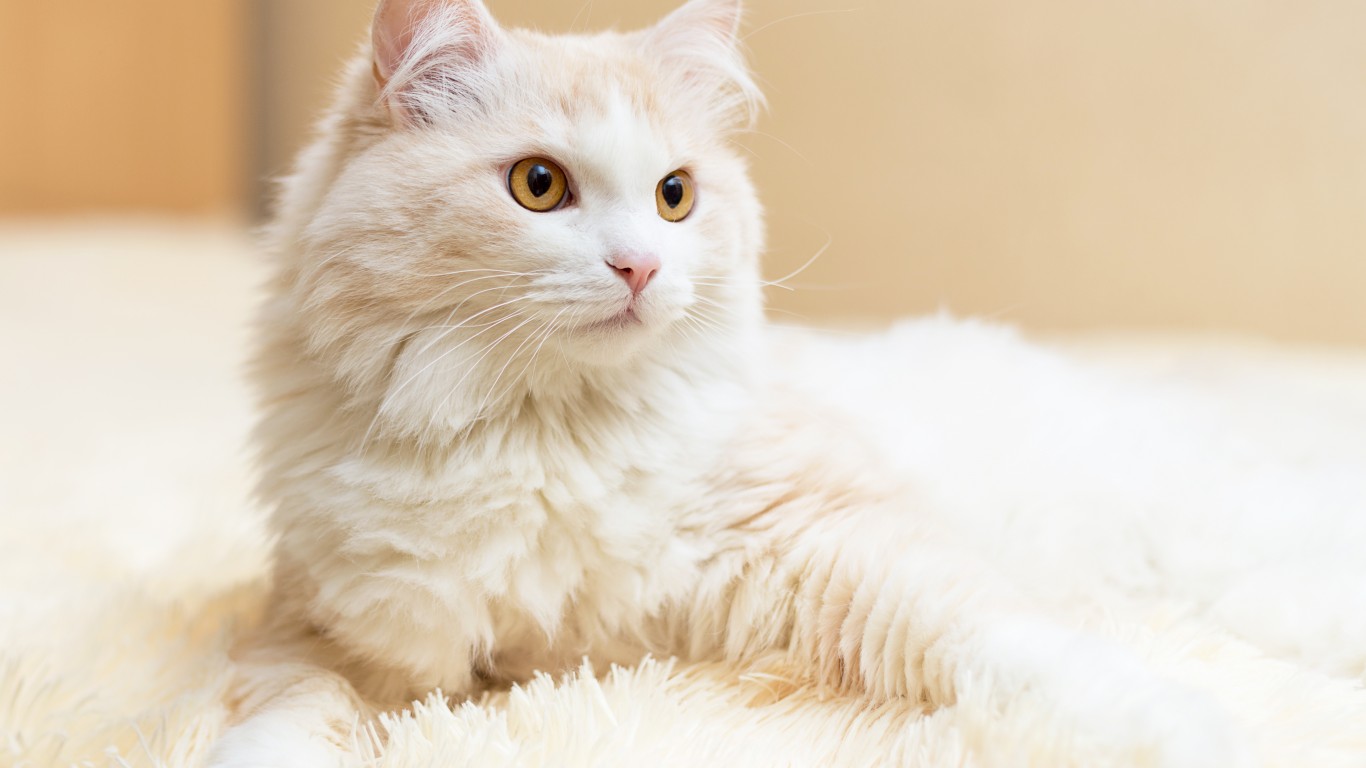
10. Turkish Angora
> Ratio: 1.72
> Difference from Golden Ratio: 0.10
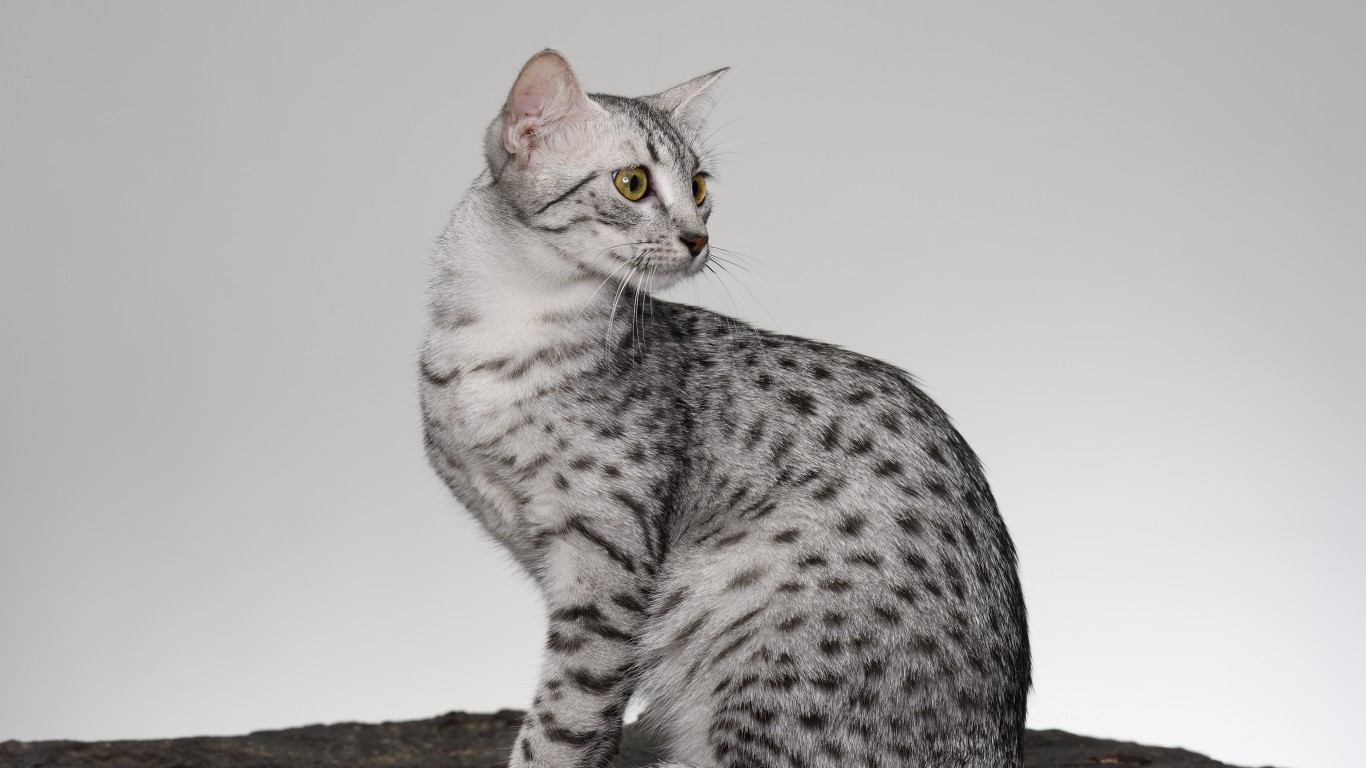
10. Egyptian Mau
> Ratio: 1.72
> Difference from Golden Ratio: 0.10
[in-text-ad]
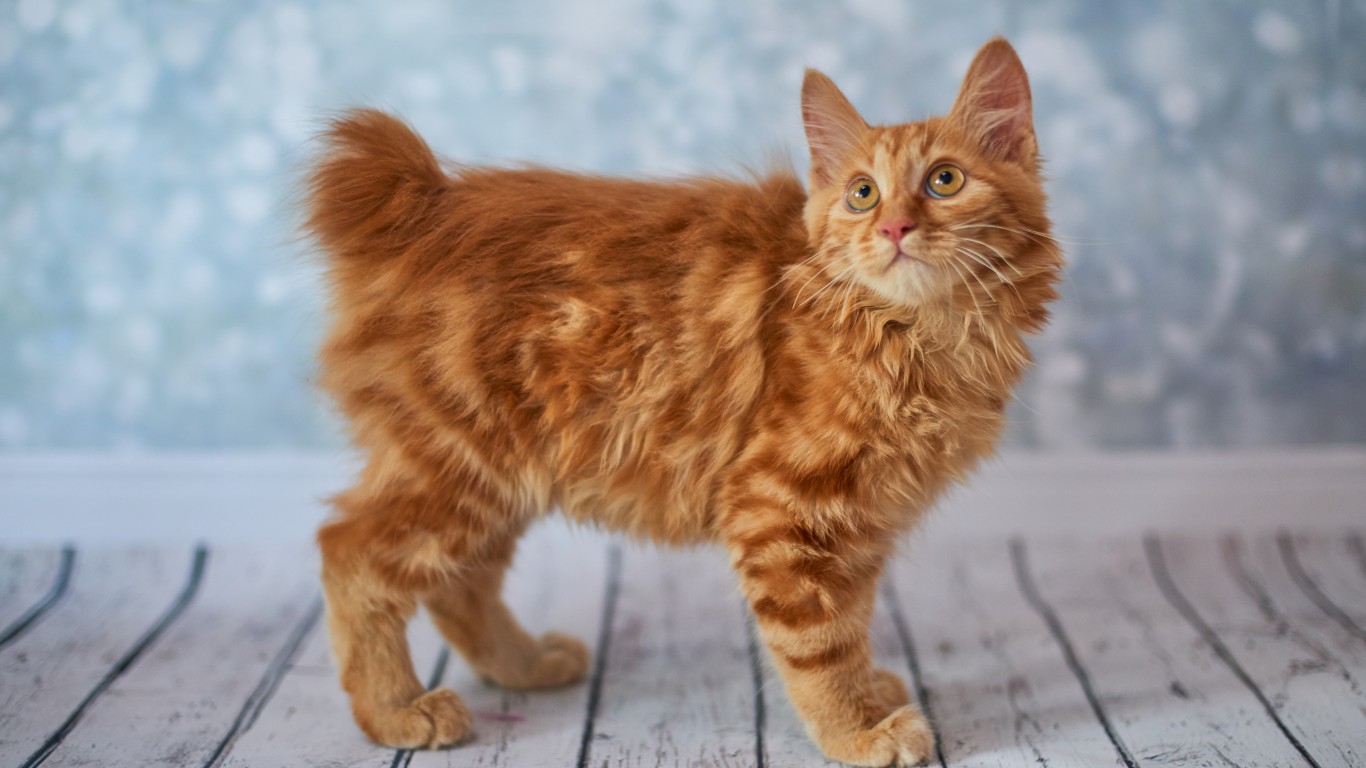
12. American Bobtail
> Ratio: 1.73
> Difference from Golden Ratio: 0.11
[recirclink id=879078]
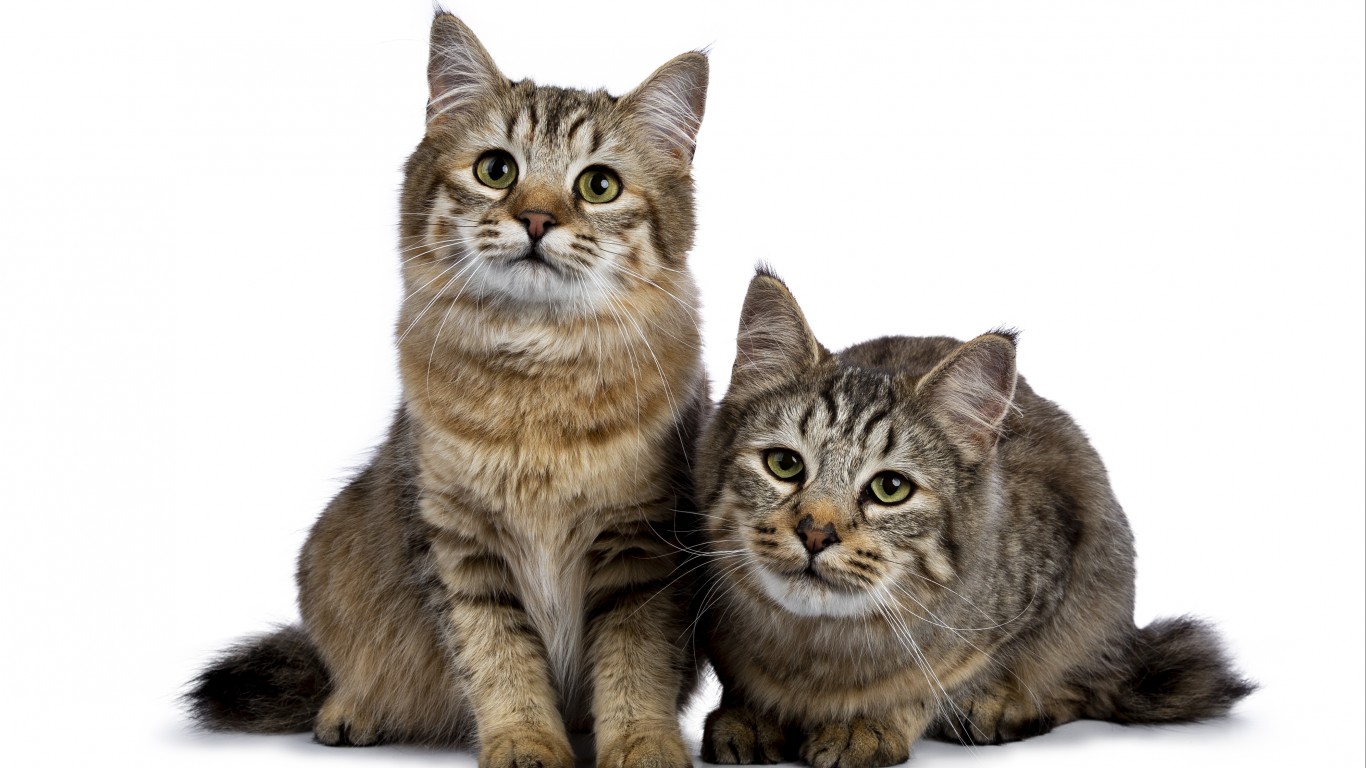
13. Pixiebob
> Ratio: 1.74
> Difference from Golden Ratio: 0.12
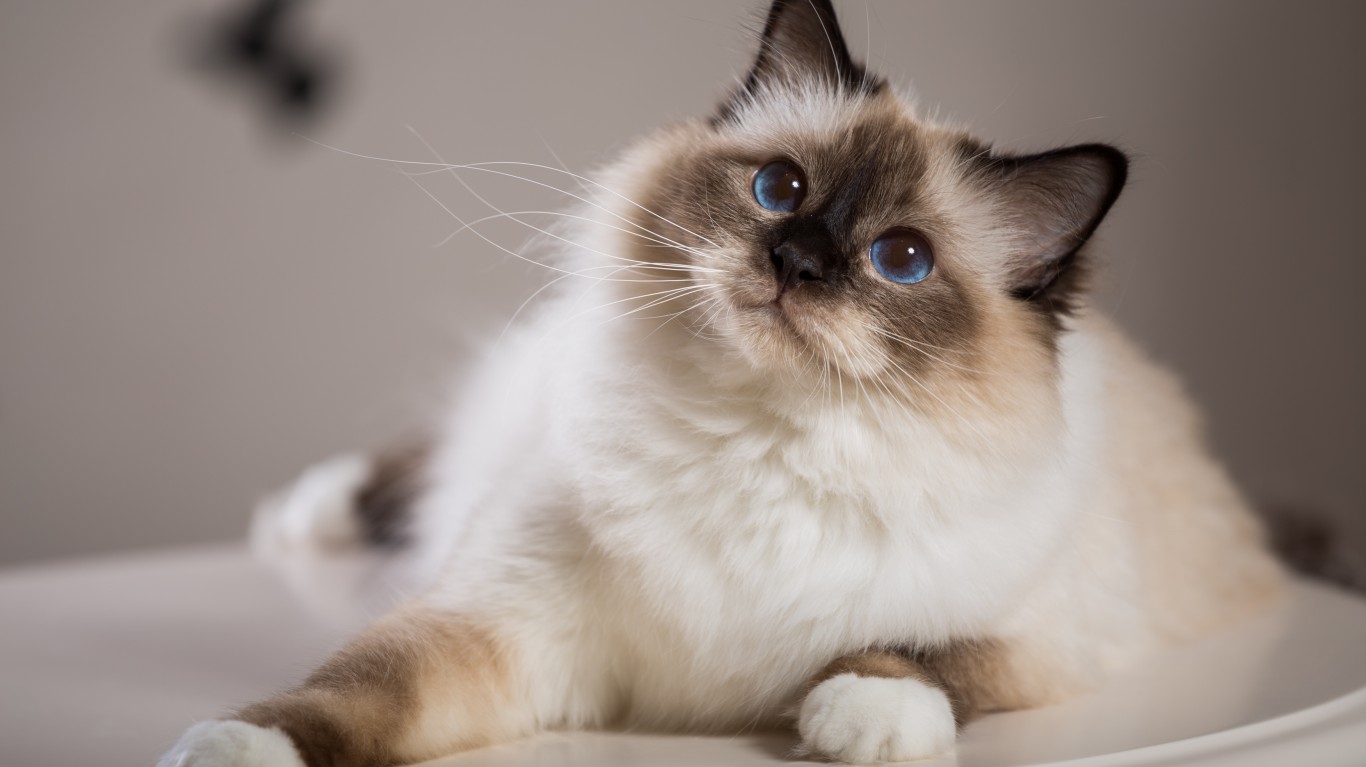
13. Birman
> Ratio: 1.74
> Difference from Golden Ratio: 0.12
[in-text-ad-2]
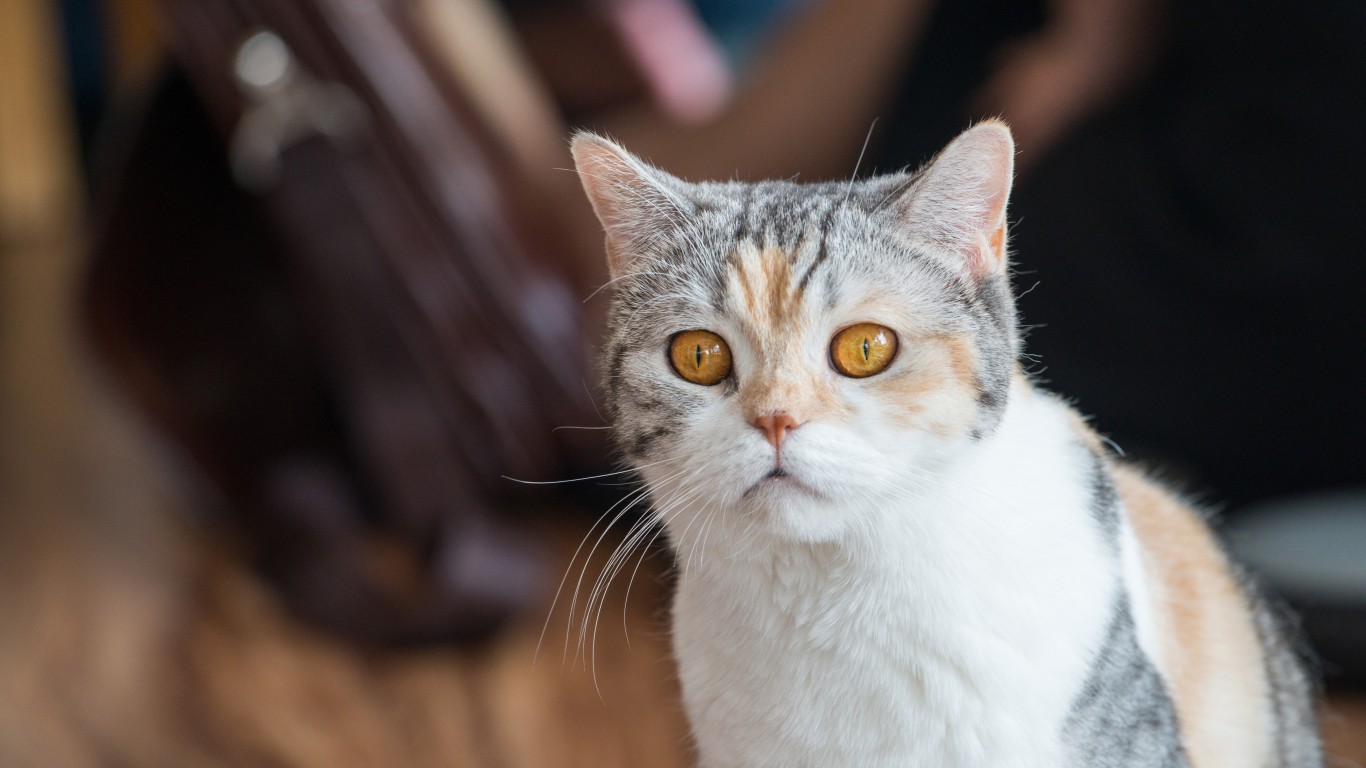
13. American Wirehair
> Ratio: 1.74
> Difference from Golden Ratio: 0.12
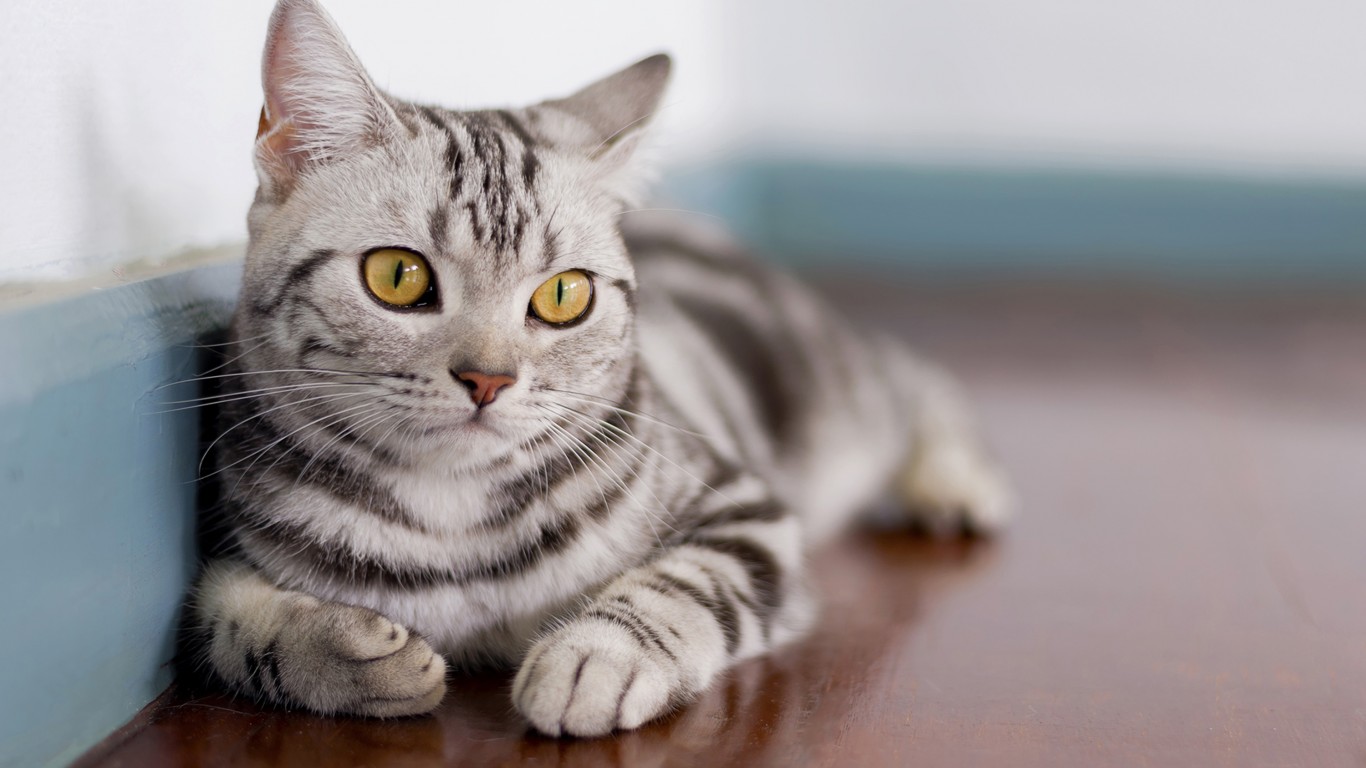
16. American Shorthair
> Ratio: 1.49
> Difference from Golden Ratio: 0.13
[in-text-ad]

17. Ragdoll
> Ratio: 1.76
> Difference from Golden Ratio: 0.14
[recirclink id=934069]
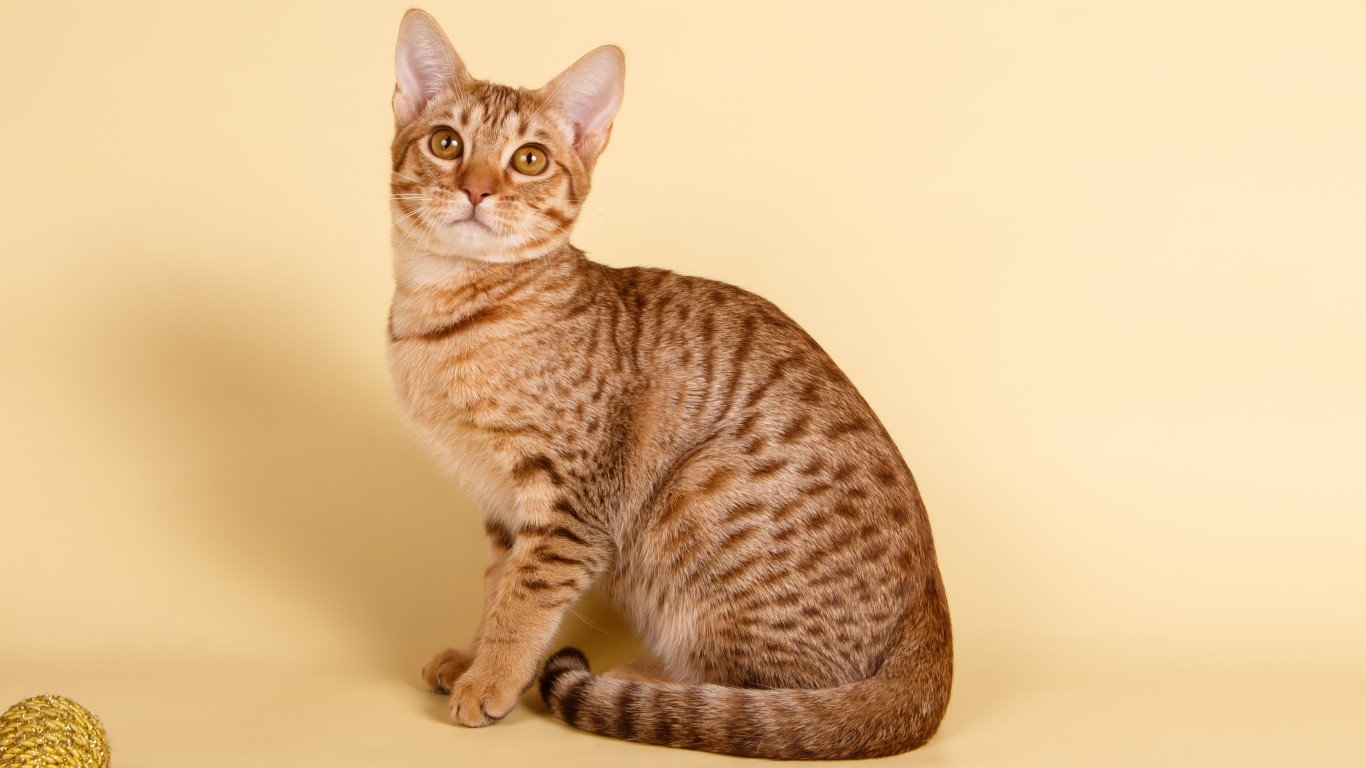
17. Ocicat
> Ratio: 1.76
> Difference from Golden Ratio: 0.14
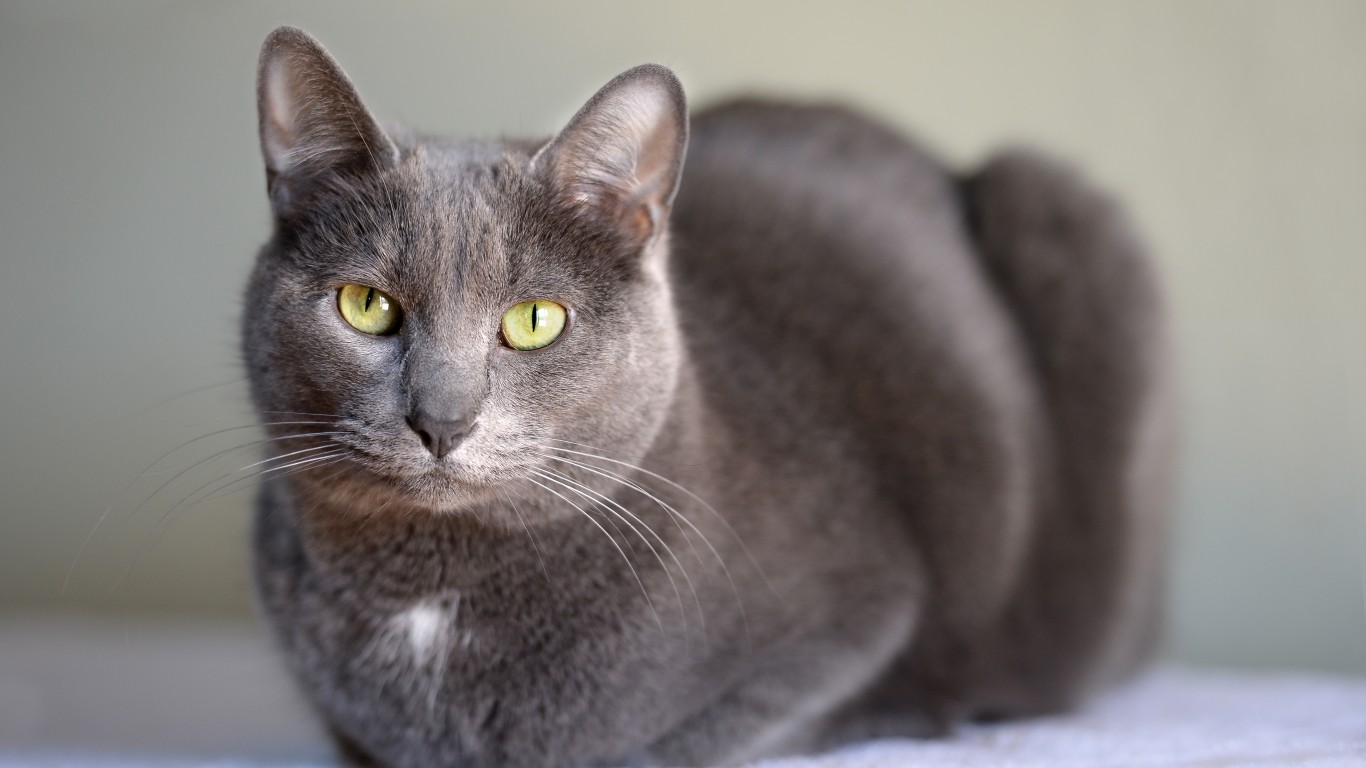
17. Korat
> Ratio: 1.76
> Difference from Golden Ratio: 0.14
[in-text-ad-2]
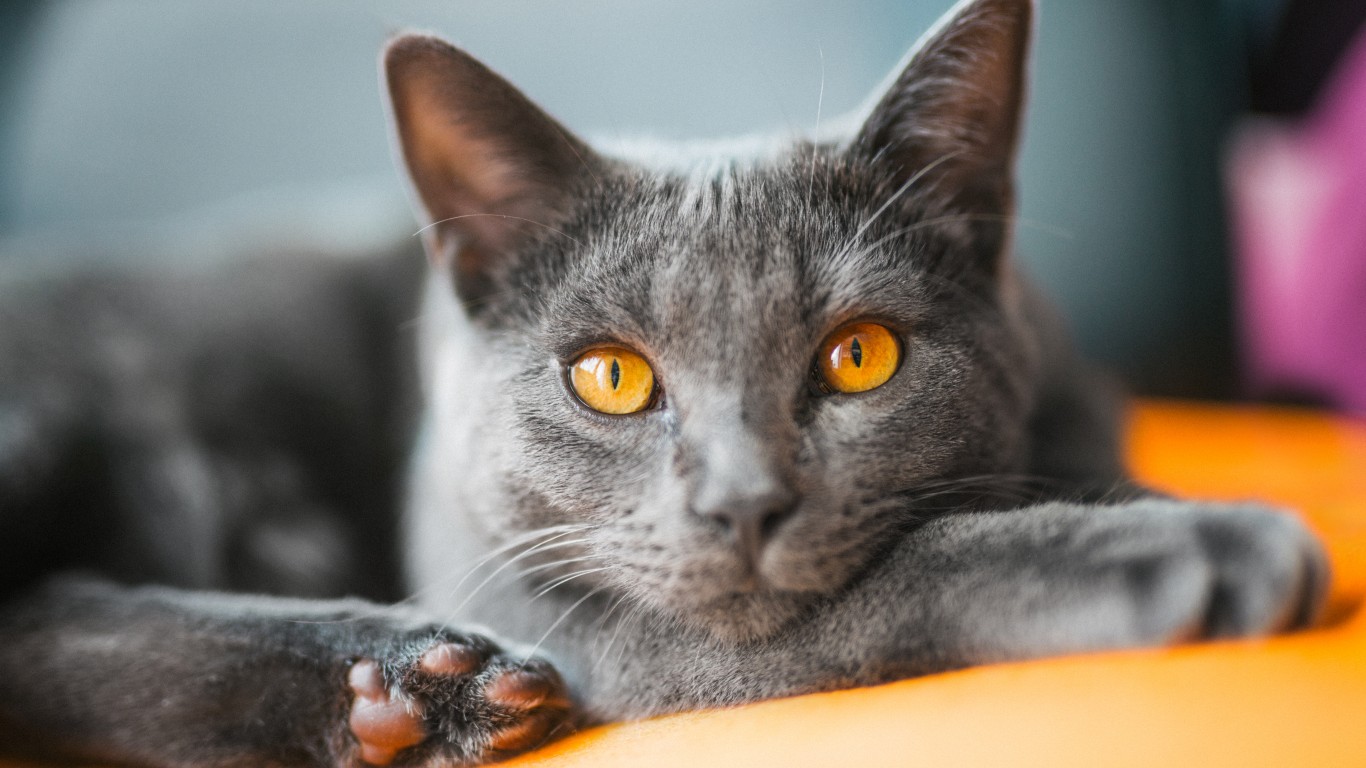
20. Chartreux
> Ratio: 1.77
> Difference from Golden Ratio: 0.15
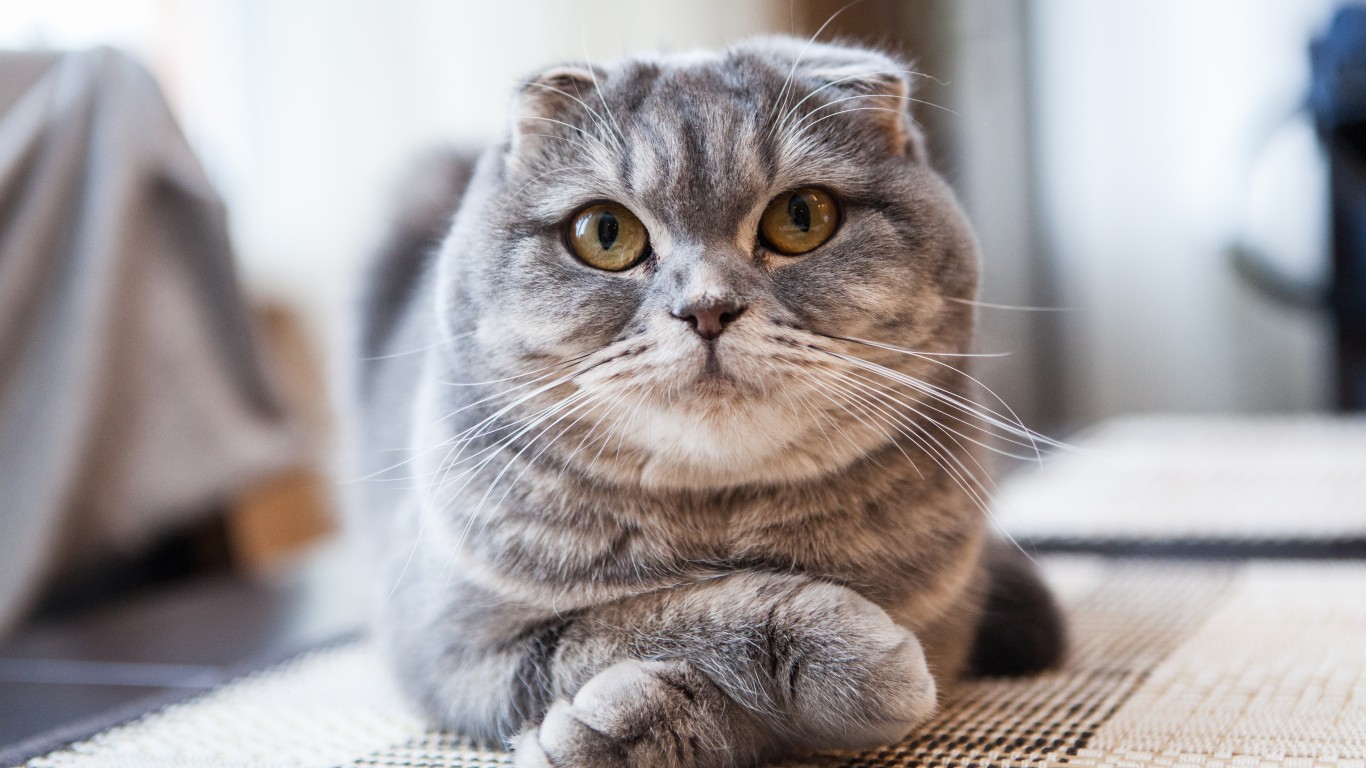
21. Scottish Fold
> Ratio: 1.78
> Difference from Golden Ratio: 0.16
[in-text-ad]
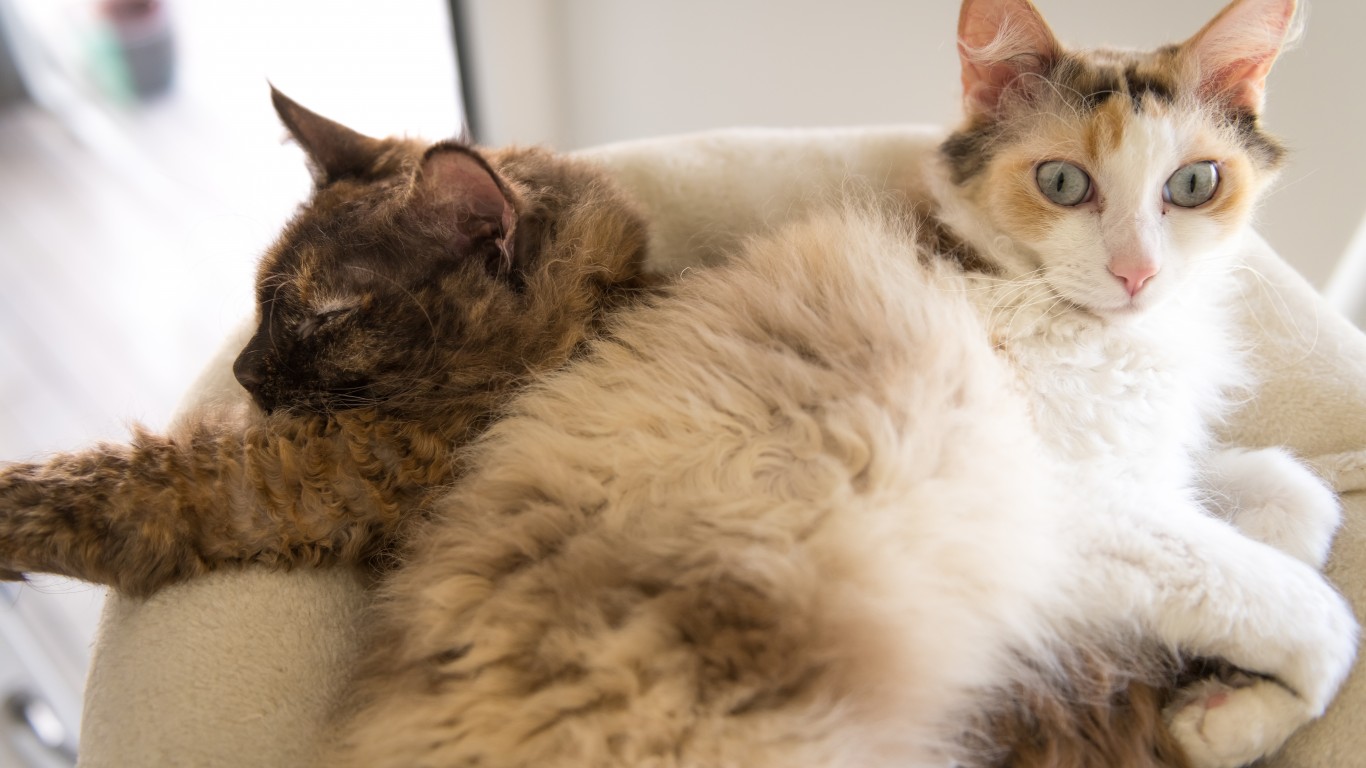
22. LaPerm
> Ratio: 1.79
> Difference from Golden Ratio: 0.17
[recirclink id=928143]
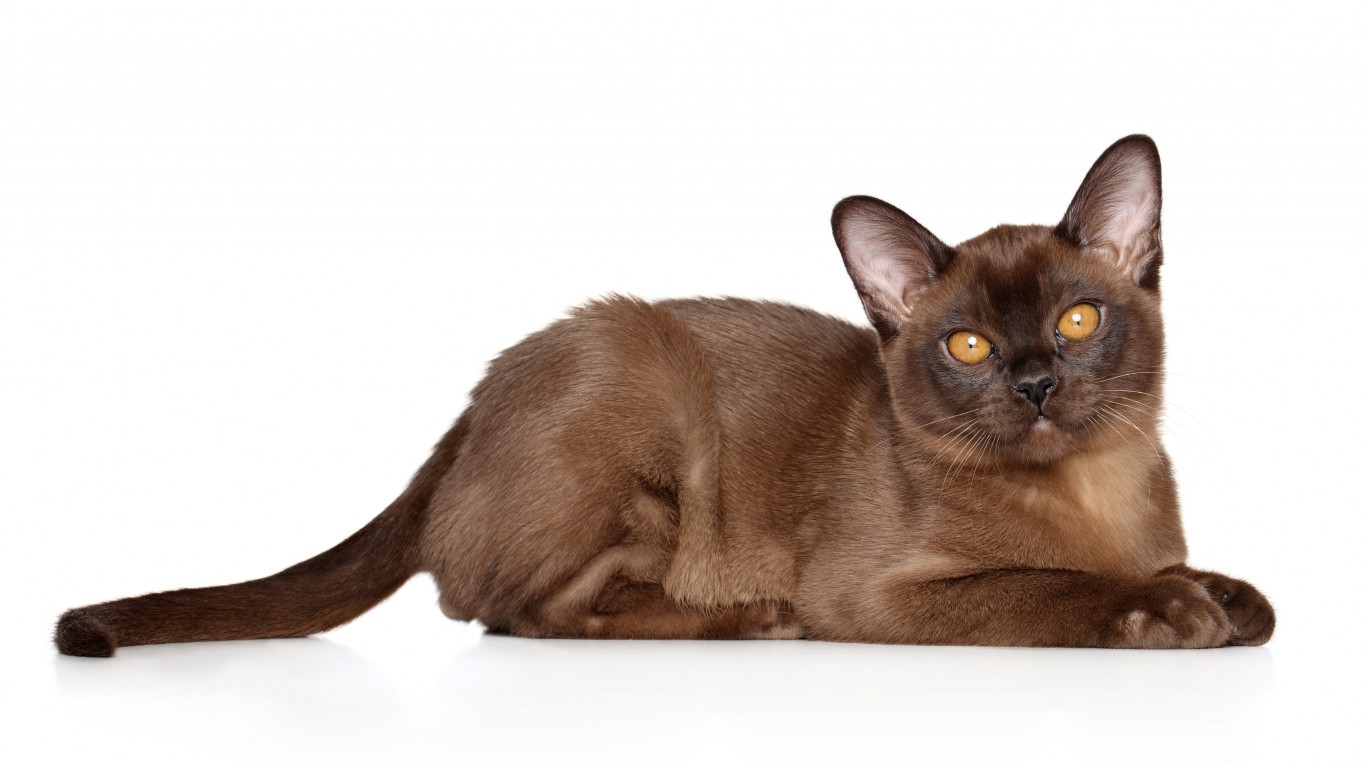
23. European Burmese
> Ratio: 1.85
> Difference from Golden Ratio: 0.23
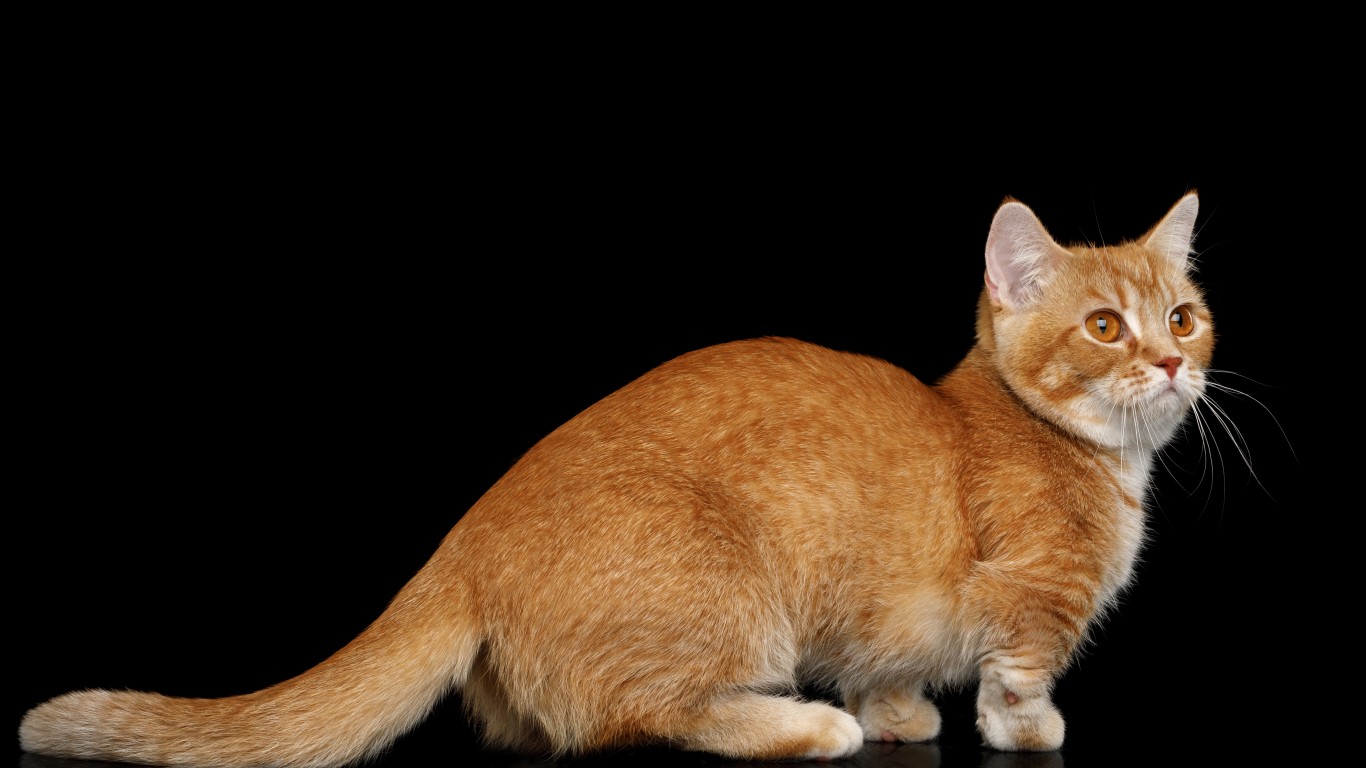
24. Munchkin
> Ratio: 1.86
> Difference from Golden Ratio: 0.24
[in-text-ad-2]
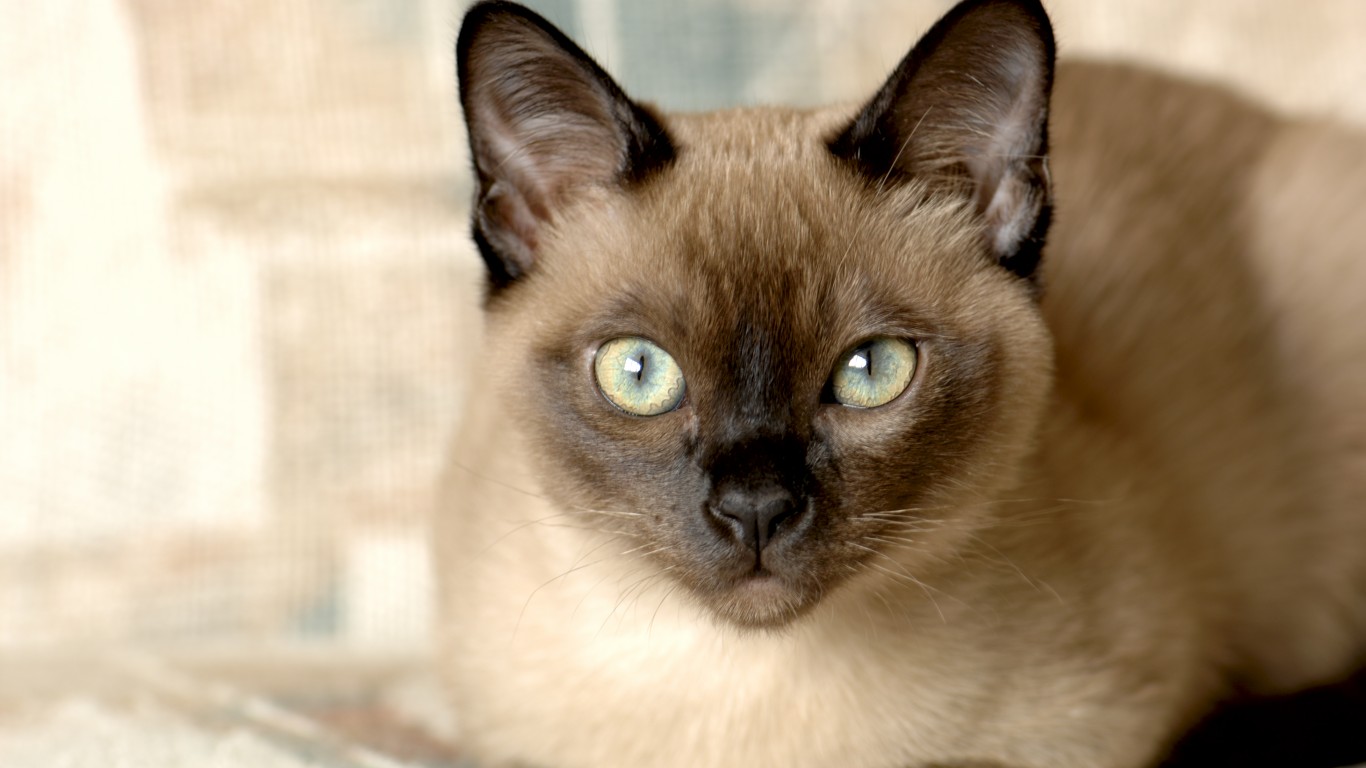
25. Tonkinese
> Ratio: 1.88
> Difference from Golden Ratio: 0.26
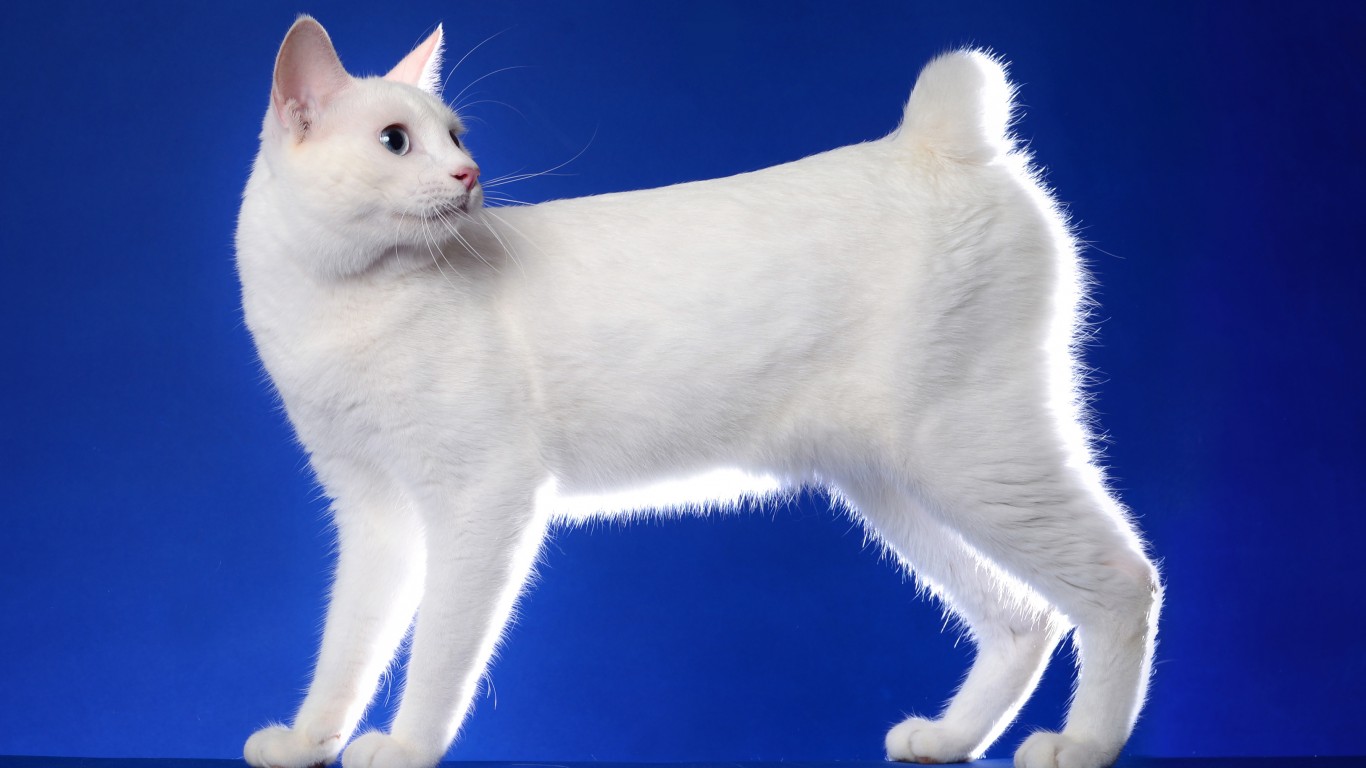
25. Japanese Bobtail
> Ratio: 1.88
> Difference from Golden Ratio: 0.26
[in-text-ad]
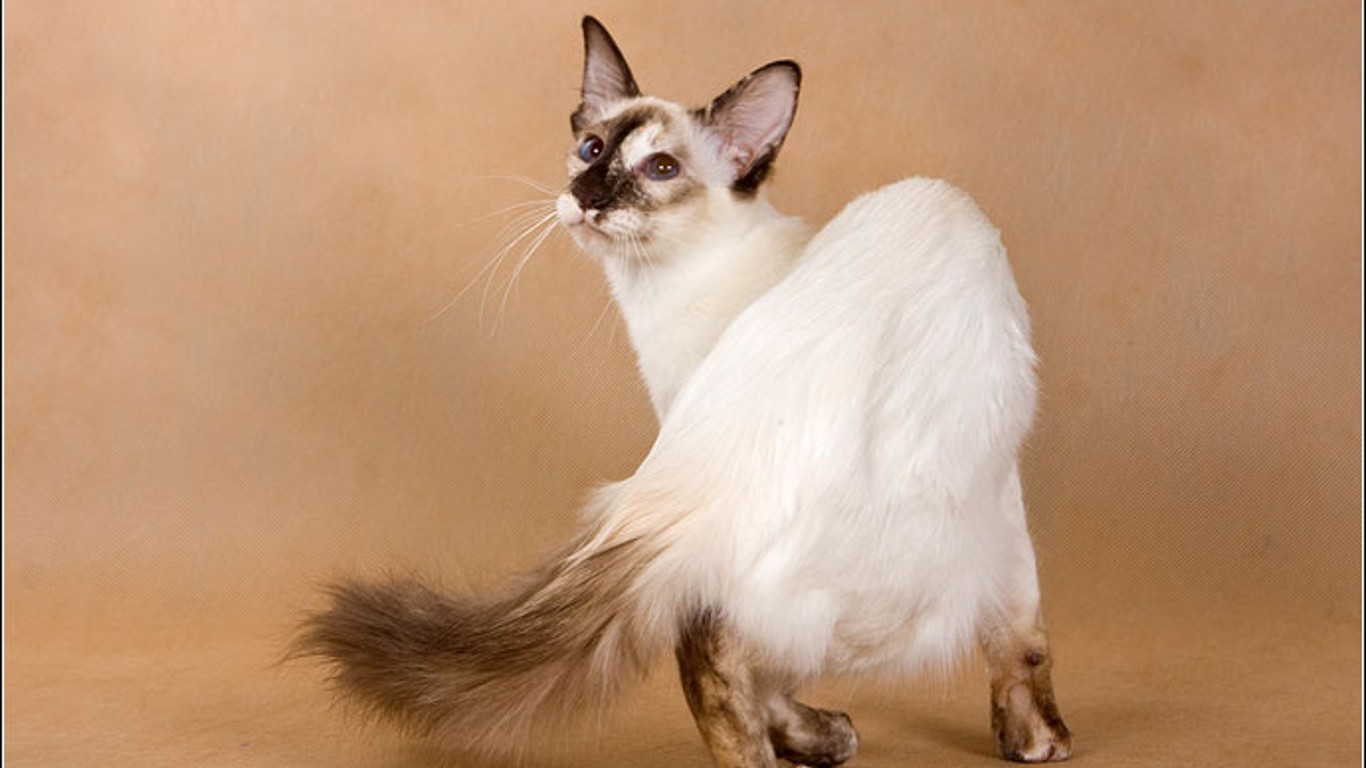
25. Balinese-Javanese
> Ratio: 1.88
> Difference from Golden Ratio: 0.26
[recirclink id=977462]

28. Bombay
> Ratio: 1.92
> Difference from Golden Ratio: 0.30
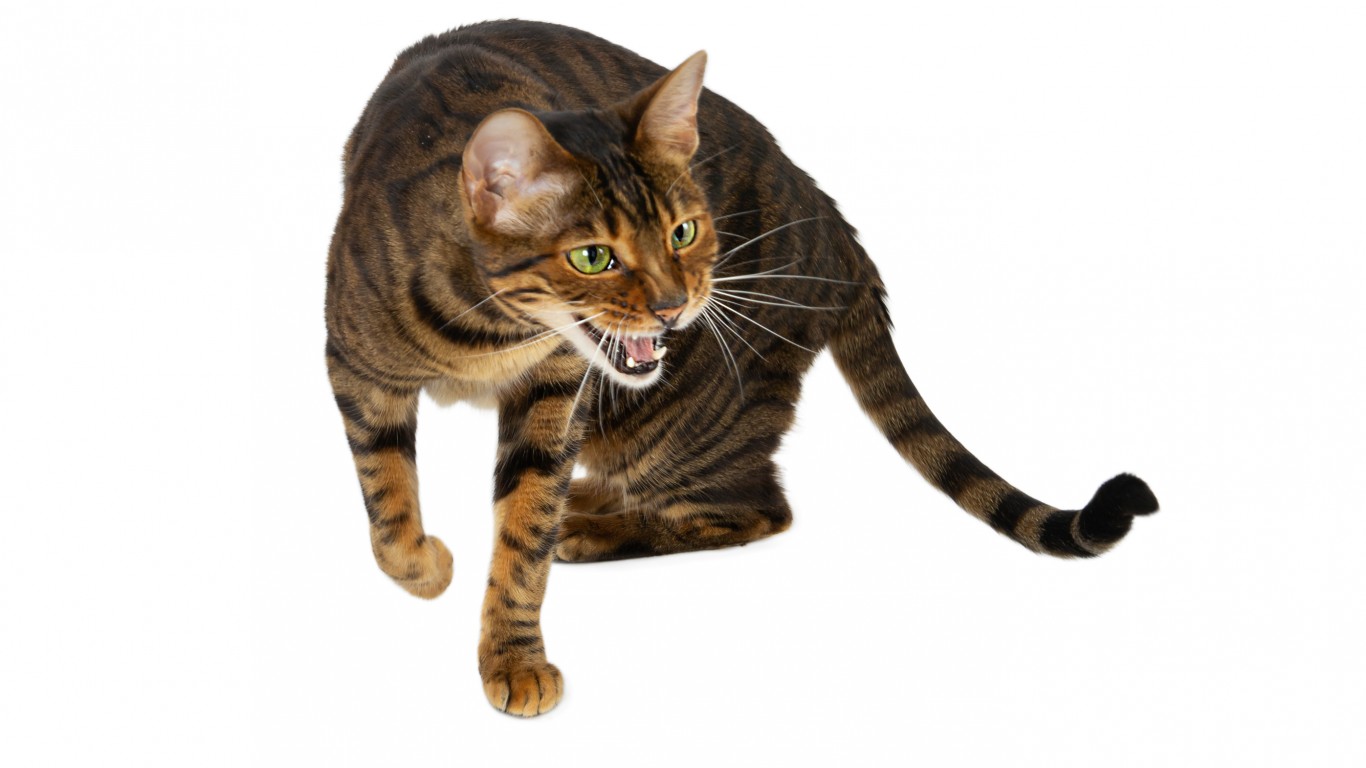
29. Toyger
> Ratio: 1.93
> Difference from Golden Ratio: 0.31
[in-text-ad-2]
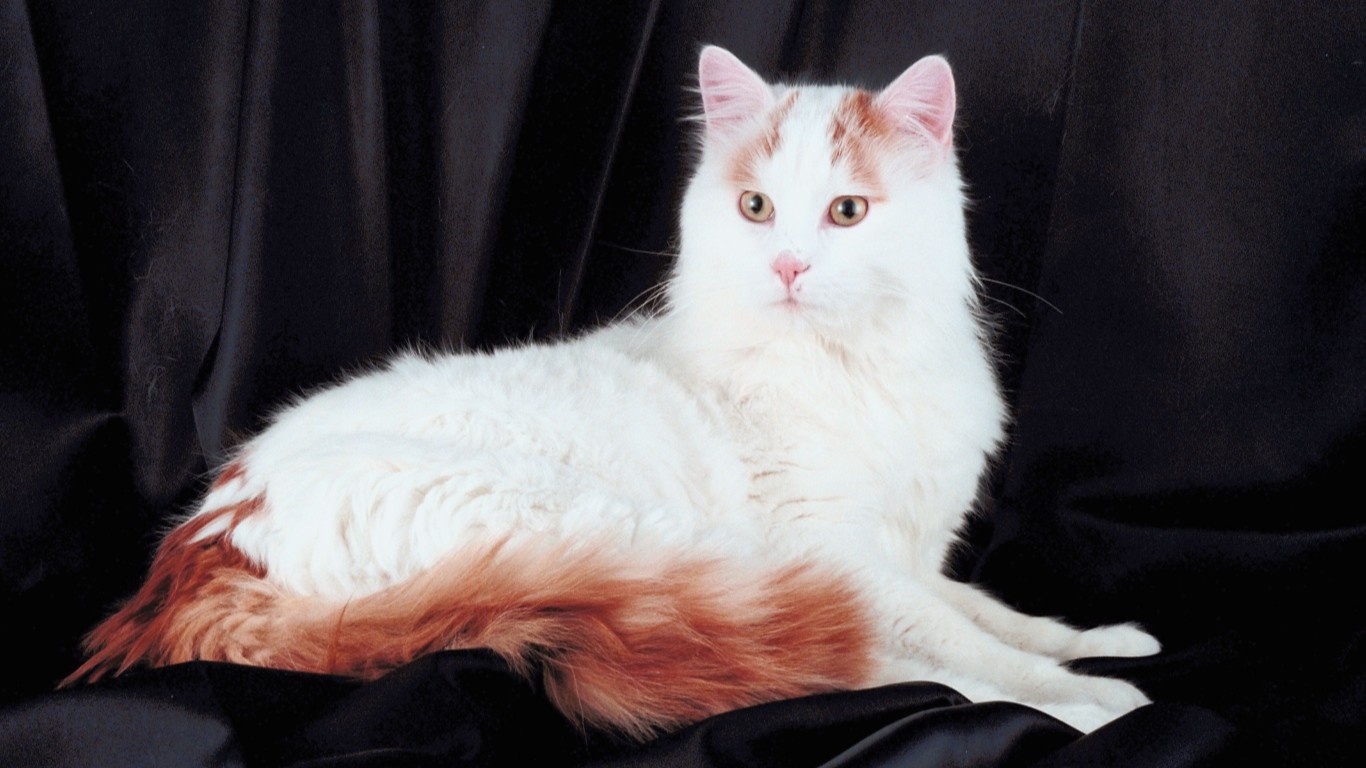
30. Turkish Van
> Ratio: 2.01
> Difference from Golden Ratio: 0.39
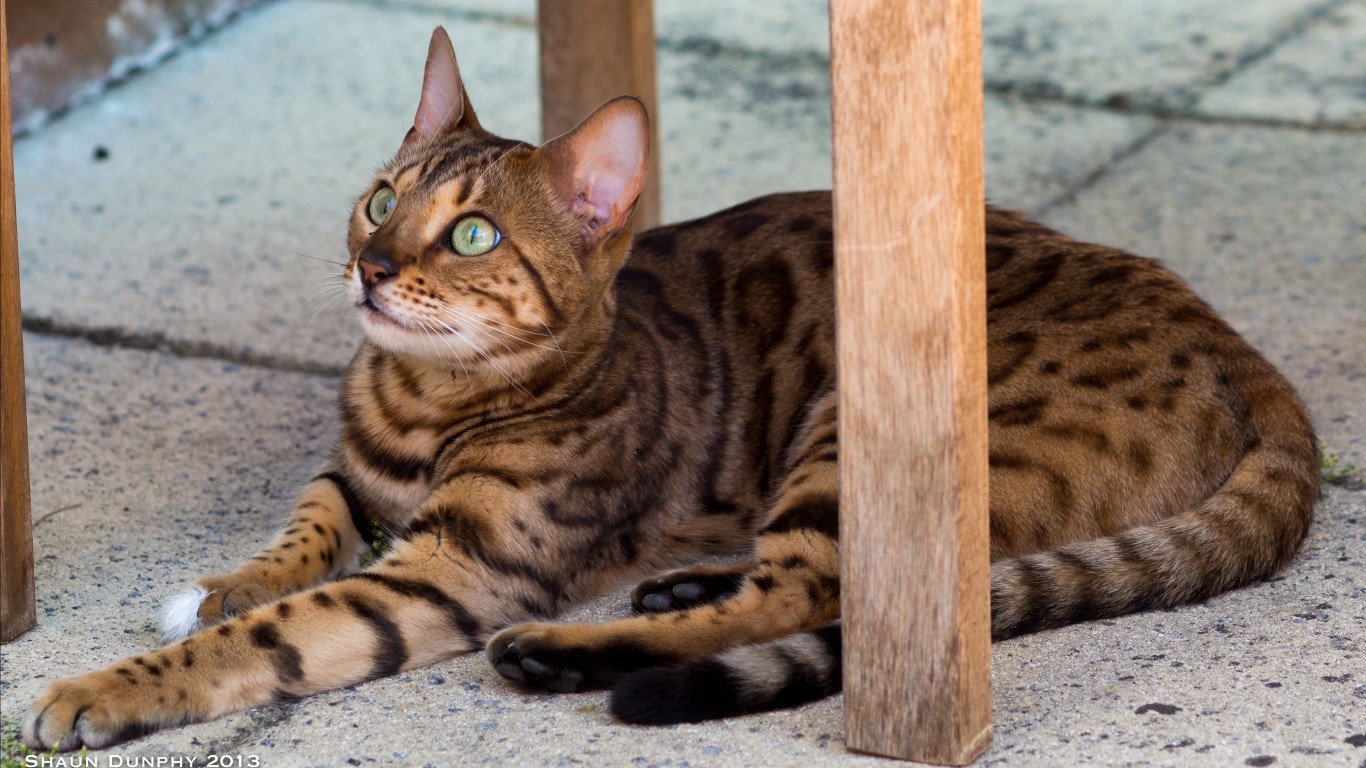
31. Bengal
> Ratio: 2.03
> Difference from Golden Ratio: 0.41
[in-text-ad]
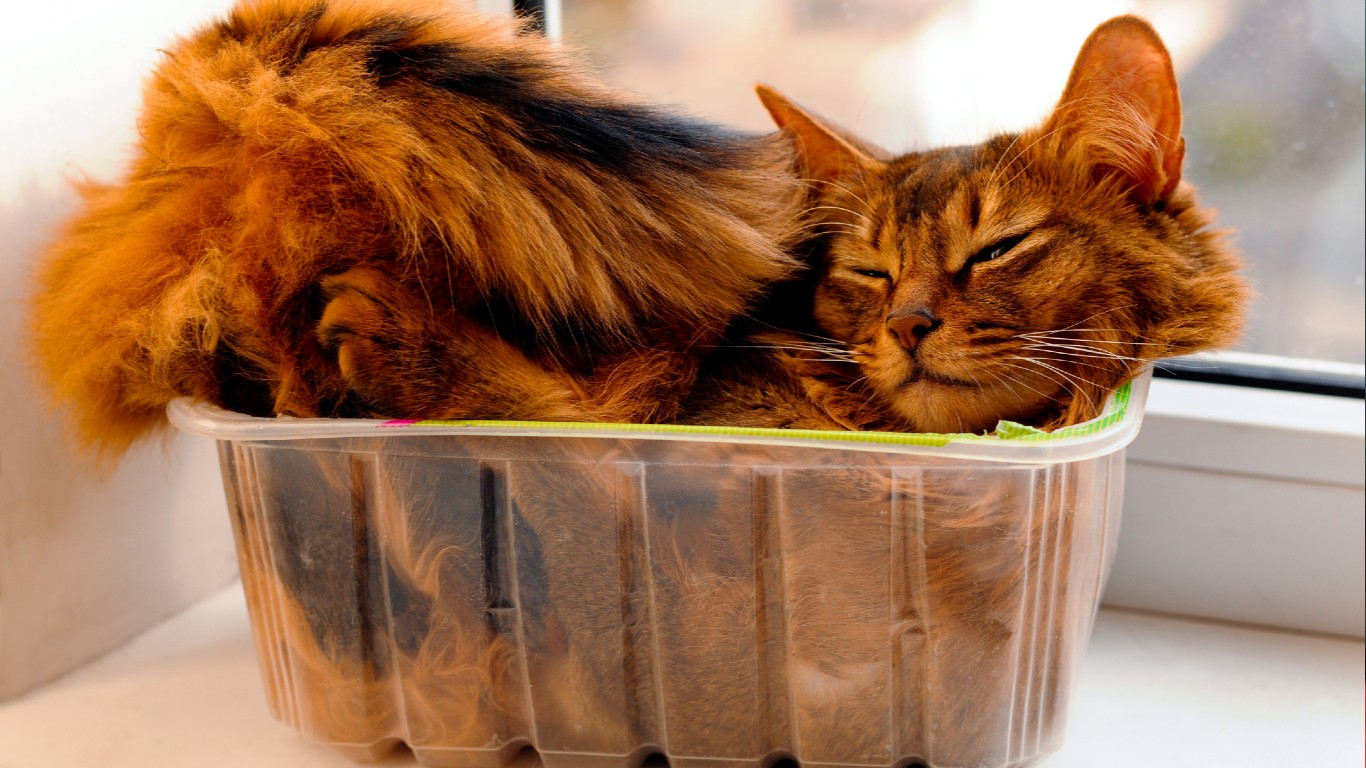
32. Somali
> Ratio: 2.05
> Difference from Golden Ratio: 0.43
[recirclink id=912510]
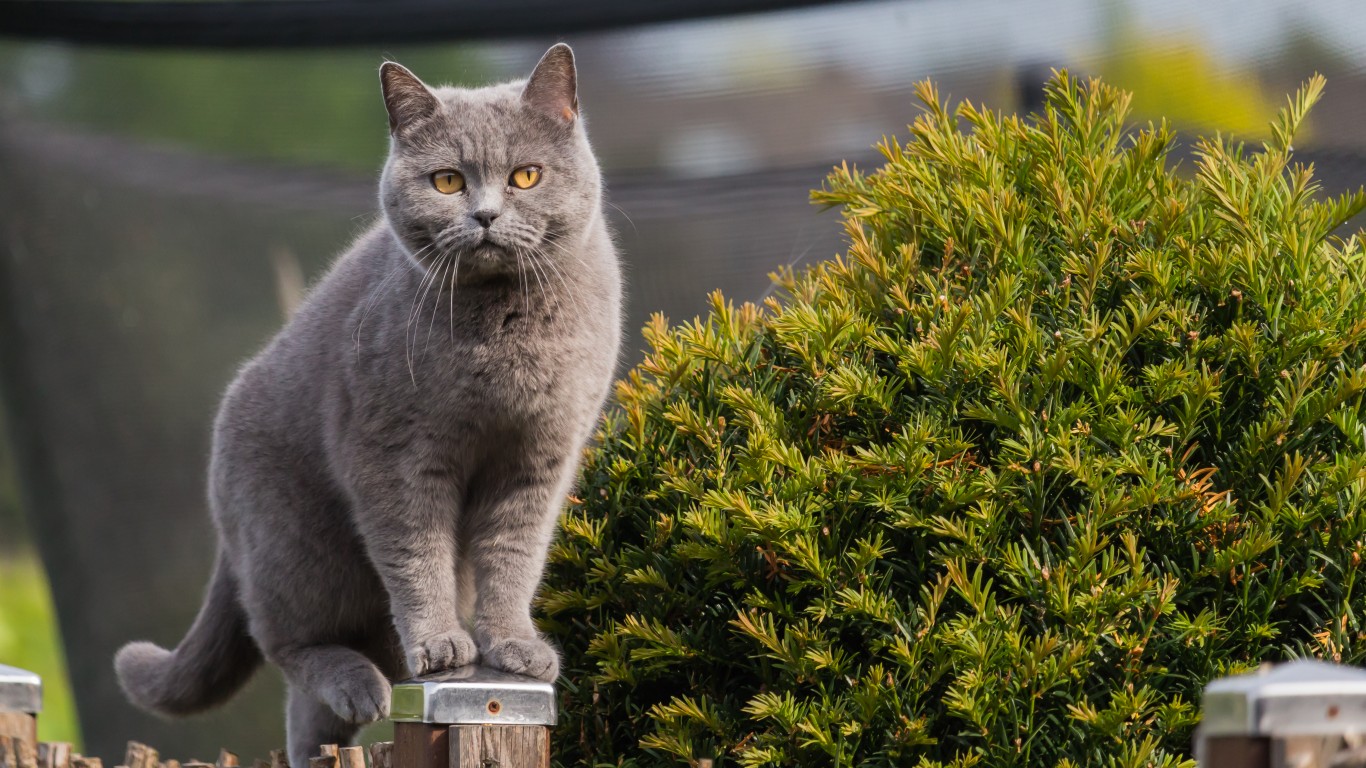
33. British Shorthair
> Ratio: 2.06
> Difference from Golden Ratio: 0.44
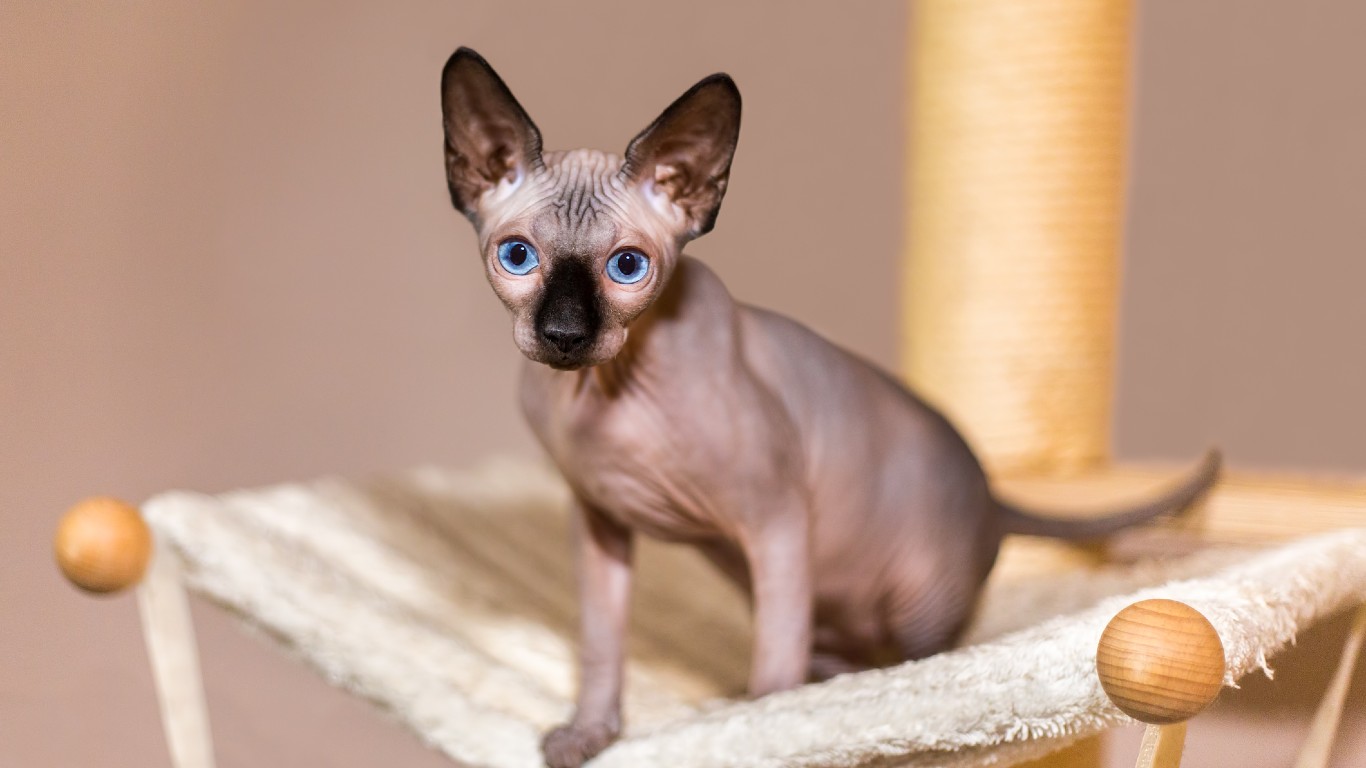
34. Sphynx
> Ratio: 2.07
> Difference from Golden Ratio: 0.45
[in-text-ad-2]
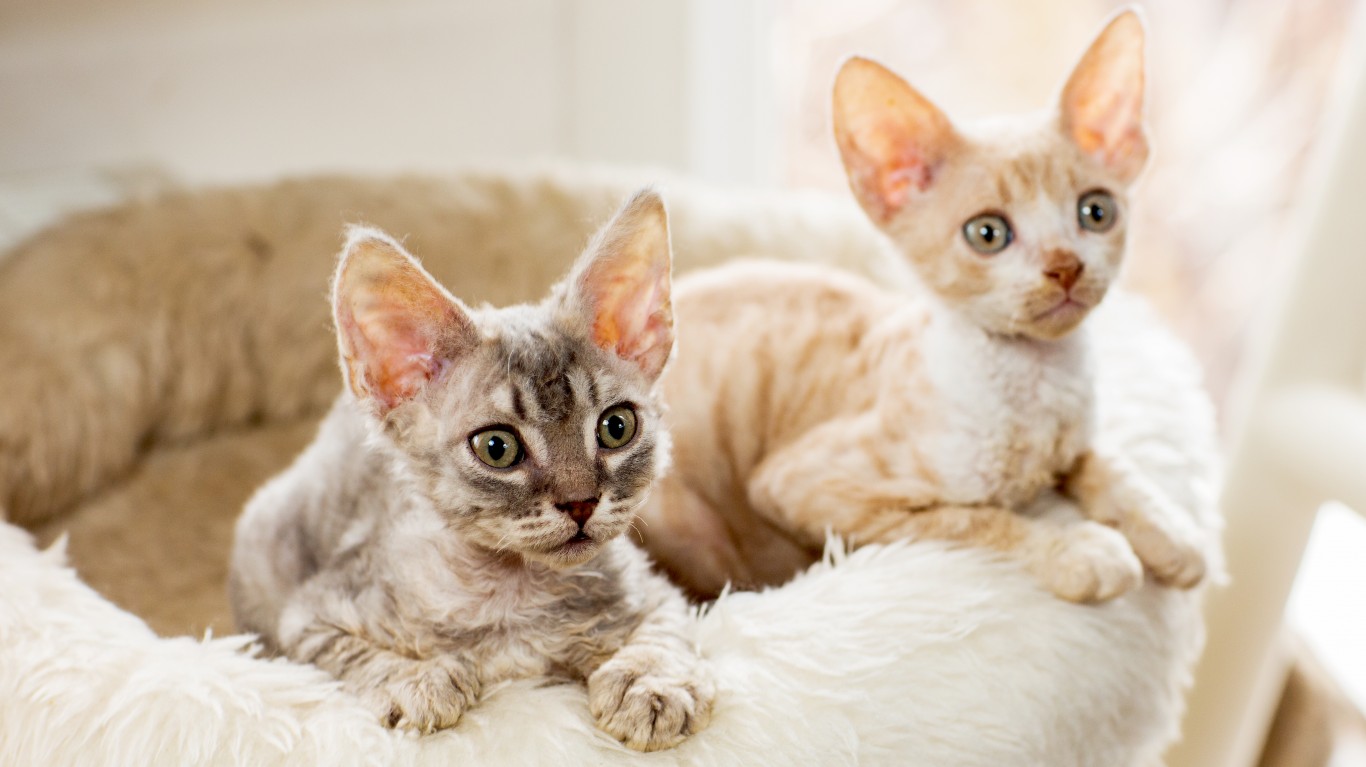
35. Cornish Rex
> Ratio: 2.11
> Difference from Golden Ratio: 0.49
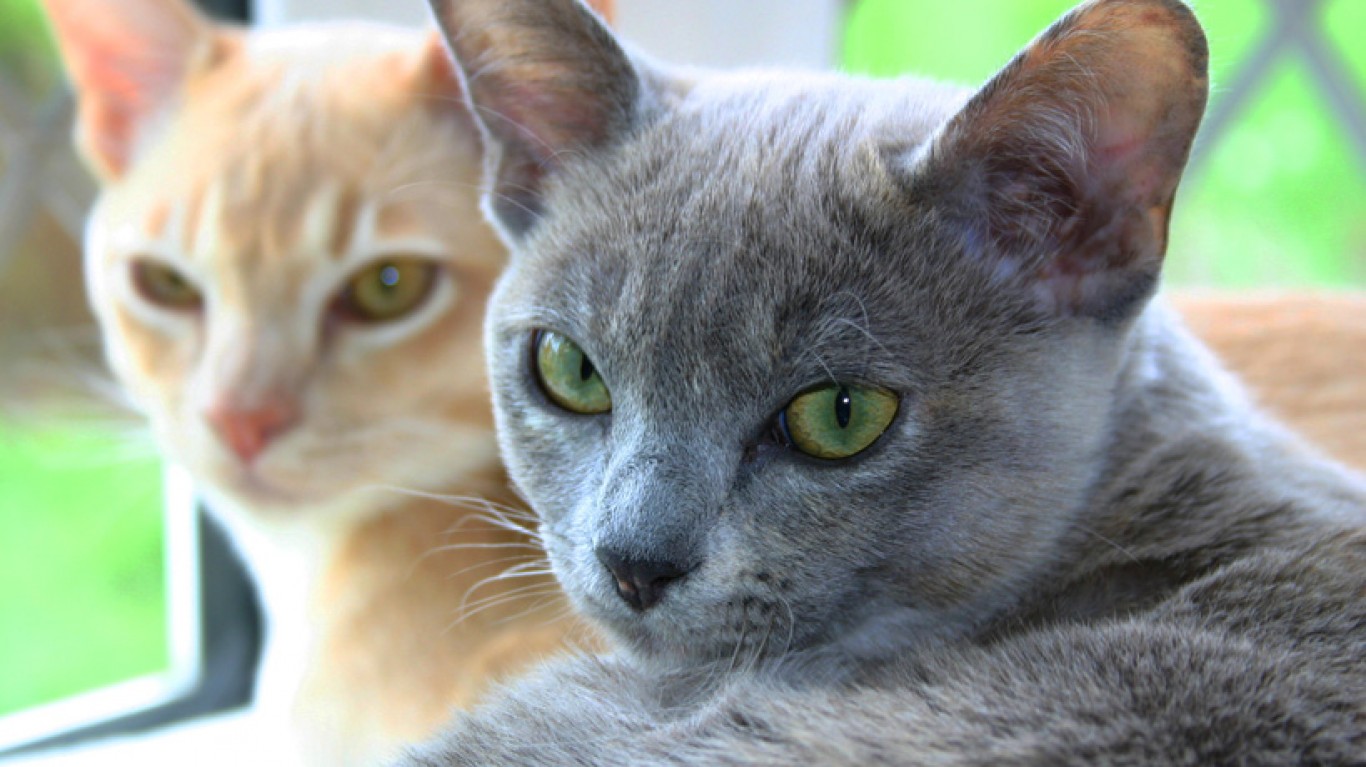
35. Burmese
> Ratio: 2.11
> Difference from Golden Ratio: 0.49
[in-text-ad]
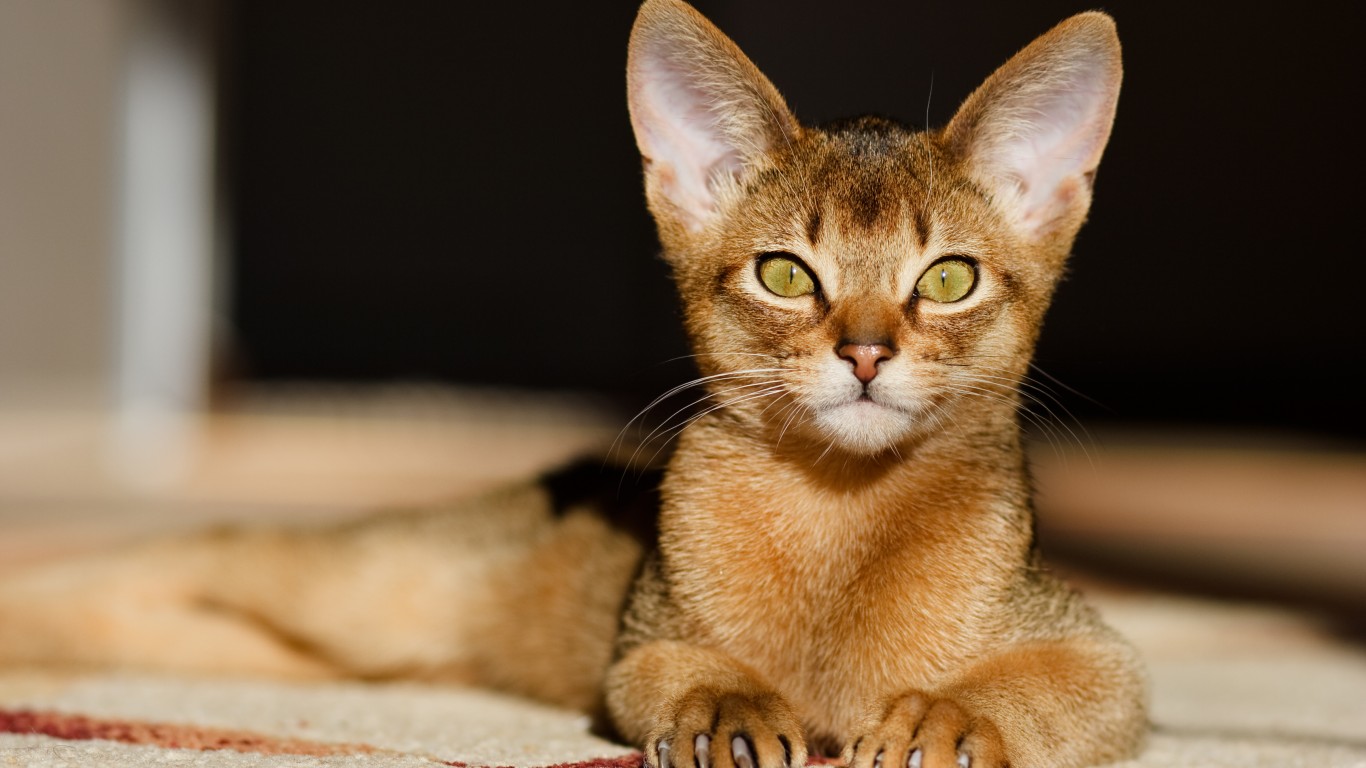
37. Abyssinian
> Ratio: 2.16
> Difference from Golden Ratio: 0.54
[recirclink id=879078]
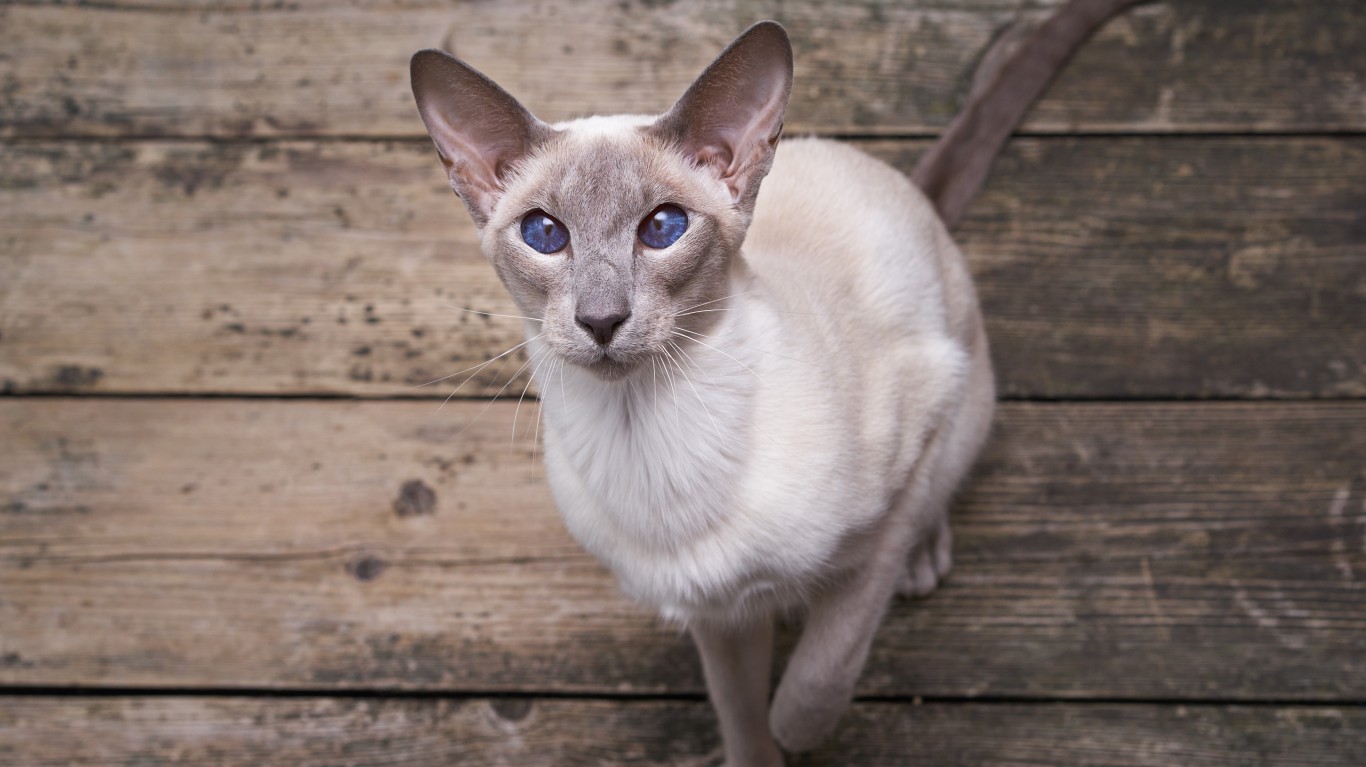
38. Oriental
> Ratio: 2.21
> Difference from Golden Ratio: 0.59
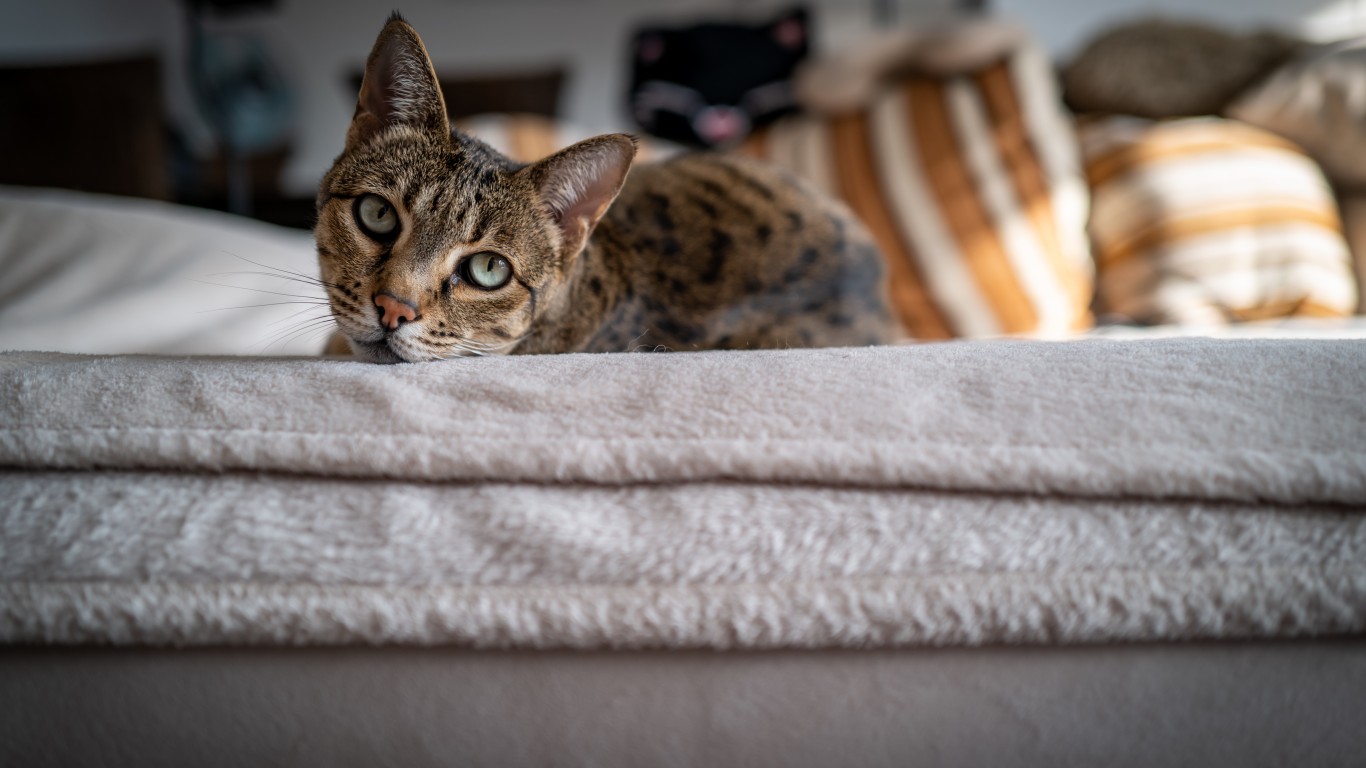
39. Savannah
> Ratio: 2.25
> Difference from Golden Ratio: 0.63
[in-text-ad-2]
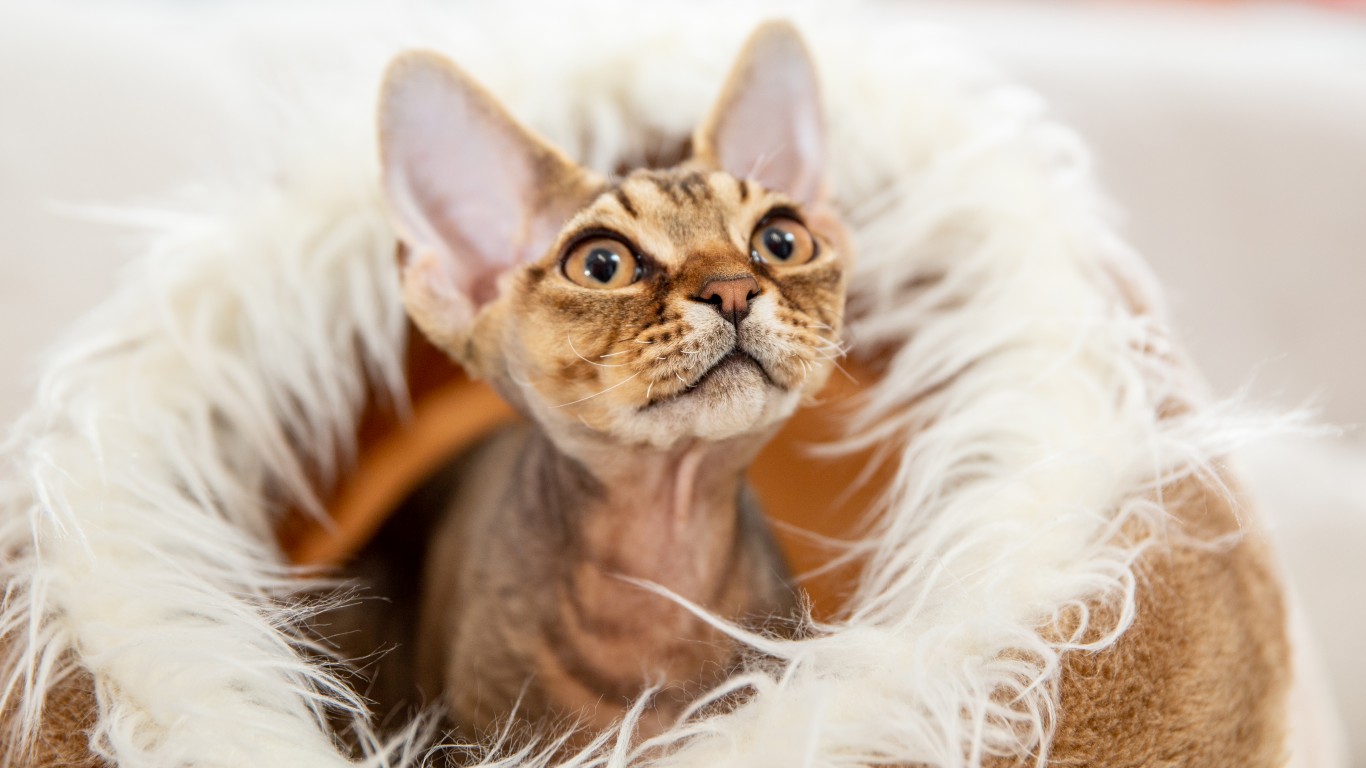
39. Devon Rex
> Ratio: 2.25
> Difference from Golden Ratio: 0.63
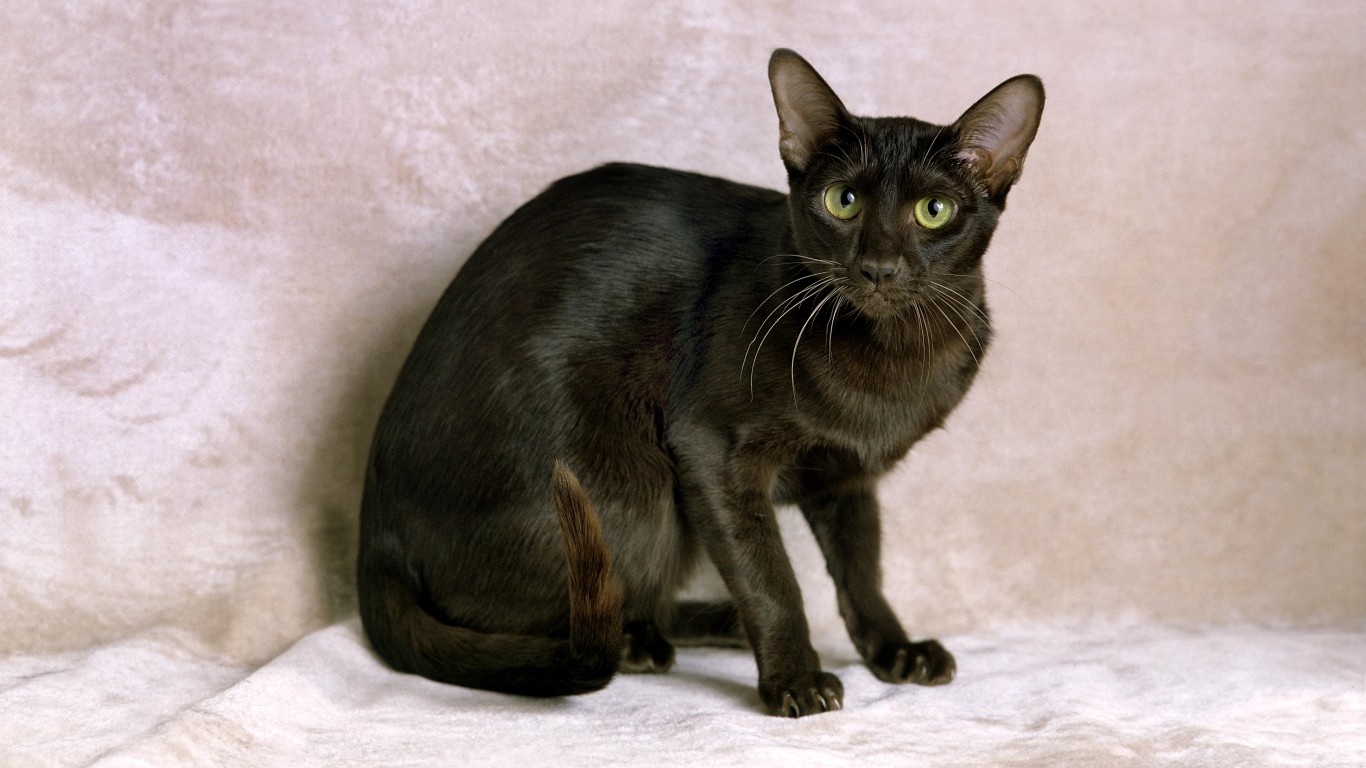
41. Havana Brown
> Ratio: 2.55
> Difference from Golden Ratio: 0.93
[in-text-ad]
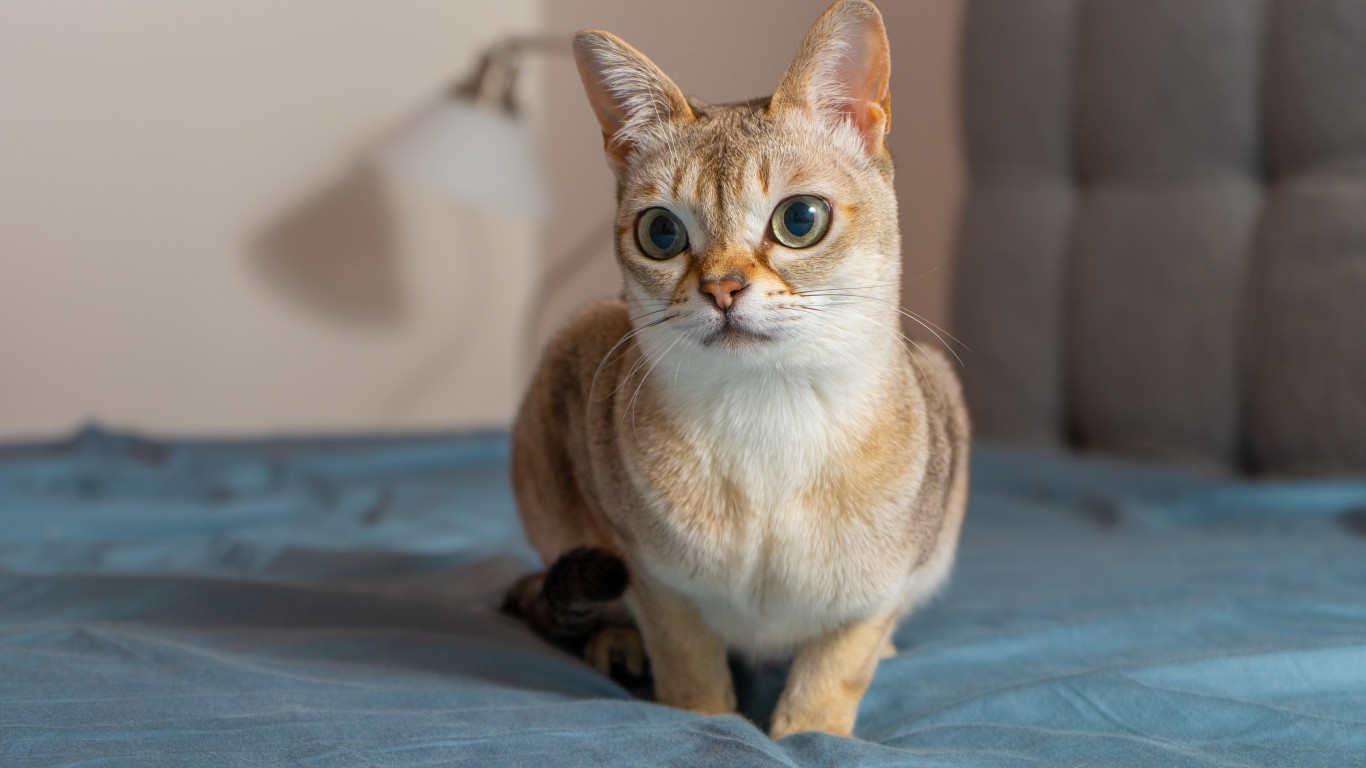
42. Singapura
> Ratio: 3.37
> Difference from Golden Ratio: 1.75
[recirclink id=934069]
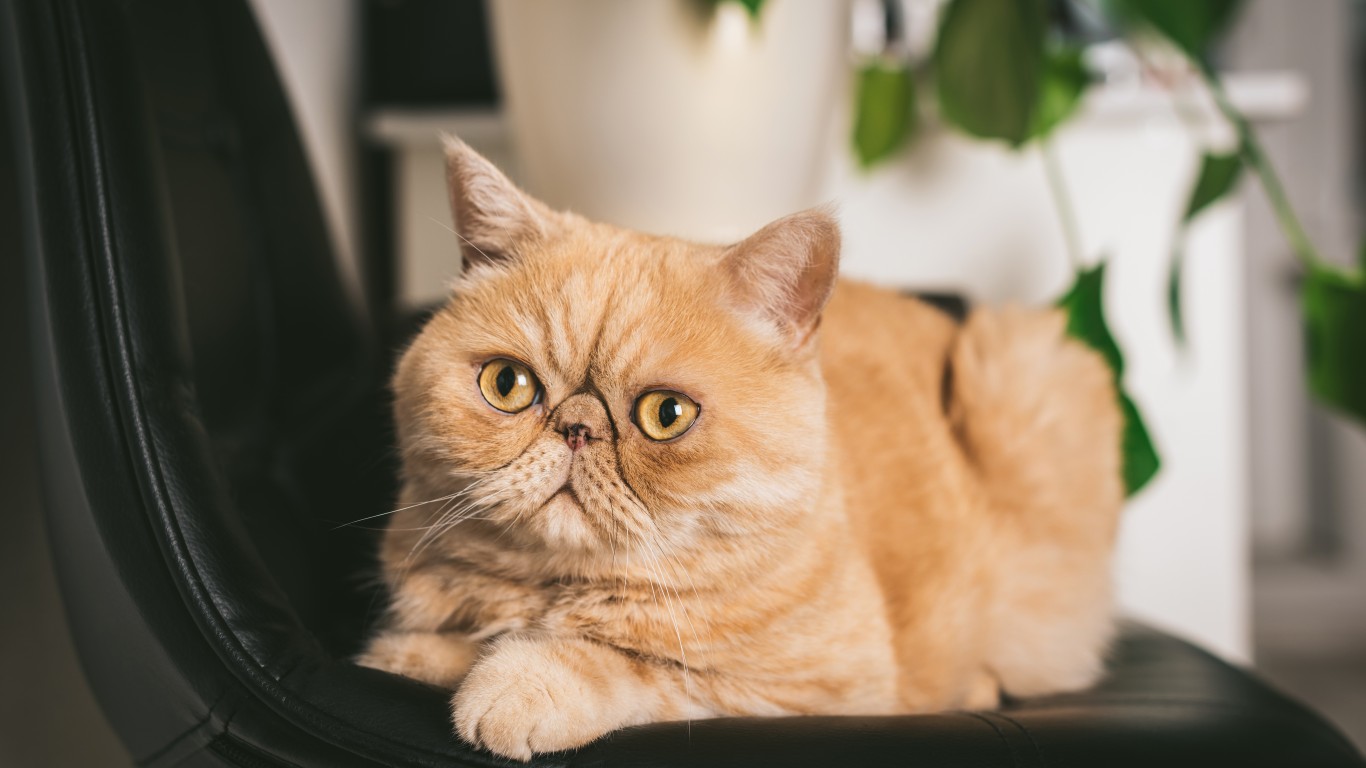
43. Exotic Shorthair
> Ratio: 3.83
> Difference from Golden Ratio: 2.21
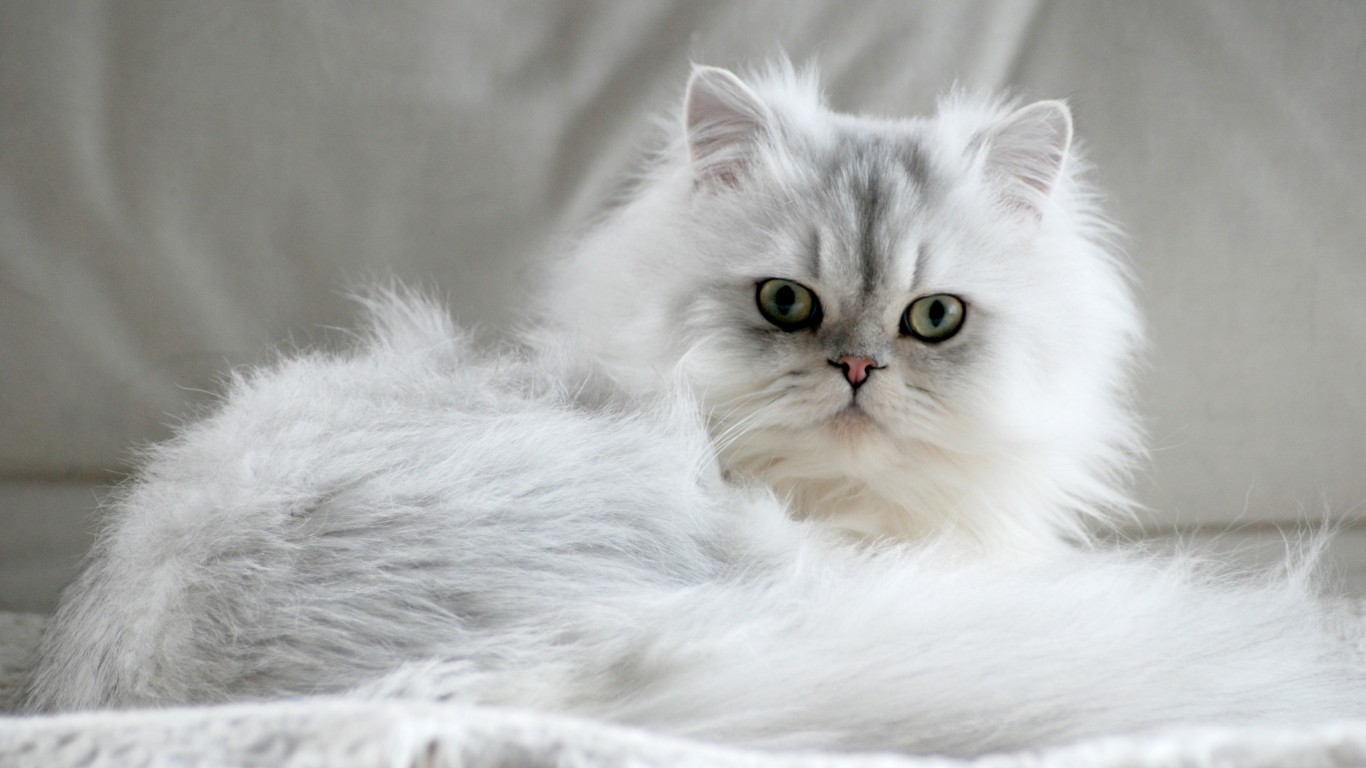
44. Persian
> Ratio: 7.49
> Difference from Golden Ratio: 5.87
[in-text-ad-2]
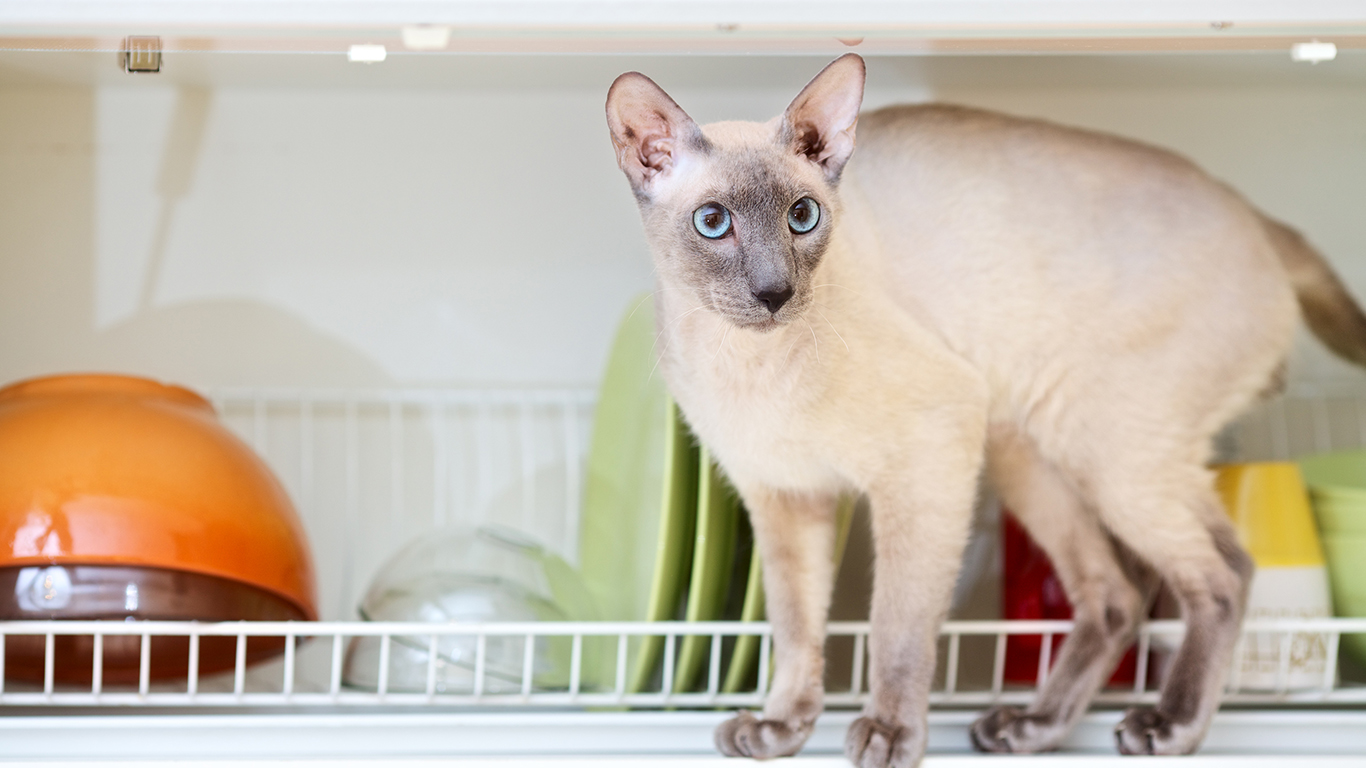
45. Peterbald
> Ratio: 19.78
> Difference from Golden Ratio: 18.16
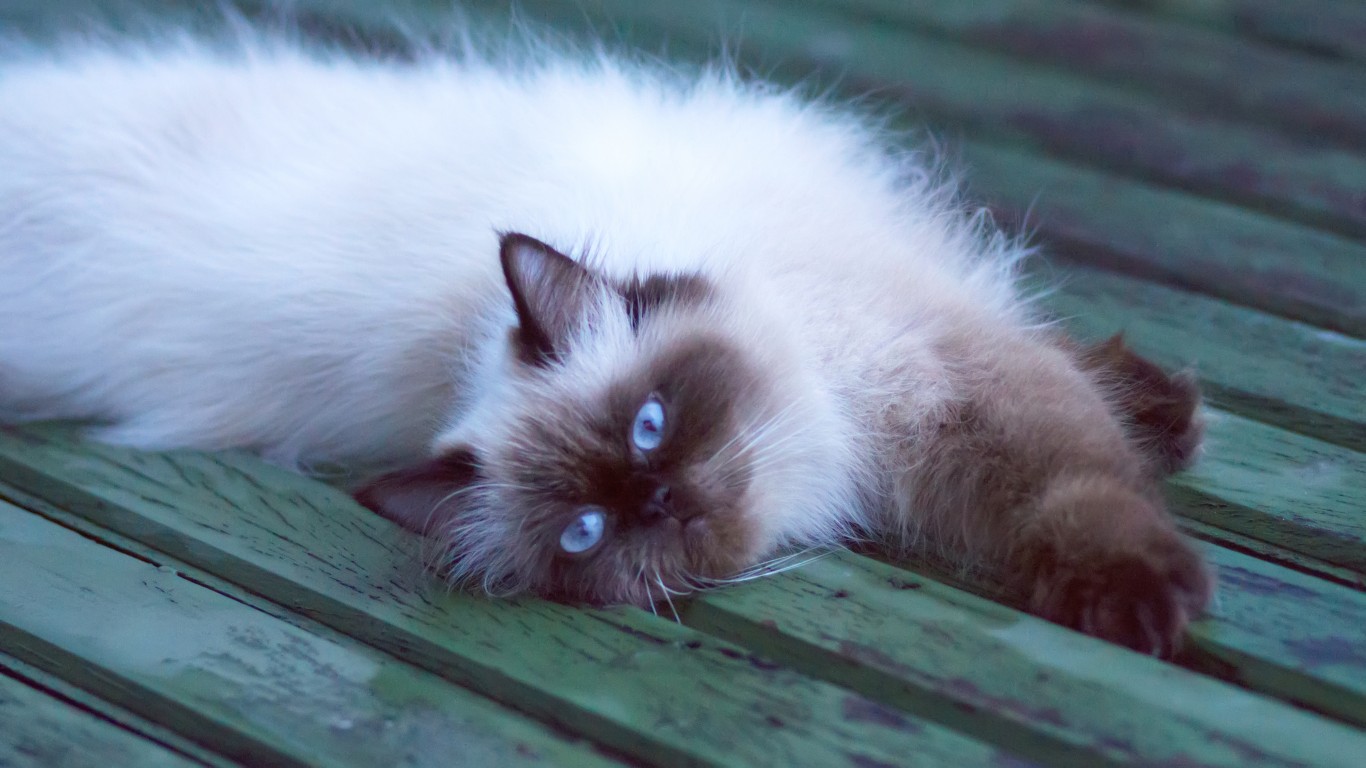
46. Himalayan
> Ratio: 58.49
> Difference from Golden Ratio: 56.87








 Top Gaining Stocks
 Top Losing Stocks