


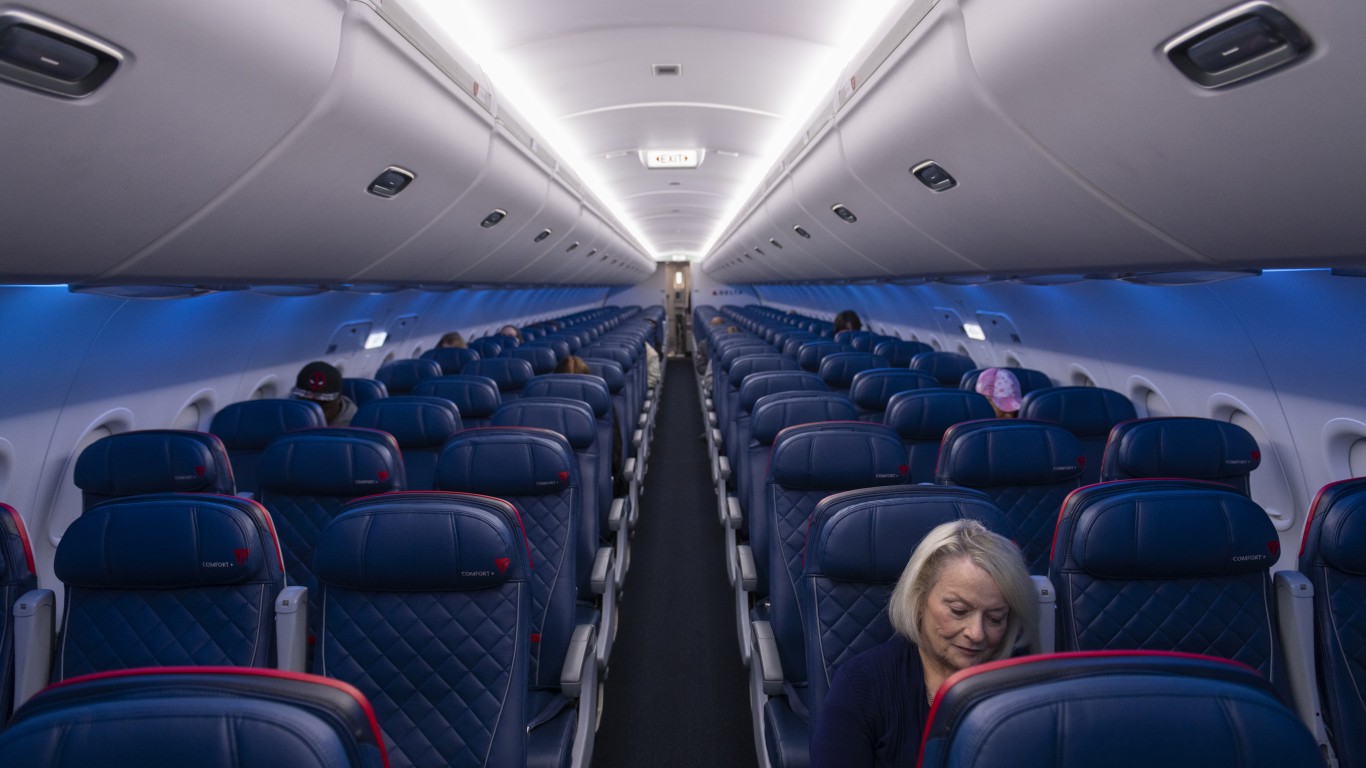
Travel, cut to decades-low levels by the COVID-19 pandemic, has moved back “close” to normal. According to the AAA, more that 109 million people will be traveling by road, rail, or air this holiday season, an increase of 27.7 million over 2020.
Despite our new mobility, the risks of travel have not gone away. This may be due partly to the dangers of time spent on planes and in airports. However, much of it also depends on what people do when they arrive at their destination. Holidays often mean large numbers of people packed into small places. Only 61% of Americans are fully vaccinated, according to the CDC, and recent increases in the numbers of cases have been partially attributed to infected people who are unvaccinated. (These are the states fighting COVID-19 most successfully.)
Two new threats make holiday travel riskier. One is the increasing number of breakthrough cases, in which people get infected despite being vaccinated. The other is the remarkably swift rise of the new Omicron variant, which appears to spread much faster than the Delta variant. Prime Minister Boris Johnson of the UK called the surge a “tidal wave.”
The United States may be about to face the same problem. CDC head Dr. Rochelle Walensky reports that 13% of new cases in New York and New Jersey are Omicron infections. Several universities have had such high infection rates that they have sent students home. (You might want to avoid travel to the states with the most cases of COVID-19.)
In the face of all this information, it becomes clear that holiday travel in the second half of December poses unusual risks. To compile a list of 20 rules for safer pandemic holiday travel, 24/7 Tempo reviewed articles and recommendations on COVID-19 safety from sources including the Centers for Disease Control and Prevention, AARP, and Johns Hopkins University’s Bloomberg School of Public Health. Some of the advice is old, having long been part of efforts to slow the spread of diseases, but other tactics may be new to most people.
Click here to see 20 rules to make holiday travel safer
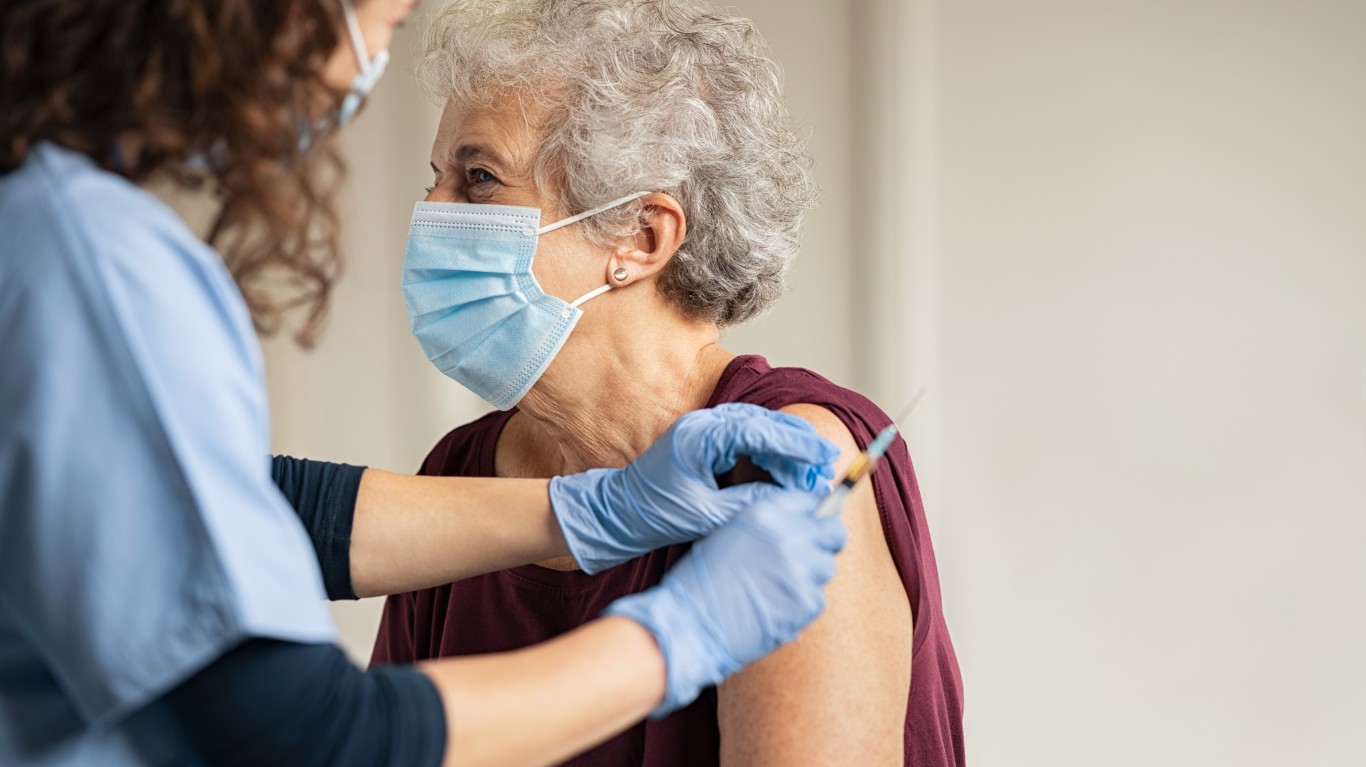
1. Get a booster shot
The evidence is convincing that a booster cuts the chance of both infection and serious illness. Whether people are coming to see you or you are traveling, this may be critical to your health.
[in-text-ad]
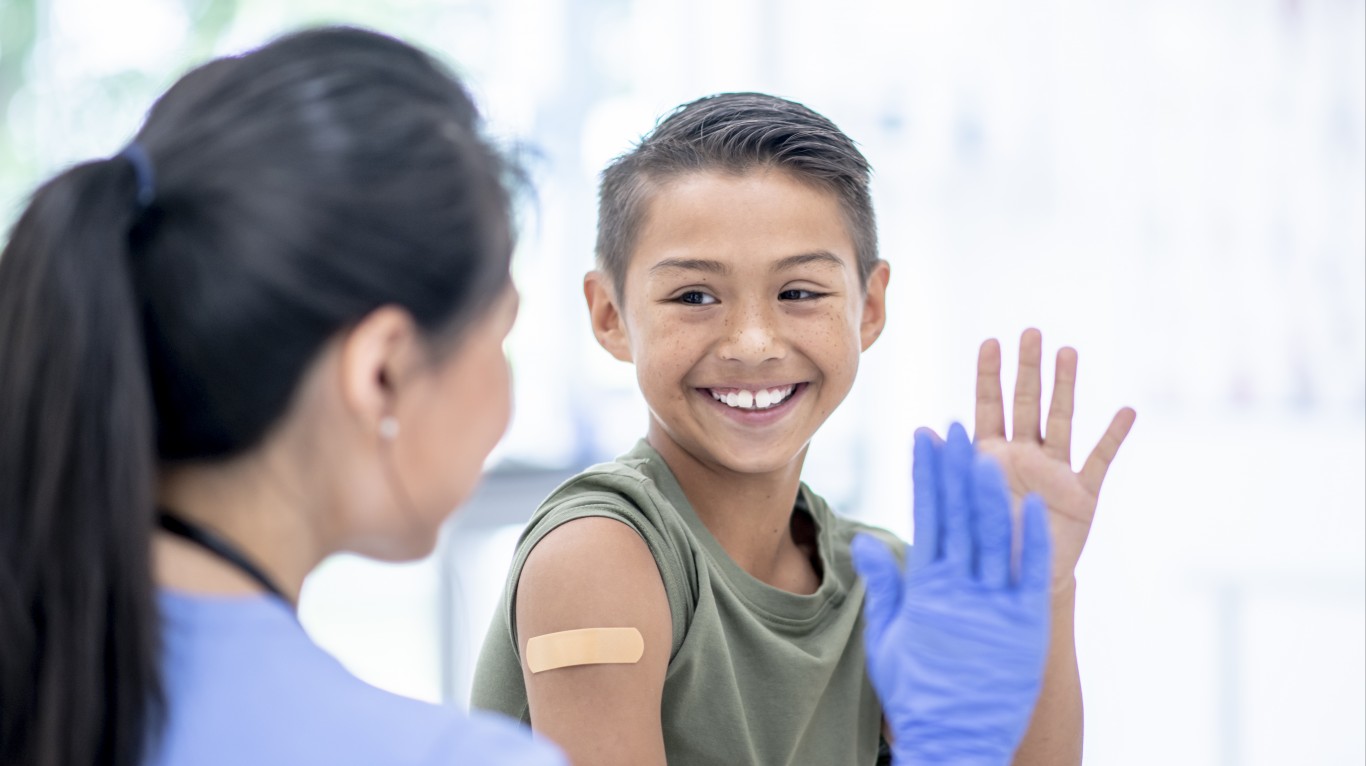
2. Get a flu shot
Though COVID-19 is the dominant news story, it is not the only communicable disease to be wary of. Between 12,000 and 52,000 Americans have died annually from the flu in recent years.
[recirclink id=1014374]
3. Delay holiday air travel until next year
While it may be hard to skip seeing people over the holidays, the CDC warns that travel over Thanksgiving was risky, and that large numbers of people have gotten sick since then. A similar surge can be expected after Christmas travel.
4. Keep an eye on the CDC’s recommendations
For people who do travel by air, those leaving the United States should keep a careful eye on the CDC’s “COVID-19 Travel Recommendations by Destination.” It rates nations by risk, including dozens where the risk is “Very High.”
[in-text-ad-2]
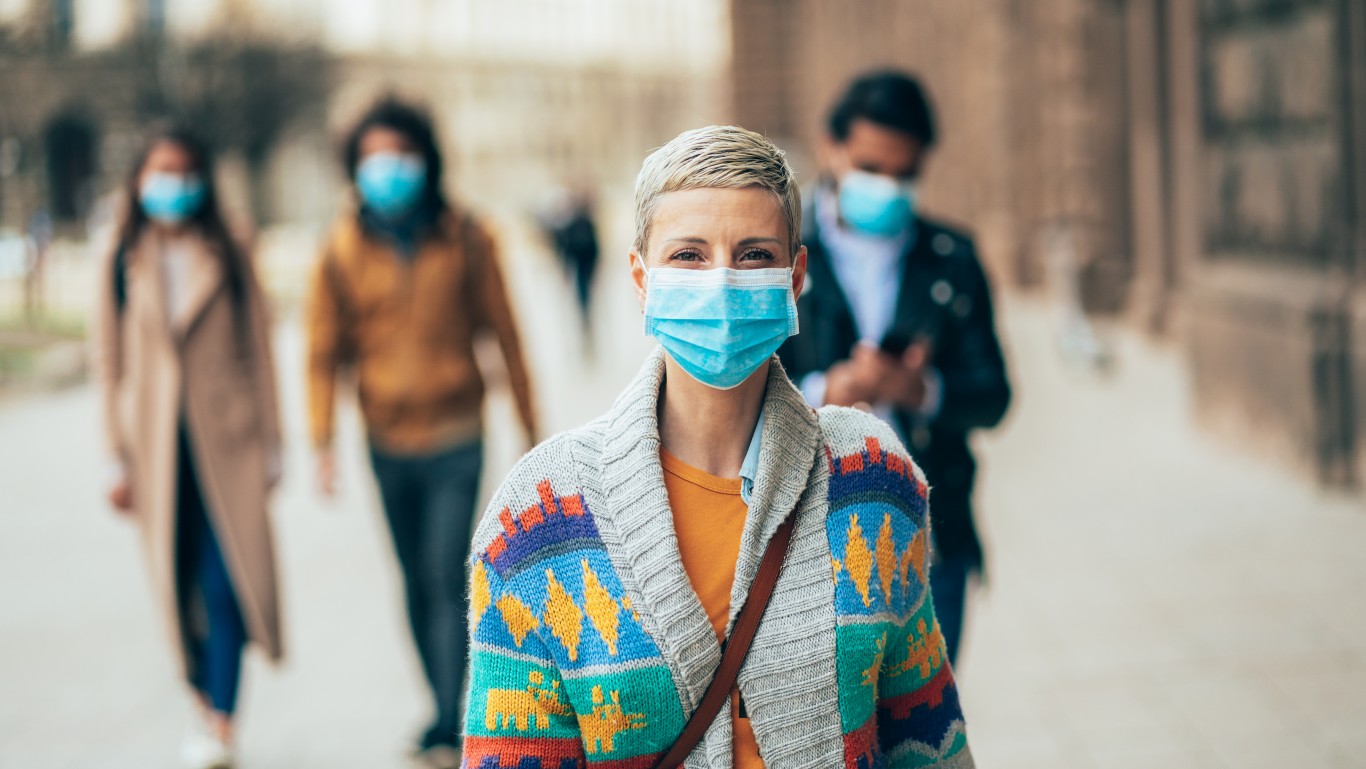
5. Avoid travel hotspots in the United States
Many places in the Midwest and Northeast have ranked among the areas with the largest increases in COVID-19 cases per 100,000 people in recent weeks. They are best avoided if possible.

6. Ensure that everyone is tested
If someone in your holiday plans is at high risk for serious health effects if infected, ask everyone attending an event with them to be tested. A rapid test is not 100% accurate, but it’s a useful preliminary safeguard, especially if you’ll be with people over 65, the group with the most COVID-19 deaths.
[in-text-ad]
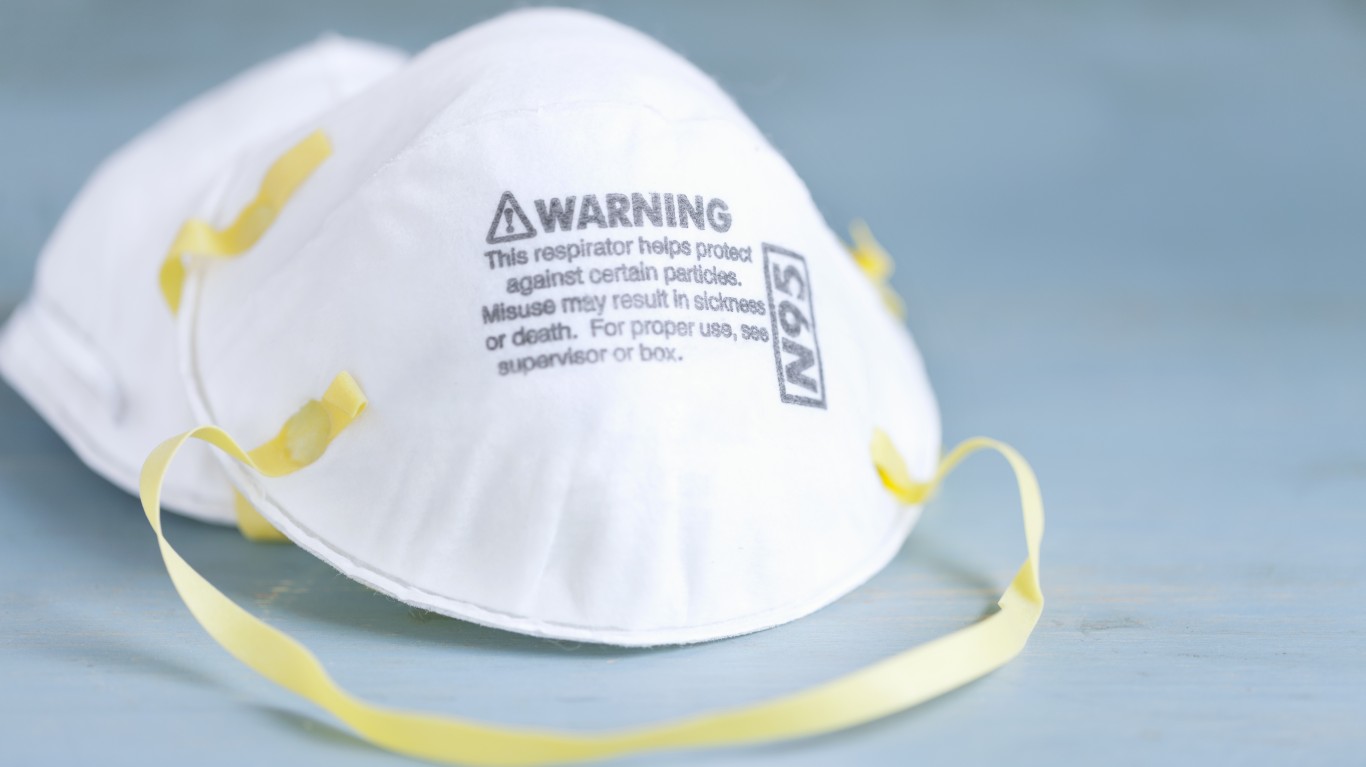
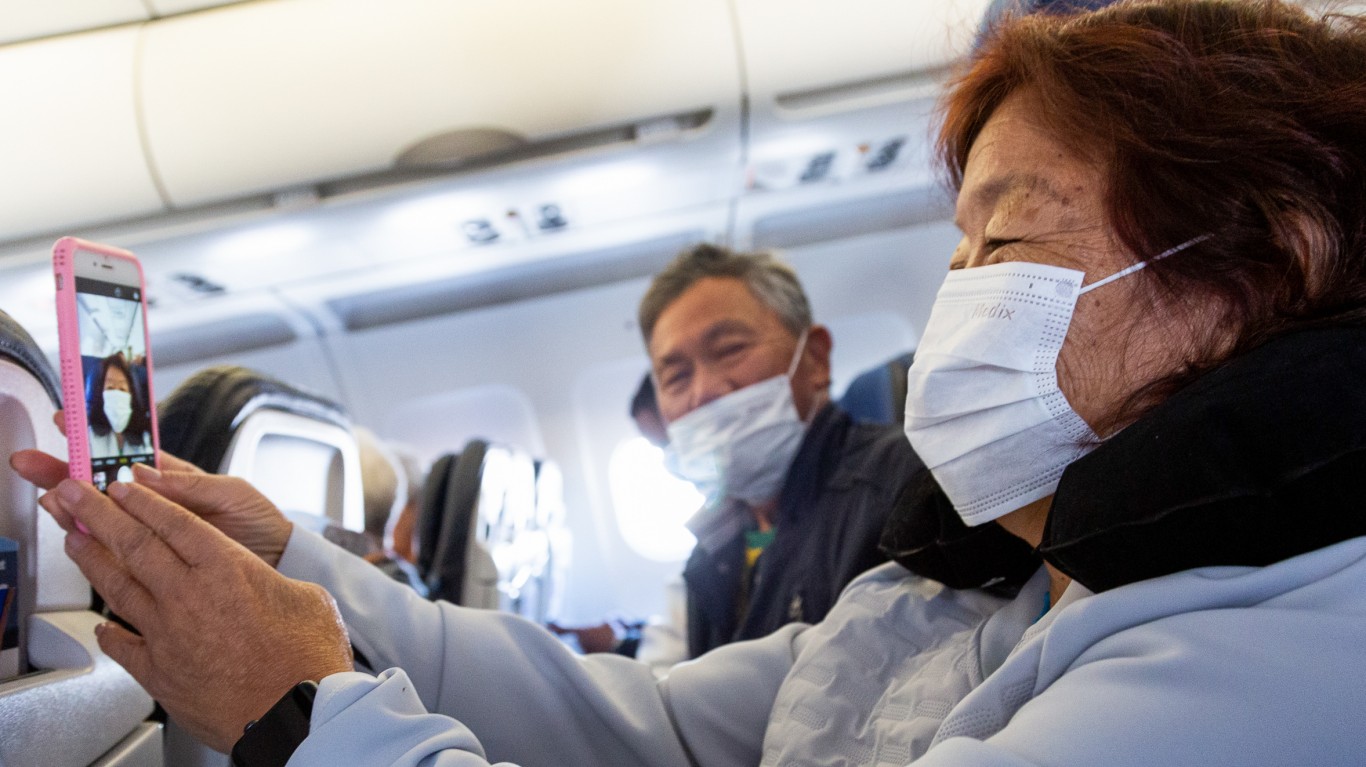
7. Wear an N-95 mask
These masks filter out many more particles than any other available mask type.
[recirclink id=1013835]
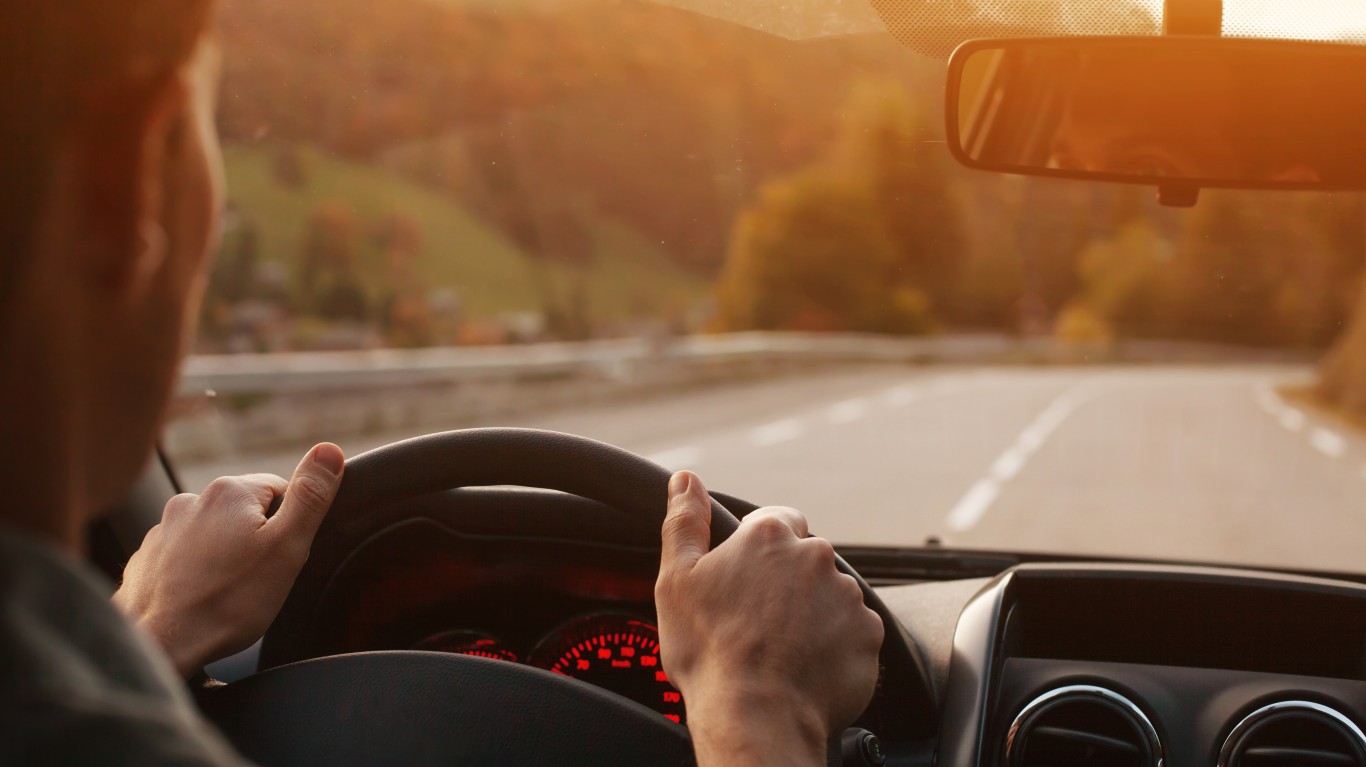
8. Drive, if you can
A recent study from Harvard showed that three locations have particular risks of infections for those who fly: boarding, cruising, and deplaning â that is, most of the flying experience. Drive instead if possible.

9. Find out everyone’s vaccination status
Remember that only 61% of all Americans are fully vaccinated. There is always a chance that someone at a holiday event with you has not been. It is OK to ask.
[in-text-ad-2]

10. It remains safer to eat outside
This is easier in states that do not have cold winters, but many restaurants have heated outdoor seating. It is a less risky choice than dining inside.

11. Gatherings with children could be risky
Children under 5 are not vaccinated, and many older children have not been either. It is easy to forget that younger children can carry the virus, because they are less likely to show symptoms. Going to a gathering with young children carries risk.
[in-text-ad]
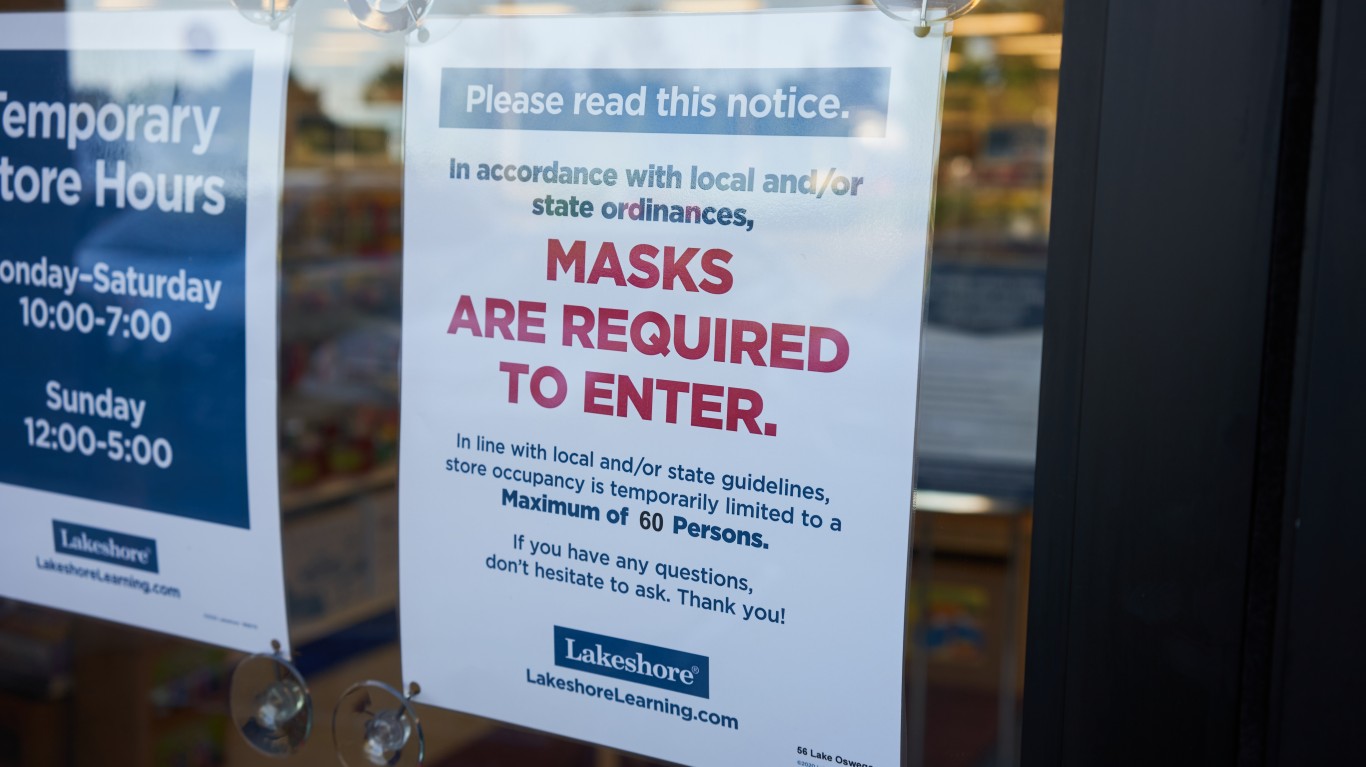
12. Check local mask rules
Rules vary considerably from place to place, which means that risk does as well. Check local laws before you travel so you can assess where you may or may not want to go. Several organizations, like AARP, keep up-to-date lists.
[recirclink id=1010505]

13. Check rules on indoor space capacity
MIT conducted a study about how much the volume of a space, time spent in a space, and airflow influence virus spread. Review the rules when you go to events at indoor spaces. Remember, mask wearing and social distancing are absolutely necessary in crowded spaces.

14. Have a Zoom holiday party
People forget that Zoom was not universally used before the pandemic. It has become a staple of corporate life to prevent infection. While not the same as being together in person, Zoom, Facetime, and other video services provide an alternative to travel and in-person gatherings. There are plenty of lists of Zoom party ideas.
[in-text-ad-2]
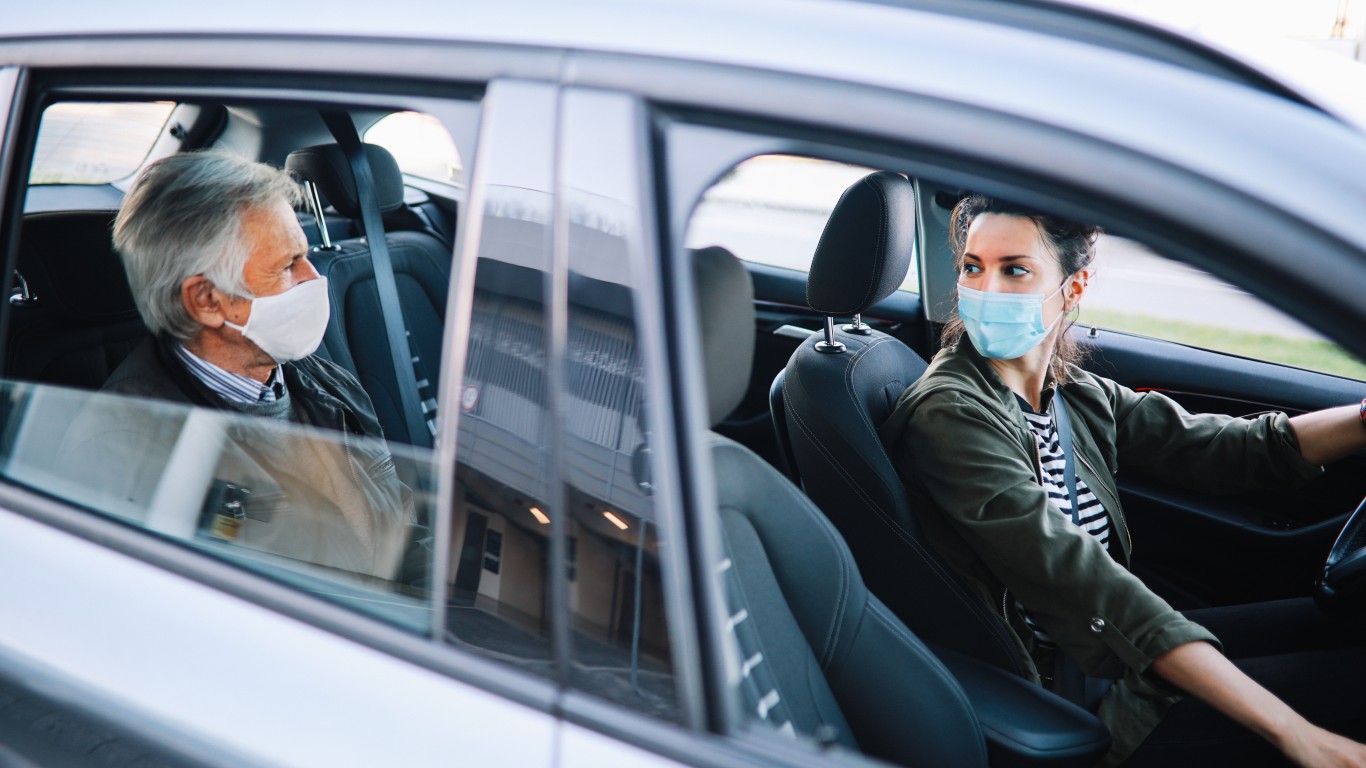
15. Roll down windows in taxis and Uber cars
A car is an unusually confined space that makes it easy for the virus to spread. Wear a mask and roll down a window when travelling with an unknown driver. Do ask the driver to wear a mask properly, covering from nose to below the chin.

16. Know the location of hospitals where you are travelling
The State Department helps provide access to information on medical care outside the country. Get information yourself about medical facilities at your destination when you travel domestically.
[in-text-ad]
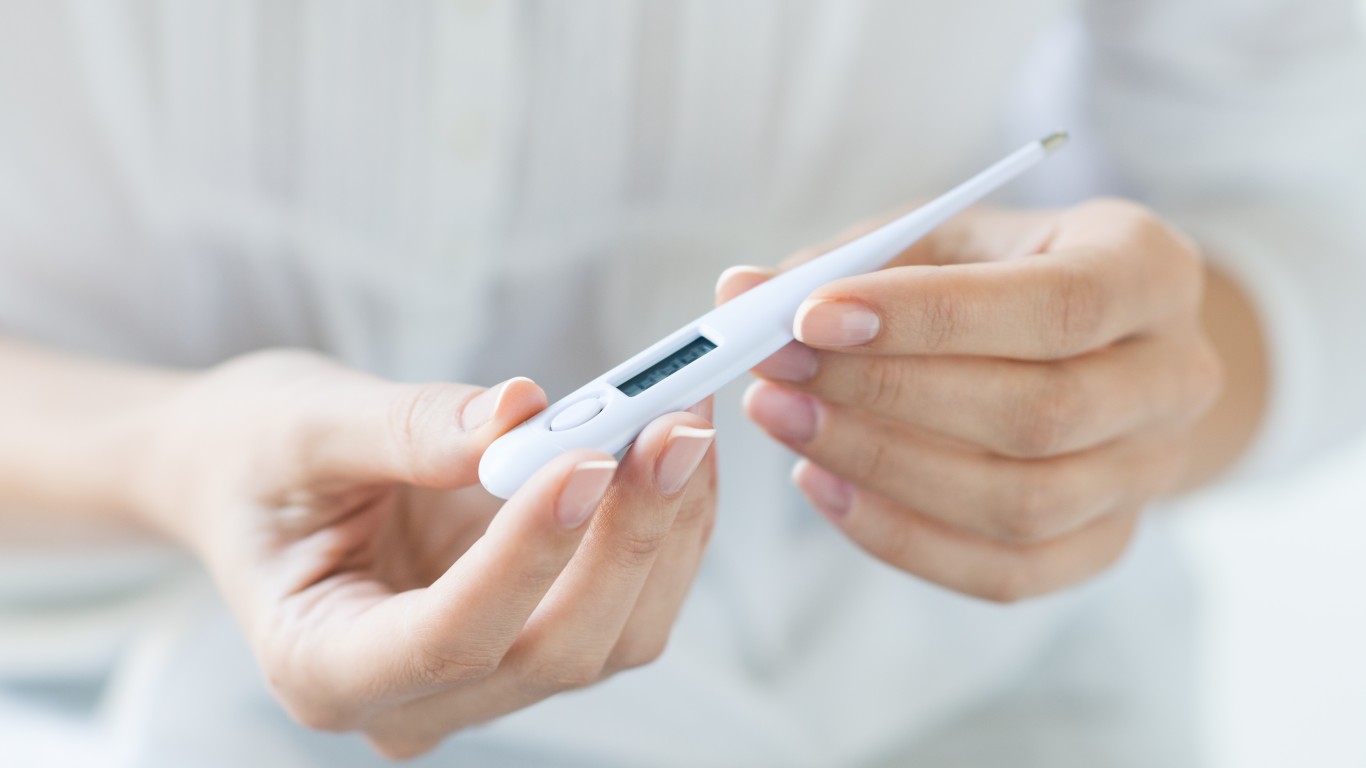
17. Monitor your vital signs
Take a thermometer, blood pressure cuff, and pulse oxygen saturation monitor with you. This way you can evaluate the basic vital signs that are often abnormal with COVID-19.
[recirclink id=1011334]
18. Consider travel medical insurance
Decide if you want to purchase travel medical insurance in case you become ill with COVID-19 while travelling out of the country. Almost no U.S. insurance policies cover illness and hospitalization when you are abroad.

19. Pack medication
Take your own over-the-counter meds with you in case you are sick away from home and there are no 24-hour pharmacies where you are travelling.
[in-text-ad-2]

20. Be aware of quarantine rules
If you become infected with COVID-19, remember that you will need to quarantine away from everyone. That means that you will be in a room alone and will need to have food delivered, which will stay in the room with you until you have met the requirements for quarantine in the host country and are allowed to leave isolation. Then you must remain in the host country until you have met the requirements for re-entry into the United States.










 Top Gaining Stocks
 Top Losing Stocks