


When most of us think of owning a home, we tend to look at areas by location and what we may like. While homeownership is one of the best ways to secure a comfortable financial future, where you choose to live can also have an impact, both positive and negative. With the effect of climate change knocking on front doors across the globe, opting for homes in certain areas can mean exposing yourself to future adverse impacts of blistering heat waves, heavy storms, wildfires, and flooding — not to mention the rising insurance premiums that come with all of that. (Find out how 2023 compares to the hottest summers over the last 50 years.)
24/7 Wall St. reviewed a ranking by online insurance marketplace Policygenius, which examined how the country’s 50 most-populated metropolitan statistical areas will fare by 2050 to gauge where in the United States people are more or less likely to endure climate change impacts. These rankings are based on several climate change-related indicators that impact an area’s livability such as heat, air quality, and rising sea levels. Policygenius’ full methodology can be found here.
San Francisco, despite the constant threat of earthquakes, earned the highest overall score as the best city to confront the effects of climate change, with minimal exposure to extreme heat and humidity; a low percentage of properties built on flood plains; and geographically shielded from the effects of seasonal wildfires. Policygenius emphasizes that this ranking is one of the largest metros and San Francisco has a much higher risk than many smaller cities.
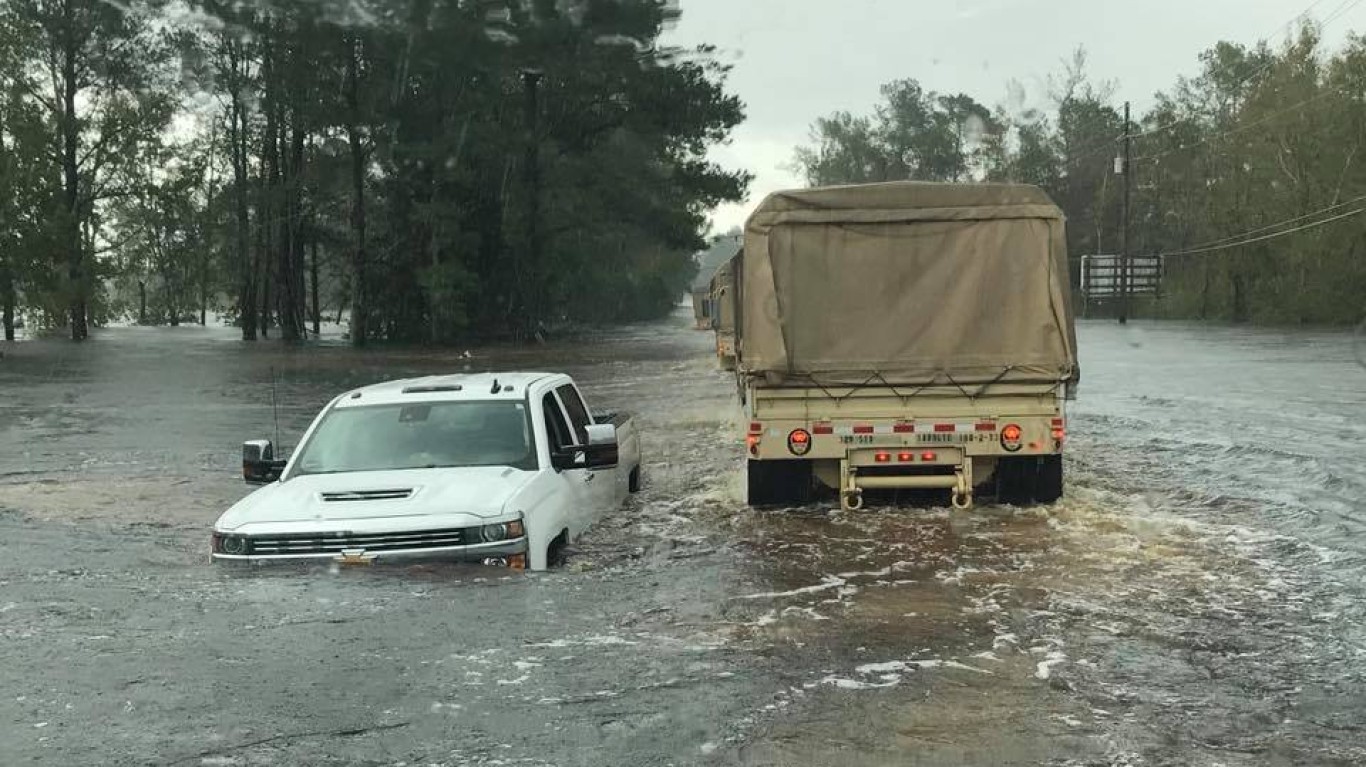
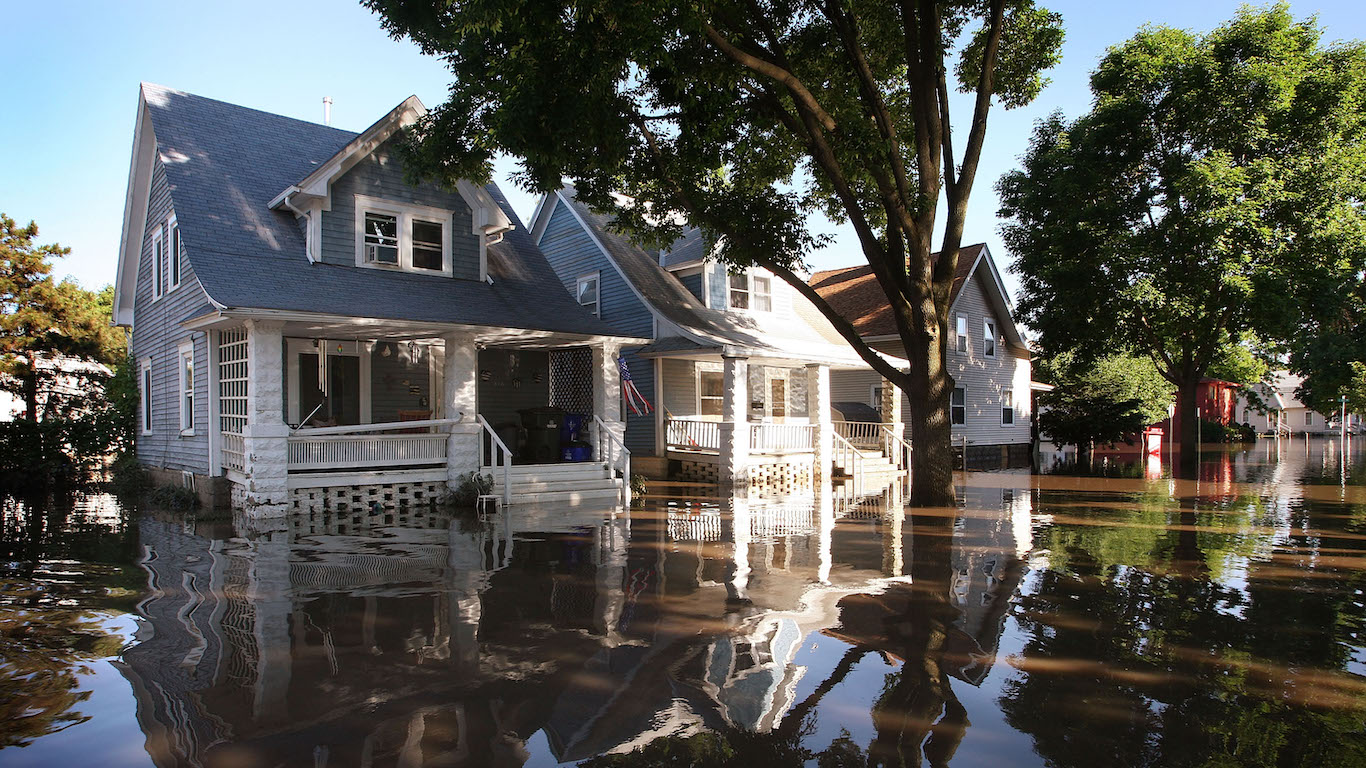
Houston is at the other end, the city least prepared to confront the challenges of climate change, according to Policygenius, owing to its exposure to hurricanes that are expected to become stronger and more frequent in the coming decades. Approximately 16% of Houston homes are built on 100-year flood plains, meaning they have a higher chance of being flooded, even by smaller storms. Other cities with low overall scores are Los Angeles, Tucson, Arizona; New Orleans, and Florida’s top four most-populated metro areas. (Globally, these are the 25 worst cities to live as global warming gets worse.)
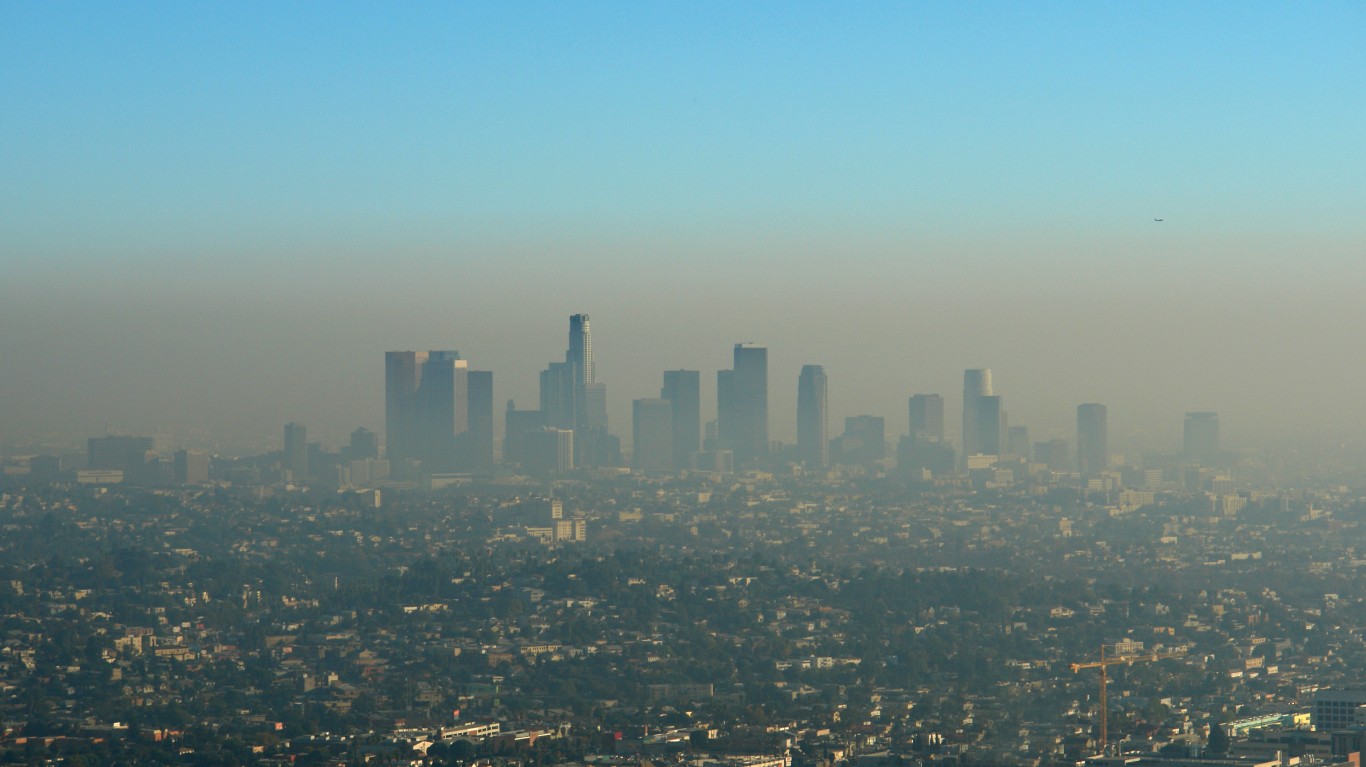
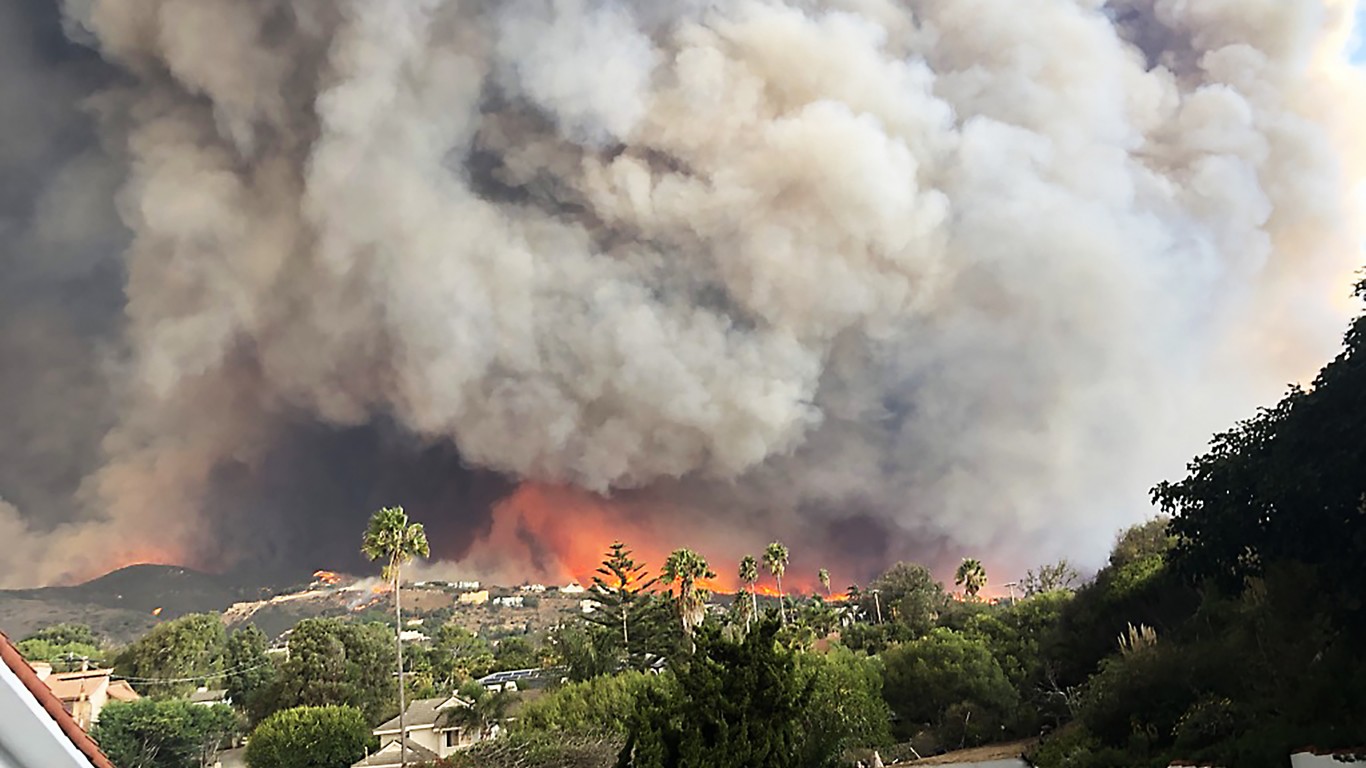
Three cities scored the lowest in four indicators: Los Angeles for air quality, Tucson for heat and humidity, and Miami for flooding and sea level rise; climate-related disasters. This may not be a surprise. A recent report from the American Lung Association gave Los Angeles (and 10 other counties) failing grades in all three of its air quality measures, while Tucson keeps beating heat records. Similarly, Miami could see hurricanes becoming more frequent and more intense, and it is already seeing the effects of sea level rise.
Here are the best and worst U.S. cities to live as global warming worsens.
See below for our detailed methodology.
1. San Francisco, CA

- Extreme heat and humidity: 95.7/100
- Air quality: 90/100
- Flooding and sea level rise: 82.5/100
- Natural disasters: 91.3/100
- Population: 4,623,264
2. Seattle, WA
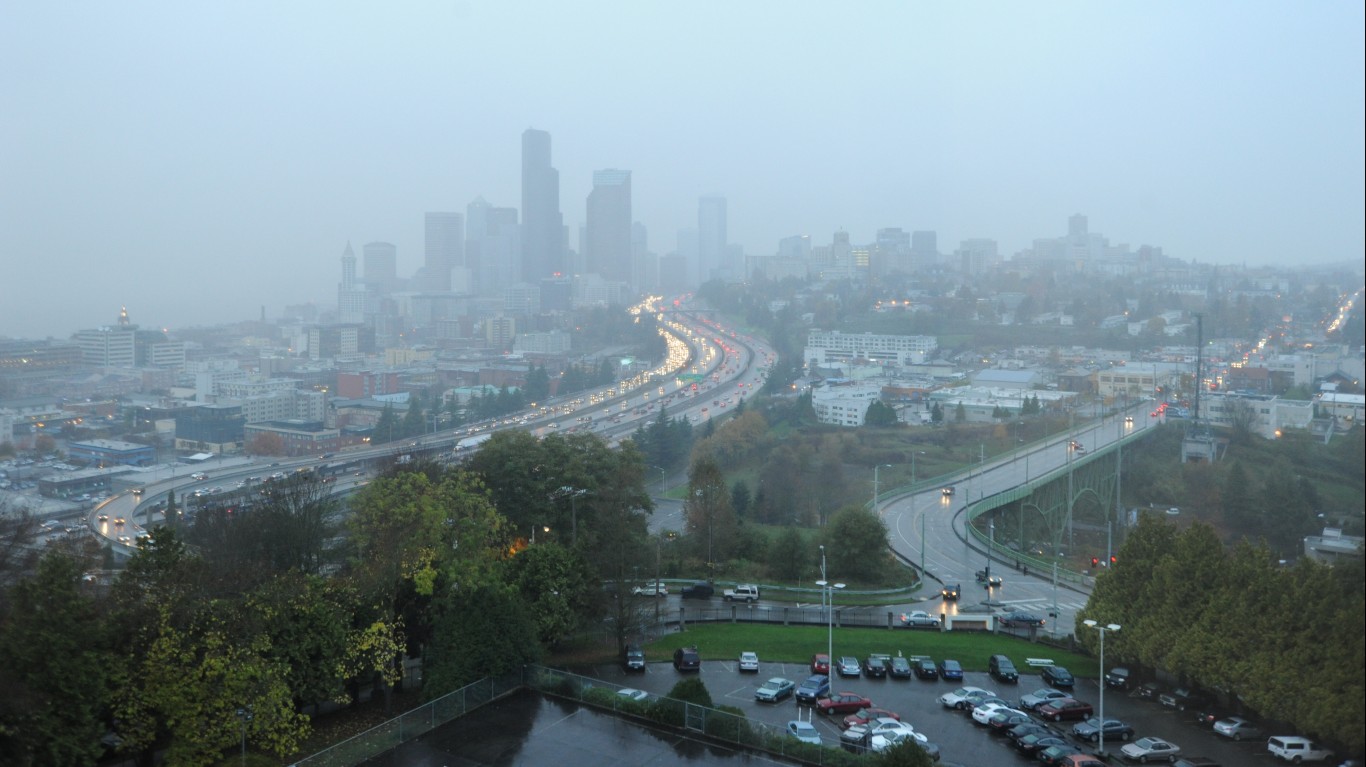
- Extreme heat and humidity: 90.5/100
- Air quality: 85/100
- Flooding and sea level rise: 36.5/100
- Natural disasters: 67.3/100
- Population: 4,011,553
3. Minneapolis, MN
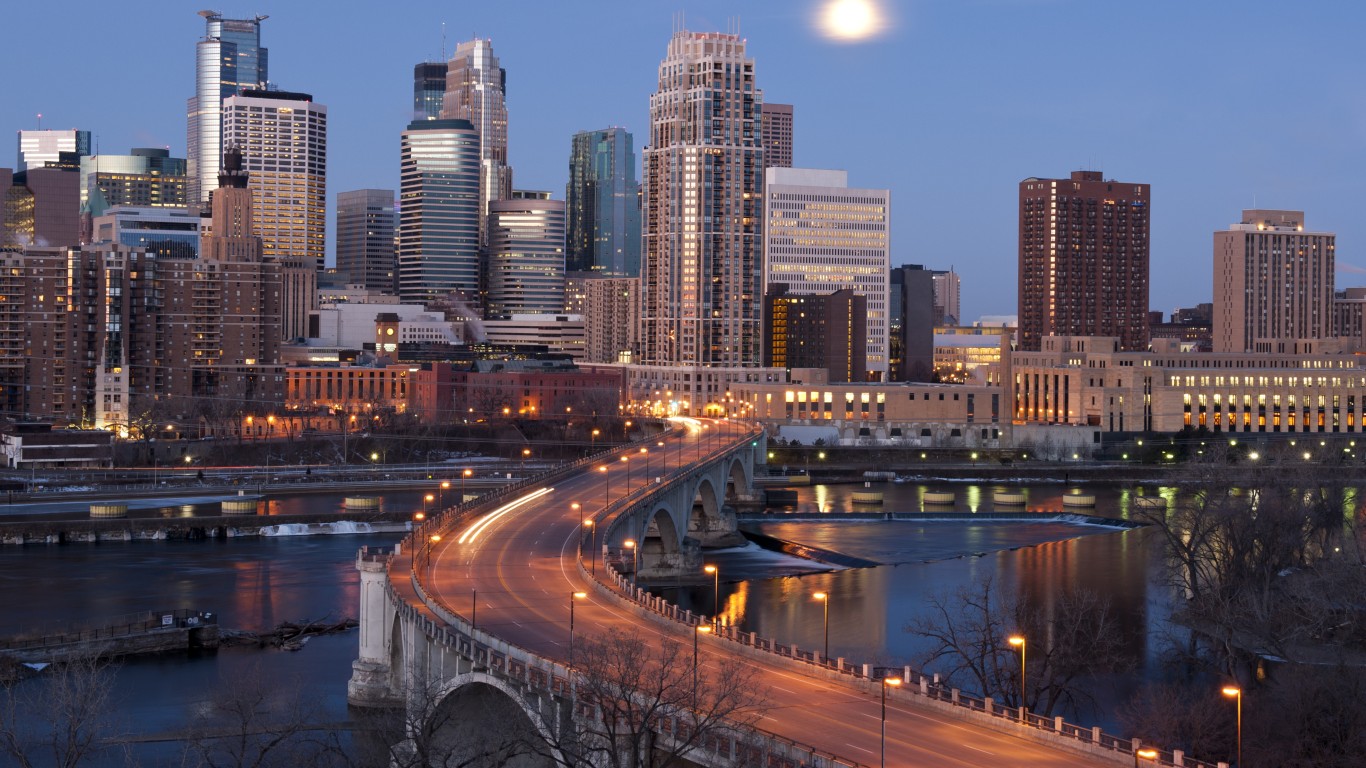
- Extreme heat and humidity: 66.3/100
- Air quality: 52/100
- Flooding and sea level rise: 64.7/100
- Natural disasters: 52/100
- Population: 3,690,512
4. Baltimore, MD

- Extreme heat and humidity: 66/100
- Air quality: 69/100
- Flooding and sea level rise: 60.5/100
- Natural disasters: 62/100
- Population: 2,838,327
5. Milwaukee, WI
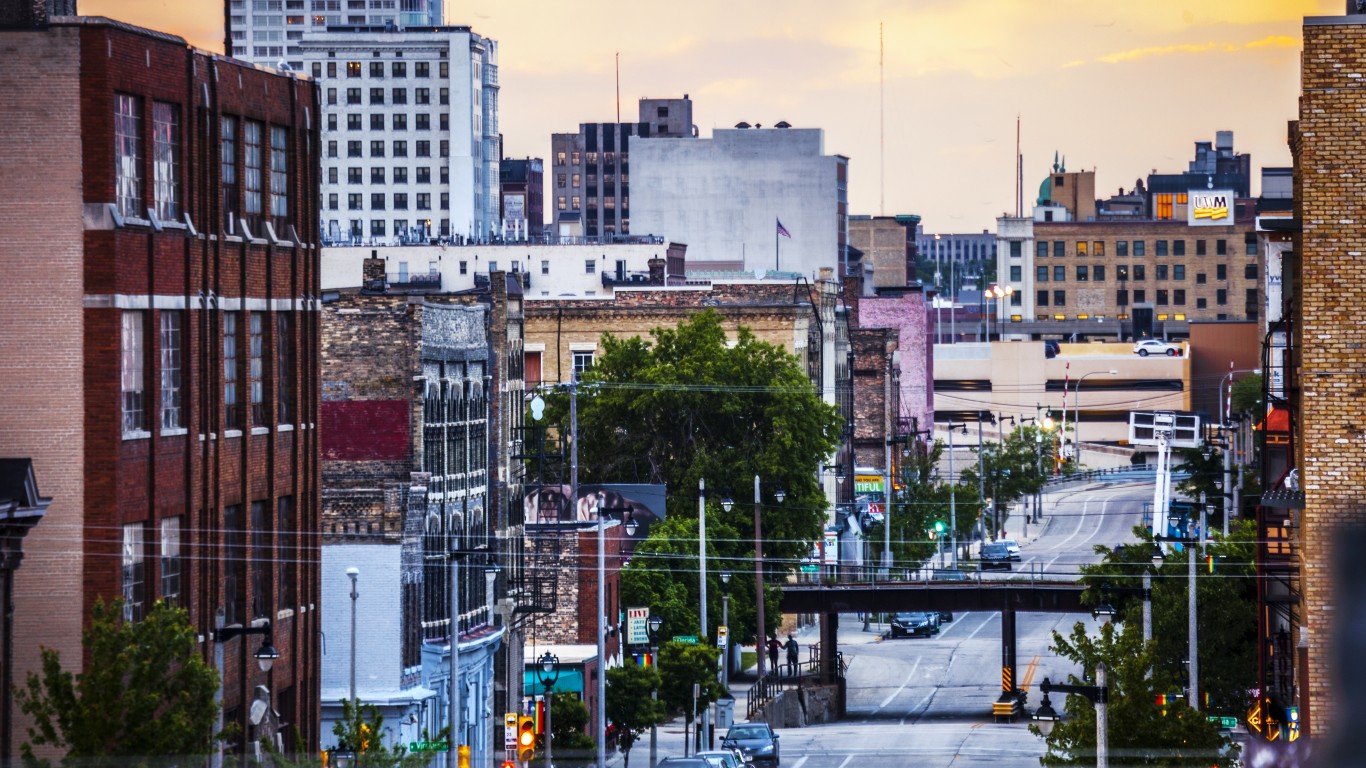
- Extreme heat and humidity: 71/100
- Air quality: 34/100
- Flooding and sea level rise: 78.7/100
- Natural disasters: 70.7/100
- Population: 1,566,487
6. San Jose, CA
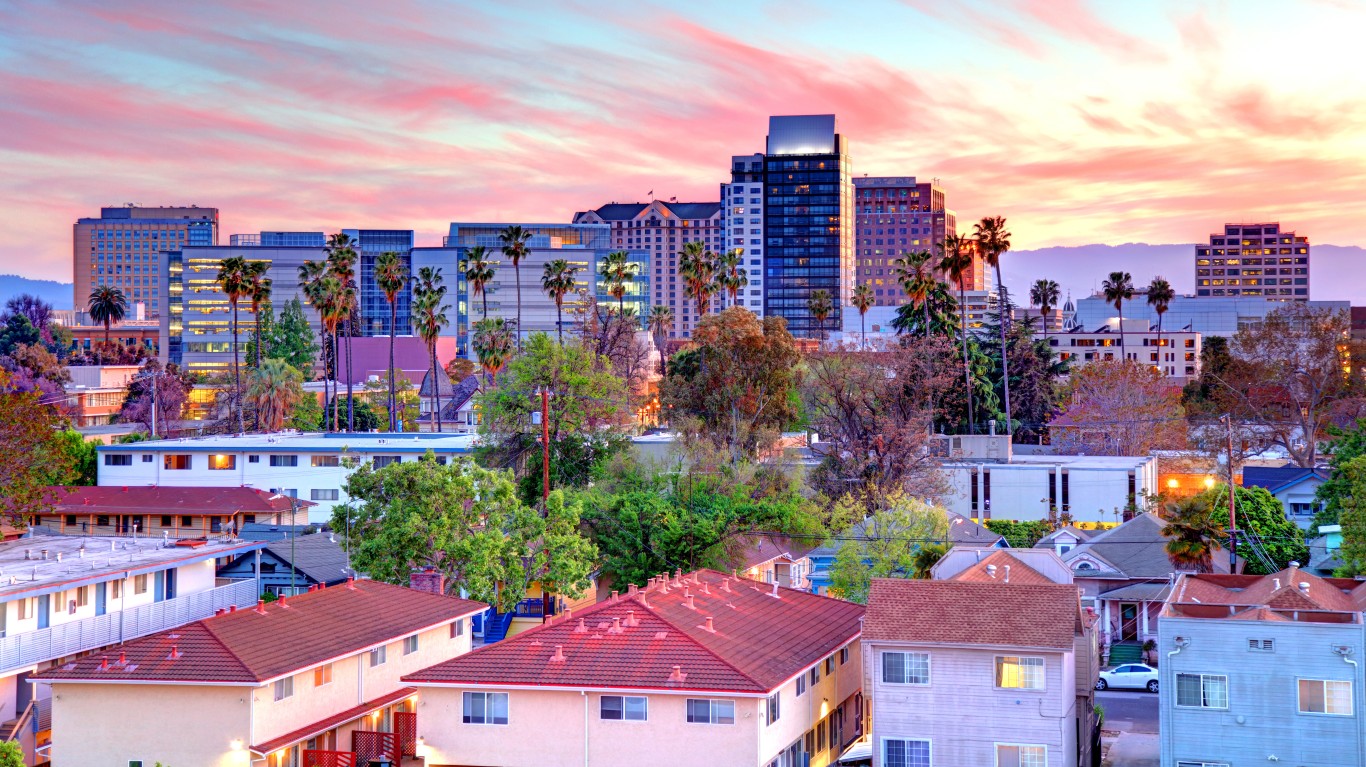
- Extreme heat and humidity: 100/100
- Air quality: 42/100
- Flooding and sea level rise: 40/100
- Natural disasters: 57.3/100
- Population: 1,952,185
7. Columbus, OH
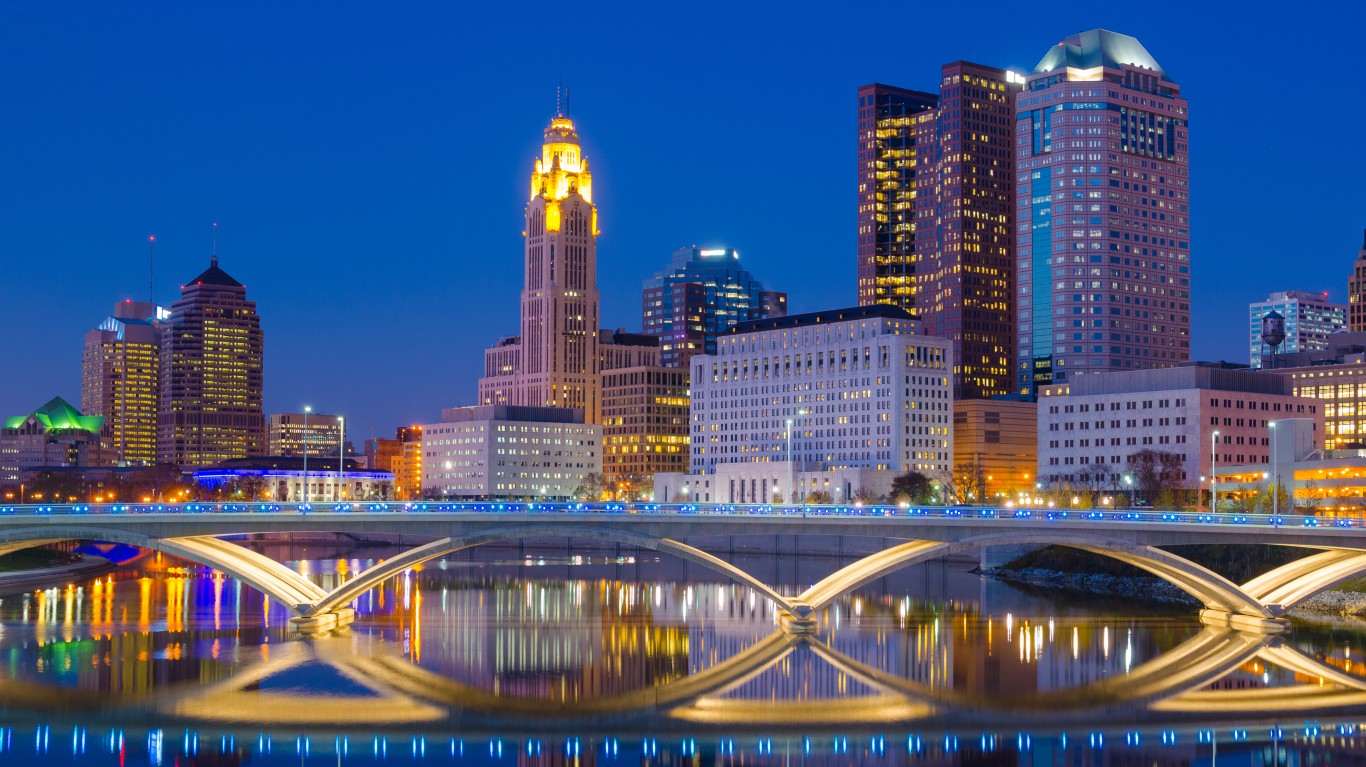
- Extreme heat and humidity: 63/100
- Air quality: 58/100
- Flooding and sea level rise: 71.3/100
- Natural disasters: 70/100
- Population: 2,151,017
8. Portland, OR
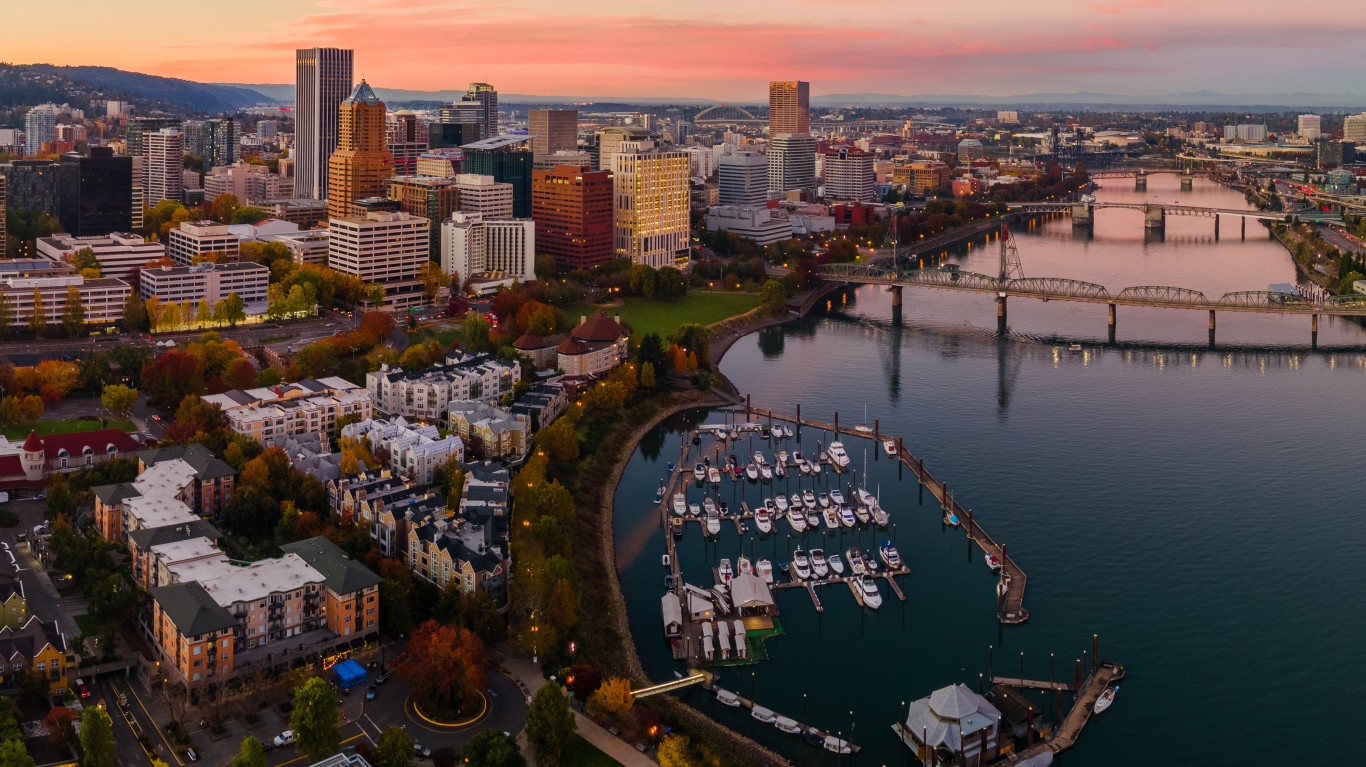
- Extreme heat and humidity: 78/100
- Air quality: 94/100
- Flooding and sea level rise: 28.3/100
- Natural disasters: 72/100
- Population: 2,510,696
9. Buffalo, NY
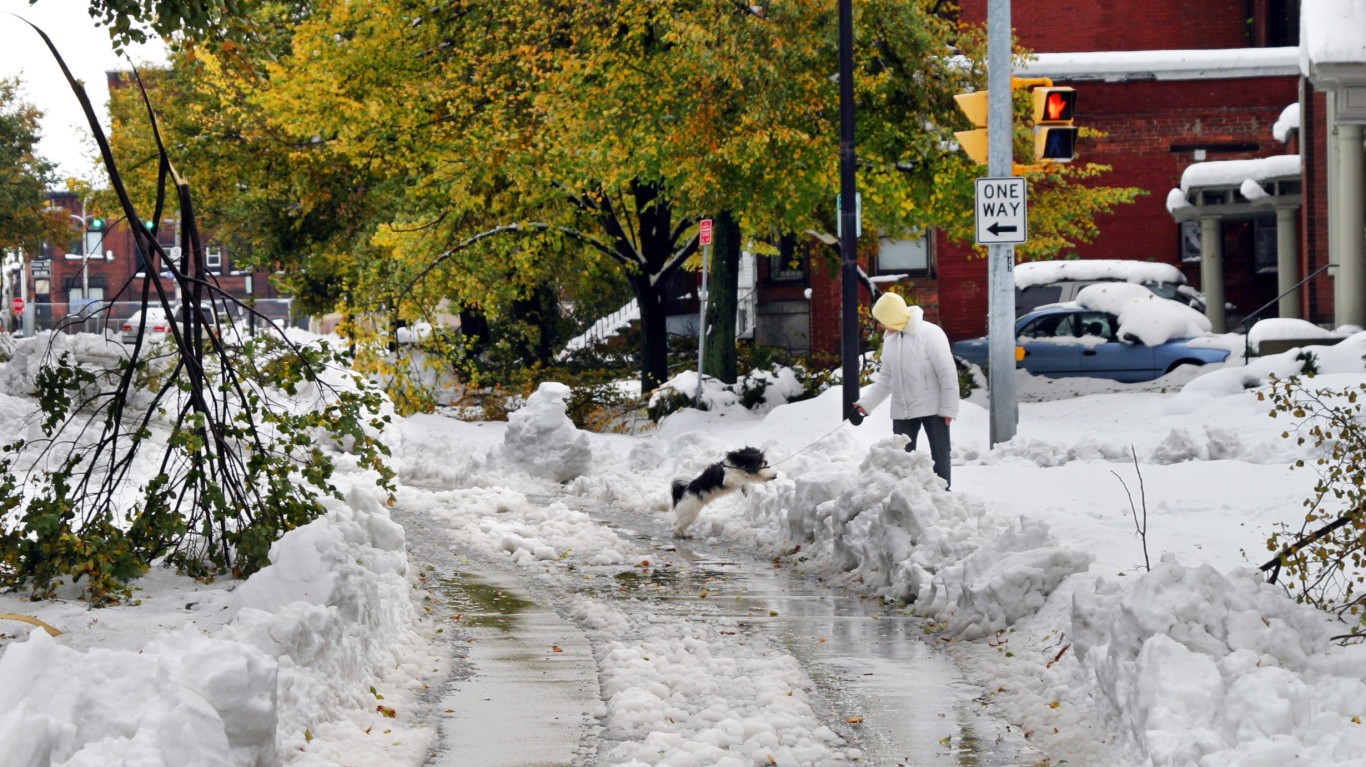
- Extreme heat and humidity: 85.7/100
- Air quality: 75/100
- Flooding and sea level rise: 34/100
- Natural disasters: 58.7/100
- Population: 1,162,336
10. Cleveland, OH
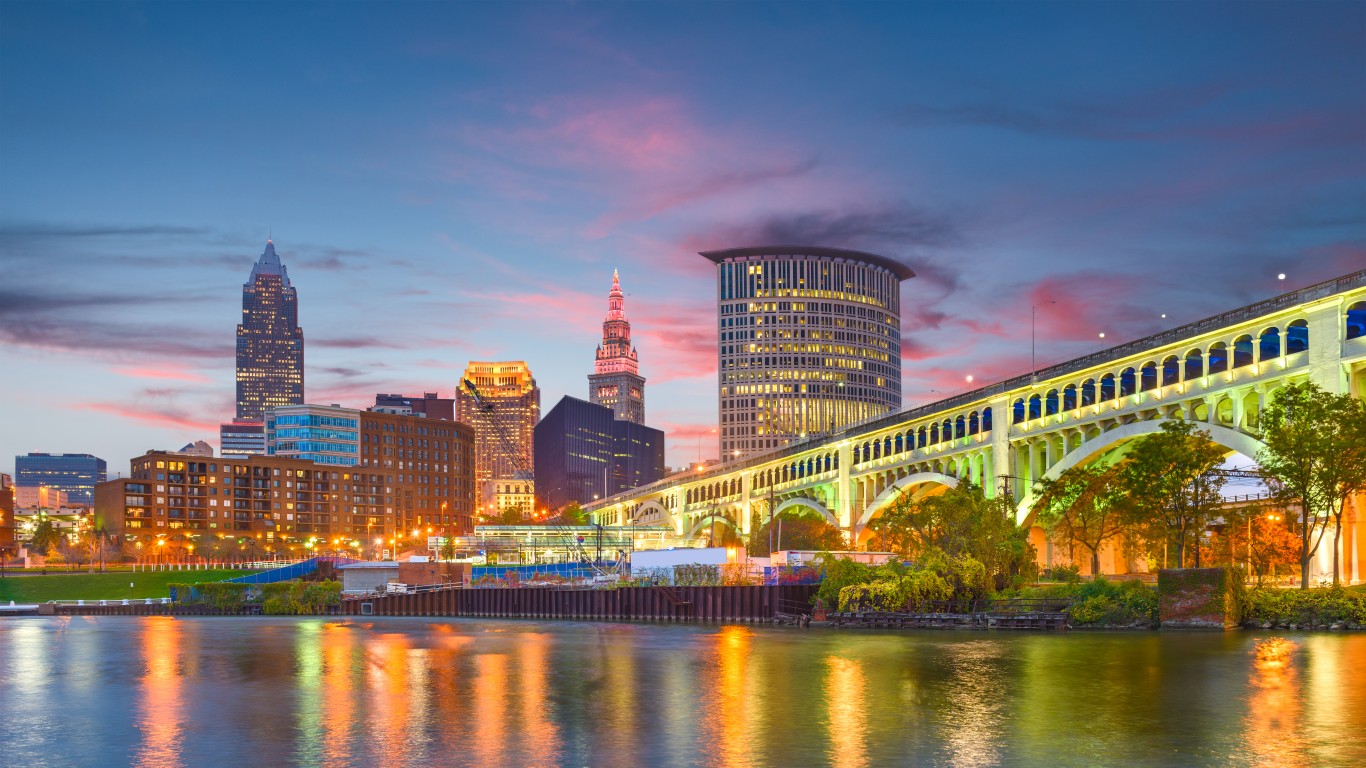
- Extreme heat and humidity: 68.7/100
- Air quality: 22/100
- Flooding and sea level rise: 75.3/100
- Natural disasters: 66.7/100
- Population: 2,075,662
11. Raleigh, NC
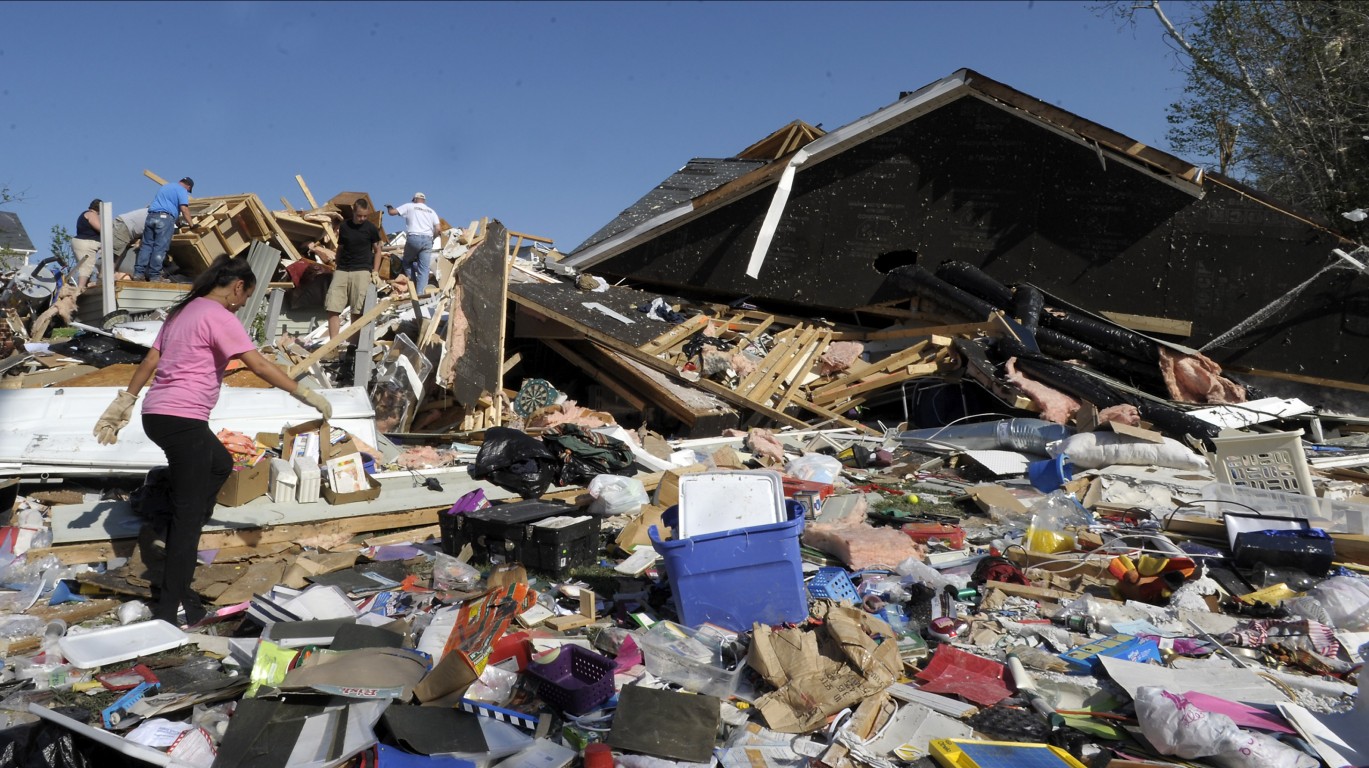
- Extreme heat and humidity: 58/100
- Air quality: 78/100
- Flooding and sea level rise: 68/100
- Natural disasters: 36.7/100
- Population: 1,448,411
12. Denver, CO
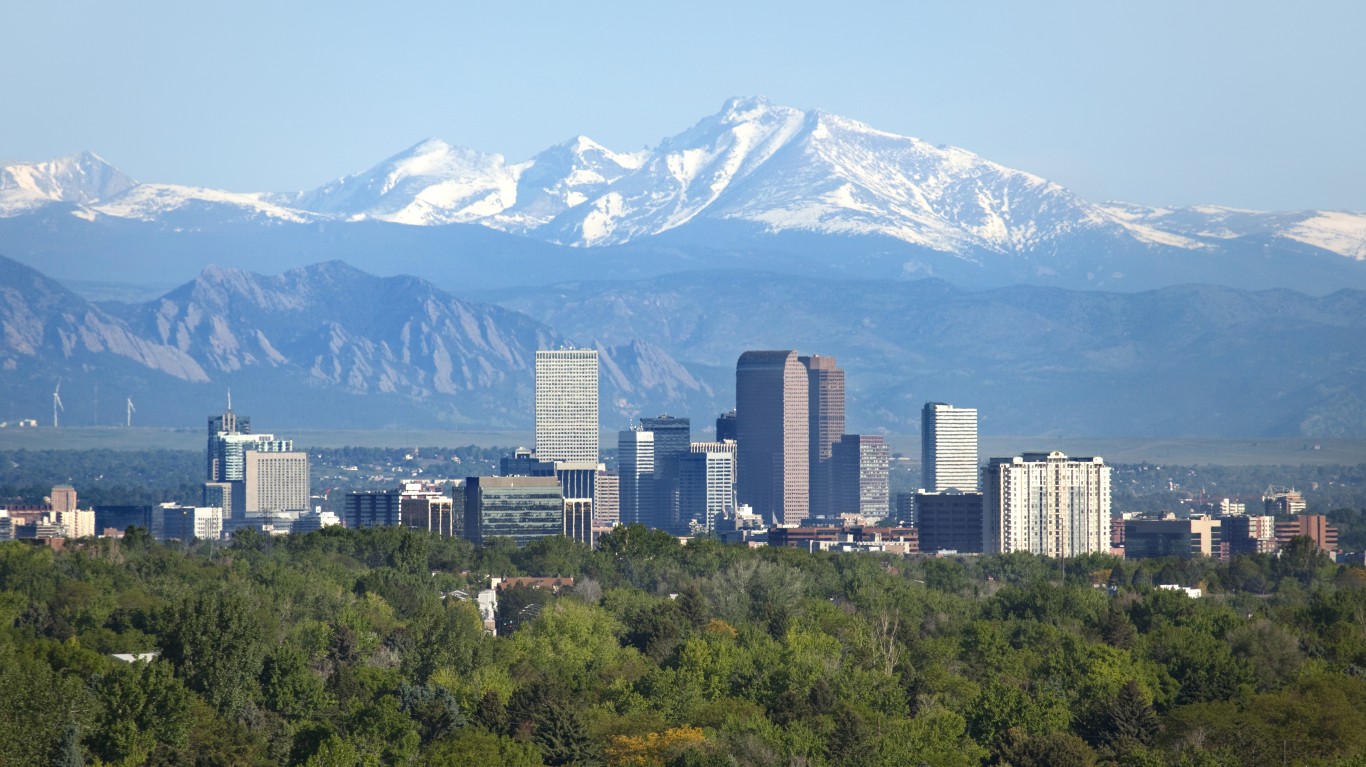
- Extreme heat and humidity: 55.3/100
- Air quality: 17/100
- Flooding and sea level rise: 96/100
- Natural disasters: 68/100
- Population: 2,972,567
13. Pittsburgh, PA
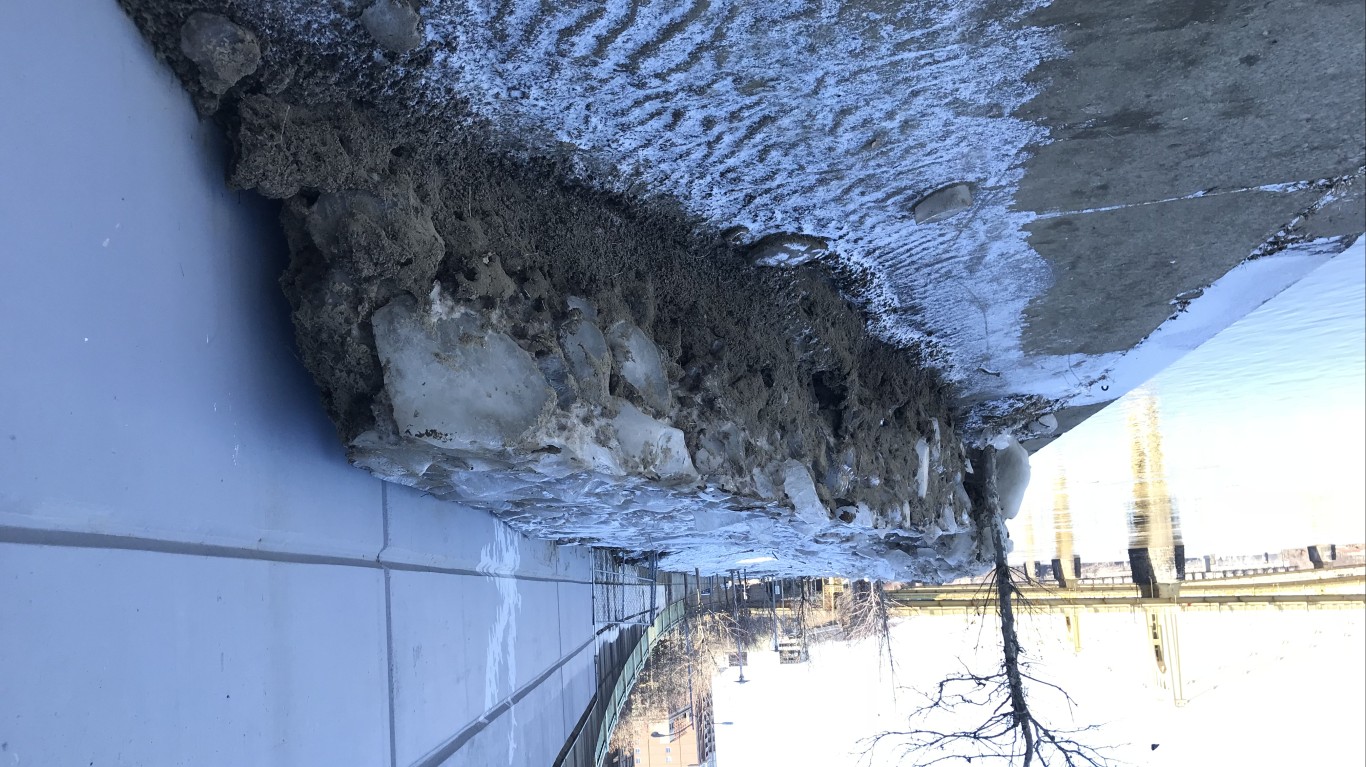
- Extreme heat and humidity: 74.8/100
- Air quality: 26/100
- Flooding and sea level rise: 35.3/100
- Natural disasters: 64/100
- Population: 2,353,538
14. Providence, RI
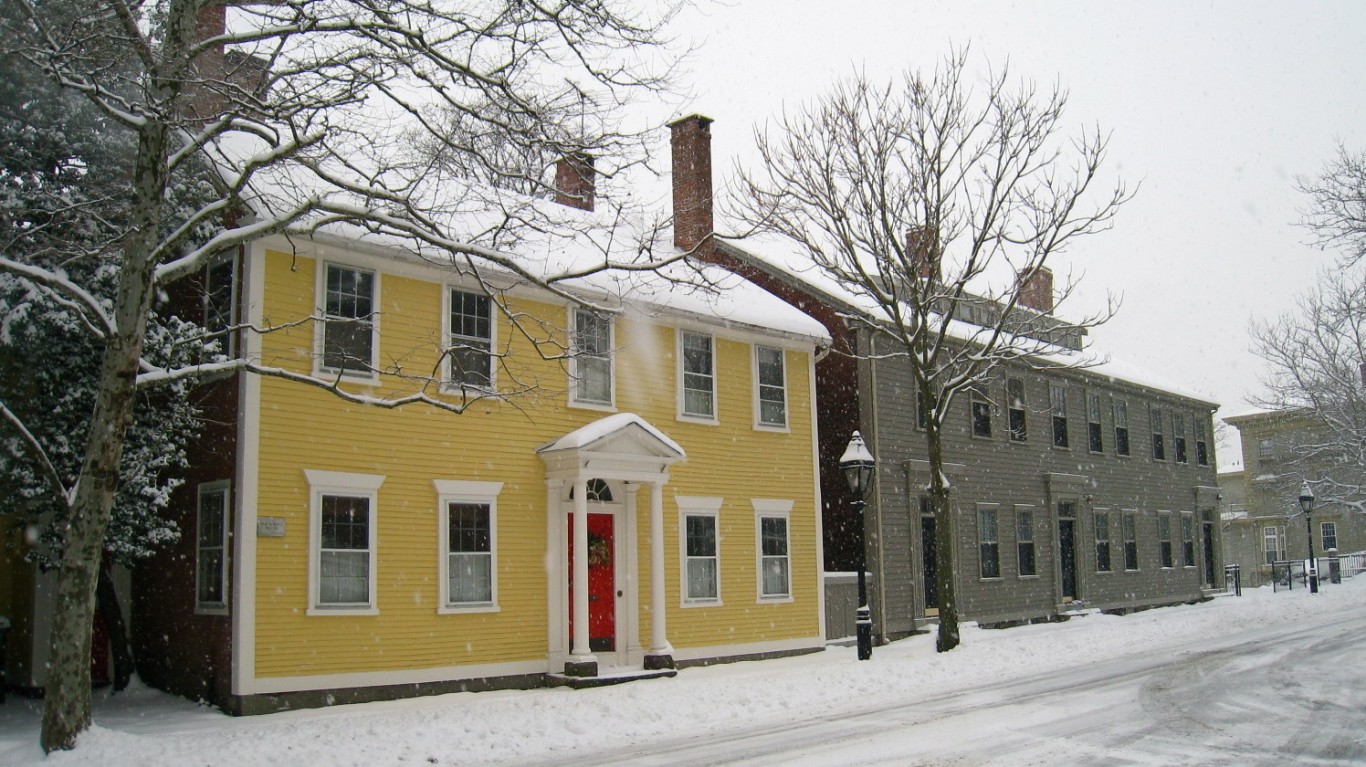
- Extreme heat and humidity: 89.7/100
- Air quality: 69/100
- Flooding and sea level rise: 41.3/100
- Natural disasters: 52/100
- Population: 1,675,774
15. Austin, TX

- Extreme heat and humidity: 52/100
- Air quality: 58/100
- Flooding and sea level rise: 79/100
- Natural disasters: 31.3/100
- Population: 2,352,426
16. Kansas City, MO
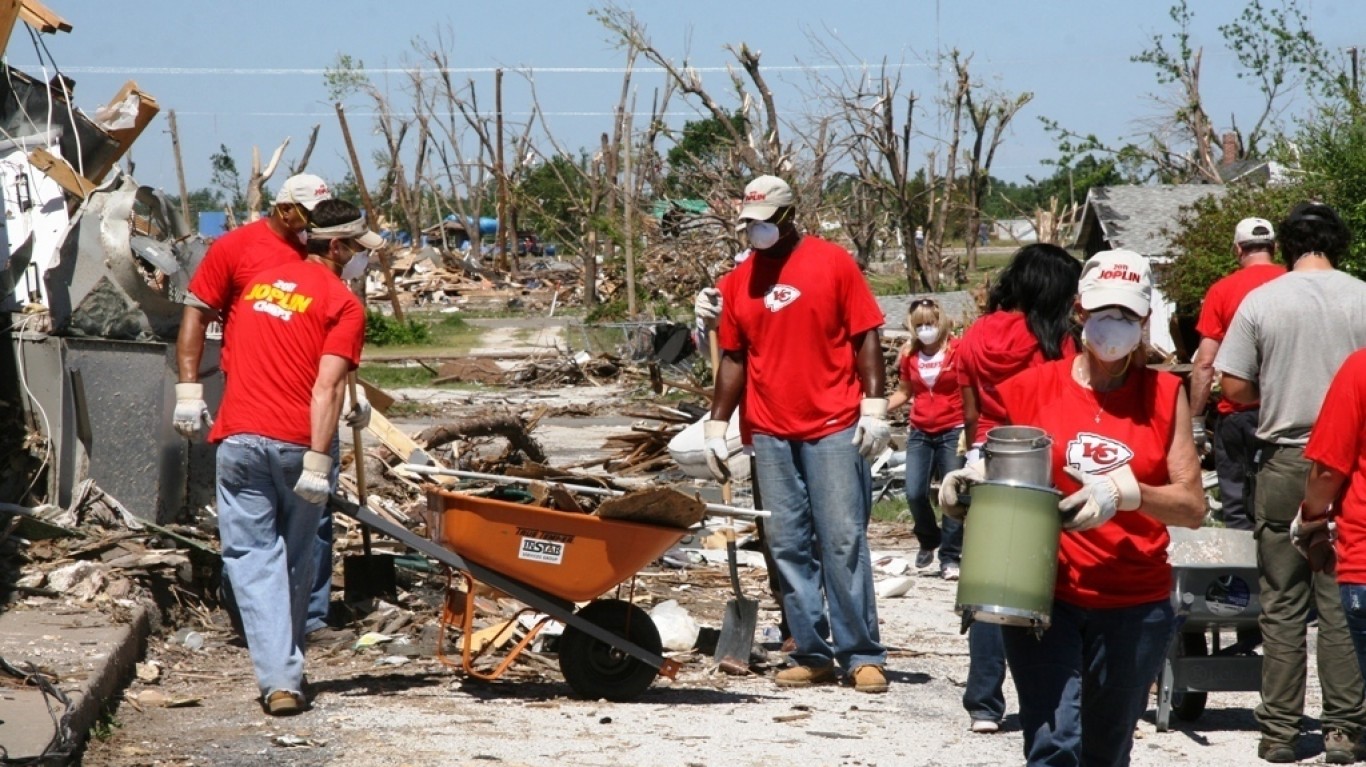
- Extreme heat and humidity: 47.3/100
- Air quality: 44/100
- Flooding and sea level rise: 78/100
- Natural disasters: 61.3/100
- Population: 2,199,544
17. Washington, DC

- Extreme heat and humidity: 38/100
- Air quality: 46/100
- Flooding and sea level rise: 52/100
- Natural disasters: 88/100
- Population: 6,358,652
18. Bridgeport, CT
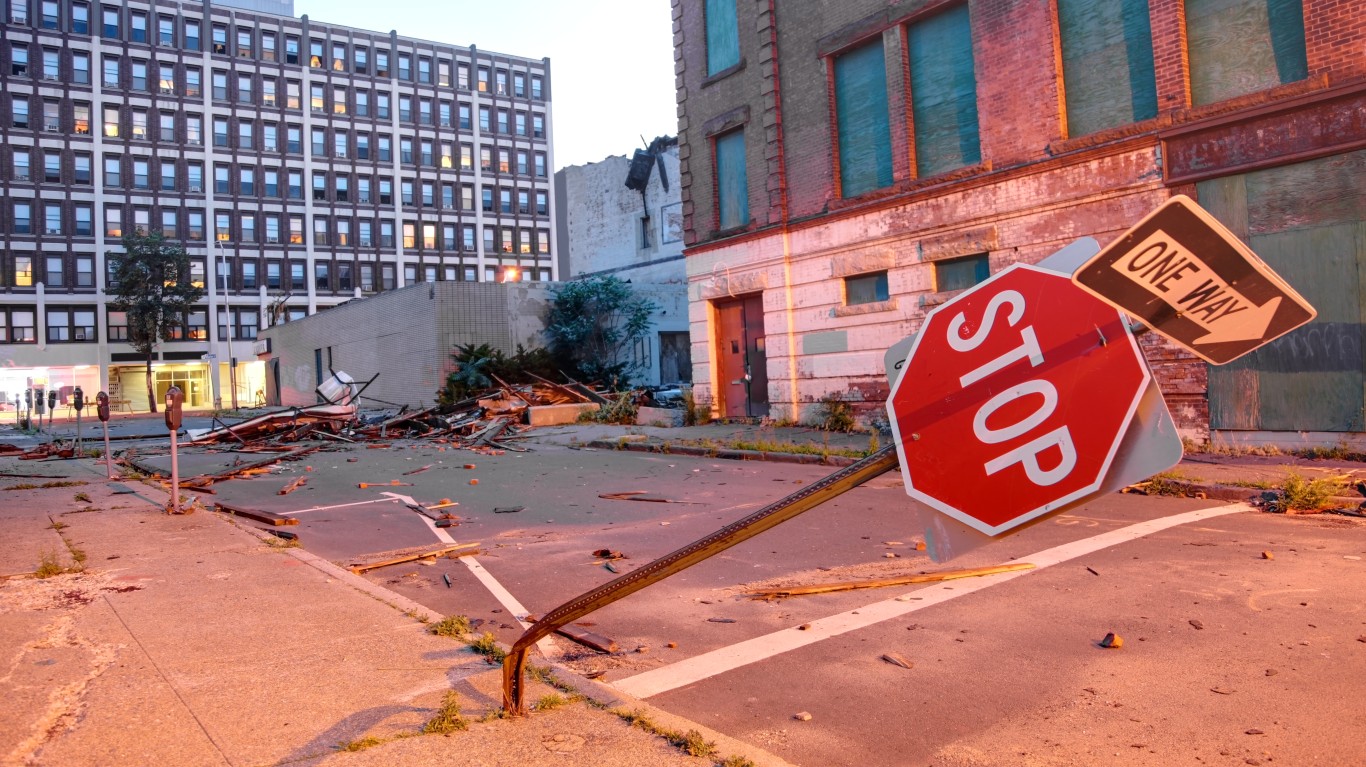
- Extreme heat and humidity: 71/100
- Air quality: 75/100
- Flooding and sea level rise: 16.5/100
- Natural disasters: 52/100
- Population: 959,768
19. Richmond, VA
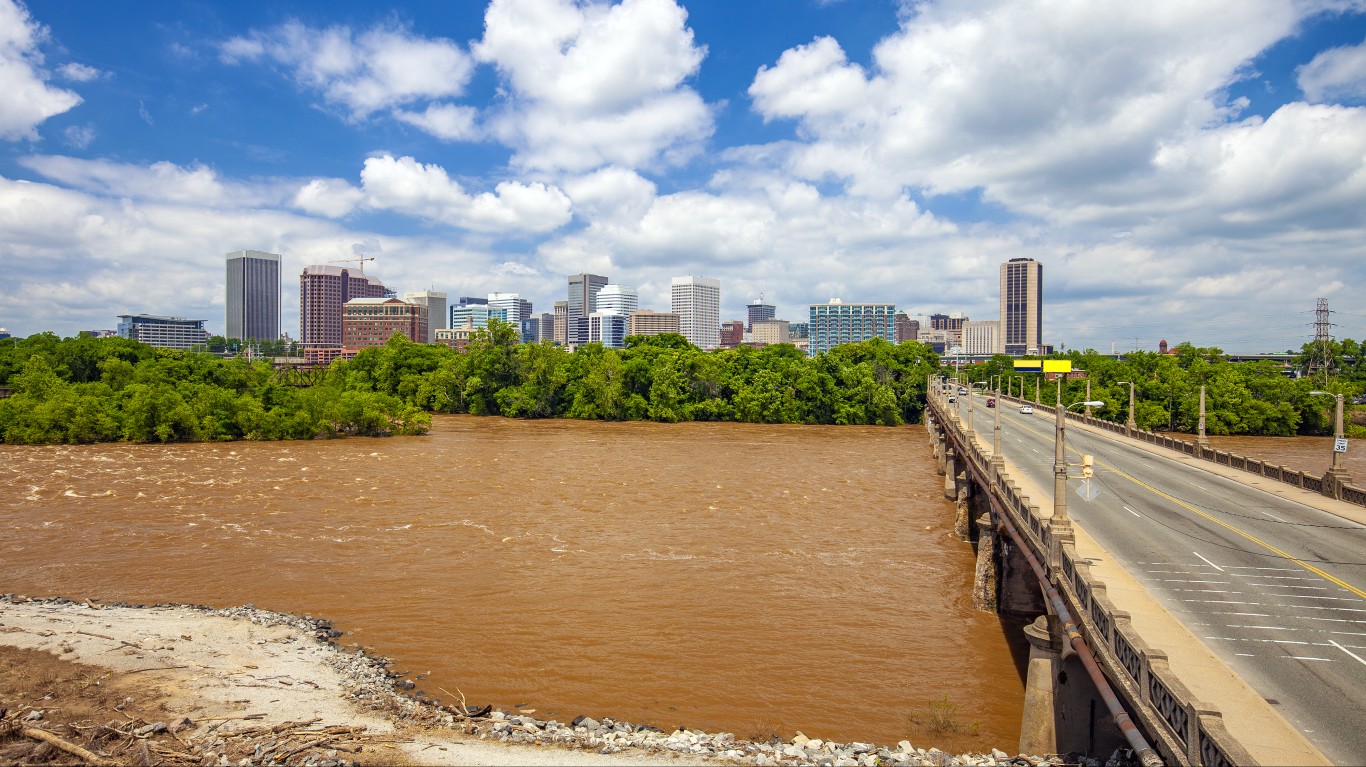
- Extreme heat and humidity: 48.3/100
- Air quality: 92/100
- Flooding and sea level rise: 58/100
- Natural disasters: 61.3/100
- Population: 1,317,525
20. San Diego, CA

- Extreme heat and humidity: 90/100
- Air quality: 13/100
- Flooding and sea level rise: 64.5/100
- Natural disasters: 34/100
- Population: 3,286,069
21. Detroit, MI
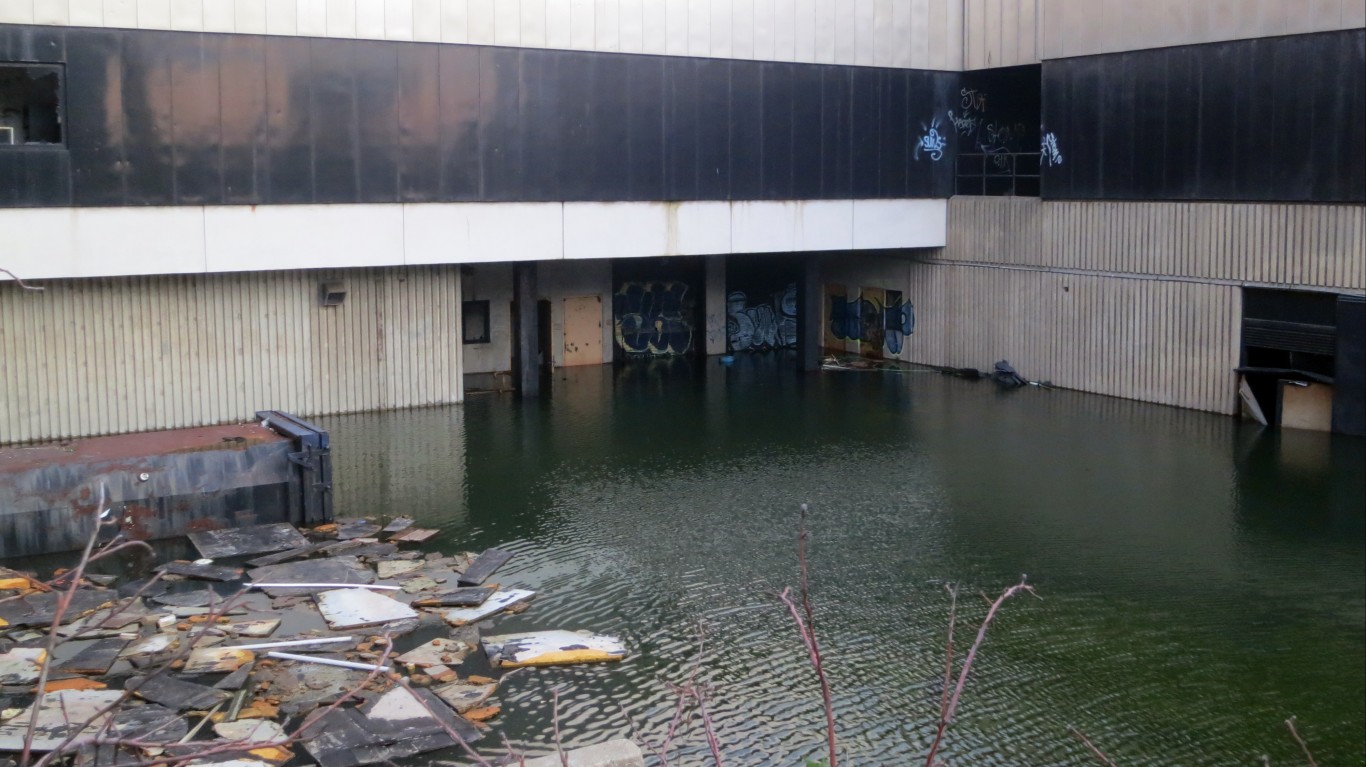
- Extreme heat and humidity: 70/100
- Air quality: 39/100
- Flooding and sea level rise: 60/100
- Natural disasters: 65.3/100
- Population: 4,365,205
22. Boston, MA

- Extreme heat and humidity: 75.3/100
- Air quality: 81/100
- Flooding and sea level rise: 11/100
- Natural disasters: 67.3/100
- Population: 4,899,932
23. Charlotte, NC
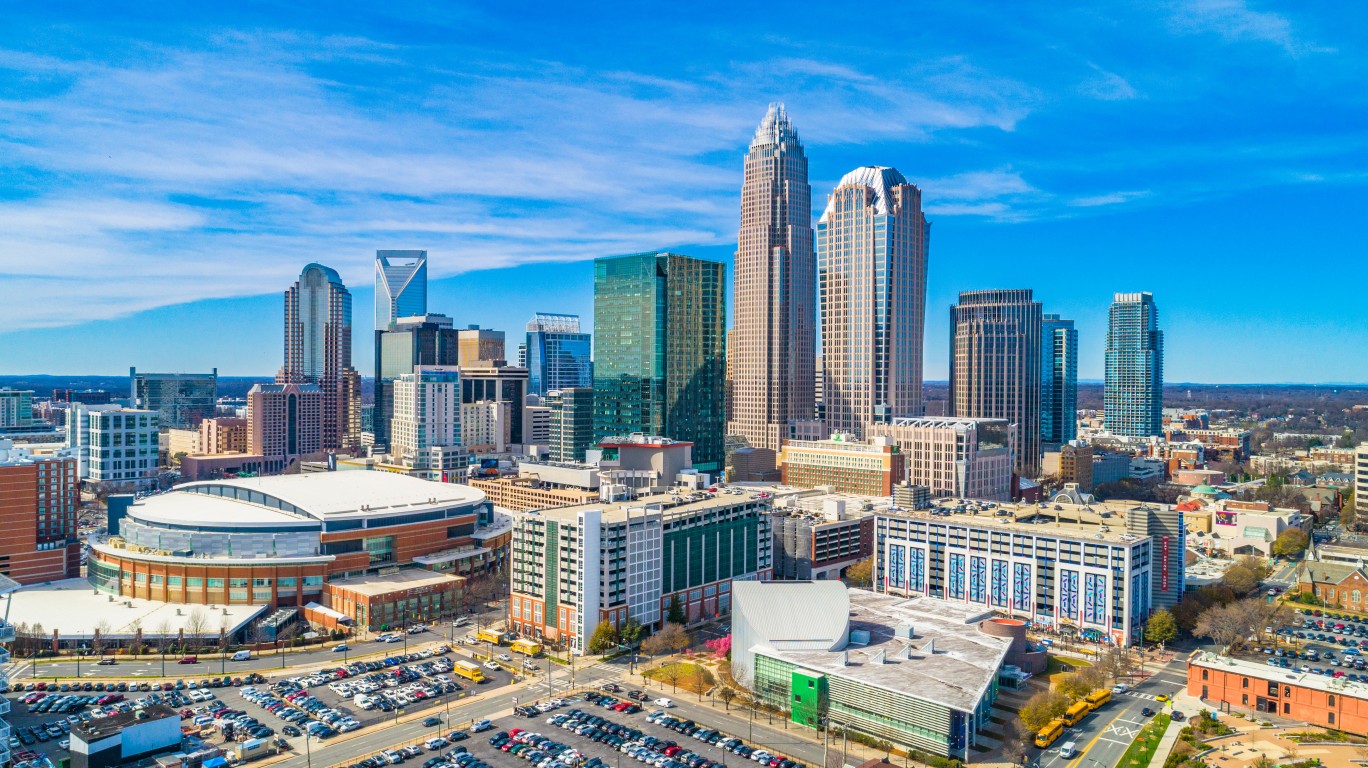
- Extreme heat and humidity: 59/100
- Air quality: 52/100
- Flooding and sea level rise: 54.7/100
- Natural disasters: 46.7/100
- Population: 2,701,046
24. St. Louis, MO

- Extreme heat and humidity: 33/100
- Air quality: N/A
- Flooding and sea level rise: 57.3/100
- Natural disasters: 77.3/100
- Population: 2,806,615
25. Atlanta, GA
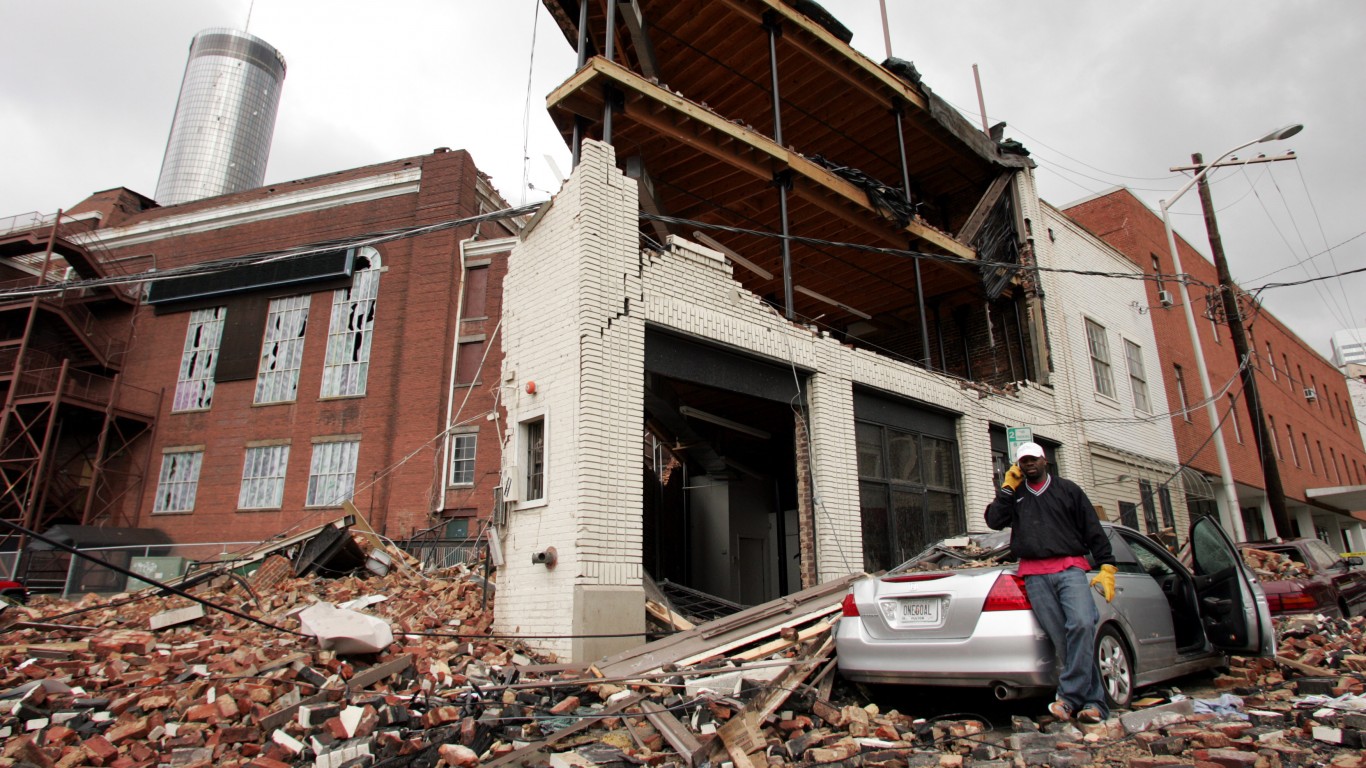
- Extreme heat and humidity: 58.8/100
- Air quality: 48/100
- Flooding and sea level rise: 53.3/100
- Natural disasters: 44/100
- Population: 6,144,970
26. Dallas, TX
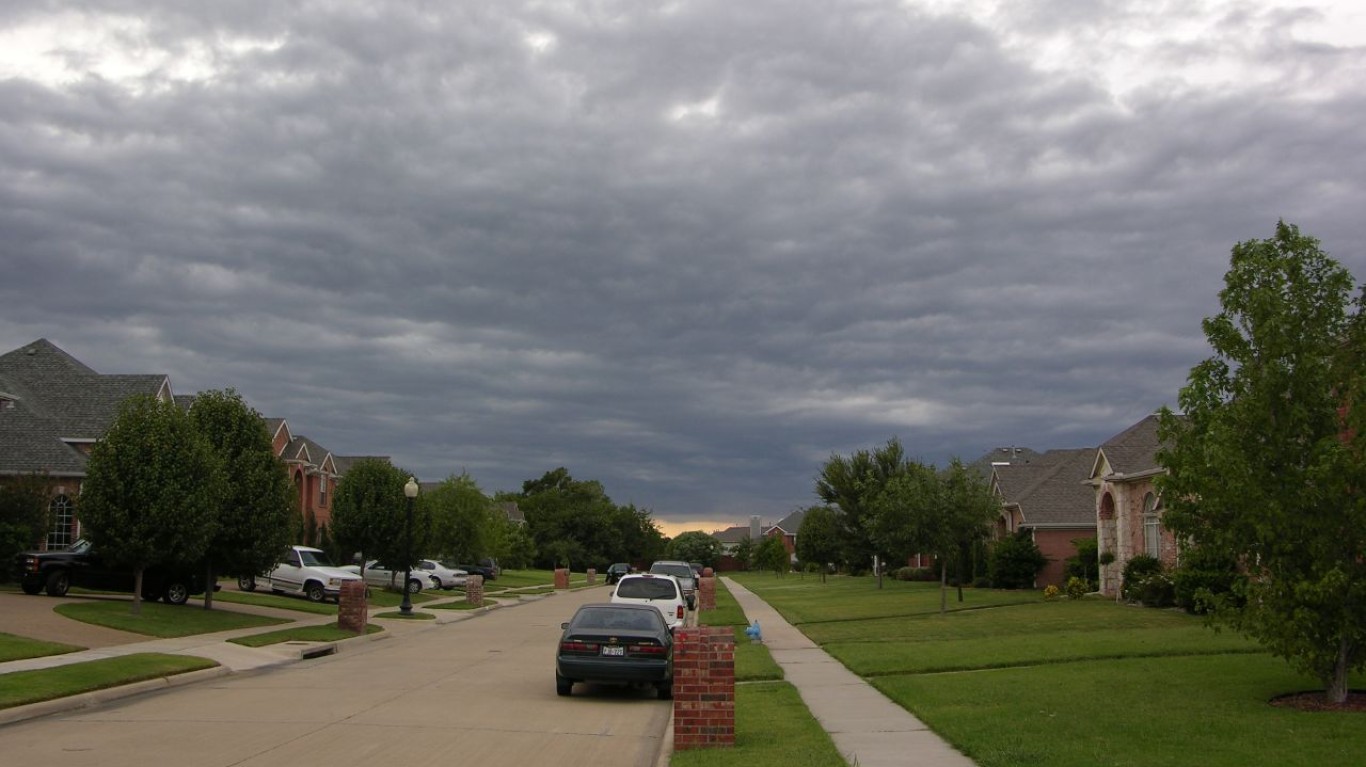
- Extreme heat and humidity: 50.8/100
- Air quality: 72/100
- Flooding and sea level rise: 96/100
- Natural disasters: 34.7/100
- Population: 7,759,615
27. Sacramento, CA

- Extreme heat and humidity: 28/100
- Air quality: 66/100
- Flooding and sea level rise: 57.5/100
- Natural disasters: 62.7/100
- Population: 2,411,428
28. Cincinnati, OH

- Extreme heat and humidity: 51.3/100
- Air quality: 30/100
- Flooding and sea level rise: 38.3/100
- Natural disasters: 68.7/100
- Population: 2,261,665
29. Virginia Beach, VA
- Extreme heat and humidity: 50.5/100
- Air quality: 96/100
- Flooding and sea level rise: 10/100
- Natural disasters: 39.3/100
- Population: 1,806,423
30. Indianapolis, IN
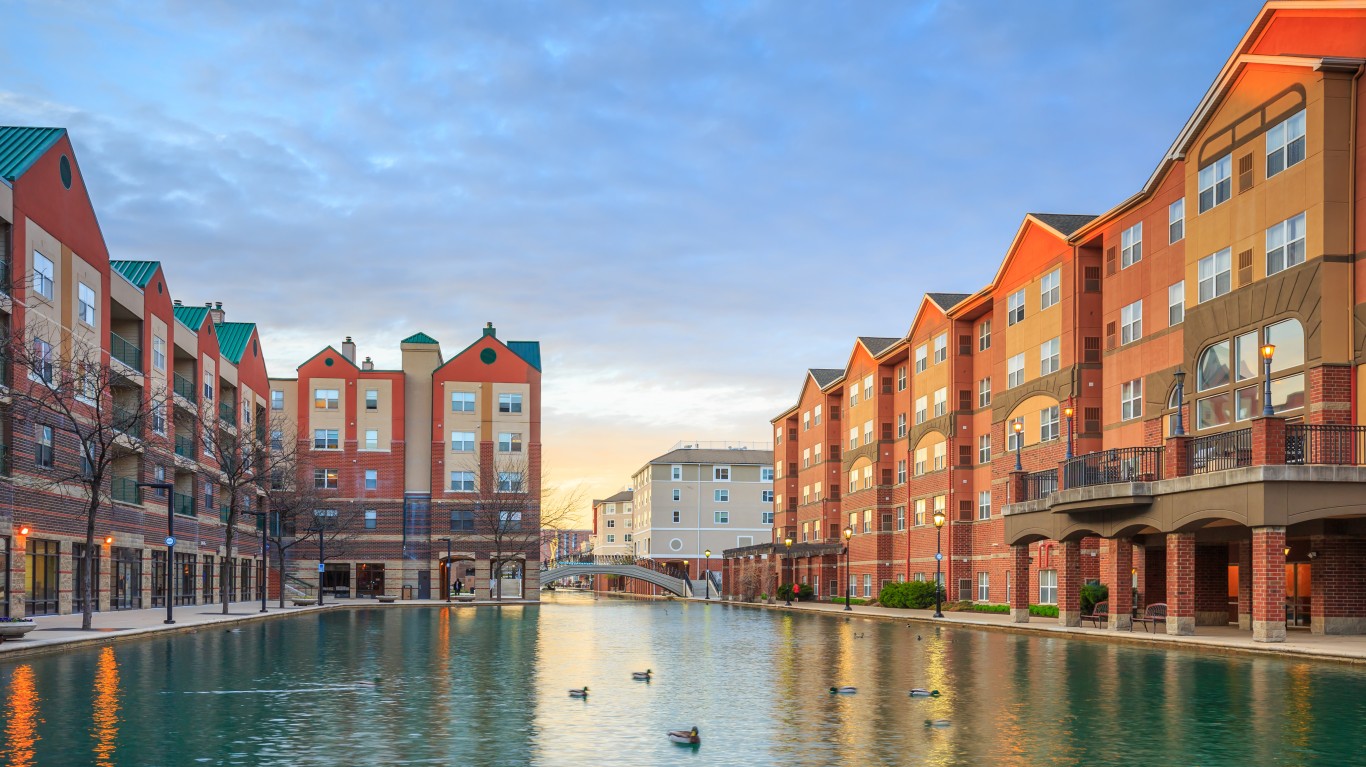
- Extreme heat and humidity: 62/100
- Air quality: 17/100
- Flooding and sea level rise: 70.3/100
- Natural disasters: 62.7/100
- Population: 2,129,479
31. Phoenix, AZ
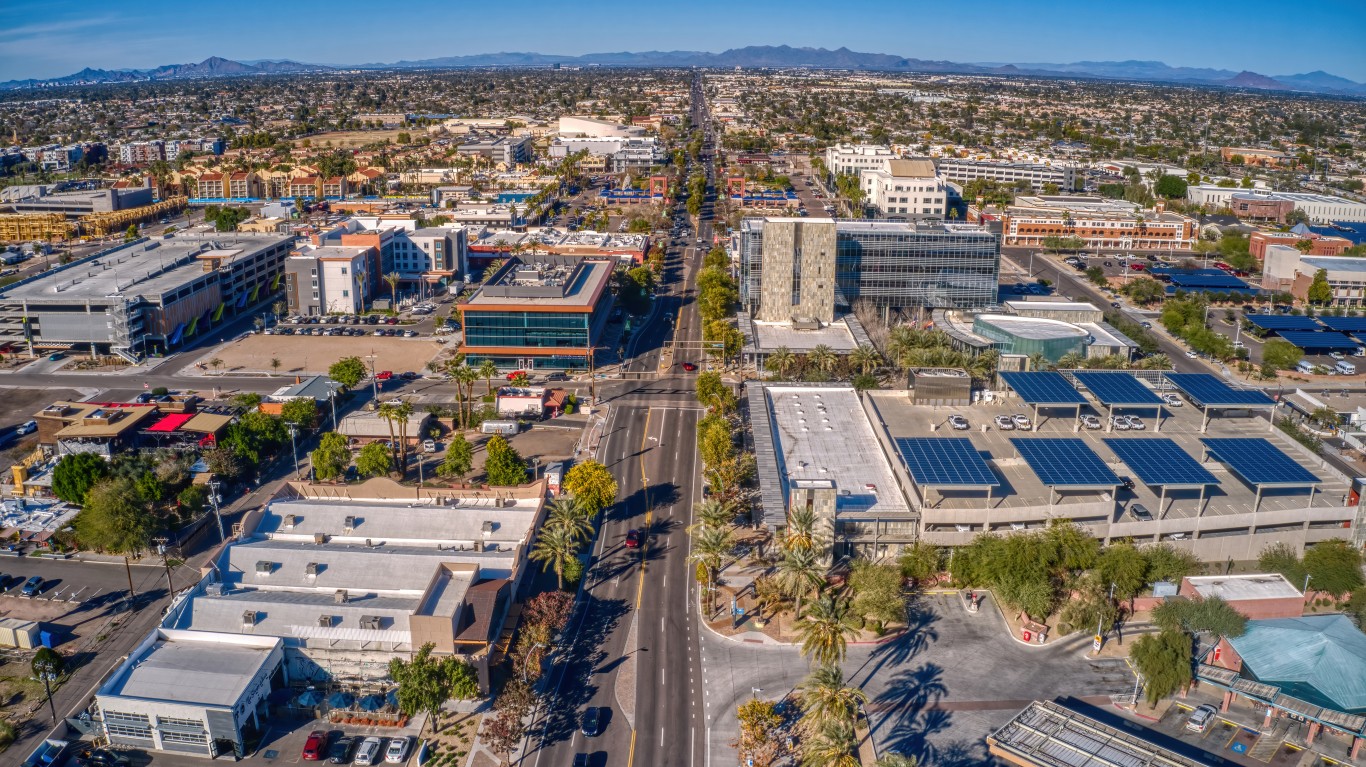
- Extreme heat and humidity: 52.5/100
- Air quality: 4/100
- Flooding and sea level rise: 94/100
- Natural disasters: 31.3/100
- Population: 4,946,145
32. Salt Lake City, UT
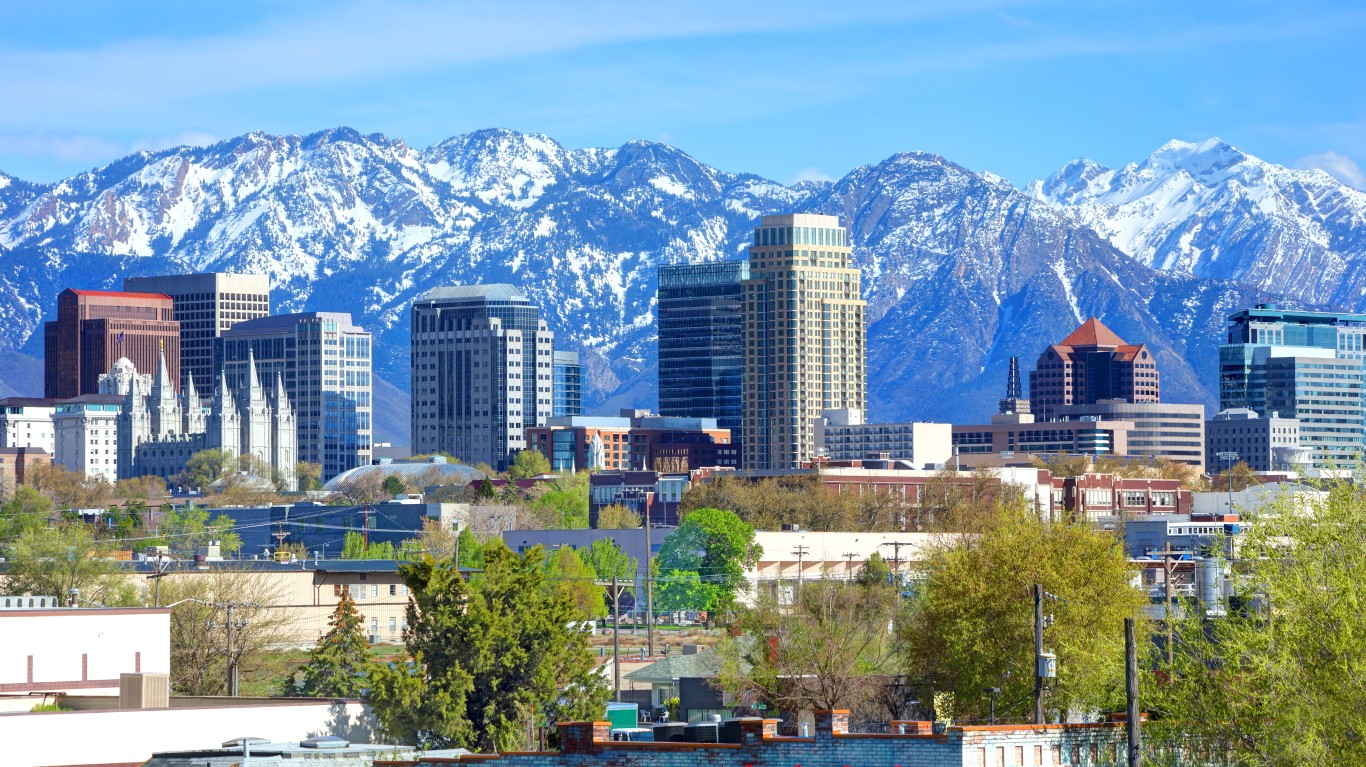
- Extreme heat and humidity: 32/100
- Air quality: 22/100
- Flooding and sea level rise: 41/100
- Natural disasters: 62.7/100
- Population: 1,263,061
33. Oklahoma City, OK
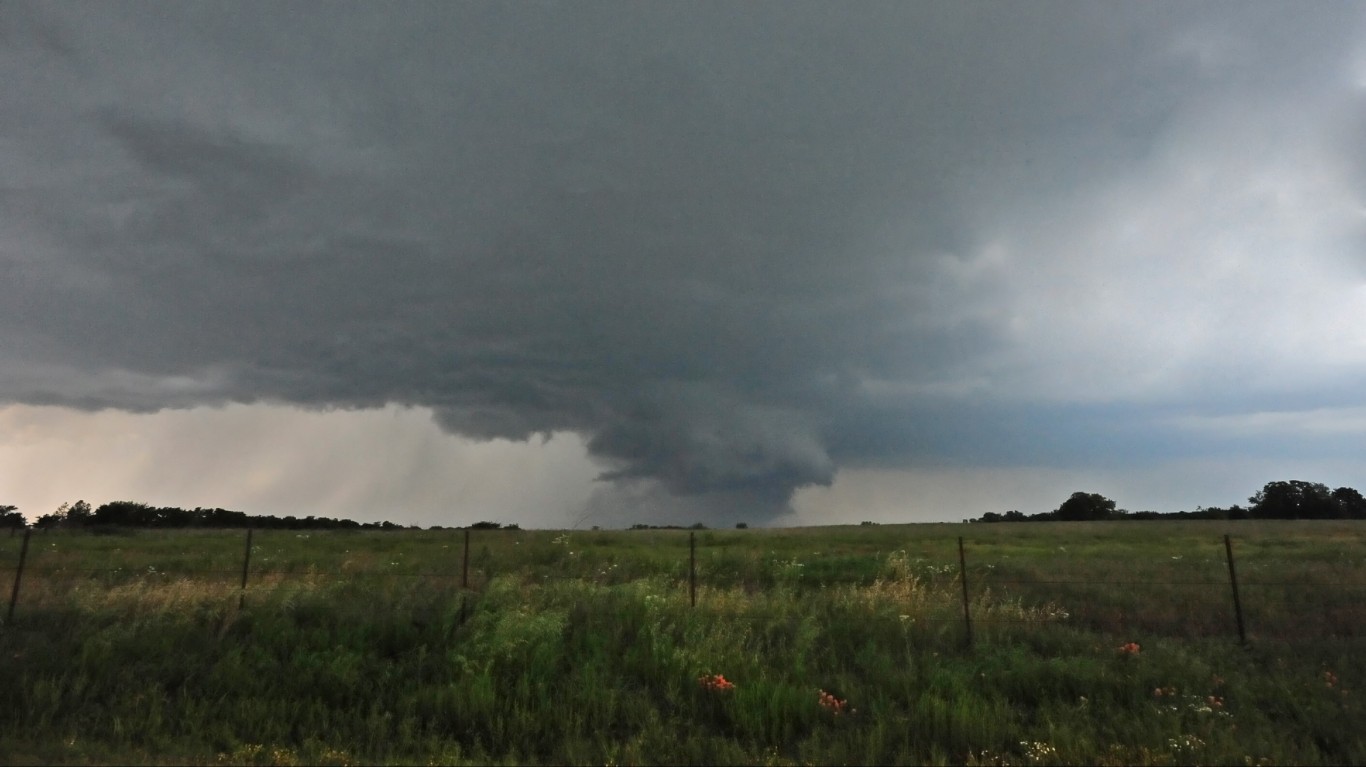
- Extreme heat and humidity: 51.8/100
- Air quality: 28/100
- Flooding and sea level rise: 81.3/100
- Natural disasters: 29.3/100
- Population: 1,441,647
34. Louisville, KY
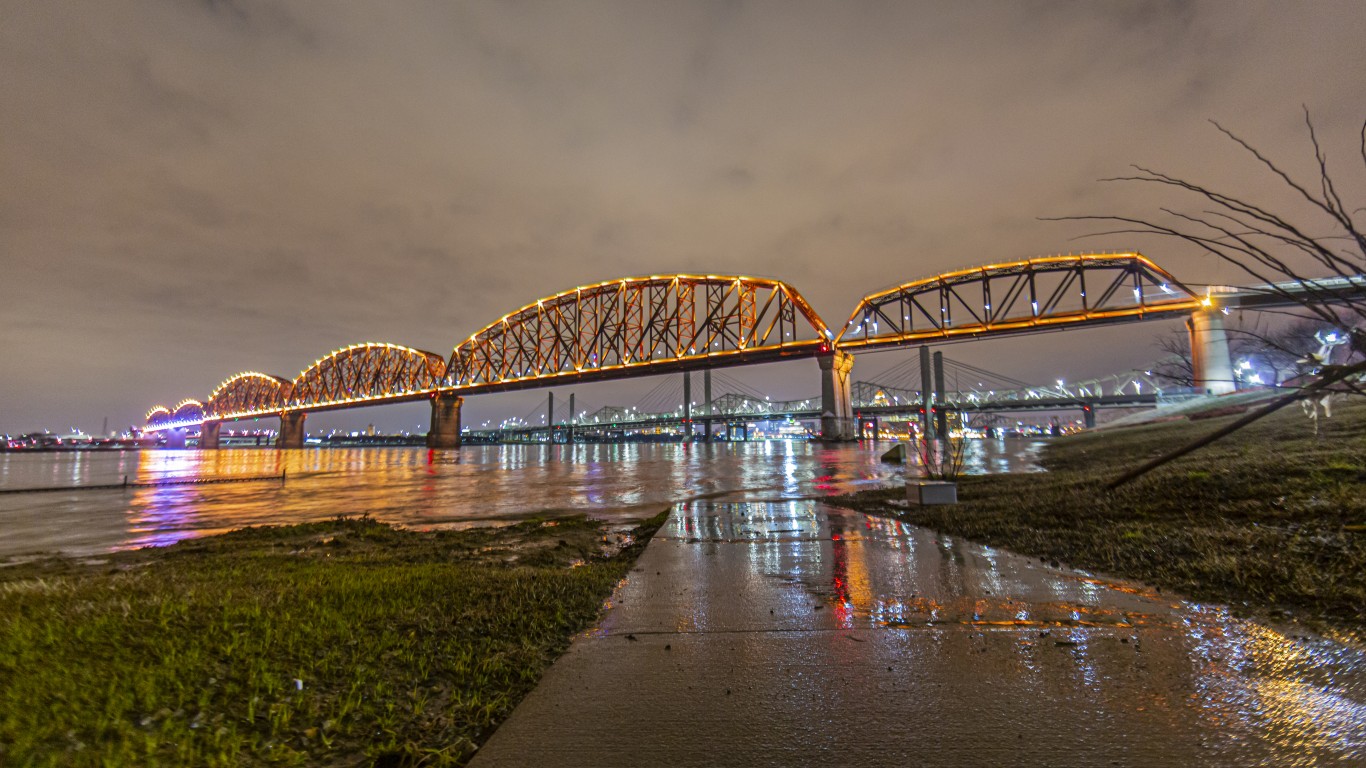
- Extreme heat and humidity: 31/100
- Air quality: 36/100
- Flooding and sea level rise: 39.7/100
- Natural disasters: 66.7/100
- Population: 1,284,826
35. San Antonio, TX
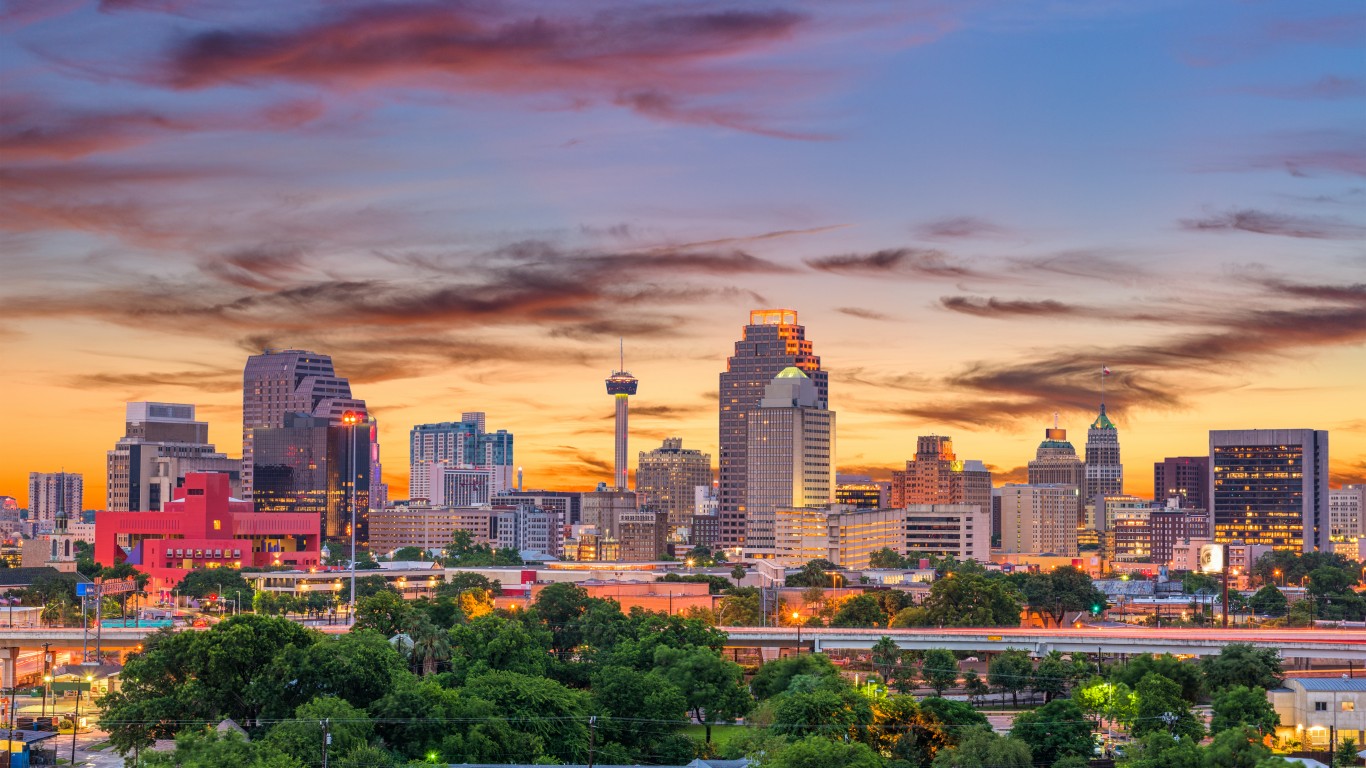
- Extreme heat and humidity: 51.8/100
- Air quality: 32/100
- Flooding and sea level rise: 84.3/100
- Natural disasters: 34.7/100
- Population: 2,601,788
36. Nashville, TN
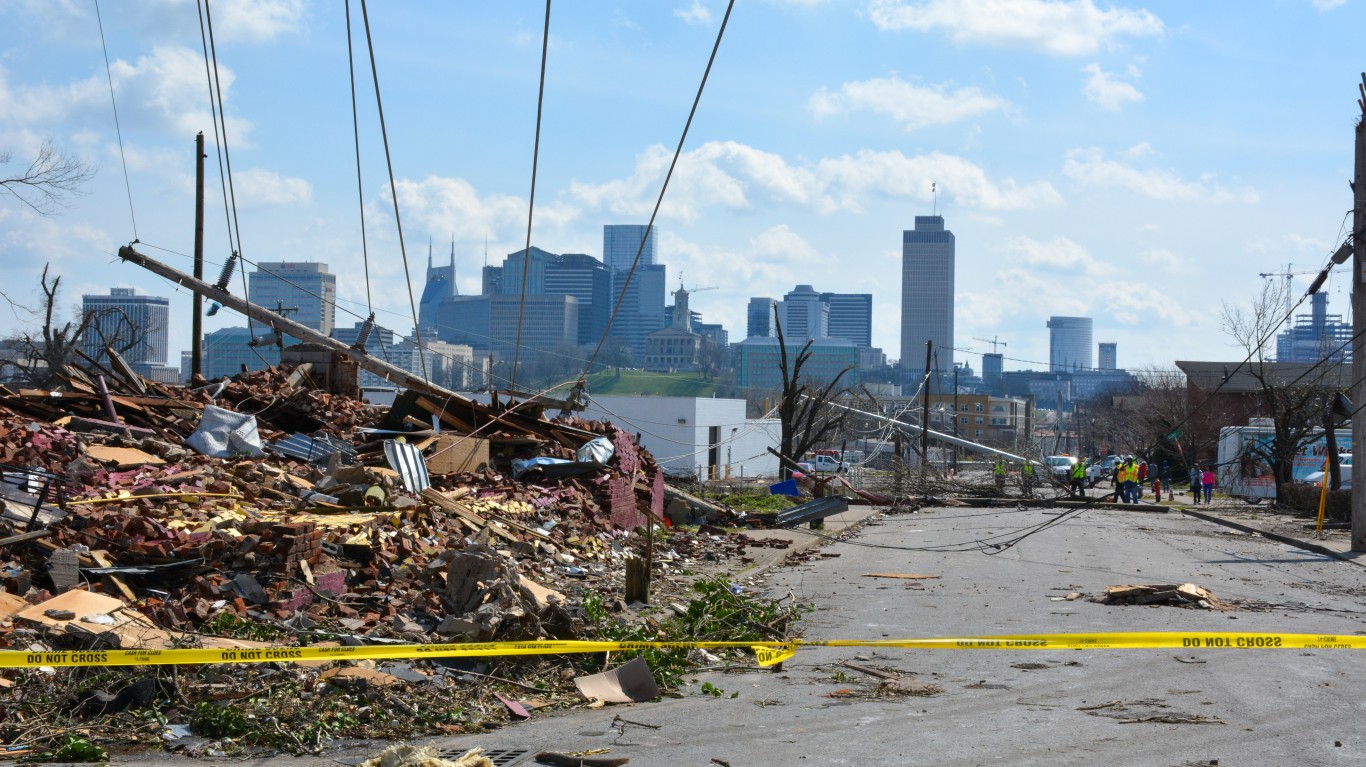
- Extreme heat and humidity: 34.3/100
- Air quality: 52/100
- Flooding and sea level rise: 42/100
- Natural disasters: 48.7/100
- Population: 2,013,506
37. Chicago, IL
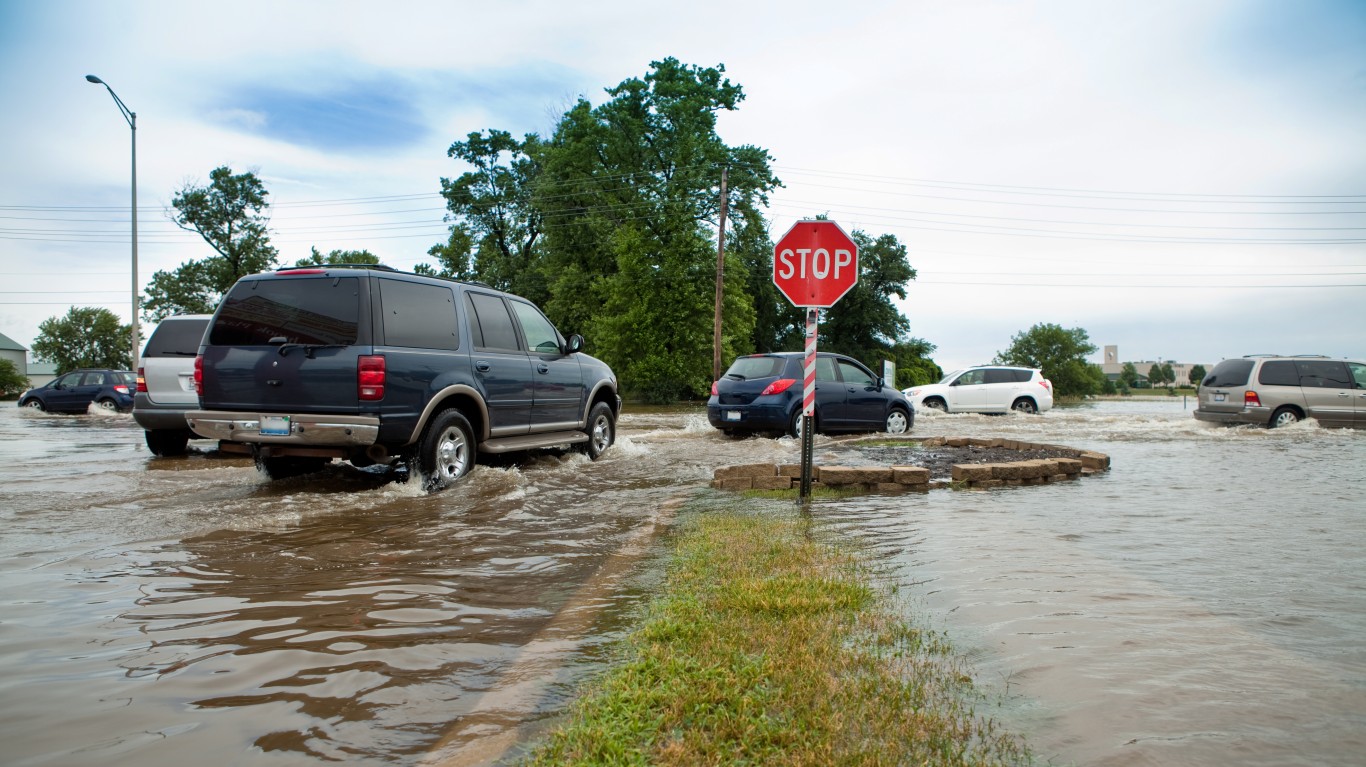
- Extreme heat and humidity: 48.8/100
- Air quality: 13/100
- Flooding and sea level rise: 27.3/100
- Natural disasters: 55.3/100
- Population: 9,510,390
38. New York, NY
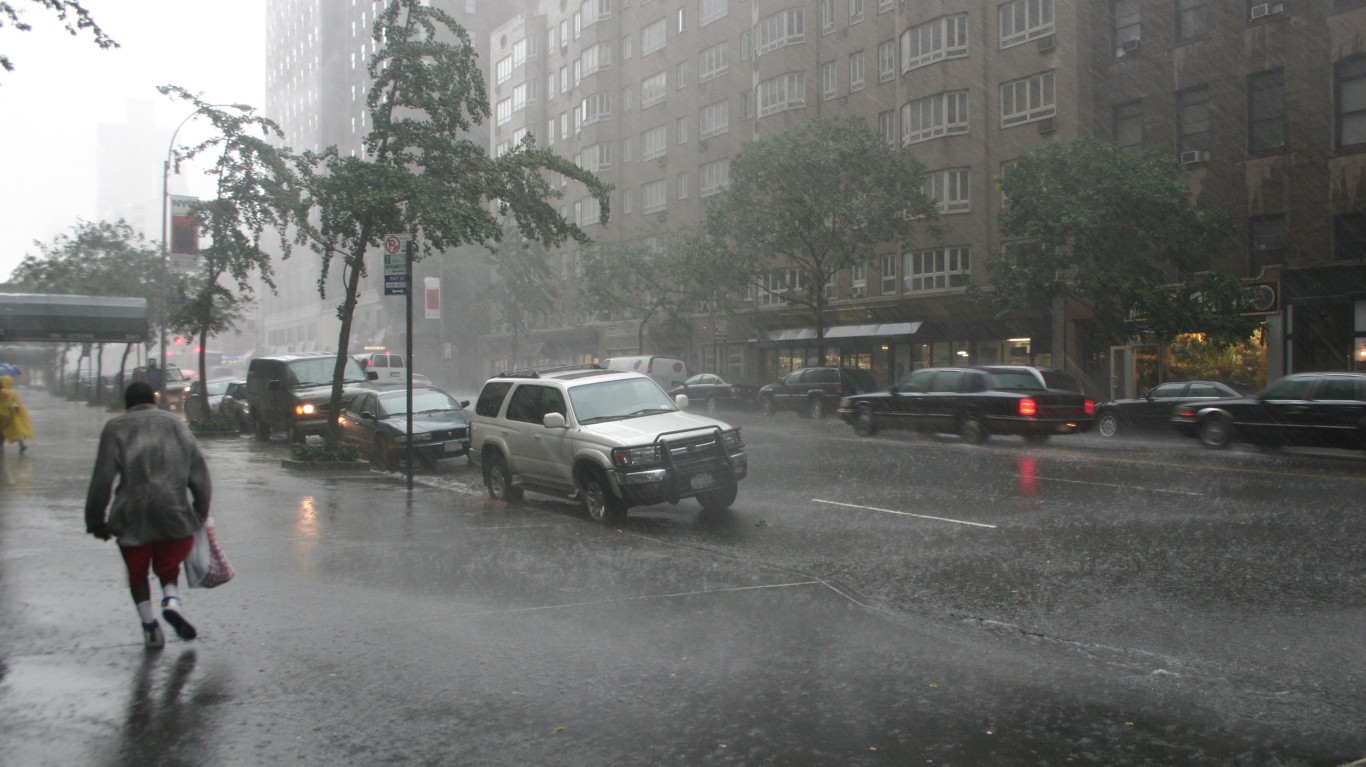
- Extreme heat and humidity: 63.3/100
- Air quality: 88/100
- Flooding and sea level rise: 22.5/100
- Natural disasters: 65.3/100
- Population: 19,768,458
39. Philadelphia, PA
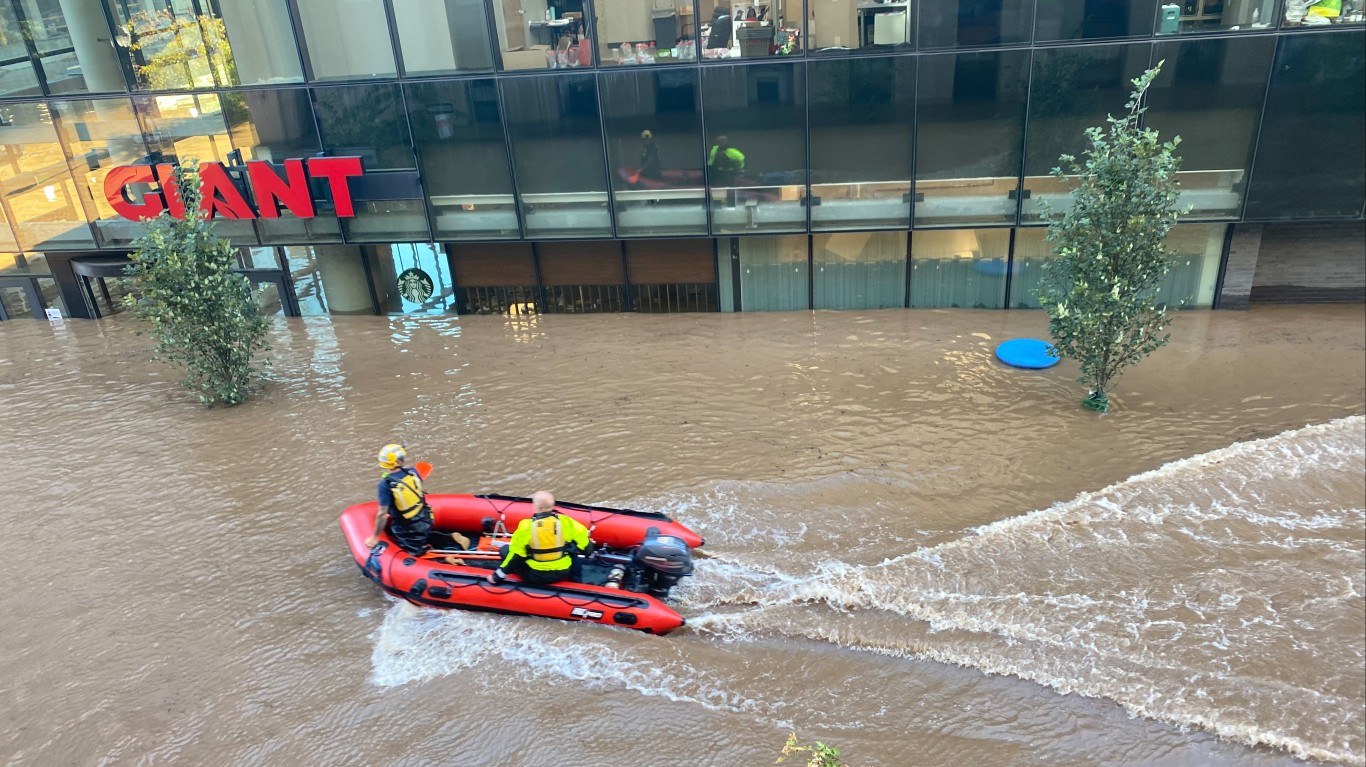
- Extreme heat and humidity: 51.7/100
- Air quality: 39/100
- Flooding and sea level rise: 39.8/100
- Natural disasters: 55.3/100
- Population: 6,228,601
40. Riverside, CA
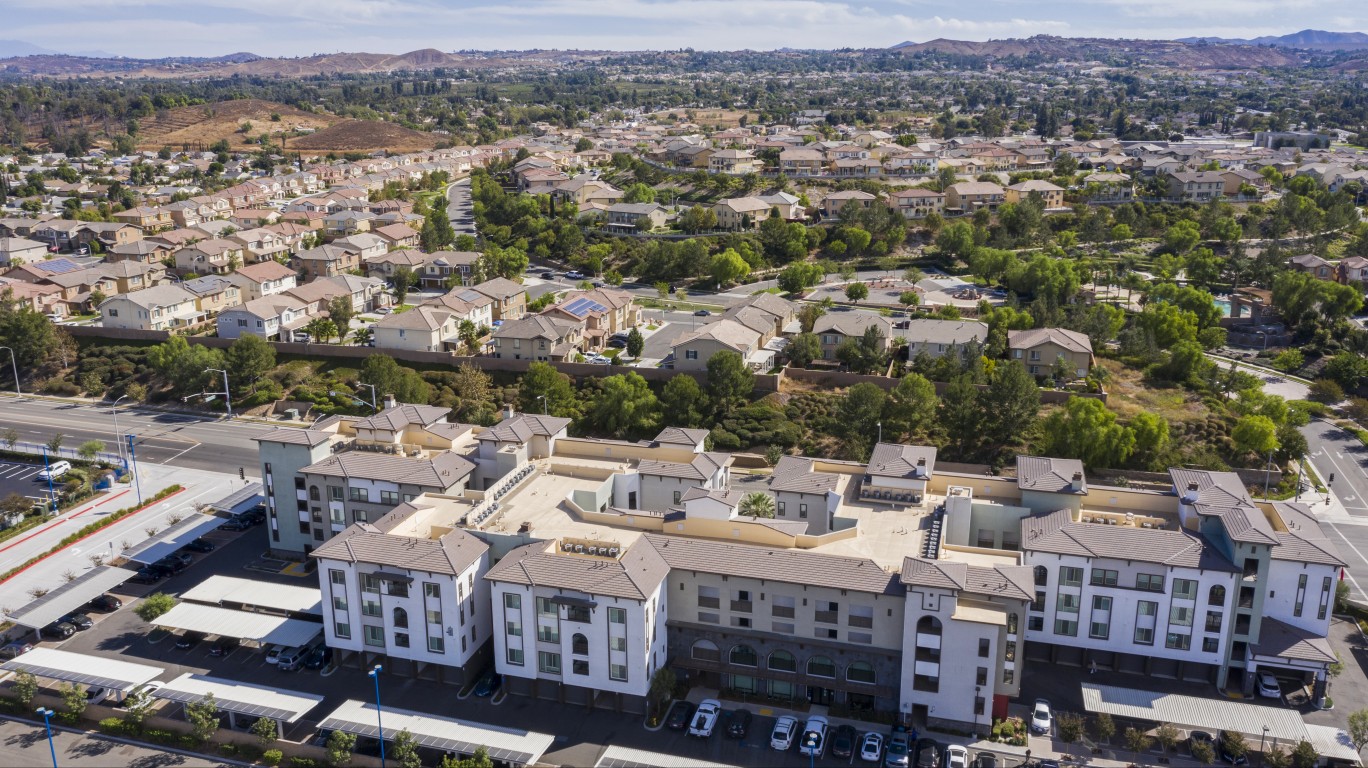
- Extreme heat and humidity: 53.2/100
- Air quality: 6/100
- Flooding and sea level rise: 48.7/100
- Natural disasters: 29.3/100
- Population: 4,653,105
41. Memphis, TN
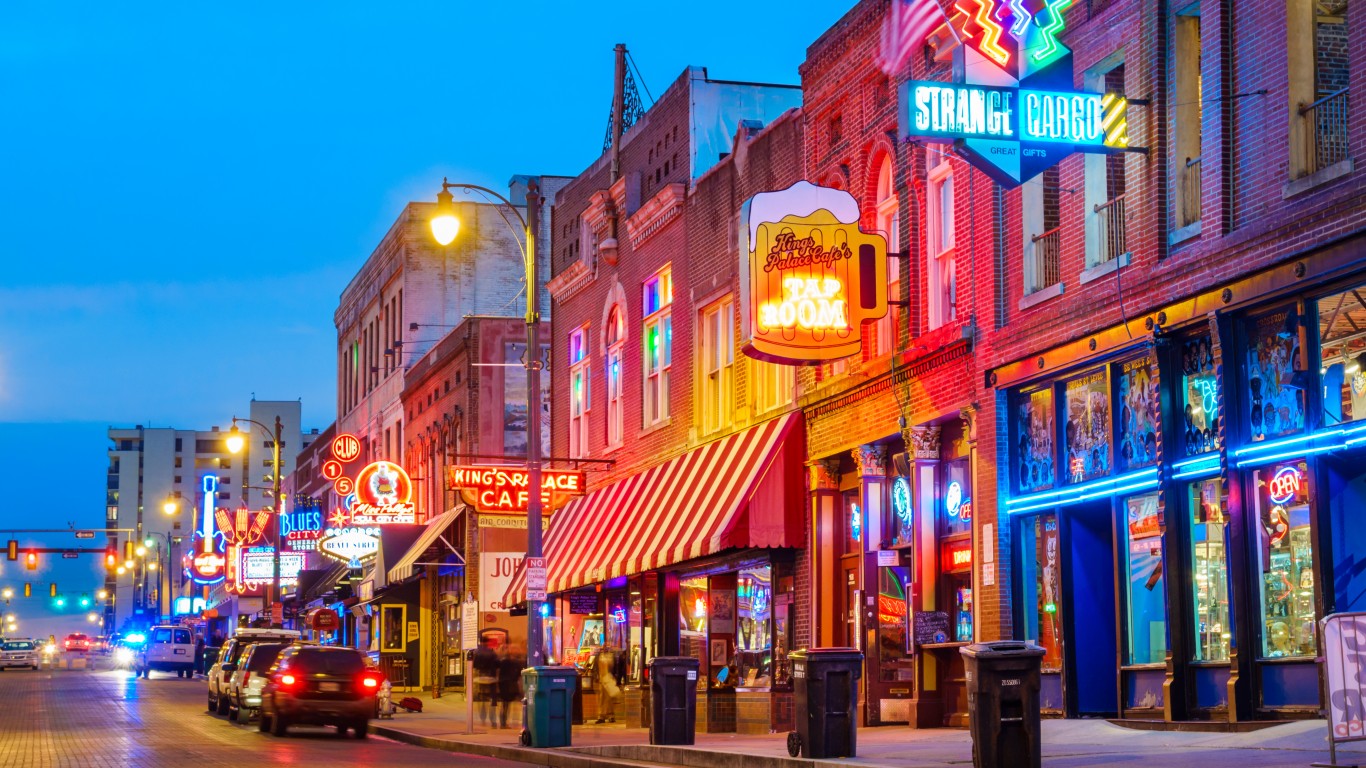
- Extreme heat and humidity: 22/100
- Air quality: 62/100
- Flooding and sea level rise: 46.3/100
- Natural disasters: 36.7/100
- Population: 1,336,438
42. Las Vegas, NV
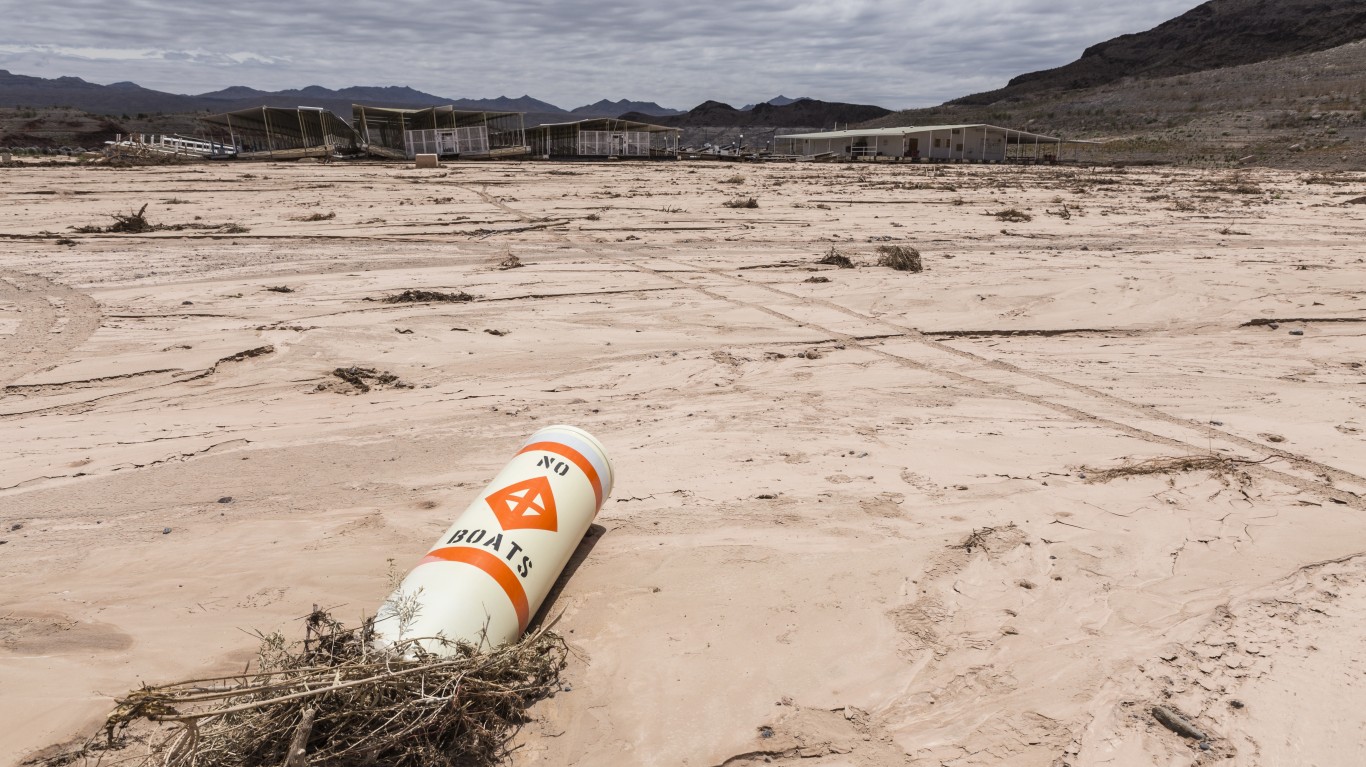
- Extreme heat and humidity: 19.3/100
- Air quality: 8/100
- Flooding and sea level rise: 89/100
- Natural disasters: 58/100
- Population: 2,292,476
43. New Orleans, LA
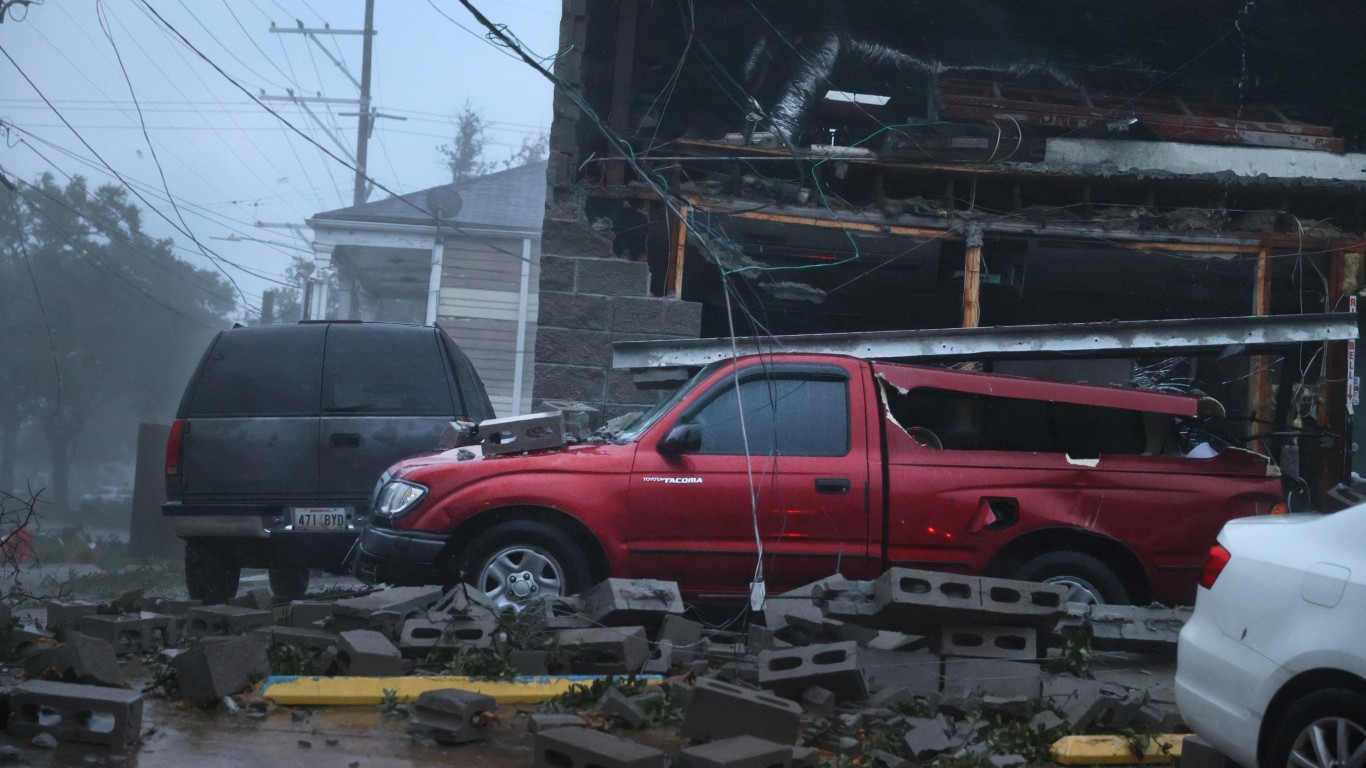
- Extreme heat and humidity: 24/100
- Air quality: 98/100
- Flooding and sea level rise: 8/100
- Natural disasters: 31.3/100
- Population: 1,261,726
44. Tucson, AZ

- Extreme heat and humidity: 8/100
- Air quality: 10/100
- Flooding and sea level rise: 94.7/100
- Natural disasters: 42/100
- Population: 1,052,030
45. Orlando, FL

- Extreme heat and humidity: 20/100
- Air quality: 85/100
- Flooding and sea level rise: 51/100
- Natural disasters: 12/100
- Population: 2,691,925
46. Los Angeles, CA

- Extreme heat and humidity: 54/100
- Air quality: 2/100
- Flooding and sea level rise: 40/100
- Natural disasters: 38/100
- Population: 12,997,353
47. Jacksonville, FL
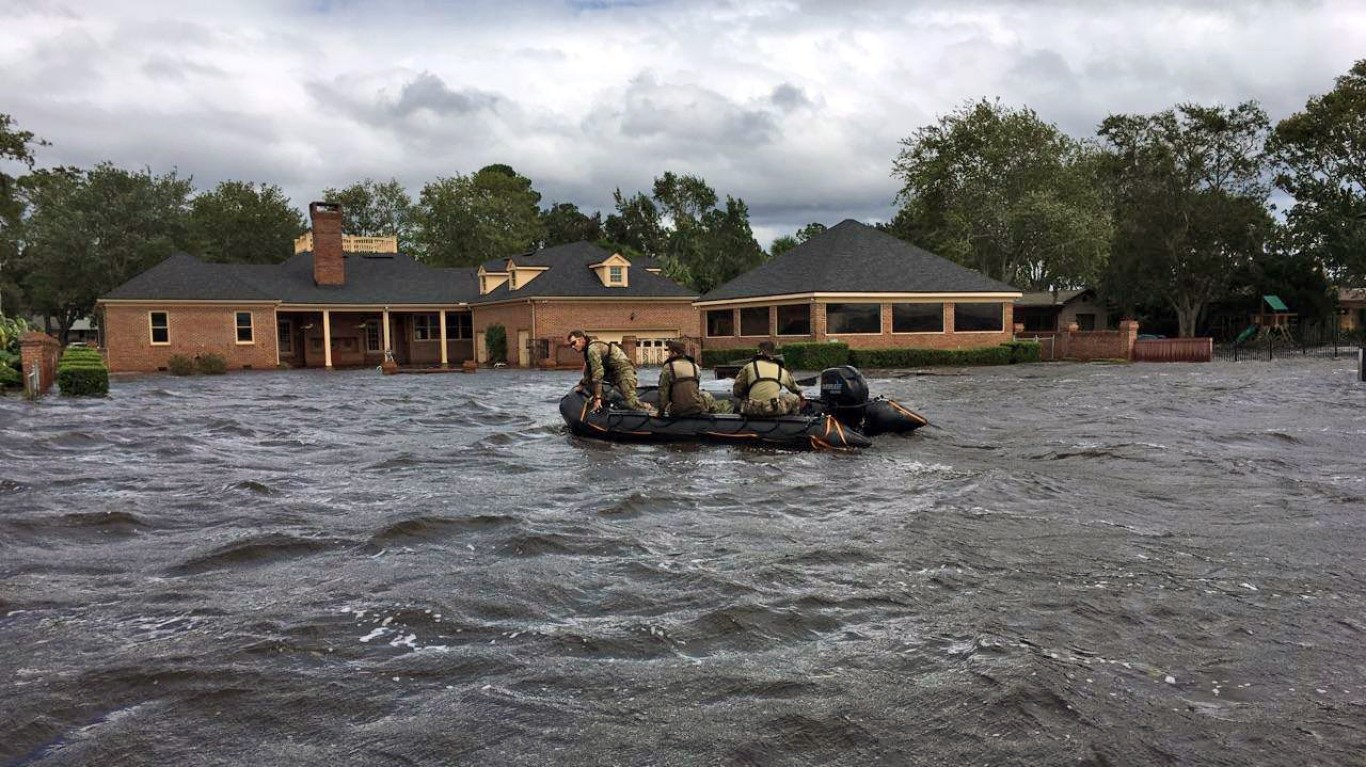
- Extreme heat and humidity: 20/100
- Air quality: 64/100
- Flooding and sea level rise: 10.5/100
- Natural disasters: 20.7/100
- Population: 1,637,666
48. Tampa, FL
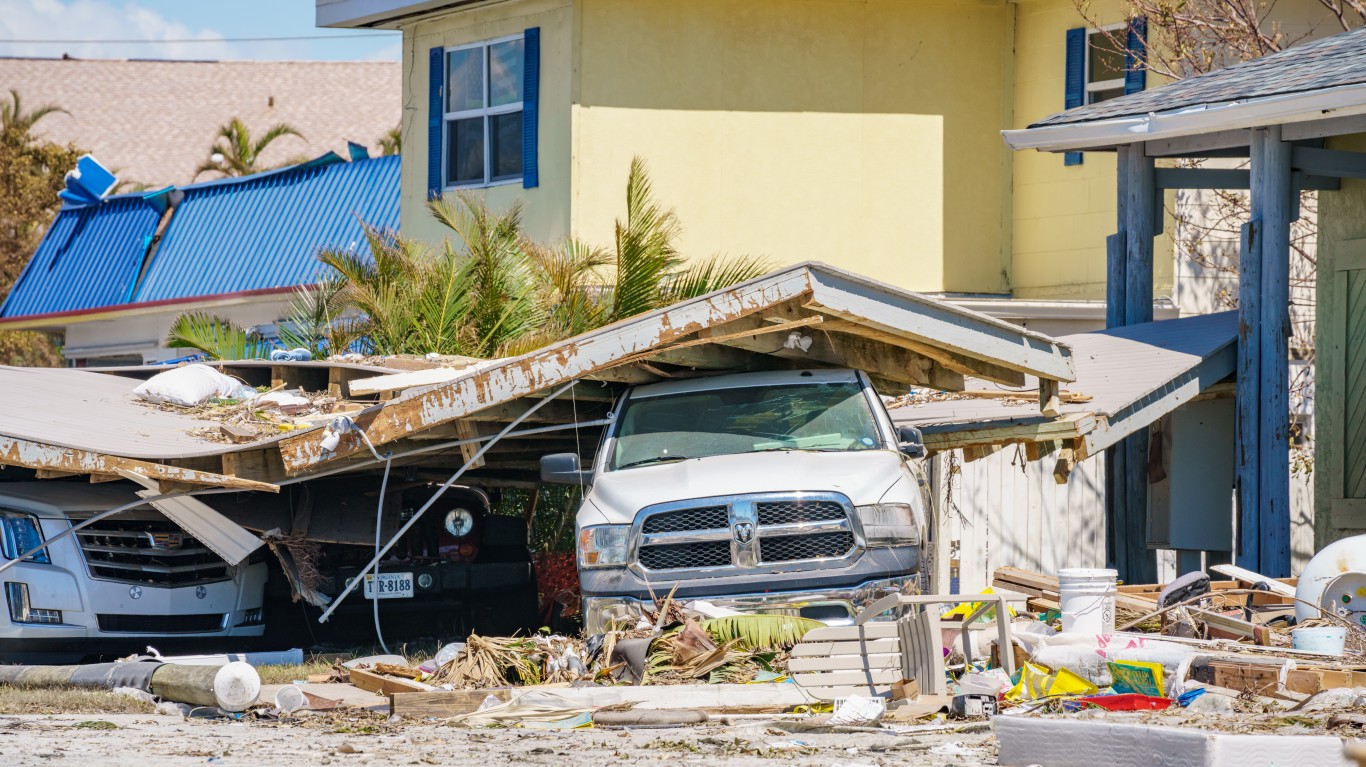
- Extreme heat and humidity: 27.3/100
- Air quality: 58/100
- Flooding and sea level rise: 11/100
- Natural disasters: 10.7/100
- Population: 3,219,514
49. Miami, FL
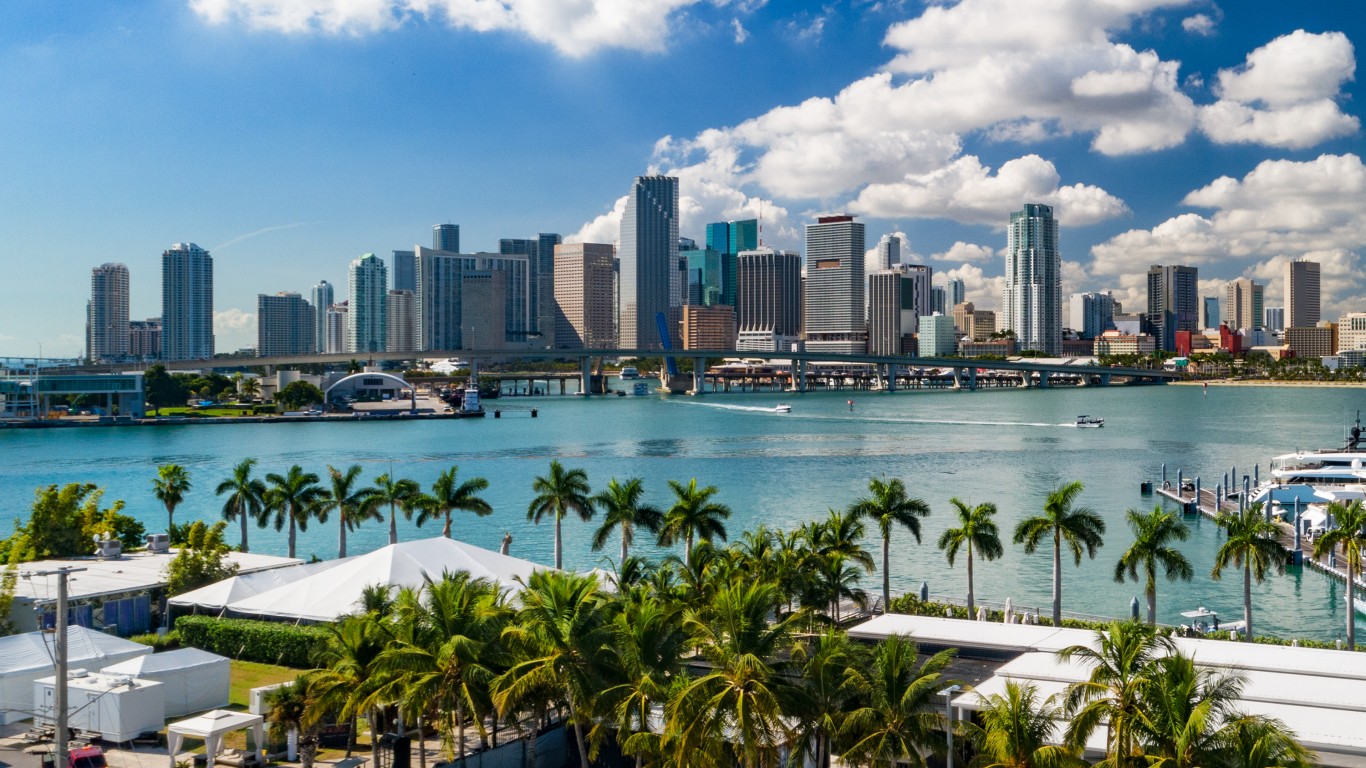
- Extreme heat and humidity: 37.3/100
- Air quality: 81/100
- Flooding and sea level rise: 5.5/100
- Natural disasters: 3.3/100
- Population: 6,091,747
50. Houston, TX
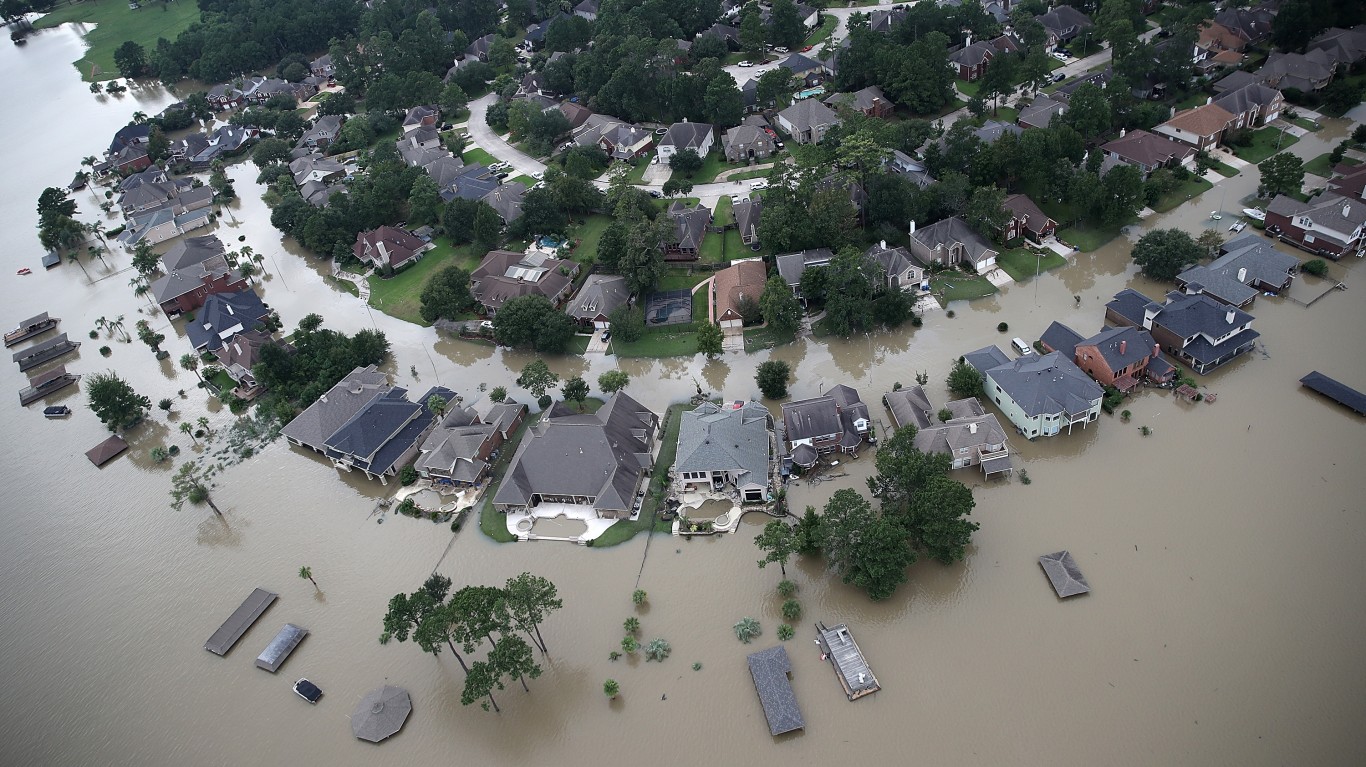
- Extreme heat and humidity: 14.7/100
- Air quality: 22/100
- Flooding and sea level rise: 20/100
- Natural disasters: 21.3/100
- Population: 7,206,841
Methodology
24/7 Wall St. reviewed online insurance marketplace Policygenius ranking of America’s 50 largest cities by population to find the best and worst American cities to live in as climate change gets worse. To determine which of those U.S. metro areas are the best and worst to live in 2050, Policygenius analyzed data from several sources and scored cities across six key factors: Heat and humidity; flooding and sea level rise; climate-related disasters; air quality; social vulnerability; and community resilience.
Each city was then assigned a categorical score based on its average ranking across the different indicators for each category with higher scores meaning a better outlook and a lower score a worse outlook. The full methodology can be found here. We added the metro area population from the Census Bureau’s American Community Survey 2021 one-year estimates.







 Top Gaining Stocks
 Top Losing Stocks