


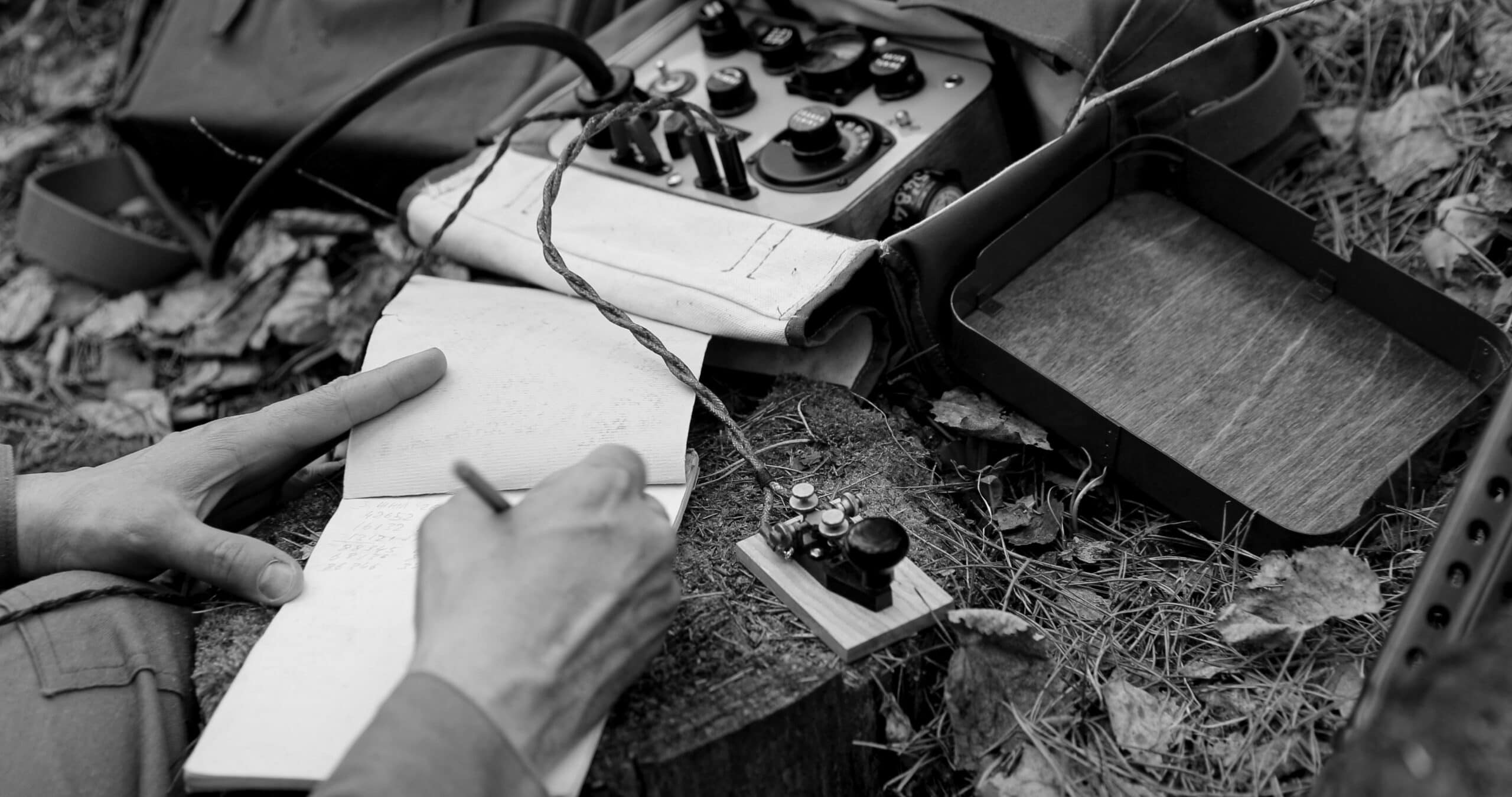
The art of deception has been a part of warfare for as long as men have learned to beat each other with rocks and sticks. But as the methods of waging war become more advanced, and the technology used to fight each other improves, the deception has also had to get better. Effective deception can not only save lives on both sides of the conflict, but it can also save resources and prevent unneeded destruction and devastation. Deception includes producing fake data and information, misdirection, distraction, code creation and code-breaking, and much more. Enter the Ghost Army
The peak of military deception during World War II was when the Ghost Army was organized. Officially named the 23rd Headquarters Special Troops, the Ghost Army had only one goal: trick and mislead Hitler and his leaders about the size, position, location, and direction of Allied forces so that the real forces had more time to maneuver elsewhere. By drawing valuable men and resources away from vulnerable locations, the Ghost Army created weak points in the Axis defense, and by drawing their attention away from Allied forces, they saved many lives and ensured that risky battle plans and field tactics were successful. Even if you’ve heard of the Ghost Army before, here are seven facts about them you might not know.
#7 The Ghost Army Only Existed for Just Over a Year
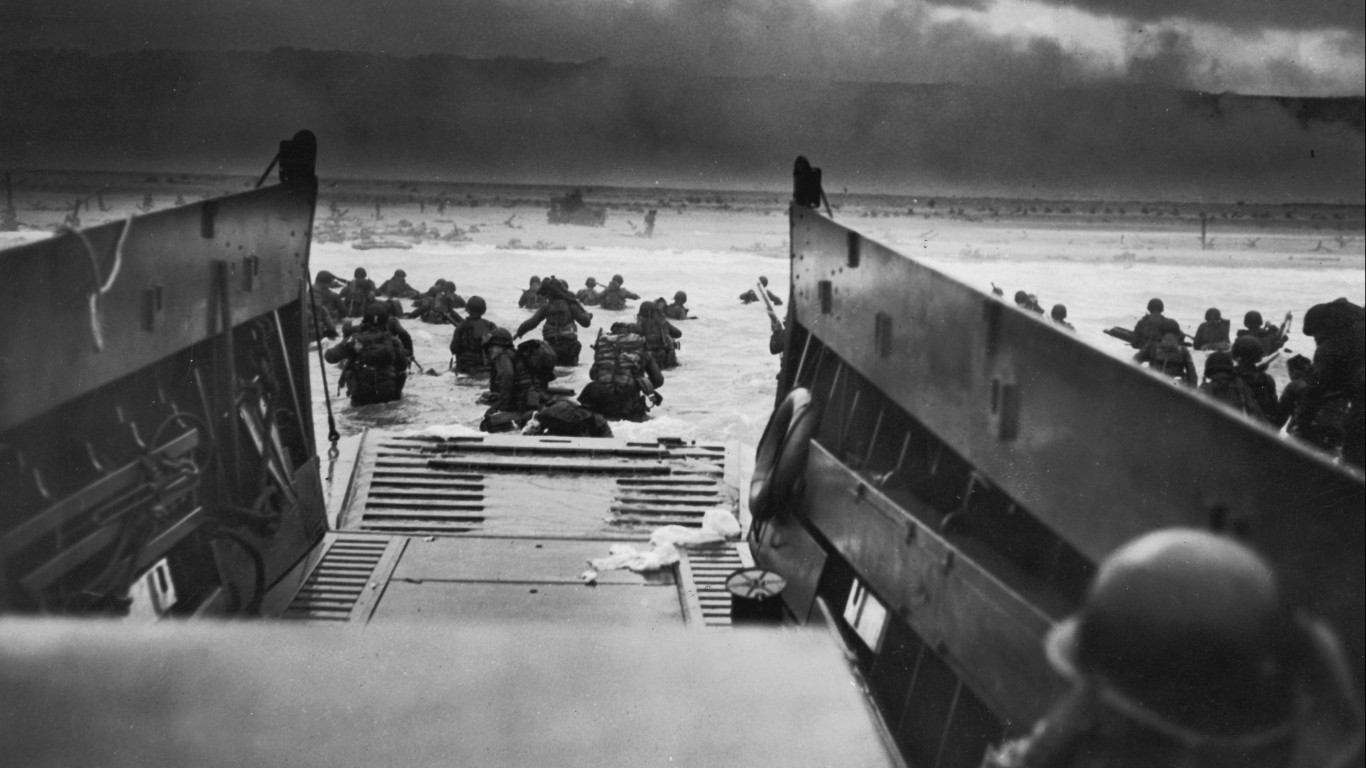
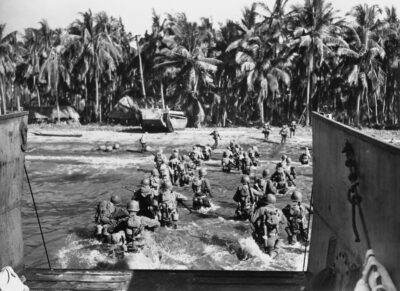
The beaches of Normandy, where the Ghost Army started work.
The Ghost Army was created on January 20, 1944, at Camp Pine, New York. The idea for the unit came from British troops who had used effective deception techniques while fighting in Africa. They departed for Europe soon after their organization in May of that year. They were disbanded shortly after the end of the war in July of 1945.
During this time, their unit grew to a size of 1,100 men who described their work as a “traveling road show” of deception and trickery. This number included the 406th Combat Engineers, the 603rd Camouflage Engineers, the Signal Company Special, and the 3132 Signal Service Company Special. After deploying in Europe, they moved with the Allied armies East.
#6 They Completed More Than 20 Deception Campaigns
The Ghost Army fought with and supported Allied forces all the way through Europe.
During their year of service, however, the Ghost Army was able to complete over 20 deception campaigns. Among their first was the creation of a decoy Mulberry harbor along the Normandy coast. They used lights at night to make it look like a real harbor and it would draw the fire of German artillery away from the valuable men and resources unloading at the real Mulberry harbors further down the beach.
Another example includes the battle at Brest where the Ghost Army made it look like the Allied forces were far larger than it actually was. This forced the German defenders of the city to move men and resources to places where there were no Allied forces attacking.
It also engaged in with several river crossings, which are particularly dangerous maneuvers for any armed forces. Therefore, the Ghost Army used their skills to make it look like the Allied forces were crossing at one point, drawing German attention away from the place where the Allied forces were actually crossing.
#5 Their Deception Tactics Included More Than Just Inflatable Tanks
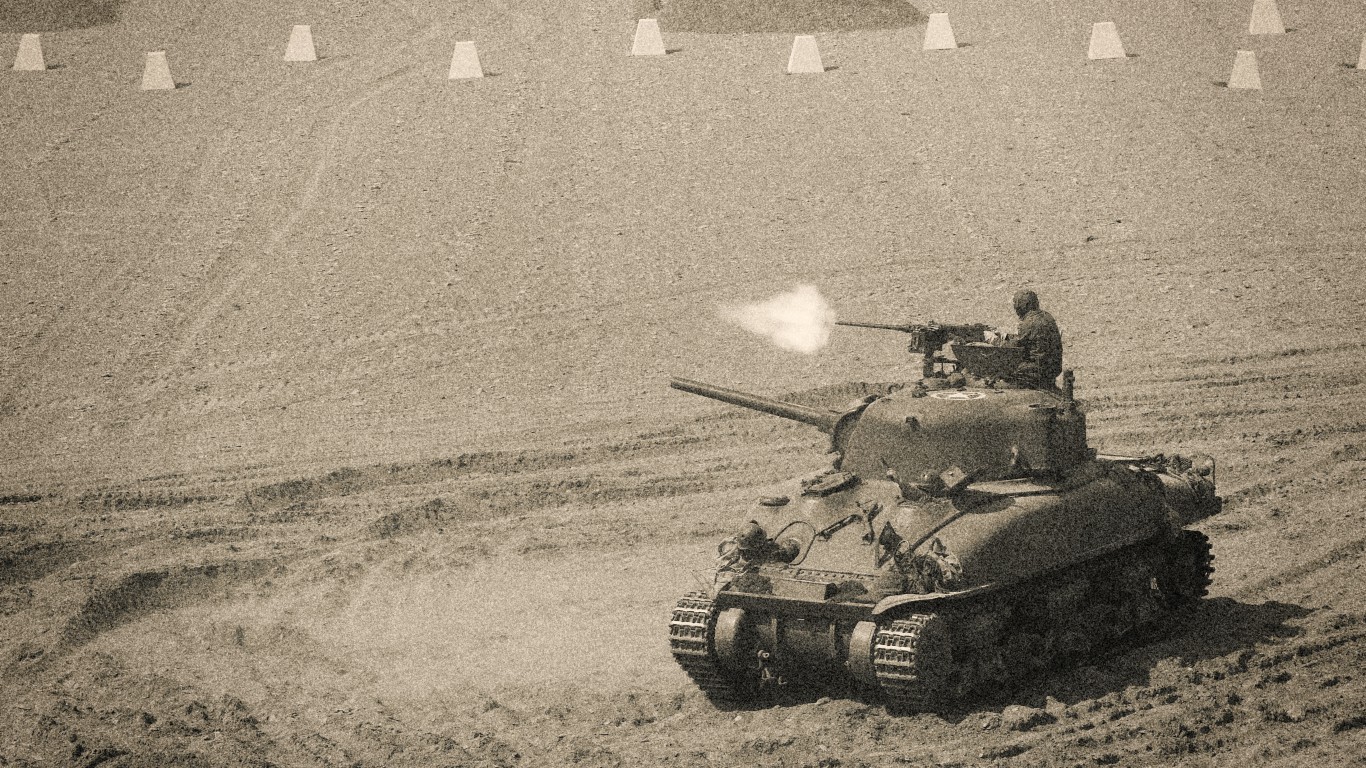
An inflatable tank was almost indistinguishable from a real one at a high altitude.
One of the most famous uses of deception is the phantom army created in England to distract Germany from the Normandy landings. Among the equipment and tactics used to pull off this fabulous ruse are the famous inflatable tanks. The Ghost Army also used inflatable vehicles, but they were far from the most effective tools they had at their disposal.
Physical assets they used included inflatable tanks, sound trucks, fake aircraft, wooden artillery, giant speakers, and actors. They would camouflage their inflatable vehicles so that German airplanes would be able to see them. They built fake airfields, troop garrisons (along with fake laundry and other minor details), vehicle depots, artillery batteries, and entire troop and vehicle formations. They could build any one of these in just a few hours which added to the panic and deception inflicted on the enemy.
But true deception needs to be more than just visual. The 3132 Signal Service Company Special of the Ghost Army was in charge of all audio deception. This company recorded real sounds of tanks, trucks, and infantry on U.S. bases and mixed them with local sounds in Europe to create a realistic and believable soundscape for any fake base or deception the Ghost Army had built. These soundscapes were blasted from giant speakers on top of trucks and half-tracks and could be heard from over 15 miles away.
They also used fake radio operations. The Ghost Army created entire fake scenarios with troop movements and army details so anybody listening in would believe it was real. They even impersonated radio operators from other units, and when a radio operator left with a real unit, the Ghost Army would impersonate their style of sending messages so the enemy would believe it was the same person, even after the real unit and operator were far away by that point.
Finally, they engaged in a tactic known as “atmosphere”. This was the ability to turn everything else from just a show to a real, living, breathing production. They would use the real insignia of other units, they would drive trucks with troops in the back in large loops to make it look like large amounts of troops were leaving or arriving, and they would even have some soldiers act as MPs for the base or dress up as generals and staff.
#4 Their Work Was Kept Secret for 50 years
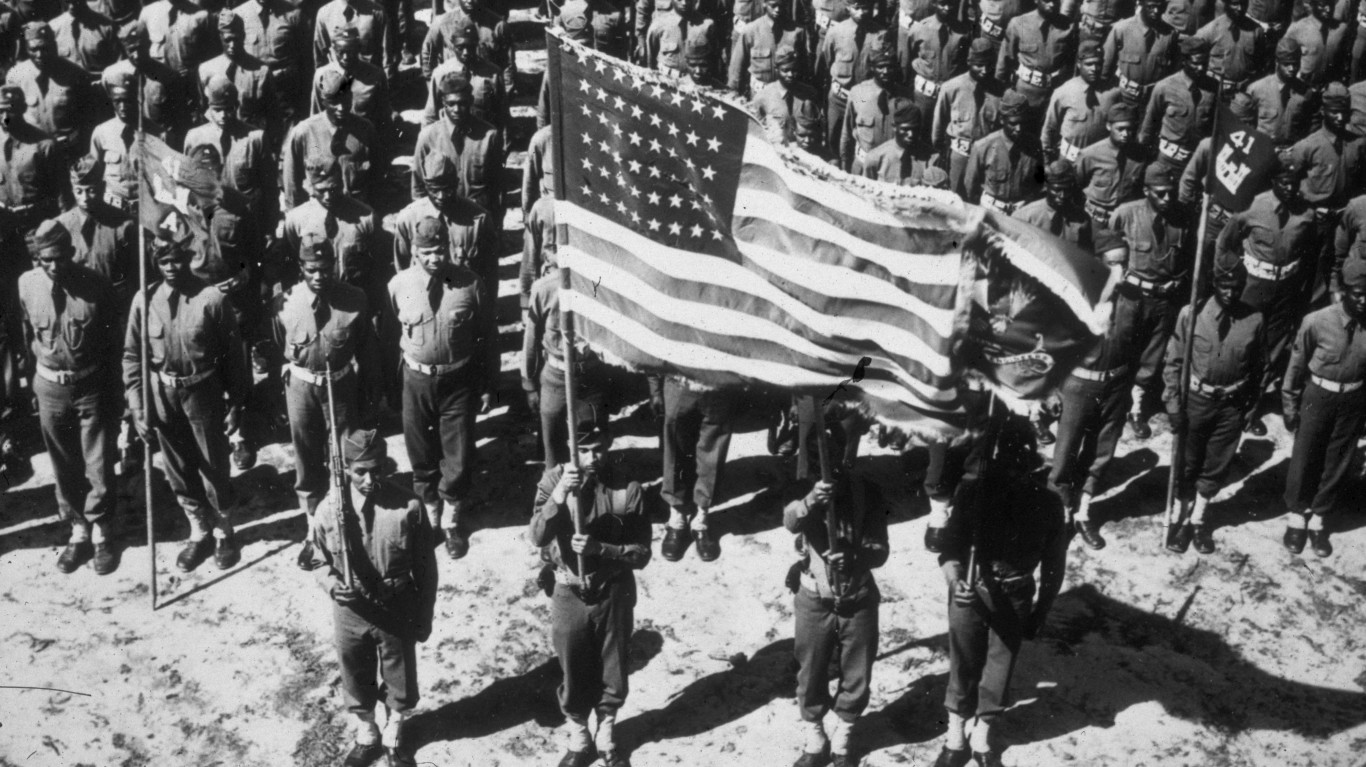
A group view of the soldiers of the 41st Corps of Engineers, an African-American army battalion
The work and techniques of the Ghost Army were classified for more than fifty years after World War II ended. It was finally declassified in 1996. Along with this declassification came a lot of information about them, the soldiers who served with it, and analysis by historians and investigators. Declassified Army documents said, “Rarely, if ever, has there been a group of such a few men which had so great an influence on the outcome of a major military campaign.”
About the Ghost Army, Producer Rick Beyer said: “They’re worthy of hearing about … What they did is a real lesson in that war isn’t always about … charging … the hill. … Sometimes, it’s about doing something smart and clever … that will result in fewer deaths.”
#3 Members of the Ghost Army Were Recruited From Art Schools

Only the best artists were recruited to help save American lives.
Because the Ghost Army needed to be able to fool some of the most devious and dangerous minds in the world, they needed to recruit the most imaginative and creative people they could get their hands on. The Army, therefore, recruited students straight from art schools, advertising agencies, and other creative professions. They recruited artists, actors, set designers, engineers, lawyers, and architects, among others.
Famous veterans of the Ghost Army include Colonel Hilton Railey who claims to have discovered Amelia Earhart before the war and made her famous, fashion designer and clothing artist Bill Blass, abstract painter, sculptor, and printmaker Ellsworth Kelly, and influential photographer Art Kane.
All members of the Ghost Army were encouraged to think creatively and use their imagination to deceive and mislead the Germans in any way possible.
#2 The Ghost Army Was finally Recognized in 2022
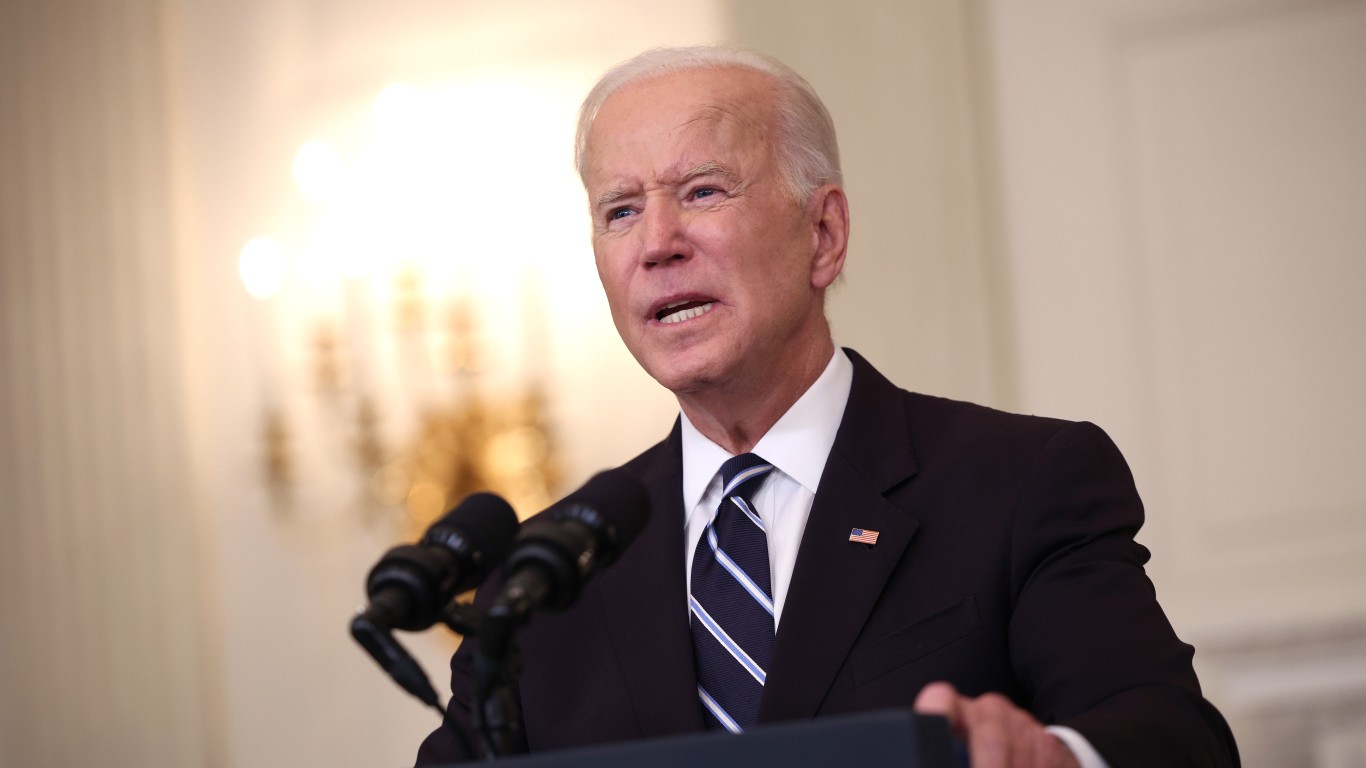
President Joe Biden.
Rick Beyer, the producer of The Ghost Army documentary in 2013, campaigned for the Ghost Army to receive some kind of recognition for six and a half years. A bill was finally passed in 2021 to recognize the unit for their efforts and on February 1, 2022, President Biden signed the Ghost Army Congressional Gold Medal Act, which gave the Congressional Gold Medal to every member of the Ghost Army.
Through their time of service, three members of the Ghost Army were killed, and 30 were wounded by artillery. That artillery was intentionally drawn to their position to save members of other units, saving many lives.
#1 The Ghost Army Still Influences the Army Today
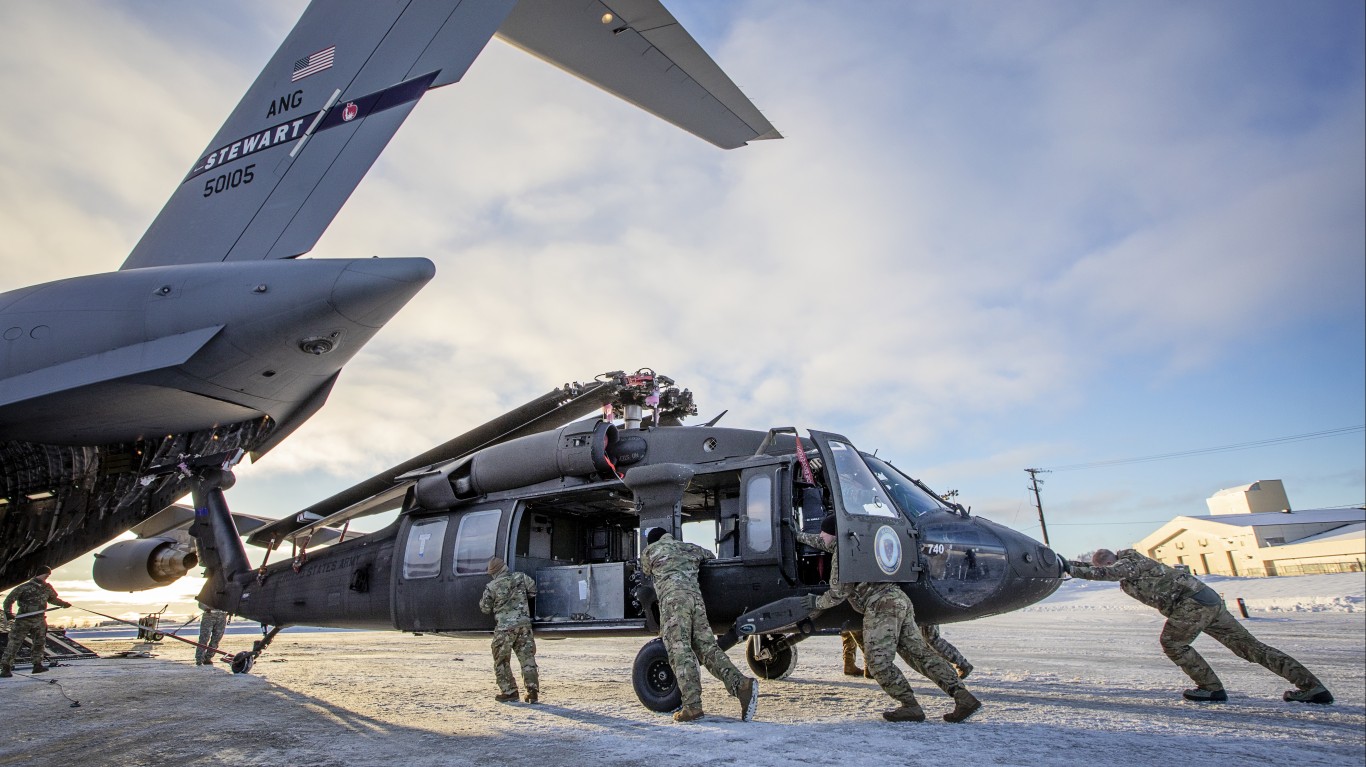
Soldiers from Alpha Company, 1st Battalion, 168th Aviation, Alaska National Guard.
After the Ghost Army was disbanded, no other unit took up its responsibilities or its title, but the tactics it developed and employed have been implemented into U.S. military strategy that lasts until today. The psychological, informational, and tactical deception operations are used as a basis for modern strategies on the battlefield. The original Ghost Army didn’t use the now-famous ghost patch, but the soldiers today wear the patch to designate that they engage in influence and deception activities, as an homage to the grandfathers of these strategies.








 Top Gaining Stocks
 Top Losing Stocks