


By a number of metrics, the world in 2025 is more fragmented, uncertain, and volatile than it has been in recent years. Intra-state conflicts are escalating, climate risks are intensifying, and trust in institutions is eroding across borders. In many advanced economies, recovery from the pandemic has given way to new concerns about economic resilience, political stability, and the accelerating impacts of technological change.
These shifting anxieties are reflected in the World Economic Forum’s latest global risk report. In the Global Risks Report 2025, the WEF surveyed more than 11,000 business leaders in 121 countries about national fears and anxieties. Participants were asked to identify the five risks most likely to threaten their country in the next two years, offering a snapshot of national-level risk perception across income levels and regions.
A few patterns stand out among the world’s developed countries. Economic downturn is the most cited top risk, ranking first in 12 of the 40 largest developed countries. Labor or talent shortages are also widespread, named among the top five risks in 27 of the 40 largest developed countries, alongside concerns over inflation, involuntary migration, or cyber insecurity. In contrast with the developing world, several wealthy countries — including Germany, Ireland, and the Czech Republic — list misinformation and disinformation among their leading concerns, highlighting rising alarm about digital trust and democratic resilience.
Some fears are regional. Countries in Eastern Europe and the Baltics like Estonia, Latvia, and Poland rank armed conflict as their greatest threat. In Japan and South Korea, long-term demographic and energy concerns dominate. In the United States, respondents cite a combination of economic stagnation, inflation, and the adverse impacts of AI as the most pressing risks. A closer look at the data reveals the threats that developed countries are worried about the most.
To determine what developed countries are worried about the most, 24/7 Wall St. reviewed data on national-level concerns from the World Economic Forum’s Executive Opinion Survey. Results are based on a survey asking over 11,000 business leaders in 121 economies about the risks that pose the most severe threat to their country in the next two years. Developed countries were ordered by population.
40. Cyprus
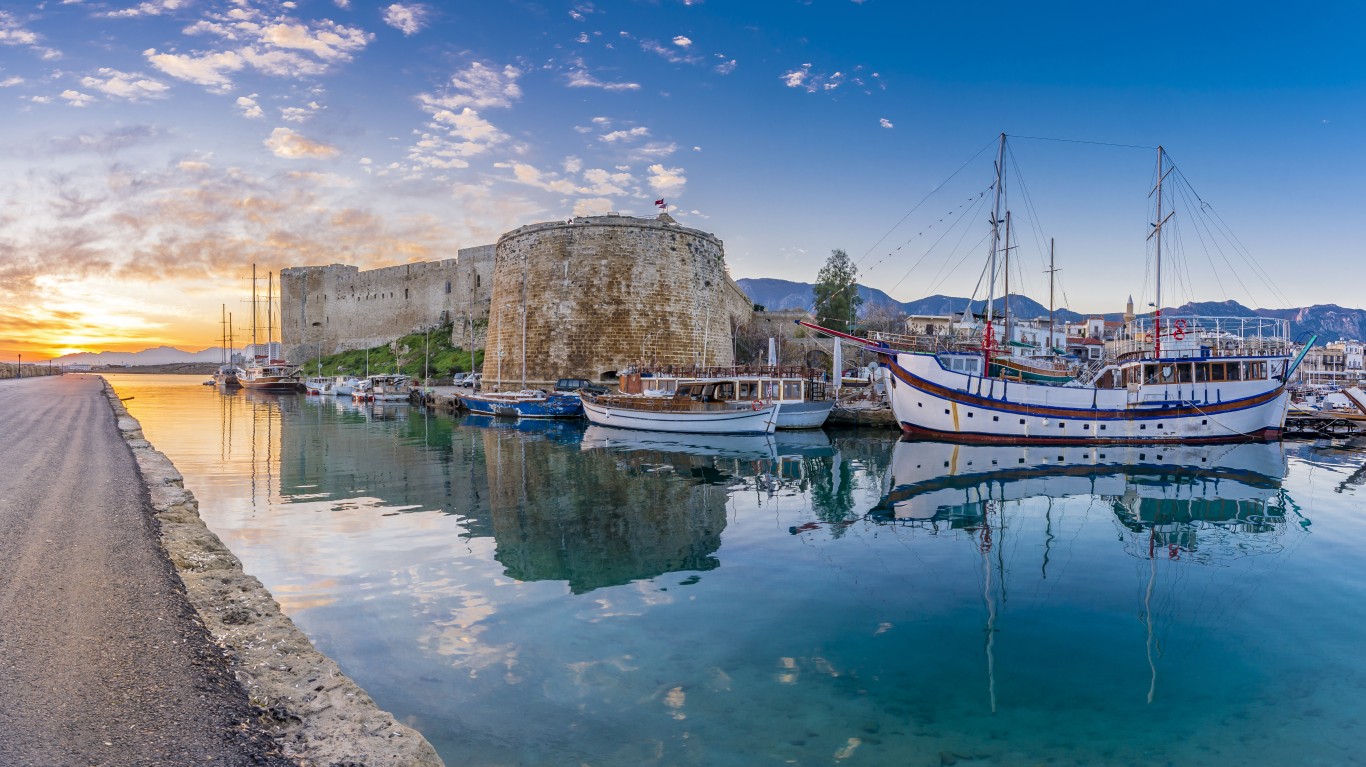
- Most cited risk: Involuntary migration
- Second most cited risk: Labor or talent shortage
- Third most cited risk: Inflation
- Fourth most cited risk: Economic downturn (e.g. recession, stagnation)
- Fifth most cited risk: Private debt (corporate, household)
39. Estonia
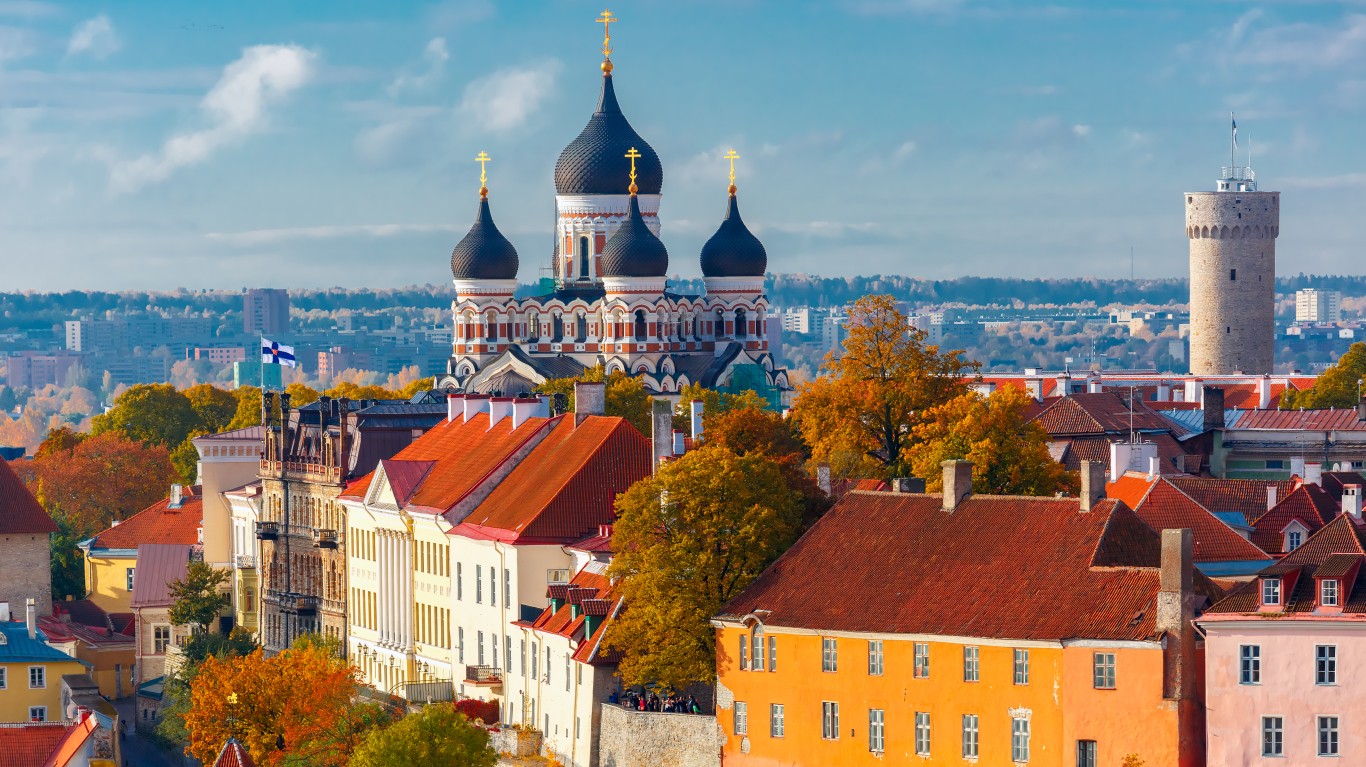
- Most cited risk: Armed conflict (interstate, intrastate, proxy wars, coups etc.)
- Second most cited risk: Economic downturn (e.g. recession, stagnation)
- Third most cited risk: Labor or talent shortage
- Fourth most cited risk: Misinformation and disinformation
- Fifth most cited risk: Cyber insecurity
38. Kosovo
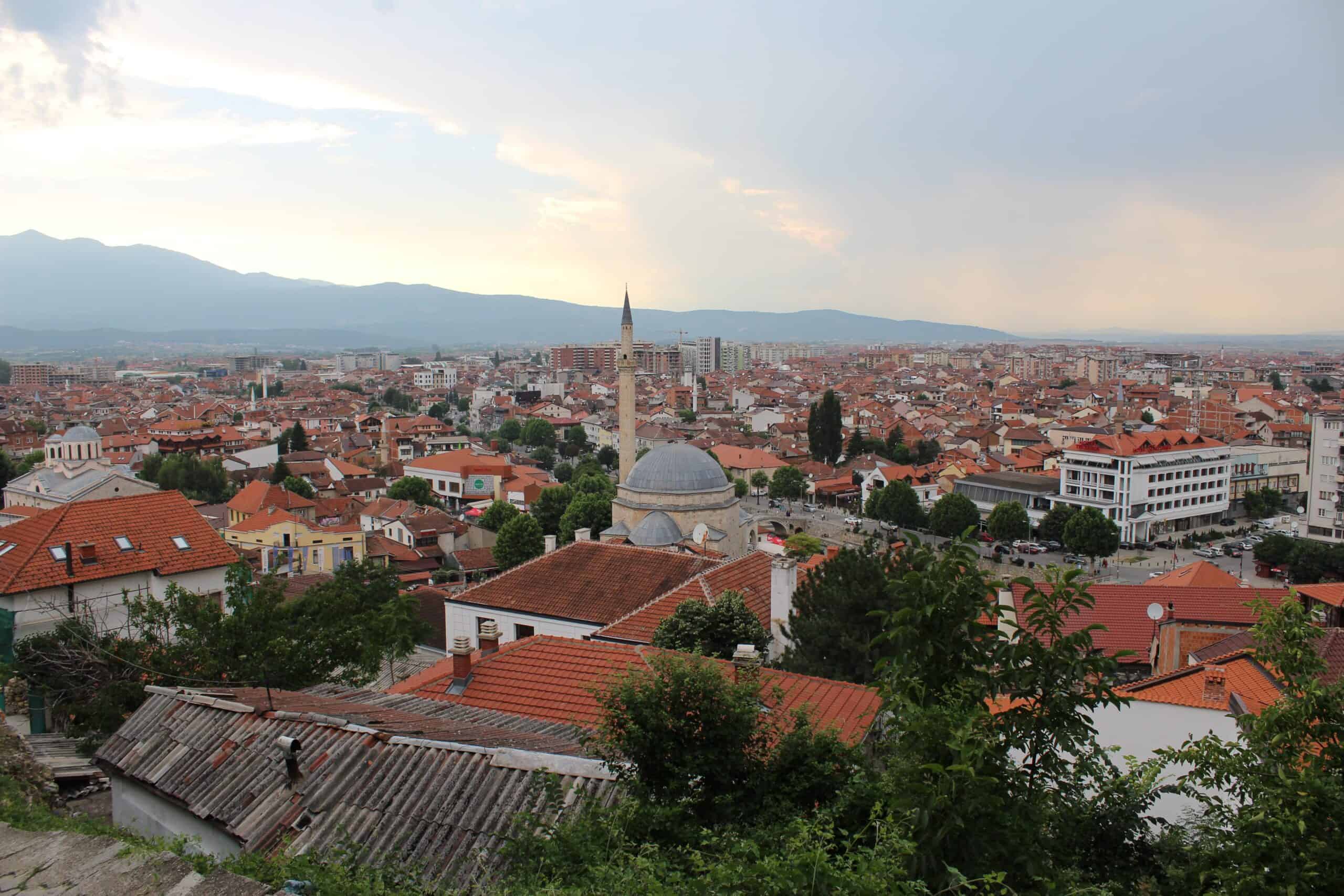
- Most cited risk: Inflation
- Second most cited risk: Pollution (air, water, soil)
- Third most cited risk: Cyber insecurity
- Fourth most cited risk: Involuntary migration
- Fifth most cited risk: Extreme weather events (floods, heatwaves etc.)
37. North Macedonia
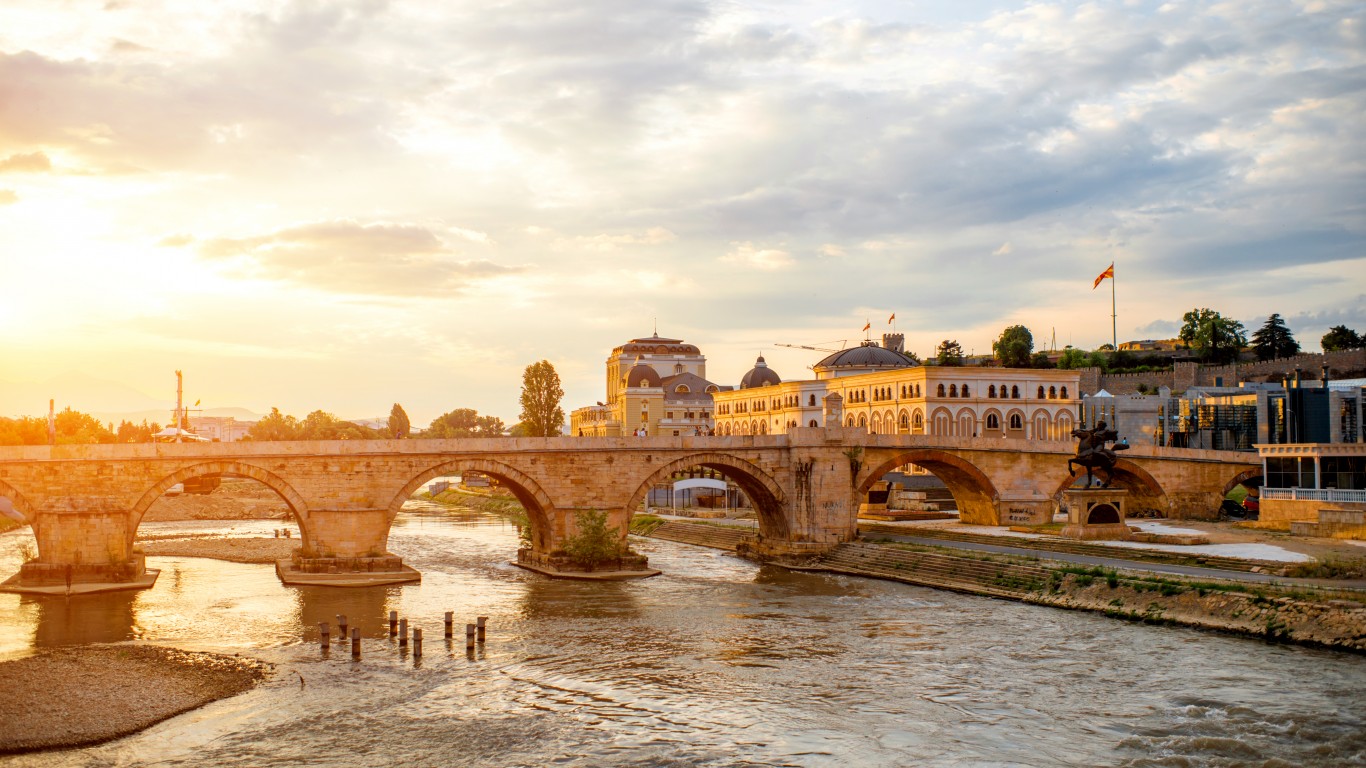
- Most cited risk: Economic downturn (e.g. recession, stagnation)
- Second most cited risk: Inflation
- Third most cited risk: Involuntary migration
- Fourth most cited risk: Food supply shortage
- Fifth most cited risk: Labor or talent shortage
36. Latvia
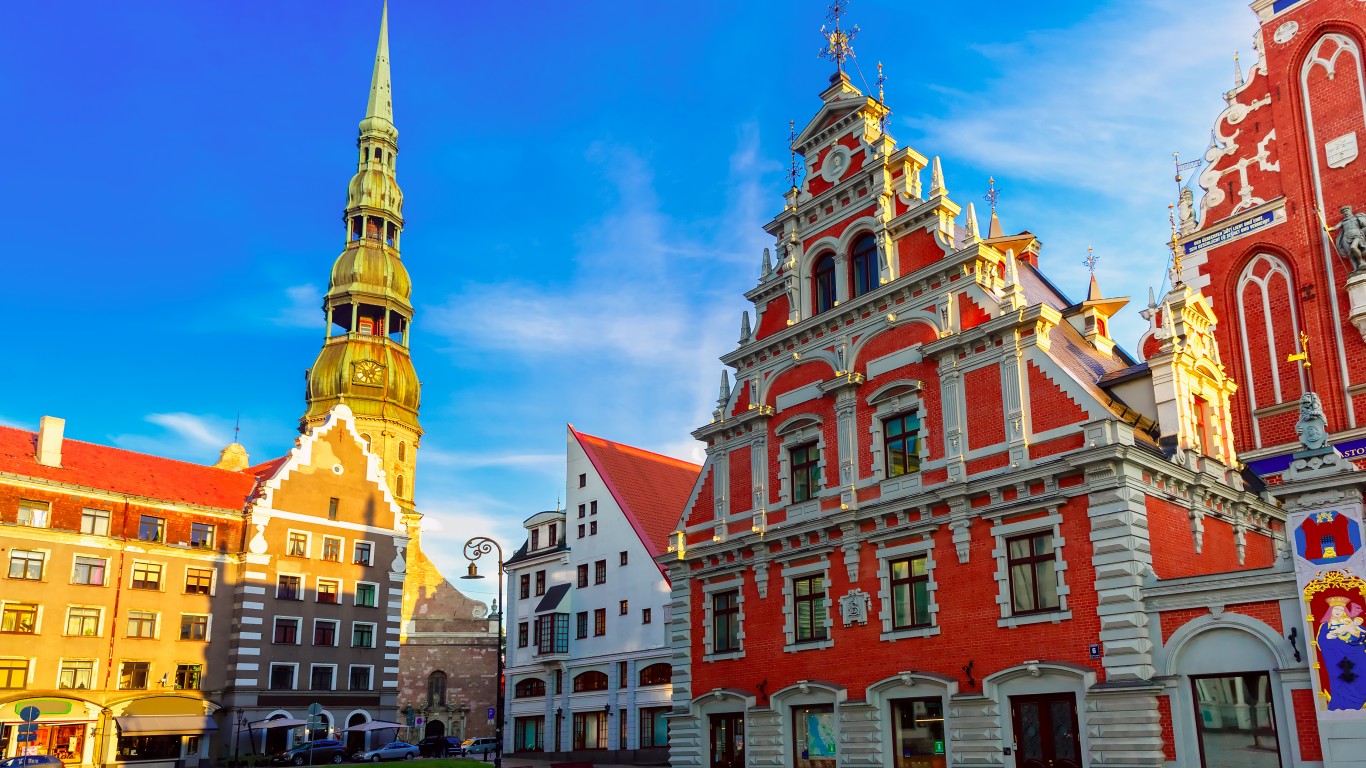
- Most cited risk: Armed conflict (interstate, intrastate, proxy wars, coups etc.)
- Second most cited risk: Economic downturn (e.g. recession, stagnation)
- Third most cited risk: Cyber insecurity
- Fourth most cited risk: Attacks on critical infrastructure
- Fifth most cited risk: Inflation
35. Slovenia
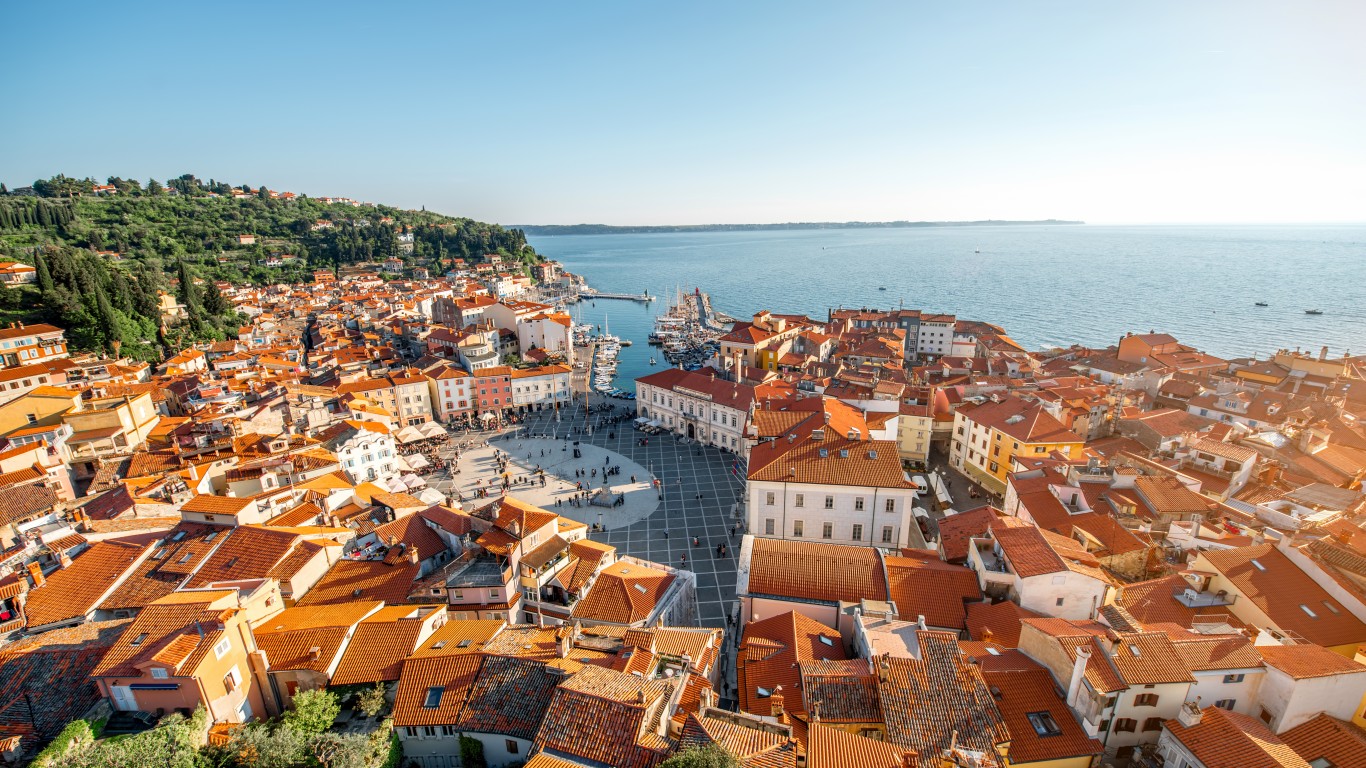
- Most cited risk: Labor or talent shortage
- Second most cited risk: Economic downturn (e.g. recession, stagnation)
- Third most cited risk: Extreme weather events (floods, heatwaves etc.)
- Fourth most cited risk: Insufficient public services and social protections
- Fifth most cited risk: Public debt
34. Albania

- Most cited risk: Involuntary migration
- Second most cited risk: Labor or talent shortage
- Third most cited risk: Crime and illicit economic activity
- Fourth most cited risk: Insufficient public services and social protections
- Fifth most cited risk: Inequality (wealth, income)
33. Bosnia and Herzegovina
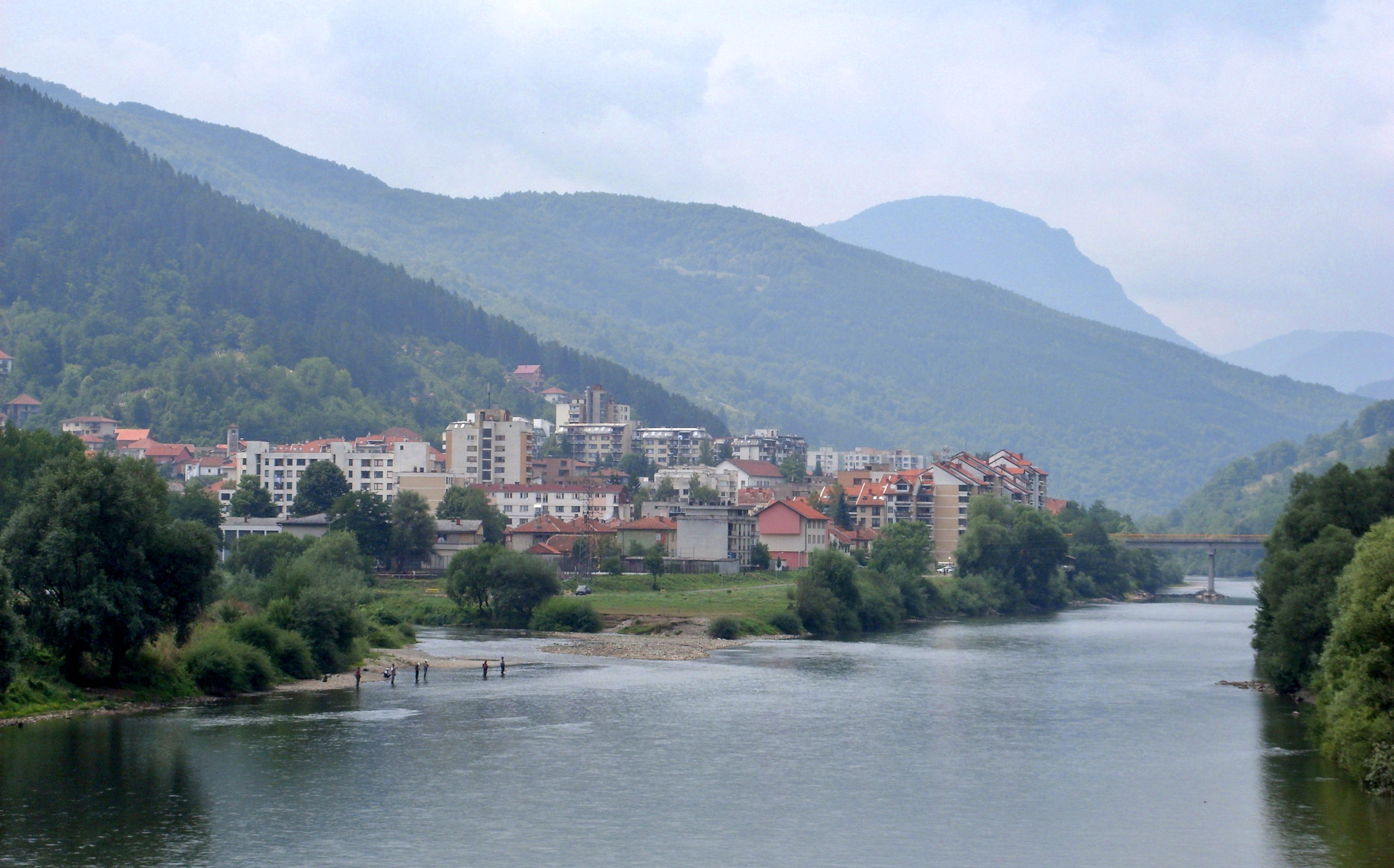
- Most cited risk: Labor or talent shortage
- Second most cited risk: Economic downturn (e.g. recession, stagnation)
- Third most cited risk: Inflation
- Fourth most cited risk: Intrastate violence (civil strikes, riots)
- Fifth most cited risk: Armed conflict (interstate, intrastate, proxy wars, coups etc.)
32. Croatia
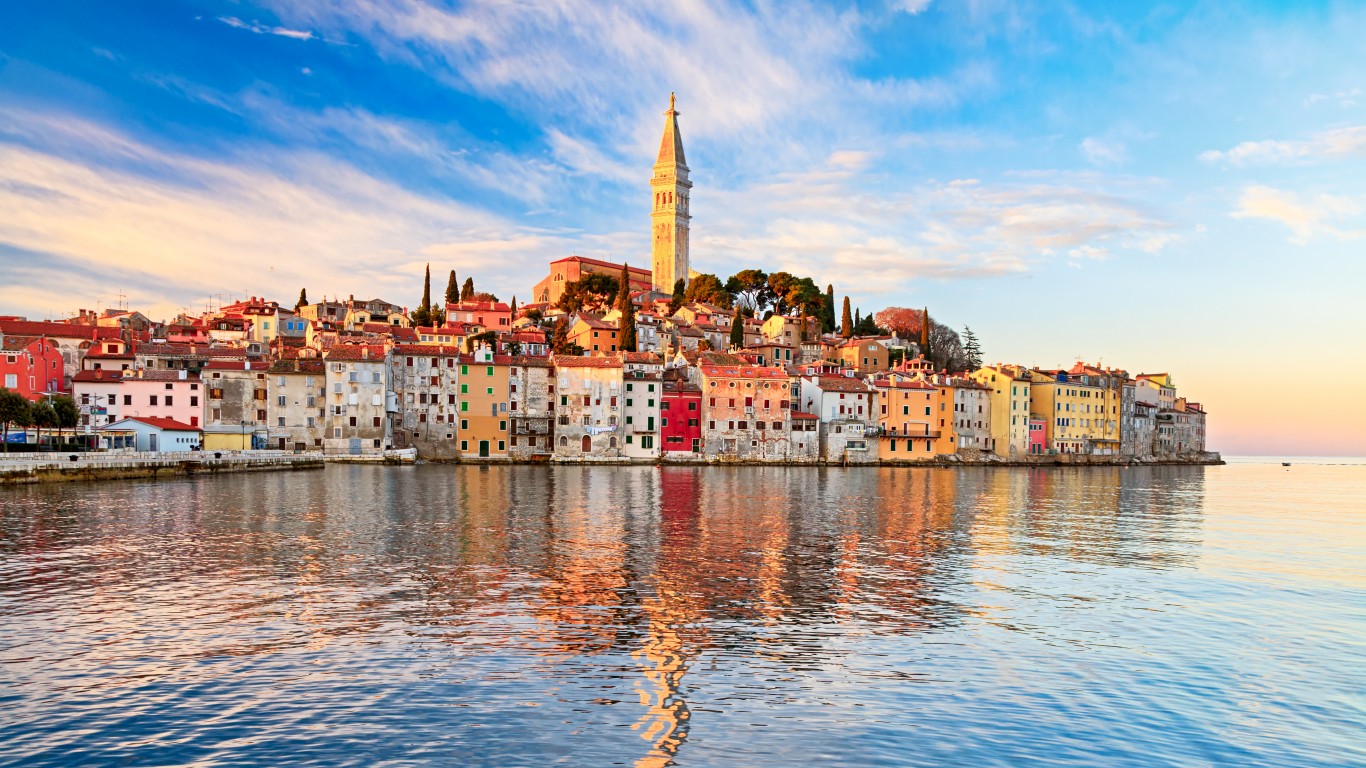
- Most cited risk: Labor or talent shortage
- Second most cited risk: Extreme weather events (floods, heatwaves etc.)
- Third most cited risk: Inflation
- Fourth most cited risk: Economic downturn (e.g. recession, stagnation)
- Fifth most cited risk: Asset bubble burst
31. New Zealand
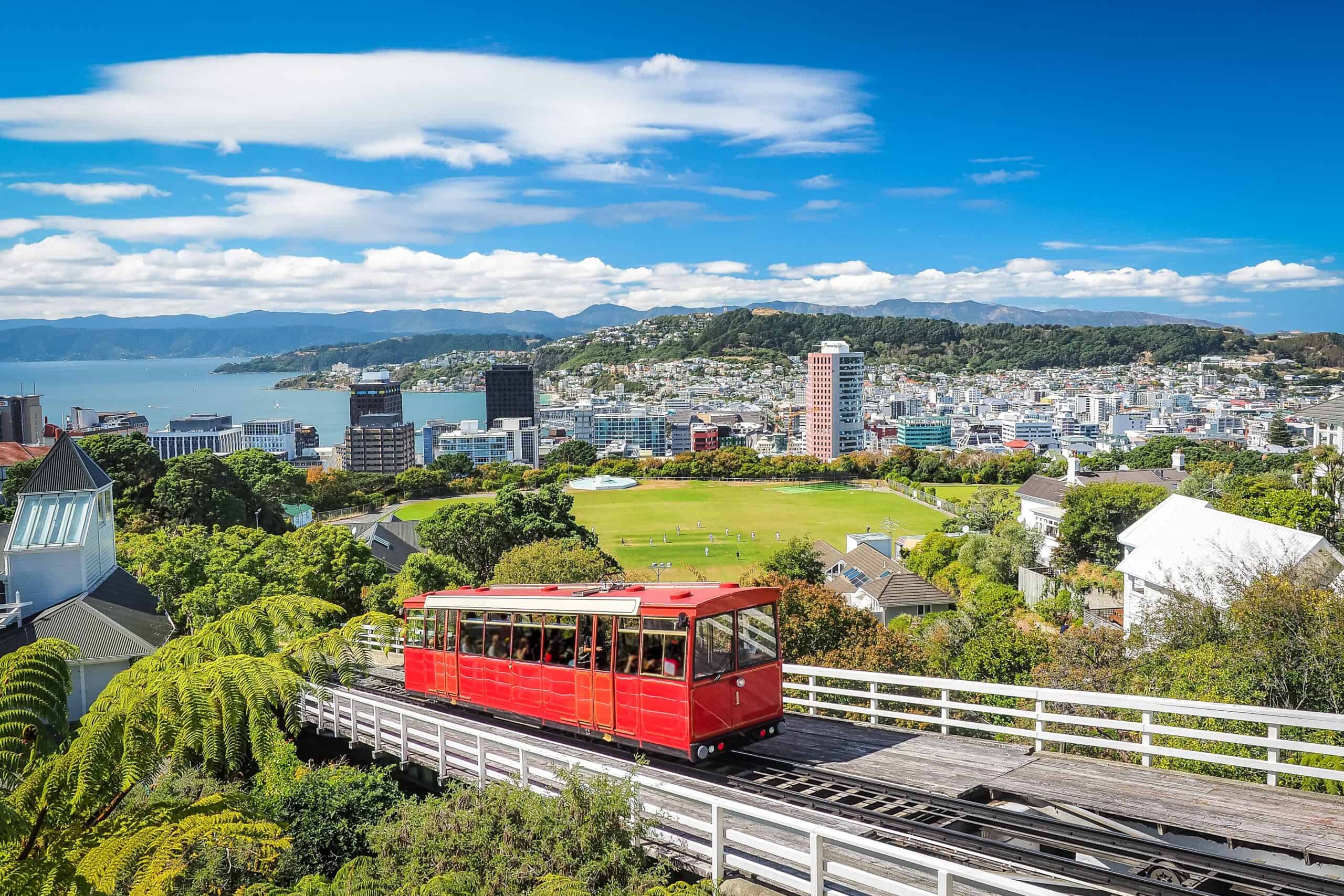
- Most cited risk: Economic downturn (e.g. recession, stagnation)
- Second most cited risk: Inflation
- Third most cited risk: Labor or talent shortage
- Fourth most cited risk: Extreme weather events (floods, heatwaves etc.)
- Fifth most cited risk: Poverty and inequality (wealth, income)
30. Ireland

- Most cited risk: Labor or talent shortage
- Second most cited risk: Economic downturn (e.g. recession, stagnation)
- Third most cited risk: Misinformation and disinformation
- Fourth most cited risk: Energy supply shortage
- Fifth most cited risk: Cyber insecurity
29. Slovakia
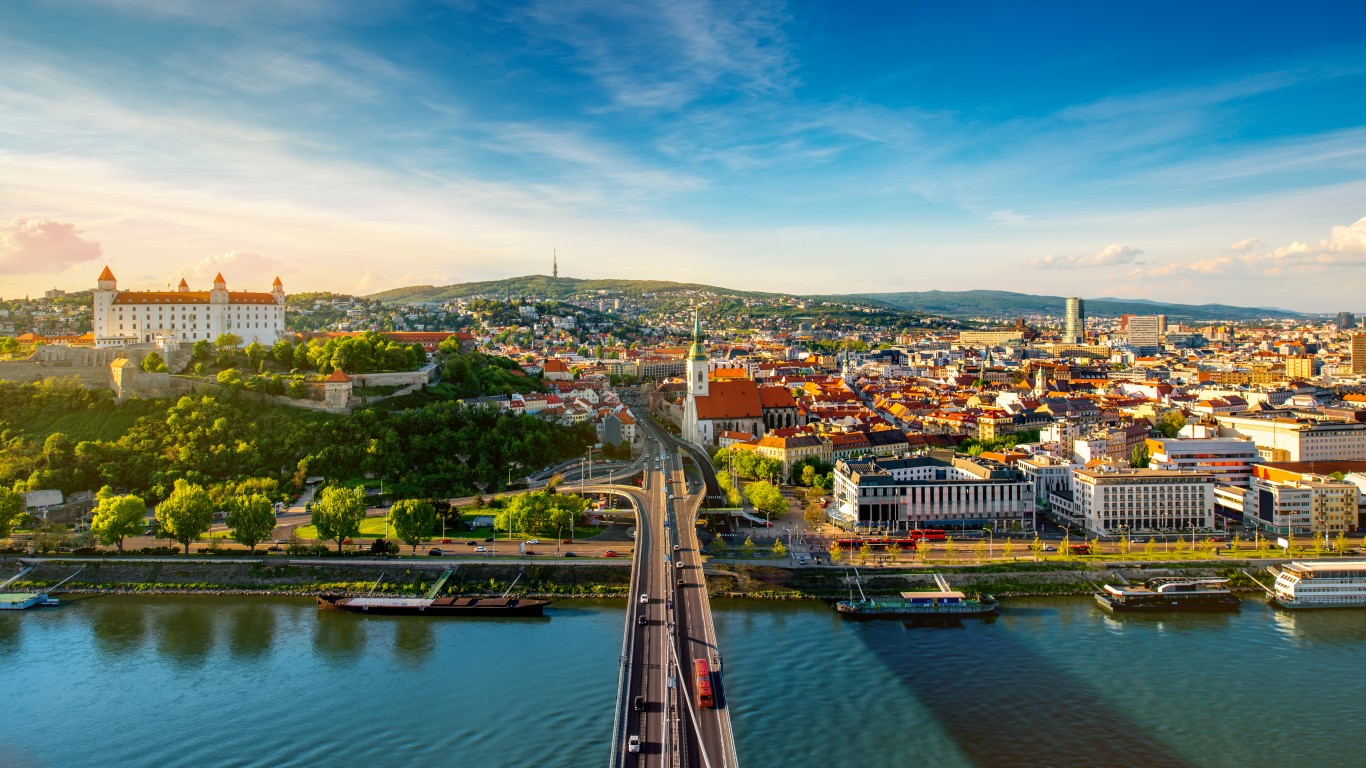
- Most cited risk: Public debt
- Second most cited risk: Economic downturn (e.g. recession, stagnation)
- Third most cited risk: Armed conflict (interstate, intrastate, proxy wars, coups etc.)
- Fourth most cited risk: Adverse outcomes of artificial intelligence technologies
- Fifth most cited risk: Societal polarization
28. Norway
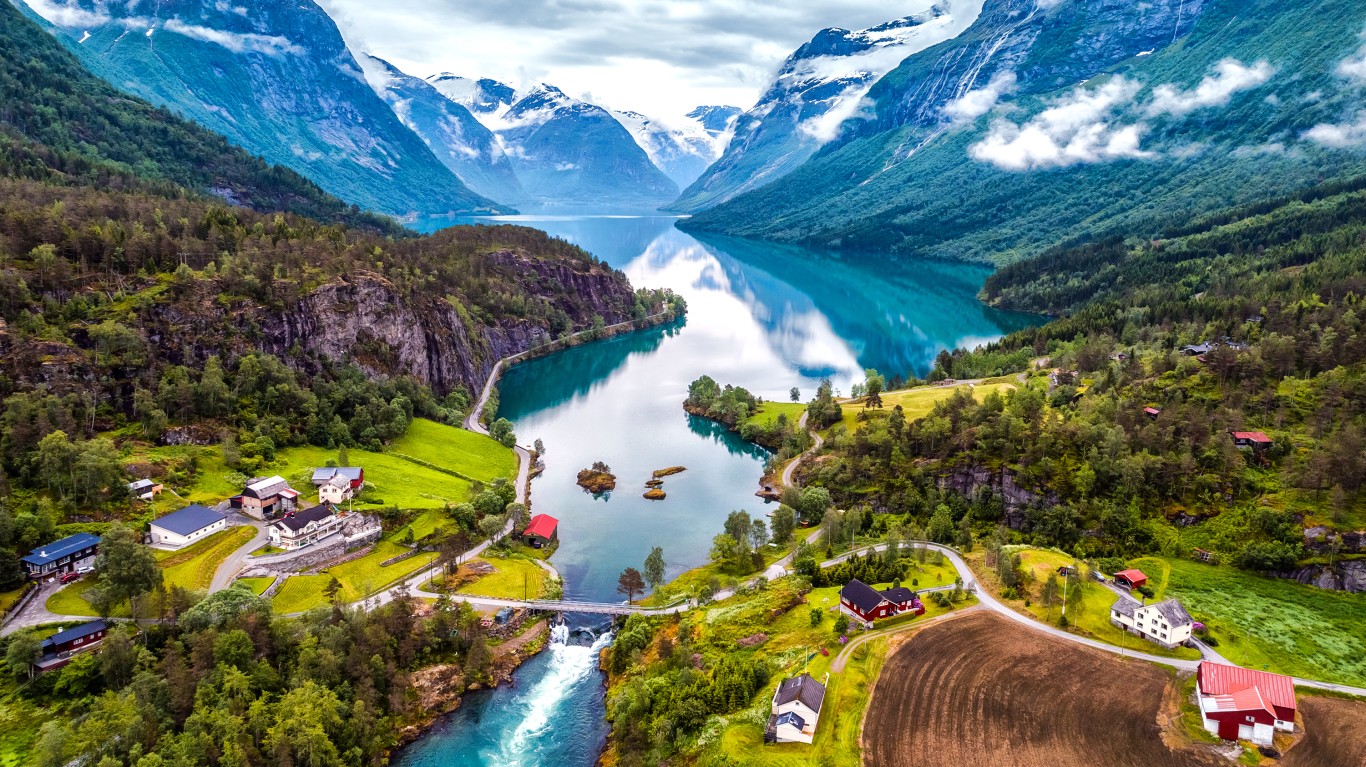
- Most cited risk: Economic downturn (e.g. recession, stagnation)
- Second most cited risk: Labor or talent shortage
- Third most cited risk: Energy supply shortage
- Fourth most cited risk: Involuntary migration
- Fifth most cited risk: Intrastate violence (civil strikes, riots)
27. Finland

- Most cited risk: Public debt
- Second most cited risk: Economic downturn (e.g. recession, stagnation)
- Third most cited risk: Labor or talent shortage
- Fourth most cited risk: Involuntary migration
- Fifth most cited risk: Armed conflict (interstate, intrastate, proxy wars, coups etc.)
26. Denmark
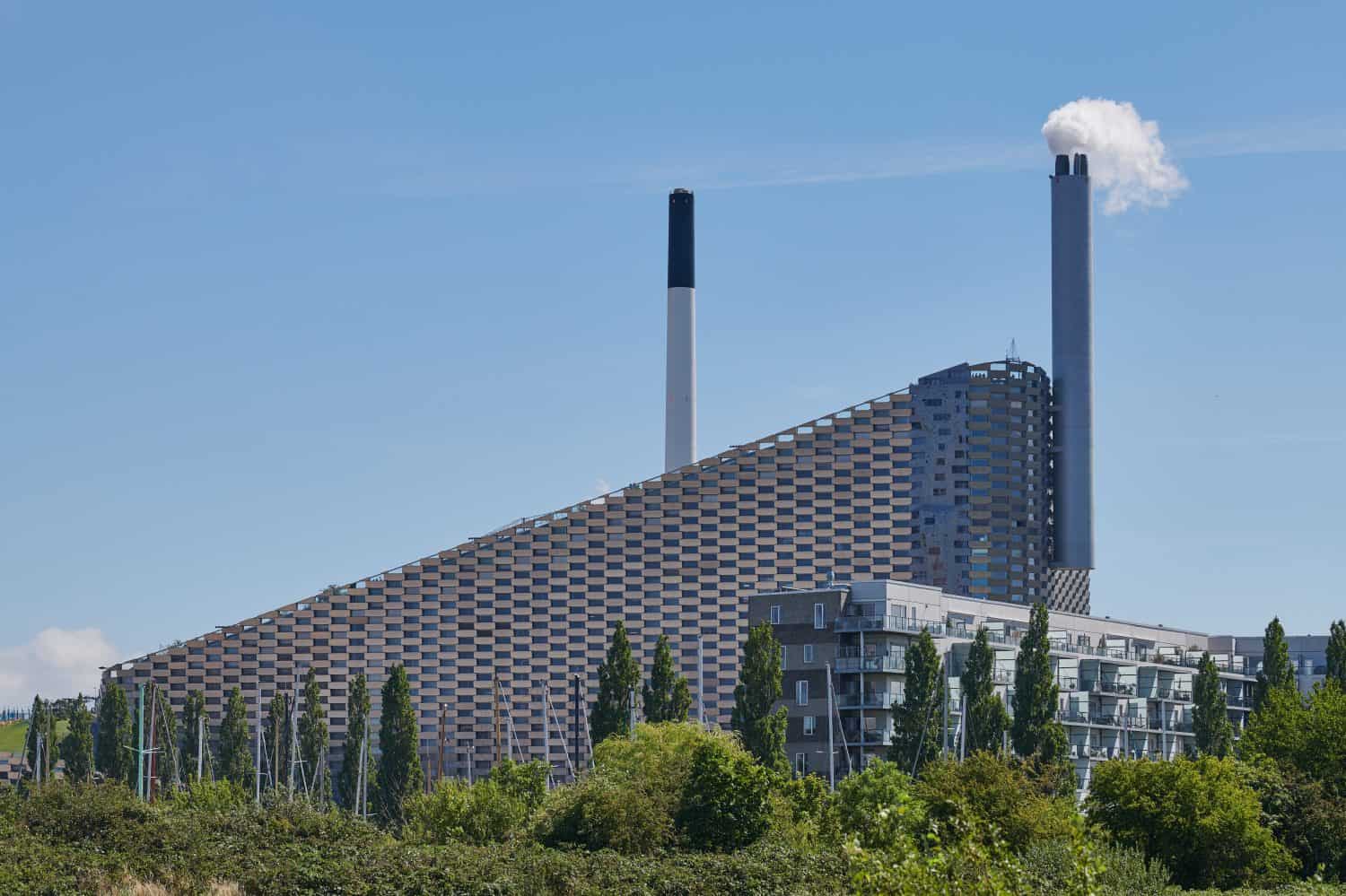
- Most cited risk: Cyber insecurity
- Second most cited risk: Attacks on critical infrastructure
- Third most cited risk: Labor or talent shortage
- Fourth most cited risk: Extreme weather events (floods, heatwaves etc.)
- Fifth most cited risk: Armed conflict (interstate, intrastate, proxy wars, coups etc.)
25. Bulgaria
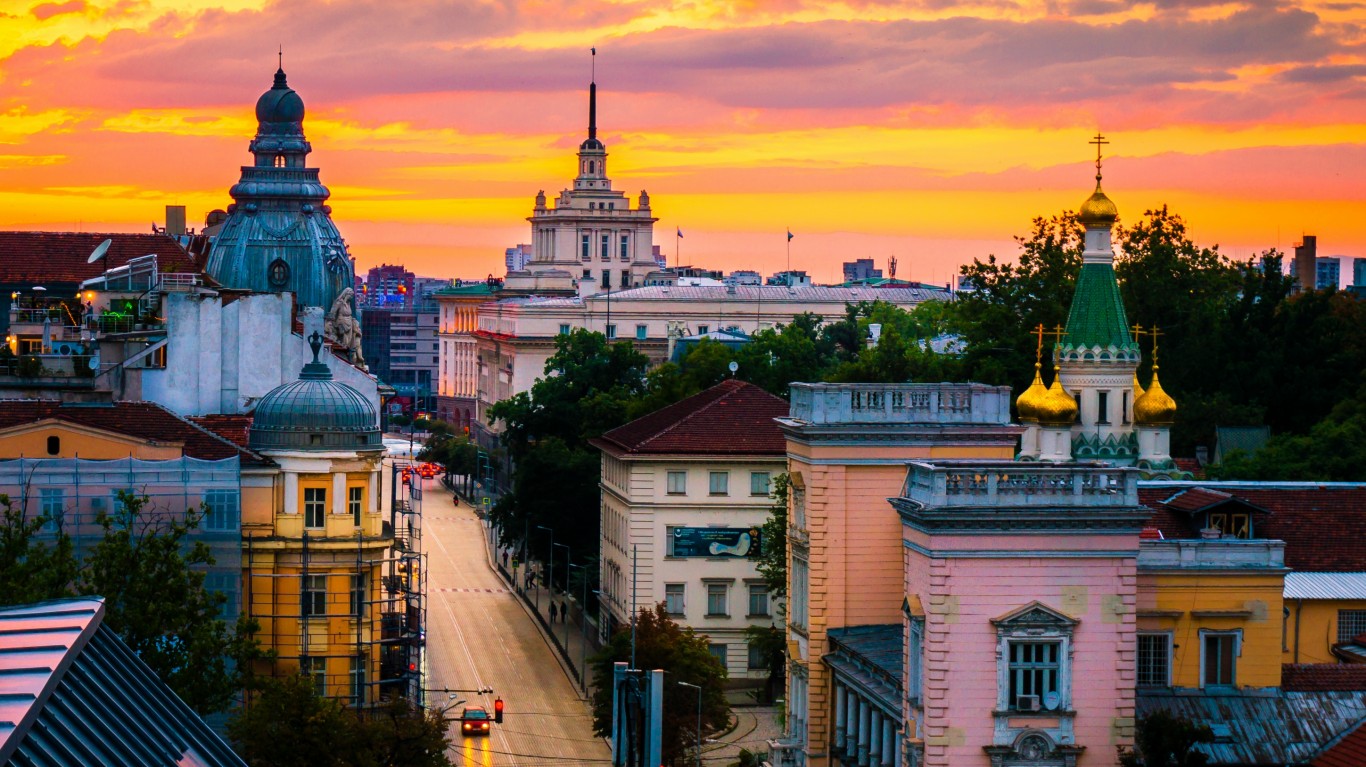
- Most cited risk: Inflation
- Second most cited risk: Economic downturn (e.g. recession, stagnation)
- Third most cited risk: Poverty and inequality (wealth, income)
- Fourth most cited risk: Labor or talent shortage
- Fifth most cited risk: Pollution (air, water, soil)
24. Serbia
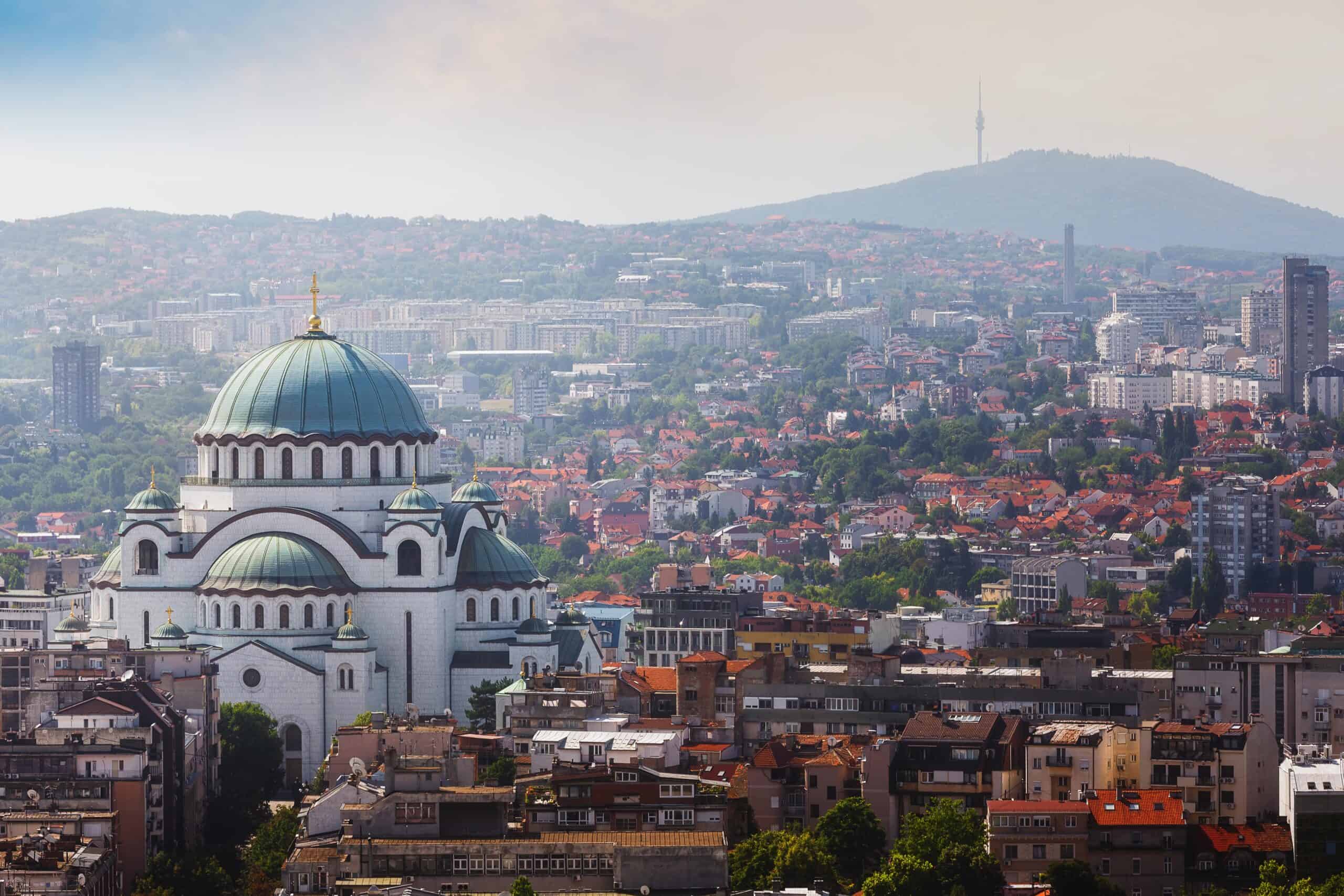
- Most cited risk: Labor or talent shortage
- Second most cited risk: Misinformation and disinformation
- Third most cited risk: Economic downturn (e.g. recession, stagnation)
- Fourth most cited risk: Pollution (air, water, soil)
- Fifth most cited risk: Extreme weather events (floods, heatwaves etc.)
23. Switzerland
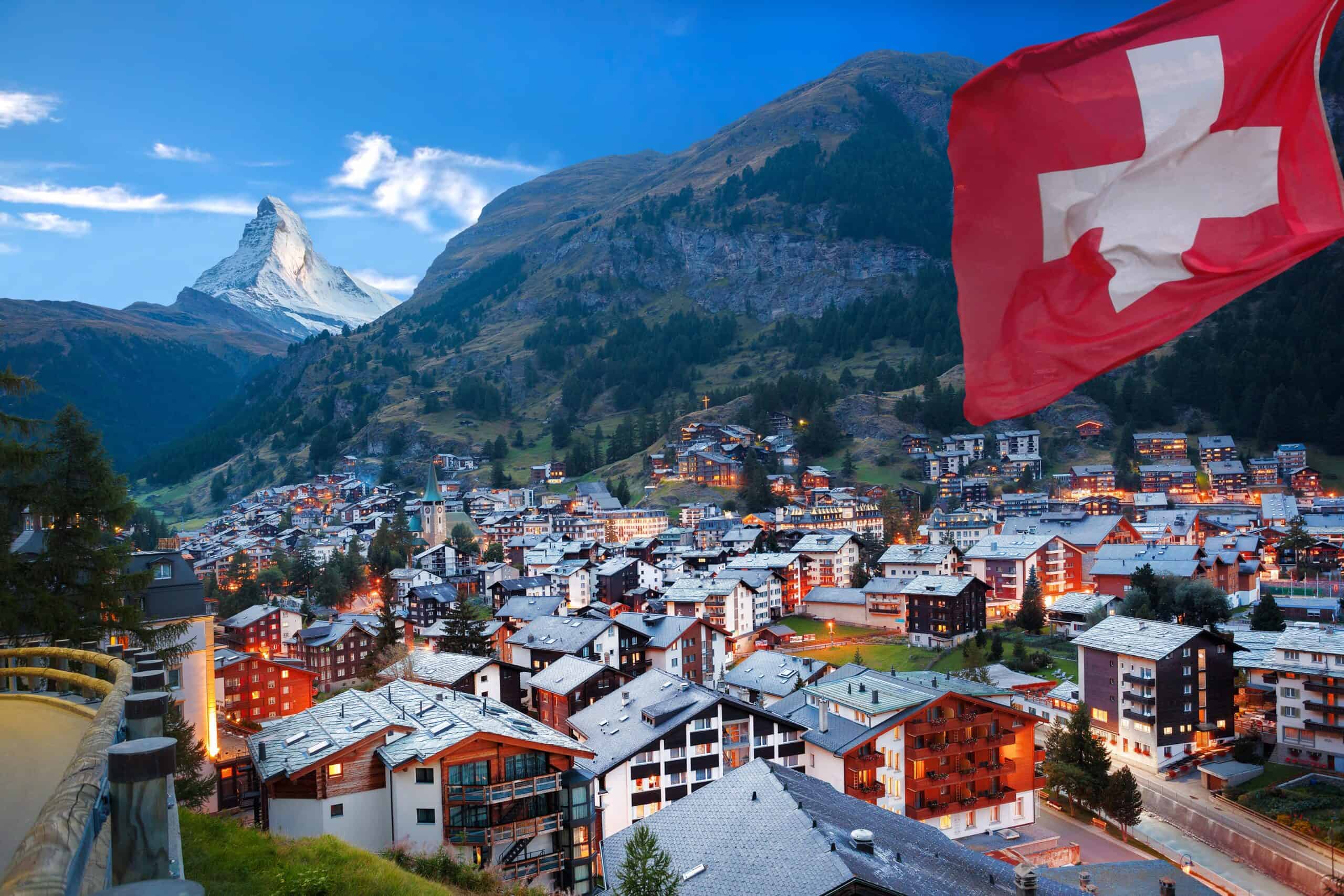
- Most cited risk: Labor or talent shortage
- Second most cited risk: Economic downturn (e.g. recession, stagnation)
- Third most cited risk: Energy supply shortage
- Fourth most cited risk: Extreme weather events (floods, heatwaves etc.)
- Fifth most cited risk: Cyber insecurity
22. Austria
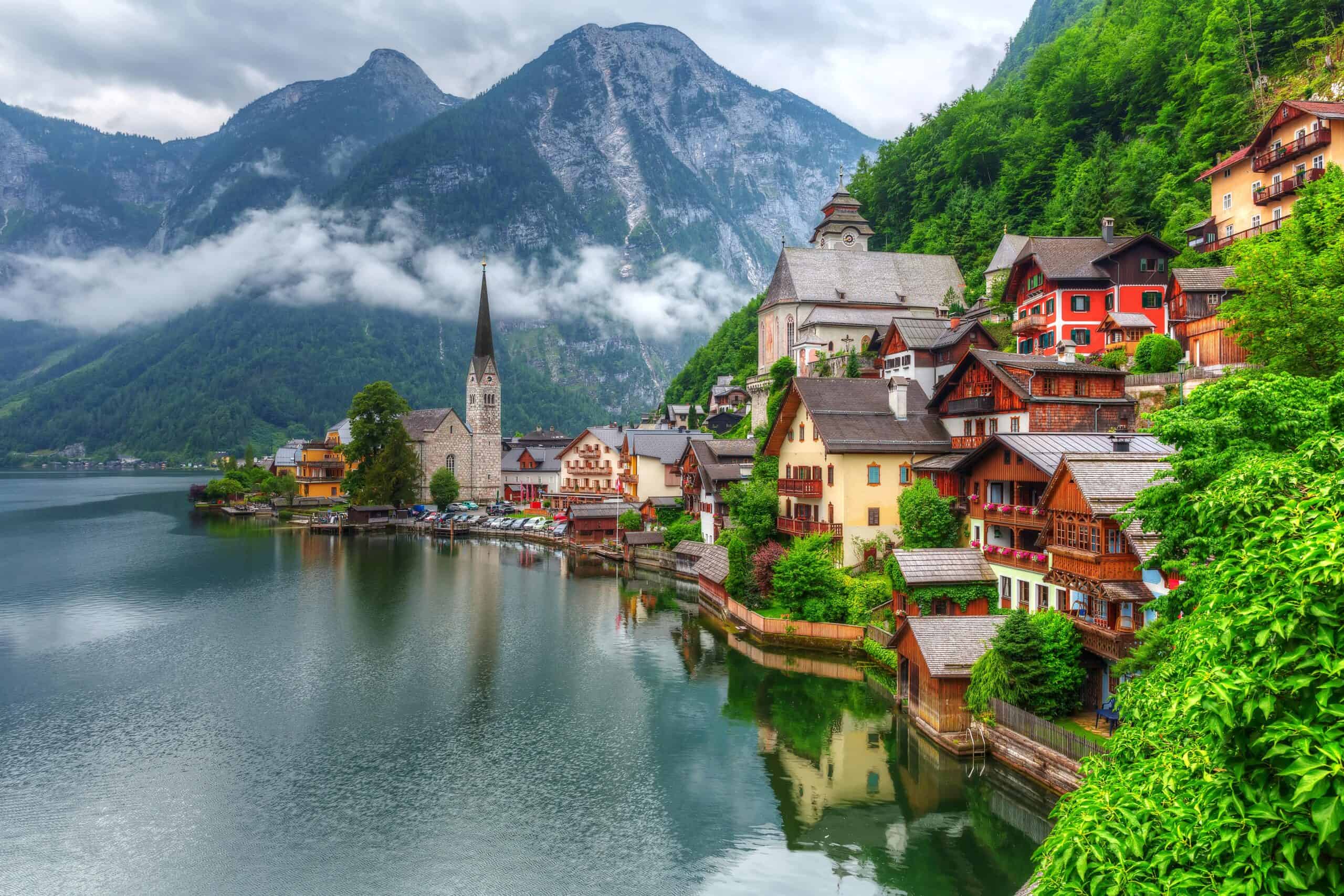
- Most cited risk: Labor or talent shortage
- Second most cited risk: Economic downturn (e.g. recession, stagnation)
- Third most cited risk: Societal polarization
- Fourth most cited risk: Cyber insecurity
- Fifth most cited risk: Extreme weather events (floods, heatwaves etc.)
21. Hungary
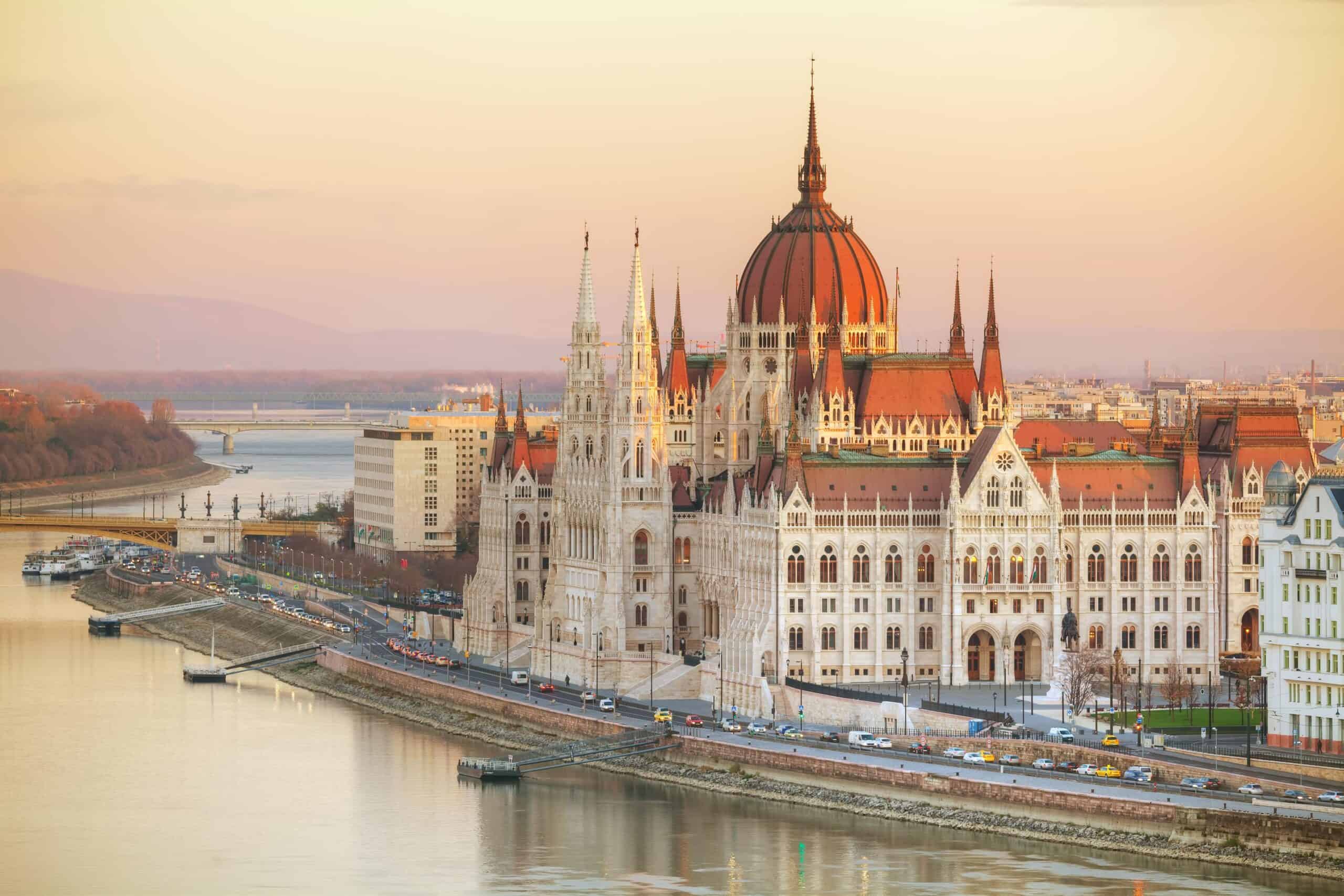
- Most cited risk: Economic downturn (e.g. recession, stagnation)
- Second most cited risk: Inflation
- Third most cited risk: Labor or talent shortage
- Fourth most cited risk: Public debt
- Fifth most cited risk: Misinformation and disinformation
20. Israel
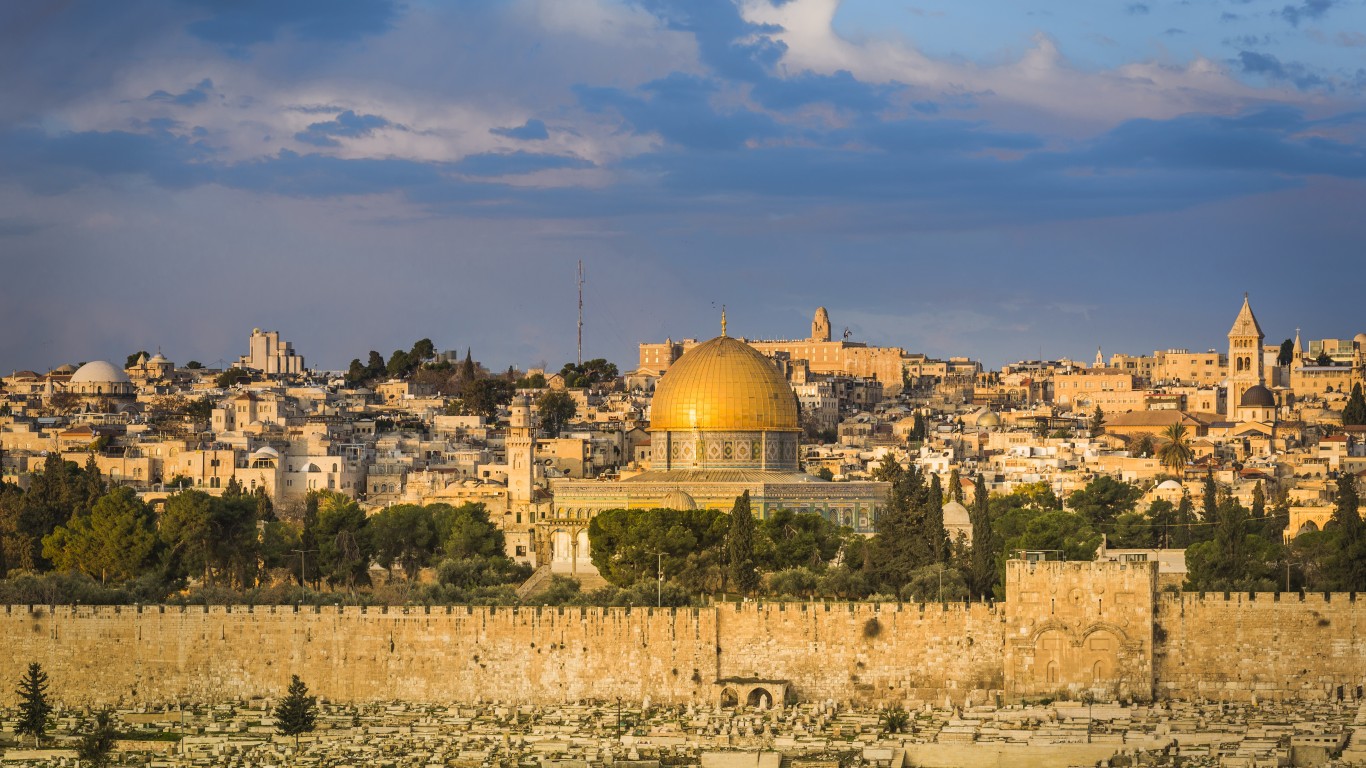
- Most cited risk: Armed conflict (interstate, intrastate, proxy wars, coups etc.)
- Second most cited risk: Terrorist attacks
- Third most cited risk: Attacks on critical infrastructure
- Fourth most cited risk: Economic downturn (e.g. recession, stagnation)
- Fifth most cited risk: Intrastate violence (civil strikes, riots)
19. Greece

- Most cited risk: Labor or talent shortage
- Second most cited risk: Extreme weather events (floods, heatwaves etc.)
- Third most cited risk: Inflation
- Fourth most cited risk: Economic downturn (e.g. recession, stagnation)
- Fifth most cited risk: Public debt
18. Sweden

- Most cited risk: Economic downturn (e.g. recession, stagnation)
- Second most cited risk: Involuntary migration
- Third most cited risk: Crime and illicit economic activity
- Fourth most cited risk: Labor or talent shortage
- Fifth most cited risk: Misinformation and disinformation
17. Portugal
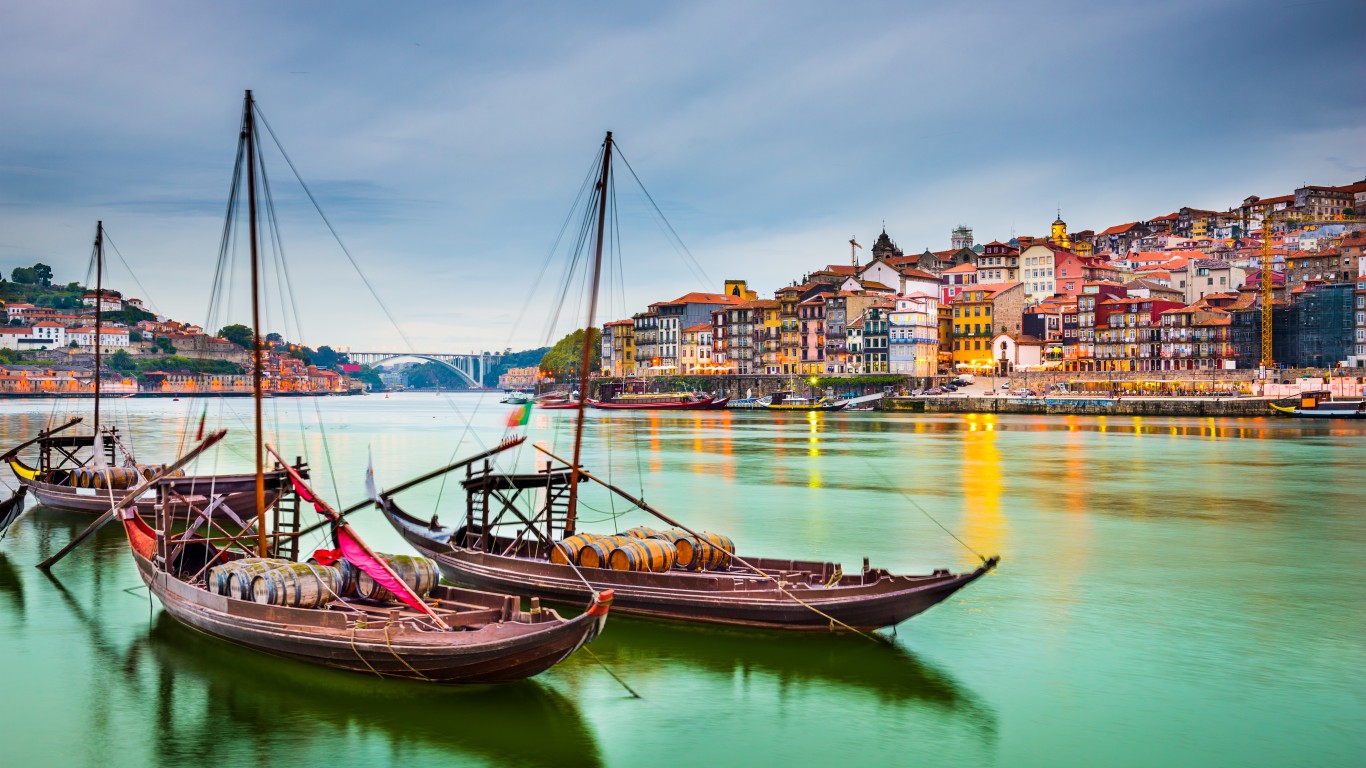
- Most cited risk: Labor or talent shortage
- Second most cited risk: Economic downturn (e.g. recession, stagnation)
- Third most cited risk: Insufficient public services and social protections
- Fourth most cited risk: Poverty and inequality (wealth, income)
- Fifth most cited risk: Public debt
16. Czech Republic
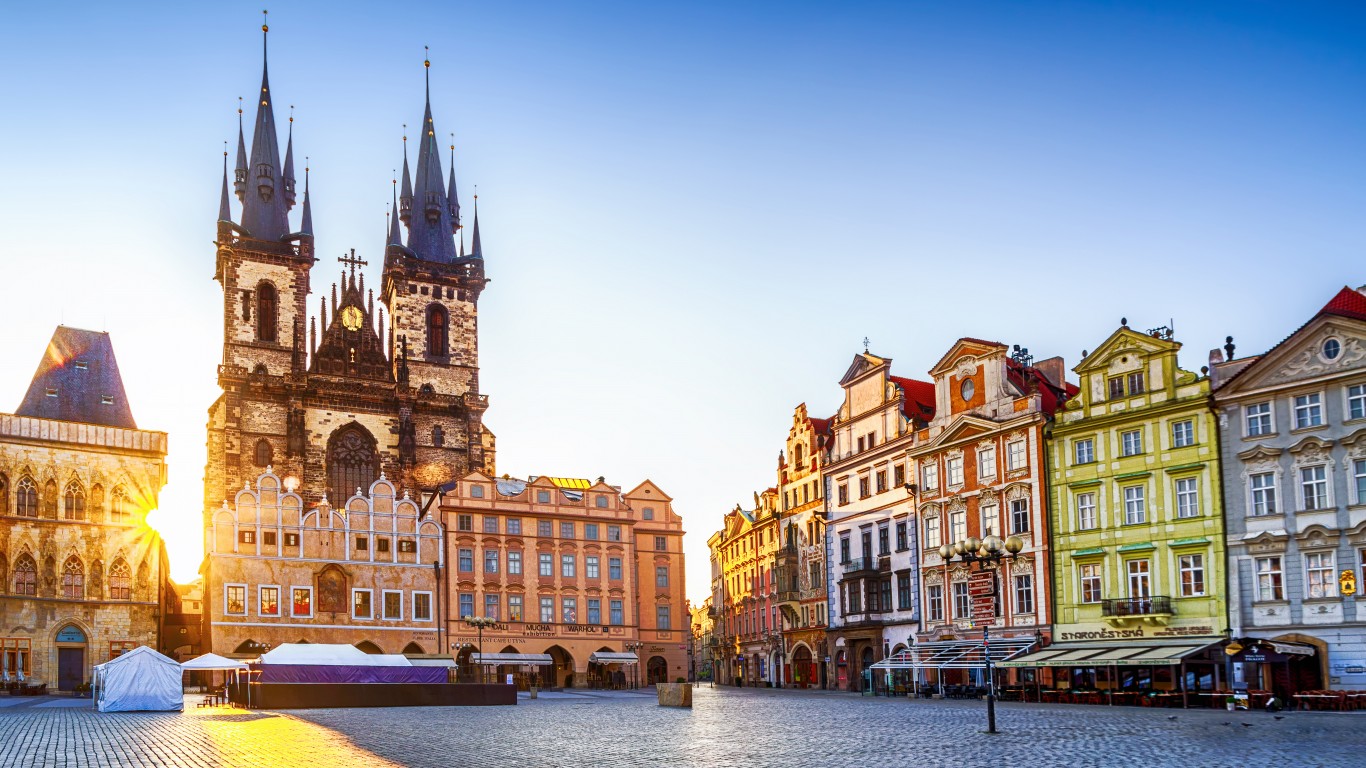
- Most cited risk: Labor or talent shortage
- Second most cited risk: Economic downturn (e.g. recession, stagnation)
- Third most cited risk: Misinformation and disinformation
- Fourth most cited risk: Public debt
- Fifth most cited risk: Societal polarization
15. Belgium
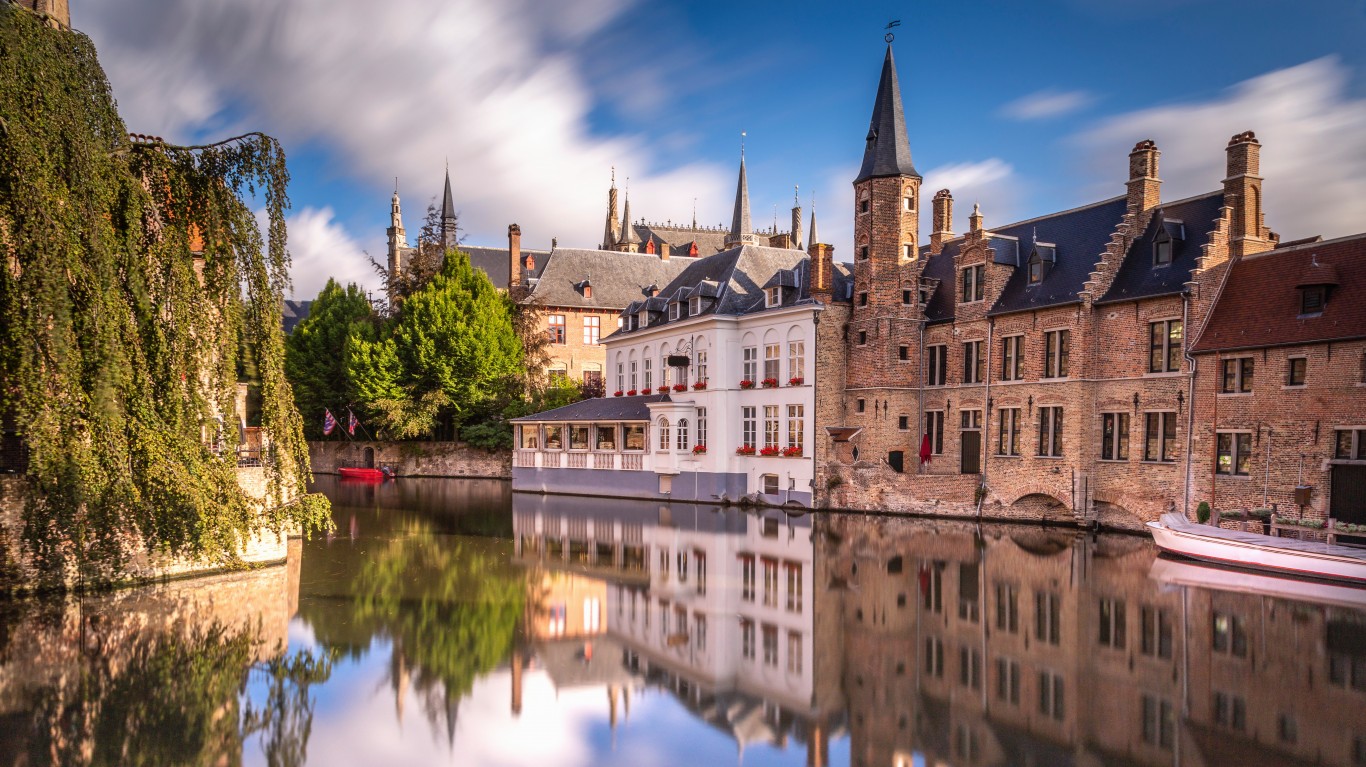
- Most cited risk: Economic downturn (e.g. recession, stagnation)
- Second most cited risk: Involuntary migration
- Third most cited risk: Inflation
- Fourth most cited risk: Public debt
- Fifth most cited risk: Poverty and inequality (wealth, income)
14. Netherlands
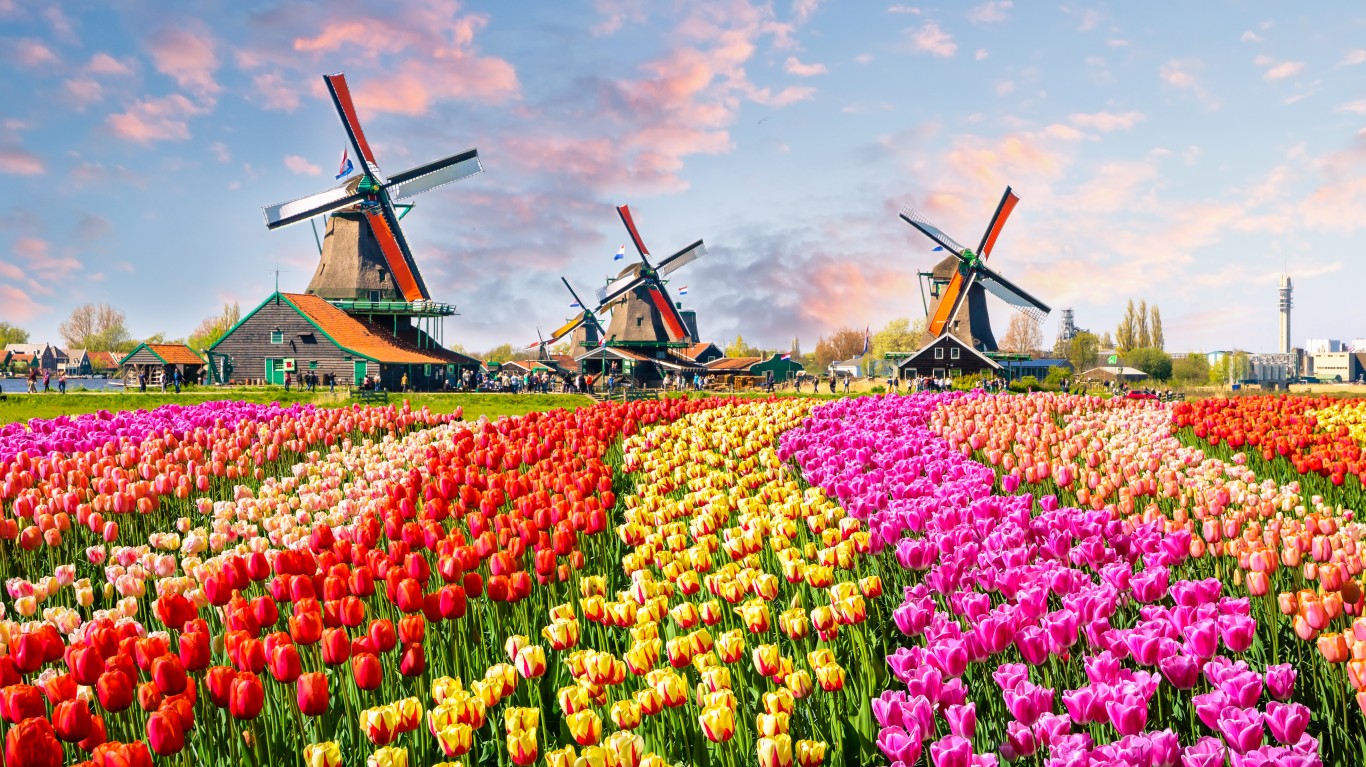
- Most cited risk: Labor or talent shortage
- Second most cited risk: Energy supply shortage
- Third most cited risk: Cyber insecurity
- Fourth most cited risk: Societal polarization
- Fifth most cited risk: Misinformation and disinformation
13. Romania
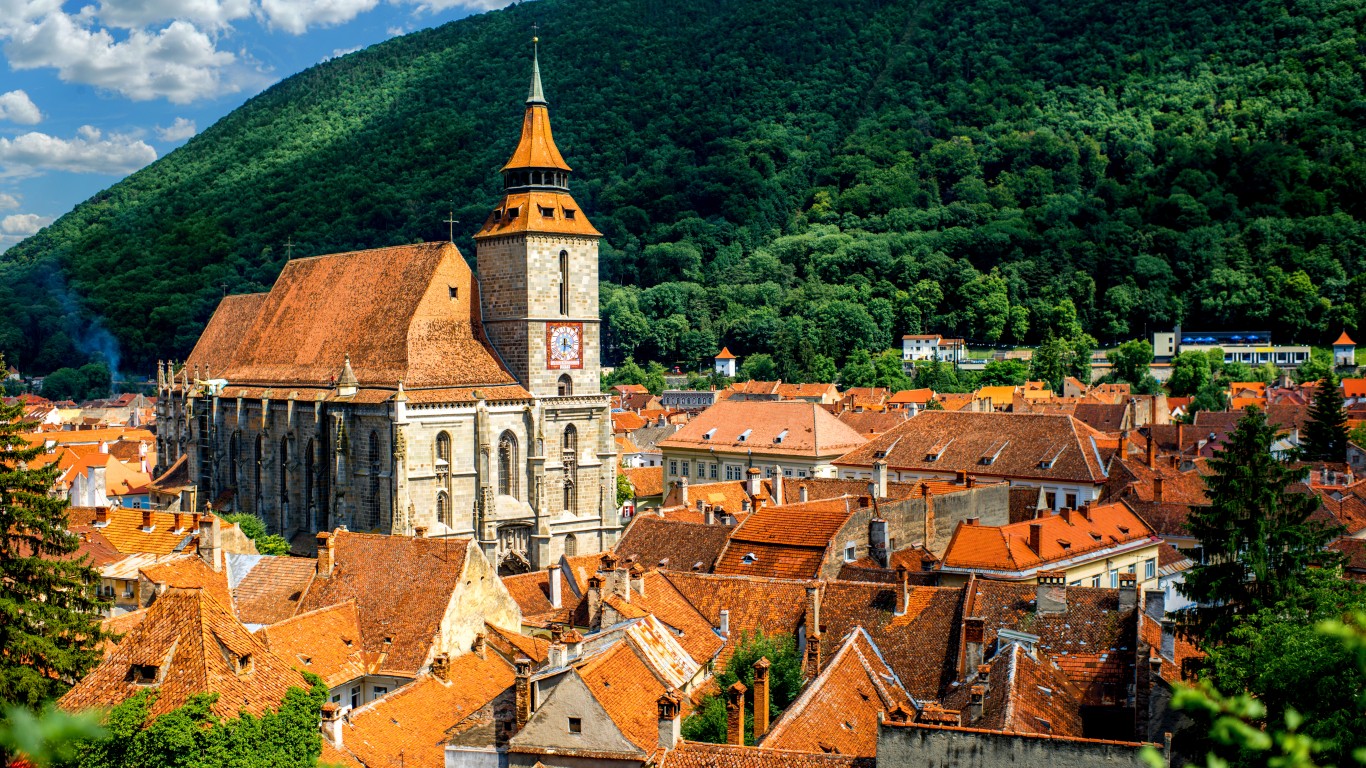
- Most cited risk: Armed conflict (interstate, intrastate, proxy wars, coups etc.)
- Second most cited risk: Economic downturn (e.g. recession, stagnation)
- Third most cited risk: Inflation
- Fourth most cited risk: Chronic health conditions and decline in well-being
- Fifth most cited risk: Public debt
12. Australia
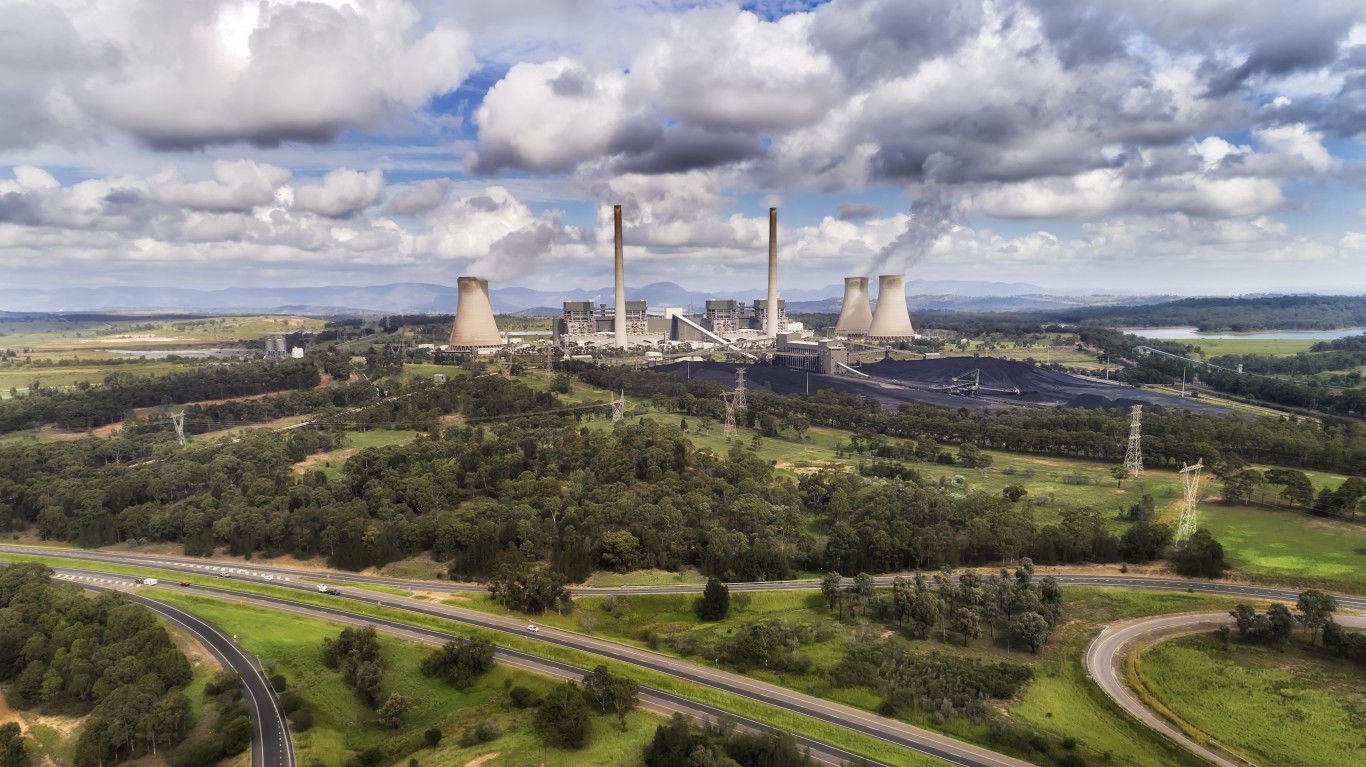
- Most cited risk: Economic downturn (e.g. recession, stagnation)
- Second most cited risk: Energy supply shortage
- Third most cited risk: Inflation
- Fourth most cited risk: Food supply shortage
- Fifth most cited risk: Labor or talent shortage
11. Poland
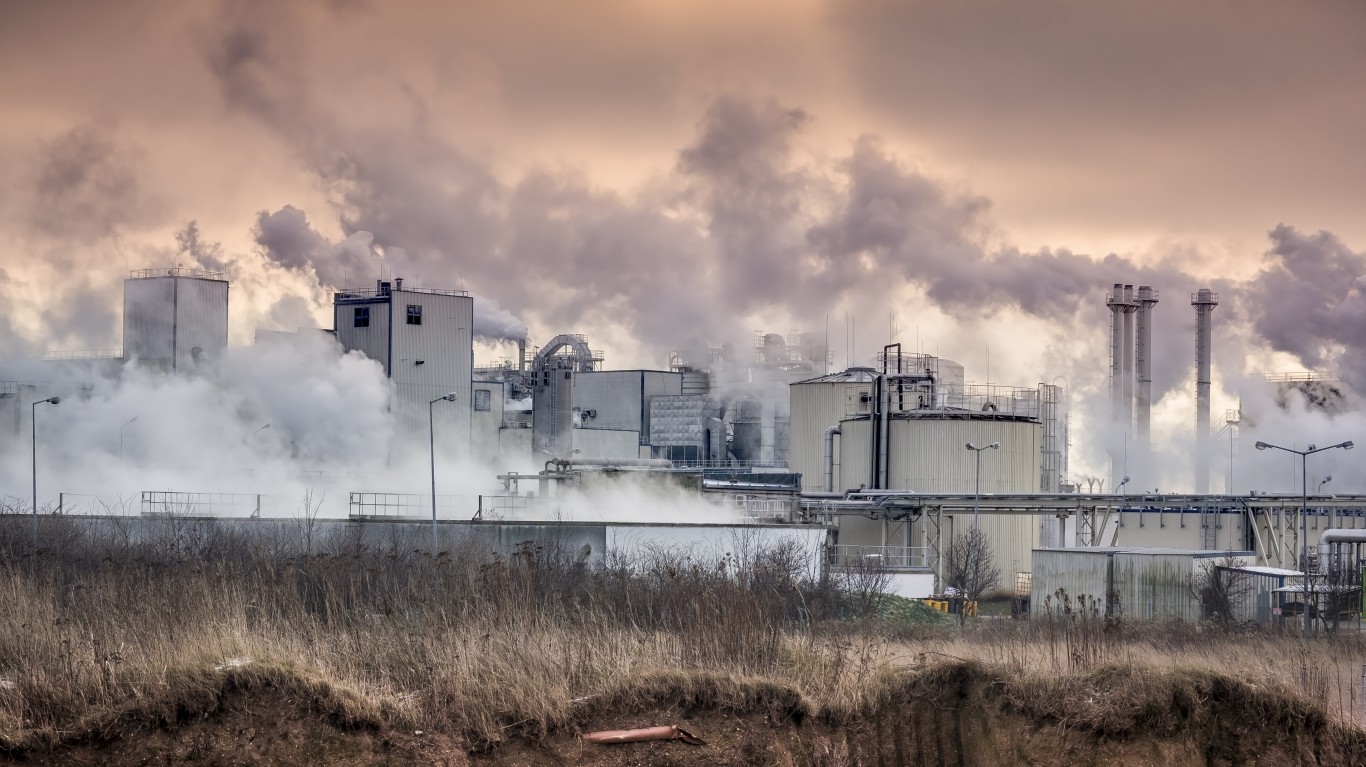
- Most cited risk: Armed conflict (interstate, intrastate, proxy wars, coups etc.)
- Second most cited risk: Economic downturn (e.g. recession, stagnation)
- Third most cited risk: Labor or talent shortage
- Fourth most cited risk: Inflation
- Fifth most cited risk: Attacks on critical infrastructure
10. Ukraine
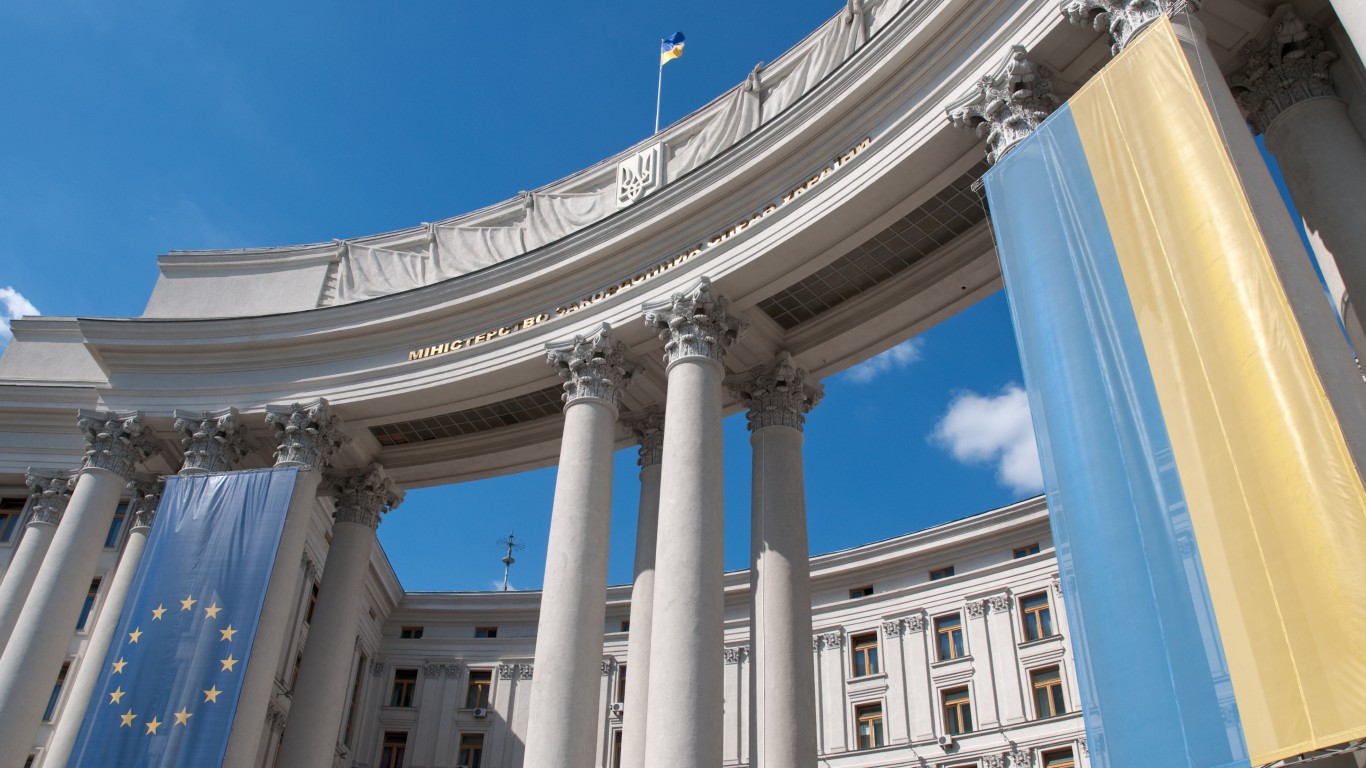
- Most cited risk: Involuntary migration
- Second most cited risk: Attacks on critical infrastructure
- Third most cited risk: Armed conflict (interstate, intrastate, proxy wars, coups etc.)
- Fourth most cited risk: Labor or talent shortage
- Fifth most cited risk: Public debt
9. Canada

- Most cited risk: Economic downturn (e.g. recession, stagnation)
- Second most cited risk: Labor or talent shortage
- Third most cited risk: Inflation
- Fourth most cited risk: Poverty and inequality (wealth, income)
- Fifth most cited risk: Adverse outcomes of artificial intelligence technologies
8. Spain

- Most cited risk: Public debt
- Second most cited risk: Labor or talent shortage
- Third most cited risk: Societal polarization
- Fourth most cited risk: Economic downturn (e.g. recession, stagnation)
- Fifth most cited risk: Water supply shortage
7. South Korea
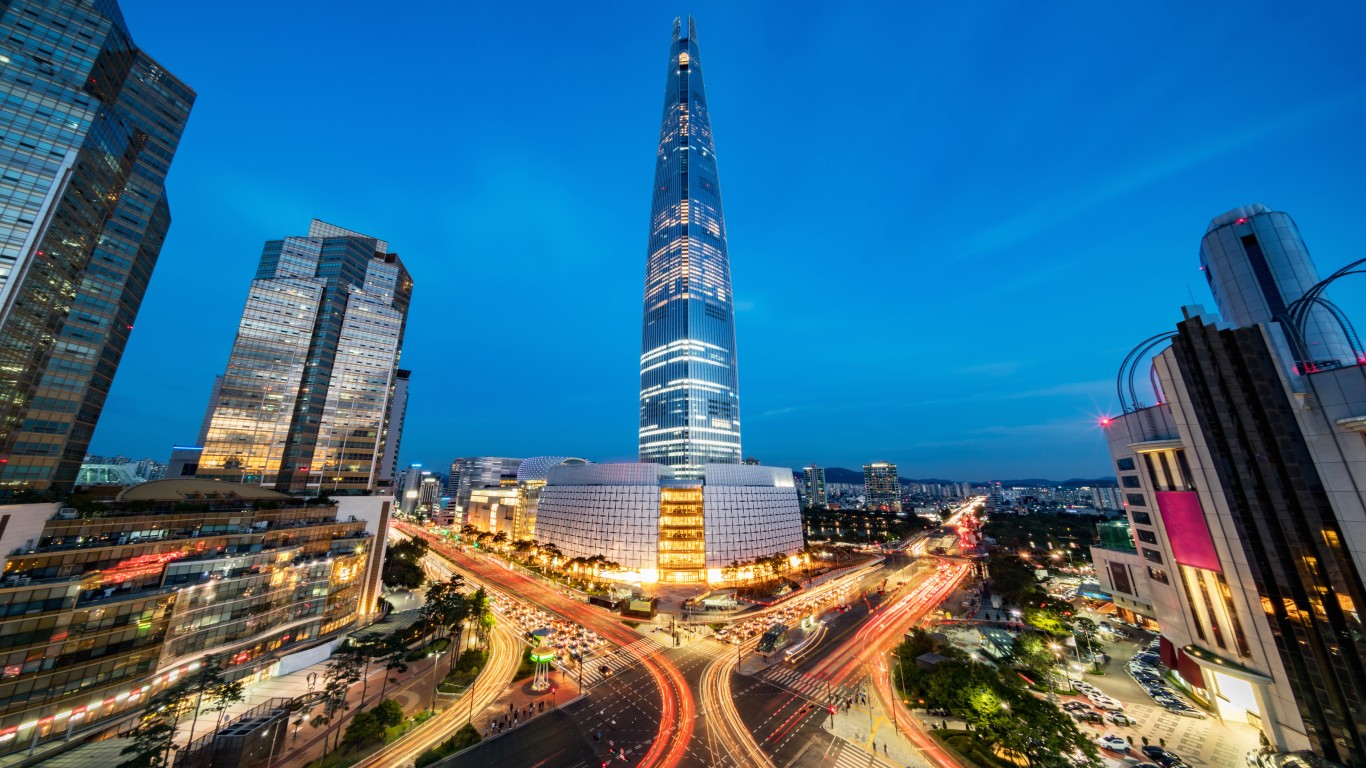
- Most cited risk: Energy supply shortage
- Second most cited risk: Unemployment or lack of economic opportunity
- Third most cited risk: Water supply shortage
- Fourth most cited risk: Poverty and inequality (wealth, income)
- Fifth most cited risk: Economic downturn (e.g. recession, stagnation)
6. Italy

- Most cited risk: Economic downturn (e.g. recession, stagnation)
- Second most cited risk: Extreme weather events (floods, heatwaves etc.)
- Third most cited risk: Inflation
- Fourth most cited risk: Labor or talent shortage
- Fifth most cited risk: Poverty and inequality (wealth, income)
5. France
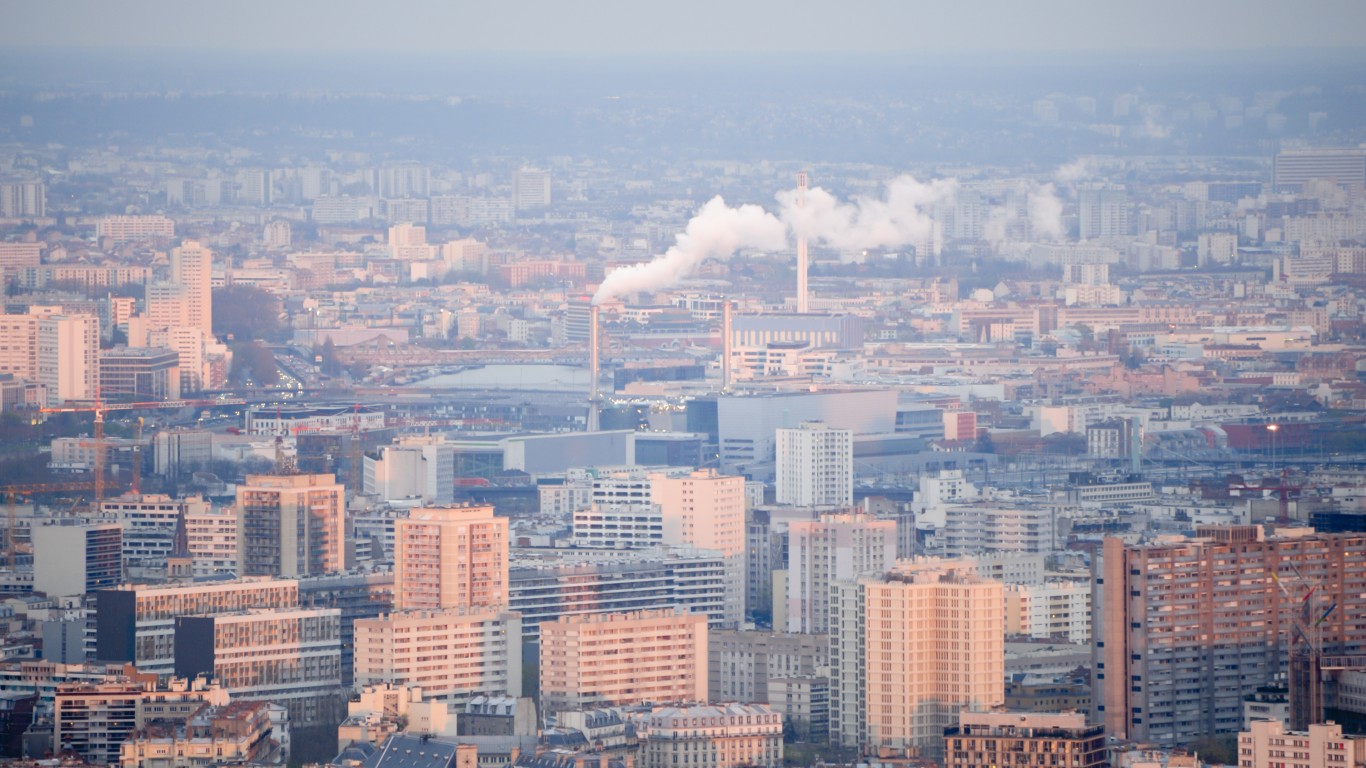
- Most cited risk: Inflation
- Second most cited risk: Intrastate violence (civil strikes, riots)
- Third most cited risk: Involuntary migration
- Fourth most cited risk: Economic downturn (e.g. recession, stagnation)
- Fifth most cited risk: Water supply shortage
4. United Kingdom
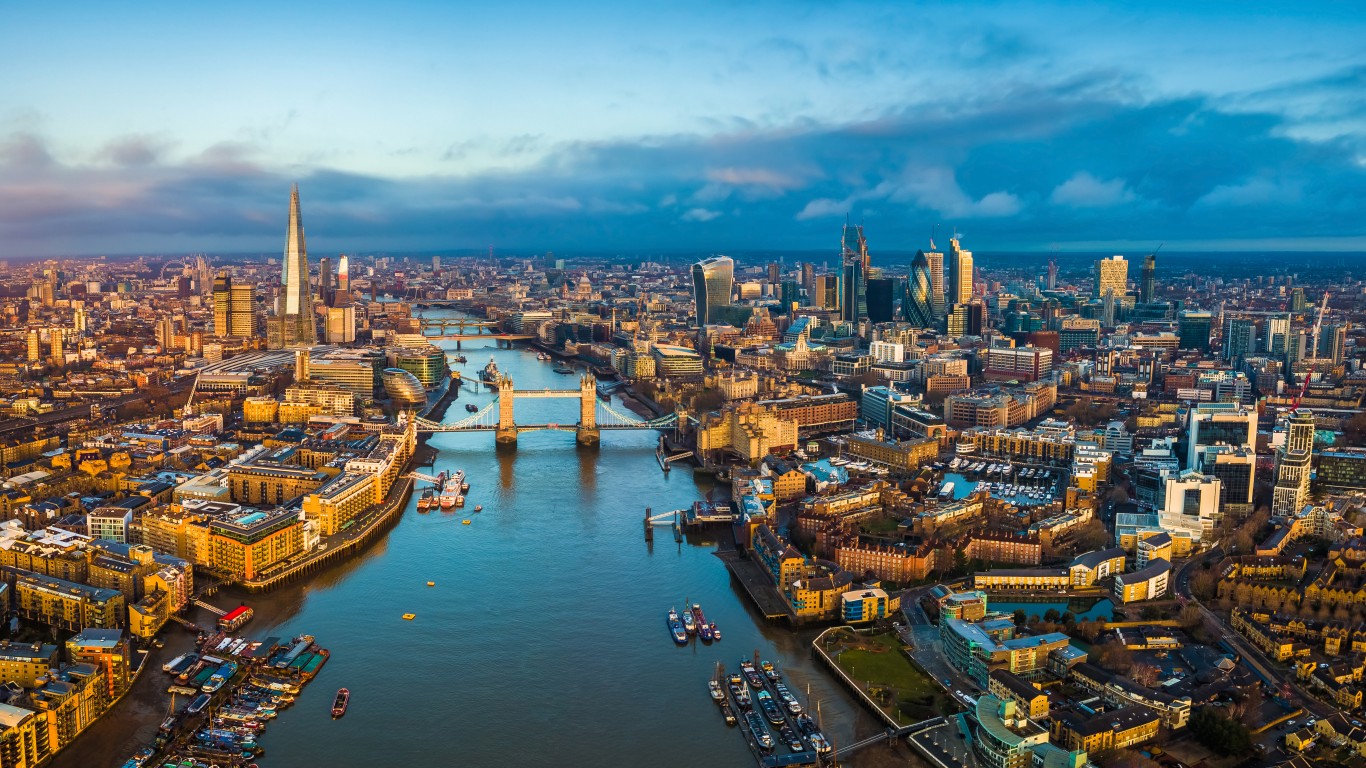
- Most cited risk: Economic downturn (e.g. recession, stagnation)
- Second most cited risk: Inflation
- Third most cited risk: Labor or talent shortage
- Fourth most cited risk: Adverse outcomes of artificial intelligence technologies
- Fifth most cited risk: Involuntary migration
3. Germany
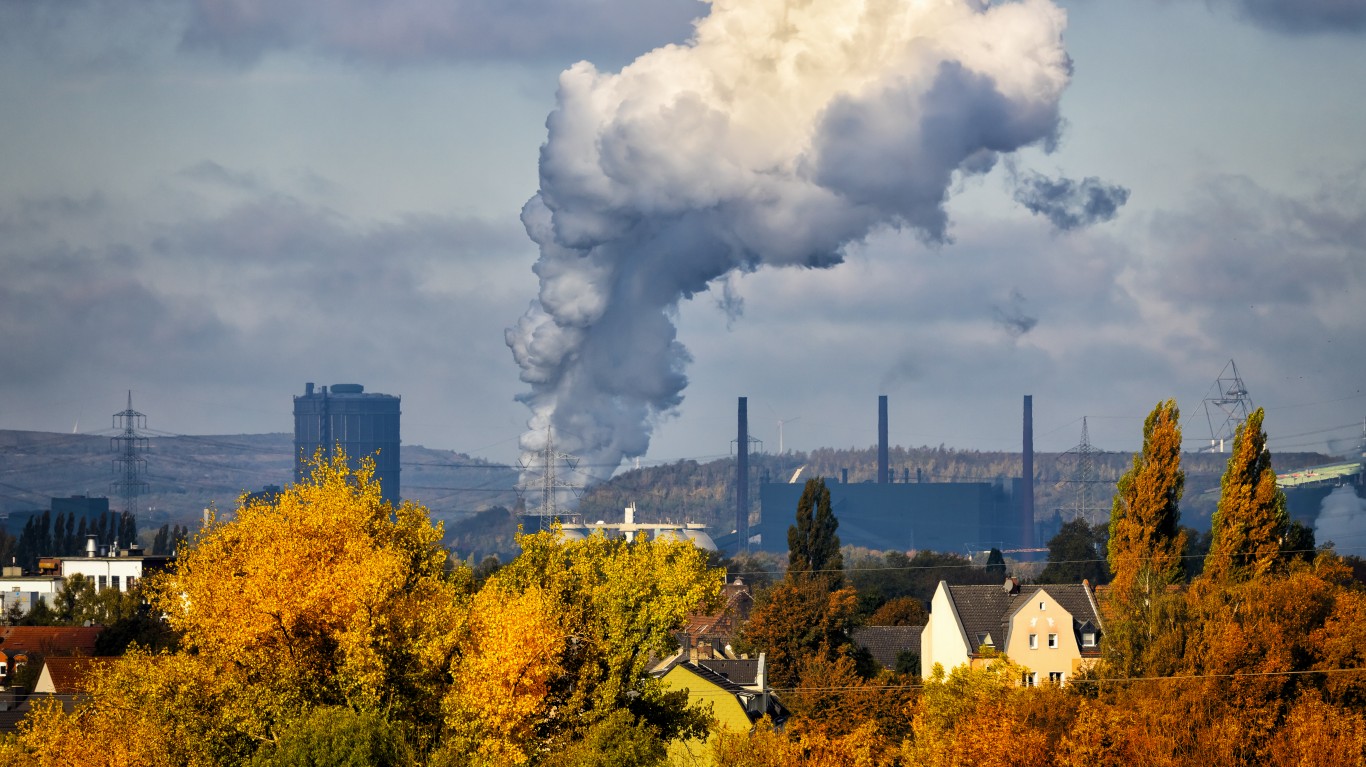
- Most cited risk: Labor or talent shortage
- Second most cited risk: Economic downturn (e.g. recession, stagnation)
- Third most cited risk: Involuntary migration
- Fourth most cited risk: Misinformation and disinformation
- Fifth most cited risk: Energy supply shortage
2. Japan
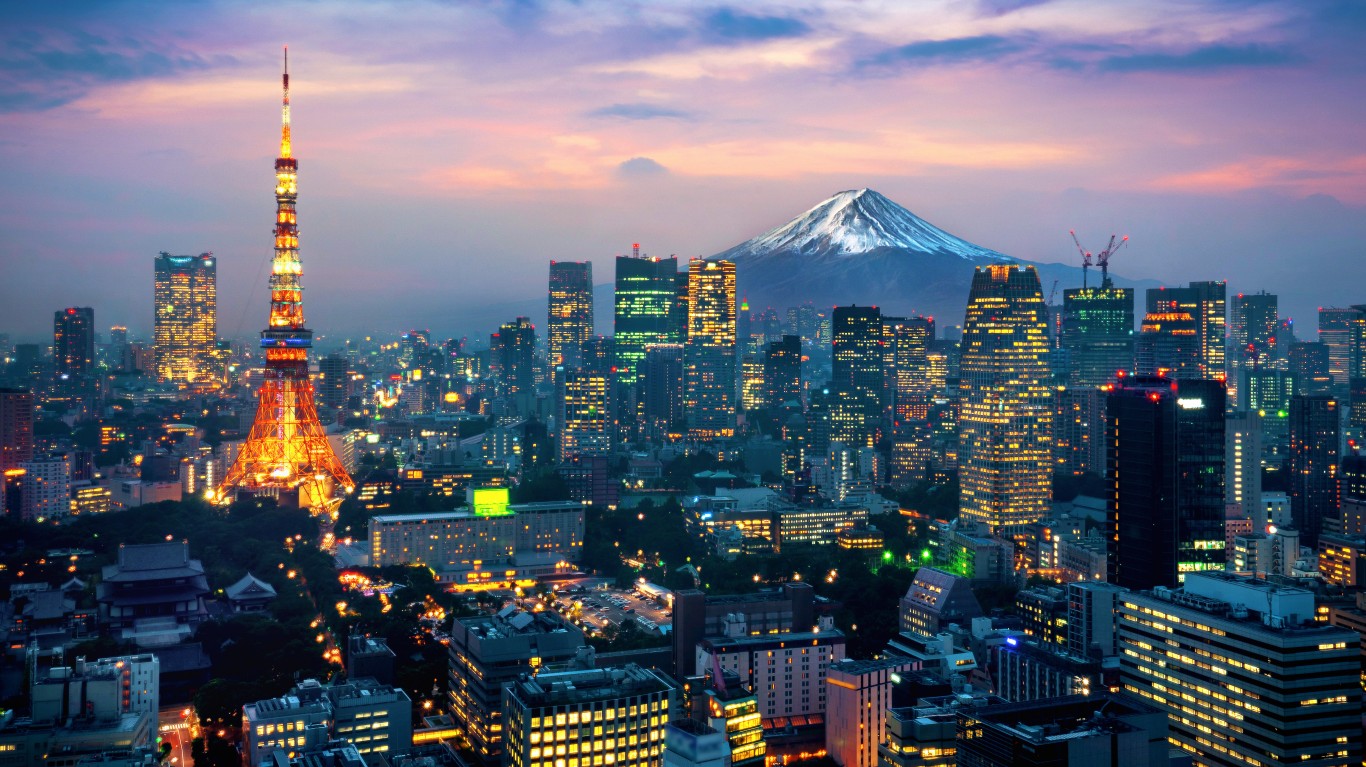
- Most cited risk: Labor or talent shortage
- Second most cited risk: Non-weather-related natural disasters (earthquakes, volcanoes, etc.)
- Third most cited risk: Economic downturn (e.g. recession, stagnation)
- Fourth most cited risk: Extreme weather events (floods, heatwaves etc.)
- Fifth most cited risk: Energy supply shortage
1. United States
- Most cited risk: Economic downturn (e.g. recession, stagnation)
- Second most cited risk: Inflation
- Third most cited risk: Adverse outcomes of artificial intelligence technologies
- Fourth most cited risk: Food supply shortage
- Fifth most cited risk: Extreme weather events (floods, heatwaves etc.)











 Top Gaining Stocks
 Top Losing Stocks